Does A Radiator Work If You Remove The Home Thermostat?
This article will clear things up. We’ll look at what radiators and thermostats do. We’ll explain if a radiator can still work if the thermostat is gone.
You’ll learn about the whole heating system. This will help you understand your home’s comfort better. We want you to feel confident about your heating.
If you remove the home thermostat, radiators in a typical hydronic (hot water) or steam heating system will likely stop working as intended. The thermostat is the brain that tells the boiler when to turn on and off. Without it, the system usually won’t get the signal to heat water or steam, and thus, radiators won’t get hot.
How Your Home Heating System Works
Think of your home’s heating system as a team. Each part has a job. They work together to keep you cozy.
The main players are the boiler, the pipes, the radiators, and the thermostat.
The boiler is the engine. It burns fuel, like gas or oil. This makes heat.
This heat is used to warm up water or create steam. This hot water or steam is what travels through your house.
Pipes are like the roads. They carry the hot water or steam from the boiler to different rooms. These pipes spread the warmth all over your home.
They are usually hidden behind walls or under floors.
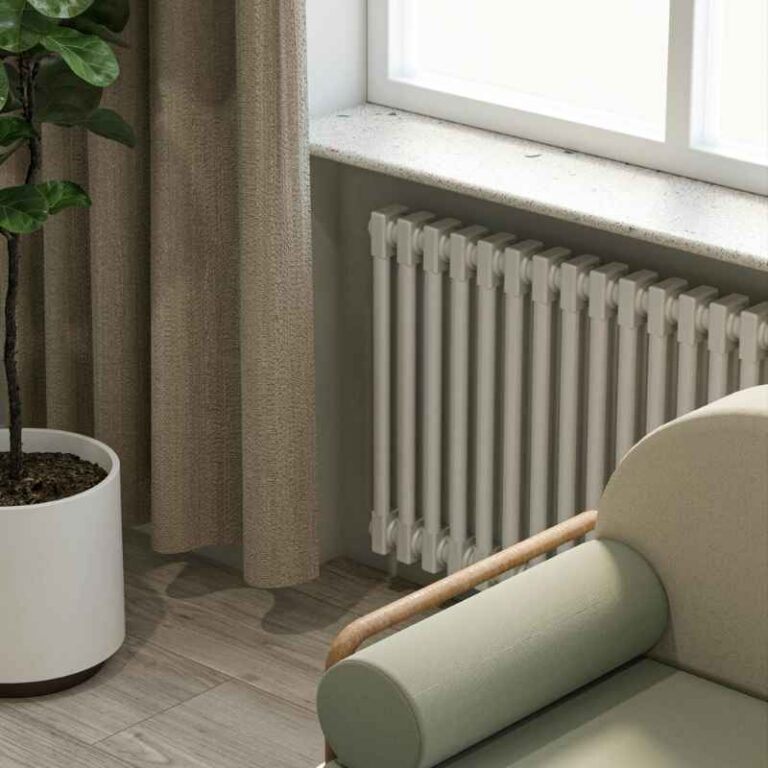
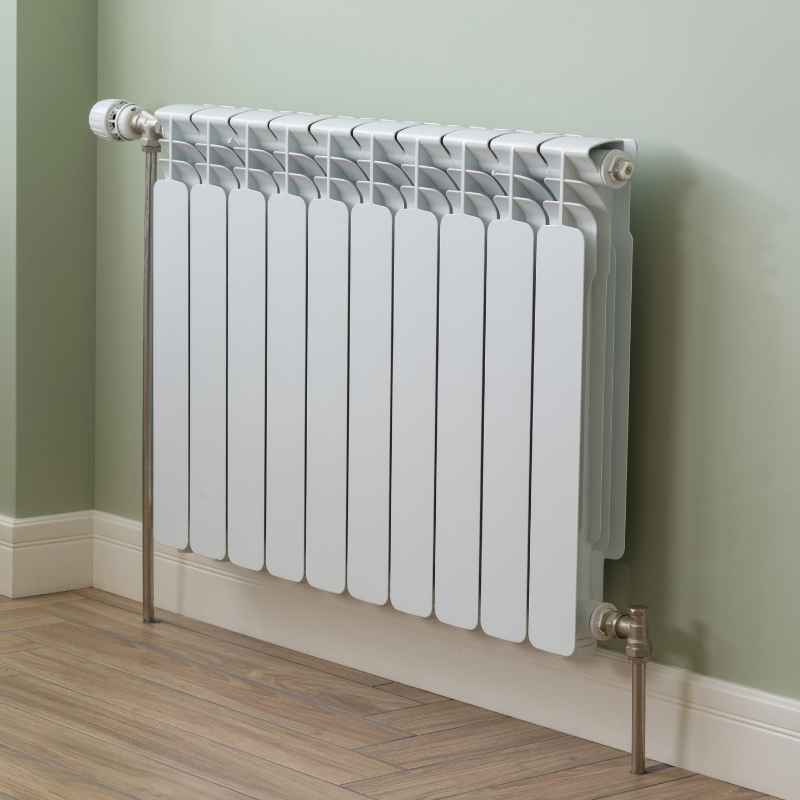
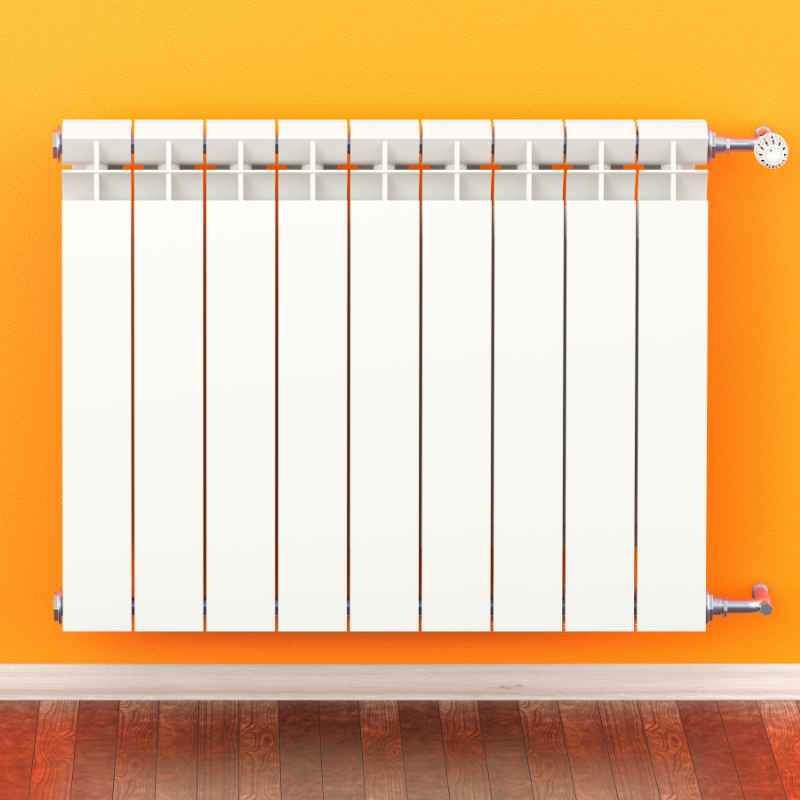
Radiators are the delivery points. They are metal boxes, often found under windows. They have fins or sections.
As hot water or steam flows through them, the metal gets hot. This heat then warms the air around the radiator. This warm air rises and circulates through the room.
This is how your rooms get heated.
The thermostat is the manager. It’s usually a small box on the wall. It has a sensor inside.
This sensor reads the room’s temperature. It compares this to the temperature you want. If the room is too cold, it tells the boiler to start.
If the room is warm enough, it tells the boiler to stop.
This system needs all its parts to work right. The boiler makes the heat. The pipes move it.
The radiators give it to the room. The thermostat tells everyone when to act. It’s a cycle of making heat, moving it, and controlling it.
The Thermostat’s Crucial Role
The thermostat is the conductor of your home’s heating orchestra. It’s not just a little dial on the wall. It’s a smart device that keeps your home at a comfortable temperature.
It does this by talking to your boiler. It’s the part that tells the system when to start and when to stop.
When you set your thermostat to a certain temperature, say 70 degrees, you’re giving it a target. The thermostat’s internal sensor checks the current room temperature. If the room is colder than 70 degrees, the thermostat sends a signal.
This signal usually travels through a wire to your boiler. It’s like a clear message: “Start heating!”
The boiler then fires up. It heats the water or creates steam. This hot stuff starts flowing through the pipes.
It goes to your radiators. The radiators get warm and heat your rooms. As the rooms heat up, the thermostat keeps checking the temperature.
Once the room reaches your set point, say 70 degrees, the thermostat sends another signal. This one says: “Stop heating!”
The boiler shuts off. The flow of hot water or steam stops. Your radiators cool down.
This process repeats itself throughout the day. It keeps your home feeling just right. Without this constant communication, the system would be lost.
Some newer thermostats are even smarter. They can be programmed. They can learn your habits.
They can adjust the temperature automatically. Some can be controlled from your phone. But their main job remains the same: manage the boiler based on room temperature.
If you remove the thermostat, you’re cutting off this communication. The boiler loses its boss. It doesn’t know when to turn on or off.
It’s like a car without a driver. It can’t go anywhere or do anything useful.
What Happens When the Thermostat is Removed?
Let’s get straight to the point. If you remove the home thermostat, your radiators will likely stop working. This is true for most standard heating systems in the U.S.
The thermostat is the brain of the operation. Without it, the brain is gone, and the body can’t function correctly.
Here’s why. Your thermostat is wired to your boiler. It uses this connection to send commands.
When the thermostat senses the room is too cold, it closes a circuit. This tells the boiler to turn on. When the room gets warm enough, the thermostat opens the circuit.
This tells the boiler to turn off.
If you remove the thermostat, you’re breaking that circuit. The signal to turn the boiler on can’t be sent. The system just doesn’t know it needs to make heat.
It’s like unplugging a lamp from the wall. The bulb is still there, but it won’t light up.
So, even if the radiators are perfectly fine, and the boiler has fuel, nothing will happen. The water or steam will stay cold. Your radiators will remain cool.
You won’t get any heat.
There are very old systems where a thermostat might not be the primary control. But for modern homes, especially in the U.S., the thermostat is essential. It’s the central command center.
Taking it away means taking away the instruction manual for your heating.
It’s important to note that removing the thermostat doesn’t harm the system itself. It just stops it from working. The pipes are still there.
The radiators are still there. The boiler is still there. But the communication link is broken.
That link is vital for heat production and distribution.
Can Radiators Work Without a Thermostat (But With Boiler Control)?
This is a good question. What if the thermostat is gone, but there’s another way to tell the boiler to run? In most homes, the answer is still no, or at least not effectively.
The thermostat is the primary control for your heating system’s automation.
However, let’s consider some edge cases. Some older, very basic heating systems might have had manual controls directly on the boiler. A homeowner could go to the boiler and turn it on.
Then the boiler would run continuously. In this scenario, the hot water or steam would keep flowing to the radiators. The radiators would get hot and produce heat.
But there’s a huge problem with this. Without a thermostat, there’s no way to control the temperature. The boiler would just keep running and running.
Your house would get hotter and hotter. You’d have no control over it. This is not safe and incredibly wasteful of energy.
Also, many modern boilers have their own built-in safety controls and basic functions. They might have a switch to force them on. But this is usually for testing or emergency use, not daily operation.
And even if you force the boiler on, the system still lacks smart temperature regulation.
Another situation to think about is zoned heating. In a zoned system, there are multiple thermostats. Each controls a different area or “zone.” If you remove one thermostat, that zone won’t heat.
But the other zones might still work if their thermostats are in place. This isn’t a radiator working without any thermostat; it’s just one zone being offline.
For typical single-thermostat systems, removing it effectively silences the entire heating operation. The radiators rely on the boiler to supply them with heat. The thermostat is the only thing telling the boiler to supply that heat based on your comfort needs.
So, while technically a radiator might get hot if the boiler is manually forced on, it’s not a functional way to heat a home. It bypasses the comfort and safety features that thermostats provide. Your radiators need that smart signal to deliver heat when and where it’s needed.
Radiator Types and How They Get Heat
Steam Radiators: These use steam, which is hotter than hot water. When the boiler makes steam, it travels through pipes to the radiator. The steam condenses inside, releasing its heat.
This heat warms the radiator, which then warms the room. These are older but still found in some homes.
Hot Water Radiators (Hydronic): This is the most common type today. Hot water from the boiler flows through pipes to the radiator. The hot water transfers its heat to the radiator metal.
The warmed radiator heats the room air. The cooled water then returns to the boiler to be reheated.
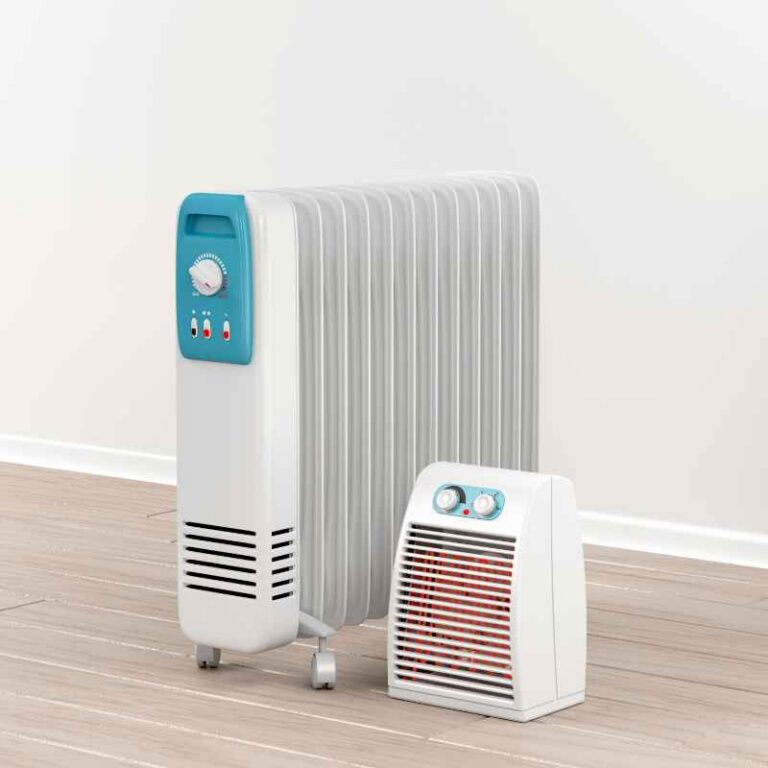
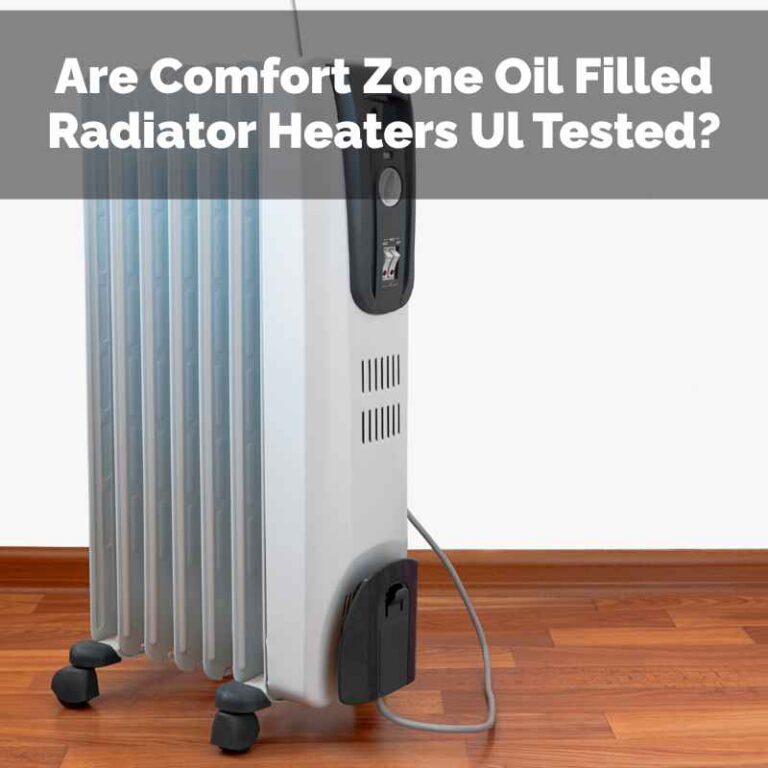
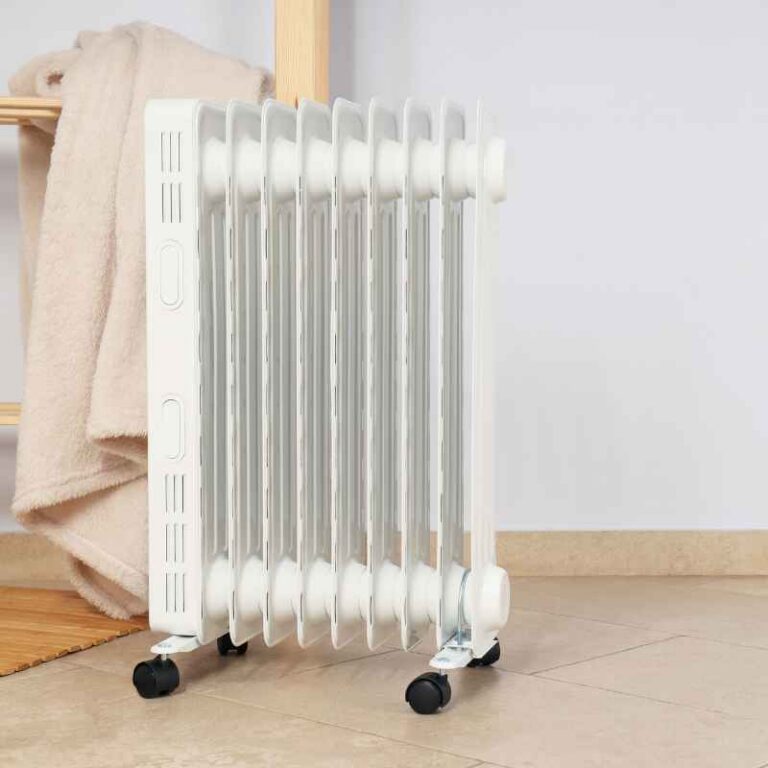
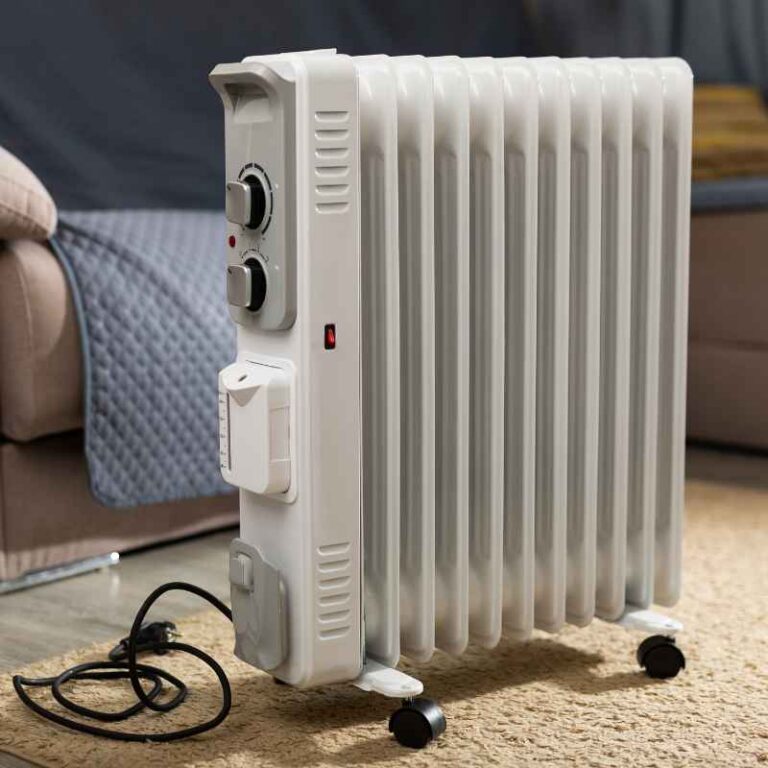
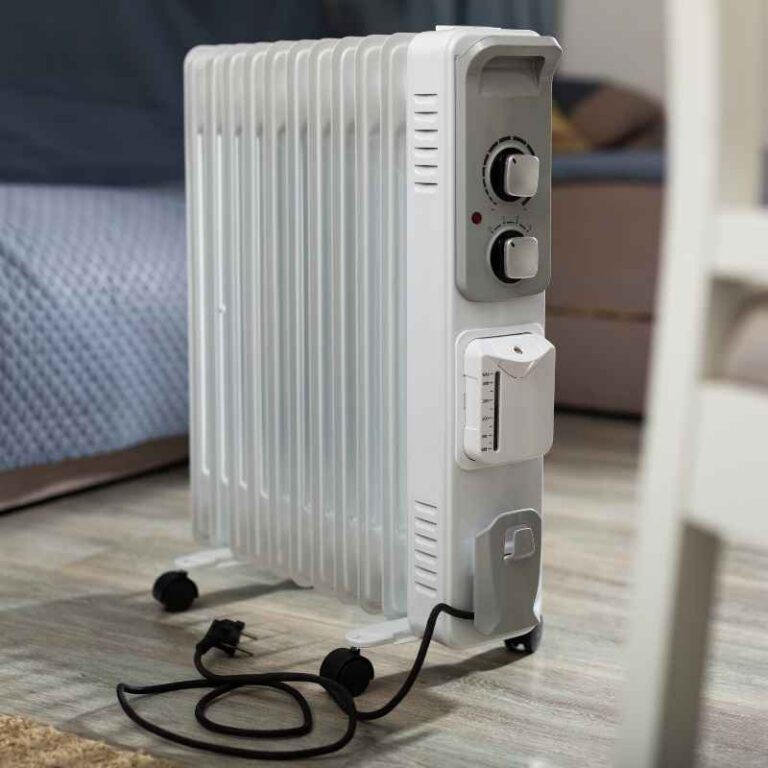
Electric Radiators: These are different. They have heating elements inside. They plug into an electrical outlet.
They don’t need a boiler or pipes. They work independently and are controlled by their own built-in thermostat or a wall switch.
The Boiler: The Heart of the Heat
Your boiler is a powerful machine. It’s the central point where heat is created for your home. It’s responsible for taking a fuel source and turning it into something that can warm your living spaces.
For most homes with radiators, this means heating water or making steam.
Boilers use different fuels. Natural gas is very common in many parts of the U.S. Propane is used where natural gas lines aren’t available.
Some older homes might still use oil boilers. There are also electric boilers, though they are less common for whole-home heating because of energy costs.
Inside the boiler, there’s a burner. This burner ignites the fuel. This creates a flame.
This flame heats a heat exchanger. The heat exchanger is a metal component. Water or steam flows through or around it.
The heat transfers from the exchanger to the water or steam.
Once the water is hot enough or steam is produced, it’s ready to go. It’s then pushed through the network of pipes. These pipes lead to your radiators.
The boiler is essentially a powerful water heater designed for your entire house.
The boiler also has safety features. It has pressure relief valves. It has temperature sensors.
These keep it from overheating or becoming dangerous. But its main job is to generate the hot medium for your heating system.
Crucially, the boiler doesn’t decide when to turn on or off by itself. That decision is made by the thermostat. The boiler simply responds to the signals it receives.
If it gets no signal, or a signal to stop, it does just that. This is why a functional thermostat is so important. It controls the boiler’s activity based on your needs.
Think of the boiler as a strong worker. It can do a lot of heavy lifting, but it needs instructions. The thermostat gives those instructions.
Without them, the worker stands idle, even with all the tools and materials (fuel and water) ready.
My Own “Oops” Moment with a Thermostat
I remember one cold November evening, not too long ago. I was trying to be helpful and decided to “tidy up” the area around our old thermostat. It was one of those basic mercury-switch models.
I thought I’d clean the dusty wall plate. In my haste, I accidentally nudged the whole unit a bit too hard.
Suddenly, the heating shut off. The comforting hum of the boiler went silent. I looked at the thermostat.
It seemed fine. I fiddled with the dial, trying to get the furnace to kick back on. Nothing.
Panic started to set in. The house was already starting to feel a little cooler. My dog, Buster, looked up at me with big, concerned eyes.
I checked the breaker box. Everything was on. I looked at the boiler itself – all the lights seemed normal.
What was I missing? I spent a good hour feeling frustrated and cold. Then, I remembered how I’d bumped the thermostat.
I cautiously took off the cover. I saw a tiny wire that had come loose from its terminal. It was just a thin copper strand, barely attached.
My heart sank. That tiny wire was the communication line. It was telling the boiler to run.
Without it, the boiler was deaf to my calls for heat. I carefully reconnected the wire, making sure it was snug. The click of the thermostat engaging was the sweetest sound I’d heard all night.
Moments later, the boiler rumbled to life. Warm air started to flow again. Buster let out a sigh of relief.
It was a good lesson. That little box on the wall is more important than it looks. It’s the gateway to warmth.
And sometimes, a tiny mistake can lead to a big chill.
Understanding Your Thermostat Settings
Set Point: The temperature you want your home to reach.
Fan Setting: Usually “Auto” or “On.” Auto means the fan only runs when the heat or AC is on. On means the fan runs constantly to circulate air.
Mode: Selects “Heat,” “Cool,” or “Off.” For radiators, you’ll typically use “Heat.”
Programmable Features: Allows you to set different temperatures for different times of day or days of the week.
Real-World Scenarios Without a Thermostat
Let’s paint a picture of what life is like when the thermostat is out of commission. Imagine you’ve had to remove it for some reason. Maybe you’re renovating.
Or maybe it broke, and you haven’t replaced it yet.
Scenario 1: The Empty Wall
You’re in your living room. It’s a chilly autumn day. You look at the empty spot on the wall where the thermostat used to be.
You feel a slight shiver. The house is silent. No familiar rumble of the boiler.
No gentle warmth radiating from the old cast-iron radiator by the window. The radiators are just… there. Cold metal objects.
You might try to find the boiler. You might even be able to manually switch it on. But as we discussed, this leads to uncontrolled heat.
Your rooms will get too hot. Your energy bills will skyrocket. You’ll be opening windows in what should be a cozy home.
Scenario 2: The Broken Thermostat
Your thermostat suddenly stops responding. The screen is blank. Or maybe it’s stuck on one reading.
The boiler is no longer getting instructions. The radiators are not heating. You feel the chill creep in.
You might try to reset it. You might check the batteries if it has them.
But if the thermostat itself is broken, the system is effectively blind. It can’t sense the temperature. It can’t send the signal to the boiler.
Your radiators remain cold, like statues. You’ll be reaching for extra blankets and sweaters.
Scenario 3: Temporary Removal During Construction
Workers are in your home doing repairs. They need to remove the thermostat temporarily. They cap off the wires.
The heating system stops. For a few days, your house is cold. You might use portable heaters.
The radiators are just decorative pieces of metal until the thermostat is reinstalled and reconnected.
These scenarios highlight one thing: radiators are passive emitters of heat. They receive heat from the boiler. The thermostat is the critical link that tells the boiler to send that heat.
Without that signal, the radiators are just part of a dormant system.
Radiator Maintenance Checklist
Bleeding Radiators: This is for hot water systems. If a radiator is cold at the top but hot at the bottom, it might have air trapped inside. Use a radiator key to let the air out.
You’ll hear a hissing sound. Stop when water starts to drip out.
Checking for Leaks: Look for drips or puddles around your radiators and pipes. Small leaks can become big problems.
Keeping Them Clear: Don’t block radiators with furniture or curtains. This stops heat from circulating into the room.
Annual Boiler Service: While not directly radiator maintenance, a yearly check of your boiler ensures it’s running efficiently and safely. This indirectly helps your radiators.
What This Means for Your Home Comfort
So, what’s the takeaway? When you remove the thermostat, you’re essentially turning off your home’s ability to regulate its temperature automatically. Your radiators are designed to give off heat, but only when they receive it.
And they only receive it when the boiler is told to produce it. That instruction comes from the thermostat.
This means a few things for your comfort:
No Heat: The most obvious outcome is no heat at all. Your radiators will be cold. Your home will get progressively colder, especially during the colder months.
This can be very uncomfortable and even dangerous in extreme weather.
Lack of Control: Even if you could find a way to manually run the boiler, you would lose all control over the temperature. Your house could become uncomfortably hot. This is not only unpleasant but also a massive waste of energy and money.
System Inactivity: The entire heating system, from the boiler to the pipes to the radiators, remains idle. It’s not just the radiators that stop working; the whole process of heating is halted.
Potential for Damage: In very cold climates, if your pipes freeze because there’s no heat, they can burst. This can cause significant water damage to your home. While this is an extreme case, it’s a serious consequence of losing your heating control.
The thermostat is not just an accessory; it’s a fundamental part of your heating system. It’s the bridge between your desired comfort level and the actual operation of your boiler and radiators.
If your thermostat is broken or you need to remove it, prioritize getting it repaired or
Quick Fixes and Tips
If your heating system isn’t working and you suspect the thermostat might be the issue, here are some simple checks. Remember, these are for basic troubleshooting, not for major repairs.
Check the Batteries: If you have a digital thermostat, the batteries might be dead. Try replacing them. Make sure you use the correct type of batteries.
This is a very common reason for a thermostat to stop working.
Ensure the Thermostat is On: Make sure the thermostat is set to “Heat” mode. Also, check that the temperature setting is above the current room temperature. Sometimes it gets accidentally switched or turned down.
Check the Cover: For some older thermostats, the cover needs to be fully closed for it to work. Gently press the cover to ensure it’s sealed properly.
Inspect Wires (Carefully!): If you feel comfortable and have turned off power to the system at the breaker box, you can carefully remove the thermostat cover. Look for any wires that might have become loose or disconnected. If you see one, try to gently push it back into its terminal.
If you’re not sure, call a professional.
Listen for the Boiler: When you adjust the thermostat, do you hear any clicks or activity from the thermostat itself? Can you hear the boiler attempting to start up, even if it fails? These sounds can give clues about where the problem lies.
Know When to Call a Pro: If these simple checks don’t solve the problem, or if you are uncomfortable working with electrical components, it’s time to call a qualified HVAC technician. They have the tools and expertise to diagnose and fix more complex issues with your thermostat or boiler.
Never try to bypass safety features or force the system to run if you don’t know what you’re doing. It can be dangerous and costly.
Frequently Asked Questions
Will my radiators get hot if I just turn the boiler on manually?
While you might be able to manually turn on the boiler, this is generally not a good idea for regular use. It bypasses the thermostat’s control over temperature. The boiler would likely run continuously, making your home too hot and wasting a lot of energy.
It also removes safety and efficiency controls.
Can I replace a broken thermostat myself?
For basic digital thermostats, it’s often possible for a DIYer. You’ll need to turn off power to the system. Then, you carefully disconnect the old thermostat, noting which wire goes where.
You then connect the new thermostat in the same way. However, if you’re not comfortable with wiring, it’s best to hire a professional to avoid mistakes or damage.
What happens if my thermostat breaks in winter?
If your thermostat breaks in winter, your heating system will likely not turn on. Your radiators will remain cold. This means your home will get cold, and you will have no heat.
It’s important to fix or replace a broken thermostat immediately to avoid discomfort and potential pipe freezing.
Are there different types of thermostats that work with radiators?
Yes, there are. Most radiators are part of a central heating system controlled by a single thermostat. However, some advanced systems use smart thermostats that can manage multiple zones, or even individual radiators with special valves.
But the fundamental principle of the thermostat controlling the boiler remains the same.
How do I know if my thermostat is the problem?
Common signs include your heating not turning on at all, the heating running constantly without reaching the set temperature, or the thermostat screen being blank or showing error messages. If your radiators are cold and your boiler isn’t kicking on when it should, the thermostat is a prime suspect.
Can I still use my radiators if I have a smart thermostat?
Yes, smart thermostats are designed to work with central heating systems, including those with radiators. They often offer more precise control and energy savings. If your smart thermostat is removed or broken, the system will stop working, similar to a traditional thermostat.
Conclusion
So, to answer the main question directly: no, a radiator generally will not work effectively if you remove the home thermostat. The thermostat is the vital link. It tells the boiler when to create heat.
Without this command, the boiler stays silent. Your radiators remain cold and inactive. Understanding this relationship is key to keeping your home warm and cozy.
Sponsored / affiliate links. As an Amazon Associate I earn from qualifying purchases. I may earn additional commission from eligible campaigns.