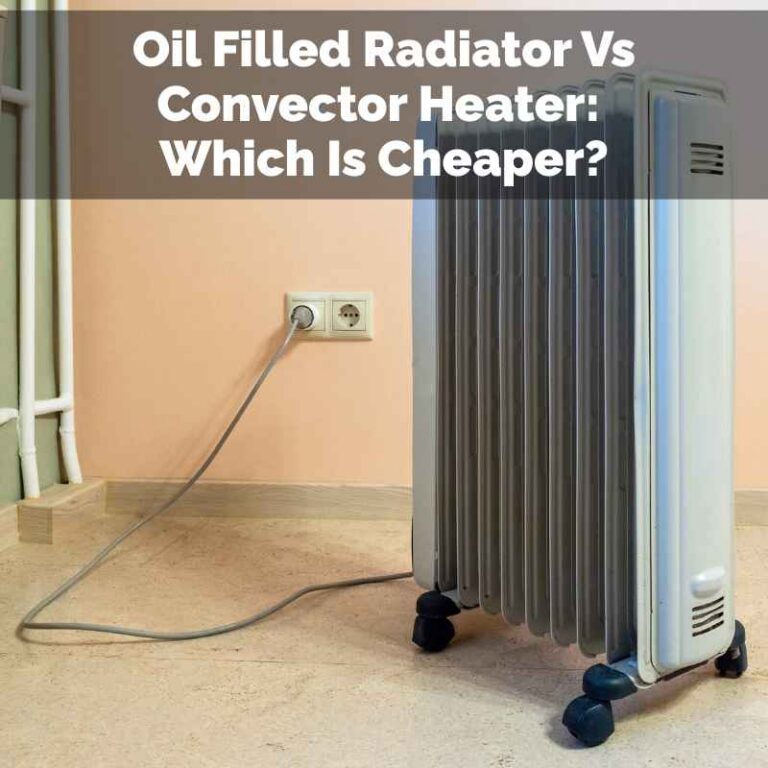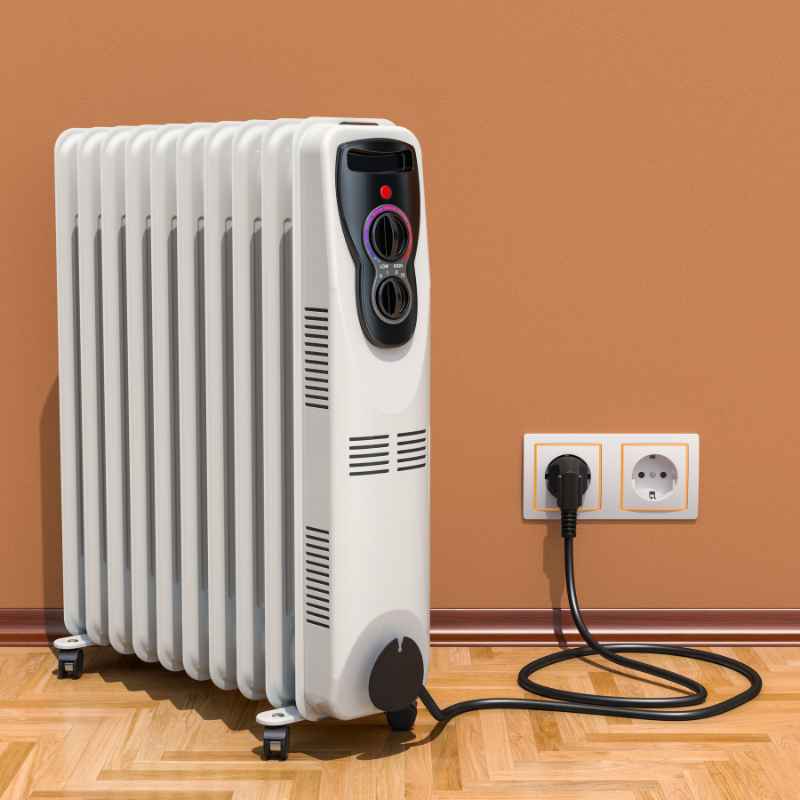
Is It Okay to Run Oil Filled Radiators Overnight? Answered
Running an oil filled radiator overnight is a go-to solution for many looking for silent, sustained winter warmth. But the question of safety and cost lingers for most homeowners. Modern oil filled radiators are engineered with advanced safety cut-offs, making them one of the safer options for overnight use, provided basic precautions are followed.
This comprehensive guide examines the fire risks, electricity costs, safety certifications, and best practices for running an oil filled radiator while you sleep.
Simply put, yes, it is generally safe to run a modern oil filled radiator overnight. These units feature sealed internal oil that never needs refilling, combined with automatic thermostats and tip-over protection. However, safety hinges on using a well-maintained heater from a reputable brand and keeping it clear of flammable materials. The real trade-off is between comfort and efficiency, as running a 1500W heater for 8 hours can add a noticeable amount to your energy bill.
Key Takeaways
- Modern oil filled radiators have built-in overheat and tip-over shutoff switches, making them safe for unattended overnight use.
- Running a 1500W oil filled radiator overnight costs roughly $0.50 to $1.10, depending on your local electricity rates and thermostat setting.
- These heaters are significantly quieter and maintain temperature better than fan-forced alternatives, making them ideal for bedrooms.
- Always place the radiator on a flat, stable surface away from curtains, bedsheets, and furniture to maintain a 3-foot safe distance.
- Using the built-in thermostat to maintain a lower temperature (e.g., 65°F) can save up to 30% on energy costs compared to running it at max output.
How Do Oil Filled Radiators Work?
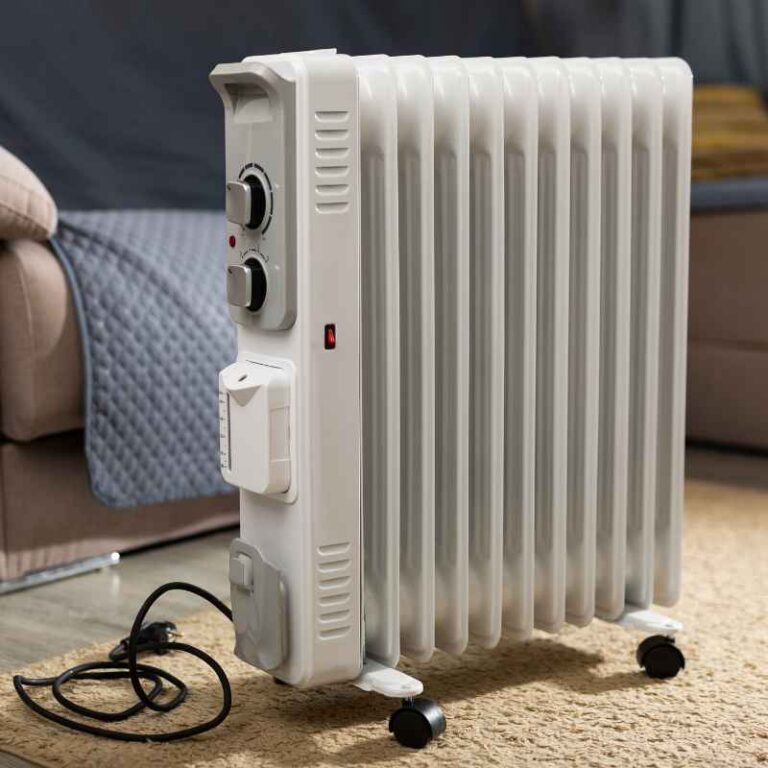
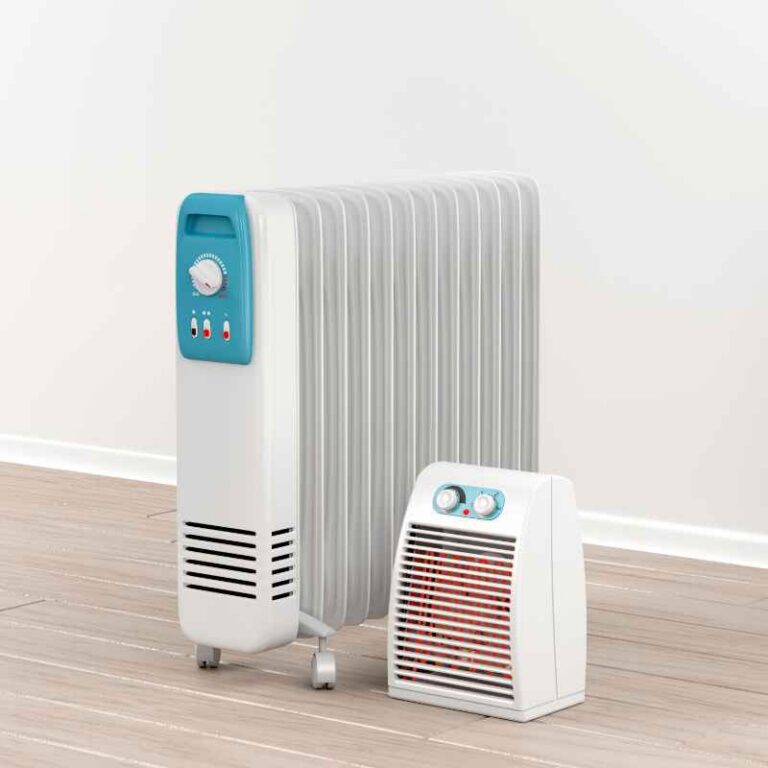
Unlike fan heaters that blow hot air, oil filled radiators use electricity to heat a sealed reservoir of diathermic oil inside the unit. This oil retains heat exceptionally well, allowing the metal fins to radiate warmth slowly and evenly into the room.
The oil itself is never burned or consumed. It acts purely as a heat reservoir. Once the oil reaches the set temperature, the thermostat cuts the power to the heating element.
The oil continues to release heat until it cools down, which keeps the room temperature stable without constant energy draw.
The principle behind an oil filled radiator is simple: radiant and convective heat transfer. The heated oil radiates infrared heat directly to objects and people in the room, while the air passing over the fins rises, creating a gentle convection cycle that warms the entire space evenly. This dual-action heating is why they provide such consistent comfort without the cold spots associated with fan heaters.
Key Components of an Oil Filled Radiator
- Heating Element: Submerged in the oil, it heats the diathermic fluid directly without exposing the element to air.
- Diathermic Oil: A high-specific-heat capacity fluid that holds thermal energy efficiently.
- Metal Fins: Increase the surface area for passive heat transfer into the room.
- Thermostat: Regulates the oil temperature to prevent overheating and maintain a set room climate.
- Safety Cut-Offs: Bi-metallic strips or sensors that break the circuit if the unit tips over or exceeds a safe internal temperature.
| Heat Type | How It Works | Benefit |
|---|---|---|
| Radiant | Infrared waves directly heat objects and people | Instant warmth, no air disturbance |
| Convection | Heated air rises, cool air fills the space | Even room temperature, no drafts |
This simple but effective design makes them exceptionally durable. According to the U.S. Consumer Product Safety Commission (CPSC), heaters that rely on sealed internal heating elements, like oil filled radiators, have a lower incidence of fire compared to coil or open-element heaters.
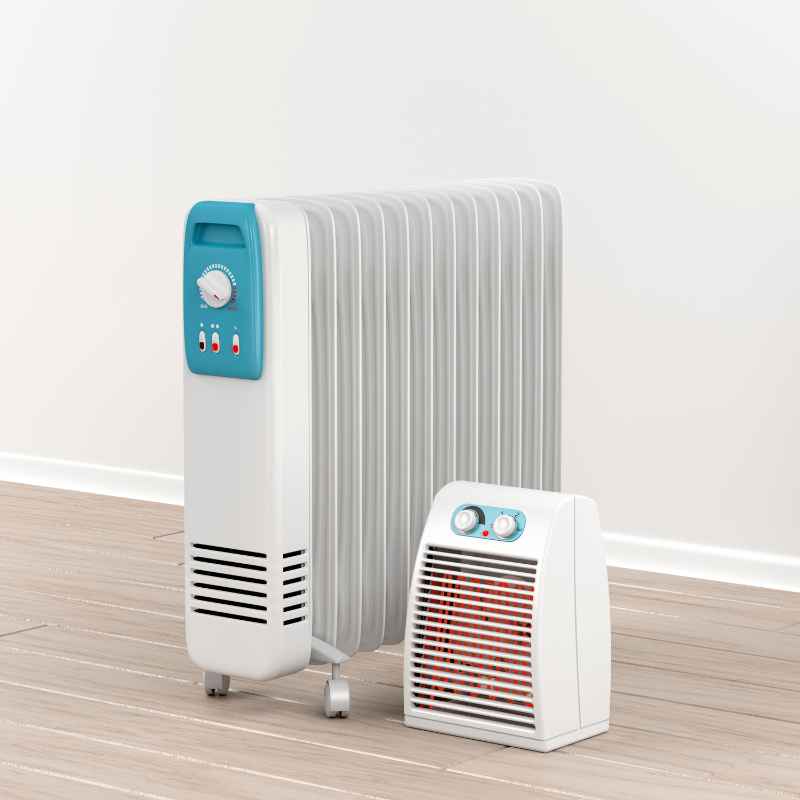
Is It a Fire Hazard to Run an Oil Filled Radiator All Night?
This is the primary concern for most people. The short answer is that the fire risk is very low when using a modern, certified oil filled radiator. The National Fire Protection Association (NFPA) states that heating equipment is involved in 15% of all reported home fires, and space heaters cause 44% of home heating deaths.
However, oil filled radiators often get a safety pass because their surface temperature is lower than that of many other portable heaters.
The lack of exposed heating elements and open flames is a major safety advantage. If the radiator tips over, an internal switch cuts the power. If the internal temperature exceeds a safe threshold, the thermal fuse trips permanently, disabling the unit until serviced.
Warning: While the unit itself is safe, covering an oil filled radiator with clothes or towels to dry them is a serious fire risk. The trapped heat can overcome the safety cut-offs or simply ignite the fabric. Always keep the radiator clear of obstructions.
Tips to minimize fire risk overnight:
- Ensure the heater is placed on a hard, level, non-flammable surface.
- Maintain a 3-foot “safe zone” around the heater, free from curtains, bedding, and furniture.
- Plug the heater directly into a wall outlet. Do NOT use an extension cord or power strip, as these can overheat and melt.
- Inspect the power cord for frays or damage before each use.
- Only use the heater in rooms with functioning smoke alarms.
How Much Does It Cost to Run an Oil Filled Radiator Overnight?
Running costs are a major factor. Most portable oil filled radiators operate at 700W (low) and 1500W (high). The actual overnight cost depends on your utility rate and how long the thermostat keeps the heating element active.
Let’s break down the potential cost for an 8-hour sleep cycle at the average U.S. electricity rate of $0.12 per kWh.
| Setting | Wattage | Duty Cycle (Est.) | Total kWh Used (8h) | Cost ($0.12/kWh) |
|---|---|---|---|---|
| Low (Thermostat at 65°F) | 700W | 40% | 2.24 kWh | $0.27 |
| Medium (Thermostat at 70°F) | 1500W | 50% | 6.0 kWh | $0.72 |
| High (Max Output) | 1500W | 75% | 9.0 kWh | $1.08 |
As you can see, relying on the thermostat is the key to cost control. A study by the Department of Energy (DOE) suggests that programmable thermostats can save users up to 10% annually on heating costs. For an oil filled radiator, setting the thermostat to a comfortable but not overly high temperature (around 65-68°F) is the most efficient way to run it overnight.
Factors That Influence Running Costs
- Room Size and Insulation: A well-insulated 150 sq ft bedroom will cost significantly less to heat than a drafty 300 sq ft room.
- Ambient Temperature: The colder it is outside, the harder the heater has to work and the more often the heating element will cycle on.
- Thermostat Setting: Each degree above 68°F can add 5-10% to your heating costs. Using a programmable thermostat is highly recommended.
- Heater Wattage: A 1500W heater uses more electricity than a 700W heater, but it will also bring the room to temperature faster.
- Local Electricity Rates: Rates vary by state. Hawaii pays $0.32/kWh, while Louisiana pays $0.10/kWh. Know your local rate to calculate your true cost.
Tip: Use the heater’s timer function (if available) to turn it off 1 hour before you wake up. The retained heat in the oil will keep the room warm, and you save on those morning kWh that you don’t really need.
What Safety Features Should You Look For?
Not all oil filled radiators are built the same. When selecting a unit for overnight use, specifically look for these non-negotiable safety certifications and features. A cheap unit without proper safety listings is never worth the risk, especially when left unattended.
| Safety Feature | Why It Matters |
|---|---|
| Tip-Over Switch | Instantly cuts power if the radiator is knocked over, preventing fires on carpet or wood floors. |
| Overheat Protection | A thermal fuse or sensor shuts the heater down if internal temps exceed safe limits. |
| Cool-Touch Housing | While the fins get hot, the main body and handle stay cooler, reducing the risk of serious burns. |
| Adjustable Thermostat | Prevents the room from getting too hot and reduces energy consumption by cycling the power. |
| UL / ETL Certification | Indicates the product has been independently tested to North American safety standards. |
Important: Always register your product warranty. If the safety fuse blows (due to a power surge or extreme overheat), the warranty can cover a replacement. Never tamper with the safety switches to try and reset a dead unit.
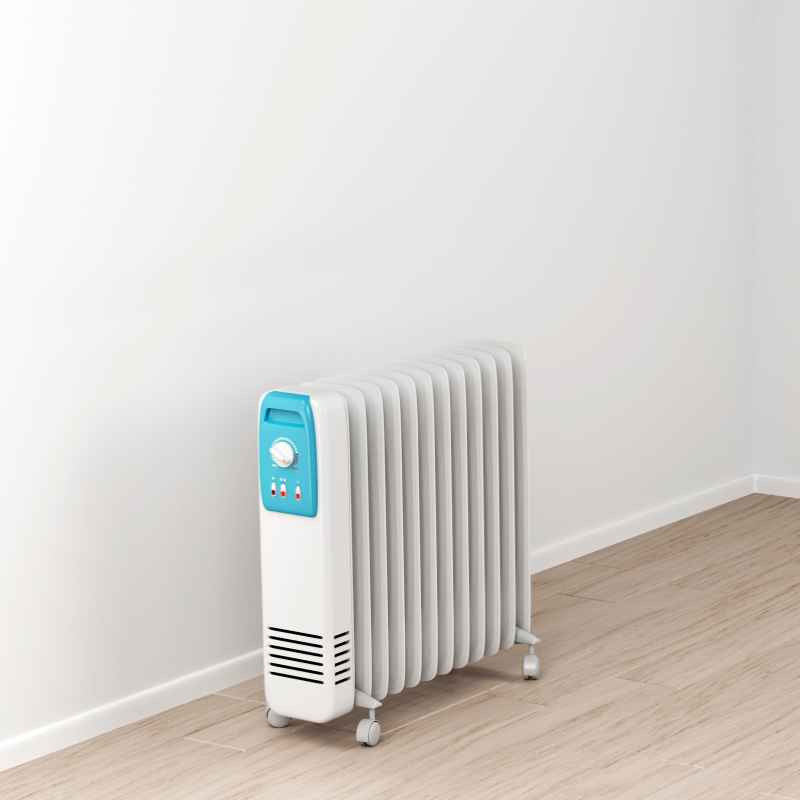
How to Use an Oil Filled Radiator Safely While Sleeping
Using an oil filled radiator in the bedroom requires following a few key steps to ensure safety and comfort.
Sponsored / affiliate links. As an Amazon Associate I earn from qualifying purchases. I may earn additional commission from eligible campaigns.