Are Oil Filled Radiators Safe for Oxygen Users?
Are oil filled radiators safe around oxygen users? This is a critical question for many households managing respiratory conditions, as the potential for fire hazards is a serious concern. These popular heating devices offer consistent warmth, but their operation near medical oxygen equipment requires careful consideration and specific safety protocols.
This post will break down the risks, outline essential safety measures, and provide guidance to ensure peace of mind.
Simply put, oil-filled radiators can be safe around oxygen users when strict safety guidelines regarding distance, ventilation, and maintenance are meticulously followed. The primary risk stems from the potential for ignition due to the oil’s combustibility and the oxygen’s oxidizing properties. Always maintain a safe distance, ensure adequate airflow, and never use them in an enclosed space with an active oxygen supply without expert consultation.
Key Takeaways
- Oil filled radiators pose a fire risk when used near oxygen, primarily due to the oil’s combustibility and oxygen’s support of combustion.
- Maintaining a significant distance (at least 10 feet or 3 meters) between the radiator and oxygen equipment is paramount.
- Proper ventilation is crucial to prevent oxygen enrichment in the immediate vicinity of the heater.
- Regular maintenance and inspection of both the radiator and oxygen equipment can mitigate potential hazards.
- Consulting with a medical professional or a fire safety expert is highly recommended before using these appliances in proximity to oxygen therapy.
Understanding the Risks: Oil Filled Radiators and Oxygen
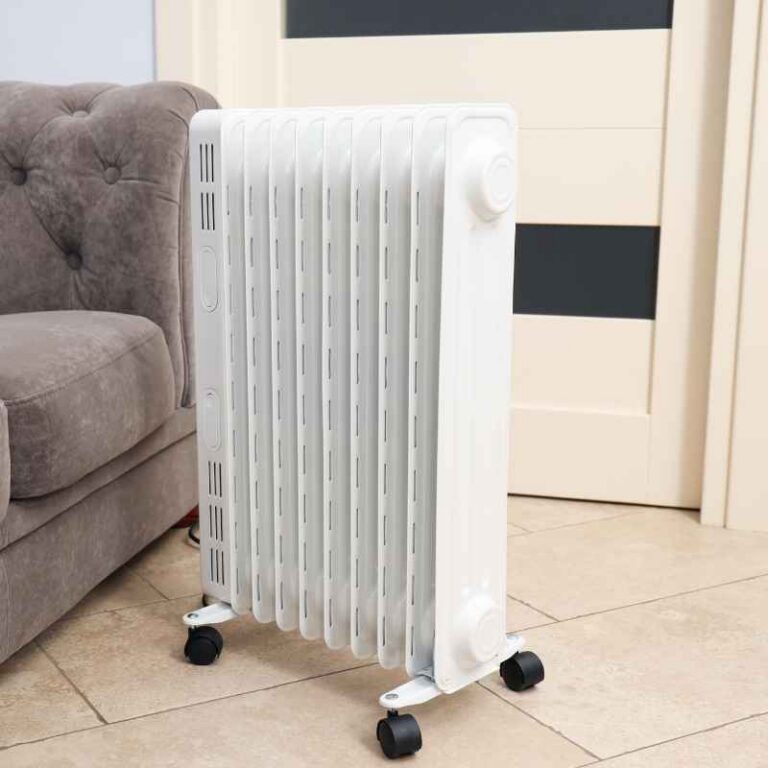
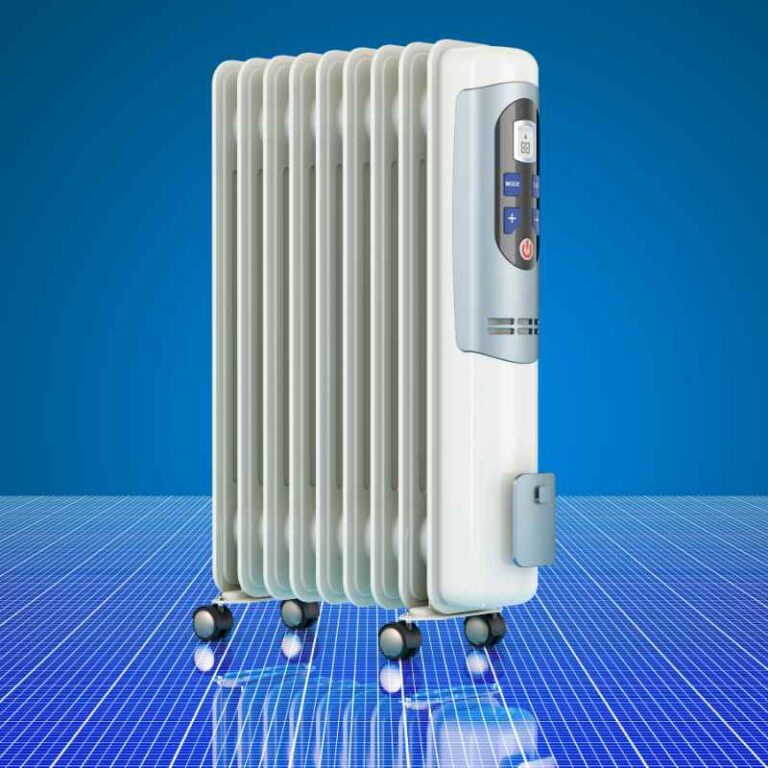
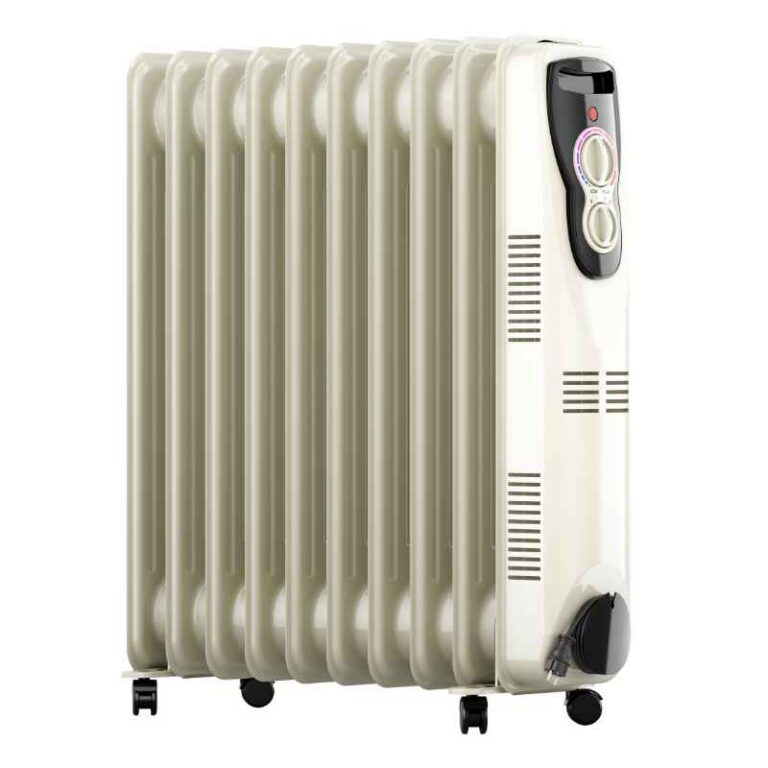
Oil-filled radiators are a common and effective heating solution, known for their ability to provide steady, radiant heat. Unlike fan heaters, they don’t blow air around, which can be a benefit for those with respiratory sensitivities. The heating element within the radiator heats up oil contained within its sealed metal fins.
This oil then circulates, transferring heat to the metal casing, which in turn radiates warmth into the room. The oil itself is generally a mineral oil, designed to be non-flammable under normal operating conditions and with no risk of leakage as it’s a sealed system.
However, the presence of medical oxygen significantly alters the safety calculus. Oxygen is a highly reactive gas that greatly accelerates combustion. While the oil in the radiator isn’t flammable in isolation under typical circumstances, if a leak were to occur, or if the radiator were to overheat severely, the oil could become a fuel source.
When this hypothetical ignited oil comes into contact with a concentrated oxygen environment, the fire can become extremely intense and spread with alarming speed. This is the primary concern for individuals using oxygen therapy at home.
The main dangers are twofold: ignition and rapid fire spread. A faulty thermostat or a damaged casing could lead to the radiator overheating, potentially causing the oil to break down or even ignite. Furthermore, if the radiator malfunctions and leaks, the oil can pool and pose a direct fire risk.
The oxygen supply itself, if not managed correctly, can lead to oxygen-enriched air, making any potential ignition source much more dangerous. Therefore, understanding the specific vulnerabilities when combining these two elements is the first step towards ensuring safety.
- Risk of Ignition: Overheating or oil leaks can expose combustible oil to ignition sources.
- Oxygen Enrichment: Areas with high oxygen concentration burn hotter and faster.
- Equipment Malfunction: Faulty thermostats or seals in radiators can create hazardous conditions.
- Spill Hazards: Leaked oil can create a fire risk on surfaces.
- User Error: Improper placement or maintenance increases the likelihood of incidents.
How Oil Filled Radiators Work Safely (Without Oxygen)
To appreciate the safety considerations for oxygen users, it’s helpful to understand the inherent safety features of oil-filled radiators when used in a standard environment. These heaters are designed with multiple safety mechanisms to prevent overheating and electrical hazards. They typically feature a thermostat that regulates the temperature, shutting off the heating element when the desired warmth is reached and cycling back on when it drops.
Many also include an overheat protection system, which is a separate thermal cut-out that will permanently disable the unit if it exceeds a dangerously high temperature.
The sealed nature of the oil system is another key safety aspect. The specialized mineral oil used is contained within a robust metal casing, preventing leaks and minimizing the risk of exposure. This oil has a high boiling point, meaning it can reach high temperatures without vaporizing or posing a fume hazard.
Unlike water-filled radiators, oil does not freeze, and its thermal inertia means it retains heat for a long time after being switched off, providing sustained warmth. These design features make them a popular choice for continuous, gentle heating in homes and offices.
When used correctly and without the added complication of oxygen therapy, oil-filled radiators are generally considered safe. They are quiet, do not dry out the air as much as some other heater types, and are less likely to cause burns than exposed heating elements. The key to their safe operation lies in proper usage: ensuring they are placed on a stable, flat surface, away from flammable materials, and not covered by curtains or clothing.
Regular visual inspections for any signs of damage or leakage are also a good practice.
- Thermostat control for temperature regulation.
- Overheat protection mechanism for safety cut-off.
- Sealed internal oil system to prevent leaks.
- High boiling point mineral oil for efficient heat transfer.
- Stable, radiant heat emission.
- Low noise operation.
What are the Specific Dangers with Oxygen Concentrators?
When a person uses a medical oxygen concentrator or tank, the environment becomes inherently more hazardous. Oxygen concentrators work by filtering nitrogen from the air, delivering a higher concentration of oxygen to the patient. This enriched air can then accumulate in a room, especially if ventilation is poor.
Think of it like adding fuel to a fire; the more oxygen present, the more readily and intensely something will burn. This is where the risk with an oil-filled radiator becomes significant.
The primary danger is the combination of a potential ignition source (the radiator) with an oxygen-enriched atmosphere. If the radiator were to malfunction, develop a leak, or overheat to the point of oil breakdown, the resulting flames would be far more vigorous and harder to control than in normal air. The oil itself, being combustible, becomes an accelerant.
Reports from fire safety organizations, such as the National Fire Protection Association (NFPA), consistently highlight that oxygen-enriched environments dramatically increase the risk and severity of fires. For instance, a study by the U.S. Fire Administration noted that fires involving oxygen-enriched atmospheres can spread up to six times faster.
Beyond the direct ignition risk, there are indirect dangers. The heat from the radiator can also affect the oxygen equipment itself. Overheating could potentially damage the tubing, mask, or even the concentrator unit, leading to a failure in oxygen delivery or creating new hazards.
Furthermore, a malfunctioning radiator could release fumes if the oil overheats significantly, which would be particularly dangerous for someone relying on oxygen for their breathing. Therefore, the presence of oxygen equipment necessitates a much more cautious approach to using any heat-generating appliance.
- Increased fire intensity and speed due to oxygen enrichment.
- Higher risk of ignition from even minor sparks or overheating.
- Potential for damage to oxygen delivery equipment (tubing, masks).
- Fume release if oil overheats significantly.
- Accelerated spread of flames once ignited.
How to Safely Use Oil Filled Radiators Around Oxygen Users
Ensuring safety when using an oil-filled radiator in the vicinity of oxygen use requires a multi-faceted approach, focusing on distance, ventilation, and vigilant monitoring. The most critical rule is maintaining a substantial physical separation. Medical professionals and fire safety experts consistently recommend a minimum distance of 10 feet (approximately 3 meters) between any heating appliance, including oil-filled radiators, and oxygen equipment (concentrators, tanks, tubing, masks).
This distance creates a buffer zone, reducing the chance of direct heat transfer, potential leaks affecting the oxygen source, and the rapid spread of flames.
Ventilation is another cornerstone of safety. Adequate airflow helps to prevent oxygen from accumulating around the heater. Keep windows and doors slightly ajar where feasible, or ensure that air conditioning or other ventilation systems are functioning properly.
Avoid using oil-filled radiators in small, enclosed spaces where oxygen can easily become concentrated. The goal is to ensure the air in the room is well-mixed, diluting any potential oxygen enrichment. Never block the vents or airflow of either the radiator or the oxygen concentrator.
Regular inspection and maintenance of both the radiator and the oxygen equipment are non-negotiable. Before each use, visually inspect the radiator for any signs of damage, such as dents, rust, or signs of oil leakage. Check the power cord for fraying.
For the oxygen equipment, ensure tubing is intact, connections are secure, and the concentrator unit is clean and functioning as expected. Always follow the manufacturer’s guidelines for both the radiator and the oxygen equipment. If there is any doubt about the safety of using the radiator, do not use it.
It is always better to err on the side of caution.
- Maintain a 10-foot distance from oxygen equipment and any flammable materials.
- Ensure the room is well-ventilated; keep windows slightly open if possible.
- Never cover the radiator with clothing, blankets, or curtains.
- Place the radiator on a stable, level surface away from high traffic areas.
- Regularly inspect the radiator for damage, leaks, or electrical issues.
- Check oxygen tubing and connections for wear or damage.
- Follow manufacturer instructions for both appliances meticulously.
| Safety Measure | Description | Why It’s Important |
|---|---|---|
| Distance | Maintain at least 10 feet (3 meters) from oxygen equipment and furnishings. | Reduces direct heat exposure and fire spread potential. |
| Ventilation | Ensure good airflow; open windows slightly if safe. | Prevents oxygen concentration buildup around the heater. |
| Inspection | Check radiator for leaks, damage, and power cord integrity. | Identifies and addresses potential hazards before use. |
| Placement | Stable, level surface, away from curtains, bedding, or flammable items. | Prevents tipping and reduces fire risk from nearby materials. |
This table summarizes the essential safety protocols. Following these guidelines significantly reduces the risk associated with using oil-filled radiators near oxygen therapy.
What If an Oil Leak Occurs?
An oil leak from an oil-filled radiator is a serious situation, especially when oxygen is in use. The oil itself is combustible, and its presence on surfaces can create a slip hazard and a significant fire risk. If you discover an oil leak, the immediate priority is to ensure the safety of the person using oxygen.
If the radiator is still powered on, immediately switch it off at the wall socket and unplug it. Do not attempt to move a leaking radiator if it’s hot, as this could exacerbate the leak or cause burns.
If the leak is minor and the radiator is cool, carefully contain the spill using absorbent materials like paper towels or rags. Place these materials in a fire-safe container. If the leak is substantial, or if the oil has spread significantly, it is best to evacuate the immediate area and contact emergency services or a qualified technician.
Do not attempt to clean up large oil spills yourself, especially if there’s a risk of ignition from any source, including the oxygen itself. According to fire safety guidelines, oil spills can be difficult to fully remove and can re-ignite if not properly dealt with.
The most important action to take after discovering a leak is to assess the risk to the oxygen user and equipment. If the leak has contaminated the oxygen equipment or tubing, it should be replaced immediately by a professional. A damaged or contaminated radiator should never be used again.
It’s advisable to discard it or have it professionally repaired and certified as safe for use, though replacement is often the safest option. Always consult with your healthcare provider or equipment supplier regarding the proper disposal of damaged medical equipment or potential hazards in the home.
- Immediately switch off and unplug the radiator if it’s still on.
- Do not attempt to move a hot, leaking radiator.
- Contain minor spills with absorbent materials.
- For large spills, evacuate the area and contact emergency services.
- If oxygen equipment is contaminated, replace it immediately.
- Damaged radiators should be discarded or professionally serviced.
- Consult your healthcare provider for advice.
Warning: Never attempt to extinguish an oil fire with water, as this can spread the flames. Use a Class B fire extinguisher or smother the flames if it’s safe to do so. If in doubt, evacuate and call the fire department.
Alternative Heating Solutions for Oxygen Users
Given the inherent risks of using oil-filled radiators around oxygen, exploring safer alternative heating solutions is often the best course of action. The primary goal is to find a heating method that minimizes ignition risk and does not contribute to oxygen enrichment. Electric heaters without exposed heating elements, such as ceramic heaters or fan heaters with enclosed elements, can be considered, but still require the same strict safety protocols regarding distance and ventilation.
However, even these carry some risk if they malfunction or overheat.
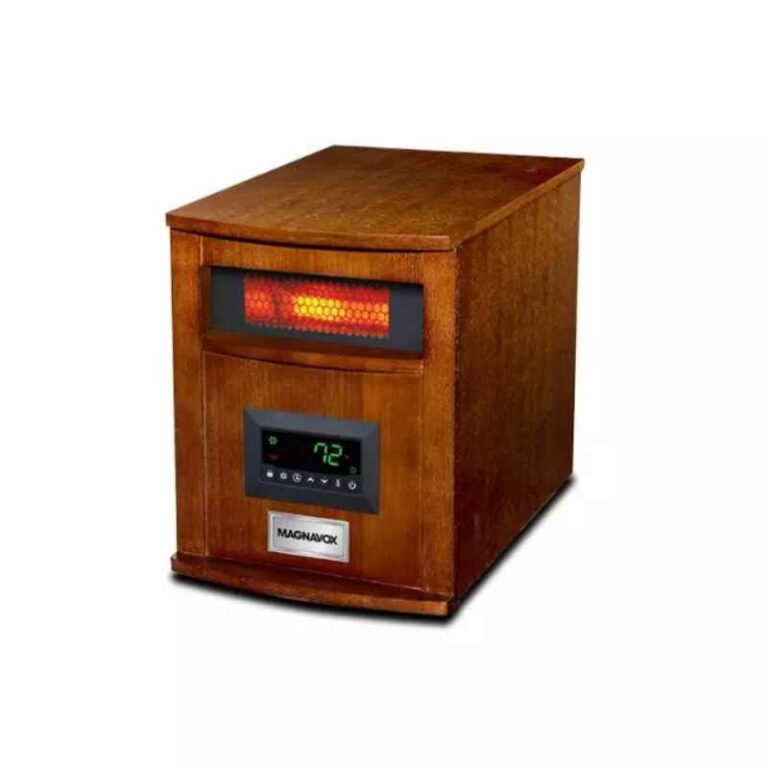
Infrared panel heaters are another option that can provide radiant heat without moving air or heating oil. These panels typically operate at lower surface temperatures compared to some other electric heaters and do not have internal combustible fluids. They heat objects and people directly through infrared radiation.
Even with these, maintaining a safe distance from oxygen equipment and ensuring proper ventilation remains crucial. It’s important to research the specific model and its safety features. For example, some infrared heaters have built-in safety cut-offs and cool-touch exteriors.
The safest approach is often to rely on central heating systems, if available, as they are typically located away from the living spaces and do not pose an immediate fire risk within the room. If central heating is not an option, and supplemental heat is absolutely necessary, consult extensively with your healthcare provider, respiratory therapist, and local fire department. They can offer personalized advice based on your specific medical needs and home environment, often recommending specific models or advising against certain types of heaters altogether.
Some sources, like the American Association of Critical-Care Nurses, emphasize that any supplemental heat source should be evaluated for safety in an oxygen-enriched environment.
- Central heating systems (safest if available).
- Ceramic electric heaters (with caution and strict adherence to safety protocols).
- Infrared panel heaters (consider models with low surface temperatures and safety features).
- Fan heaters with enclosed elements (use with extreme caution and proper distancing).
- Consult healthcare professionals and fire safety experts for personalized recommendations.
| Heating Type | Pros | Cons | Safety Notes for Oxygen Users |
|---|---|---|---|
| Oil-Filled Radiator | Steady, radiant heat; quiet; doesn’t dry air significantly. | Potential ignition risk from oil leak/overheating. | HIGH RISK. Generally NOT recommended without expert consultation. Strict 10ft rule essential. |
| Ceramic Heater | Fast heating; portable; often has tip-over shutoff. | Can dry out air; elements can get hot. | MODERATE RISK. Ensure no exposed elements, maintain 10ft rule, good ventilation. |
| Infrared Panel Heater | Radiant heat; quiet; energy-efficient; lower surface temps. | Slower to heat up a whole room compared to convection. | LOWER RISK. Still requires 10ft rule and ventilation, but generally safer than oil-filled. |
| Central Heating | Consistent room temperature; generally safest option. | Installation costs; not always available. | LOWEST RISK. Highly recommended if available. |
This comparison highlights that while some electric heaters might seem viable, the fundamental principle of maintaining distance and ensuring adequate ventilation applies universally. Central heating remains the safest primary heating method for homes with oxygen users.
Frequently Asked Questions
Are oil-filled radiators inherently dangerous with oxygen?
Oil-filled radiators are not inherently dangerous on their own. However, they pose a significant increased risk when used in an oxygen-enriched environment due to the combustibility of the oil and oxygen’s ability to accelerate fire. The primary concern is the potential for ignition and rapid fire spread.
What is the recommended safe distance between an oil-filled radiator and oxygen equipment?
The widely recommended safe distance is a minimum of 10 feet (approximately 3 meters). This buffer is crucial to prevent direct heat, potential leaks, and to limit the spread of any potential fire.
Can I use a regular electric heater if I’m using oxygen?
While some electric heaters might be less risky than oil-filled radiators, all supplemental heating devices require extreme caution. You must still maintain a safe distance (10 feet), ensure excellent ventilation, and choose models with enclosed heating elements and safety shut-offs. Always consult with a medical professional.
What should I do if my oil-filled radiator starts leaking oil?
If your oil-filled radiator leaks oil, immediately turn it off at the wall socket and unplug it. Do not move it if hot. Contain minor spills and for significant leaks or contamination of oxygen equipment, evacuate the area and contact emergency services.
Never use a leaking radiator again without professional inspection or replacement.
Who should I consult for advice on heating safety with oxygen?
You should consult with your prescribing physician, your respiratory therapist, your medical equipment supplier, and your local fire department or a fire safety expert. They can provide tailored advice based on your specific medical needs and local safety regulations.
Final Thoughts
When considering are oil filled radiators safe around oxygen users, the consensus leans towards caution. While they offer effective heating, the combination with oxygen therapy introduces significant fire risks that cannot be ignored. Prioritizing safety means maintaining a strict 10-foot distance, ensuring robust ventilation, conducting regular inspections, and seriously considering alternative, less hazardous heating solutions.
Always consult with healthcare professionals and fire safety experts to make the most informed decisions for your well-being.
Sponsored / affiliate links. As an Amazon Associate I earn from qualifying purchases. I may earn additional commission from eligible campaigns.