Is Electric Ceramic Heating Cheaper Than Oil Filled Radiators?
The simple answer is that both electric ceramic heaters and oil-filled radiators use electricity to produce heat. However, their running costs can differ based on how they generate and release that heat, as well as your home’s insulation and heating needs. Understanding these differences helps you pick the most cost-effective option.
Understanding How They Work
To know which is cheaper, we first need to look at how each type of heater works. This is key to understanding their energy use. It’s not just about the upfront cost, but also about what it costs to keep them running day after day.
Electric Ceramic Heaters
Electric ceramic heaters are pretty straightforward. They have a heating element, often a ceramic plate or coil. This element gets hot when electricity passes through it.
A fan then blows air over this hot element.
This fan-forced action pushes warm air into the room. The heat comes out quickly. Ceramic elements are known for heating up fast.
They are great for warming up a space quickly. The fan helps spread the heat around the room more evenly.
Oil-Filled Radiators
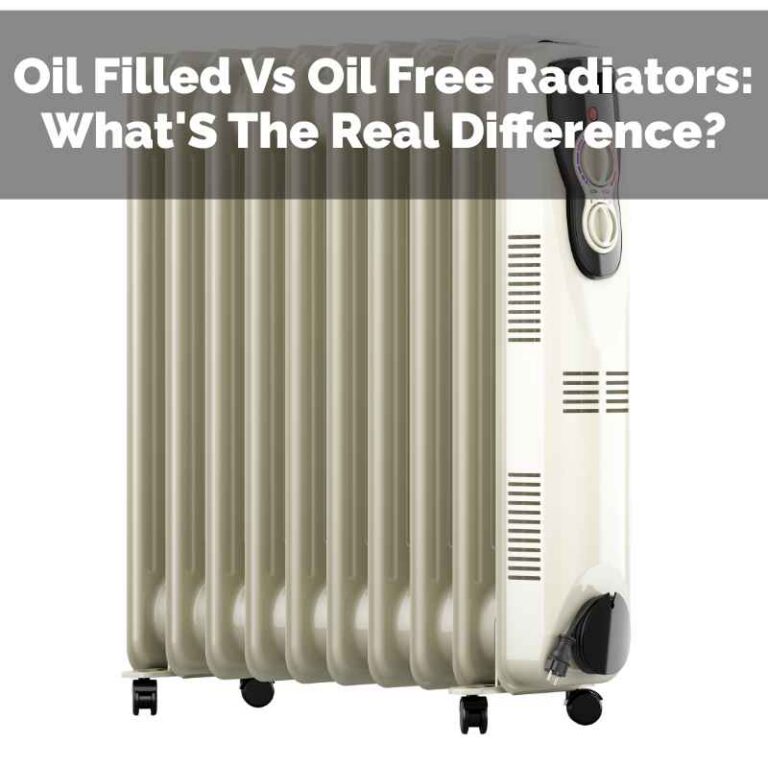
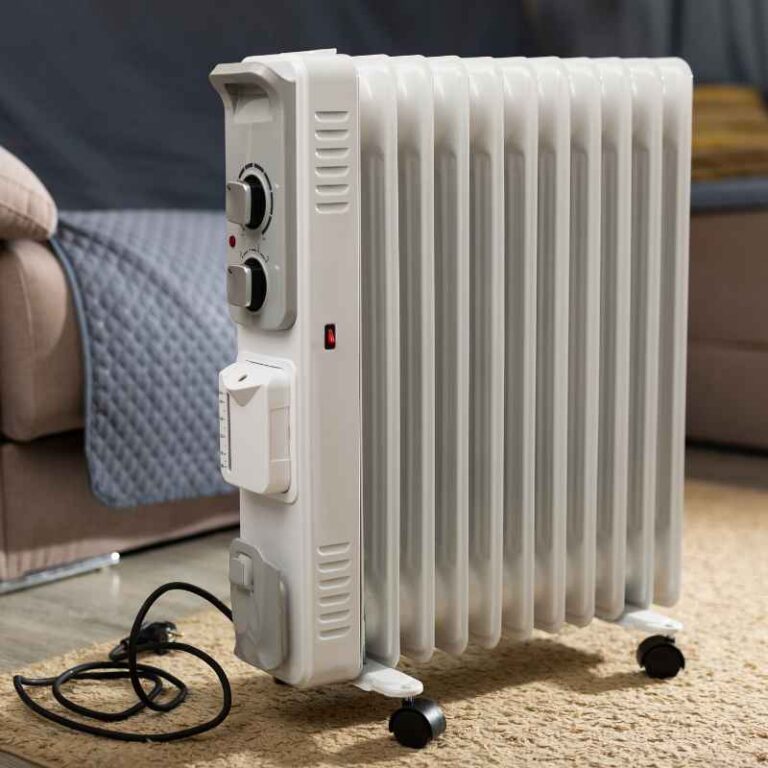
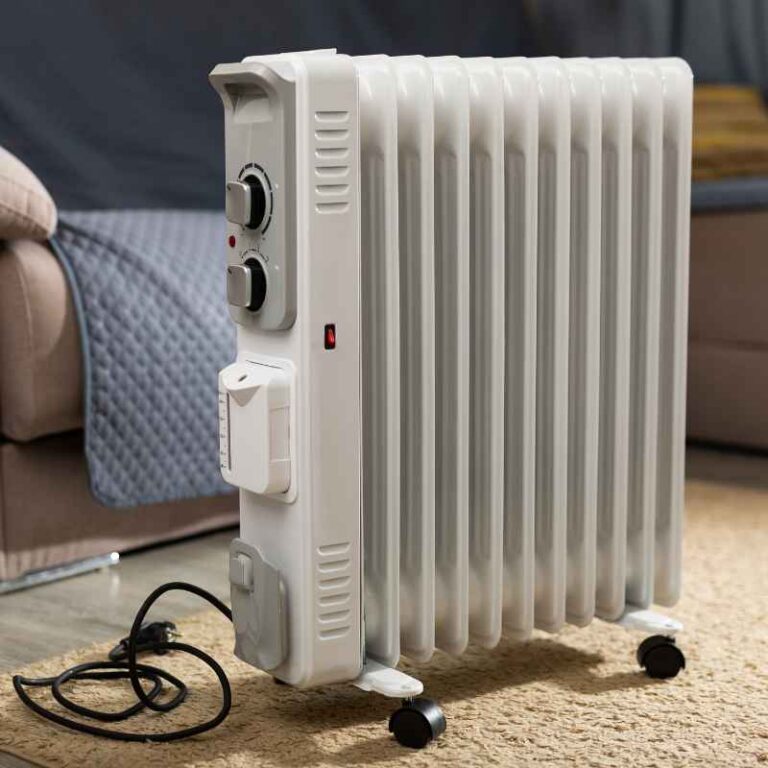
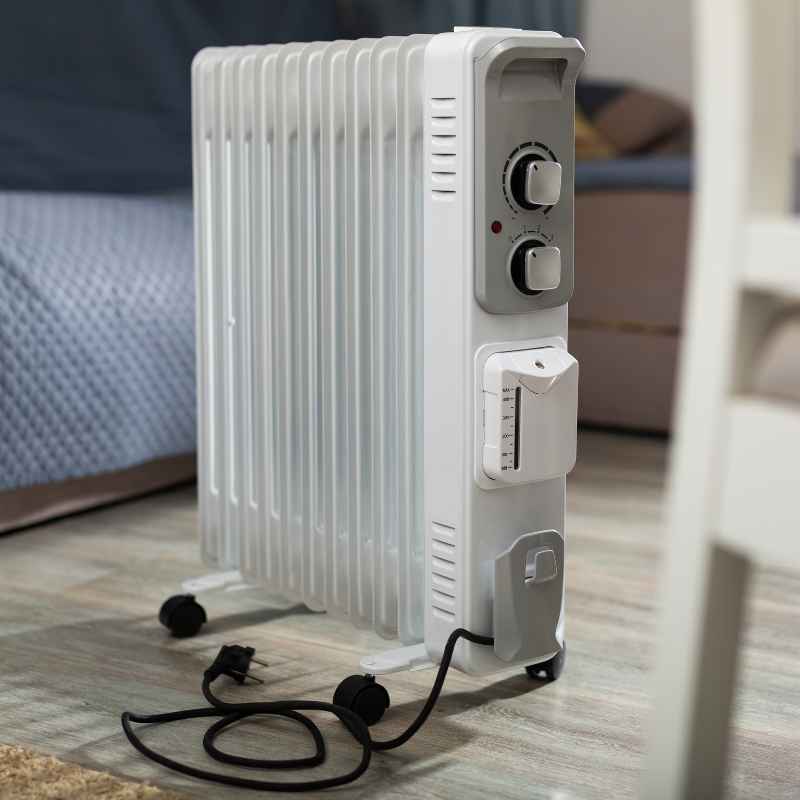
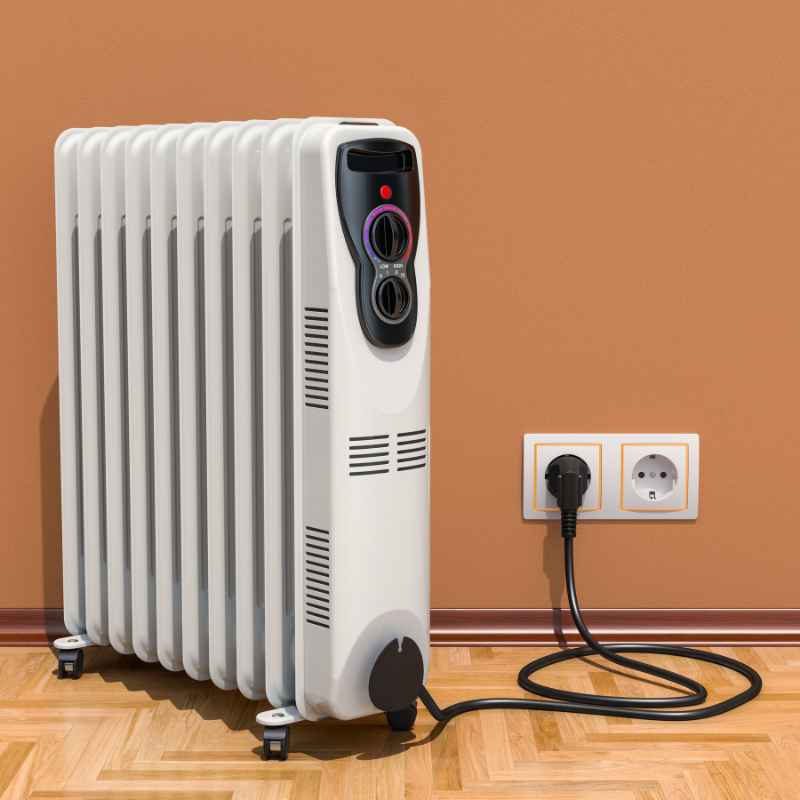
Oil-filled radiators work a bit differently. They have a sealed metal casing filled with a special heat-conductive oil. Inside this casing is an electric heating element, like a rod.
This element heats up the oil.
The hot oil then warms the metal fins of the radiator. This heat is slowly released into the room through radiation and convection. It’s a gentler way of heating.
The oil holds onto heat for a long time, even after the unit is turned off. This means they can continue to radiate warmth.
Comparing Running Costs: The Energy Use Factor
Now, let’s talk about the heart of the matter: running costs. This is where energy efficiency really comes into play. Both types of heaters use watts to produce heat.
But how they use those watts matters a lot for your electricity bill.
Wattage and Heat Output
Both ceramic and oil-filled heaters come in various wattages. A higher wattage usually means more heat output. However, it also means more electricity used per hour.
For example, a 1500-watt heater will use 1.5 kilowatts (kW) of power every hour it runs.
So, if you run a 1500-watt heater for 10 hours, it uses 15 kilowatt-hours (kWh) of energy. The cost depends on your local electricity rate per kWh. A heater with the same wattage will consume the same amount of electricity.
The Efficiency Myth
Here’s something important to understand: most electric resistance heaters, including ceramic and oil-filled ones, are about 100% efficient at converting electricity into heat. This means almost all the electricity they use turns into warmth. So, in terms of pure heat conversion, they are equal.
The difference in running cost comes from how they deliver that heat and how long they need to run to maintain a desired temperature. This is where factors like heat retention and heat distribution play a bigger role.
Heat Distribution and Retention: Key Differences
The way each heater spreads and holds heat significantly impacts how much electricity you use over time. This is where the real cost savings can happen.
Ceramic Heaters: Quick Heat, Quick Cool
Ceramic heaters are great for fast heating. The fan pushes warm air out quickly. This is good if you need a room warm right away.
You can turn it on, and feel the heat in minutes.
However, once the fan stops, or the heater turns off, the room can cool down fairly quickly. The heat isn’t stored. This means the heater might need to cycle on and off more frequently to maintain a set temperature.
Constant cycling can sometimes lead to higher energy use.
Oil-Filled Radiators: Gentle Heat, Lasting Warmth
Oil-filled radiators provide a more gentle, radiant heat. The oil inside acts like a thermal battery. It stores heat.
So, even after the heating element turns off, the radiator continues to emit warmth for a while.
This steady release of heat means the room stays warm longer. The heater may not need to turn on as often as a ceramic heater to keep the temperature steady. This consistent, lasting warmth can make them more energy-efficient for maintaining a room’s temperature over longer periods.
Factors Affecting Your Energy Bill
Several things beyond the heater itself influence how much you spend on heating. Thinking about these can help you make a smarter choice.
Quick Cost Comparison Snapshot
Ceramic Heaters:
- Pros: Fast heating, good for quick spot heating.
- Cons: Heat dissipates quickly, may cycle on/off more often.
- Best For: Short periods, offices, garages, quick warm-ups.
Oil-Filled Radiators:
- Pros: Gentle, consistent heat, retains warmth longer.
- Cons: Slower to heat up initially.
- Best For: Bedrooms, living rooms, longer heating periods, maintaining steady temps.
Your Home’s Insulation
How well your home is insulated makes a huge difference. If your walls, windows, and doors let a lot of heat escape, any heater will work harder and use more energy. A well-insulated home means your heater doesn’t need to run as much.
Room Size and Heat Needs
A small room will heat up faster and stay warm longer than a large, drafty one. You’ll use less energy to heat a small bedroom than a large living area. Consider the size of the space you need to heat.
Thermostat Settings and Usage Habits
How high you set the thermostat directly impacts energy use. Every degree higher can add a significant amount to your bill. Also, how often you use the heater matters.
Using it only when needed is key to saving money.
Outside Temperature
On very cold days, your heater will naturally work harder. The bigger the difference between the inside and outside temperature, the more energy you’ll need to maintain your desired indoor warmth.
When is a Ceramic Heater Cheaper?
Electric ceramic heaters can be cheaper in specific situations. Think about when you need heat quickly for a short time. This is where they shine.
For example, if you’re in a small home office for just a few hours, a ceramic heater can warm the space up fast. You turn it on when you get there, and turn it off when you leave. You’re not paying for heat to linger after you’re gone.
They are also great for spaces that you don’t need to keep warm all day. Like a garage or a shed where you just need a bit of warmth for a specific task. You get that burst of heat when you need it, and then it’s off.
The quick heating means less time spent consuming power.
When is an Oil-Filled Radiator Cheaper?
Oil-filled radiators often prove cheaper for longer, sustained heating. Their strength lies in their ability to hold heat and release it slowly.
Imagine you want to keep your bedroom at a comfortable temperature all night. An oil-filled radiator can heat up, then shut off, but continue to radiate warmth for a good while. This reduces the need for constant cycling compared to a ceramic heater.
This steady, gentle heat is also often preferred for living spaces. It creates a more comfortable and less drying atmosphere. For continuous heating needs, like overnight or during long winter days, the retained heat often leads to lower overall energy consumption than a heater that cools down quickly.
My Experience: A Tale of Two Heaters
I remember one particularly cold February. My old apartment had this drafty living room. The main heating system just couldn’t quite keep up.
I decided to try a small ceramic heater first. It was so convenient! I’d turn it on, and within minutes, the immediate area felt toasty.
But here’s the thing: as soon as I turned it off, or even when the thermostat clicked off, the warmth seemed to vanish. I found myself turning it on and off constantly throughout the evening. My electricity bill that month was surprisingly higher than I expected.
I felt a bit frustrated, like I was just constantly chasing the warmth.
The next winter, I decided to invest in an oil-filled radiator for that same room. It took a little longer to feel the full warmth. The initial heat wasn’t as intense as the ceramic fan.
But once it got going, it was different. The heat felt more constant, more soothing. I noticed I wasn’t constantly fiddling with the thermostat.
I would turn it on in the afternoon, and it would keep the room comfortably warm for hours, even after it cycled off. The residual heat was noticeable. And, to my relief, my electricity bill that winter was actually lower than the previous year, even with the colder temperatures.
That experience really taught me the value of heat retention.
Comparing Upfront Costs
While we’re focused on running costs, the initial purchase price is also a factor for many people. It’s worth a quick look.
Generally, electric ceramic heaters can be found at lower price points. You can often get a basic ceramic fan heater for a quite reasonable amount. They are widely available and come in many brands and models.
Oil-filled radiators can sometimes have a slightly higher upfront cost. This is often due to their more robust construction and the oil filling. However, the price range is still quite accessible for most budgets.
It’s important to balance the upfront cost with long-term savings. A slightly more expensive oil-filled radiator might pay for itself over time through lower energy bills.
Safety Considerations
Both types of heaters have safety features, but it’s good to be aware of them. Always look for safety certifications. Certified heaters meet specific safety standards.
Ceramic heaters have fans. This means there are moving parts. They can also get quite hot on the surface.
Keep them away from flammable materials. Always ensure they are on a stable surface. Never cover them.
Oil-filled radiators are generally considered safer in some respects. They have no exposed heating elements and no fan. This means they are quieter and don’t blow dust around.
The surface gets hot, but it’s more of a radiant heat. They are also good for homes with children or pets, as there are fewer immediate hazards.
However, like any heater, they need proper placement. They should be on a level surface. Also, never move an oil-filled radiator while it’s hot.
Make sure to check for any leaks. Reputable brands have safety features like tip-over protection.
Myth vs. Reality: Heating Efficiency
Myth: Ceramic heaters are less efficient because they use a fan.
Reality: Both ceramic and oil-filled heaters are about 100% efficient at converting electricity to heat. The difference is in how they distribute and retain that heat, which affects overall energy usage over time.
Myth: Oil-filled radiators are expensive to run because they are slow to heat up.
Reality: While they take longer to heat the room initially, their ability to retain heat means they cycle less often, potentially leading to lower running costs for sustained heating.
Optimizing Heater Use for Savings
No matter which type of heater you choose, there are ways to use it smarter to keep costs down. These tips apply to both ceramic and oil-filled models.
Use a Thermostat
Many modern heaters have built-in thermostats. Use them! Set the temperature to a comfortable level, but not excessively high.
For example, 68-70°F (20-21°C) is often comfortable. Turning the thermostat down by even a few degrees can save a lot.
Program Your Heating
If your heater has a timer or programmable settings, use them. You can set it to turn on before you need it and turn off when you leave or go to bed. This prevents wasted energy heating an empty room or when you’re sleeping soundly.
Zone Heating
Instead of trying to heat your whole house, focus on heating only the room you are currently using. This is called zone heating. Both ceramic and oil-filled heaters are excellent for this purpose.
It’s much more efficient than running a central heating system when you only need warmth in one area.
Seal Drafts
This is huge! Before you even turn on a heater, check for drafts around windows and doors. Use draft stoppers, weatherstripping, or even thick curtains to keep warm air in and cold air out.
A drafty room forces any heater to work overtime.
Use Reflective Panels
For radiators (oil-filled or even standard ones), placing a reflective panel behind them can help direct heat into the room instead of into the wall. You can buy special radiator reflectors or even use aluminum foil on cardboard.
What Experts Say
Consumer reports and energy efficiency organizations often highlight that for supplementary heating, electric heaters can be cost-effective when used smartly. They emphasize that the key is not the heater type itself, but how and when it’s used. The U.S.
Department of Energy also suggests using zone heating to save energy.
They agree that for quick bursts of heat, fan heaters (like ceramic ones) are effective. For maintaining consistent warmth over longer periods, heaters that radiate heat steadily (like oil-filled models) can be more economical due to their heat retention. It really comes down to matching the heater’s strengths to your specific needs.
Key Takeaways for Cheaper Heating
1. Understand Your Need: Short bursts or all-day warmth?
2. Consider Insulation: A well-sealed home saves energy.
3. Zone Heating: Heat only occupied rooms.
4. Use Thermostats: Avoid overheating.
5. Check Rates: Know your electricity cost per kWh.
Real-World Scenarios
Let’s look at a few common situations to see which heater might be the better bet.
Scenario 1: The Home Office
You work from home and need your office warm from 9 AM to 5 PM. The office is a medium-sized room. You don’t want to heat the whole house.
Best Choice: A ceramic heater might be a good option here. You can turn it on when you start work and off when you finish. It heats the space quickly.
If you leave the room for lunch, you could turn it off or down. The quick heat-up is convenient for those dedicated work hours. However, an oil-filled radiator with a thermostat could also work well, providing steady warmth throughout the day without constant cycling.
Scenario 2: The Bedroom Overnight
You need your bedroom to be comfortably warm all night. It’s a smaller room, and you want a gentle, quiet heat.
Best Choice: An oil-filled radiator is likely the winner here. Its ability to retain heat means it can provide a consistent, gentle warmth through the night. It’s also quieter than a fan heater.
You can set the thermostat to maintain a cozy temperature, and it will cycle less often, leading to potentially lower energy use and a more peaceful sleep.
Scenario 3: The Basement Rec Room
You use your basement rec room occasionally for a few hours on weekend evenings. It tends to be quite chilly.
Best Choice: A ceramic heater could be perfect. You can take it down when you need it, warm the room up quickly, and then put it away. You’re not paying to keep a rarely used space warm all the time.
The portability is a big plus.
What This Means for Your Wallet
The difference in running costs between ceramic and oil-filled heaters isn’t usually massive. It’s more about optimizing your heating. If you need quick heat for short periods, a ceramic heater’s speed can mean less energy used overall.
If you need consistent, gentle warmth for longer stretches, an oil-filled radiator’s heat retention often makes it the more economical choice. It uses less electricity over time because it doesn’t have to work as hard to maintain temperature.
Think about your daily routine. Are you heating a space for a few hours or all day? This is the most significant factor in determining which type will be cheaper for you.
Quick Fixes & Tips for Cheaper Heating
Here are some simple actions you can take right now to save money on heating, regardless of your heater type:
- Use a Programmable Thermostat: Set it to lower temps when you’re away or asleep.
- Seal Air Leaks: Check windows, doors, and electrical outlets. Use caulk and weatherstripping.
- Wear Warmer Clothes: A sweater and warm socks can let you turn down the thermostat.
- Close Doors: Keep heat contained in the rooms you’re using.
- Use Curtains: Open them to let sun in during the day (free heat!), and close them at night to insulate.
- Regular Maintenance: Ensure your heater is clean and working properly. Dust can reduce efficiency.
Frequently Asked Questions
Are ceramic heaters more expensive to run than oil-filled radiators?
Not necessarily. Ceramic heaters are great for quick heat but may cycle more. Oil-filled radiators provide sustained heat and may use less electricity over long periods because they retain warmth longer.
Which type of heater is more energy-efficient?
Both are about 100% efficient at converting electricity to heat. The difference in energy cost comes from how they distribute and retain heat, which affects how long they need to run to maintain a temperature.
Can I use an oil-filled radiator in a small room?
Yes, you can. However, be mindful of the room size. A very small room might heat up quickly, and you’ll want to use the thermostat effectively to avoid overheating and wasting energy.
How long does it take for an oil-filled radiator to heat a room?
It typically takes longer than a ceramic heater. The oil needs to heat up, and then the radiator slowly releases that heat. This can take 15-30 minutes or more, depending on the heater size and room.
Is a ceramic heater good for constant heating?
They can be, but they tend to cycle on and off more frequently. This might not be as energy-efficient as an oil-filled radiator for maintaining a steady temperature over many hours.
Should I buy a ceramic or an oil-filled radiator for my basement?
For occasional use in a basement rec room, a ceramic heater is often better because you can heat the space quickly when you need it and turn it off afterward. For a basement that needs to be kept consistently warm, an oil-filled radiator might be more cost-effective long-term.
Final Thoughts on Cheaper Heating
Choosing between an electric ceramic heater and an oil-filled radiator for cost-effectiveness depends on how you plan to use it. Both are efficient at creating heat. The real savings come from using the right tool for the job and employing smart heating habits.
Pay attention to insulation and your own usage patterns.
Sponsored / affiliate links. As an Amazon Associate I earn from qualifying purchases. I may earn additional commission from eligible campaigns.