Are Oil-Filled Radiant Heaters More Efficient Than Quartz?
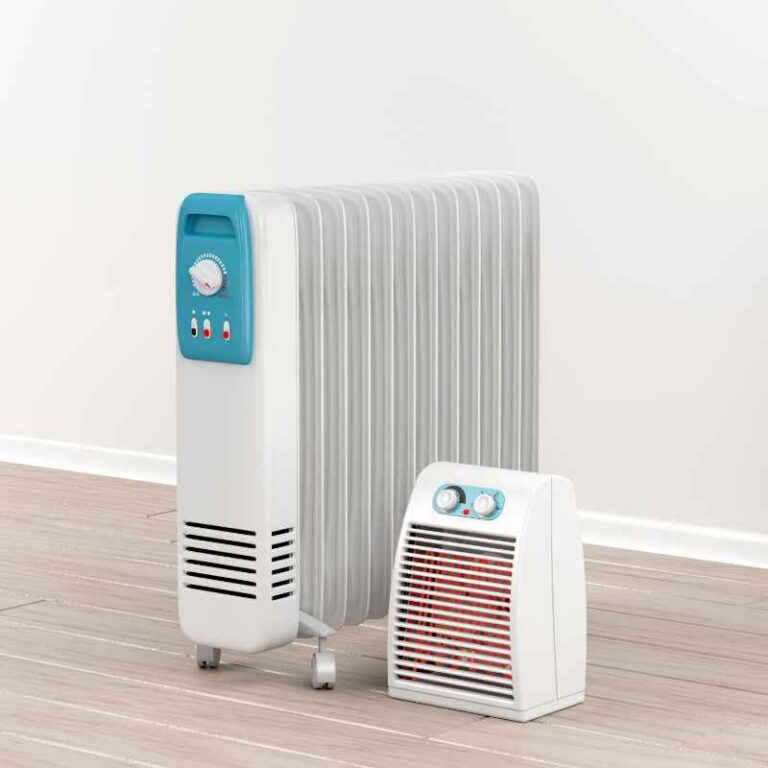
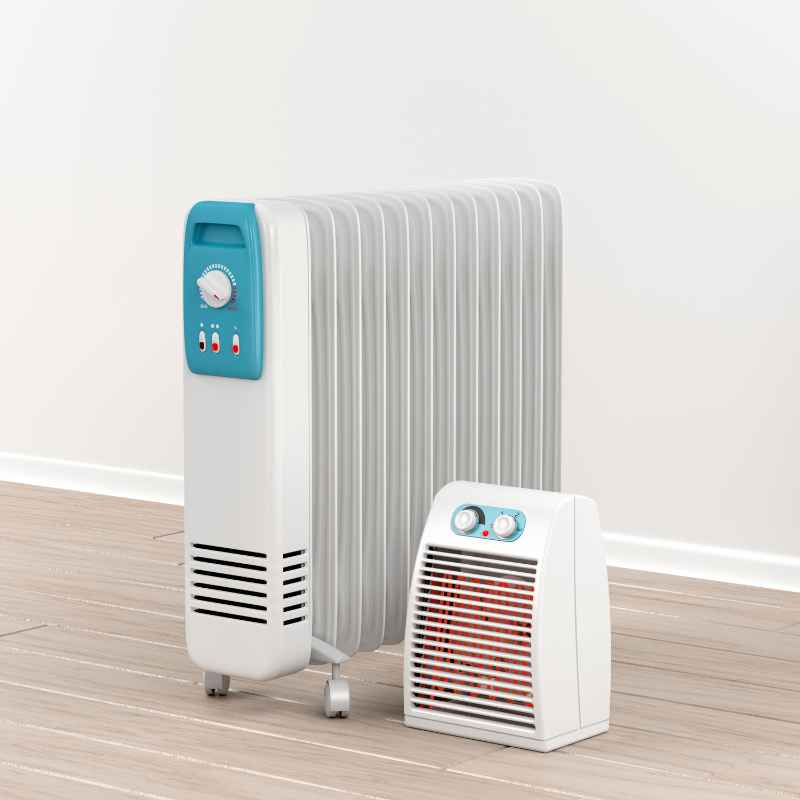
Oil-filled radiant heaters are generally considered more efficient for sustained, even heating due to their ability to retain heat and release it slowly. Quartz heaters provide quick, direct heat but can be less efficient for warming an entire space over time.
Understanding Radiant Heaters: The Basics
Radiant heaters work a bit like the sun. They send out heat waves. These waves warm up objects and people they touch directly.
This is different from other heaters that warm the air first. This is often called convection heating. Think of it this way: a radiant heater warms your skin.
A convection heater warms the air around you.
The heat from a radiant heater travels in straight lines. It doesn’t bounce around much. This means the spot you’re sitting in gets warm quickly.
But the air in the rest of the room might still feel cool. This direct heating is what makes them feel effective fast. It’s like standing in a sunny spot on a cool day.
Different types of radiant heaters use different ways to create these heat waves. They also use different materials. This is where oil-filled and quartz heaters come into play.
Their core purpose is the same: radiant heat. But how they achieve it differs a lot. This difference impacts how they work and how efficient they are.
What is an Oil-Filled Radiant Heater?
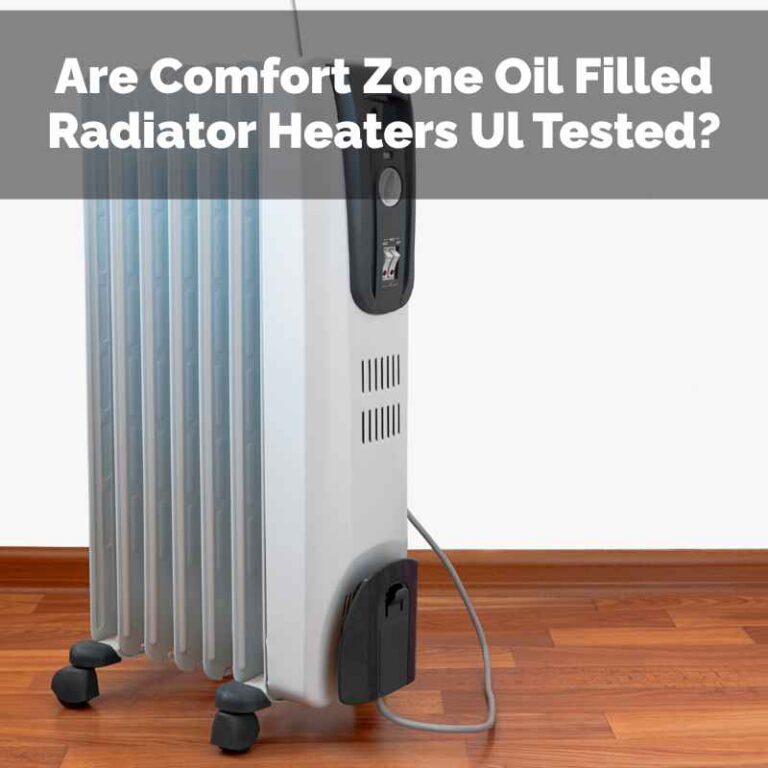
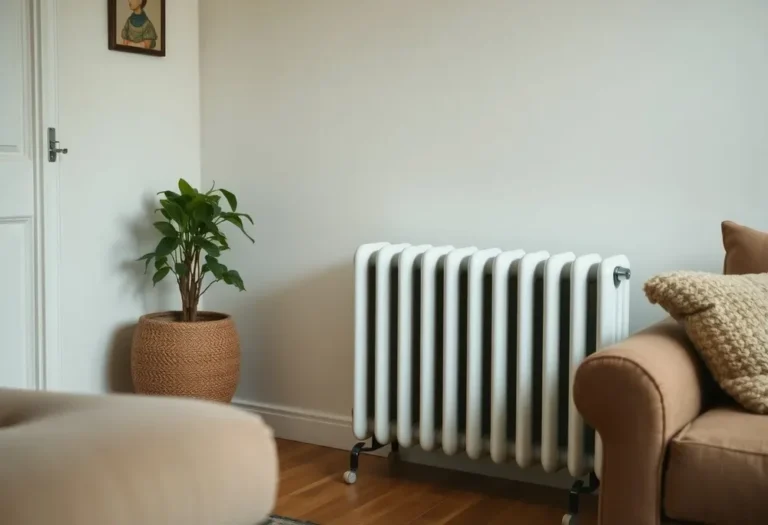
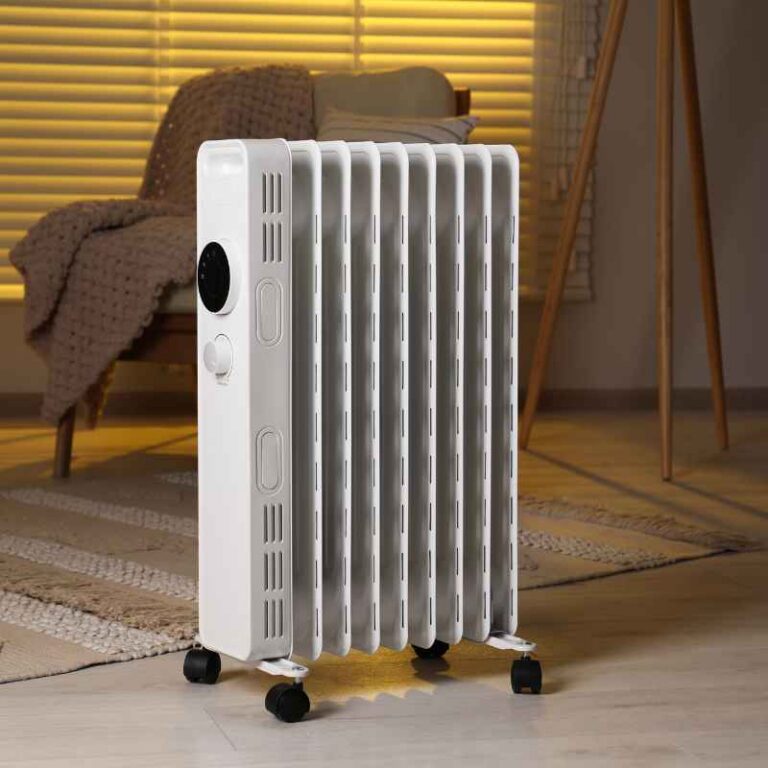
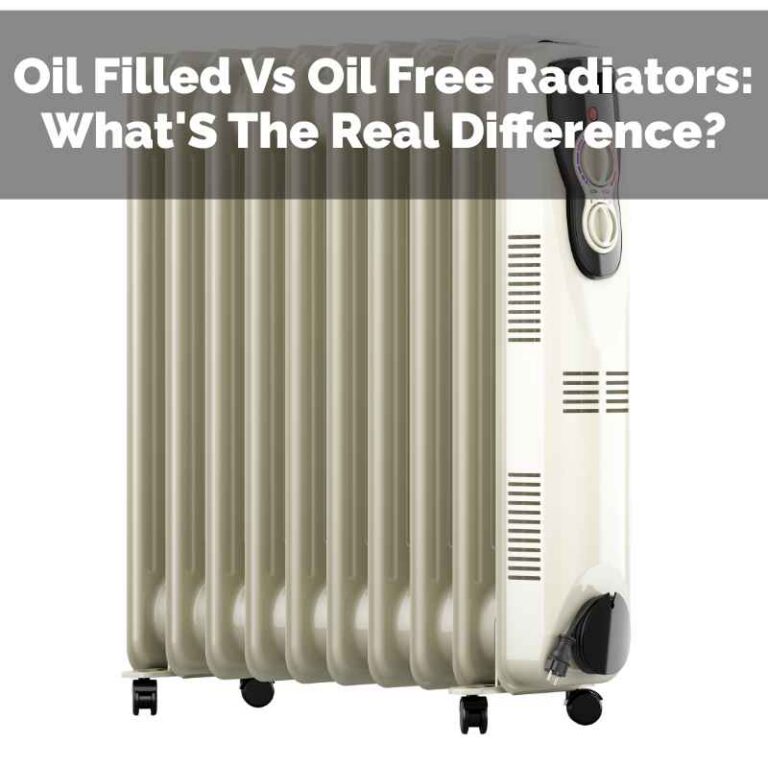
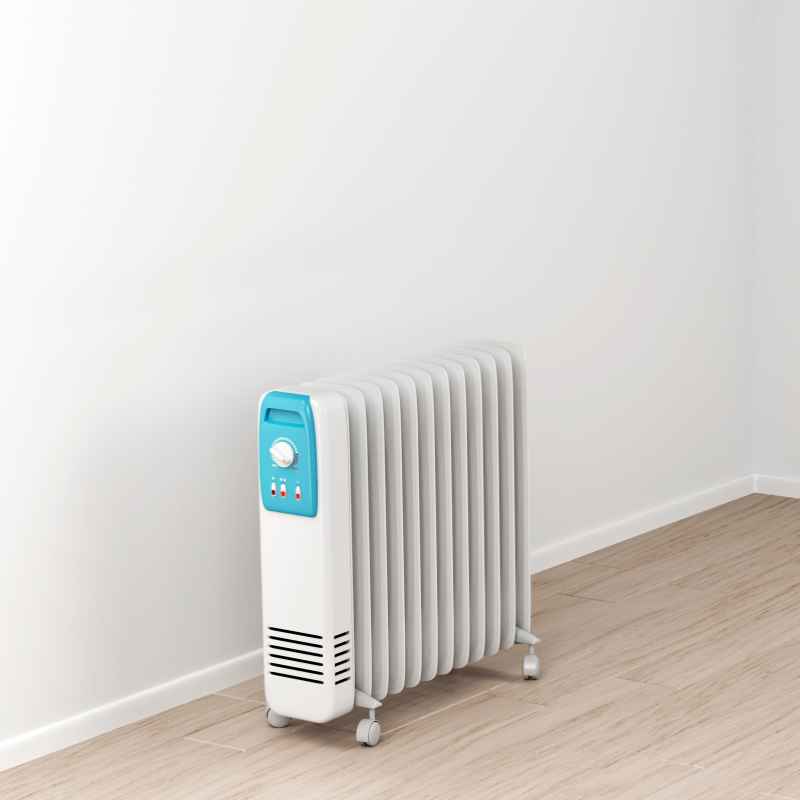
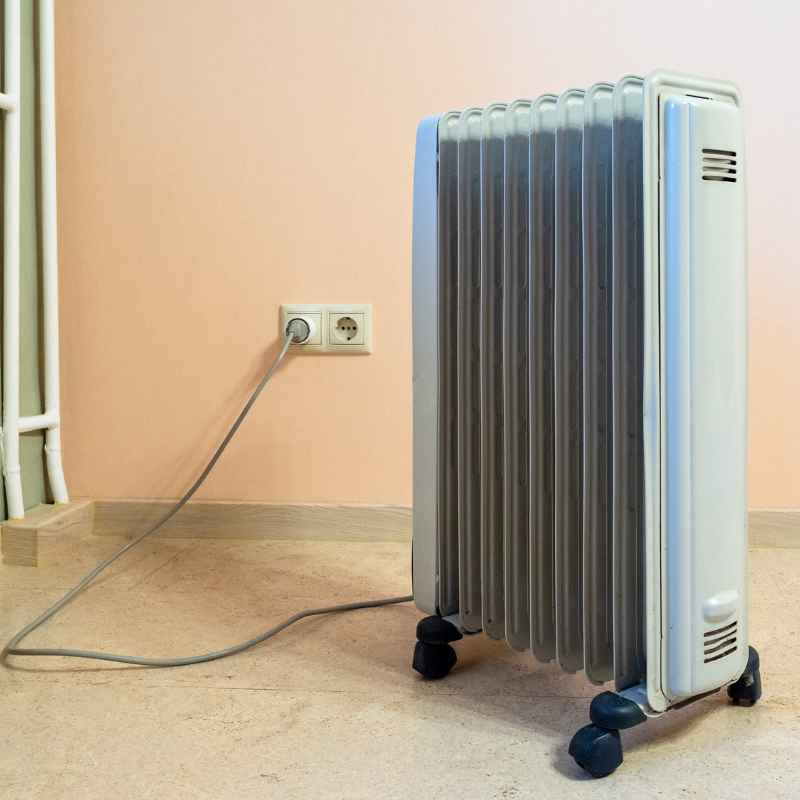
An oil-filled radiant heater looks like a traditional radiator. It has fins to increase its surface area. Inside, it’s filled with a special heat-conductive oil.
An electric element heats up this oil. The oil then heats the metal fins of the heater. These fins then give off radiant heat.
The oil inside is key. It acts like a thermal battery. It stores heat for a long time.
Even after the heater is turned off, the oil stays warm. It keeps releasing heat slowly. This creates a more even and gentle warmth in the room.
It doesn’t have that sudden blast of heat that can feel too intense.
Because the oil holds heat, these heaters tend to run for shorter periods. The heating element doesn’t need to be on all the time. It heats the oil, then shuts off.
The oil keeps the warmth going. This cycle helps save energy. It also prevents the room from getting too hot and then too cold.
What is a Quartz Heater?
A quartz heater is different. It uses quartz tubes. These tubes have a heating coil inside them.
When electricity passes through the coil, it gets very hot. The heat is then radiated out through the quartz tubes. Quartz is a material that can handle high temperatures and lets heat pass through easily.
Quartz heaters are known for their quick heat output. You can feel the warmth almost instantly when you turn them on. This is because the heating element gets hot very fast.
It then sends out heat waves right away. This makes them great for spot heating. You can aim them at yourself for quick comfort.
However, quartz heaters don’t hold onto heat for very long. Once the heating element cools down, the heat stops. This means they often need to run for longer stretches to keep a space warm.
If you turn one off, the warmth fades pretty quickly. They are less about storing heat and more about generating it on demand.
Comparing Efficiency: The Big Question
When we talk about efficiency in heaters, we mean how well they turn electricity into usable heat. Most electric heaters are actually quite efficient at this. Nearly all the electricity they use becomes heat.
The real difference comes in how that heat is delivered and how it affects your comfort. This is where oil-filled and quartz heaters show their distinct traits.
Oil-filled radiant heaters often win in terms of overall energy use for sustained heating. This is because of that stored heat. The oil acts like a buffer.
It smooths out the heating process. The element doesn’t have to work as hard or as often. It provides a steady warmth.
This steady warmth can make a space feel comfortable for longer. It also means less wasted heat compared to quick on-off cycles.
Think about a cold winter morning. You want your living room to be cozy. An oil-filled heater will heat the oil, then the room will slowly warm up.
The heater might cycle on and off. But the residual heat from the oil keeps things comfortable between cycles. This can lead to lower overall electricity bills if you need consistent warmth.
Quartz heaters are very efficient at converting electricity to heat. But their efficiency in heating a room depends on how you use them. If you need quick, direct heat for a short time, they are efficient for that specific task.
You turn it on, get warm, and turn it off. This uses energy only when you need it.
But if you want to keep a whole room warm for hours, a quartz heater might use more electricity. It has to run more often to maintain the temperature. Since it doesn’t store heat, every time the heating element stops, the direct heat stops too.
This constant need to generate heat can add up on your bill.
So, for long periods of warmth, oil-filled heaters often prove more efficient. For quick bursts of heat, quartz heaters are efficient for that job. It’s not just about how much heat is made, but how long it lasts and how it warms the space.
The Science Behind Heat Retention
The core difference in their efficiency lies in heat retention. Oil-filled heaters use the oil as a medium to store thermal energy. Oil has a high specific heat capacity.
This means it can absorb a lot of heat before its temperature rises significantly. And once it’s hot, it takes a long time for it to cool down.
This stored heat is released gradually. It continues to warm the surrounding air and objects even after the main heating element is off. This creates a consistent temperature.
It prevents the temperature from dropping too sharply. This steady release of heat is key to their perceived efficiency for longer-term heating.
Quartz heaters, on the other hand, lack this heat storage capability. The quartz tubes and the heating element inside them get hot quickly. But they also cool down quickly.
There’s no reserve of heat. The moment the electricity stops, the radiant output drops significantly. Any warmth in the air dissipates faster.
This is why oil-filled heaters are often better for maintaining a comfortable temperature in a bedroom overnight. The gentle, sustained heat is less disruptive. Quartz heaters might be better for warming up a chilly bathroom for a few minutes before a shower.
Real-World Experience: My Own Struggles
I remember one particularly cold winter a few years back. My old apartment had terrible insulation. The main heating system barely kept up.
I decided to buy a small electric heater. I was torn between a compact quartz heater and an oil-filled one. I ended up going with the quartz heater.
It was cheaper and I thought, “I just need to warm my desk area while I work.”
It worked great for the first hour. I’d turn it on, and bam, instant warmth around my desk. But then, after about two hours, I’d notice the air around me felt a bit stuffy.
The heater would cycle off, and within ten minutes, the chill would creep back in. I found myself constantly adjusting it, turning it on and off. I was always a bit too hot, then a bit too cold.
It felt like a constant battle. I was running it for more hours than I expected. My electricity bill seemed higher than it should have been for just heating one small corner.
That’s when I decided to try an oil-filled radiant heater. It was bulkier and cost a bit more upfront. But wow, what a difference.
I’d turn it on in the morning, and the oil would heat up. The room would gradually become comfortably warm. The heater would cycle off for longer periods.
But the gentle, residual heat kept the chill away. I wasn’t constantly fiddling with the thermostat. The temperature felt stable.
It was a much more pleasant and, I suspect, more energy-saving experience for keeping my workspace cozy all day.
Heating Performance Comparison
Oil-Filled Radiant Heater:
- Heat Distribution: Even and consistent.
- Warmth Type: Gentle, sustained heat.
- Heat Retention: Excellent, thanks to internal oil.
- Best For: Long periods, maintaining room temperature.
- Energy Use: Can be more efficient for sustained heating.
Quartz Heater:
- Heat Distribution: Direct, focused heat.
- Warmth Type: Intense, immediate warmth.
- Heat Retention: Poor; cools down quickly.
- Best For: Quick spot heating, short durations.
- Energy Use: Efficient for short bursts, less so for long heating.
Heat Distribution and Comfort
How a heater warms a space is crucial to how we perceive its efficiency. An oil-filled radiant heater provides a more diffused warmth. The heat radiates outwards from the large finned surface.
This heats the air around it and also objects in the room. It creates a more enveloping feeling of comfort.
The slow release of heat means you don’t get hot spots. You also don’t get cold spots as easily. The entire room tends to reach a more uniform temperature over time.
This sustained, gentle heat is often preferred for living areas or bedrooms where you want a steady, comfortable atmosphere.
A quartz heater, however, is very directional. The heat comes straight from the tubes. If you’re sitting directly in front of it, you’ll feel very warm.
But if you move a few feet away, the effect diminishes significantly. The air in the room might still be cool. This is great if you only need to heat yourself and not the whole room.
But for heating a larger area, you would need multiple quartz heaters or one very powerful one. Or you’d have to keep moving it. This is less convenient and can still lead to uneven heating.
The air temperature difference between the front of the heater and the back of the room can be quite large.
Comfort Zone Factors
Oil-Filled Radiant:
- Feel: Like standing in a gentle sunbeam.
- Coverage: Broad, heats objects and air.
- Stability: Consistent temperature feel.
Quartz:
- Feel: Intense warmth, like a direct lamp.
- Coverage: Narrow beam, targets specific areas.
- Stability: Varies greatly with distance.
Energy Consumption: What the Bills Show
When it comes to energy consumption, it’s not always a simple answer. Both types of heaters use electricity to generate heat. Most electric resistance heaters are very close to 100% efficient at converting electricity into heat.
The difference lies in how effectively that heat is used to make you feel comfortable and warm your space.
An oil-filled radiant heater, due to its ability to retain and slowly release heat, can often lead to lower overall energy bills if you need consistent warmth. It heats up, then cycles off, but the residual heat keeps the room warm. This means less frequent cycling of the heating element.
The appliance doesn’t have to work as hard to bring the temperature back up.
A quartz heater, when used for longer periods to heat a room, might consume more energy. Because it lacks heat storage, it needs to run for more hours to maintain a desired temperature. If you need to heat a room for six hours, a quartz heater might need to be on for five of those hours.
An oil-filled heater might only need to be on for three or four hours, with the residual heat filling in the gaps.
However, if you only need to heat yourself for 30 minutes while you read a book, a quartz heater is very efficient for that short task. You get warm fast, use a small amount of energy, and turn it off. The key is matching the heater type to your heating needs.
Safety Considerations
Safety is always important with any heating appliance. Both oil-filled and quartz heaters have safety features. But their designs lead to different considerations.
Oil-filled radiant heaters tend to have cooler surface temperatures on their exterior. The hottest parts are the fins, but they are not usually hot enough to cause immediate severe burns. They also typically don’t have exposed heating elements.
This makes them a safer choice in homes with children or pets. They are also less likely to be a fire hazard if something accidentally touches the unit, though good clearance is always recommended.
However, because they are filled with oil, there’s a slight risk of leakage if the unit is damaged. Most modern units are very well-sealed, so this is rare. Also, they are heavier and bulkier than quartz heaters.
This means they are less portable.
Quartz heaters have exposed heating elements (the glowing quartz tubes). These can get extremely hot. Touching them can cause severe burns.
They also pose a greater fire risk if flammable materials get too close. Many quartz heaters come with safety grilles, but it’s still important to be very careful with placement. They are also lighter and more portable, which can be a plus but also means they are easier to knock over.
Both types should always be used on a flat, stable surface. And they should always be kept away from curtains, bedding, and other flammable items. Always unplug them when not in use and before cleaning.
Safety Checkpoints
Oil-Filled Radiant Heaters:
- Surface Temp: Generally cooler exterior.
- Burn Risk: Lower.
- Fire Risk: Lower if clear space is maintained.
- Leak Risk: Small, rare chance if damaged.
- Best Practice: Keep clear space, unplug when away.
Quartz Heaters:
- Surface Temp: Very hot elements.
- Burn Risk: Higher; avoid touching.
- Fire Risk: Higher if too close to flammables.
- Stability: Lighter; can tip over.
- Best Practice: Keep ample clear space, supervise use.
Noise Levels
When you’re trying to relax or sleep, a noisy heater can be a real problem. This is another area where oil-filled and quartz heaters differ.
Oil-filled radiant heaters are usually very quiet. The heating process is mostly silent. You might hear a very faint “tick” or “pop” sound as the metal expands and contracts with temperature changes.
This is normal and usually not bothersome. The oil itself makes no noise. The fan, if there is one, is typically very quiet.
Quartz heaters are also generally quiet, especially the models that don’t have a fan. The heat output is radiated directly. However, some quartz heaters do have a fan to help circulate the warm air more quickly.
If a quartz heater has a fan, its noise level will depend on the fan’s motor and speed. A fan can make a noticeable humming or whirring sound.
For quiet operation, especially in a bedroom, an oil-filled radiant heater is often the better choice. They provide silent, consistent warmth.
Longevity and Durability
When investing in a heater, you want it to last. Both types can be durable, but their construction leads to different potential failure points.
Oil-filled radiant heaters are generally built to last. The internal oil system is quite robust. The main components are the heating element and the sealed oil reservoir.
As long as the seal remains intact and the heating element doesn’t fail prematurely, these heaters can last for many years, often a decade or more.
The oil itself doesn’t degrade much over time. The main wear and tear comes from the electrical components. Because they cycle on and off, the heating element is not constantly under stress.
This can contribute to their longevity.
Quartz heaters can also be durable, but the quartz tubes themselves can be fragile. If the heater is dropped or struck, the tubes could crack or break. The heating element inside the tubes is also subject to wear.
While they are designed for high heat, constant cycling can eventually lead to failure.
If a quartz heater is well-made and treated gently, it can last for several years. However, the risk of breakage is higher than with an oil-filled heater.
Lifespan Expectancy
Oil-Filled Radiant Heaters:
- Construction: Robust, sealed system.
- Potential Issues: Electrical component failure, rare seal leaks.
- Typical Lifespan: 10+ years with good care.
Quartz Heaters:
- Construction: Quartz tubes can be fragile.
- Potential Issues: Cracked tubes, heating element failure.
- Typical Lifespan: 3-7 years depending on usage and care.
When Is an Oil-Filled Heater Better?
You’ll find an oil-filled radiant heater is often the better choice when:
You need to heat a room for extended periods. This is true for bedrooms, living rooms, or home offices where you spend many hours.
You want a consistent and even temperature. If you dislike fluctuating temperatures, the stable heat output of an oil-filled heater is ideal.
You prefer quiet operation. For use in bedrooms or quiet spaces, their silent heating is a major advantage.
You have children or pets. The lower surface temperatures and lack of exposed elements make them safer.
You want a durable appliance that will last many years. Their robust construction means a good lifespan.
You are looking for a gentler, more ambient heat that warms the room slowly and steadily.
When Is a Quartz Heater Better?
A quartz heater shines when:
You need heat very quickly. For a few minutes of warmth before you get dressed or as you settle into a chair, they are perfect.
You only need to heat a small, specific area. Spot heating your immediate vicinity is their specialty.
Portability is a major factor. Their lighter weight makes them easy to move from room to room.
Your budget is very tight for the initial purchase. Quartz heaters are often less expensive upfront.
You want to see the heat working. Some people enjoy the visual of the glowing quartz tubes.
What Does This Mean for Your Home?
Understanding these differences helps you pick the right tool for your heating needs. For example, if you have a drafty basement you want to make comfortable for movie nights, an oil-filled heater might be best. It will slowly warm the space and keep it cozy throughout the film.
If you have a small bathroom that gets chilly in the morning, a quartz heater could be perfect. You can turn it on as you get ready, and it will quickly warm you up. Then you turn it off.
It’s not always an either/or situation. Many people find they benefit from having both types of heaters. An oil-filled heater can be the main source of warmth for a living room.
A small quartz heater can be kept handy for quick warmth when needed in a home office or a chilly corner.
Consider where you spend most of your time and what kind of warmth you prefer. Do you like to feel the heat all around you, or do you prefer a direct, intense blast? Your answer will guide you.
Quick Tips for Using Your Heater Wisely
Regardless of the type of heater you choose, using it smartly can boost efficiency and save money.
Use a thermostat: Many heaters have built-in thermostats. Use them! Set your desired temperature and let the heater manage itself.
This prevents overheating and saves energy.
Seal drafts: Cold air getting in means your heater has to work harder. Check windows and doors for drafts and seal them. Even a small draft can make a big difference.
Use them for zoned heating: Instead of heating your whole house, focus on heating the room you are in. This is what both oil-filled and quartz heaters are good for.
Regular cleaning: Dust can build up on heater elements and fins. This can reduce their efficiency. Gently clean your heater according to the manufacturer’s instructions.
Consider insulation: If you notice rooms are consistently hard to heat, improving insulation can be a more long-term solution than relying solely on portable heaters.
Smart Heater Habits
Thermostat Use: Set it and forget it for steady comfort.
Draft Sealing: Prevent cold air entry.
Zone Heating: Warm only the space you occupy.
Regular Cleaning: Ensure optimal heat output.
Insulation Check: Improve long-term efficiency.
Frequently Asked Questions About Heater Efficiency
Are oil-filled heaters more expensive to buy than quartz heaters?
Typically, oil-filled radiant heaters have a higher upfront cost than basic quartz heaters. This is due to their more complex construction, including the sealed oil reservoir and larger surface area for heat dispersion. However, their longer lifespan and potential for greater energy efficiency over time can make them a cost-effective choice in the long run.
Can an oil-filled heater dry out the air as much as a quartz heater?
Both types of electric heaters can contribute to drying out the air, as they heat the air. However, oil-filled heaters often provide a gentler, more even heat. This means they may not need to run as intensely or as long as a quartz heater to maintain comfort.
This might result in slightly less air drying compared to a quartz heater that runs constantly. Using a humidifier can help with air dryness, regardless of heater type.
Do quartz heaters use more electricity than oil-filled heaters?
When comparing the same wattage, both heaters convert electricity to heat with nearly 100% efficiency. However, in practical use, a quartz heater used for extended periods to heat a room might consume more total electricity than an oil-filled heater. This is because the oil-filled heater’s stored heat allows it to cycle off for longer durations, while a quartz heater needs to run more continuously to maintain warmth due to its lack of heat retention.
Are oil-filled radiant heaters safe to leave on overnight?
Many oil-filled radiant heaters are designed for safe, continuous operation and are often recommended for overnight use in bedrooms. They tend to have lower surface temperatures and no exposed heating elements, reducing burn and fire risks. Always ensure the unit is on a stable surface, kept clear of bedding and other materials, and follow the manufacturer’s safety guidelines.
Using a thermostat helps maintain a safe temperature and prevents overheating.
Can a quartz heater be used to heat a whole room, or is it only for spot heating?
While quartz heaters excel at spot heating, they can be used to heat a small room, especially if it’s well-insulated. However, their effectiveness diminishes with distance from the heater, and they rely on circulating warm air (sometimes with a fan). For larger rooms or longer periods, an oil-filled radiant heater or a convection heater might be more effective and efficient for overall room heating.
What is the main difference in how they generate heat?
The main difference is how they store and release heat. An oil-filled heater heats oil inside its sealed body, and this oil slowly releases heat over time. A quartz heater uses electricity to heat a coil inside quartz tubes, which then radiates heat directly and quickly.
The oil acts as a heat reservoir, while quartz provides immediate heat.
Conclusion: Choosing the Right Heater for You
Deciding between an oil-filled radiant heater and a quartz heater really comes down to your specific needs. For steady, quiet, and safe warmth over longer periods, the oil-filled option often takes the lead. If you need quick, direct heat for short bursts, a quartz heater is a fast and effective tool.
Neither is definitively “better” in all situations. Understanding their core differences in heat retention, distribution, and safety will help you make the most efficient choice for your home and comfort.
Sponsored / affiliate links. As an Amazon Associate I earn from qualifying purchases. I may earn additional commission from eligible campaigns.