Are Oil Filled Radiant Heaters Safe For A Baby’S Room?
It’s a tough choice trying to keep your little one warm. You want a cozy room. But safety comes first. You might be looking at oil-filled radiant heaters. They seem quiet and steady. But is that quiet heat safe for a baby? We’ll explore this together. Let’s find out what works best.
Oil-filled radiant heaters can be a safe choice for a baby’s room if used correctly. They provide consistent, gentle heat and lack exposed hot elements, reducing burn risks. However, proper placement and monitoring are key to ensuring a safe environment for your infant.
Understanding Oil Filled Radiant Heaters
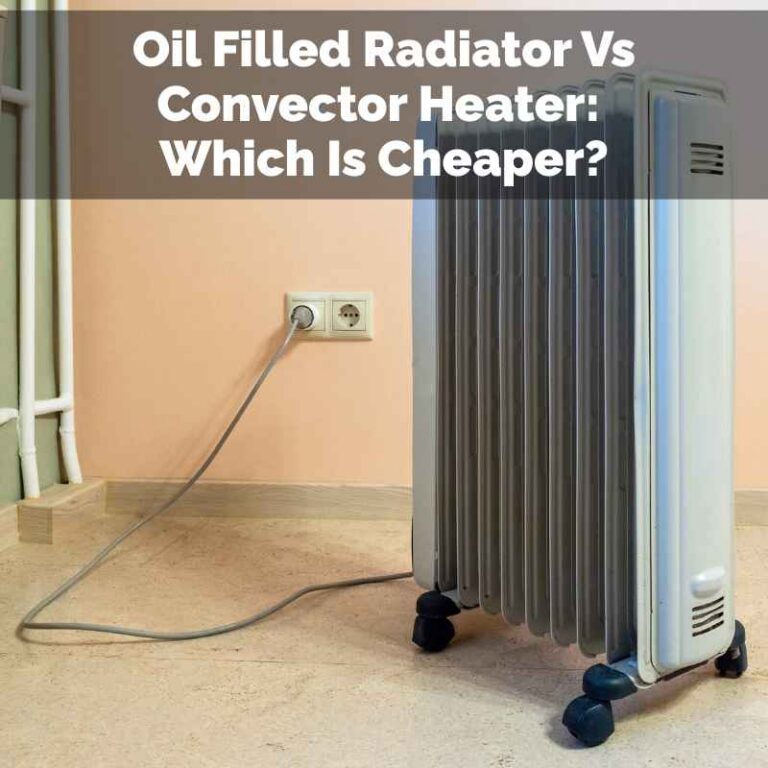
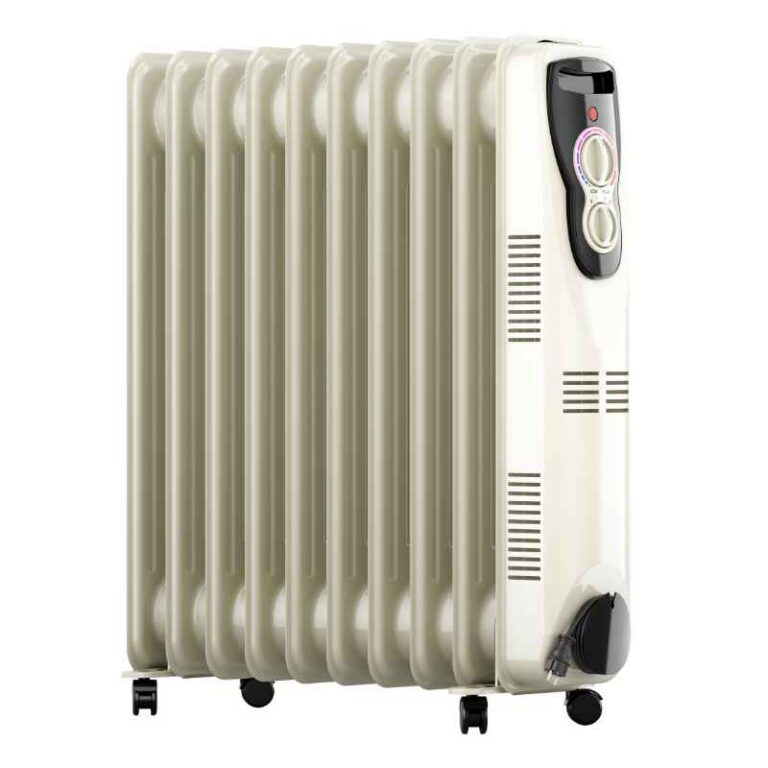
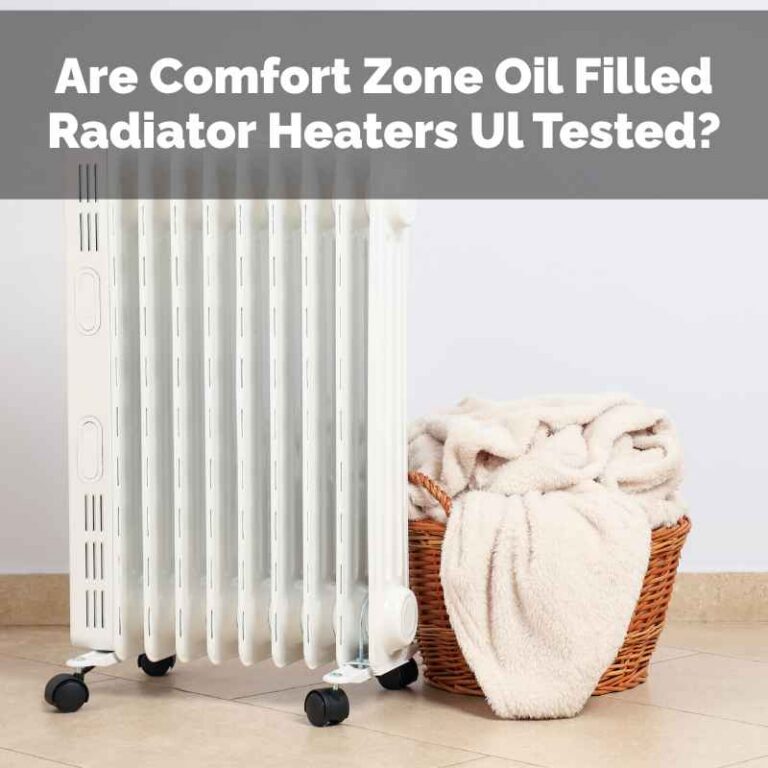
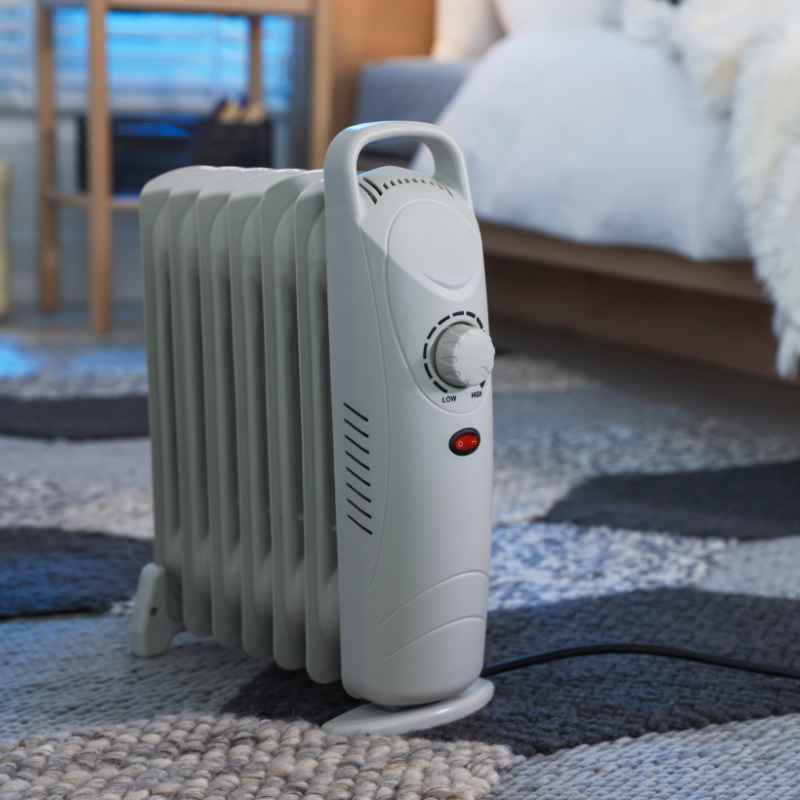
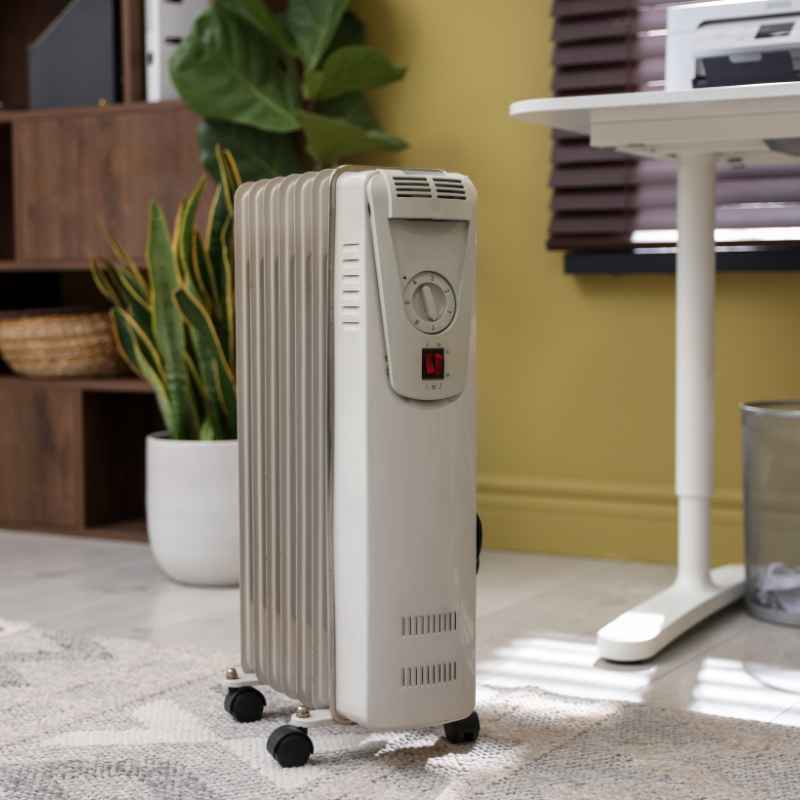
Oil-filled radiant heaters work a bit like a car’s radiator. They have metal fins. Inside these fins is a special oil. An electric element heats this oil. The oil then circulates. It heats the fins. These fins give off radiant heat. This heat warms objects and people directly. It’s not like a fan heater that blows hot air.
The heat is gentle. It feels more natural. This is because it warms you up slowly. It doesn’t dry out the air as much. Many people like this type of heat. It’s good for spaces where you want steady warmth. Think of living rooms or bedrooms.
The Science of Gentle Heat
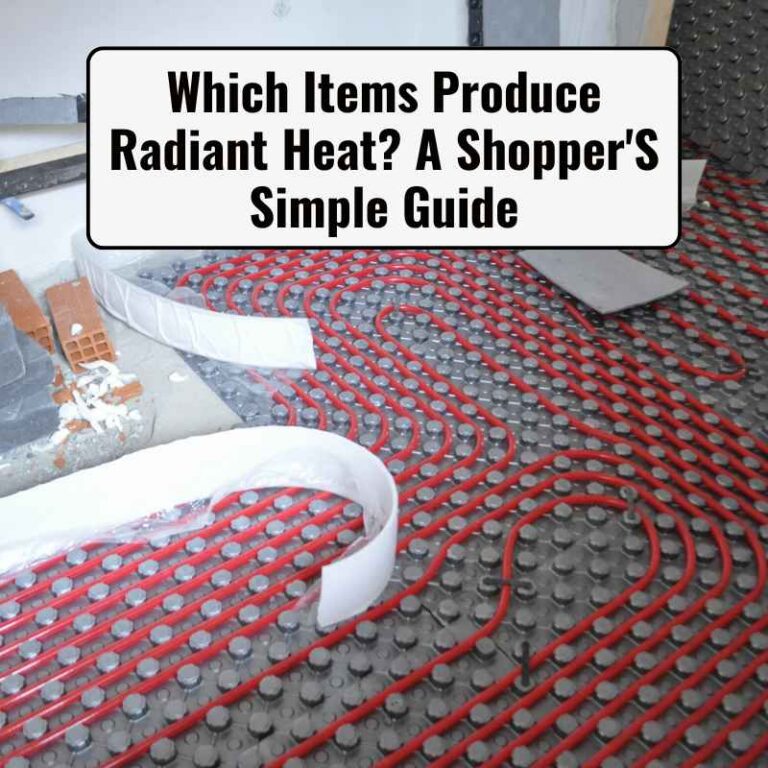
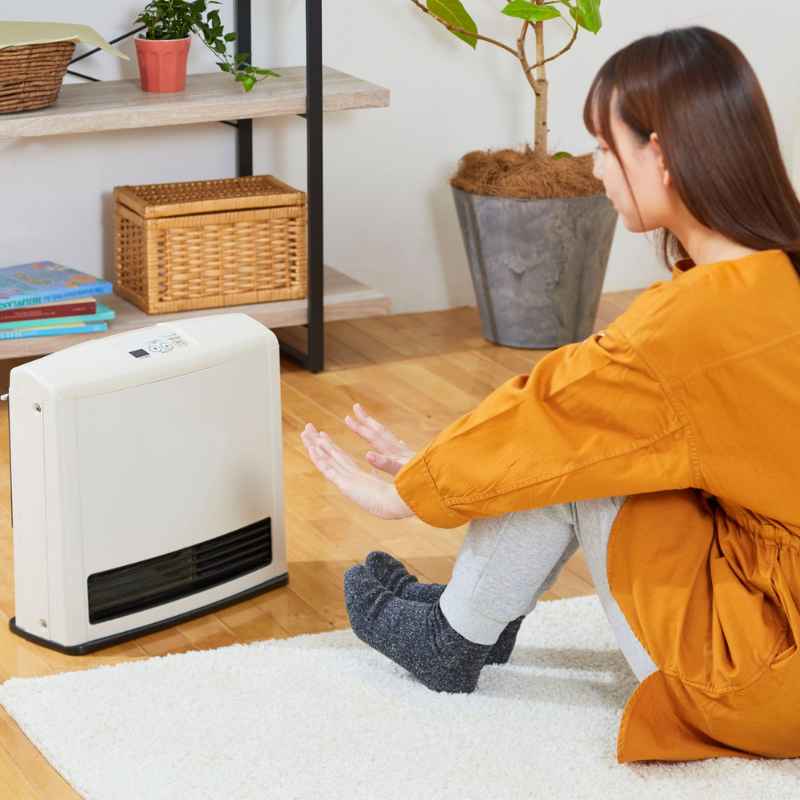
Radiant heat is different. It travels in waves. It’s like the sun’s rays. These waves pass through the air. They warm surfaces they hit. This means your baby’s crib, the walls, and your baby will get warm. The air itself doesn’t get super hot. This can be a good thing.
Fan heaters push air around. This can stir up dust. It can also make the air feel dry. Oil-filled heaters don’t do that. They heat the room more evenly. The oil acts as a heat reservoir. It keeps the heat coming even after the element turns off. This gives you a stable temperature.
My First “Baby-Proofing” Heater Scare
I remember when my first child was a newborn. It was winter. Our old house had terrible heating. The nursery felt like an ice box. I was terrified she’d get too cold. I ran out and bought the first heater I saw. It was a small, bright red fan heater. It looked cheerful.
Within an hour, the room felt like a sauna. The air was thick and dry. I was constantly adjusting the dial. Then, I went in to check on her. She was kicking her legs, all sweaty. I panicked. What if she got too hot? What if she got sick? I unplugged it immediately. That’s when I started looking for something better. Something safer.
Oil Filled Radiators and Baby Safety: What Experts Say
Safety for babies is very important. Pediatricians and safety experts often talk about nursery temperatures. They recommend a range of 68-72 degrees Fahrenheit. This is usually a comfortable and safe zone. Too hot or too cold can be risky.
Oil-filled heaters are often recommended for nurseries. Why? Because they don’t have exposed heating elements. This is a big deal. Many other heaters have coils or grates. A curious little hand could touch them. That can cause a bad burn. Oil-filled heaters are sealed units. The heat comes from the outer fins.
The Pros of Oil Filled Heaters for Baby Rooms
There are several good reasons to consider an oil-filled radiant heater for your baby’s room.
Silent Operation: These heaters run very quietly. There’s no fan noise. This is great for a sleeping baby. A quiet room helps with good sleep. It won’t wake your baby up.
Consistent Heat: The oil holds heat well. This means the heater provides a steady, even warmth. It doesn’t cycle on and off loudly. The temperature stays more stable. This avoids sudden chills.
No Open Flames or Hot Coils: This is a major safety benefit. The heating element is inside the unit. The oil gets hot, but the outer surfaces are warm, not scorching. This greatly reduces the risk of burns. A baby might touch it. It will be warm, but unlikely to cause a serious burn.
Moisture Retention: Unlike fan heaters, oil-filled heaters don’t blow air around. This means they don’t dry out the air as much. Maintaining good humidity levels is important for baby’s comfort. It can help with stuffy noses.
Safety Features: Most modern oil-filled heaters come with safety features. These include automatic shut-off if the heater tips over. They also have overheat protection. These add an extra layer of security.
Infographic-Style Section: Oil Heater Safety Checklist
Baby Room Heater Safety Checklist
Placement:
- Keep at least 3 feet away from cribs and bedding.
- Place on a flat, stable surface.
- Ensure it’s out of reach of tiny hands.
Operation:
- Set to a safe temperature (68-72°F).
- Never leave unattended when on.
- Check for damage before use.
Environment:
- Ensure good ventilation.
- Monitor air moisture levels.
- Keep flammable items away.
Potential Downsides and How to Manage Them
While oil-filled heaters have many benefits, there are a few things to keep in mind.
Slower to Heat Up: Because they heat oil first, they take longer to start feeling warm. This isn’t usually a problem for a nursery. You can turn it on before the baby needs the room.
Surface Temperature: While not as hot as exposed elements, the fins can still get quite warm. This is why keeping them away from the crib is crucial. Even a “warm” touch can surprise a baby.
Weight: They can be heavier than other types of heaters. This makes them less likely to be tipped over by accident. But it also means you need to be careful when moving them.
Energy Use: They are generally energy efficient. But they do use electricity to heat the oil. If you use them constantly on high, your bill might increase.
My Nursery Heater Experience: Trial and Error
After my fan heater scare, I did more research. I learned about radiant heat. I found an oil-filled heater. It had a thermostat. It also had that tip-over safety switch. I placed it across the room from the crib. I made sure a tall dresser blocked direct access.
I plugged it in. The room started to warm up slowly. It was a gentle heat. No noise. No dry air. I could feel the warmth on my skin when I walked in. I checked the thermostat. I set it to a comfortable level. I left the door slightly ajar for air flow.
That night, my baby slept soundly. The room felt cozy. I checked on her a few times. She was breathing easily. Her skin felt comfortable. No sweating. It was a huge relief. That experience taught me that the right kind of heat matters.
Real-World Considerations for Nursery Heating
When thinking about heating a baby’s room, consider the whole environment.
Room Size: Make sure the heater is the right size for the room. A small heater won’t heat a large room well. An oversized one might make it too hot too quickly. Check the manufacturer’s recommended room size.
Insulation: How well is the room insulated? Are there drafts from windows or doors? Good insulation helps keep the heat in. It means the heater doesn’t have to work as hard.
Existing Heating System: If you have central heating, does it reach the nursery adequately? Sometimes, a portable heater is just a supplement. It’s not meant to be the only heat source.
Ventilation: Even with gentle heat, good air circulation is important. Cracking a door or having a small vent helps. It prevents stale air buildup.
What This Means for Your Baby’s Room
So, are oil-filled radiant heaters safe for a baby’s room? Generally, yes. They offer a safer heating method than many alternatives. The lack of exposed elements is a major plus. The gentle, consistent heat is also beneficial for sleep.
However, safety isn’t automatic. It depends on how you use the heater. Think of it like any appliance. You need to be smart and careful. Proper placement is key. Using the safety features is a must. Always supervise its use.
When to Worry: Red Flags for Nursery Heating
You should pay attention to certain signs. These might mean your heating isn’t quite right.
Baby is too hot: If your baby is sweating, has flushed cheeks, or feels hot to the touch, the room is too warm. Remove a layer of clothing. Lower the heater’s setting.
Baby is too cold: If your baby feels cool to the touch, especially on their chest or back, the room might be too cold. Add a layer of clothing. Check the heater’s setting.
Dry Air Symptoms: If your baby is congested, has dry skin, or a dry cough, the air might be too dry. Consider a humidifier. Ensure the heater isn’t making things worse.
Unusual Heater Noises or Smells: Any strange smells or loud noises from the heater are a warning sign. Unplug it immediately. Get it checked or replaced.
Heater Placement Issues: If the heater is too close to the crib. If bedding or toys are near it. This is a serious safety concern. Move it immediately.
Quick Fixes and Tips for Safe Nursery Heating
Here are some practical tips to make sure your oil-filled heater is used safely and effectively.
Thermostat Control: Always use the thermostat. Set it to maintain a steady, safe temperature. Avoid “high” or “low” settings for extended periods.
Setback Timer: Some models have timers. You can program them to turn off or lower heat at certain times. This can save energy and ensure the room isn’t too hot overnight.
Buddy System: Never rely on just one heat source. If possible, ensure your home’s main heating system is working well. The portable heater is often a supplement.
Regular Checks: Make it a habit to check the heater’s cord. Ensure it’s not frayed. Look for any damage to the casing. Unplug it if you see anything concerning.
Storage: When not in use, store the heater properly. Keep it in a dry place. Make sure it’s clean and free from dust.
Frequently Asked Questions about Oil Filled Heaters and Babies
Can I leave an oil-filled heater on all night in the baby’s room?
Yes, it is generally considered safe to leave a modern, thermostatically controlled oil-filled radiant heater on all night in a baby’s room, provided it is placed safely away from the crib (at least 3 feet) and has automatic safety features like tip-over protection and overheat shut-off. Always monitor the room temperature to ensure it stays within the recommended safe range (68-72°F).
How close can an oil-filled heater be to a baby’s crib?
Safety experts recommend keeping any portable heater, including oil-filled ones, at least 3 feet (about one meter) away from the crib, bedding, curtains, and any other flammable materials. This distance helps prevent accidental burns and reduces fire risk.
Do oil-filled heaters dry out the air too much for babies?
No, oil-filled radiant heaters are known for not drying out the air as much as other types of heaters, like fan heaters. They provide a gentler, more consistent heat without blowing air around, which helps maintain a comfortable humidity level in the room. However, if you notice excessively dry air, consider using a humidifier.
Are there any specific safety certifications to look for on oil-filled heaters for a nursery?
Look for heaters that have certifications from recognized safety organizations in the U.S., such as UL (Underwriters Laboratories) or ETL (Intertek). These certifications indicate that the product has met rigorous safety standards. Features like automatic shut-off for tip-overs and overheat protection are also important indicators of a safer product.
What’s the best way to set the thermostat on an oil-filled heater for a baby’s room?
The ideal temperature for a baby’s room is generally between 68-72°F (20-22°C). Set the thermostat on your oil-filled heater to maintain a temperature within this range. Avoid setting it to the highest setting continuously, as this can lead to overheating.
Regularly check your baby’s temperature to ensure they are comfortable and not too hot or too cold.
Can my baby get burned by touching an oil-filled heater?
While the outer fins of an oil-filled heater get warm, they typically do not reach the scorching temperatures of exposed heating elements found in other heater types. This significantly reduces the risk of severe burns. However, they can still be hot enough to cause discomfort or a minor burn if touched for an extended period, which is why maintaining a safe distance from the crib is essential.
Final Thoughts on Cozy, Safe Sleep
Keeping your baby warm and safe is a top priority. Oil-filled radiant heaters can be a good tool for achieving this. Their quiet, gentle heat is ideal for sleep. Their design reduces burn risks compared to other heaters.
Remember, safety comes with smart use. Proper placement, thermostat control, and regular checks are vital. You want a warm room, not a hot one. You want peace of mind. By following these guidelines, you can create a perfectly cozy and safe haven for your little one.
Sponsored / affiliate links. As an Amazon Associate I earn from qualifying purchases. I may earn additional commission from eligible campaigns.