Do You Need A Room Thermostat With Thermostatic Radiator Valves?
This is a common worry. Many people get TRVs and then pause, wondering about the thermostat. Let’s clear this up together.
We’ll look at how these two pieces of home comfort tech work. We’ll see if you need both or if one can do the job.
You often still need a room thermostat even with TRVs. TRVs control individual room temperatures. A thermostat controls the boiler and the overall heating system. They work best together for precise home comfort and energy savings.
Understanding How TRVs and Thermostats Work
Let’s break down what TRVs and thermostats actually do. Think of them as parts of a team. Each part has a special job to do for your home’s warmth.
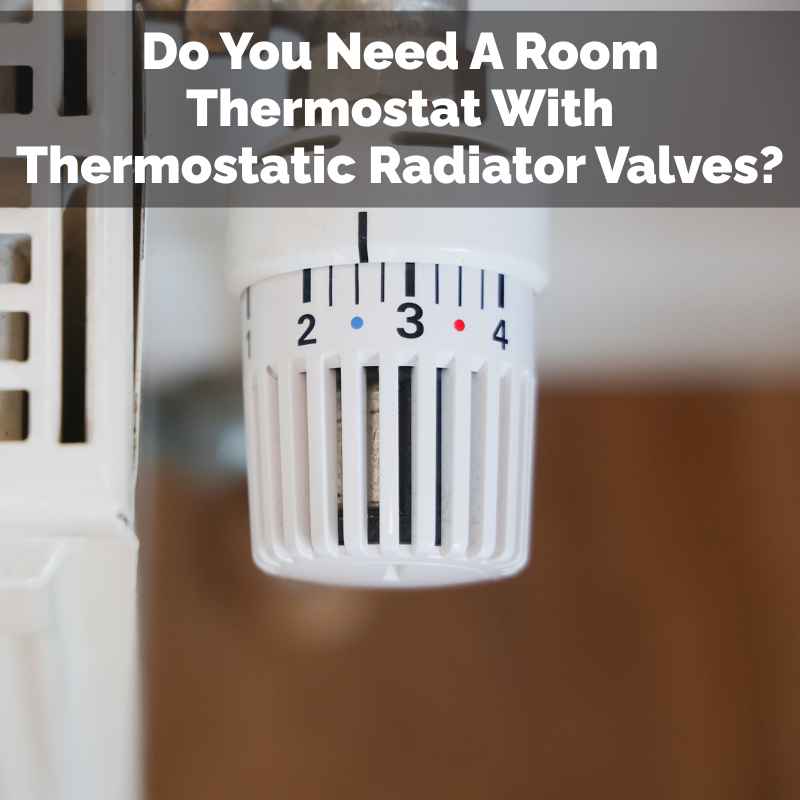
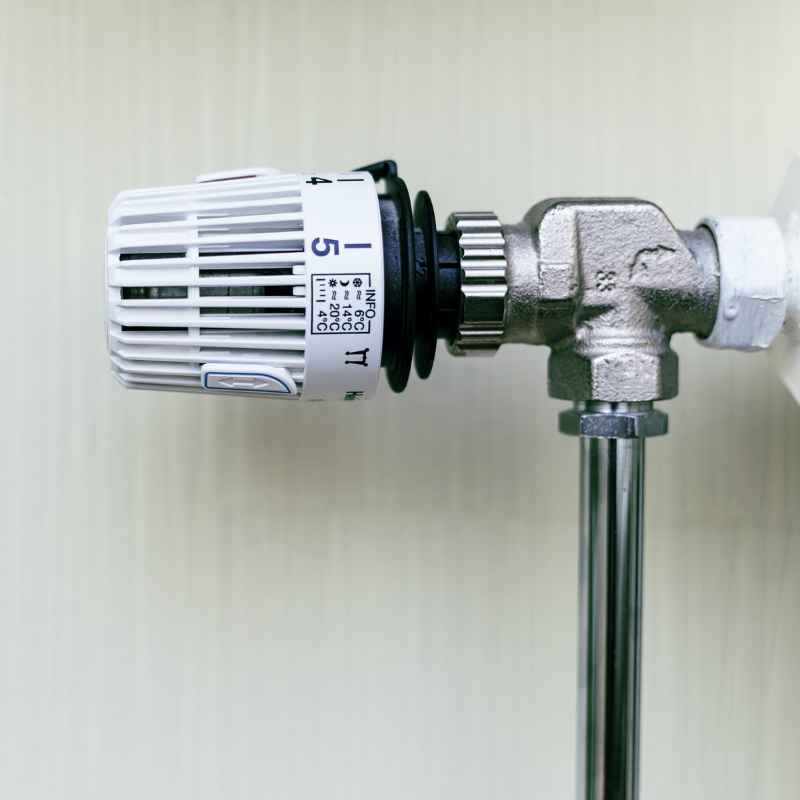
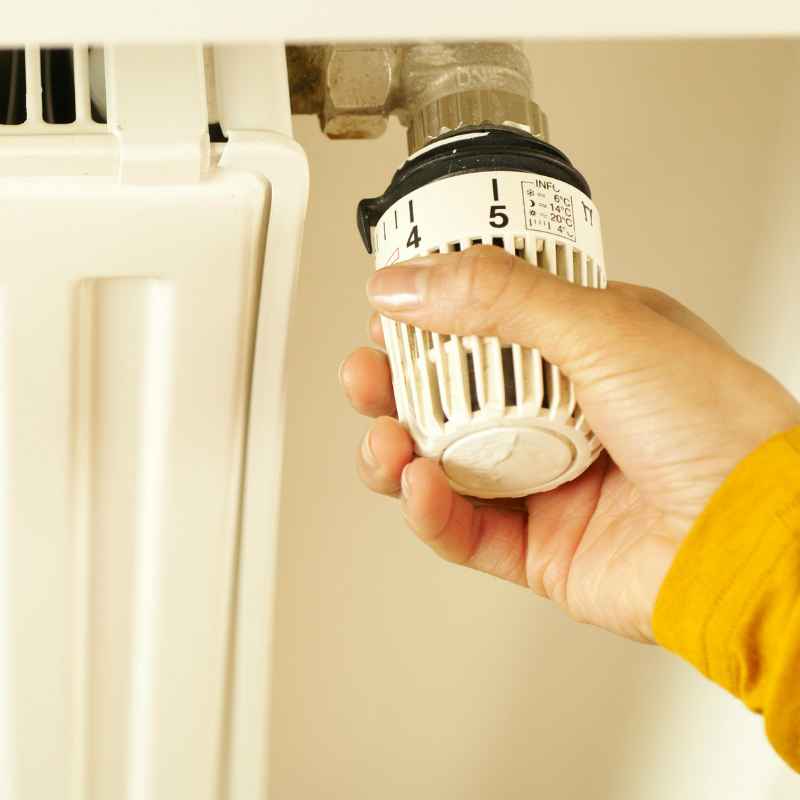
First, let’s talk about Thermostatic Radiator Valves, or TRVs. These screw onto your radiators. They have a little sensor that feels the room temperature.
When the room hits the temperature you set on the valve, the TRV tells the radiator to stop sending hot water. It’s like a little brain for each radiator. This means one room can be warmer or cooler than another.
You can set your bedroom to a cozy 18°C and your living room to a toasty 21°C. They help stop rooms from getting too hot when you don’t want them to.
Now, your main room thermostat. This is usually on a wall in your main living area. Its job is bigger.
It talks to your boiler. When the room with the thermostat gets too cool, it tells the boiler to turn on and heat the water. When the room reaches the temperature you set on the thermostat, it tells the boiler to switch off.
This controls the whole system. It’s the master switch for your heating water.
So, you can see they have different roles. TRVs are about fine-tuning each room. The thermostat is about managing the whole house’s main heat source.
They are not really the same thing. They don’t do the same job.
My Own TRV Adventure: A Lesson in Heating Harmony
I remember when I first decided to install TRVs in my old house. The heating bills were through the roof. Every room felt either like an oven or an icebox.
I’d spend my evenings running around, opening and closing doors to try and balance things. It was exhausting!
So, I bravely tackled installing TRVs. It felt like a big DIY job. I got them all fitted.
The next day, I noticed a difference. The hallway wasn’t heating up as much when the living room was already warm. My study, which always got too hot from the sun, stayed at a nice level.
It felt like progress! I was starting to feel like a heating wizard.
But then came a cold snap. I had my main thermostat set to what I thought was a good temperature. Yet, the house didn’t feel as warm as it should.
I checked the thermostat. It was calling for heat. The boiler was running.
But the radiators, with their TRVs, seemed to be shutting off too soon in some rooms. Other rooms stayed chilly. I felt a knot of confusion.
What was going wrong? I realized my TRVs were doing their job for each room, but the main thermostat wasn’t getting the signal to keep the whole system running long enough. It was like having great players on a team, but no coach telling them when to play the whole game.
That’s when I truly understood how important the main thermostat was, even with smart TRVs.
The Crucial Role of the Central Thermostat
Your central thermostat is the conductor of your home’s heating orchestra. Without it, the TRVs are like soloists playing their own tunes, but not necessarily in harmony with the rest of the band. The central thermostat ensures the boiler fires up when needed for the whole system to operate.
Think about it this way: TRVs are designed to achieve a target temperature in their specific room. Once that temperature is met, they shut off the flow of hot water to that radiator. This is fantastic for energy saving and comfort.
It stops over-heating in unused rooms.
However, your central thermostat acts as the main temperature gauge for your home. It monitors the general air temperature, often in a central hallway or living area. When this area drops below the set point, the thermostat signals the boiler to start heating.
If you didn’t have a central thermostat, or if it wasn’t set correctly, the boiler might never know when to turn on in the first place. The TRVs wouldn’t have any hot water to regulate.
So, the thermostat provides the overarching command to heat the water. The TRVs then take that hot water and manage how much of it goes into each radiator, room by room. They work in tandem.
One is the main engine control; the other is the fine-tuning throttle for each wheel.
TRV vs. Thermostat: Key Differences
TRV (Thermostatic Radiator Valve):
- Controls heat for one radiator (and thus, one room).
- Senses room temperature directly.
- Stops hot water flow when room reaches set temperature.
- Allows different temperatures in different rooms.
Central Thermostat:
- Controls the boiler and the entire heating system.
- Senses temperature in its location (usually a main room).
- Tells the boiler to turn ON or OFF.
- Manages the overall heat supply to the house.
How They Work Together for Optimal Comfort
When you have both TRVs and a central thermostat, your home heating system becomes much smarter. This combination is where real comfort and energy savings happen. It’s not just about having both; it’s about how they interact.
Here’s a typical scenario: Your central thermostat is set to 20°C. The living room, where the thermostat is, is currently at 19°C. The thermostat tells the boiler to turn on and start sending hot water.
As the hot water flows through the pipes and into the radiators, the TRVs begin to sense the rising temperature in their respective rooms.
Let’s say your kitchen TRV is set to 22°C. It will let hot water flow into its radiator until that 22°C is reached. Once it hits 22°C, the TRV will close off the valve, stopping hot water from entering that radiator.
The living room radiator, however, might still be letting hot water in because the thermostat is still calling for heat (at 19°C). It will continue to heat the living room until it reaches 20°C.
When the living room hits 20°C, the central thermostat signals the boiler to turn off. Now, the hot water stops flowing to all radiators. Any radiators with TRVs that have already reached their set temperature will remain closed off.
Radiators in cooler rooms might still have their TRVs open, but there’s no hot water coming from the boiler anymore. This creates a balanced heating environment across your home. Rooms that don’t need as much heat are kept cooler by their TRVs, and the rooms you use the most are kept at your desired temperature by the central thermostat.
It’s a smart, layered approach to heating.
Smart Heating Flow
The Process:
- Step 1: Thermostat Senses Coolness. Your main thermostat notices the air temp has dropped below its setting.
- Step 2: Boiler Fires Up. The thermostat tells the boiler to heat water.
- Step 3: Hot Water Flows. Heated water travels to all radiators.
- Step 4: TRVs Regulate. Each TRV lets hot water into its radiator based on that room’s target temp.
- Step 5: Rooms Reach Temp. TRVs close off radiators when their room is warm enough.
- Step 6: Thermostat Senses Warmth. The main thermostat detects its room is warm enough.
- Step 7: Boiler Shuts Off. The thermostat tells the boiler to stop heating water.
When TRVs Might Seem to Replace a Thermostat (and Why They Don’t)
Sometimes, people might think their TRVs are doing the job of a thermostat. This usually happens in specific situations. For instance, if your old heating system had no central thermostat at all, and you only added TRVs.
Or, if the central thermostat is faulty or never used.
In older homes or simpler systems, a radiator might have had a manual valve that you turned on and off yourself. When you
Another case is when a smart thermostat is installed, but its room sensor is in a room that is always very warm, or always very cold, and not representative of the rest of the house. Or, if the central thermostat is located in a room where the TRVs are all set very low. In such cases, the TRVs might seem to be the main control.
But this is often a sign that the system isn’t balanced correctly, or that the thermostat’s location isn’t ideal. The TRVs are only limiting the heat entering a room; they aren’t telling the boiler to stop producing heat for the entire house.
The key difference remains: TRVs manage individual radiator output. A thermostat manages the central heat source. You need the central thermostat to tell the boiler when to produce heat overall.
TRVs then decide how much of that heat each room gets.
Potential Issues and How They Relate
Even with TRVs and a thermostat, things can sometimes go wrong. Understanding these issues helps show why both components are vital.
One common problem is when your central thermostat is located in a room that gets a lot of direct sunlight or is near a heat source, like a fireplace. If the thermostat is in such a spot, it might think the whole house is warm enough when it’s not. It will tell the boiler to shut off.
Meanwhile, other rooms, like bedrooms or hallways, might still be quite cold. The TRVs in those rooms might be open, but there’s no hot water coming from the boiler. This is a thermostat placement issue, but it highlights the thermostat’s role as the main decision-maker.
Another issue is when TRVs are faulty or are set too high in rooms that are rarely used. If a TRV on a radiator in a spare bedroom is set to 25°C, it will keep demanding hot water. If the central thermostat is set lower, say 20°C, it will still try to heat the house.
But the TRV might keep that one radiator blasting heat, making that room much warmer than necessary. It can create an imbalance. It’s like one guest at a dinner party eating all the food.
The system isn’t efficient when one part of it overrides the others incorrectly.
You might also have a situation where your central heating system is poorly designed. Perhaps the pipework isn’t balanced, meaning hot water reaches some radiators faster and hotter than others. In this case, TRVs can help to balance the heat somewhat by throttling back radiators that get too hot too quickly.
But they can’t fix fundamental issues with the system’s design or the boiler’s control. The central thermostat still needs to manage the boiler’s output effectively for the entire system.
Common Heating Glitches Explained
Scenario 1: Thermostat in a Sunny Spot
- Problem: Thermostat thinks house is warm when it’s not.
- Result: Boiler shuts off too soon. Some rooms stay cold.
- Why it matters: Thermostat location is key for whole-house temp.
Scenario 2: TRV Set Too High
- Problem: One radiator overheats its room.
- Result: Wasted energy. Uncomfortable hot spot.
- Why it matters: TRVs need sensible settings for efficiency.
Scenario 3: Unbalanced Pipework
- Problem: Some radiators get hot faster than others.
- Result: Uneven heating. TRVs try to compensate.
- Why it matters: TRVs can help, but system design is crucial.
The Importance of Smart Thermostats and TRVs
In today’s world, we have even smarter options. Smart thermostats and TRVs can talk to each other. This takes your home comfort to a new level.
A smart thermostat can learn your habits. It can adjust heating based on whether you’re home or away. Some smart TRVs can also be controlled via an app.
They can even work together. For example, a smart thermostat might notice you’re not home and signal the boiler to lower the temperature. Then, it can tell the smart TRVs to also reduce their heat output or go into an ‘eco’ mode.
This prevents unnecessary heating of rooms you’re not using.
When you’re about to arrive home, the smart thermostat can tell the boiler to start heating again. It can even tell the TRVs to bring specific rooms up to temperature just in time for your arrival. This is much more efficient than a traditional system.
These smart devices offer more granular control. They use data and connectivity to optimize your heating. This means you can achieve your ideal comfort level while using less energy.
The synergy between a smart thermostat and smart TRVs is where the real magic happens for modern, efficient homes. It’s about intelligent, connected control over your home’s warmth. The thermostat remains the brain for the boiler, and the TRVs are the smart hands that adjust each radiator.
When You Might NOT Need a Separate Room Thermostat
There are a few specific, less common situations where you might not need a traditional, separate room thermostat if you have TRVs, but these are usually tied to specific smart home setups or older, simpler boiler systems.
If you have a very modern combi boiler that has built-in smart controls and allows for individual radiator control without a separate main thermostat. Some newer boilers are designed to work with a system of smart TRVs as their primary control interface. In this setup, the TRVs themselves communicate with the boiler to manage heating cycles.
The boiler’s internal logic would replace the function of a separate room thermostat.
Another scenario could be a property where each radiator is controlled by an individual, wired thermostat installed directly next to it. This is quite rare in residential settings but is more common in commercial spaces. In such a setup, each TRV or its equivalent would have its own temperature sensor and control for the boiler.
The TRVs would then be integrated into this network.
However, for most standard UK homes with a conventional boiler system (like a system boiler or regular boiler with a hot water tank), a central room thermostat is essential. Even if you have TRVs, they rely on the central thermostat to signal the boiler to turn on. Without that signal, the TRVs have no hot water to regulate.
So, while exceptions exist, the general rule for most homes is that a central thermostat is a necessary part of a TRV system. It provides the overall command to heat the water, while TRVs provide the fine-tuned control for each room.
What This Means for Your Home Comfort
Understanding the roles of TRVs and thermostats helps you make informed decisions about your heating. It means you can achieve a level of comfort you might not have thought possible.
If you have TRVs but no central thermostat, adding one is a smart move. It will make your system much more efficient. You’ll likely see lower energy bills.
The house will feel more evenly warm. You won’t have to constantly adjust radiators manually. The thermostat will take care of the main heating cycles.
If you have both, but aren’t getting the comfort you want, check their settings. Make sure the thermostat isn’t in a drafty spot or next to a heat source. Ensure your TRV settings are sensible for each room.
For example, set them lower in rooms you don’t use often. This saves energy and money. It means your heating is working smarter, not just harder.
This knowledge empowers you. You can troubleshoot issues more easily. You can ensure your home is warm and cozy when you want it to be.
And you can do it without wasting precious energy. It’s about creating a perfectly balanced environment for you and your family.
Quick Tips for Using TRVs and Thermostats Together
Getting the most out of your heating system is all about using the controls wisely. Here are some simple tips:
- Set TRVs Appropriately: Don’t set TRVs on all radiators to the highest setting. Use them to set different temperatures for different rooms. For example, a lounge might be 21°C, bedrooms 18°C, and hallways 16°C.
- Find the Right Thermostat Location: Ensure your main thermostat is in a central area, away from direct sunlight, drafts, or heat sources like radiators or ovens. This gives it a true reading of your home’s overall temperature.
- Don’t Block Radiators: Make sure furniture or curtains aren’t blocking radiators. This stops the TRV sensor from getting an accurate room reading. It also stops heat from circulating properly.
- Don’t Turn Off TRVs Completely: Avoid turning TRVs to the ‘off’ or frost setting unless you are going away for a long time. Even in unused rooms, a low setting helps prevent pipes from freezing.
- Check Your Boiler Type: Know what kind of boiler you have. Combi boilers often work best with smart controls. System and regular boilers rely heavily on a good thermostat and TRVs.
- Consider a Programmable or Smart Thermostat: If you have an older, basic thermostat, upgrading can make a big difference. You can then schedule heating times and temperatures to suit your lifestyle.
- Balance is Key: Aim for a balance. Use the thermostat for the overall system on/off. Use TRVs for fine-tuning each room’s temperature.
Frequently Asked Questions About TRVs and Thermostats
Do TRVs replace a central thermostat?
No, generally TRVs do not replace a central thermostat. TRVs control the temperature in individual rooms by regulating hot water flow to radiators. A central thermostat controls the boiler itself, telling it when to turn on or off to heat the whole house.
They work best together.
Can I just use TRVs and ignore my thermostat?
While TRVs will control radiator heat, ignoring your thermostat means your boiler might not know when to turn on or off. This can lead to very inefficient heating. The boiler might run too much or not enough.
It’s best to use both for optimal control and energy saving.
What happens if my thermostat is in a different room than the TRV?
This is normal. The thermostat is meant to be in a main living area to sense the average temperature. TRVs are in each room.
The thermostat tells the boiler when to heat water, and the TRVs then manage how much heat each room gets. This allows for different temperatures in different rooms.
My TRVs seem to be working, but my house is still cold. What’s wrong?
This could be a few things. Your central thermostat might be set too low, or it might be in a location that isn’t sensing the true house temperature (e.g., near a draft). The boiler might also be struggling to heat the water sufficiently, or your system might need balancing.
Ensure your thermostat is working correctly and calling for heat when needed.
Can I set my TRVs and thermostat to the same temperature?
You can, but it’s usually not the most efficient way to use them. If your thermostat and all TRVs are set to 20°C, the thermostat will turn the boiler on. Then, each TRV will try to reach 20°C.
As soon as one room hits 20°C, its TRV will shut off. The thermostat might then turn off the boiler before other rooms reach 20°C. It’s better to set TRVs for individual room comfort needs.
Are smart TRVs worth it with a regular thermostat?
Smart TRVs can add an extra layer of control and efficiency. They can be programmed via an app and offer more precise temperature management for each radiator. While they work with a regular thermostat, they offer more advanced features like individual room scheduling, which can lead to further energy savings and comfort compared to standard TRVs.
The Final Word on Heating Control
So, to wrap it all up, do you need a room thermostat with TRVs? For most homes, the answer is a resounding yes. TRVs are fantastic for controlling individual room temperatures.
But they don’t manage the boiler itself. That crucial job falls to your central thermostat.
Think of it as a partnership. The thermostat is the overall manager, and TRVs are the skilled team members handling specific zones. Using them together gives you the best chance for a warm, comfortable home and a healthier energy bill.
Sponsored / affiliate links. As an Amazon Associate I earn from qualifying purchases. I may earn additional commission from eligible campaigns.