Oil Filled Radiator Vs Electric Heat: Which Costs Less To Run?
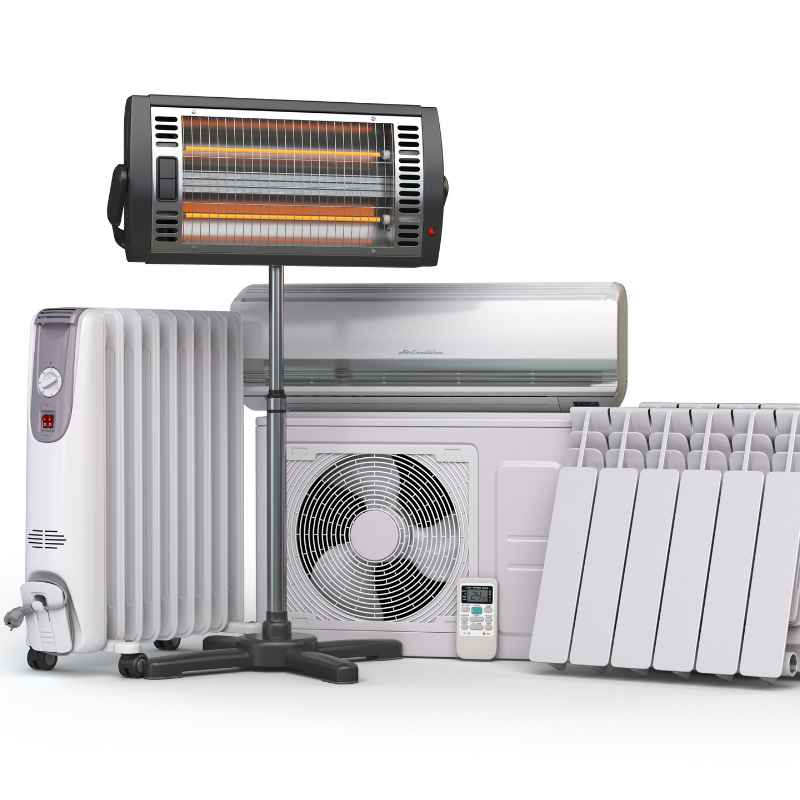
It can be tough deciding how to heat your home. You want to stay warm, but you also don’t want a huge energy bill. Two common choices are oil-filled radiators and standard electric heaters. You might wonder which one is better for your wallet. Let’s explore the costs and how they stack up.
When comparing the running costs of an oil-filled radiator versus a standard electric heater, the oil-filled radiator is generally more energy-efficient and thus costs less to run for sustained heating. This is due to its ability to retain and radiate heat for a longer period after being turned off.
Understanding How They Heat
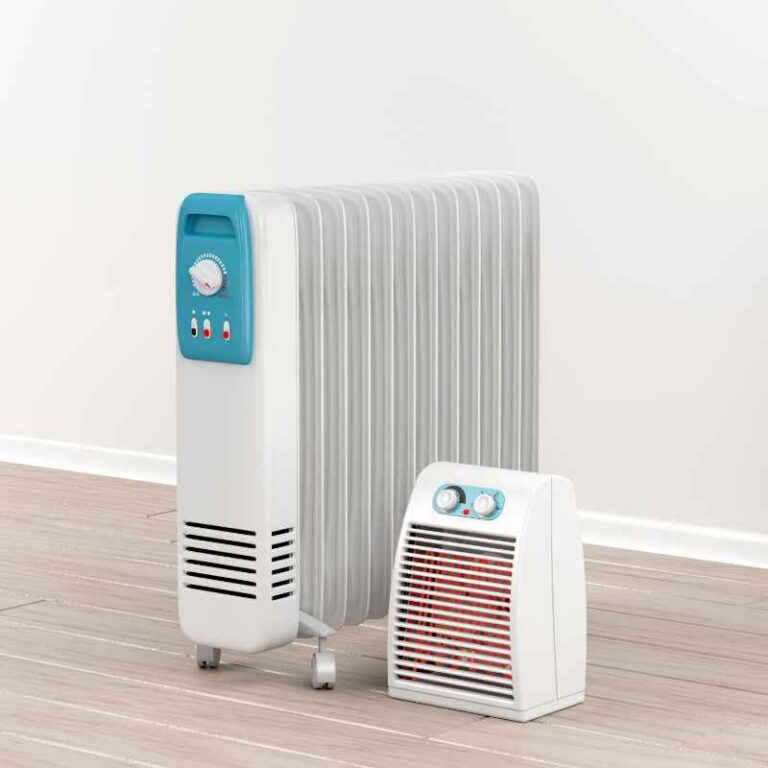
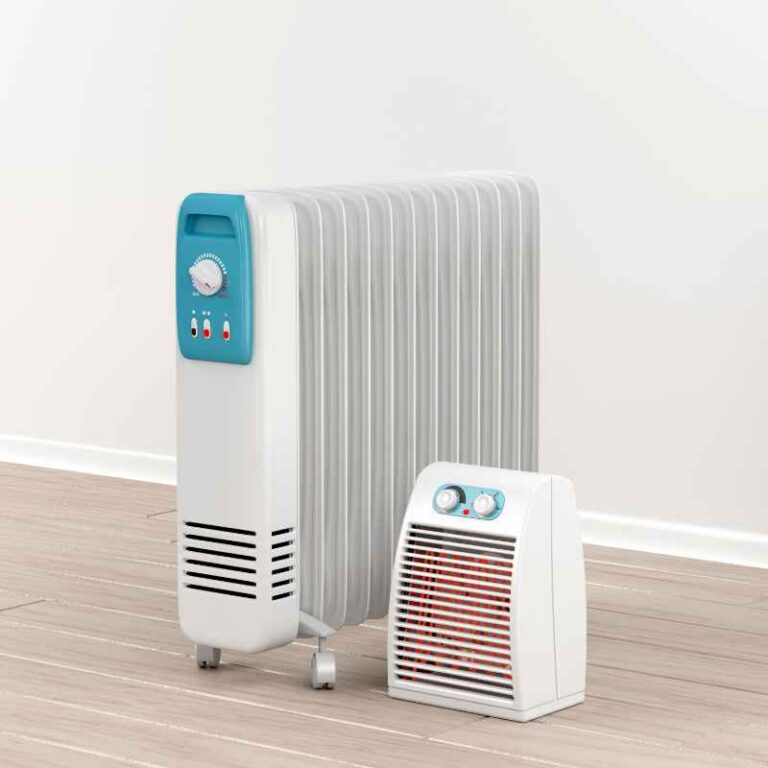
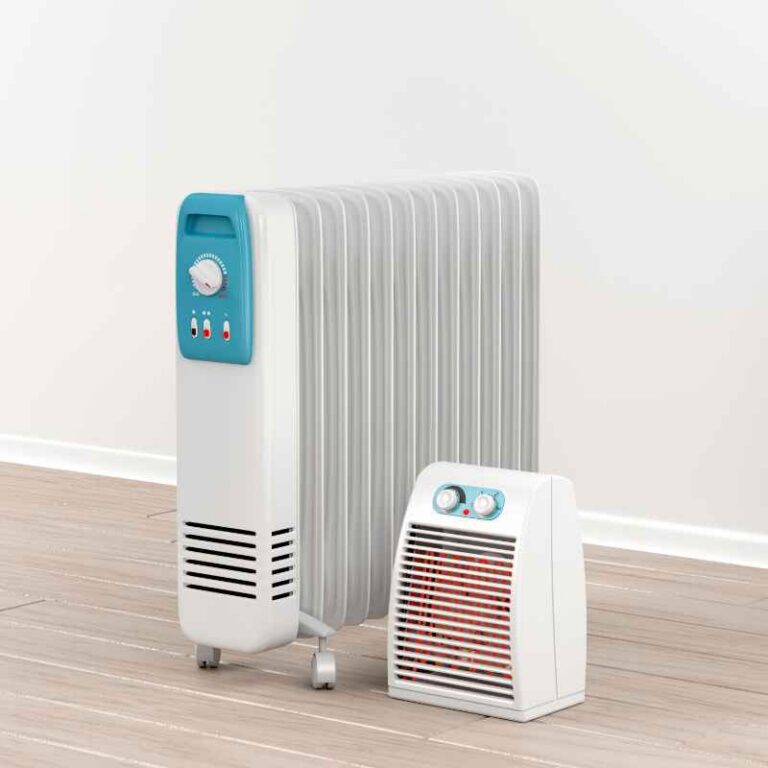
Let’s break down how these heaters work. It helps to know the basics. Electric heaters are pretty simple. They use a heating element. This element gets hot when electricity flows through it. A fan often blows air over this hot element. This warm air then spreads into your room.
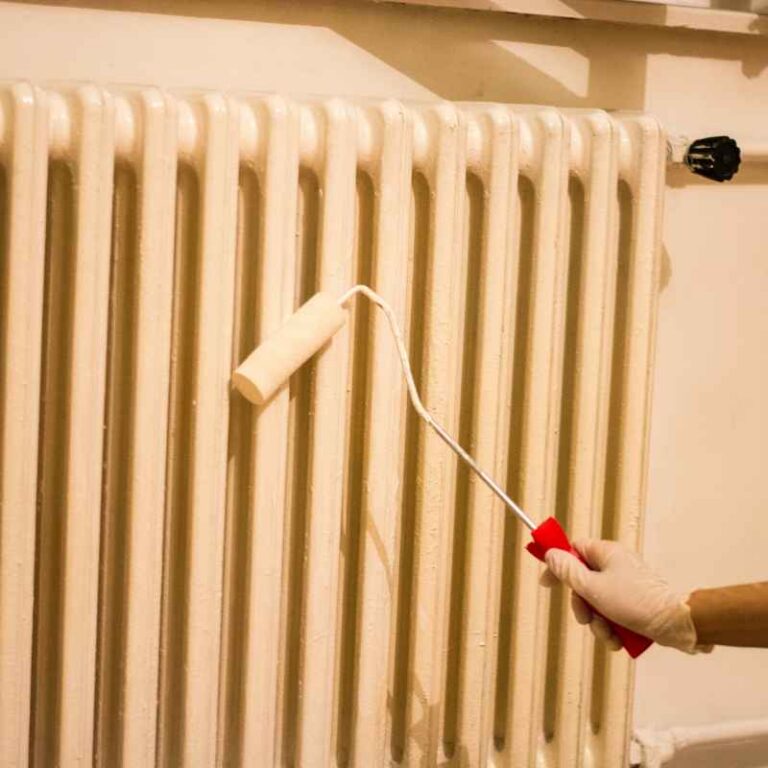
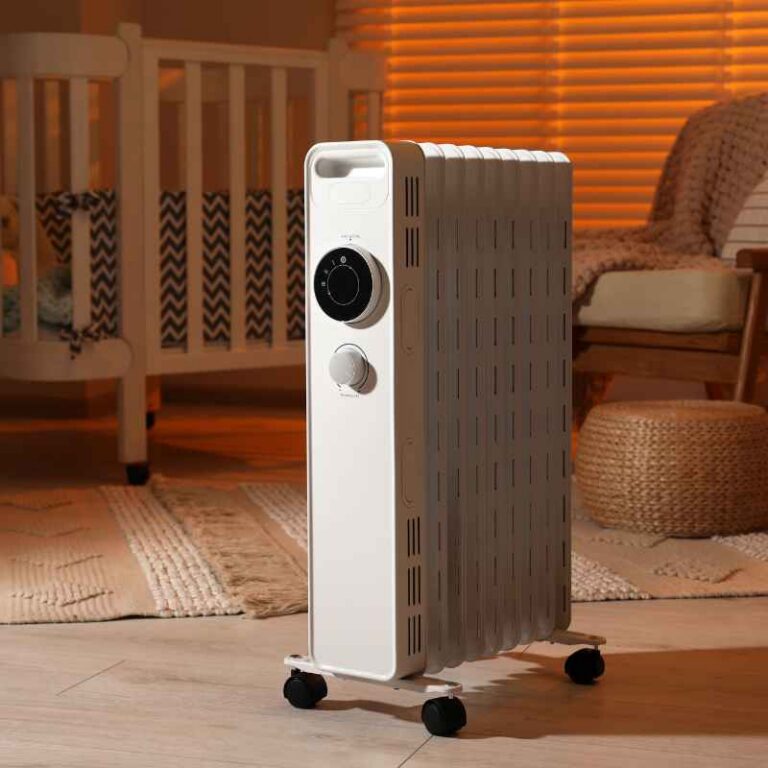
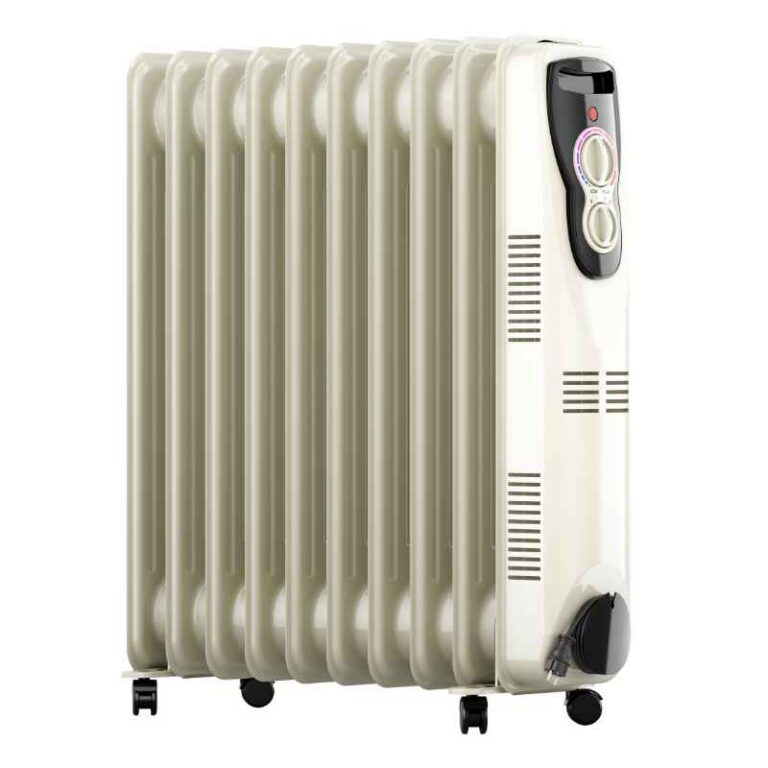
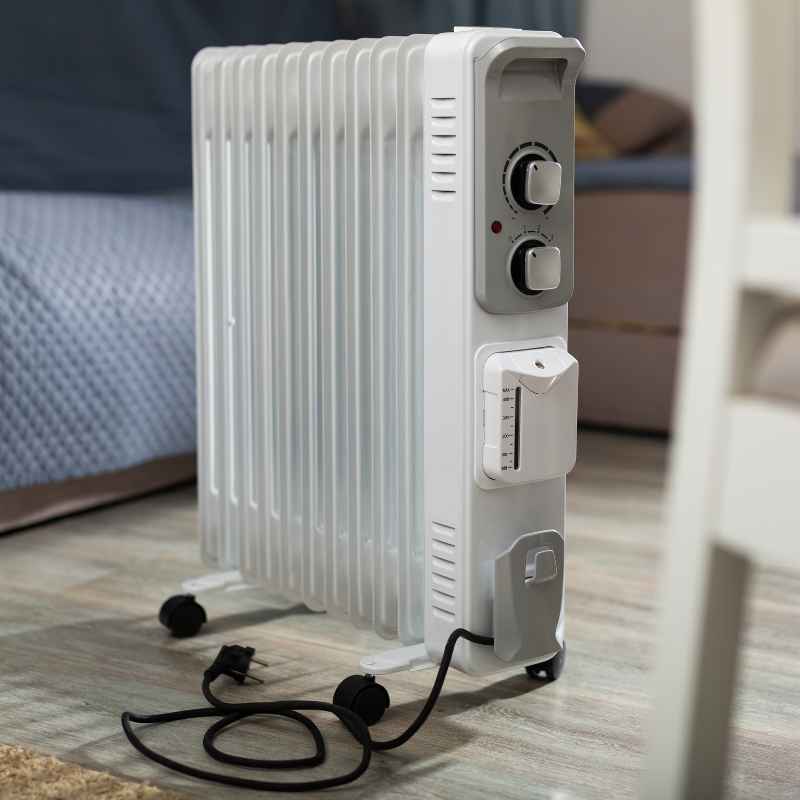
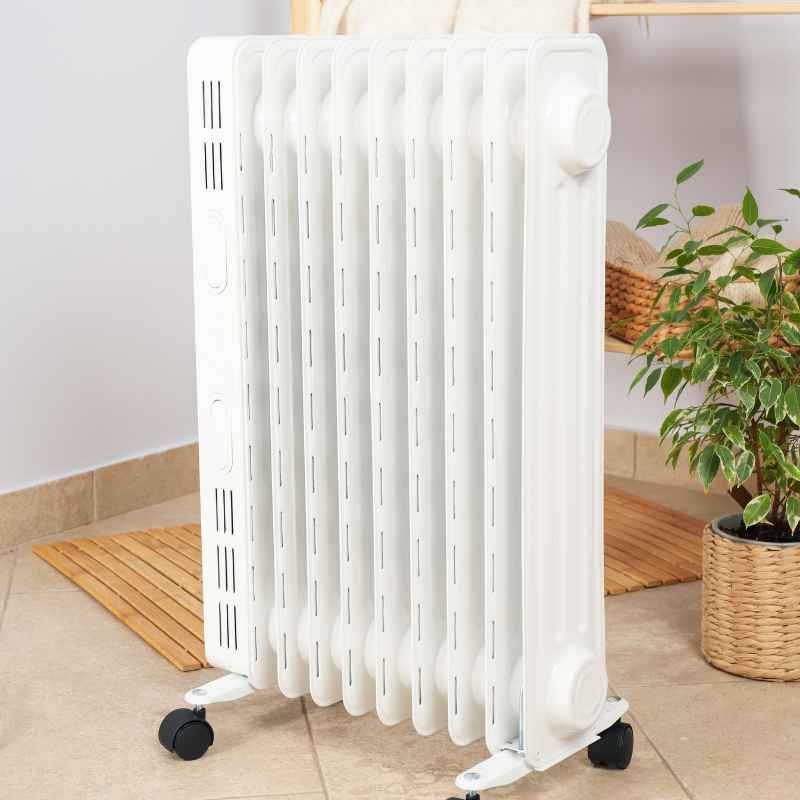
Oil-filled radiators are a bit different. They have fins. Inside these fins is special oil. The electric element heats this oil. The oil gets very hot. Then, the heat from the oil warms the metal fins. These fins then release heat into the room. This happens slowly and evenly.
The key difference is how they release heat. Electric heaters give you heat right away. But they stop when you turn them off. Oil-filled radiators keep giving off heat. They do this even after you unplug them. This is called residual heat.
Heating Style Comparison
- Electric Heater: Direct heat, fast warmth, stops when off.
- Oil-Filled Radiator: Indirect heat, slower start, continues radiating heat.
My Own Stumbling Block with Heater Costs
I remember one particularly cold November. My old furnace decided to take an early vacation. I lived in a small apartment then. I needed heat fast. My landlord suggested a cheap electric space heater. It was small and easy to move. I plugged it in, and wow, it warmed up the living room quickly.
I felt so relieved. I ran it all day and night. I thought I was being smart by keeping the thermostat low on the main system. Then, the electricity bill arrived. I nearly dropped my coffee. It was way higher than I expected. I was confused. How could that little heater cost so much?
That’s when I started digging. I learned about how different heaters use energy. I realized that while the electric heater gave fast heat, it used a lot of power while it was running. And it had to run a lot to keep me warm. It was a tough lesson in energy efficiency.
The Wattage Difference Matters
The main factor in running cost is wattage. This is how much power a heater uses. Most electric space heaters are between 1000 and 1500 watts. Some might go up to 2000 watts. Oil-filled radiators also range in wattage. They are often between 500 and 1500 watts. But their design changes how they use that power.
A 1500-watt heater uses 1.5 kilowatts (kW) of power every hour. To figure out the cost, you need to know your local electricity rate. This rate is usually given in dollars per kilowatt-hour ($/kWh). You multiply the heater’s wattage (in kW) by the hours it runs. Then, you multiply that by your $/kWh rate.
For example, if electricity costs $0.15 per kWh:
A 1500-watt heater running for 1 hour costs: 1.5 kW 1 hour $0.15/kWh = $0.225.
Cost Calculation Example
Scenario: Heating a medium-sized room for 6 hours a day.
| Heater Type | Typical Wattage | Daily Cost (6 hrs @ $0.15/kWh) |
|---|---|---|
| Electric Space Heater | 1500W | $1.35 |
| Oil-Filled Radiator | 1000W (used intermittently) | ~$0.90* |
*Note: Oil-filled radiator cost is an estimate; actual cost depends on thermostat usage and heat retention.
The Magic of Residual Heat
This is where oil-filled radiators really shine. They are designed to store heat. When you turn one on, the oil heats up. This oil then warms the metal body of the radiator. The radiator starts emitting heat. It continues to radiate heat even after its thermostat turns it off.
Think about it like a hot water bottle. It stays warm for a long time. This means the heater doesn’t need to switch on and off as much as a direct electric heater. Even if it has a lower wattage, the fact that it stays warm longer makes it more efficient over time.
So, while a 1500-watt electric heater might run constantly to keep a room warm, a 1000-watt oil-filled radiator might only run for 30 minutes out of every hour. The rest of the time, it’s using the stored heat. This intermittent use is what saves you money on your bill.
Room Size and Heating Needs
The size of the room you’re trying to heat is a big factor. A small bathroom might need a different heater than a large living room. Electric heaters can be good for quick bursts of heat in small spaces. They can warm up a chilly bathroom in minutes before you shower.
For larger rooms or for consistent, background warmth, oil-filled radiators often do a better job. They provide a more gentle, steady heat. This makes them ideal for keeping a home office or a bedroom comfortable throughout the day or night. They can spread warmth more evenly across a larger area.
It’s also important to consider how well insulated your home is. Drafty windows and poor insulation mean you’ll lose heat faster. In such cases, any heater will have to work harder and cost more to run. Investing in insulation might save you more money in the long run than any heater choice.
Choosing the Right Heater for Your Space
Small Rooms / Quick Warmth
Electric fan heaters, ceramic heaters.
Good for bathrooms, small offices, quick spot heating.
Medium to Large Rooms / Steady Heat
Oil-filled radiators, radiant panel heaters.
Ideal for living rooms, bedrooms, continuous comfort.
Thermostats and Energy Savings
Modern heaters, both electric and oil-filled, usually come with thermostats. A thermostat is a dial or digital control. It lets you set a desired temperature. When the room reaches that temperature, the heater turns off. When it gets cooler, it turns back on. This is crucial for saving energy.
An oil-filled radiator with a good thermostat can be very efficient. It heats up, the oil stores heat, and then the thermostat cycles the unit off. This means it’s not running at full power all the time. It uses its stored heat to maintain the temperature.
Direct electric heaters with simple on/off switches are less efficient. They only turn on when you manually switch them. If they have a thermostat, it’s often less sophisticated. This can lead to them running longer than necessary. Or they might cycle on and off more frequently.
Thermostat Tips for Lower Bills
- Set it and forget it: Choose a temperature and leave it.
- Lower it overnight: Most people sleep warmer. A few degrees less saves energy.
- Avoid extreme settings: Setting it to “high” doesn’t mean faster heating, just more power used.
Safety First: What to Watch For
When thinking about heating, safety is always a top concern. Both types of heaters have safety features. But they also have different risks. Oil-filled radiators are generally safer for continuous use. Because the surface doesn’t get as searingly hot as a direct heating element, the risk of accidental burns or fire is lower.
They often have tip-over protection. This means if they fall, they shut off. This is a great feature for homes with pets or children. They also lack exposed heating coils, which reduces the risk of items like curtains catching fire.
Standard electric heaters, especially older models or those with exposed coils, can pose a fire risk if not used properly. Always keep flammable materials away from them. Ensure they are on a stable surface. Never leave them running unattended for extended periods, especially if they don’t have auto shut-off features.
Real-World Scenarios and Habits
Let’s look at common ways people use these heaters. In my experience, people often grab a small electric heater for a quick fix. They might use it to warm up their desk area at work. Or they might use it in a small spare room that’s only used occasionally.
An oil-filled radiator is more of a long-term solution. It’s great for keeping a basement family room at a steady temperature. Or for supplementing a central heating system that doesn’t quite reach every corner of the house. People often leave them running on a low setting for many hours.
The habit of using the heater matters. If you turn an electric heater on high for 30 minutes to warm a room, then turn it off, that’s different from running it all day. An oil-filled radiator used to maintain a temperature, cycling on and off as needed, is usually cheaper in the long run for continuous heat.
Usage Patterns & Cost Impact
Occasional Boost: Small electric heater for 30-60 minutes.
Continuous Comfort: Oil-filled radiator set to maintain temperature.
Long-Term Efficiency: Oil-filled radiators generally win for sustained heating.
What This Means for Your Energy Bill
So, when it comes down to it, which one costs less? For extended periods of heating, the oil filled radiator is usually the winner. This is because of its design. It heats up slowly but then retains that heat. It continues to warm the room even when it’s not actively using electricity.
This means the thermostat on an oil-filled radiator can cycle less often. A direct electric heater has to run almost constantly to provide the same amount of consistent warmth. This constant use of power adds up quickly on your electricity bill. So, if you need to heat a room for several hours a day, the oil-filled option is often more economical.
However, if you only need a quick blast of heat for a very short time, like warming up a small bathroom before a shower, a small electric heater might be fine. The upfront cost of the heater also plays a role. Electric heaters are often cheaper to buy initially. But their higher running costs can make them more expensive over time.
When an Oil Filled Radiator is Your Best Bet
You should consider an oil-filled radiator when:
- You need to heat a room for many hours a day.
- You want steady, consistent warmth.
- You want to reduce your overall electricity usage.
- You prefer a quieter heating solution (they don’t have fans).
- You are looking for a safer option for continuous operation.
They are ideal for studies, bedrooms, or living areas where consistent comfort is key. The gentle, radiant heat they provide can make a room feel cozier. They are also a good choice for people who are sensitive to dry air, as they don’t blow air around.
Oil Filled Radiator Advantages
- Energy Efficiency: Less power used for sustained heat.
- Heat Retention: Continues radiating warmth after shut-off.
- Quiet Operation: No noisy fans.
- Safer Surfaces: Less risk of burns.
- Even Heat: Spreads warmth nicely.
When a Standard Electric Heater Makes Sense
A standard electric heater might be a good choice when:
- You need heat for very short periods only.
- You need to warm up a small space quickly.
- Portability is a top priority.
- You have a very tight budget for the initial purchase.
- The room is small and well-insulated.
Think of a small ceramic heater for a home office. You might turn it on for an hour or two while you work. Or a small fan heater for a chilly bathroom. The key is that these are for temporary use. They are not meant to keep a whole room warm for hours on end. Using them this way is what makes them more affordable in the short term.
Electric Heater Strengths
- Fast Heating: Delivers immediate warmth.
- Lower Upfront Cost: Generally cheaper to buy.
- Portability: Lightweight and easy to move.
- Variety: Many types (ceramic, fan, radiant).
Factors Affecting Your Electric Bill
Several things influence how much you spend on electricity, regardless of heater type. Your local electricity rates are a big one. Rates can change based on your location and the time of day. Time-of-use plans mean electricity is cheaper during off-peak hours.
Your home’s insulation is another huge factor. Poor insulation means heat escapes easily. This forces your heater to work harder and longer. Upgrading insulation in attics and walls can make a significant difference in energy bills. It makes any heating system more effective.
The thermostat settings you use are vital. Even a small drop in temperature can save a lot of money. For instance, lowering the thermostat by 7°F for 8 hours a day can cut heating costs by up to 10%. Using timers or smart thermostats can help manage these settings automatically.
Quick Fixes and Tips for Lower Costs
To keep your heating costs down:
- Seal Air Leaks: Use caulk or weatherstripping around windows and doors. This stops cold air from getting in.
- Use Curtains: Open curtains on sunny days to let in natural heat. Close them at night to trap warmth.
- Dress Warmer Indoors: Wearing layers, thick socks, and using blankets can help you feel warmer. This lets you keep the thermostat lower.
- Check Your Heater’s Efficiency: Look for heaters with Energy Star ratings. They are designed to use less energy.
- Regular Maintenance: Clean dust filters on heaters. This helps them run more efficiently.
Frequently Asked Questions
Are oil-filled radiators more expensive to buy?
Often, oil-filled radiators have a higher initial purchase price than basic electric space heaters. However, their long-term energy savings usually make them a more cost-effective choice over time.
Do oil-filled radiators use less electricity than fan heaters?
Yes, for consistent heating, oil-filled radiators typically use less electricity. They heat the oil, which then radiates heat slowly. This means they cycle on and off less frequently than fan heaters that must run constantly to produce heat.
Can an oil-filled radiator heat an entire home?
No, oil-filled radiators are designed for spot heating or supplementing central heat. They are best for heating individual rooms. Heating an entire home would require multiple units or a different primary heating system.
How long does an oil-filled radiator take to heat up a room?
Oil-filled radiators take longer to heat up compared to direct electric heaters. It can take 20-30 minutes for the oil to heat up sufficiently and for the radiator to start emitting noticeable warmth. However, once warm, it stays warm.
Are electric heaters safe to leave on all night?
While many modern electric heaters have safety features like tip-over shut-off, it’s generally advised to avoid leaving any portable heater on all night unattended. Oil-filled radiators are often considered safer for longer run times due to their surface temperature and stored heat capabilities, but always follow manufacturer instructions.
What is the actual cost difference between oil-filled and electric heaters?
The cost difference depends heavily on usage. For short bursts, electric might seem cheaper due to low upfront cost. For hours of consistent heat, an oil-filled radiator can be 20-30% cheaper to run due to its efficiency and heat retention, depending on local electricity rates.
Making the Best Choice for Your Home
Choosing between an oil-filled radiator and an electric heater comes down to your specific needs. For consistent, economical warmth over many hours, the oil filled radiator usually wins. Its design allows for efficient, steady heating. This leads to lower running costs over time.
Electric heaters have their place for quick, temporary warmth. But for ongoing comfort, the energy savings of an oil-filled unit are hard to beat. Consider your usage patterns and room size. This will help you pick the heater that keeps you warm without breaking the bank.
Sponsored / affiliate links. As an Amazon Associate I earn from qualifying purchases. I may earn additional commission from eligible campaigns.