What Home Heating Systems Have Radiator Grills Under Windows?
Many homes use radiator heating systems installed beneath windows, often featuring protective grilles. These systems are typically part of a hydronic (hot water) or steam heating setup. They are designed to warm rooms efficiently and prevent drafts.
Understanding Radiator Heating Systems
Radiator heating is a classic way to warm a house. It uses radiators to give off heat. These radiators get hot.
Then, they warm the air around them. This warm air rises. It helps heat the whole room.
Many older homes have these. Newer homes might too. The heat source is usually a boiler.
The boiler heats water or creates steam. This hot water or steam travels through pipes. The pipes go to the radiators.
The radiators then release the heat.
There are two main types. One is hydronic heating. This uses hot water.
The water circulates from a boiler. It goes through the pipes and radiators. Then it returns to the boiler to be heated again.
The other type is steam heating. This uses steam. Steam rises from the boiler.
It goes to the radiators. As it cools, it turns back into water. This water then flows back to the boiler.
Both systems work well to heat a space.
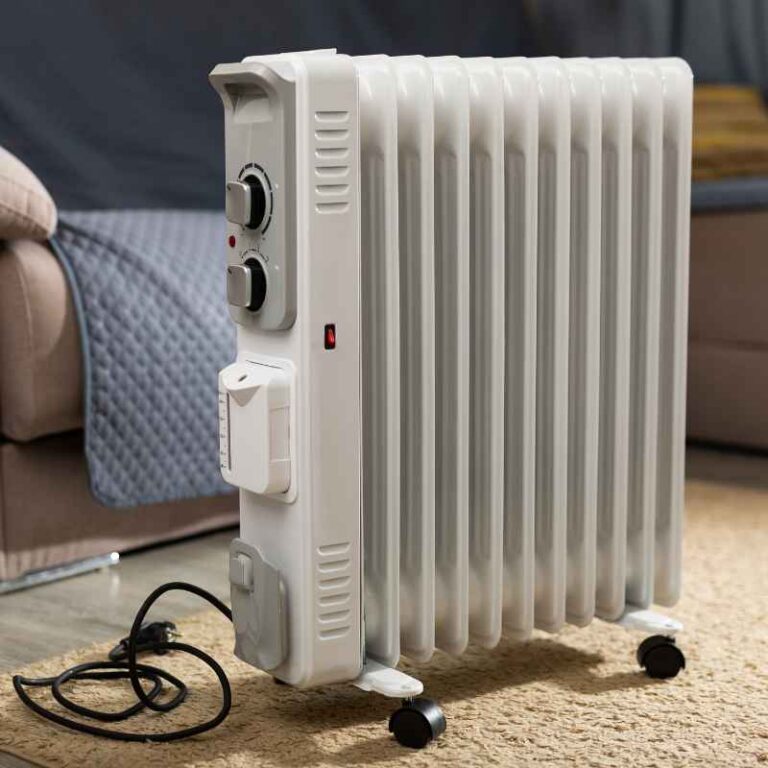
The radiator itself is often a metal fixture. It has fins or sections. These increase its surface area.
More surface area means more heat can be released. The heat is usually from hot water or steam inside. The radiators are made of durable metal.
Common materials include cast iron or steel. They are built to last many years. Their design is simple but effective.
Why Radiators Sit Under Windows
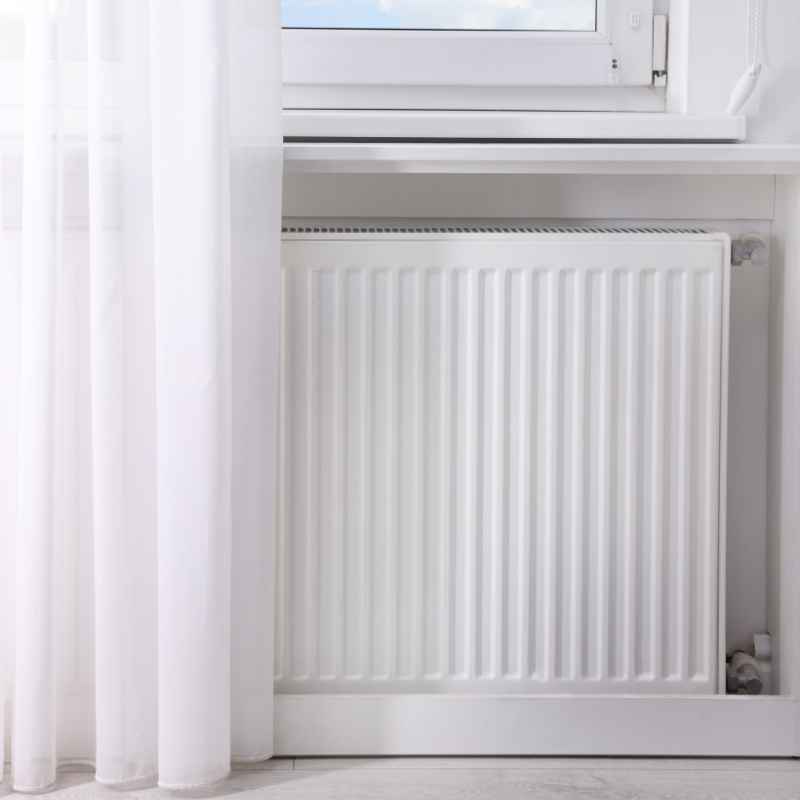
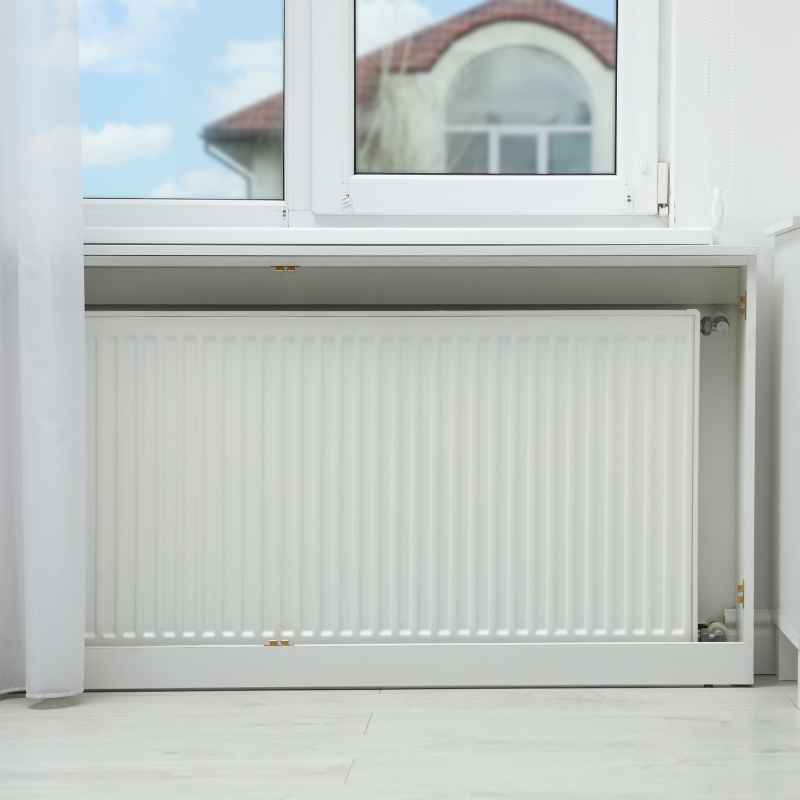
Placing radiators under windows is a smart design choice. It fights cold drafts. Windows can let cold air in.
This is especially true in older homes. Cold air near the window gets heavy. It sinks down.
A radiator placed there warms this sinking cold air. It mixes the cold air with warm air. This stops cold drafts from spreading across the room.
It makes the room feel more comfortable. This placement is very practical.
It also helps with heat distribution. Warm air naturally rises. When heat comes from the floor, it rises more easily.
This warm air circulates around the room. It helps to create an even temperature. The radiator is a heat source.
Putting it low down means the heat rises. It pushes the cooler air down. This creates a gentle air movement.
This movement helps warm the entire space evenly. It’s a natural way to heat a room.
Think about how heat travels. Hot air goes up. Cold air goes down.
A window is often the coldest spot. It’s an outside wall. It’s made of glass.
Cold air pools near the floor there. If you put a heat source there, it catches this cold air. It heats it up before it can spread far.
This makes the room feel warmer faster. It also makes it feel more balanced. No one part of the room stays too cold.
The Radiator Grilles: Purpose and Design
The grilles you see over radiators are important. They are not just for looks. They have a few key jobs.
First, they protect the radiator. They prevent you from touching the hot surface by accident. This is especially important if you have kids or pets.
They can get burned if they touch a hot radiator. The grille acts as a shield. It keeps people and pets safe.
Grilles also allow heat to escape. They are designed with openings. These openings let the warm air flow out.
The grille is usually made of metal. It can be punched metal or a decorative lattice. The pattern allows for air to pass through easily.
If the grille was solid, it would block the heat. So, the design balances protection and heat flow. It needs to be open enough for heat but closed enough for safety.
Sometimes, grilles are part of a larger built-in unit. This might be a window seat with a radiator beneath it. The grilles are part of the structure.
They might be made of wood or metal. The important thing is that air can still move freely. The grille pattern is often chosen to match the room’s style.
This can make the heating system blend in. It can even add a decorative element to the room.
Some grilles can be removed. This makes cleaning the radiator easier. Dust and dirt can build up.
This can block heat. Being able to clean the radiator is helpful. It keeps the system working at its best.
A clean radiator heats a room more effectively. It also looks better. Many older homes have ornate grilles.
These are part of the historical charm.
Radiator Grille Styles
Perforated Metal: Small holes punched in a sheet of metal. Common and functional.
Louvered: Slanted openings. Directs heat flow a bit.
Decorative Mesh: Intricate patterns. Often found in older or high-end systems.
Slatted Wood: Used when grilles are part of wooden enclosures.
Common Heating Systems Using This Design
The heating systems most often found with radiators under windows are old ones. They are typically hydronic (hot water) or steam heating systems. These systems use a central boiler.
The boiler heats water. Then, pipes carry that hot water to radiators throughout the house. The radiators give off heat.
The cooled water then goes back to the boiler to be reheated.
These systems are very common in homes built before the 1970s. They are known for being durable. Many of these original systems are still working well today.
They are often seen as reliable. Cast iron radiators are a hallmark of these systems. They are heavy and hold heat for a long time.
This makes them efficient in some ways.
Steam systems are a bit different. They use steam pressure. The boiler creates steam.
This steam travels up through pipes. It goes to the radiators. The steam heats the radiator.
As the steam cools, it turns back into water. This water then drips back down through the pipes. It returns to the boiler.
Steam systems can heat up faster. But they can also be harder to control. They are less common now than hot water systems.
Today, new homes might use radiant floor heating. This is different. Or they might use forced air systems with vents.
But the classic radiator setup is still around. Many people choose to keep it. It has a certain charm.
And when well-maintained, it works very well. The placement under windows is a key part of its design.
Key Components of Old Radiator Systems
Boiler: Heats water or creates steam.
Pipes: Carry hot water or steam to radiators.
Radiators: Metal fixtures that release heat into the room.
Thermostat: Controls the boiler’s operation.
Expansion Tank: Holds extra water as it heats up.
My Own Experience with Old Radiators
I remember moving into my first house. It was a small bungalow from the 1940s. It had these bulky cast iron radiators.
They were in almost every room. Most of them were under the windows. I had never dealt with this kind of heat before.
My previous apartments had forced air. It was all new and a bit daunting.
The first winter was a learning curve. I noticed the radiators getting very hot. I was worried about burning myself.
My mom suggested making simple grilles. We used some thin plywood. I cut patterns into it with a jigsaw.
It looked okay, but it felt like it blocked the heat a little. It was a temporary fix. I learned to be very careful with my little dog.
Then one day, one of the radiators started making a loud banging noise. It was scary! I thought it was going to explode.
I called a plumber. He came over, sighed a bit, and explained it was likely air in the system. He showed me a small valve on the side of the radiator.
He called it a bleed valve. He used a small tool to turn it. A hiss of air came out.
Then a little water. The noise stopped!
That experience taught me a lot. It showed me that these old systems needed a little care. They weren’t “set it and forget it” like some modern systems.
But once I understood them, I grew to appreciate them. They provided a different kind of heat. It felt more gentle and steady.
The house felt cozy. And the grilles, once I got used to them, seemed practical and safe enough.
Variations and Modern Adaptations
While the classic radiator system is old, it has seen changes. Some homes have newer radiators. They might be made of steel instead of cast iron.
Steel radiators heat up faster. They are also lighter. The basic principle is the same.
Hot water or steam flows through them. They give off heat to the room. They are still often placed under windows.
You might also see baseboard heaters. These look different but work on a similar principle. They are long, thin units that run along the bottom of walls.
They have fins inside. Hot water flows through them. They are designed to fit seamlessly into the room.
They are a more modern take on radiator heating. They can also be placed under windows.
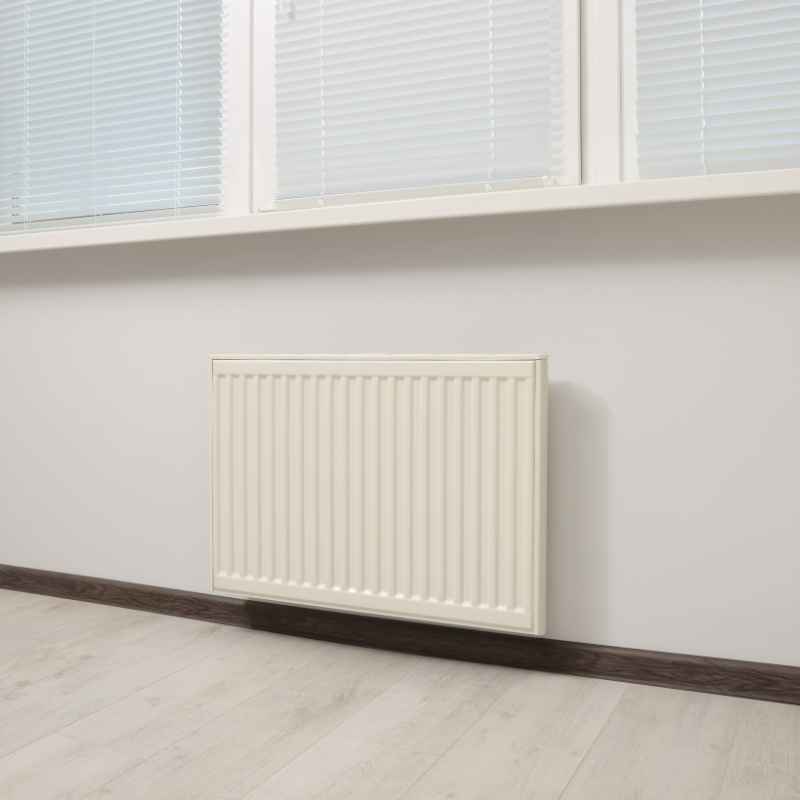
Some newer homes might use panel radiators. These are flat panels. They have a sleeker look.
They still use hot water to heat up. They can be mounted on walls. Sometimes they are placed under windows for the same reasons as old radiators.
They offer a more contemporary aesthetic.
The grilles have also evolved. Instead of ornate metalwork, you might see simpler, more modern designs. They might be integrated into the radiator itself.
Or they could be part of a built-in bench or shelf. The goal is always the same: protect and allow heat flow. Even modern systems benefit from the placement under windows.
It’s a functional design that lasts.
Quick Scan: Radiator Types
- Cast Iron: Heavy, slow to heat, holds heat long.
- Steel Panel: Lighter, heats faster, modern look.
- Baseboard: Long, thin units, often along walls.
Real-World Scenarios Where You See Them
You’ll find these radiator systems in many kinds of homes. Think of older neighborhoods. Many houses there were built in the mid-20th century or earlier.
They might be single-family homes, row houses, or even some apartment buildings. These systems were the standard for a long time.
In colder climates, like the Northeast or Midwest of the U.S., these systems are very common. They are good at providing consistent heat. The placement under windows is a big help when winters are harsh.
The cold from outside is battled directly. This keeps the living space comfortable.
Sometimes, you see these systems in historical buildings too. They might be beautifully restored. The radiators and grilles are kept as original features.
They add to the character of the place. It’s a way to blend old and new. You might have a modern kitchen, but you still enjoy the warm radiators.
In some cases, people add extensions to their homes. They might try to match the existing heating. So, a new room could also have a radiator under the window.
This ensures consistent heating throughout the house. It’s about practicality. The design works, so people stick with it.
Where to Find Them
- Older Homes: Built pre-1970s.
- Historic Buildings: Often preserved for character.
- Colder Climates: Where effective heat is crucial.
- Renovated Homes: Systems may be updated but kept.
What This Means for Your Home
If you have radiators under your windows with grilles, you likely have an older heating system. This is usually a hydronic or steam system. It’s a sign of a well-built, durable heating method.
These systems can provide a very comfortable, even heat.
When is this normal? It’s completely normal for homes with these systems. It’s how they are designed to work.
The grilles are there for safety and air flow. The placement under windows is for efficiency. There’s nothing to worry about if this is what you have.
When should you worry? You might worry if the system isn’t working well. Are rooms cold?
Is the radiator leaking? Is there strange noise? These are signs something needs attention.
You might need to bleed air from the radiators. Or you might need a service call from a heating technician.
A simple check is to feel the radiator. Is it evenly hot? Does it heat up in a reasonable time?
Do the grilles seem clear of dust? These small checks help keep things running smoothly. If your system is old, it might need more frequent maintenance.
But it doesn’t mean it’s inherently bad.
Simple Checks You Can Do
- Feel the Heat: Is the radiator warm all over?
- Listen for Noise: Banging or gurgling might mean air.
- Check for Leaks: Look for water around the base.
- Inspect Grilles: Make sure they are clean and clear.
Tips for Living with Radiator Heating
If you have this type of heating, there are a few things you can do. Keeping the radiators clean is important. Dust can build up in the fins and grilles.
This blocks heat. Use a vacuum cleaner with a brush attachment. Or a radiator brush.
Clean them regularly, maybe once a season.
Bleeding your radiators is also a good practice. If you hear knocking or the top of the radiator is cold, air might be trapped. You can buy a radiator key.
It’s a small, inexpensive tool. You turn the valve slowly. Let out the air until water starts to drip.
Then close the valve. Do this for any radiators that feel off.
Don’t block the heat. Avoid putting furniture or long curtains directly in front of radiators. This blocks the warm air from circulating.
The grilles are designed to let air through. Covering them up defeats the purpose. It makes the system work harder.
Consider installing radiator shelves. These sit on top of the radiator. They can help direct heat into the room.
They also stop things from being placed directly on the hot surface. Some people use them to put plants on. But be careful about moisture near the radiators.
Maintenance Tips
- Clean Regularly: Dust removal boosts efficiency.
- Bleed Air: Helps radiators heat evenly.
- Don’t Block Heat: Keep space around radiators clear.
- Check Valves: Ensure they are not leaking.
Frequently Asked Questions
What is the main purpose of placing radiators under windows?
The main goal is to counteract the cold air that sinks from windows. By placing a heat source there, it warms this cold air. This stops drafts from spreading through the room and helps distribute heat evenly.
Are radiator grilles necessary for safety?
Yes, they are very important for safety. Radiators can get extremely hot. Grilles act as a protective barrier.
They prevent accidental burns, especially for children and pets.
What kind of heating systems use radiators under windows?
These are most commonly found in older hydronic (hot water) and steam heating systems. These systems use a central boiler to heat water or create steam, which then circulates to the radiators.
Can I paint my radiator grilles?
Yes, you can paint most radiator grilles. It’s best to use high-heat paint designed for radiators. This prevents chipping and flaking.
Make sure the radiator is cool and clean before painting.
My radiators are making noise. What should I do?
Noises like banging or gurgling often mean there is air trapped in the system. You can usually fix this by bleeding the radiators. Use a radiator key to open the valve and let out the air until water starts to flow, then close it.
Are radiator heating systems efficient today?
When well-maintained, radiator systems can still be efficient. However, older boilers may be less efficient than modern ones. Improving insulation in your home also helps greatly.
Regular maintenance is key to their efficiency.
Conclusion
So, if you see radiators with grilles under windows, you know what it means. It’s usually a hydronic or steam system. This design is smart.
It fights drafts and warms your home well. These systems have served many homes for years. They are a testament to practical heating design.
Understanding them helps you care for your home better.
Sponsored / affiliate links. As an Amazon Associate I earn from qualifying purchases. I may earn additional commission from eligible campaigns.