Are Oil Filled Radiators Better Than Convector Heaters? Answered
When the chill starts to creep in, finding the right way to warm your home is a top priority. Many of us face a common question: what’s the difference between an oil-filled radiator and a convector heater? And which one is actually better for keeping cozy?
It can feel a bit confusing with so many options. Let’s break it down. We’ll look at how each works, what makes them unique, and what might be the best fit for your needs.
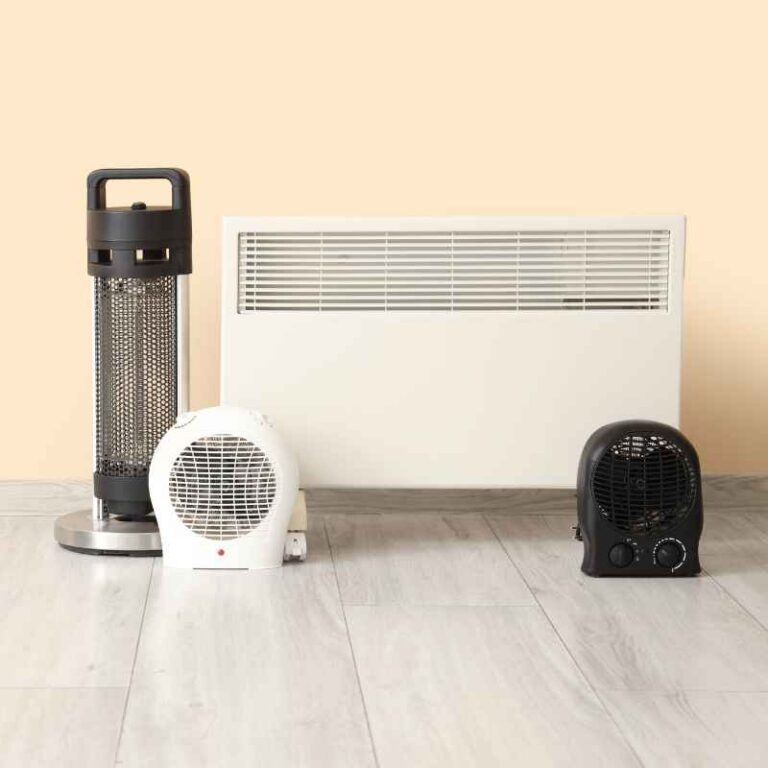
This article compares oil-filled radiators and convector heaters. It explains their heating methods, pros, cons, and ideal uses to help you choose the best option for your home’s comfort and efficiency.
Understanding How Oil Filled Radiators and Convector Heaters Work
First, let’s talk about the basics. How do these heaters actually make heat? It’s all about how they transfer warmth into your room.
The Science of Oil Filled Radiators
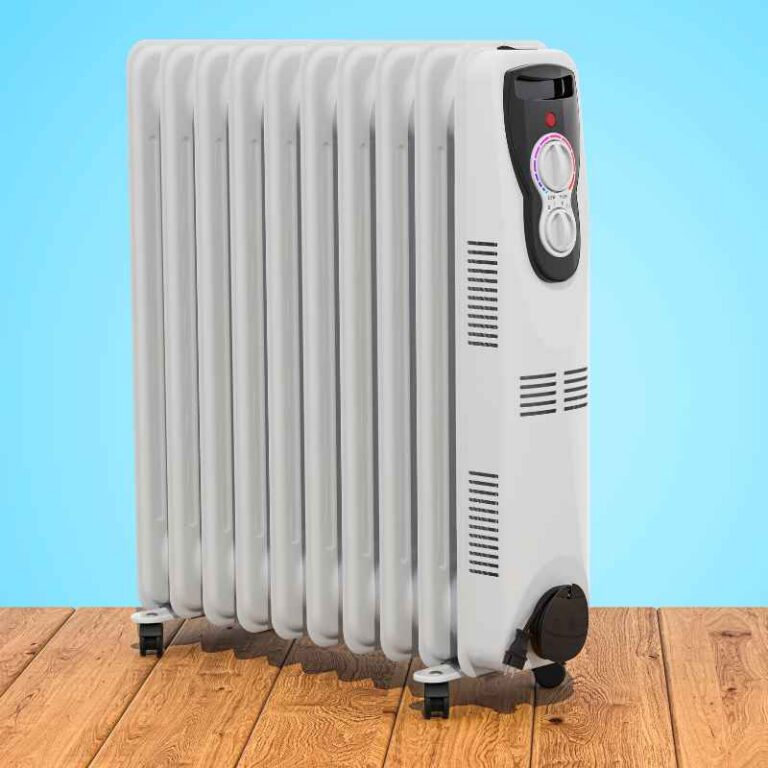
An oil-filled radiator is a type of electric heater. It looks like a classic radiator you might see connected to a boiler. But this one plugs into a wall socket.
Inside its metal fins, there’s a special diathermic oil. This oil is sealed permanently. It never needs refilling.
When you turn the heater on, an electric element at the bottom heats up. This element warms the oil inside. The oil then heats the metal fins of the radiator.
The heat from the fins is released into the room. This happens mainly through radiation. Think of it like the sun warming your skin.
It also uses some convection, but radiation is the main player.
Because the oil holds heat, the radiator stays warm for a while even after you turn it off. This is a key feature. It means the heat slowly spreads out.
It provides a gentle, steady warmth. This type of heating is often called “ambient heat”. It doesn’t blast hot air directly at you.
The Science of Convector Heaters
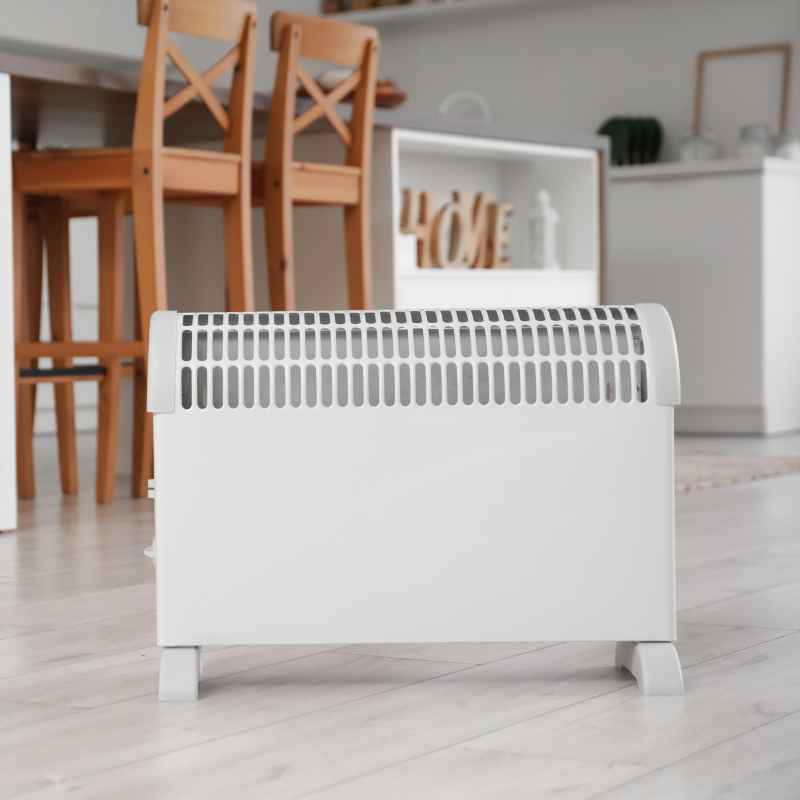
Convector heaters work on a different principle. They also use electricity to create heat. But their main job is to heat the air.
They have a heating element, often a coil or a ceramic plate. This element gets hot very fast.
A fan or natural airflow draws cool room air in. This air passes over the hot element. As the air gets heated, it becomes lighter.
It then rises and escapes from the top of the heater. This process is called convection. It’s like how a hot air balloon works.
The warm air rises and mixes with the cooler air in the room. This creates a circulation. This circulation helps to heat the entire room.
Convector heaters tend to heat up a space much faster than oil-filled radiators. They deliver immediate warmth. But once you turn them off, they cool down quickly.
They don’t store much heat.
Pros and Cons: A Closer Look
Now that we know how they work, let’s compare their strengths and weaknesses. This will help you see where each one shines.
Oil Filled Radiators: The Good and The Not-So-Good
There are many reasons why people love oil-filled radiators. They offer a distinct kind of comfort.
Pros of Oil Filled Radiators
Consistent and Gentle Heat: The best part about oil-filled radiators is their steady warmth. The oil holds heat well. This means they release heat for a long time.
It feels like a gentle, even blanket of warmth. This is great for keeping a room at a comfortable temperature without big swings.
Quiet Operation: These heaters are almost silent. There are no fans. There are no noisy clicks or pops.
This makes them ideal for bedrooms, nurseries, or quiet living spaces. You can sleep or work without distractions.
Safe for Air Quality: Since they don’t blow air around, they don’t stir up dust, allergens, or pet dander. This is a big plus for people with allergies or asthma. They also don’t dry out the air as much as some other heaters.
Long-Lasting Warmth: The heat stored in the oil continues to radiate even after the unit is switched off. This can mean you use less energy over time. The room stays warm for longer.
This is a nice benefit.
Portability: Most oil-filled radiators come with wheels. This makes them easy to move from room to room. You can take the warmth with you where you need it most.
Cons of Oil Filled Radiators
Slow to Heat Up: The biggest drawback is that they take a long time to start producing heat. The oil needs to warm up first. This can take 10 to 20 minutes, sometimes even longer.
They are not good if you need instant warmth.
Surface Temperature: The fins of the radiator can get quite hot. While they are generally safer than exposed heating elements, caution is still needed. Small children or pets could get burned if they touch them for too long.
Most have safety features, but it’s good to be aware.
Energy Usage (Perception): Because they take longer to heat up and cool down, they might seem like they use more energy. However, their steady heat release can be quite efficient for maintaining temperature.
Size and Weight: They tend to be larger and heavier than convector heaters. This is due to the oil and the metal casing. Moving them can be a bit of a chore, even with wheels.
Convector Heaters: The Good and The Not-So-Good
Convector heaters are popular for their speed and simplicity.
Pros of Convector Heaters
Fast Heating: This is their main advantage. Convector heaters warm up a room very quickly. You can feel the heat within minutes of turning them on.
This is perfect for quickly taking the chill off a space.
Lightweight and Portable: They are usually much lighter than oil-filled radiators. This makes them very easy to move from room to room. They are often a good choice for temporary heating needs.
Affordable: Convector heaters are generally less expensive to buy than oil-filled radiators. This makes them a budget-friendly option for many homes.
Adjustable Thermostats: Most models come with adjustable thermostats. This allows you to set and maintain a specific room temperature. This can help prevent overheating and save some energy.
Cons of Convector Heaters
Can Dry Out Air: The process of heating and circulating air can lead to drier air in the room. This might be uncomfortable for some people. It can also dry out skin and throats.
Can Stir Up Dust: Because they rely on air circulation, convector heaters can blow dust, allergens, and pet hair around the room. This is not ideal for those with respiratory issues or allergies.
Noisy Operation: Some convector heaters, especially those with fans, can be noisy. The sound of the fan or the heating element can be noticeable. This might be disruptive in quiet environments.
Heat Dissipation: Once turned off, convector heaters cool down very quickly. They don’t retain heat. This means the room can get cold again soon after the heater is switched off.
You may need to keep it on for longer to maintain warmth.
Hot Surfaces: The heating elements and grilles on convector heaters can get very hot. This poses a burn risk, especially to children and pets. Always supervise their use.
Quick Scan: Oil Filled Radiator vs. Convector Heater
- Heat Type: Radiant & Convection (slow, steady)
- Warm-up Time: Slow (10-20+ mins)
- Heat Retention: High (stays warm after off)
- Noise: Very quiet
- Air Quality: Good (doesn’t stir dust)
- Best For: Long-term steady heat, bedrooms, quiet areas
Convector Heater:
- Heat Type: Convection (fast, direct)
- Warm-up Time: Fast (minutes)
- Heat Retention: Low (cools quickly)
- Noise: Can be noticeable (fan)
- Air Quality: Can stir dust
- Best For: Quick bursts of heat, small rooms, temporary use
Real-World Context: Where They Shine
Choosing between these two heaters often comes down to where you plan to use them and what you need them for. Let’s look at some common scenarios.
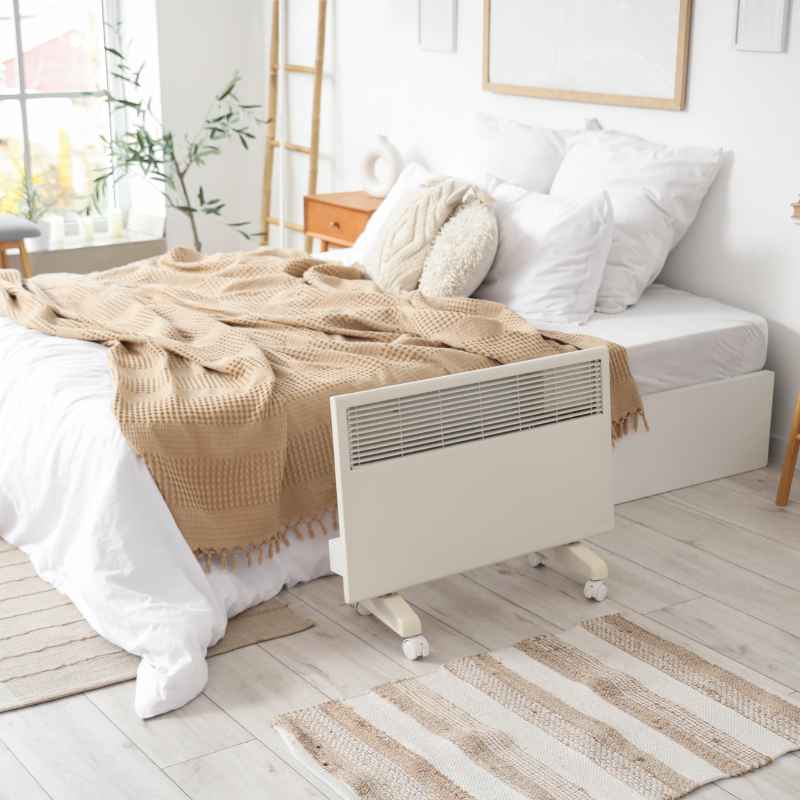
The Cozy Bedroom Sanctuary
Imagine a bedroom. You want it to be a peaceful place. You want to fall asleep easily and wake up refreshed.
A bedroom usually doesn’t need to be heated all day. You might only need it warm for a few hours before bed and overnight.
An oil filled radiator is often a great choice for a bedroom. Its silent operation is a huge plus. You won’t be disturbed by any noise.
The gentle, radiant heat feels very comfortable. It won’t dry out the air, which is nice when you’re sleeping. Plus, its ability to hold heat means it can keep the room comfortably warm for a long time.
You might even be able to set it on a lower setting or turn it off before you wake up.
A convector heater could work for a bedroom too, especially if you need to warm it up fast before you get in bed. But the noise might be an issue for some. And the air-drying effect could be noticeable.
If you have a small bedroom and need quick heat, a convector is fine. But for consistent, quiet comfort, the oil-filled option often wins.
The Quick Warm-Up in the Bathroom
Think about stepping out of a shower. You want instant warmth, right? The bathroom is a place where quick heat is essential.
Waiting 20 minutes for an oil-filled radiator to warm up would be quite uncomfortable.
This is where a convector heater shines. Its fast-acting heating element and air circulation mean you get warm air almost immediately. You can turn it on just before you get in the shower.
By the time you step out, the room is toasty. This makes it a much more practical choice for spaces where you need heat on demand.
Be mindful of moisture. Bathrooms can get steamy. Make sure any heater you use is suitable for bathrooms.
Some convector heaters are specifically designed for this. Also, keep in mind the noise factor if you’re sensitive to it.
The Home Office or Study Nook
Let’s consider a home office. You’re sitting at your desk for long periods. You need a consistent temperature to focus.
You don’t want to be too hot or too cold. And you definitely don’t want a noisy heater distracting you.
An oil filled radiator can be excellent for a home office. The steady, radiant heat it provides is often preferred for long work sessions. It creates a comfortable ambient temperature.
The quiet operation means it won’t interrupt your concentration. You can set the thermostat and forget about it. It will maintain a steady warmth without fuss.
A convector heater could also work. If you only need to heat the office for a few hours at a time, it can get the job done quickly. However, if you’re sensitive to noise or dry air, it might not be the best long-term solution.
You might find yourself adjusting it more often.
The Drafty Living Room
Imagine a larger living room that gets a bit drafty. You might need a heater that can warm the space effectively. You might also want something that can help maintain a good temperature for extended periods.
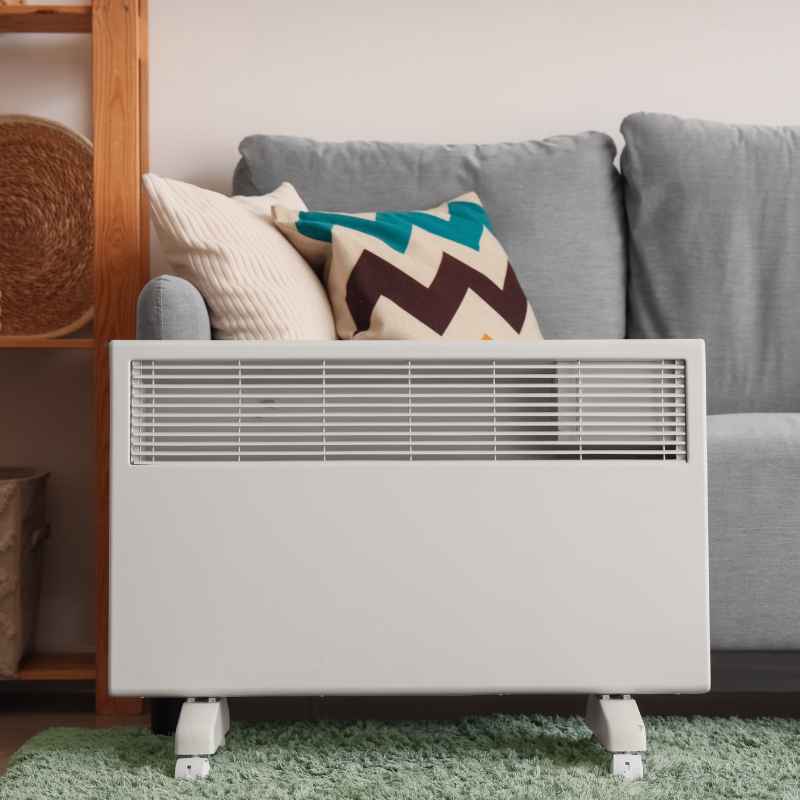
Here, an oil filled radiator can be a strong contender, especially if you are trying to maintain a temperature rather than quickly heat a cold room. Its ability to hold heat and radiate it slowly helps create a more consistent warmth throughout the room. If you have multiple units, you can spread them out to cover different zones.
A powerful convector heater could also tackle a living room. But you might need to run it for longer periods. And the air circulation could be quite noticeable in a larger space.
If the draft is coming from specific areas, a portable convector might not be enough on its own. You might need to consider its placement carefully.
Scenario Spotlight: Basement Recreation Room
Challenge: Basements can be notoriously cold and damp. They often don’t have central heating reaching them well. You need a heater that can provide consistent warmth without drying out the air too much, and without being a fire hazard in a confined space.
Oil Filled Radiator:
- Pros: Offers stable, gentle heat. Quiet operation is great for relaxation. Less likely to stir up any lingering musty air. Good for maintaining a comfortable temp for long periods.
- Cons: Slow to heat up initially. May struggle to combat a very cold, damp basement if not run for a long time.
Convector Heater:
- Pros: Quick to provide immediate warmth. Useful if you only use the basement occasionally.
- Cons: Can make the air feel drier. Might stir up any settled dust or moisture. Noise from a fan could be distracting if you’re trying to relax.
Expert Tip: For a basement, many people find an oil-filled radiator to be a better long-term solution for consistent comfort. If you need quick heat for a short visit, a convector can supplement. Always ensure good ventilation in basements.
What This Means for Your Home Comfort
Understanding how these heaters work and their pros and cons helps you make a smart choice. It’s about matching the heater to your specific needs and the environment.
When is an Oil Filled Radiator the Better Choice?
You’ll likely prefer an oil filled radiator if:
- Quiet is Key: You need a heater for a bedroom, nursery, study, or any space where noise is a concern.
- Steady Heat is Preferred: You like a gentle, consistent warmth that doesn’t fluctuate much.
- Air Quality Matters: You or someone in your household has allergies, asthma, or sensitive respiratory systems. You want to avoid stirred-up dust and allergens.
- Long-Term Heating: You need to maintain a comfortable temperature in a room for several hours or overnight.
- Gentle Warmth is Desired: You prefer radiant heat that warms objects and people directly rather than just the air.
In these situations, the slow, steady, and quiet nature of an oil-filled radiator offers superior comfort and a more peaceful environment. Its ability to hold and radiate heat makes it efficient for maintaining steady temperatures.
When is a Convector Heater the Better Choice?
You’ll likely prefer a convector heater if:
- Speed is Essential: You need to warm up a room quickly, like a bathroom before a shower or a small area for a short period.
- Portability is a Must: You plan to move the heater between different rooms frequently.
- Budget is a Factor: You are looking for a more affordable upfront purchase.
- Occasional Use: You only need to heat a space for short, defined periods.
- Simple Operation is Preferred: You want a straightforward heater that turns on and heats up fast.
For quick heating needs and situations where budget and portability are major concerns, convector heaters offer a practical and accessible solution. They are workhorses for taking the immediate chill off.
What About Safety?
Both types of heaters have safety features. Look for models with:
- Tip-over protection: This automatically shuts off the heater if it’s knocked over.
- Overheat protection: This shuts the heater down if it gets too hot.
- Thermostats: To control the temperature and prevent overheating.
Always read the manufacturer’s instructions. Place heaters on a flat, stable surface. Keep them away from flammable materials like curtains and bedding.
Supervise children and pets around any heater.
Heat Delivery Comparison
Oil Filled Radiator:
- Primary Method: Radiant heat.
- Feel: Gentle, enveloping warmth. Heats objects and surfaces.
- Speed: Slow to start, but lasts long.
- Air Impact: Minimal disturbance.
Convector Heater:
- Primary Method: Convection.
- Feel: Direct, immediate hot air. Heats the air.
- Speed: Very fast to start, but cools quickly.
- Air Impact: Significant circulation.
Quick Fixes and Tips for Best Performance
Regardless of which heater you choose, a few simple tips can help you get the most out of it.
Maximizing Oil Filled Radiator Efficiency
- Placement is Key: Place it where you spend most of your time. Facing it towards where you sit can help you feel the radiant heat better.
- Use the Thermostat Wisely: Set it to your desired temperature and let it cycle. Avoid constantly turning it up high.
- Combine with Other Methods: For very cold days, you might use it to maintain a baseline temperature and supplement with a quicker heat source if needed.
- Regular Dusting: Keep the fins clean. Dust can reduce its efficiency and be a fire hazard.
Maximizing Convector Heater Efficiency
- Targeted Heating: Use it in the room you are actively using. Turn it off when you leave.
- Close Doors and Windows: This helps trap the heat and prevents drafts from cooling the room too quickly.
- Fan Speed (if applicable): If your convector has adjustable fan speeds, use a lower setting for quieter operation. A higher setting will heat faster but might be noisier.
- Prevent Overheating: Ensure the air vents are not blocked by furniture or curtains. This can cause the unit to overheat and be less efficient.
Both types of heaters work best when used correctly. Understanding their strengths helps you use them where they’ll perform best. For example, I noticed in my own home that my oil-filled radiator in the living room keeps the space at a lovely, steady temperature all evening.
But if I want to warm up my small home gym quickly before a workout, my little convector heater is the only way to go!
Frequent Questions About Oil Filled Radiators and Convector Heaters
Are oil filled radiators more energy efficient than convector heaters?
It depends on how you use them. Oil-filled radiators heat up slowly but retain heat, providing steady warmth for longer periods. This can be energy-efficient for maintaining a comfortable temperature.
Convector heaters heat up fast but cool down quickly. They are efficient for quick, targeted heating but might use more energy if left on to maintain a room’s temperature over many hours.
Can I use an oil filled radiator in a bathroom?
Generally, no. Most oil-filled radiators are not designed for the high moisture levels and potential water splashes in a bathroom. Look for heaters specifically rated for bathroom use, often with IP ratings to indicate water resistance.
Which heater is better for allergies: oil filled or convector?
Oil-filled radiators are usually better for allergies. They heat through radiation and don’t use fans to circulate air. This means they don’t stir up dust, pollen, and other allergens in the air as much as convector heaters do.
How long does it take for an oil filled radiator to heat a room?
It can take a while, often between 10 to 20 minutes, and sometimes longer, for an oil-filled radiator to start producing noticeable heat. The internal oil needs to warm up first. For larger rooms, it may take even longer to reach a comfortable temperature.
Can a convector heater dry out the air in my home?
Yes, convector heaters can make the air drier. Because they heat and circulate air, they can reduce humidity levels in a room. This might lead to drier skin, throats, and nasal passages for some people.
Which type of heater is safer for children and pets?
Both types require caution. Oil-filled radiators have hot surfaces, but the heat is more evenly distributed. Convector heaters have exposed heating elements that can get very hot quickly.
Always look for safety features like tip-over protection and overheat shut-off. Keep both types out of reach of children and pets and supervise their use closely.
Conclusion: Finding Your Perfect Warmth
So, are oil-filled radiators better than convector heaters? The answer, as you’ve probably guessed, is that it truly depends on what you need. Neither is universally “better.” Oil-filled radiators offer quiet, steady, and gentle warmth perfect for longer periods and sensitive users.
Convector heaters provide quick, immediate heat, ideal for fast warm-ups and budget-conscious choices.
By understanding their distinct ways of working and their specific pros and cons, you can pick the heater that will make your home the most comfortable and cozy this season. Think about where you need heat, how fast you need it, and what kind of comfort you prefer. That will lead you to the right choice.
Sponsored / affiliate links. As an Amazon Associate I earn from qualifying purchases. I may earn additional commission from eligible campaigns.