Are Halogen Heaters Cheaper To Run Than Oil Filled Radiators?
It’s that time of year again. The air is getting crisp, and the thought of staying warm indoors becomes a top priority. For many of us, that means looking at our heating options.
You might be wondering if a quick-heating halogen heater is a better choice for your wallet than a steady, reliable oil-filled radiator. It’s a common question, and honestly, figuring out which is cheaper can feel like a puzzle. We all want to stay cozy without a huge energy bill, right?
Let’s break down what makes these heaters tick and how they stack up against each other. You’ll get a clear picture of what works best for your space and your budget.
Halogen heaters are generally cheaper to buy and heat a room up faster. However, oil-filled radiators often cost less to run for longer periods because they hold heat better. Your choice depends on how quickly you need heat and how long you need it.
Understanding Halogen Heaters
Halogen heaters are a type of electric radiant heater. They use a halogen lamp inside a reflective casing. When you turn them on, electricity passes through a filament.
This filament gets very hot. It then gives off heat and light. The reflector bounces this heat forward.
This directs warmth right where you need it. It’s like the heat from a sunny spot, but from a heater.
The magic happens because the halogen gas inside the bulb allows the filament to burn hotter. This makes the bulb last longer than a regular incandescent bulb. It also makes the heat output very strong.
You feel the warmth almost instantly. This is a big plus when you just need a quick blast of heat.
Think about it this way: when you stand in front of a halogen heater, you feel warm quickly. This is because it sends out infrared rays. These rays heat up objects and people directly.
They don’t heat the air first. This is different from how many other heaters work.
How Halogen Heaters Work
Electricity flows into the heater. It goes to a quartz tube. Inside this tube is a thin wire, the filament.
There’s also a small amount of halogen gas. When the electricity hits the filament, it glows white-hot. This glow produces heat.
The halogen gas helps the filament stay hot and prevents it from breaking down too fast.
The heat waves then travel outwards. A shiny metal piece behind the filament helps push these waves forward. So, you feel the warmth on your skin or furniture in front of the heater.
It’s a direct kind of heat. This makes them great for spot heating. You can warm yourself up quickly without waiting for the whole room to get warm.
The heat feels intense and immediate. That’s the signature of a halogen heater. It’s efficient for short bursts of warmth.
You can feel the difference within seconds of switching it on. This makes them popular for garages, workshops, or places where you only need heat for a little while.
Pros of Halogen Heaters
One of the biggest benefits of halogen heaters is how fast they work. You switch one on, and you feel warm almost right away. This is super handy when you come in from the cold or just need to take the chill off quickly.
They are also usually quite light and portable. You can easily move them from room to room.
Another good point is their price. Halogen heaters are often much cheaper to buy than oil-filled radiators. If you have a tight budget for a new heater, a halogen one might fit the bill.
They also don’t take up much space. Their slim design means they can fit into small corners.
Because they heat you directly, they can feel very effective. You don’t have to wait for the air to get hot. This makes them great for targeted warmth.
If you sit in one spot for a while, like at a desk, a halogen heater can keep you comfortable there.
Cons of Halogen Heaters
The main downside of halogen heaters is that their heat doesn’t last. Once you turn them off, the warmth fades very quickly. They heat the air around them, but they don’t store heat.
So, if you want a room to stay warm for a long time, they aren’t the best choice. You have to keep them on to feel the heat.
They can also be a bit of a fire risk if not used carefully. The heating elements get extremely hot. If anything flammable, like curtains or clothes, touches them, it could catch fire.
Always keep them clear of any objects. It’s something to be very mindful of, especially if you have pets or young children.
Another issue is that they can dry out the air. The intense heat can make the air feel drier. This might not be comfortable for everyone.
Some people find it makes their skin feel dry or their throat scratchy. Plus, the light they give off can be quite bright, which might bother some people, especially at night.
Understanding Oil-Filled Radiators
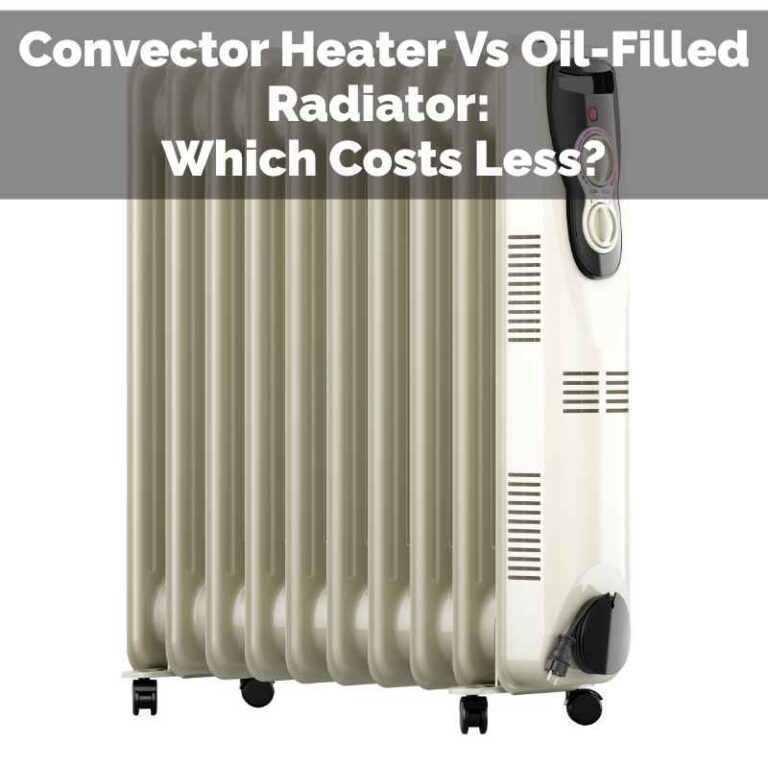
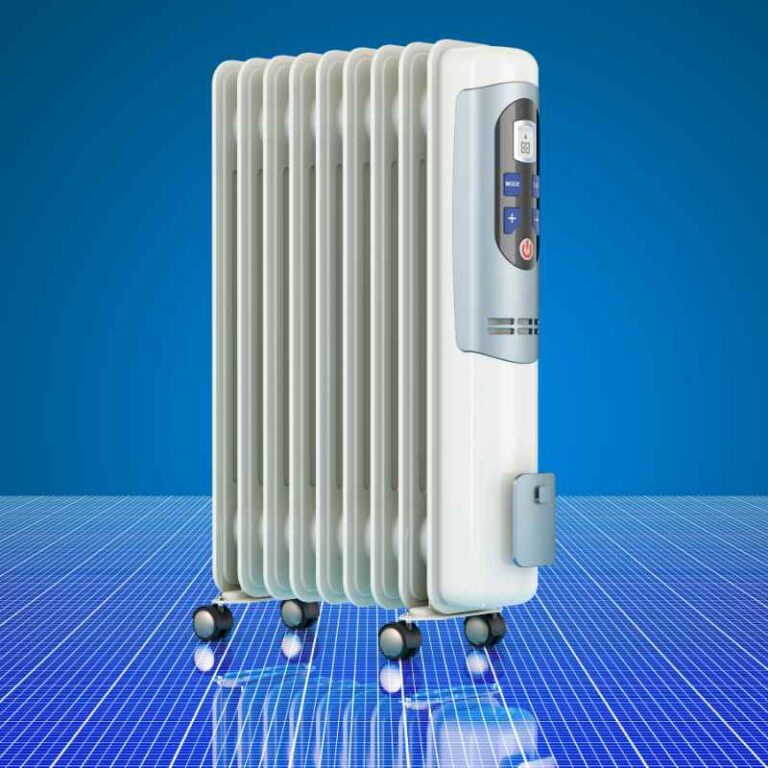
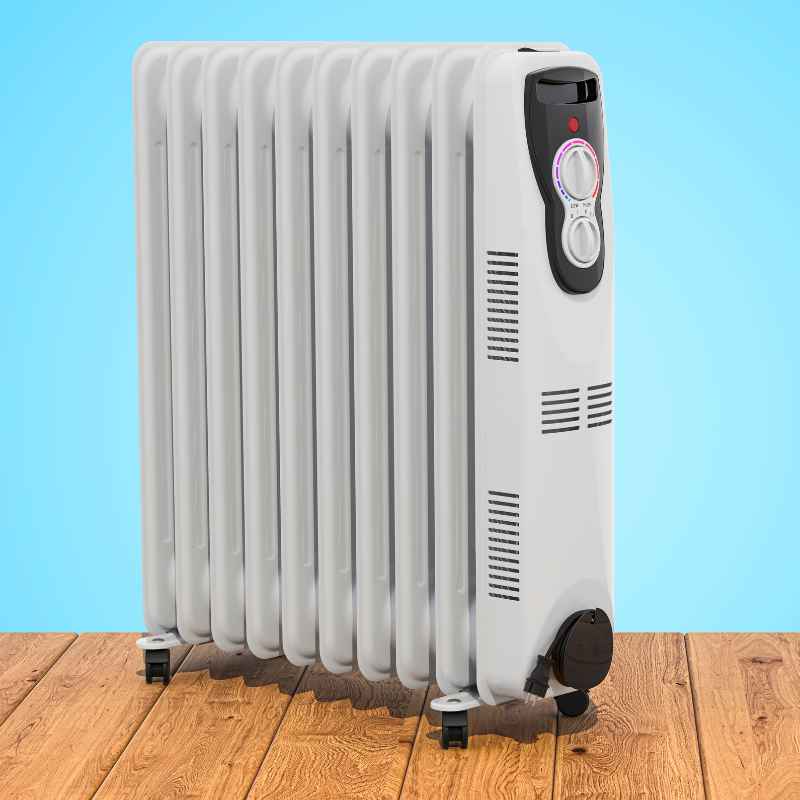
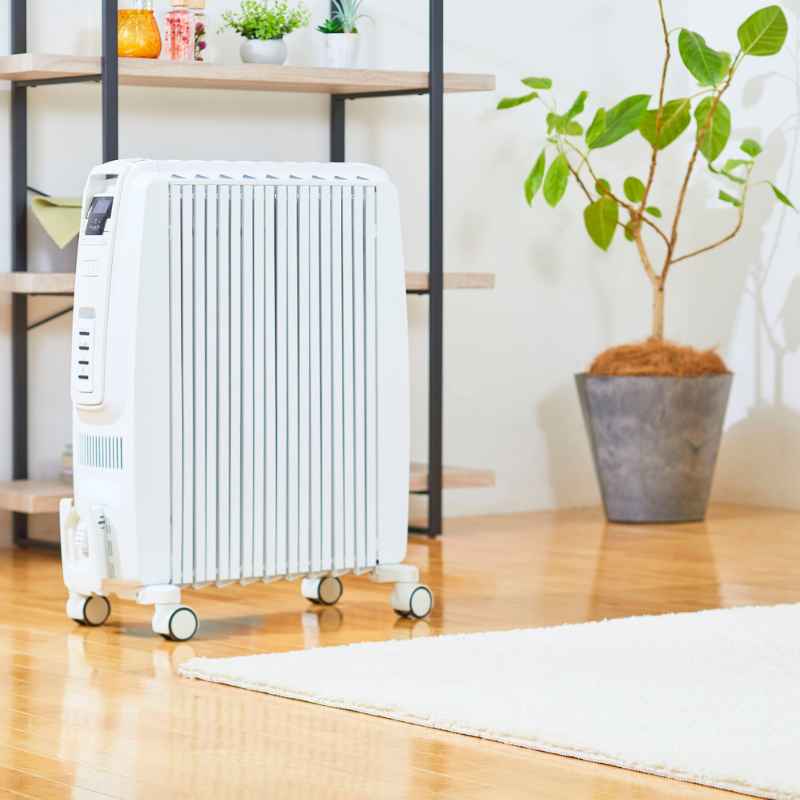
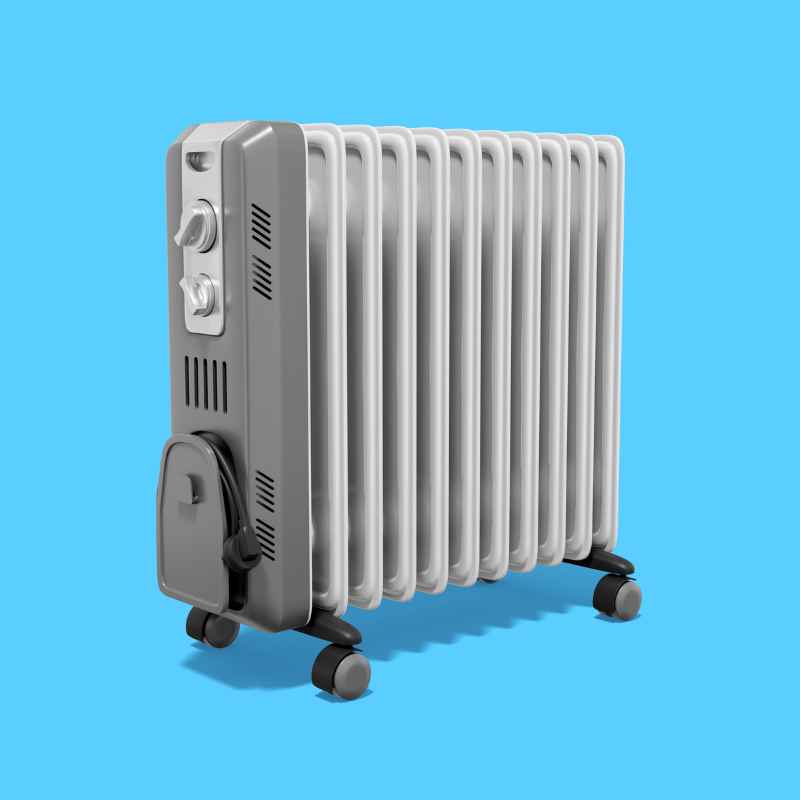
Oil-filled radiators, also called oil-filled column heaters, are electric heaters that look a bit like old-fashioned cast-iron radiators. Inside their metal casing, they have a special oil. This oil never needs to be replaced.
When you turn the heater on, electricity heats up a set of fins. These fins are submerged in the oil.
The oil heats up and then circulates. It moves up the radiator’s columns. As the oil travels, it heats the metal casing of the radiator.
The hot metal then warms the air around it. This warm air rises. It spreads through the room, creating a gentle, even heat.
This process is called convection.
The key feature is that the oil holds onto heat. Even after you turn the heater off, the oil stays warm for a while. This means the radiator continues to give off a gentle warmth.
It keeps the room cozy for longer. This steady heat is a major advantage for maintaining a comfortable temperature.
How Oil-Filled Radiators Work
The process starts with electricity. It flows through a heating element inside the base of the radiator. This element is surrounded by the special thermal oil.
The element gets hot, and this heat transfers to the oil. The oil then begins to move, naturally rising due to being warmer and less dense.
The hot oil travels up through the radiator’s internal fins or columns. As it moves up, it heats the metal walls of these columns. These walls are the parts you see on the outside of the heater.
The metal gets hot and then heats the surrounding air through contact. This is where the convection happens.
The warm air rises and spreads out into the room. Cooler air from the room is drawn into the bottom of the radiator to be heated. This creates a continuous cycle of air movement.
The oil, having given up some of its heat, cools slightly and sinks back down to be reheated. This cycle maintains a consistent room temperature.
Because the oil retains heat so well, the radiator remains warm for a good period after it’s switched off. This residual heat is what makes oil-filled radiators efficient for sustained warmth. They provide a background warmth that keeps the chill away for a long time without constant power.
Pros of Oil-Filled Radiators
The biggest advantage of oil-filled radiators is their ability to hold heat. They provide a long-lasting, gentle warmth. This makes them excellent for keeping a room consistently warm throughout the day or night.
They don’t rely on constant power to keep the heat going. The residual heat is a big energy saver.
They are also very quiet. Unlike fan heaters, which can be noisy, oil-filled radiators produce heat without any sound. This makes them ideal for bedrooms or living areas where you want peace and quiet.
They are also generally considered safer. The outer surfaces get warm, but they don’t get as scorching hot as halogen elements.
The heat they produce is often described as more natural and less drying. They warm the air without making it feel like a desert. This can be much more comfortable, especially for people with respiratory issues or dry skin.
They create a cozy atmosphere without the harshness some other heaters can produce.
Cons of Oil-Filled Radiators
Oil-filled radiators take a long time to heat up. You can’t expect instant warmth from these. It can take 15 to 30 minutes or even longer for the radiator to get hot and start warming the room effectively.
This means they aren’t suitable if you need quick heat.
They are also often more expensive to buy than halogen heaters. Their initial cost is higher. While they might save you money on running costs over time, the upfront investment can be a barrier for some.
They tend to be heavier and bulkier too, making them less portable.
Because they rely on convection, the heat distribution might not be as even in very large or oddly shaped rooms. If there are drafts or obstructions, the warm air might not reach every corner efficiently. You might need more than one unit for larger spaces, increasing the initial cost and power usage.
Running Costs: The Big Question
This is where the rubber meets the road for most people. Which one actually costs less to run? The answer isn’t a simple “yes” or “no.” It depends heavily on how you use the heater and for how long.
Both halogen heaters and oil-filled radiators are electric heaters. They use electricity to generate heat. The amount of electricity they use is measured in watts (W) or kilowatts (kW).
A higher wattage means more power is used. The cost comes from how many watts the heater uses and how long you keep it running. Your local electricity price per kilowatt-hour (kWh) is the final factor.
Let’s think about a typical scenario. You get home from work, and it’s chilly. You want to warm up your living room quickly.
Spot Heating vs. Sustained Heating
Halogen Heater: Uses high wattage (e.g., 1200W or 1500W) for quick heat. You feel warm in minutes. It’s great for personal space heating.
You can turn it off when you leave the room. This can save energy if used in short bursts. The immediate heat feels powerful for what you pay for in that moment.
Oil-Filled Radiator: Uses moderate wattage (e.g., 800W to 2000W) but heats up slowly. It uses its power to heat the oil and then the room. Once hot, it can maintain heat with lower power cycling.
It keeps the room warm even when not actively drawing full power. This steady state is its strength.
If you only need heat for 30 minutes while you read a book, a halogen heater might be cheaper. You get the warmth you need quickly and then switch it off. You’ve used its power for a short time.
An oil-filled radiator would still be heating up for most of that time. It would then continue to radiate heat after you turn it off, which you might not want.
However, if you want to keep your living room at a comfortable temperature for several hours, the story changes. You’d have the halogen heater on constantly. It would use its full wattage the whole time.
An oil-filled radiator, after reaching its operating temperature, will cycle its thermostat. It might turn on and off to maintain the heat. When it’s off, it’s not using electricity but still radiating stored heat.
This is where oil-filled radiators often win for longer heating periods. Their ability to retain heat means they can provide a consistent temperature with less overall power consumption compared to a halogen heater running non-stop. The initial heat-up time uses energy, but the sustained, efficient heat release can make it cheaper in the long run for maintaining comfort.
Wattage and Energy Consumption
When comparing heaters, wattage is a key number. A 1500-watt heater uses more electricity per hour than a 750-watt heater. You can usually find the wattage on the heater’s label or in its manual.
Halogen heaters often have multiple settings. You might see options like 400W, 800W, and 1200W. This lets you choose how much heat you need.
You can use a lower setting for less intense warmth or a higher setting for quicker heating. An oil-filled radiator usually has a thermostat. You set the desired temperature, and the heater works to maintain it.
Let’s look at typical wattages:
Typical Wattages
Halogen Heaters: Often range from 400W to 1500W, with 1200W being very common. Some might have two or three bars that can be turned on or off individually.
Oil-Filled Radiators: Can range from 500W for small ones to 2500W for larger models. Common sizes are 1000W, 1500W, and 2000W.
A 1500W halogen heater running for one hour uses 1.5 kWh of electricity. If your electricity costs $0.15 per kWh, that hour costs $0.225. If you run it for 4 hours, that’s $0.90.
Now, consider a 1500W oil-filled radiator. It might use 1.5 kWh to heat up. But then, it might only run for 20 minutes out of every hour to keep the room warm.
In that case, over 4 hours, the oil-filled radiator might use 1.5 kWh (heat-up) + (1.5 kWh 20/60 3 hours) = 1.5 kWh + 1.5 kWh = 3.0 kWh total for 4 hours. That would cost $0.45. In this specific scenario, the oil-filled radiator is cheaper for sustained heat.
This highlights the importance of usage patterns.
Efficiency and Heat Retention
Efficiency in electric heaters isn’t about converting electricity to heat. All electric resistance heaters are essentially 100% efficient at that. They turn every watt of electricity into heat.
The difference lies in how they deliver and retain that heat, and how that impacts your overall energy bill.
Halogen heaters are great at direct heat transfer. You feel warm quickly. But they don’t retain heat well.
Once the element is off, the heat is gone. This means if you want to stay warm, the heater needs to be on. This constant use of power for direct heat can add up.
Oil-filled radiators, on the other hand, excel at heat retention. The oil acts like a thermal battery. It stores energy.
This stored energy is released slowly over time. This means the heater can cycle off for periods but still keep the room warm. This makes them more efficient for maintaining a comfortable ambient temperature over longer stretches.
You’re paying for the heat to be there when you need it, not just for the moment the element is on.
Think of it like this: a halogen heater is like a quick sip of hot coffee. It’s great for an instant boost. An oil-filled radiator is like a thermos of hot soup.
It keeps you warm for a long time.
Heat Retention Comparison
Halogen Heater: Low Heat Retention. Heats up quickly, cools down quickly. Best for short-term spot heating.
Oil-Filled Radiator: High Heat Retention. Slow to heat up, but stays warm for a long time after turning off. Best for sustained ambient heating.
Usage Scenarios: Which is Best?
The “cheaper to run” question really boils down to your specific needs. Let’s imagine a few common situations in American homes.
Scenario 1: The Home Office/Garage Workshop
You’re working from home, or spending time in your garage on a cold Saturday. You sit at your desk or work at your bench for a few hours. You want warmth right where you are, but you don’t need the whole room to be tropical.
You might step away for breaks. In this case, a halogen heater could be more economical. You can point it at yourself, get warm fast, and then turn it off when you take a break or leave.
The quick heat means you don’t waste energy heating empty space. A high-wattage halogen heater might run for 2-3 hours total, but only when you are actively using it.
Scenario 2: The Bedroom Overnight
You want your bedroom to be comfortably warm all night. You don’t want to wake up freezing. You also don’t want to worry about a heater being on full blast constantly.
Here, an oil-filled radiator is often the better and cheaper option for long-term use. You set the thermostat to a mild temperature. The radiator heats up, then cycles off.
It releases its stored heat. It will switch back on periodically to maintain the warmth. This gentle, consistent heat with less constant power draw will likely cost less than a halogen heater running all night to achieve the same effect.
Scenario 3: The Living Room for Evening Relaxation
It’s evening, and you’re settling in to watch TV. You want the main living area to feel cozy for a few hours. You’re not moving around much.
An oil-filled radiator would likely be more cost-effective here. It will take time to warm the room, but once it does, it will maintain that temperature efficiently. A halogen heater would need to run continuously at a high setting to keep the whole space warm, which would likely cost more in electricity over several hours.
I remember one winter, my old house had terrible insulation. The living room would get so cold in the evenings. I tried using a halogen heater.
It was great for warming me up when I first sat down. But after an hour, the rest of the room was still chilly. I ended up running it almost non-stop.
My electric bill was surprisingly high that month. Then I got an oil-filled radiator. It took longer to get going, but the whole room felt so much more evenly warm.
And my bill went down, even though I used it for similar amounts of time.
Usage Scenario Summary
- Quick Warm-up/Spot Heating: Halogen heater is often cheaper for short bursts.
- Sustained Room Heating: Oil-filled radiator is usually cheaper for longer periods.
- Maintaining Temperature: Oil-filled radiators are more efficient due to heat retention.
Safety First
Both types of heaters have safety considerations, but they differ. For halogen heaters, the main concern is the intense heat of the elements. They get very hot, very fast.
Always keep them at least 3 feet away from anything flammable like curtains, bedding, or furniture. Never cover them. Ensure they are on a stable, level surface to prevent tipping.
Oil-filled radiators are generally safer in terms of surface temperature. They get warm, but not dangerously hot like a halogen element. However, they are still electrical appliances.
Keep them away from water. Ensure cords are not a tripping hazard. Like any heater, make sure they are well-maintained and not damaged.
Most modern heaters, regardless of type, come with safety features like tip-over switches. These automatically shut off the heater if it’s knocked over. Always check for these features and ensure your heater is in good working order.
Environmental Impact and Energy Efficiency
When we talk about energy efficiency, it’s important to remember that all electric resistance heaters are technically 100% efficient at converting electricity to heat. They don’t waste electricity as much as, say, an old incandescent light bulb. The environmental impact comes from the source of that electricity.
If your electricity comes from renewable sources like solar or wind, then using any electric heater is more environmentally friendly. If your electricity comes from burning fossil fuels, then any electric heater contributes to that. The goal then becomes using less electricity overall.
An oil-filled radiator, by providing sustained heat with less cycling, can be more energy-efficient in the long run for maintaining a comfortable room temperature. It uses electricity more strategically to keep a space warm. A halogen heater might use the same amount of electricity but only when you are directly in its path.
If you need to keep a larger area or a whole room warm for hours, the oil-filled radiator’s heat retention makes it the more sensible choice for reducing overall energy consumption.
Consider a situation where you have poor insulation. You’ll lose heat quickly. A halogen heater will constantly be trying to replace that lost heat at full power.
An oil-filled radiator will also lose heat, but its stored heat will buy you some time before it needs to cycle back on. This can lead to less overall power draw to maintain a steady temperature.
What Affects Your Running Costs?
Several factors play a role in how much you spend to run either heater:
Key Cost Factors
- Your Electricity Price: This varies by state and even by utility provider. Check your latest bill.
- Heater Wattage: Higher wattage means more power used per hour.
- Usage Time: How many hours a day/week you use the heater.
- Thermostat Settings: For oil-filled radiators, a lower set temperature means less power needed.
- Room Size and Insulation: A larger, poorly insulated room will require more energy to heat.
- Outside Temperature: Colder weather means the heater will work harder and longer.
For example, if your electricity rate is high, using a lower-wattage heater for a shorter time, even if it’s a halogen, might be cheaper than a higher-wattage oil-filled radiator running for longer periods. You always want to match the heater to the job. Don’t use a powerful heater for a small space or a short time if a smaller one will do.
Making the Choice for Your Home
So, are halogen heaters cheaper to run than oil-filled radiators? It’s not a simple yes or no. It depends on how you plan to use them.
Choose a Halogen Heater If:
- You need heat very quickly.
- You only need to heat a small area or yourself directly.
- You will only use the heater for short periods (e.g., 30-60 minutes at a time).
- You are on a tight budget and need a cheaper upfront purchase.
- You want a portable heater to move between rooms for occasional use.
Choose an Oil-Filled Radiator If:
- You need to maintain a consistent, gentle warmth in a room for several hours (e.g., overnight, during the day).
- You want to heat a larger area or a whole room evenly.
- You value quiet operation.
- You want a heater that continues to provide warmth even after it’s turned off.
- You are looking for the most economical option for sustained heating, despite a higher initial cost.
In my experience, for general room heating and maintaining comfort over longer periods, the oil-filled radiator often proves more economical in the long run. Its ability to store and slowly release heat means less constant power draw. However, for quick personal warmth in a chilly garage or office, a halogen heater is fantastic and can be cheaper for that specific, short-term need.
Frequent Questions About Heater Running Costs
Are halogen heaters bad for energy consumption?
Halogen heaters can consume a lot of energy if used for extended periods because they run at full power constantly to provide immediate heat. They are not ideal for long-term room heating but can be energy-efficient for short bursts of targeted warmth.
How much does it cost to run a 1500W oil-filled radiator for 8 hours?
The cost depends on your electricity rate. If your rate is $0.15 per kWh, a 1500W (1.5kW) heater running for 8 hours would use 1.5kW 8h = 12kWh. At $0.15/kWh, that’s 12 $0.15 = $1.80.
However, an oil-filled radiator uses its thermostat, so it won’t run at full power for all 8 hours. It will cycle on and off, likely using less than 12kWh total for the day, making the actual cost lower.
Can a halogen heater heat a whole room?
Halogen heaters are best for spot heating. They can make a small area directly in front of them feel warm quickly. However, they are not very effective at heating an entire room evenly, especially a large one.
They lack the convective heating power of oil-filled radiators.
Which type of electric heater is most energy-efficient overall?
While all electric resistance heaters convert electricity to heat with near 100% efficiency, oil-filled radiators are often considered more energy-efficient for sustained room heating due to their heat retention. They can maintain a comfortable temperature with less overall power usage by cycling on and off.
Do higher wattage heaters cost more to run if used for the same time?
Yes, a higher wattage heater will use more electricity per hour. If two heaters are used for the exact same amount of time, the one with the higher wattage will cost more to run. However, factors like thermostat control can mean a higher-wattage oil-filled radiator uses less total energy over a long period than a high-wattage halogen heater running non-stop.
Is it cheaper to run a fan heater or a halogen heater?
Both fan heaters and halogen heaters provide quick heat. Fan heaters circulate warm air, while halogen heaters use radiant heat. Their running costs are similar if they have comparable wattages and are used for similar durations.
The key is usage time; both can be costly if left on continuously.
Conclusion
Deciding between a halogen heater and an oil-filled radiator comes down to your heating needs. For quick, personal warmth in short bursts, a halogen heater is often more practical and can be cheaper for that specific use. But for keeping a room comfortably warm over many hours, the heat-retaining abilities of an oil-filled radiator usually make it the more economical choice for your energy bill.
Think about when and how you’ll use it most, and you’ll find the best fit for staying cozy without breaking the bank.
Sponsored / affiliate links. As an Amazon Associate I earn from qualifying purchases. I may earn additional commission from eligible campaigns.