How Do Portable Heaters Work At A Medium Temperature?
It can be tricky figuring out how those handy portable heaters work. You just want a cozy spot, but the controls can seem a bit confusing. Especially when you aim for that just-right medium temperature, not too hot, not too cold. We’ve all been there, fiddling with knobs, hoping for comfort. This guide will break down the science in a simple way. You’ll learn what makes them tick and how they keep your space comfortably warm.
Portable heaters work by converting electrical energy into heat, using a heating element and a fan or convection to distribute warmth. They rely on internal thermostats to regulate temperature, cycling the heating element on and off to maintain your desired medium heat setting. Safety features like tip-over switches and overheat protection are standard.
The Inside Story: How Portable Heaters Create Warmth
Portable heaters are like mini furnaces you can move around. Most of them use electricity to do their job. This electricity powers a special part called a heating element. Think of it as a wire that gets really hot when electricity flows through it. This is the heart of how your heater makes warmth.
This hot element then transfers its heat to the air. How it does this varies between heater types. Some use a fan. This fan blows air across the hot element. The warm air then gets pushed out into your room. Other heaters work without a fan. They use a process called convection. Hot air naturally rises. These heaters let the hot air rise and spread out. Cooler air then moves in to take its place. This keeps a steady flow of warmth.
My First Portable Heater Scare
I remember my first winter in a drafty old apartment. The main heating system was just not cutting it. I bought one of those small ceramic fan heaters. It was a lifesaver for my home office. One evening, I was working late. I had the heater going strong. I must have nodded off for a minute. When I woke up, the room felt like a sauna. I realized I’d set the thermostat too high. Panic set in. Was it going to catch fire? I rushed to turn it off. The smell of hot plastic filled the air. It was a bit scary. Thankfully, it was okay. But it taught me a big lesson about respecting these devices. That day, I learned how important it is to understand their settings. And how they respond to changes.
Understanding the Temperature Controls
Most portable heaters have a dial or buttons for temperature. This is your thermostat. It’s a smart little sensor inside. It checks the air temperature around it. When the air gets cooler than you want, it tells the heating element to turn on. This makes heat. As the air warms up, the thermostat senses this. When it reaches your chosen temperature, it tells the heating element to turn off. This stops the heat.
This on-and-off cycling is normal. It’s how your heater maintains that medium temperature. It keeps the room from getting too hot or too cold. Some heaters have simple dials. Others have digital displays. Both do the same job. They listen to the room’s temperature. They adjust heat output to match your needs. This makes them very energy efficient. They only use power when they need to heat.
Heater Types and How They Heat
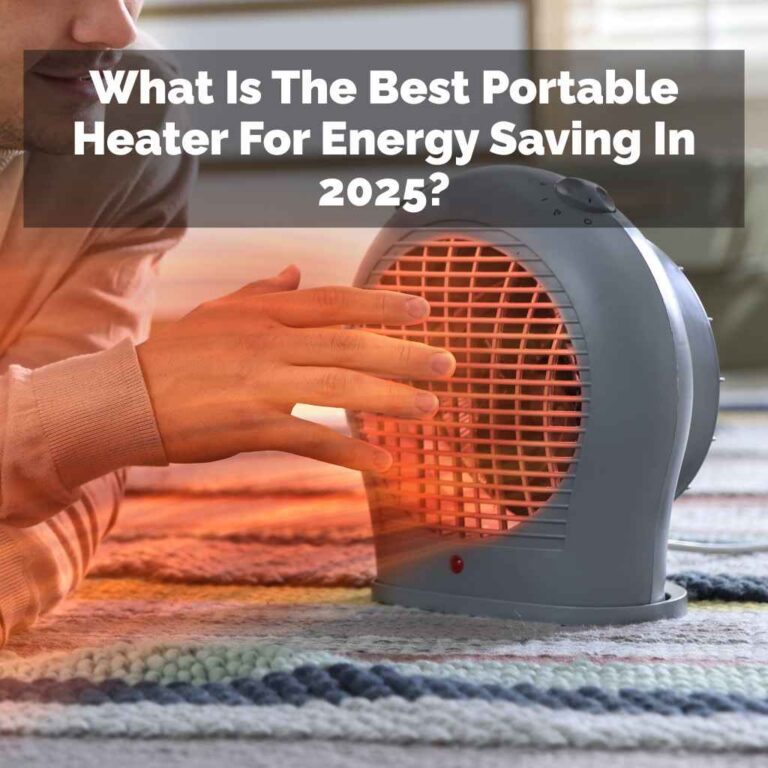
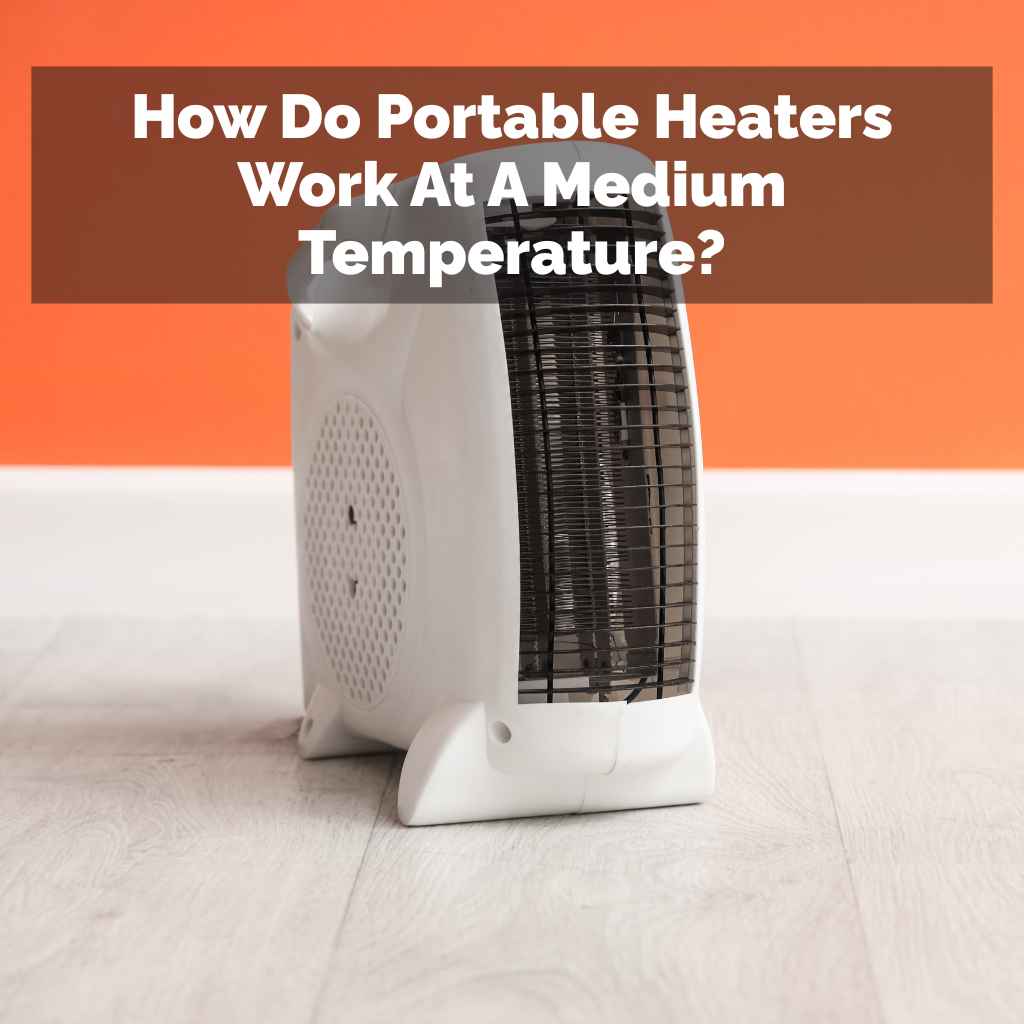
Fan Heaters: These use a fan to blow air over a hot element. They heat up a space quickly. They are good for small to medium rooms.
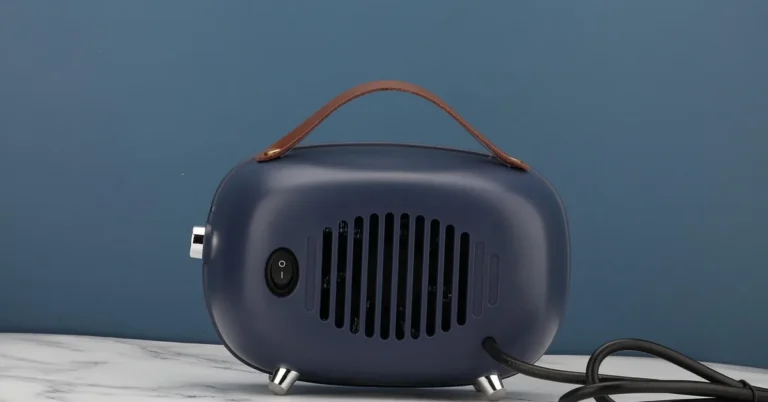
Ceramic Heaters: They have a ceramic plate as the heating element. A fan blows air through it. They are very common and safe.
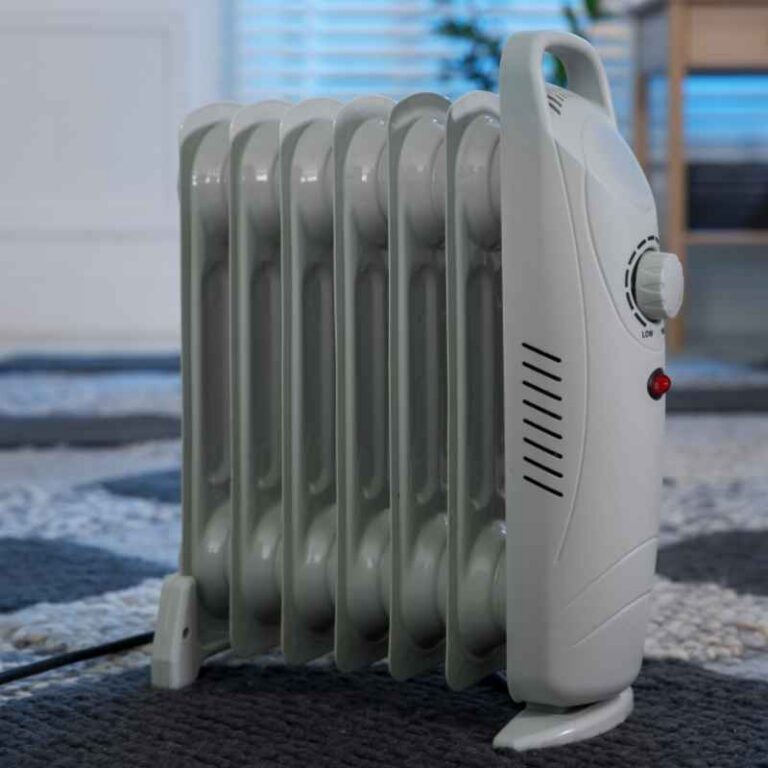
Oil-Filled Radiators: These look like old radiators. They have oil inside. Electricity heats the oil.
The oil then gives off heat slowly. They provide gentle, consistent warmth.
Infrared Heaters: These heat objects directly. They don’t heat the air first. Think of the sun’s warmth.
They are good for spot heating.
How Heaters Maintain “Medium”
What feels like a “medium” temperature is different for everyone. It’s usually somewhere between 68°F and 72°F (20°C to 22°C). Your portable heater helps you find this sweet spot. The thermostat is key. It samples the air. It compares it to your setting. If the room is at 67°F and you set it to 70°F, the heater turns on. It keeps running until the air reaches 70°F.
Then, it shuts off. The room will slowly cool. When it drops a degree or two below 70°F, the thermostat kicks it back on. This creates a comfortable loop. It keeps the temperature steady. It avoids big swings. This cycle is what gives you that continuous, medium warmth. You don’t have to constantly adjust it. The heater does the work for you.
Real-World Scenarios: Where Portable Heaters Shine
Portable heaters are fantastic for specific needs. In my friend Sarah’s house, the basement is always a bit chilly. She uses a ceramic heater down there. It keeps her home gym cozy. She only turns it on when she’s using the space. This saves energy. It heats only where and when needed. It’s much cheaper than heating the whole house all the time.
In another case, my neighbor Joe works from his garage. He has a large electric heater out there. It has a powerful fan. It warms up his workshop quickly. He can work comfortably even on cold days. The key is using them smartly. They are great for supplemental heat. They are also good for rooms that don’t get enough heat from the main system. They are very versatile for home use.
Quick Scan: Heater Settings Explained
| Setting | What It Does | Effect on Temperature |
| Low / Medium / High Heat | Controls the power output of the heating element. | Higher settings produce more heat, faster. Lower settings produce less heat, more gently. |
| Thermostat Dial (Numbers or Degrees) | Sets your target room temperature. | The heater cycles on/off to maintain this temperature. |
| Fan Only | Turns on the fan without the heating element. | Circulates air, good for ventilation. No heat is produced. |
| Timer | Sets a duration for the heater to run. | Turns off automatically after the set time. |
Safety First: Features That Keep You Protected
Modern portable heaters have important safety features. You should always look for these. One is the tip-over switch. If the heater gets knocked over, this switch automatically turns it off. This is a huge safety improvement. It prevents fires. Another common feature is overheat protection.
This system detects if the heater is getting too hot. This could happen if airflow is blocked. If it gets too hot, it shuts down. Always keep the vents clear. Don’t put things too close to the heater. Check your heater’s manual. It will explain its specific safety features. Using these heaters responsibly is key. It ensures your comfort and safety.
What This Means for Your Comfort
Understanding how your portable heater works helps a lot. You know why it cycles on and off. This means you can set it and forget it. You don’t need to keep adjusting it. You can trust it to keep your space at a pleasant medium temperature. This consistency is what makes them so great for personal comfort.
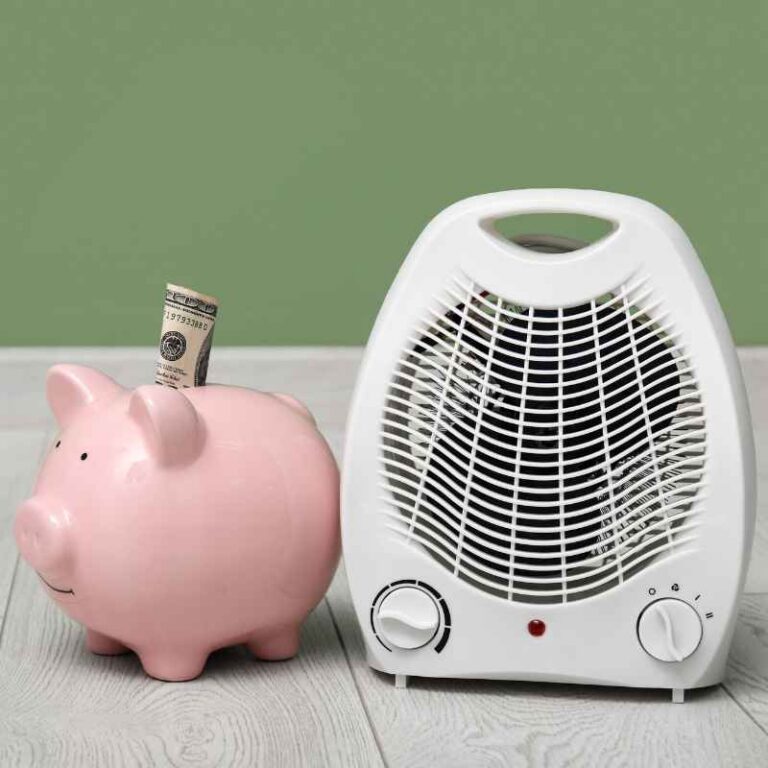
It also means you can use them to save money. Instead of heating your whole house high, you can heat one room. You can use a lower setting on your main heater. Then, use a portable heater for the room you’re in. This smart approach keeps you warm and saves on your energy bills. It’s a win-win.
Your Heater: What’s Normal and What’s Not
Normal Operation:
- The heater turns on and off periodically.
- There’s a gentle hum from the fan (if it has one).
- The air feels warm, not scorching hot.
- The room temperature feels steady.
When to Be Concerned:
- Strange smells, like burning plastic or ozone.
- Loud, unusual noises.
- The heater stays on constantly without reaching temperature.
- The heater never turns off.
- The outside casing feels too hot to touch.
Simple Tips for Best Performance
To get the best medium temperature from your heater, consider a few things. Always place it on a flat, stable surface. Make sure there’s space around it. Don’t block the air vents. This allows air to flow freely. This helps the thermostat read the room temperature accurately. It also prevents overheating.
Check the cord and plug. Make sure they are in good condition. Never use a damaged cord. If your heater has a timer, use it. This can help save energy. For example, set it to turn off before you leave a room. Or set it to warm up your space before you wake up. These small steps add up. They ensure safe and efficient use.
Frequently Asked Questions About Portable Heaters
Can a portable heater heat an entire house?
Portable heaters are designed for small to medium rooms. They are not meant to heat an entire house. For whole-house heating, you need a central heating system. Portable heaters are best for supplemental heat or single-room use.
How do I know if my portable heater is working correctly?
A correctly working heater will cycle on and off to maintain your set temperature. The air coming out will be warm, but not excessively hot. You should not hear strange noises or smell unusual odors. If you notice any of these issues, unplug it and check the manual.
Is it safe to leave a portable heater on overnight?
Many modern portable heaters have safety features like tip-over switches and overheat protection. If your heater has these, it is generally considered safe to leave on overnight. However, always follow the manufacturer’s instructions. Ensure there is clear space around the heater and that the cord is not a tripping hazard.
Why does my portable heater keep shutting off and turning on?
This is normal operation. Your heater has a thermostat. It cycles the heating element on and off to maintain the temperature you set. When the room reaches the desired warmth, it turns off. When it cools down a bit, it turns back on.
Can I use an extension cord with my portable heater?
It’s best to avoid using extension cords if possible. Portable heaters can draw a lot of power. Using an undersized or damaged extension cord can be a fire hazard. If you must use one, make sure it is heavy-duty and rated for the heater’s wattage. Always plug the heater directly into a wall outlet if you can.
How do I clean my portable heater?
Always unplug the heater and let it cool completely before cleaning. Use a soft, dry cloth to wipe down the exterior. For vents and grilles, you can use a vacuum cleaner with a brush attachment to remove dust. Do not use water or cleaning sprays on the heater’s internal components.
Wrapping Up: Your Guide to Cozy Comfort
So, there you have it. Portable heaters are simple devices that make a big difference. They use a hot heating element and a thermostat to keep your space warm. By understanding how they work, you can use them safely and effectively. You can achieve that perfect medium temperature. Enjoy your cozy haven!
Sponsored / affiliate links. As an Amazon Associate I earn from qualifying purchases. I may earn additional commission from eligible campaigns.