How Do Portable Heaters Work? Explained Simply
How do portable heaters work to warm up a room? These compact devices have become indispensable for providing localized heat, whether it’s a chilly office, a drafty basement, or a small apartment. Understanding their fundamental principles helps you choose the right one and use it safely and effectively to combat the cold.
This post will demystify the inner workings of various portable heater types, from infrared to ceramic and oil-filled radiators. We’ll break down the heating elements, energy conversion processes, and safety features that make these units functional and reliable. By the end, you’ll have a clear picture of the technology behind your cozy warmth.
Simply put, portable heaters work by converting electrical energy or fuel into heat, which is then dispersed into a room through various methods like convection, radiation, or forced air, depending on the heater type. They use heating elements, fans, or oil to generate and distribute warmth efficiently.
Key Takeaways
- How do portable heaters work depends on their type: convection, radiant, infrared, ceramic, or oil-filled.
- Electric portable heaters convert electricity into heat using resistive elements, while fuel-powered ones burn propane or kerosene.
- Safety features like tip-over switches and overheat protection are crucial for preventing accidents.
- The efficiency of a portable heater depends on its wattage, room size, insulation, and heating mechanism.
- Understanding the heating element and heat distribution method is key to choosing the right portable heater for your needs.
What is a Portable Heater?
A portable heater is a self-contained appliance designed to generate heat for a specific space, such as a single room or a targeted area. Unlike central heating systems that warm an entire building, portable heaters offer localized warmth, allowing users to control the temperature in individual zones. This makes them ideal for supplemental heating, emergency use, or for spaces where central heating is inadequate or unavailable.
They come in a wide array of types, each employing different mechanisms to produce and distribute heat. The common thread is their mobility, enabling them to be moved from room to room as needed. Most electric portable heaters plug into a standard wall outlet, though some larger units might require a dedicated circuit.
The primary advantage of a portable heater is its convenience and cost-effectiveness for heating specific areas. Instead of heating an entire home when only one room is occupied, a portable unit can efficiently warm that single space, potentially saving on overall energy bills. Their compact size also means they can be easily stored when not in use.
Components of an Electric Portable Heater
- Heating Element: This is the core component responsible for generating heat. In electric heaters, it’s typically a resistive material that heats up when electricity passes through it.
- Thermostat: Allows you to set and maintain a desired temperature, automatically turning the heater on and off to conserve energy.
- Fan (in some models): Circulates warm air more effectively throughout the room, ensuring even heating.
- Housing: The outer casing that encloses the internal components, designed for safety and durability.
- Controls: Buttons or dials for power, temperature settings, fan speed, and timer functions.
- Safety Features: Such as tip-over shutoff switches and overheat protection systems.
Types of Heating Elements
| Element Type | Material | How it Heats | Pros | Cons |
|---|---|---|---|---|
| Resistive Coil | Nichrome wire (Nickel-Chromium alloy) | Electrical resistance generates heat (converts electricity to heat) | Cost-effective, simple design | Can be less durable, exposed elements can be a fire hazard |
| Ceramic Plate | Porous ceramic material with embedded heating coils | Coils heat ceramic, which then radiates heat; often used with a fan | Efficient, safer (elements are enclosed), quick heating | Can be noisier due to fan, more expensive than coil heaters |
| Quartz Tube | Quartz glass tubes containing heating elements | Radiates heat directly through the quartz tubes; often used in infrared heaters | Fast radiant heat, durable, good for spot heating | Can produce a noticeable glow, primarily radiant heat (doesn’t heat air efficiently) |
| Oil-Filled Radiator | Metal fins filled with a special diathermic oil | Electrical element heats the oil, which then circulates and heats the metal fins, radiating warmth | Silent operation, provides gentle, consistent heat, retains heat long after shutoff | Slow to heat up initially, can be heavy and bulky |
Choosing a heater with the right type of heating element significantly impacts its performance and application.
How Electric Portable Heaters Generate Heat
Electric portable heaters are the most common type found in homes and offices. Their operation hinges on the principle of electrical resistance. When electricity flows through a material with high resistance, such as a nichrome wire coil, the material heats up.
This is the fundamental process for generating thermal energy from electrical energy.
The amount of heat produced is directly proportional to the resistance and the square of the current flowing through it. This is described by Joule’s law of heating. Higher wattage heaters typically use thicker wires or more coils to create greater resistance and therefore generate more heat.
Safety mechanisms are integrated to prevent these elements from overheating and causing fires.
The generated heat then needs to be distributed into the room. Different types of electric heaters use various methods to achieve this, leading to distinct heating experiences and efficiencies. Understanding these distribution methods is key to selecting a heater that suits your specific needs.
Convection Heaters Explained
Convection heaters work by heating the air around them. They draw in cool air, pass it over a heating element, and then release the warmed air back into the room. This process creates a natural circulation of air, known as convection currents, where warm air rises and cool air sinks, gradually heating the entire space.
These heaters are excellent for providing consistent, even heat across a room. They are generally quiet and don’t blow air directly at you, making them pleasant for living spaces. However, they can take longer to heat a room initially compared to radiant heaters because they rely on the air’s movement.
Many convection heaters use an enclosed heating element and have vents at the top and bottom. Cool air enters through the bottom vents, gets heated by the element, and exits through the top vents, pushing warmer air into the room. The absence of a fan in many basic convection models makes them very quiet.
- Mechanism: Heats air directly and relies on natural convection currents for circulation.
- Heating Speed: Slower to heat up initially, but provides consistent, even warmth.
- Noise Level: Generally very quiet, especially models without fans.
- Ideal For: Warming medium to large rooms evenly, bedrooms, and offices where consistent temperature is desired.
- Energy Efficiency: Can be efficient for maintaining temperatures, but initial heating might use more energy than targeted spot heating.
- Comfort: Provides a gentle, ambient warmth without feeling like a direct blast of hot air.
Radiant and Infrared Heaters
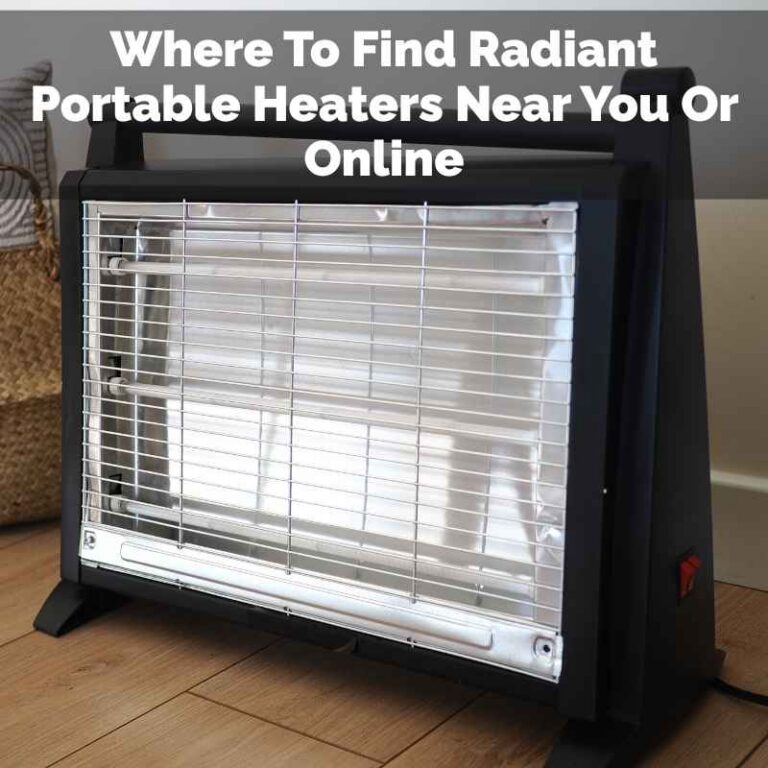
Radiant heaters, including infrared heaters, work differently. Instead of heating the air, they emit electromagnetic waves (infrared radiation) that are absorbed by objects and people in their path. Think of how the sun warms your skin – radiant heat works on a similar principle.
This means they provide instant, direct warmth to anything they are pointed at. They are very effective for spot heating or for warming people directly, even in a drafty or large space where heating the air would be inefficient. The warmth is felt immediately upon exposure to the radiation.
Infrared heaters are often used for patios, garages, or workshops because they can effectively heat people and objects without needing to heat the entire volume of air. They use heating elements like quartz tubes or ceramic plates to generate infrared waves. The intensity of the heat is directly related to the distance from the heater and its power output.
- Mechanism: Emits infrared radiation that warms objects and people directly.
- Heating Speed: Provides instant, immediate warmth.
- Noise Level: Typically silent, as they don’t rely on air circulation.
- Ideal For: Spot heating, open or drafty spaces, personal warmth, workshops, and garages.
- Energy Efficiency: Highly efficient for personal warmth as they don’t waste energy heating empty air.
- Comfort: Can feel intensely warm up close, but the surrounding air might remain cool.
Ceramic Heaters: A Popular Choice
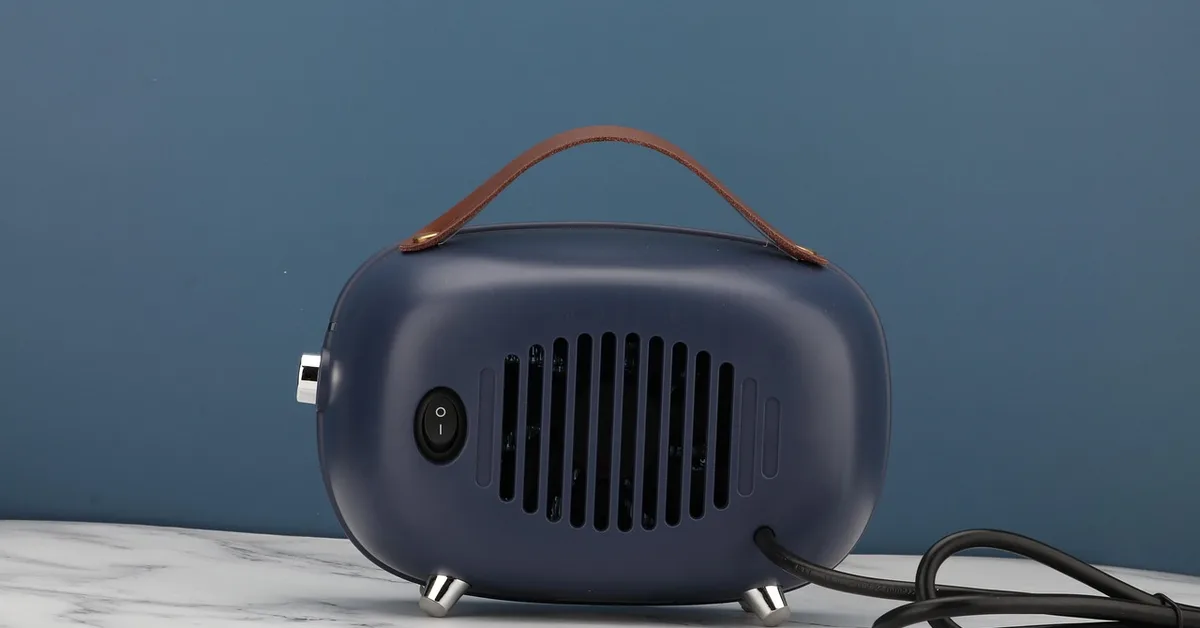
Ceramic heaters are a very popular type of portable heater, known for their efficiency and safety. They use a ceramic plate as their heating element. Electricity passes through a resistive wire embedded within this ceramic material.
The ceramic itself heats up and then transfers this heat to the surrounding air.
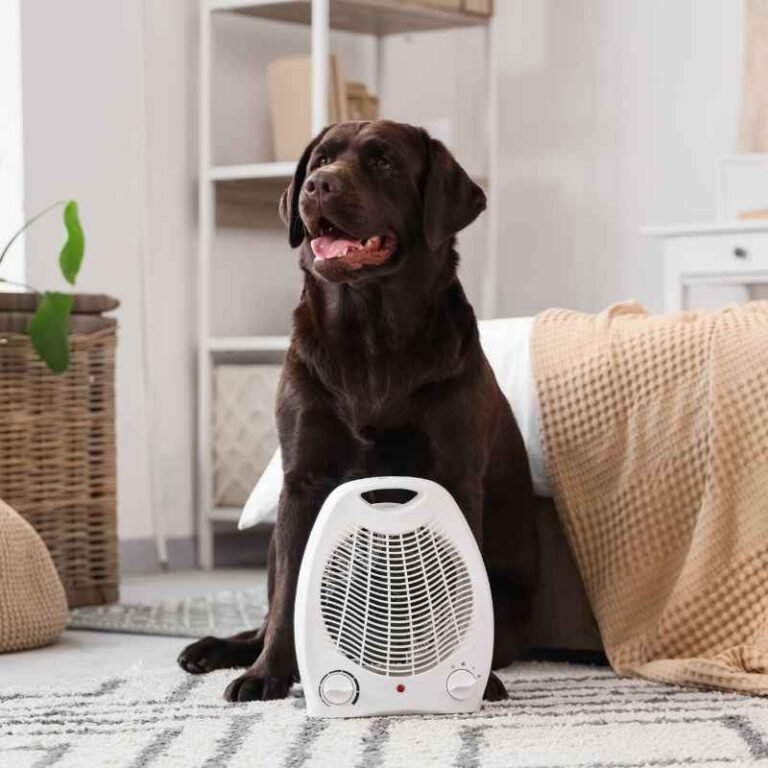
Most ceramic heaters incorporate a fan that blows air across the heated ceramic element. This fan-forced system helps to quickly distribute warm air throughout the room, providing a rapid and effective heating experience. Because the heating elements are enclosed within the ceramic material, they are generally considered safer than exposed coil heaters, reducing the risk of direct contact burns or igniting nearby materials.
The combination of a ceramic element and a fan allows for good temperature control. The fan can often be adjusted for speed, and many models include an adjustable thermostat to maintain a desired room temperature. Their compact size and relatively lightweight design also contribute to their popularity.
How Ceramic Heaters Distribute Heat
- Heating Element: A resistive wire embedded within a ceramic plate or core.
- Fan Mechanism: A built-in fan draws in room air and forces it over the hot ceramic element.
- Heat Transfer: The ceramic element heats up, and the fan blows air across its surface, picking up the heat.
- Air Circulation: The fan then expels the warmed air into the room, creating a convection effect.
- Thermostat Control: Allows users to set a specific temperature, with the heater cycling on and off to maintain it.
- Safety Features: The enclosed nature of the ceramic element makes it safer. Overheat protection and tip-over switches are common.
Pros and Cons of Ceramic Heaters
| Aspect | Pros | Cons |
|---|---|---|
| Heating Speed | Heats up quickly due to fan circulation. | Heat can be uneven if the fan is weak or poorly placed. |
| Safety | Enclosed heating element reduces burn and fire risk. | Still requires clearance from flammable materials. |
| Portability | Generally compact and lightweight. | Cord management can sometimes be an issue. |
| Noise Level | Quiet operation, though fan noise is present. | Fan noise can be distracting for some in very quiet environments. |
| Energy Use | Efficient for heating smaller to medium spaces. | High wattage can increase electricity bills if used continuously. |
Ceramic heaters offer a good balance of speed, safety, and efficiency for many common heating needs.
Oil-Filled Radiators: Silent Warmth
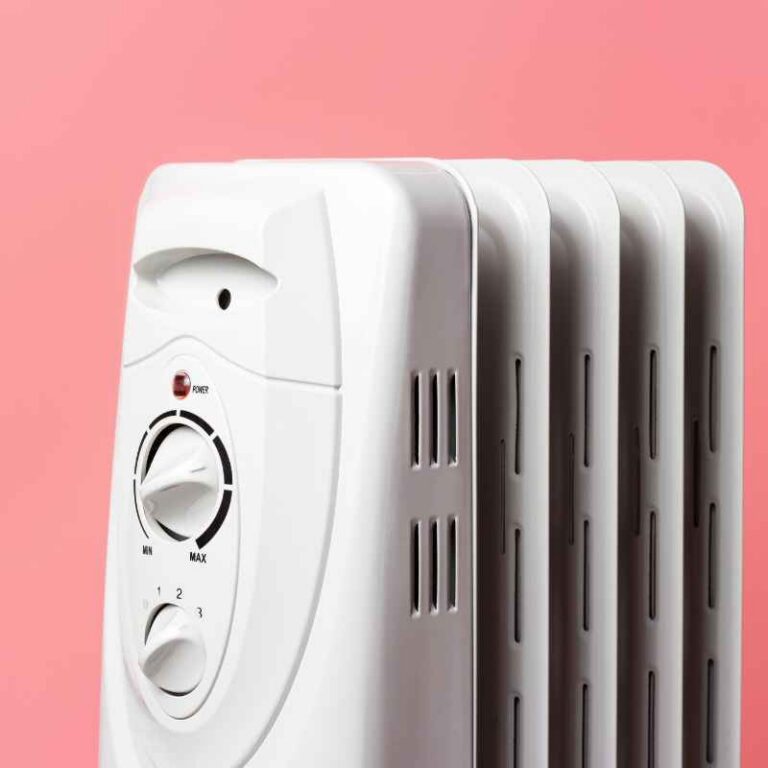
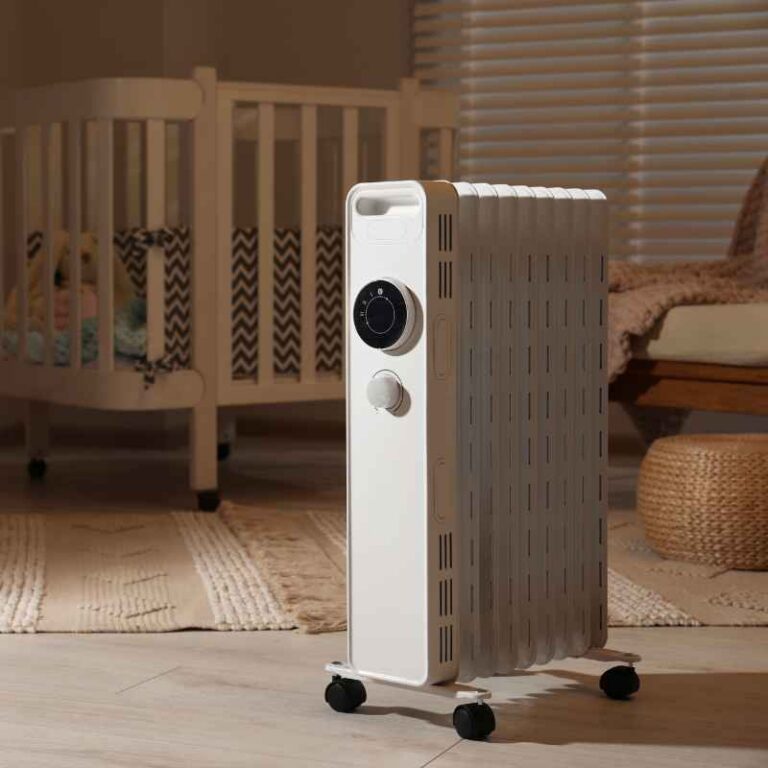
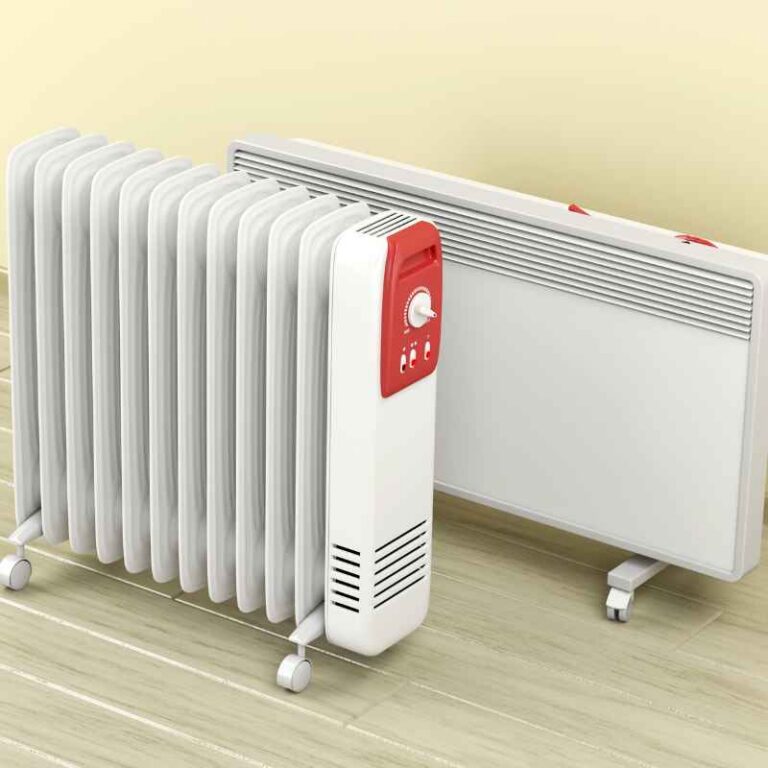
Oil-filled radiators are a unique type of portable heater that provides a distinct kind of warmth. They consist of metal fins that are permanently sealed and filled with a special diathermic oil. This oil acts as a heat reservoir, circulating internally to distribute heat evenly.
When the electric heating element within the radiator heats up, it transfers its energy to the surrounding oil. The hot oil then rises within the radiator’s channels, and as it moves through the fins, it radiates heat into the room. This process is silent and gentle, creating a comfortable, ambient warmth.
Because the oil retains heat for a long time, these heaters can continue to radiate warmth even after they have been turned off.
Their main advantage is their noiseless operation, making them ideal for bedrooms or quiet offices. They also tend to provide a more consistent, less drying heat compared to some fan-forced heaters. However, they take longer to heat up initially because the oil needs time to reach its optimal temperature.
How Oil-Filled Radiators Work
- Heating Element Activation: Electricity powers a heating element housed within the base of the radiator.
- Oil Heating: The heating element directly heats the diathermic oil that fills the radiator’s internal chambers.
- Internal Circulation: As the oil heats, it becomes less dense and rises within the sealed system. Cooler oil from the upper fins sinks to be heated, creating a slow, internal convection loop.
- Radiant and Convection Heat Emission: The heated oil transfers its thermal energy to the metal fins of the radiator. These fins then radiate heat into the surrounding air and objects.
- Thermostatic Control: A thermostat monitors the room temperature and cycles the heating element on and off to maintain the set temperature.
- Heat Retention: The oil’s high heat capacity allows the radiator to continue emitting warmth for a period even after the power is cut off.
Advantages and Disadvantages
| Feature | Pros | Cons |
|---|---|---|
| Operation Noise | Completely silent; no fans or moving parts to make noise. | None for this aspect. |
| Heat Quality | Provides gentle, consistent, and less drying heat. | Can take a while to heat up initially. |
| Energy Efficiency | Maintains temperature well due to heat retention. | Initial heating can consume more power for longer. |
| Portability & Design | Wheels and handles make them somewhat portable. | Can be heavy and bulky compared to other types. |
| Safety | No exposed heating elements; surfaces become warm, not scorching. | Requires adequate clearance due to continuous heat output. |
If silent, consistent warmth is your priority, an oil-filled radiator is an excellent option.
Fuel-Powered Portable Heaters
While electric portable heaters are widespread, fuel-powered models are also available, especially for situations where electricity is unavailable or insufficient. These typically run on kerosene or propane and are often used in construction sites, garages, or during power outages.
These heaters generate heat through combustion. Fuel is mixed with air and ignited, producing a flame that generates a significant amount of heat. While powerful, they require careful ventilation due to the byproducts of combustion, such as carbon monoxide.
Therefore, they are generally not recommended for use in occupied indoor living spaces without proper safety precautions and ventilation systems.
The operation principle is straightforward: a fuel source is supplied, mixed with oxygen, and ignited to create a controlled burn that releases thermal energy. The heat can be dispersed directly as heat from the flame or through forced air systems in some models.
Kerosene Heaters
Kerosene heaters are known for their portability and high heat output. They typically have a fuel tank and a wick system. The wick draws kerosene up from the tank to a burner, where it is ignited.
The combustion process then generates heat that is radiated or blown into the space.
Kerosene heaters require careful handling and operation. They produce fumes, including carbon monoxide, so adequate ventilation is paramount. They should never be used in poorly ventilated areas or bedrooms.
The heat output can be substantial, making them suitable for large, open areas like garages or workshops.
According to the U.S. Consumer Product Safety Commission (CPSC), approximately 170 deaths and 3,600 injuries annually are associated with the use of portable indoor kerosene heaters, largely due to carbon monoxide poisoning and fires. This highlights the critical importance of ventilation and safe operating practices.
Propane Heaters
Propane heaters are also common, particularly smaller portable units that connect to standard propane tanks. These can range from small tank-top heaters designed for temporary outdoor use to larger, more powerful indoor-safe models (with strict ventilation requirements). The combustion of propane releases a significant amount of heat, making them effective for rapid warming.
Like kerosene heaters, propane heaters produce carbon monoxide and require proper ventilation. Many indoor-rated propane heaters are equipped with safety features like oxygen depletion sensors (ODS) and tip-over shutoff valves. However, the risk associated with their use underscores why electric heaters are preferred for general indoor comfort.
The efficiency of propane heaters can be very high in terms of heat output per unit of fuel, but the cost of propane and the ventilation requirements can be drawbacks for everyday indoor use. They are best suited for specific applications where their power and portability are essential.
Warning: Fuel-powered portable heaters (kerosene, propane) should only be used in well-ventilated areas. Never use them in bedrooms, basements, or other enclosed spaces due to the risk of carbon monoxide poisoning and fire. Always follow manufacturer instructions and safety guidelines strictly.
Safety Features Explained
Safety is a paramount concern with any portable heater, whether electric or fuel-powered. Manufacturers integrate several features designed to prevent accidents and ensure user protection. Understanding these features can help you make an informed choice and use your heater with confidence.
These safety mechanisms are not optional; they are essential for mitigating risks like fires, burns, and carbon monoxide poisoning. Regular checks and proper usage are equally important alongside these built-in features. For instance, ensuring a heater has adequate clearance from flammable materials is a crucial step that technology alone cannot fully address.
From preventing accidental fires to ensuring you don’t create a hazardous environment, these features are a testament to the evolution of portable heating technology. They are designed to provide peace of mind while you enjoy the comfort of your portable heater.
Common Safety Mechanisms
- Tip-Over Shutoff Switch: This is a common and vital safety feature, especially for electric heaters. If the heater is accidentally knocked over, the switch automatically cuts off power to the heating element, preventing it from overheating or igniting nearby materials.
- Overheat Protection: This mechanism monitors the internal temperature of the heater. If it exceeds a safe operating limit, the system will shut down the heater to prevent damage and reduce fire risk.
- Cool-Touch Housing: Many portable heaters, particularly ceramic models, are designed with exteriors that remain relatively cool to the touch. This reduces the risk of accidental burns, especially important in households with children or pets.
- Flame-Out Sensor (for fuel-powered): In kerosene or propane heaters, this sensor detects if the flame has been extinguished unexpectedly. If it senses a flame-out, it shuts off the fuel supply, preventing the release of unburned fuel.
- Oxygen Depletion Sensor (ODS) (for fuel-powered): This safety device monitors the oxygen levels in the air. If oxygen levels drop below a certain threshold (indicating potentially dangerous levels of carbon monoxide), the heater will shut off.
- Timers and Auto-Off: While not strictly a safety feature in the same vein as tip-over switches, built-in timers or auto-off functions can prevent heaters from running continuously for excessively long periods, reducing potential risks.
Proper Placement and Clearance
The way you position your portable heater significantly impacts its safety and effectiveness. Always place heaters on a stable, level surface. This ensures that tip-over switches can function correctly and prevents the heater from being easily knocked over.
Crucially, maintain adequate clearance between the heater and any combustible materials. This includes furniture, curtains, bedding, paper, and clothing. Manufacturers typically recommend a minimum clearance of at least three feet (about one meter) in all directions.
Always refer to your heater’s user manual for specific recommendations.
Never operate a portable heater in a damp or wet environment, such as a bathroom, unless the unit is specifically rated for such use (e.g., an outdoor patio heater). Moisture can damage electrical components and increase the risk of electric shock. Keep heaters away from water sources.
- Surface: Always place on a hard, level, non-flammable surface. Avoid carpets or rugs that can obstruct airflow or be a fire hazard.
- Clearance: Maintain at least 3 feet (1 meter) of clearance from walls, furniture, curtains, and other combustible materials.
- Ventilation: Ensure good air circulation around the heater. Do not block vents or cover the heater.
- Location: Keep away from high-traffic areas to prevent accidental knocking over. Do not place near water sources or in damp environments.
- Electrical Safety: Plug directly into a wall outlet. Avoid using extension cords, which can overheat.
- Supervision: Never leave a portable heater operating unattended, especially in households with children or pets.
Energy Efficiency and Wattage
When considering how do portable heaters work efficiently, wattage is a key factor. Wattage indicates the amount of electrical power a heater consumes. Higher wattage generally means more heat output, but also higher electricity consumption.
A common range for portable electric heaters is 700 to 1500 watts.
For example, a 1500-watt heater running for one hour will consume 1.5 kilowatt-hours (kWh) of electricity. If your electricity costs $0.15 per kWh, running that heater for an hour would cost $0.225. Choosing a heater with a wattage appropriate for the room size and your heating needs is crucial for managing energy costs.
Energy efficiency in portable heaters isn’t just about wattage. It also relates to how effectively the heater converts electricity into usable heat and how well it distributes that heat. Some types, like infrared heaters, are more efficient for spot heating because they don’t waste energy warming the air.
Others, like oil-filled radiators, are efficient at retaining heat, meaning they can provide warmth for longer periods with less continuous power usage.
Matching Heater to Room Size
| Room Size | Recommended Wattage (Approximate) | Typical Heater Types |
|---|---|---|
| Small Room (e.g., bathroom, small office, approx. 100-150 sq ft) | 700-1000 watts | Small ceramic heaters, personal radiant heaters. |
| Medium Room (e.g., living room, bedroom, approx. 150-250 sq ft) | 1000-1500 watts | Ceramic heaters, convection heaters, smaller oil-filled radiators. |
| Large Room (e.g., large living area, open plan, approx. 250-350 sq ft) | 1500+ watts | Larger convection heaters, larger oil-filled radiators, some fan heaters. Multiple smaller heaters might be more effective. |
Using a heater that is too small for a large room will result in insufficient heating and wasted energy. Conversely, using a much larger heater than needed for a small space can lead to overheating and excessive energy consumption.
Tips for Maximizing Efficiency
- Insulation Matters: The better insulated your room is, the less heat will escape, allowing your heater to work less. Check for drafts around windows and doors.
- Use Thermostats Wisely: Set your thermostat to a comfortable, but not excessively high, temperature. Aim for 68-72°F (20-22°C) for comfort and efficiency.
- Zone Heating: Use portable heaters to warm only the room you are occupying, rather than heating your entire home.
- Combine with Other Heat Sources: If you have central heating, use a portable heater to supplement it in a specific room, allowing you to turn down the central thermostat.
- Regular Maintenance: Keep your heater clean, especially the vents and filters, to ensure optimal airflow and efficiency.
- Consider Heater Type: Infrared heaters are efficient for direct personal warmth, while convection and oil-filled heaters are better for general room heating.
According to Energy Star, using a programmable thermostat can save households up to 10% per year on heating and cooling costs by automatically adjusting temperatures when you’re away or asleep.
Frequently Asked Questions
How do portable heaters work with a thermostat?
Portable heaters with thermostats work by using a sensor to measure the ambient room temperature. When the temperature drops below your set point, the thermostat signals the heater to turn on and generate heat. Once the desired temperature is reached, the thermostat signals the heater to turn off, conserving energy and preventing overheating.
This cycle repeats to maintain a consistent temperature.
Are ceramic heaters or oil-filled radiators more energy-efficient?
In terms of initial heating speed and effectiveness for smaller spaces, ceramic heaters with fans can be very efficient. Oil-filled radiators are more efficient for maintaining consistent heat over longer periods due to their ability to retain heat. For spot heating, infrared heaters are generally the most efficient as they direct heat where it’s needed without warming the air.
Can I use a portable heater as my primary heat source?
For small to medium-sized, well-insulated rooms, a powerful portable heater can serve as a primary heat source. However, for larger homes, drafty spaces, or extremely cold climates, they are often best used as supplemental heat. Relying solely on portable heaters for an entire large house might lead to high energy bills and uneven heating.
What is the difference between convection and radiant heat?
Convection heat warms the air, which then circulates to heat a room evenly. Radiant heat, like from infrared heaters, warms objects and people directly through electromagnetic waves. Convection is like warming a whole room slowly, while radiant heat is like feeling the warmth of the sun on your skin instantly.
How much electricity does a typical portable heater use?
A typical portable electric heater uses between 700 and 1500 watts. A 1500-watt heater running continuously for an hour will consume 1.5 kilowatt-hours (kWh) of electricity. The actual cost depends on your local electricity rates, which can vary significantly.
Final Thoughts
Understanding how do portable heaters work reveals a diverse range of technologies, from simple resistive coils to sophisticated ceramic elements and silent oil circulation. By choosing the right type of heater for your specific needs – whether it’s rapid spot heating, gentle room warming, or silent, consistent comfort – you can effectively and efficiently combat the cold. Always prioritize safety by using features like tip-over switches and maintaining proper clearances to ensure a warm and secure environment.
Sponsored / affiliate links. As an Amazon Associate I earn from qualifying purchases. I may earn additional commission from eligible campaigns.