How Does a Portable Heater Work? Explained Simply
How does a portable heater work? Understanding the basic principles behind these convenient devices can help you choose the right one and use it safely and effectively. Portable heaters are designed to provide localized warmth in smaller spaces, making them ideal for offices, bedrooms, or supplementing your central heating.
This post will break down the core technologies, different types, and what makes them tick.
Simply put, portable heaters convert electrical energy into heat, typically through resistive elements that warm up and then transfer that heat to the surrounding air or objects using convection, radiation, or a fan. The specific method varies depending on the heater type, such as ceramic, infrared, or oil-filled radiators.
Key Takeaways
- Portable heaters work by converting electricity into heat, using various mechanisms like resistance, infrared radiation, or fan-forced air.
- Understanding the different types – ceramic, infrared, oil-filled – is crucial for selecting the best fit for your heating needs and space.
- Safety features like tip-over switches and overheat protection are vital components that ensure the heater operates safely.
- The efficiency of a portable heater depends on its wattage, design, and how it distributes heat within a room.
What is a Portable Heater?
A portable heater is a compact, self-contained heating appliance designed to provide supplemental warmth to a specific area or room. Unlike central heating systems that warm an entire house, portable heaters focus their output on a limited space, offering a quick and convenient way to boost comfort. They are typically powered by electricity and come in various designs, each utilizing different methods to generate and distribute heat.
The primary advantage of a portable heater is its flexibility. You can easily move it from one room to another as needed, providing targeted warmth where it’s most desired. This makes them an excellent solution for chilly home offices, drafty bedrooms, or garages that lack dedicated heating.
However, it’s important to remember that most portable heaters are designed for supplemental use and may not be sufficient to heat an entire home, especially in very cold climates.
The way a portable heater operates is fundamentally about energy conversion. Electrical energy flows through a component that resists this flow, and this resistance generates heat. This heat is then released into the room.
The efficiency and effectiveness of this process depend greatly on the specific technology employed by the heater model. Different heating elements and heat distribution methods lead to distinct user experiences and heating capabilities.
How Portable Heaters Generate Heat: The Basics
At its core, almost every electric portable heater relies on the principle of electrical resistance. When electricity passes through a material that resists its flow, that resistance causes the material to heat up. This phenomenon is known as Joule heating or resistive heating.
Think of it like friction; as electrons struggle to move through the resistive element, their energy is converted into thermal energy.
The most common components used for this resistance are wires or coils made from specific alloys, such as nichrome (a mixture of nickel and chromium). These materials are chosen because they can withstand high temperatures without degrading and have a consistent resistance value. The higher the resistance and the more current that flows through it, the more heat is produced.
- Electrical Resistance: The fundamental process where electricity encounters opposition, generating heat.
- Heating Elements: Typically made of nichrome wire or ceramic plates, these components are designed to get hot when electricity passes through them.
- Wattage: The power consumption of the heater, directly influencing the amount of heat it can generate. Higher wattage generally means more heat output.
- Energy Conversion: Transforming electrical energy into thermal energy with minimal loss.
This generated heat is then transferred to the surrounding environment. The method of heat transfer is where different types of portable heaters diverge. Some use fans to blow the heated air around, others use radiant energy to warm objects directly, and some rely on a slow, steady release of heat through a medium like oil.
The concept of wattage is critical here. A 1500-watt heater will produce significantly more heat than a 750-watt heater because it draws more electrical power and converts it into heat more rapidly. Understanding wattage helps in assessing a heater’s potential to warm a space and also its impact on your electricity bill.
Types of Portable Heaters and How They Work
Portable heaters come in several distinct types, each with its own mechanism for generating and distributing heat. Understanding these differences is key to choosing the best option for your specific needs. The main categories include ceramic, infrared, and oil-filled radiators, with variations within each.
Ceramic Heaters
Ceramic heaters are among the most popular choices for personal or small-room heating. They use a positive temperature coefficient (PTC) ceramic element. This material heats up when electricity passes through it, and as it gets hotter, its resistance increases, which helps to regulate the temperature and prevent overheating.
A fan then blows air across the heated ceramic element, distributing warm air into the room.
- Heating Element: Ceramic plates or discs.
- Heat Distribution: Fan-forced convection.
- Pros: Fast heating, compact, often include multiple settings, good for quick bursts of warmth.
- Cons: Can be noisy due to the fan, may dry out the air, not ideal for heating very large spaces.
- Safety: Often feature tip-over protection and overheat shut-off.
The fan is a crucial component of most ceramic heaters. It ensures that the heat generated by the ceramic element is circulated effectively throughout the space. Without the fan, the heat would remain concentrated around the unit.
This convection method is efficient for raising the ambient temperature of a room relatively quickly.
Ceramic heaters are excellent for supplemental heating in a bedroom, office, or living area. Their portability and quick heating action make them very convenient. However, the constant whirring of the fan can be a minor annoyance for some, and they are best suited for enclosed spaces where the heat can be contained.
A key feature of PTC ceramic elements is their self-regulating capability. As the temperature of the ceramic material rises, its electrical resistance also increases. This means that it draws less current, preventing it from getting excessively hot and reducing the risk of fire.
This inherent safety mechanism makes them a popular choice.
Infrared Heaters
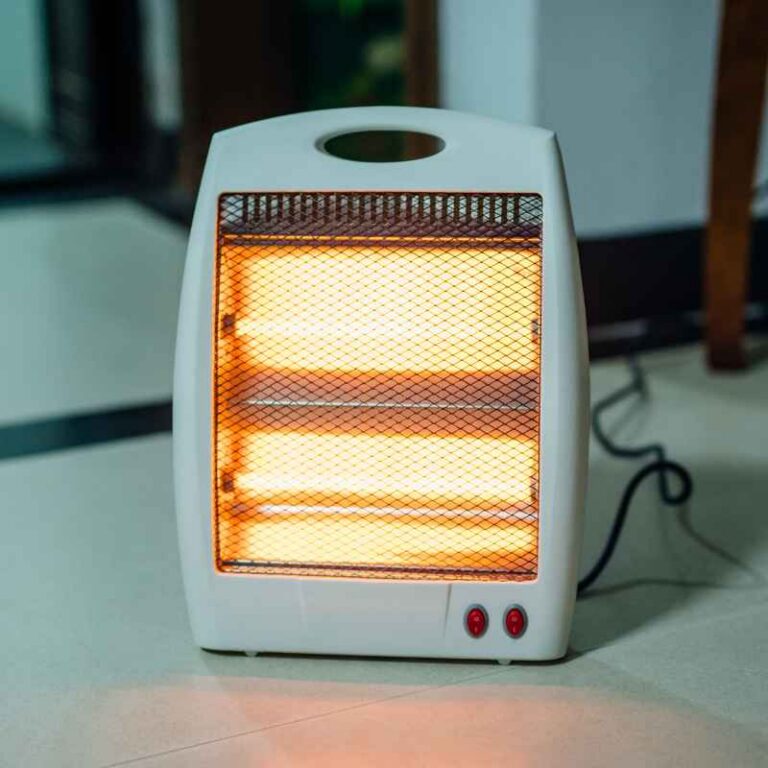
Infrared heaters work differently from convection heaters. Instead of heating the air directly, they emit infrared radiation, which is a form of electromagnetic energy. This radiation travels in waves and heats objects and people it directly strikes, much like the sun warms your skin on a cool day.
The air itself is warmed indirectly as it comes into contact with these heated surfaces.
These heaters typically use quartz elements or halogen lamps to produce infrared radiation. They are highly efficient at delivering heat directly to where it’s needed, making them ideal for outdoor patios, workshops, or rooms where there’s significant air movement that would quickly dissipate convection heat.
- Heating Element: Quartz tubes or halogen lamps.
- Heat Distribution: Radiant energy.
- Pros: Heats objects and people directly, silent operation, doesn’t dry out the air as much, energy-efficient for targeted heating.
- Cons: Only heats what it directly illuminates, not effective for warming an entire enclosed room quickly, potential for skin warmth without ambient air temperature rise.
- Safety: Often designed with cool-touch housings and safety grills.
Because infrared heaters warm objects directly, the sensation of warmth can be felt almost immediately upon turning them on, even before the air temperature significantly rises. This makes them feel very effective for personal comfort. They are also silent, which is a major plus for those sensitive to fan noise.
When choosing an infrared heater, consider the size of the area you want to heat and whether you need to warm a person or an entire space. For localized personal warmth, they are excellent. For warming a whole room evenly, a convection or oil-filled heater might be a better choice.
| Feature | Convection Heater (e.g., Ceramic) | Infrared Heater |
|---|---|---|
| Primary Heating Method | Heats air via fan (convection) | Heats objects directly via radiation |
| Warmth Sensation | Gradual, ambient room temperature rise | Immediate, direct warmth on surfaces/people |
| Best For | Enclosed rooms, general room heating | Targeted personal warmth, drafty areas |
| Noise Level | Can be noisy (fan) | Silent operation |
This table highlights the key differences in how convection and infrared heaters deliver warmth and their optimal use cases.
Oil-Filled Radiator Heaters
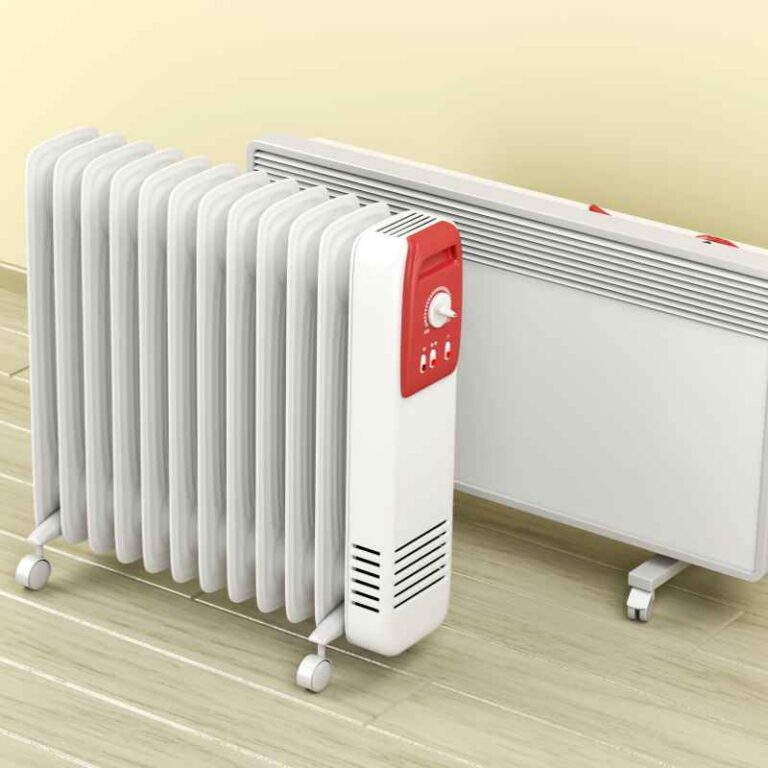
Oil-filled radiator heaters are a type of convection heater that operates differently from ceramic models. They consist of a series of vertical fins that resemble a traditional radiator, but they are sealed and filled with a special diathermic oil. An electric heating element submerged in this oil heats it up.
The heated oil then circulates through the fins, warming them, and the heat is transferred to the surrounding air through convection.
The primary benefit of oil-filled heaters is their silent operation and the fact that they provide a steady, even heat without blowing air. The oil acts as a thermal reservoir, allowing the heater to continue radiating heat for a period even after it has been turned off. This makes them excellent for maintaining a consistent temperature in bedrooms or living areas overnight.
- Heating Element: Electric element submerged in oil.
- Heat Distribution: Convection (silent, radiant heat).
- Pros: Silent operation, provides steady and even heat, safe to touch surfaces, doesn’t dry out air, continues to radiate heat after shutdown.
- Cons: Slow to heat up a room initially, typically larger and heavier than other types, less portable.
- Safety: Usually include tip-over protection and overheat shut-off.
Because the oil retains heat, these heaters are very energy-efficient for maintaining a desired temperature. They don’t cycle on and off as frequently as some fan-forced heaters, providing a more constant and comfortable warmth. Their silent nature also makes them perfect for bedrooms or any environment where noise is a concern.
While they take longer to initially warm up a room, their sustained heat output makes them a great choice for prolonged heating needs. Their weight and size can make them less portable than ceramic heaters, but they are still easily moved between rooms if necessary.
Key Components and Safety Features
Beyond the core heating mechanism, portable heaters incorporate several components and safety features that are crucial for their operation and user protection. These elements ensure that the heater functions effectively and minimizes risks.
The thermostat is a vital component in most portable heaters. It monitors the ambient temperature of the room and cycles the heating element on and off to maintain a set temperature. This prevents the heater from overheating and also helps conserve energy by not running continuously when the desired temperature is reached.
- Thermostat: Controls the operating temperature by cycling the heater on and off.
- Tip-Over Switch: Automatically shuts off the heater if it is accidentally knocked over, preventing fire hazards.
- Overheat Protection: A safety mechanism that cuts power to the heating element if the unit reaches an unsafe internal temperature.
- Indicator Lights: Show when the heater is powered on and/or actively heating.
- Controls: Knobs or digital interfaces for adjusting temperature and fan speed.
Safety features are paramount for any electrical appliance that generates heat. The tip-over switch is a common and essential safety device. If the heater is accidentally knocked over, this switch immediately cuts the power supply, preventing potential fires.
Overheat protection is another critical layer of safety; it monitors the internal temperature of the heater and shuts it down if it gets too hot, which could be caused by blocked vents or malfunction.
Many modern portable heaters also include timers, allowing you to set them to turn on or off at specific times, further enhancing convenience and energy efficiency. Digital displays and remote controls are also becoming more common, offering more precise control over heating settings.
Warning: Never block the air vents or cover a portable heater with anything, such as blankets or clothes. This can cause it to overheat and create a fire hazard. Always ensure adequate clearance around the unit.
Factors Affecting Portable Heater Efficiency
The efficiency of a portable heater isn’t just about its wattage; it’s a combination of factors that determine how effectively it warms a space and how much energy it consumes. Understanding these elements can help you make a more informed choice and optimize your heating experience.
Room size is a primary consideration. A high-wattage heater will struggle to warm a large room effectively, while a low-wattage heater in a small room might be more than sufficient. It’s about matching the heater’s output to the volume of the space you need to heat.
- Room Size: The square footage of the space to be heated.
- Insulation: The quality of a room’s insulation significantly impacts heat retention.
- Ceiling Height: Higher ceilings mean a larger volume of air to heat.
- Drafts and Air Leaks: Gaps in windows or doors allow warm air to escape and cold air to enter.
- Thermostat Accuracy: How well the thermostat maintains the set temperature.
- Wattage: The power output of the heater, measured in watts.
The insulation of your room or home plays a massive role. A well-insulated room will retain heat much longer, meaning the heater doesn’t need to run as often. Conversely, a poorly insulated room will lose heat quickly, requiring the heater to work harder and longer, thus consuming more energy.
Air leaks and drafts are significant energy drainers. Checking windows, doors, and any other potential entry points for cold air and sealing them can dramatically improve a heater’s efficiency and reduce your heating costs. A 2023 report by the U.S.
Department of Energy indicated that sealing air leaks can reduce heating and cooling costs by up to 20%.
Important: For optimal efficiency, use a portable heater in a single, enclosed room. Avoid using it to heat multiple rooms or very large open-plan spaces, as its effectiveness will be greatly diminished.
The thermostat’s accuracy is also a factor. If a thermostat consistently reads the room temperature inaccurately, the heater might run longer than necessary or shut off too soon, leading to uneven temperatures and wasted energy. Some higher-end models offer more precise thermostat controls.
Calculating Heat Output and Room Size
A common guideline used in the heating industry is that you need approximately 10 watts of power per square foot of living space to heat a room adequately. This calculation provides a starting point for determining the appropriate wattage for your portable heater, assuming average ceiling heights and decent insulation.
To calculate the required wattage, first measure the length and width of the room in feet and multiply them together to get the square footage. For example, a room that is 10 feet by 12 feet has an area of 120 square feet (10 x 12 = 120). Then, multiply this square footage by 10.
- Measure Room Dimensions: Determine the length and width of the room in feet.
- Calculate Square Footage: Multiply length by width (e.g., 10 ft x 12 ft = 120 sq ft).
- Apply Wattage Rule: Multiply square footage by 10 watts/sq ft (e.g., 120 sq ft x 10 W/sq ft = 1200 watts).
- Consider Insulation & Climate: Adjust wattage upwards for poor insulation or very cold climates, or downwards for excellent insulation and milder temperatures. A general rule is to add 10-20% for poor insulation.
- Choose Heater Wattage: Select a heater with a wattage close to your calculated requirement. Most portable electric heaters range from 750W to 1500W.
For instance, for our 120 sq ft room, a 1200-watt heater would be a good target. If the room has poor insulation or experiences very cold winters, you might opt for a heater with a higher wattage, such as 1500 watts, or ensure the heater has adjustable settings. Conversely, in a well-insulated room in a mild climate, a 750-watt setting might suffice.
It’s also important to consider the heater’s efficiency. While most electric heaters are close to 100% efficient in converting electricity to heat, the way they distribute that heat can affect perceived efficiency. A fan-forced heater disperses heat quickly, while a radiant heater targets specific areas.
| Room Size (Sq Ft) | Recommended Wattage (Average Insulation) | Notes |
|---|---|---|
| 100-150 sq ft (e.g., Small Bedroom, Office) | 750W – 1500W | Most standard portable heaters are suitable. Adjustable settings are a plus. |
| 150-250 sq ft (e.g., Medium Living Room) | 1500W – 2000W | May require a higher wattage unit or multiple heaters. Consider oil-filled for steady heat. |
| 250+ sq ft (e.g., Large Living Area, Basement) | 1500W+ (often requires dedicated circuit) | Portable heaters may be insufficient; consider other heating solutions. |
This table provides a quick reference for matching heater wattage to room size. Remember to adjust based on insulation and climate conditions.
Frequently Asked Questions
What is the most efficient type of portable heater?
While all electric resistance heaters convert nearly 100% of electrical energy into heat, efficiency in terms of warming a space can vary. Infrared heaters are often considered efficient for targeted heating as they warm objects directly. For general room heating, oil-filled radiators can be efficient for maintaining consistent temperatures due to their heat retention properties.
Ceramic heaters are good for quick, localized warmth.
Can a portable heater heat an entire house?
No, portable heaters are generally designed for supplemental heating of individual rooms or small spaces. They do not have the capacity or output to heat an entire house, especially in colder climates. Using them for such a purpose would be inefficient and potentially dangerous.
How much does it cost to run a portable heater?
The cost depends on the heater‘s wattage, how many hours it runs, and your local electricity rates. A 1500-watt heater running for 8 hours a day at a rate of $0.15 per kilowatt-hour would cost approximately $1.80 per day ($1.5 kW x 8 hrs x $0.15/kWh).
Are portable heaters safe to use overnight?
Most modern portable heaters come with safety features like tip-over switches and overheat protection, making them safer for extended use. However, it’s always advisable to exercise caution. Never cover the heater, ensure it’s on a stable surface, and keep it away from flammable materials.
Some prefer to set a timer so the heater isn’t running all night.
What is the difference between a radiant and a convection heater?
A radiant heater, like an infrared heater, emits electromagnetic waves that heat objects and people directly within their path. A convection heater, like ceramic or oil-filled models, heats the air, which then circulates around the room, raising the ambient temperature.
Final Thoughts
Understanding how a portable heater works, from its fundamental energy conversion to the specific technologies employed by different types, empowers you to make informed choices. Whether you opt for the quick warmth of ceramic, the direct heat of infrared, or the steady comfort of an oil-filled radiator, these devices offer convenient supplemental heating solutions. Always prioritize safety features and match the heater’s capacity to your room’s needs for optimal performance and efficiency.
Sponsored / affiliate links. As an Amazon Associate I earn from qualifying purchases. I may earn additional commission from eligible campaigns.
 AZEUS Portable AC and Heater Unit, 420W 110V Compact Air Conditioner for Tent RV Truck Cabin and Small Room, 1400W Cooling, 800W Heating, Remote Control, Dehumidifier, Sleep Timer, ChampagneMEGAWISE Portable Air Conditioner and Heater, 420W 110V Compact AC Unit with Remote Control, 1400W Cooling Capacity, 800W Heating, Dehumidifier, Fan, Sleep Timer, Champagne