Are Portable Heaters Safe For Skin With Long-Term Use?
Portable heaters can pose risks to skin with long-term use, especially if not used properly. Direct, prolonged exposure can lead to burns, dryness, and other skin issues. Safe usage involves maintaining distance, using timers, and monitoring skin.
Understanding Portable Heater Safety
Portable heaters are fantastic helpers on cold days. They give us instant warmth where we need it most. But how do they work, and what does that mean for our skin?
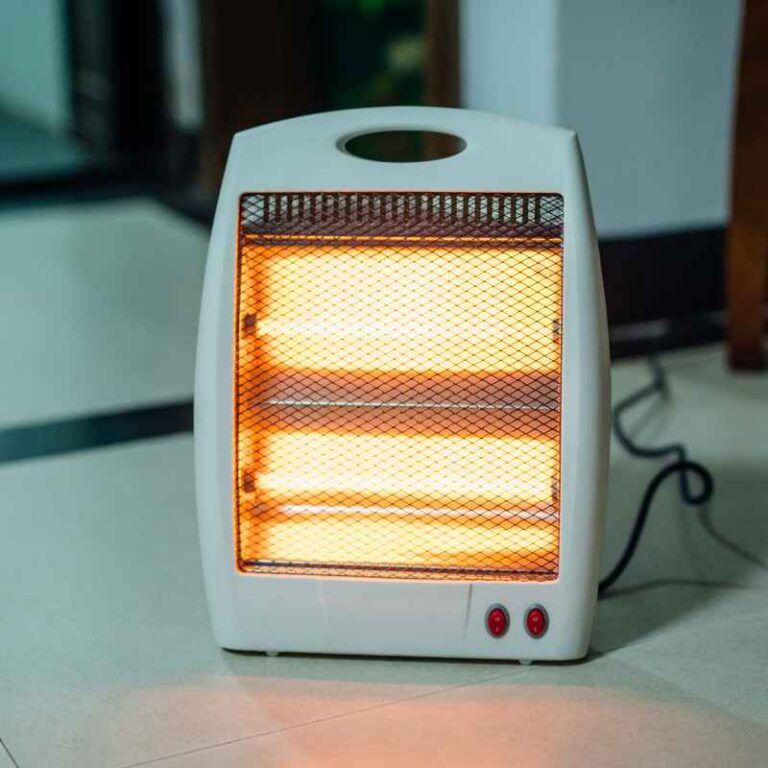
Most portable heaters create heat by passing air over a hot element. This element can get very, very hot. Think of a stovetop burner, but enclosed.
The heat these units give off can be intense. When you get too close, or stay too close for too long, your skin can feel the effects. It’s like standing too near a campfire.
You feel the heat right away. With a heater, the heat is constant. It doesn’t flicker and die down like a fire.
This steady warmth is great for a room. But for skin, it can be too much of a good thing. Your skin is a sensitive organ.
It protects you. It also feels changes in temperature. Too much heat can harm it.
This is true even if the heat doesn’t feel painful at first.
My Close Call With a Space Heater
I remember one winter a few years back. I was working from home a lot. My office room always felt like a meat locker.
I bought one of those small ceramic heaters. It was a game-changer, or so I thought. I set it up right by my desk.
I wanted to feel its warmth directly on my legs.
For hours, I sat there, typing away. The heater hummed softly. I could feel the warm air blowing on my shins.
It felt so cozy. I didn’t think much of it. I was focused on my work.
After a few days, I noticed my shins felt a bit dry. I just thought it was winter air.
Then, one evening, I stood up. My skin looked red. It wasn’t a sunburn red.
It was a deeper, almost bruised red. And it felt… tender. Like I’d been out in the sun too long without cream.
It was a weird, uncomfortable feeling. That’s when I realized the heater was the cause. I had spent too much time too close to its heat.
It was a wake-up call. My skin was trying to tell me something was wrong. I moved the heater across the room after that.
The redness went away. But it made me realize how easy it is to hurt your skin without knowing.
Heater Types and Skin Impact
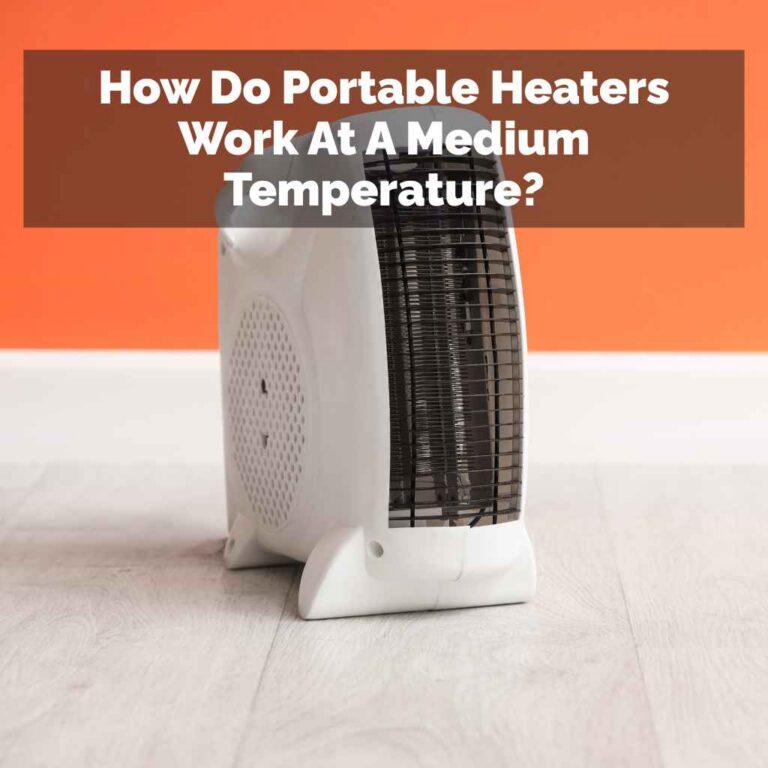
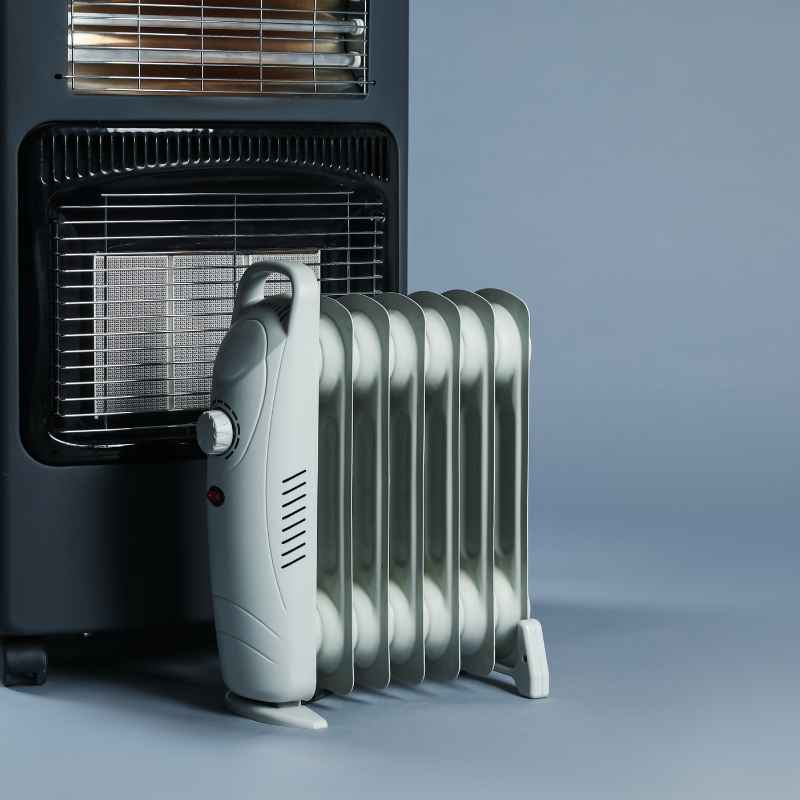
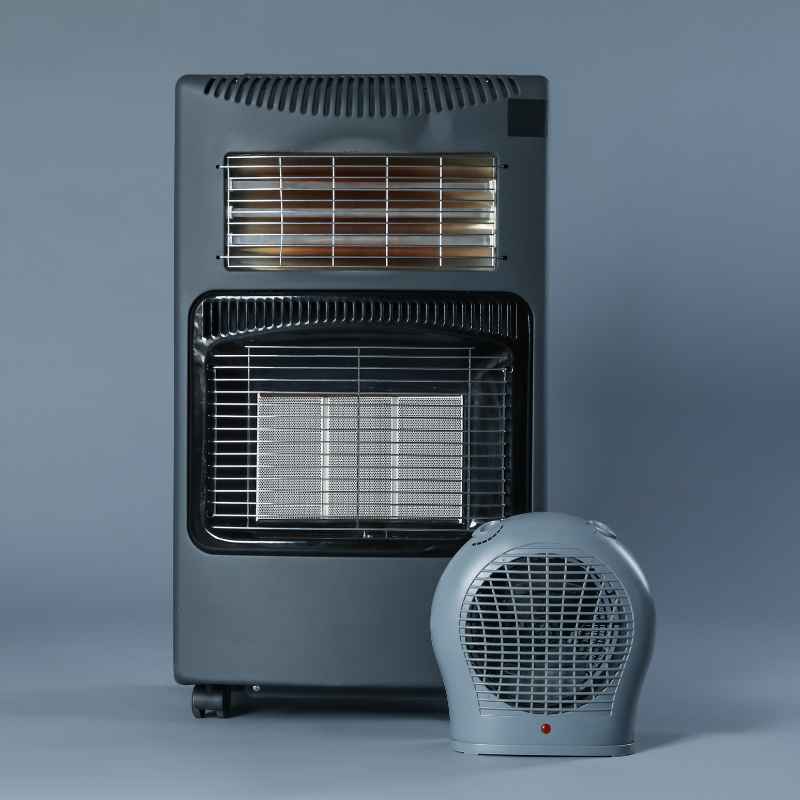
Ceramic Heaters: These use a ceramic plate to heat air. They often have a fan. They tend to blow warm air.
The heating element can get hot but is usually enclosed.
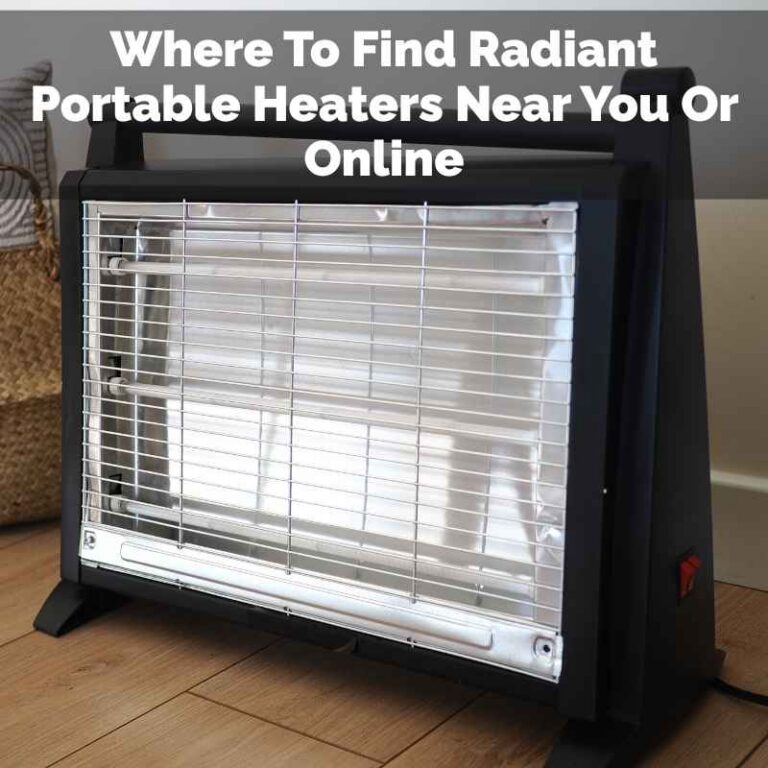
Radiant Heaters: These mimic the sun. They emit heat waves. You feel the warmth directly.
They don’t heat the air as much. Think of a heat lamp. The glowing element is very hot.
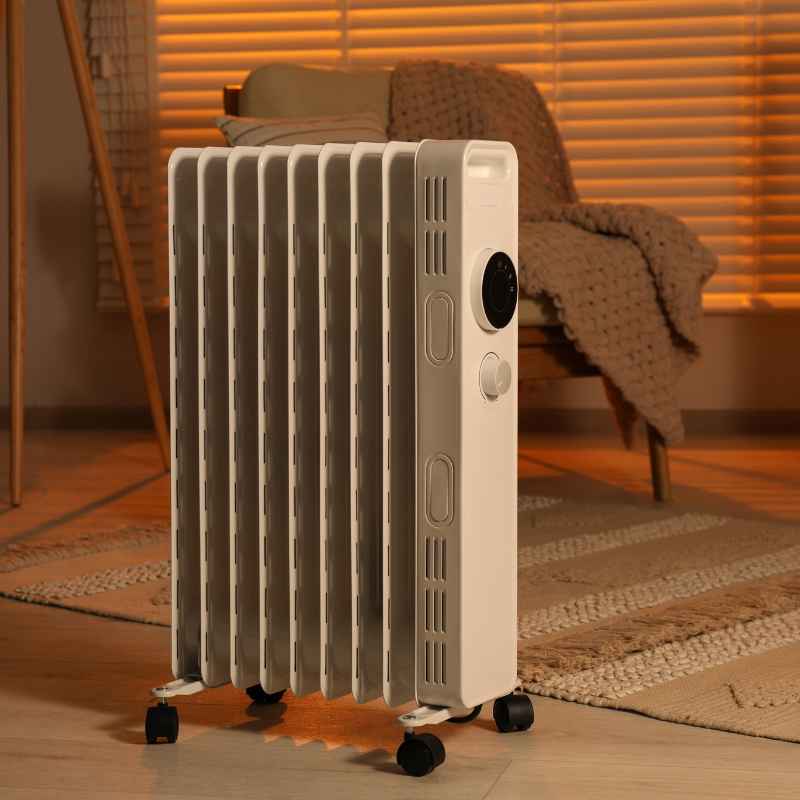
Oil-Filled Radiators: These heat oil inside. The oil then warms the metal fins. This gives off a steady, gentle heat.
They tend to be safer for skin as they don’t get as intensely hot on the surface.
The Science of Heat and Your Skin
Your skin has layers. The outer layer is the epidermis. Beneath that is the dermis.
Heat affects these layers. When skin gets too hot, blood vessels widen. This brings more blood to the surface.
That’s why you might see redness. It’s the body’s way of trying to cool down.
Prolonged exposure to heat can cause damage. This is called a low-grade burn. It’s not a sudden, painful burn like touching a hot stove.
It’s a slow build-up of heat stress. Doctors sometimes call this condition “erythema ab igne.” It sounds fancy, but it’s basically skin damage from heat.
This type of damage can lead to long-term skin changes. You might see mottled skin. This looks like a pattern of dark and light spots.
It can also make your skin feel dry and itchy. In more serious cases, it can even increase the risk of certain skin cancers over time. That’s why caution is so important.
It’s also important to think about your own skin. Some people have thinner skin. Older adults and young children often do.
Their skin may be more easily harmed by heat. If you have certain health issues, like diabetes, your skin might also be more sensitive. Always consider your body’s specific needs.
Signs Your Skin Needs a Break From Heat
- Persistent redness where the heater is pointed.
- Skin that feels unusually dry, itchy, or tight.
- A prickly or burning sensation after prolonged exposure.
- Noticeable patterns or darkening of the skin.
When is a Portable Heater Too Close?
This is the million-dollar question, right? There’s no single exact distance for every heater. It depends on the heater’s power and design.
But a good rule of thumb is to keep it at least 3 feet away. That’s about one big step. If you can feel the heat strongly at arm’s length, it’s likely too close.
Think about the airflow. If the heater blows warm air directly onto you, that’s a strong sign. You don’t want that constant blast on one spot.
It’s better if the heater warms the air in the room more generally. This is where placement matters a lot.
Consider where you sit or stand for long periods. If your feet are always near a heater on the floor, pay attention. If your legs are always facing a heater across a small room, that’s also something to watch.
It’s the continuous, direct heat that causes the most problems.
Some heaters have tip-over switches. Others have overheat protection. These are great safety features.
But they don’t protect your skin from heat damage. They are there to prevent fires. Skin safety is a separate concern.
It needs your active attention.
Quick-Scan Table: Heater Safety Distances
| Heater Type | Minimum Recommended Distance | Notes on Skin Safety |
| Radiant Heater (e.g., heat lamp) | 4-6 feet | Direct heat can be intense; avoid prolonged direct exposure. |
| Ceramic Heater with Fan | 3-5 feet | Warm air flow can be felt; ensure it circulates, not blasts. |
| Oil-Filled Radiator | 2-3 feet | Gentle heat, but avoid leaning against it. |
The Impact on Skin Moisture and Health
Dry skin is a common complaint in winter. Portable heaters can make it much worse. They work by heating the air.
As air gets hotter, it holds more moisture. But it also pulls moisture from whatever it touches. That includes your skin.
When the air around you is dry and hot, your skin loses water. This can make it feel tight and uncomfortable. It can lead to flaking and peeling.
It also makes your skin more prone to cracking. Cracks in the skin are entry points for germs. This can lead to infections.
The natural oils on your skin help keep it healthy. Constant heat can strip away these oils. Your skin’s barrier function weakens.
This makes it harder for your skin to do its job of protecting you. It’s like wearing down a shield. It can’t defend as well.
Moisturizing is key. But even with good lotion, you can still have issues if the heat exposure is too much. Think of it this way: you can put on sunscreen, but standing in direct sun for hours will still cause harm.
You need to manage the source of the heat, too.
Split Insight Panel: Moisturizing vs. Heat Source
Label: Moisturizing is Great, But.
Note: While using a good moisturizer daily is essential for dry winter skin, it’s not a complete solution for heat damage. It helps the skin’s surface but doesn’t stop the internal stress from too much heat. Address the heat source directly for true skin health.
Long-Term Skin Concerns: Erythema Ab Igne (Toasted Skin Syndrome)
We mentioned “erythema ab igne” earlier. It’s worth understanding this a bit more. This condition happens from repeated exposure to moderate heat.
It doesn’t have to be super hot heat. It’s about the duration and closeness.
Imagine sitting in the same spot every day. Your legs are near a space heater. Or maybe you use a heating pad on your back for hours.
Over weeks and months, the skin there starts to change. It gets that red, net-like pattern.
This pattern is called reticulated erythema. It looks like a spiderweb of red lines. It happens because the small blood vessels under the skin get damaged.
They dilate and don’t return to normal. This damage is cumulative. It builds up over time.
The serious part is that this condition can be a warning sign. In some cases, it has been linked to an increased risk of squamous cell carcinoma. This is a type of skin cancer.
It’s not a guarantee, but it’s a risk factor. That’s why doctors take it seriously. They know it means the skin has been under prolonged heat stress.
The good news is that if caught early, this condition can often improve. If you stop the heat exposure, the skin might go back to normal. But if it’s been there a long time, the changes might be permanent.
This highlights the need to be proactive. Don’t wait for obvious damage. Be smart from the start.
Best Practices for Safe Portable Heater Use
So, how do we get the warmth without the worry? It all comes down to smart usage. These tips are simple but make a big difference.
They are things I try to follow myself.
First, placement is everything. Always keep heaters at a safe distance. Three feet is a good starting point.
Never put them right next to furniture, curtains, or bedding. These things can catch fire easily. And they can block the heater’s airflow.
Second, timers are your friend. Many heaters have built-in timers. Use them!
Set the heater to run only when you need it. For example, set it to warm the room before you wake up. Then have it turn off.
Don’t leave it running all night if you don’t need to.
Third, don’t use them as dryers. Never hang wet clothes on or near a heater. This is a fire hazard.
It also makes the air very humid right by the heater. This can lead to heat damage on the fabric and anything behind it.
Fourth, mind your body. If you sit or sleep near a heater, change your position. Don’t let one part of your body be in the direct heat zone for hours.
Get up and move around. Rotate your position. This helps your skin cool down.
Fifth, use humidifiers. If you’re running heaters a lot, the air gets dry. A humidifier adds moisture back into the air.
This helps your skin stay hydrated. It also makes the heat feel more comfortable.
Sixth, regular checks. Look at your skin. Do you see any unusual redness?
Does it feel too dry or sensitive? If so, move the heater. Turn it off for a while.
Give your skin a break. This simple check can prevent bigger problems.
Observational Flow: Safe Heater Habits
Start of Day: Use timer to warm room before waking.
During Use: Ensure heater is 3+ feet from people/objects.
Work/Relaxation: Rotate position if sitting near heater.
Before Bed: Set timer to turn off or shut off completely.
Daily: Check skin for redness or dryness.
When to See a Doctor
Most of the time, skin issues from portable heaters are minor. Dryness and mild redness usually go away. But there are times you should seek medical help.
If you notice a persistent rash or red pattern that doesn’t fade when you stop using the heater, see a doctor.
Any skin changes that look like a net or web pattern should be checked. Especially if it’s in an area where you regularly use a heat source. This could be your legs, back, or arms.
Also, if you develop sores or blisters, that’s a sign of a more serious burn. Don’t try to treat it yourself. Get professional advice.
A dermatologist is a skin doctor. They can diagnose and treat skin problems effectively.
Remember, prevention is much easier than treatment. Being aware of the risks and taking simple steps can save you a lot of trouble. It’s about treating your skin with the respect it deserves.
It works hard to protect you every day.
Frequently Asked Questions About Portable Heaters and Skin
Can a portable heater cause burns on skin?
Yes, prolonged or very close contact with a portable heater can cause burns. This can range from mild redness and dryness to more severe burns, especially if the heating element is very hot or exposed.
What is “toasted skin syndrome” and how does it relate to heaters?
Toasted skin syndrome, or erythema ab igne, is a skin condition caused by long-term exposure to moderate heat. Portable heaters, especially when used too close for extended periods, can cause this condition, leading to a mottled red or brownish pattern on the skin.
How far should I keep a portable heater from my body?
A general rule is to keep most portable heaters at least 3 feet away from your body and any flammable materials. Some radiant heaters may require even more distance. Always check the manufacturer’s instructions for specific recommendations.
Are some types of portable heaters safer for skin than others?
Oil-filled radiators tend to provide a gentler, more consistent heat that is less likely to cause direct skin irritation compared to radiant heaters with exposed hot elements. However, any heat source can be dangerous if used improperly.
What can I do to prevent dry skin from my portable heater?
To prevent dry skin, use a humidifier in the room, keep the heater at a safe distance, and apply a good moisturizer to your skin regularly. Also, take breaks from direct heat exposure.
If I notice redness from my heater, should I stop using it?
Yes, if you notice any unusual redness or discomfort on your skin after using a heater, it’s a good idea to stop using it for a while or move it further away. Give your skin a chance to recover and assess if the issue resolves. If redness persists, consult a doctor.
Final Thoughts on Staying Warm and Safe
Using portable heaters is a practical way to boost comfort. With a little awareness, you can enjoy the warmth. Pay attention to how your skin feels.
Keep a safe distance. Use timers wisely. Your skin will thank you for it.
Sponsored / affiliate links. As an Amazon Associate I earn from qualifying purchases. I may earn additional commission from eligible campaigns.