Portable Heater Efficiency Comparison: Which Type Saves Most?
Understanding portable heater efficiency means looking at how much heat they give out for the energy they use. The best options warm your space quickly and keep it warm without wasting electricity, saving you money on bills and helping the planet.
Understanding Portable Heater Efficiency
Portable heaters are designed to provide supplemental heat. They can warm a specific room or area. This means you don’t have to heat your whole house. That can save you money. But not all heaters are the same. Some use energy better than others. Efficiency in a portable heater means it turns electricity into heat well. It also means it puts that heat where you want it.
Think about how a heater works. Most use electricity. They convert this electricity into heat. This happens through a heating element. The amount of heat produced depends on the heater’s wattage. A higher wattage heater uses more power. But it also produces more heat. The real question is how well that heat is used.
There are different types of heaters. Each type heats a space in its own way. Some heat the air directly. Others warm objects and people. The method they use affects how efficient they feel. It also affects how quickly a room feels warm. This guide will explore these types. We will see which ones are the most efficient.
My First Portable Heater Fiasco
I remember one particularly brutal January a few years back. My apartment’s heating system was old and wheezy. It just couldn’t keep up. I decided to buy a portable heater. I walked into the big box store and was overwhelmed. There were dozens of them. I grabbed the cheapest one I saw. It was a small, orange, fan-forced heater. It looked simple enough.
I plugged it in that evening. It made a loud whirring noise. A blast of hot air shot out. For about five minutes, the corner I was sitting in felt like a tropical island. Then, the air around it started to feel really dry. And the rest of the room? Still chilly. I had to keep moving it closer to me. It felt like I was just warming my own personal little bubble of air.
Later, I looked at my electricity bill. It was much higher than usual. I realized that while it felt like it was heating fast, it was also using a lot of power. And it wasn’t really warming the room evenly. It was just blowing hot air around. I learned a valuable lesson that day. The cheapest option isn’t always the smartest. I needed something that actually delivered lasting warmth without a sky-high bill.
Types of Portable Heaters and How They Work
To pick the best heater, we need to know about the main kinds. Each has its own way of spreading heat. This affects its efficiency.
Radiant Heaters
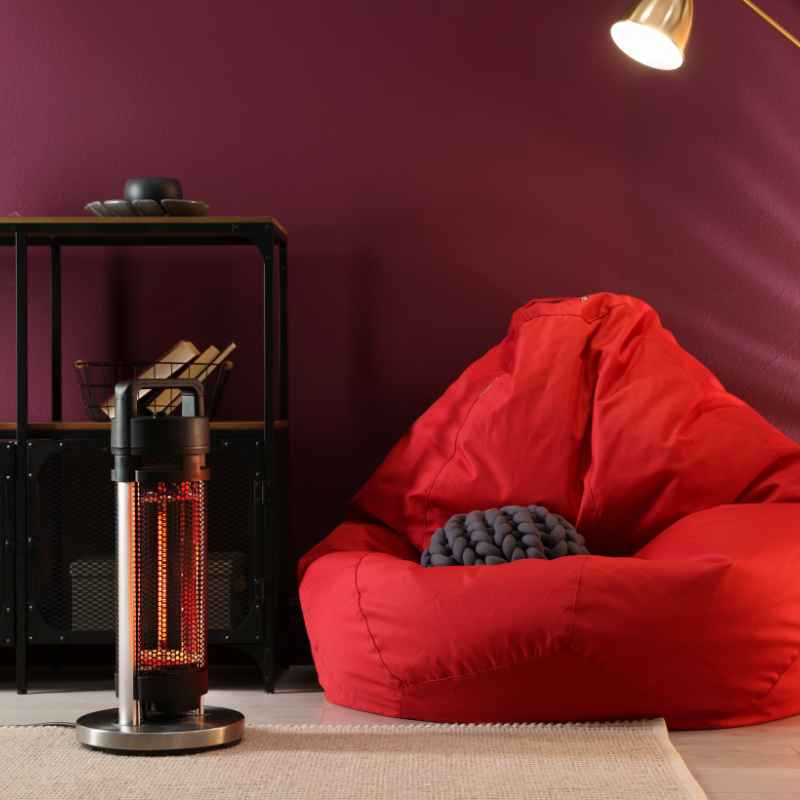
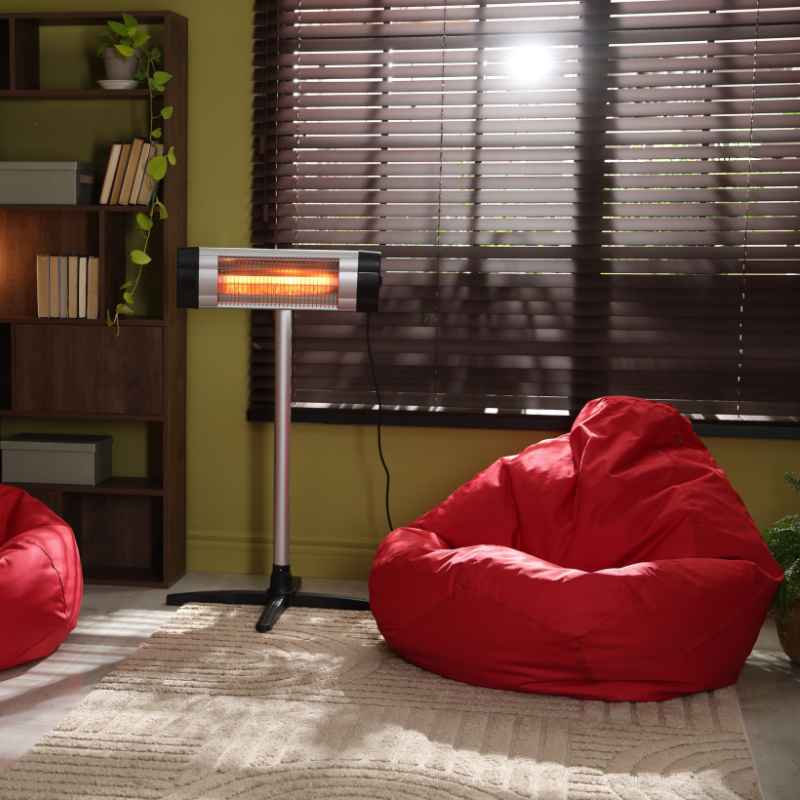
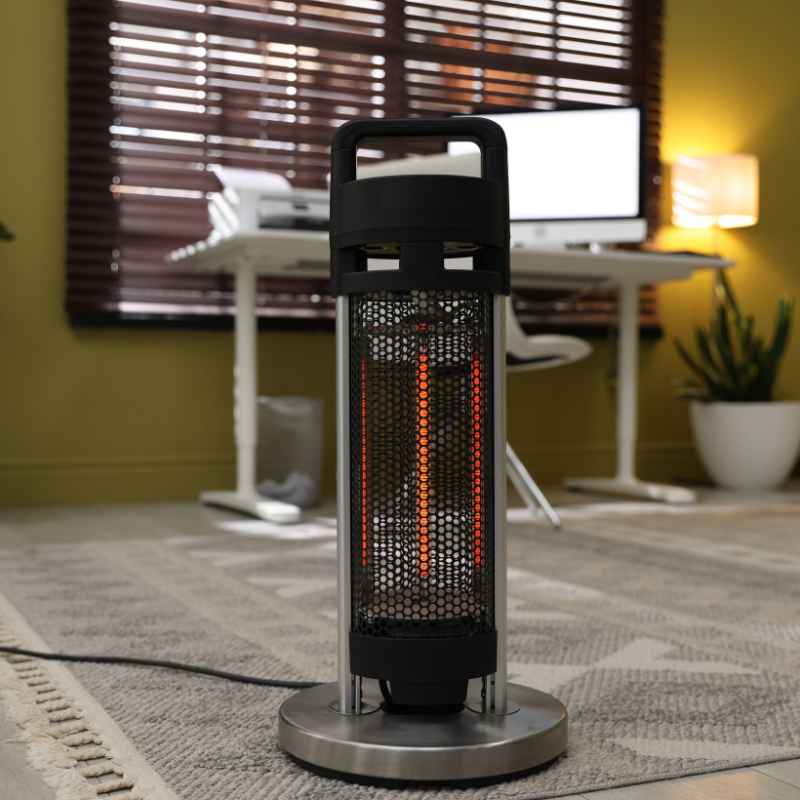
Radiant heaters work like the sun. They send out waves of heat. These waves travel through the air. They warm objects and people they hit directly. They don’t heat the air itself much. Think of standing in a sunny spot on a cold day. You feel warm, even if the air around you is cool.
These heaters have a glowing element. It gets very hot. This element then radiates heat. You feel this heat when you are in front of it. They are good for spot heating. If you are sitting in a chair, a radiant heater nearby will warm you quickly.
However, radiant heaters are not good at warming a whole room. The heat doesn’t spread far. If you move away from the heater, you stop feeling the warmth. The air in the room stays cooler. They are best for short periods or for warming just one person.
Convection Heaters
Convection heaters warm the air. They have a heating element that warms the air around it. A fan then pushes this warm air out into the room. This warm air rises. It moves around the room. Then, cooler air gets drawn into the heater. It gets warmed and pushed out. This creates a cycle of warm air.
These heaters are good at warming an entire room. They can heat spaces more evenly than radiant heaters. But they can take longer to warm up a room. The fan noise can also be a factor for some people.
The efficiency here depends on how well the heater circulates air. A good convection heater will spread the heat widely. It will make the whole room feel comfortable. But they do use electricity to run the fan. This adds a bit to their energy use.
Ceramic Heaters
Ceramic heaters are a type of convection heater. But they use a ceramic plate as their heating element. This ceramic plate heats up quickly. A fan blows air over this hot plate. The warmed air then circulates into the room.
Ceramic heaters are popular because they are often compact. They heat up fast. They are good for quickly warming a small to medium-sized room. They also tend to be safer. The ceramic itself doesn’t get as dangerously hot as some metal elements.
Their efficiency is similar to other convection heaters. They warm the air and circulate it. The ceramic material might retain heat a little longer. This could mean a slightly more consistent warmth.
Oil-Filled Radiators
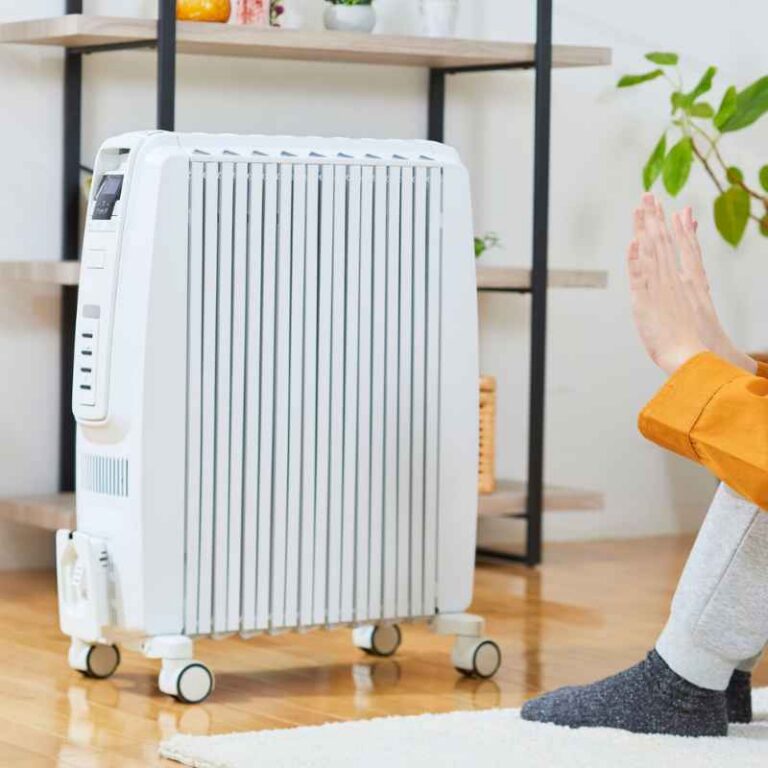
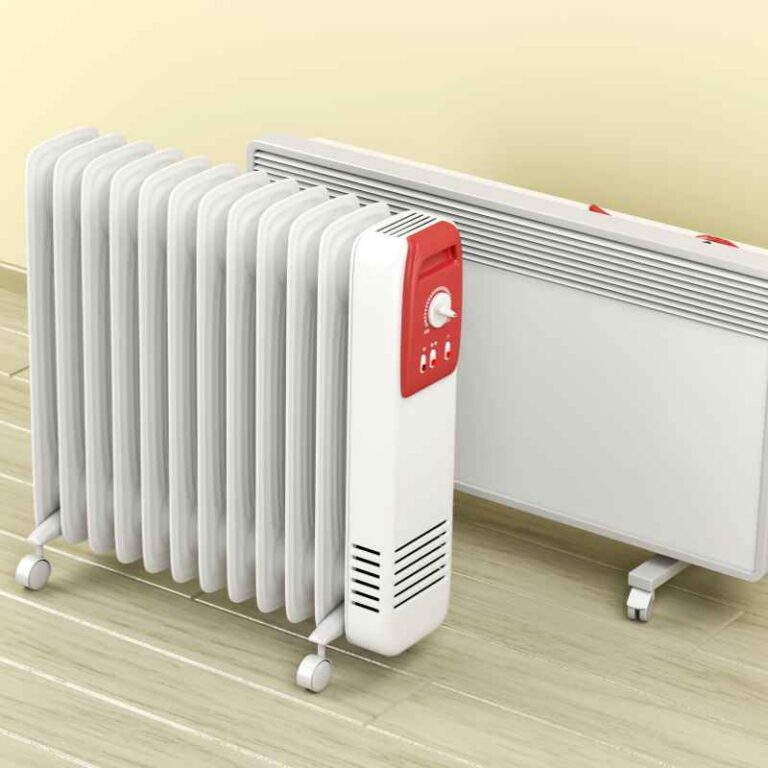
Oil-filled radiators look like old-fashioned cast-iron radiators. But they are sealed units. Inside, they have a heating element. This element heats up a special oil. The oil then circulates within the fins of the radiator. The fins get hot. They then heat the air around them. This type of heater is mostly a convection heater. But it also gives off some radiant heat.
The key feature is the oil. It holds heat for a long time. This means the heater can continue to give off warmth even after it has been turned off. This makes them very good for maintaining a steady temperature. They don’t have a fan. So, they are very quiet.
Oil-filled radiators are often considered very efficient for maintaining warmth. They provide a gentle, even heat. They are great for bedrooms or living areas where you want consistent comfort. They take longer to heat up initially. But they keep the room warm longer.
How Wattage Affects Efficiency
Wattage tells you how much power a heater uses. A 1500-watt heater uses more power than a 750-watt heater. But higher wattage doesn’t always mean more efficient. It means it produces more heat for the electricity it uses. This is called its output.
Think of it like a car engine. A bigger engine uses more gas. But it can also go faster and pull more weight. A heater with higher wattage can heat a larger space or heat it faster.
For example, a 1500-watt heater might be needed for a large living room. A 750-watt heater might be enough for a small bathroom. Using a heater that’s too powerful for a small space is wasteful. It will heat the room very quickly. Then it might cycle on and off a lot. Or it might overheat the space.
The goal is to match the heater’s wattage to the size of the room. This ensures it works effectively. It also prevents wasting electricity. You want a heater that can reach your desired temperature. Then it can maintain it without running constantly.
A heater that runs too hard, too long, or is too big for the space is not efficient. It will cost you more on your electric bill.
Energy Efficiency Ratings and Certifications
When looking at portable heaters, you might see energy efficiency ratings. Not all heaters have them. But some do. The U.S. Department of Energy (DOE) provides guidance on energy use.
Look for heaters that are Energy Star certified. Energy Star products are designed to be more energy-efficient. They meet strict standards set by the EPA. This means they use less energy than standard models. They still perform just as well.
Heaters with thermostats are also more efficient. A thermostat lets you set a specific temperature. The heater will then turn itself on and off. It will maintain that temperature. This is much better than a heater that just runs all the time. It prevents overheating. It also stops the heater from using power when it’s not needed.
Some heaters have eco modes. These modes use less power. They may heat more slowly. But they can save energy over time. Always check the manufacturer’s claims. Look for details about how the heater uses energy.
Real-World Scenarios: When and Where They Shine
Portable heaters are not meant to replace your main heating system. They are best for specific situations.
Warming a Single Room
This is the most common use. Your main heater keeps the whole house warm. But maybe your home office gets cold. Or your basement den is always chilly. A portable heater can warm just that one room. This is often cheaper than heating the entire house to a higher temperature.
For a small office or bedroom, a ceramic heater or a small convection heater is often perfect. They heat the space quickly. They don’t use a lot of power. If you sit in one spot for a long time, a small radiant heater might be good. It warms you directly.
Spot Heating for Comfort
Sometimes you just need a little extra warmth. Maybe you’re watching TV on the couch. Or you’re working at a desk. You can place a portable heater nearby. This provides targeted warmth. You don’t need to raise the thermostat for the whole house.
In these cases, a radiant heater can be very effective. It warms you directly. You don’t waste energy heating empty space. Just be sure to keep flammable items away from it.
Areas with Poor Insulation
Some rooms are harder to heat. Maybe your sunroom gets very cold in winter. Or an older room has drafty windows. A portable heater can help supplement the heat in these areas.
For rooms that are hard to keep warm, an oil-filled radiator might be a good choice. It provides steady, consistent heat. It can help combat the chill from drafts. It also continues to give off heat after it’s turned off. This helps maintain a more even temperature.
What This Means for Your Energy Bill
The type of heater and how you use it makes a big difference. A 1500-watt heater running for 10 hours will use more electricity than a 750-watt heater running for the same time. But if the 1500-watt heater warms the room twice as fast and then cycles off, it might use less energy overall.
The Role of Thermostats
Heaters with good thermostats are key. A heater without a thermostat will just run until you turn it off. It will keep using power. A heater with a thermostat will heat the room to your set temperature. Then it will shut off. It will only turn back on when the temperature drops below your setting.
This cycling feature is a major energy saver. It prevents the room from getting too hot. It also stops the heater from wasting power. Always look for a heater with an adjustable thermostat.
Eco Modes and Energy Saving Features
Some newer heaters have “eco” modes. These modes adjust the heat output. They aim to use less energy. They might do this by reducing the fan speed. Or they might use a lower heat setting.
These features can add to the initial cost of the heater. But they can save you money over time. If you plan to use a portable heater often, these features are worth considering.
Comparing Efficiency: Which Type Wins?
It’s not a simple win for one type. It depends on your needs.
Radiant Heaters: Pros and Cons
Pros:
Heat you directly and quickly.
Good for spot heating.
Very quiet (no fan).
Often lower wattage, so good for small spaces.
Cons:
Don’t heat a whole room well.
Heat is lost quickly when you move away.
Can be a fire hazard if too close to items.
Convection Heaters: Pros and Cons
Pros:
Good for heating whole rooms.
Provide even heat.
Many models available.
Cons:
Can take longer to heat a room.
Fan noise can be noticeable.
Air can feel dry.
Ceramic Heaters: Pros and Cons
Pros:
Heat up quickly.
Compact and portable.
Safer heating element.
Good for small to medium rooms.
Cons:
Similar to convection heaters in how they work.
Fan noise can be an issue.
May not be powerful enough for large spaces.
Oil-Filled Radiators: Pros and Cons
Pros:
Provide steady, even heat.
Very quiet.
Hold heat well, continue warming after shutoff.
Good for maintaining temperature.
Cons:
Take longer to heat up initially.
Can be heavier and bulkier.
Less effective for rapid spot heating.
Efficiency Snapshot: Key Features to Look For
Thermostat: Essential for controlling temperature and saving energy. Lets the heater cycle on and off.
Adjustable Wattage: Some heaters let you choose lower power settings. This is great for smaller rooms.
Timer: Lets you set the heater to turn on or off at specific times. Useful for pre-warming a room.
Energy Star Certification: Indicates the unit is more energy-efficient than standard models.
Good Airflow (for convection/ceramic): A strong fan that distributes warm air effectively means less wasted heat.
Long Heat Retention (for oil-filled): Means it keeps warming even when off, providing steady comfort.
When is a Heater Truly Efficient?
A heater is most efficient when it meets your needs without wasting energy.
Matching Heater to Room Size
Using a heater that’s too small for a room means it will run constantly. It might never reach the desired temperature. This wastes energy. Using a heater that’s too big means it will overheat the room quickly. Then it will cycle off. It might feel hot and cold. It also uses more power when it is on.
The general rule of thumb is about 10 watts per square foot for standard ceiling heights. So, a 100 sq ft room might need a 1000-watt heater. But this can vary. Drafty rooms or rooms with high ceilings need more power.
The Cost of Running a Heater
The cost to run a heater depends on its wattage and the price of electricity in your area. You can calculate this.
Cost per hour = (Wattage / 1000) x (Price per kilowatt-hour)
For example, a 1500-watt heater running at $0.15 per kWh:
(1500 / 1000) x $0.15 = 1.5 x $0.15 = $0.225 per hour.
This simple calculation shows how quickly costs can add up. Choosing an efficient heater can lower this cost.
Smart Usage Habits for Maximum Savings
How you use your heater matters as much as the heater itself.
Targeted Heating
Only heat the rooms you are using. Turn off heaters in empty rooms. Close doors to these rooms. This keeps the warm air where you want it.
Using Timers and Thermostats Wisely
Set your thermostat to a comfortable but not overly warm temperature. Around 68°F (20°C) is often recommended for living areas. For sleeping, lower it to 62-65°F (17-18°C). Using a timer can warm your bedroom before you get out of bed. It can also turn off the heater when you leave for work.
Draft Proofing
Seal up air leaks around windows and doors. Use draft stoppers. Check for gaps where pipes or wires enter your house. This stops warm air from escaping. It also stops cold air from coming in. This makes any heater work better. It reduces the need for it to run constantly.
When to Call the Professionals
If your main heating system is failing, a portable heater is a temporary fix. It’s not a long-term solution for a whole house. If your home is consistently cold, it might signal a bigger problem with your main heating. Or it could mean your home insulation is poor.
Consider getting an energy audit. An auditor can find where your home is losing heat. They can suggest ways to improve insulation and seal drafts. This will make your whole home more comfortable. It will also lower your energy bills year-round.
Personal Experience: The Oil-Filled Radiator Revelation
After my fan heater disaster, I was still cold. My living room was always a few degrees cooler than the rest of the house. I decided to try an oil-filled radiator. I picked one with a decent wattage for the room size. It was heavier than I expected. And it took a while to warm up.
At first, I was impatient. I kept checking if it was working. But then I noticed something. The heat it produced was different. It wasn’t a blast of hot air. It was a gentle, steady warmth. The chill in the room slowly faded. It felt like the room itself was warm, not just the air in front of the heater.
What really impressed me was that it stayed warm. Even after I turned it off for the night, I could still feel residual heat. My living room became a place we actually wanted to spend time in again. My electricity bill didn’t spike like it did with the old fan heater. It was a subtle but significant improvement. This experience taught me that sometimes, slower and steadier is the most efficient way to go.
Common Portable Heater Myths Debunked
Myth vs. Reality: Portable Heater Facts
Myth: All electric heaters cost the same to run. Reality: Wattage and type of heater matter. Some use energy much more wisely.
Myth: Bigger heaters are always better. Reality: The right size for the room is best. Too big wastes energy.
Myth: Portable heaters are only for emergencies. Reality: They are great for supplemental heat and zoned heating. This can save energy.
Myth: You can’t save money with portable heaters. Reality: Smart choices and usage habits can lead to significant savings over central heating.
Safety First: Always Read the Manual
Portable heaters are generally safe. But like any electrical device, they need care.
Safety Checklist for Portable Heaters
Keep a Safe Distance: Always keep heaters at least 3 feet away from furniture, curtains, bedding, paper, and other flammable materials.
Never Leave Unattended: Do not leave a portable heater running when you are sleeping or when you leave the house.
Stable Surface: Place heaters on a level, stable surface. Do not place them on carpets or rugs that can overheat.
Check Cords: Inspect the power cord regularly for damage. Do not use a heater with a frayed or damaged cord.
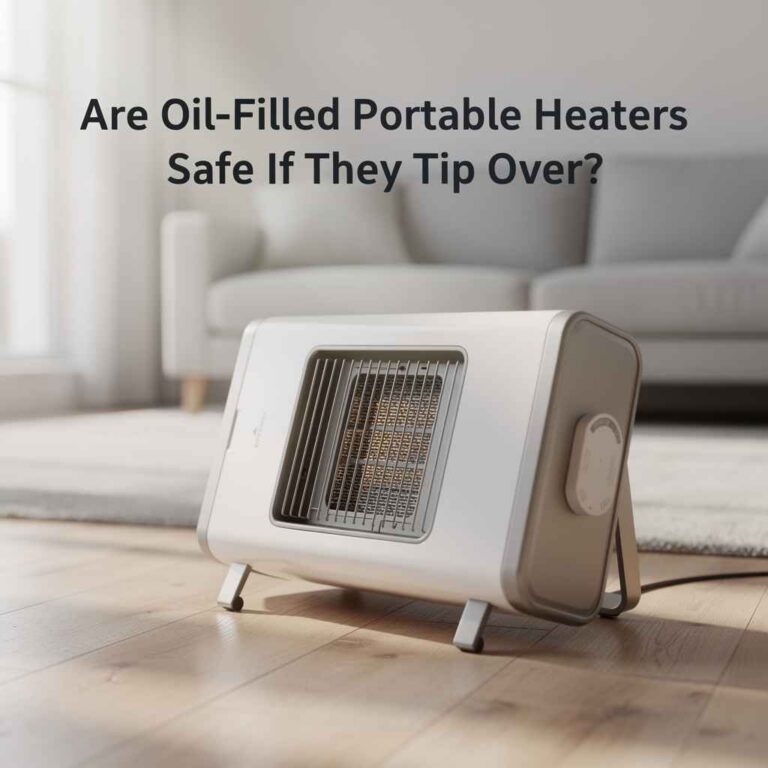
Tip-Over Protection: Many modern heaters have a safety feature that shuts them off if they tip over. Ensure your heater has this.
Child and Pet Safety: Keep children and pets away from hot surfaces. Consider models with cool-touch exteriors.
Ventilation: Ensure the room is adequately ventilated, especially with fuel-burning heaters (though this guide focuses on electric). For electric heaters, this helps prevent moisture buildup.
What This Means for You: Making the Smart Choice
Choosing an efficient portable heater boils down to a few key things.
When is a Heater “Efficient Enough”?
Efficiency isn’t just about the lowest wattage. It’s about getting the heat you need for the lowest cost. A heater that warms your space quickly and maintains the temperature without running constantly is efficient. It should also be the right size for the area you want to heat.
When to Worry and When to Relax
If your electricity bill suddenly jumps after buying a new heater, something might be wrong. Maybe the heater is too powerful. Or perhaps it’s not cycling off as it should. If a heater seems to be working too hard, making strange noises, or smelling like burning plastic, turn it off immediately.
If you use your heater as intended – for supplemental heat, in the right-sized rooms, and with the thermostat set correctly – you should see good results. The goal is comfort without shock on your bill.
Quick Tips for Maximizing Heater Efficiency
Here are some final, quick tips.
Seal drafts: Stop heat from escaping.
Use a thermostat: Let the heater control itself.
Right size heater: Match wattage to room size.
Heat one room: Don’t heat empty spaces.
Clean your heater: Dust can block airflow.
Check the manual: Understand your heater’s features.
Frequently Asked Questions About Portable Heater Efficiency
Are all 1500-watt heaters the same in terms of efficiency?
No, not exactly. While they use the same amount of power (1500 watts), how well they distribute that heat differs. A convection heater might spread it evenly through a room, while a radiant heater directs it forward.
A well-designed heater with good airflow or heat retention can feel more efficient.
Can portable heaters really lower my heating bill?
Yes, they can. By heating only the room you are in, you can often avoid heating your entire house to a higher temperature. This targeted approach uses less energy overall compared to running your central heating higher than necessary.
Which portable heater type is best for a very small room, like a bathroom?
For a small bathroom, a small ceramic heater or a low-wattage convection heater is usually a good choice. They heat up quickly and don’t use much power. Many even have timers, which are useful for short periods of heating.
How do I know if my portable heater is too powerful for my room?
If the room gets uncomfortably hot very quickly, or if the heater cycles on and off very frequently, it might be too powerful. You might also notice it’s hard to maintain a consistent temperature. In such cases, try a lower wattage setting if available, or a smaller heater.
Are oil-filled radiators more energy-efficient than ceramic heaters?
Oil-filled radiators are often more efficient at maintaining a steady temperature over long periods because they store heat. Ceramic heaters heat up faster, making them good for quick bursts of warmth. For consistent, gentle heat in a room you use often, an oil-filled radiator can be very efficient.
For quick spot heating, a ceramic heater might be better.
Is it better to use a heater with a timer or just unplug it when I leave?
A heater with a timer is generally better because it allows for controlled heating. You can schedule it to turn on before you need it and off when you leave. Simply unplugging it works, but you lose the ability to pre-heat a space or ensure it doesn’t run longer than needed.
Conclusion
Finding the most efficient portable heater means understanding how different types work. It also means matching the heater to your specific needs. Look for models with thermostats and timers. Consider room size and how you plan to use the heater. By choosing wisely and using your heater smartly, you can stay warm and cozy without overspending on energy. It’s about making your home comfortable in the most cost-effective way possible.
Sponsored / affiliate links. As an Amazon Associate I earn from qualifying purchases. I may earn additional commission from eligible campaigns.