What Is the Best Portable Heater in 2025? Top Picks Ranked
Discovering the best portable heater for your space ensures consistent warmth without the hefty cost of central heating. Whether you need to supplement a chilly room or provide heat for a workshop, the right portable heater offers efficiency, safety, and convenience.
This guide will break down what to look for, showcase top-rated models, and help you make an informed decision to keep you cozy all season long. We’ll explore different types, features, and important considerations to find the perfect unit for your needs.
Simply put, the best portable heaters balance efficient heating, safety features, energy consumption, and user-friendly design. Look for models with adjustable thermostats, tip-over protection, and quiet operation, considering the size of the space and your specific heating needs to find the ideal unit.
Key Takeaways
- Selecting the best portable heater involves balancing heating power, energy efficiency, and safety features tailored to your space.
- Ceramic heaters offer fast, localized warmth and are a popular choice for small to medium rooms, while oil-filled radiators provide consistent, gentle heat and are quieter.
- Look for essential safety features like automatic shut-off, tip-over protection, and overheat protection to prevent accidents.
- Consider the heater’s thermostat control for precise temperature management and energy savings, alongside noise levels for comfort.
- The ideal portable heater should be sized appropriately for the room it will heat, offering a good balance of wattage and coverage area.
What Are the Different Types of Portable Heaters?
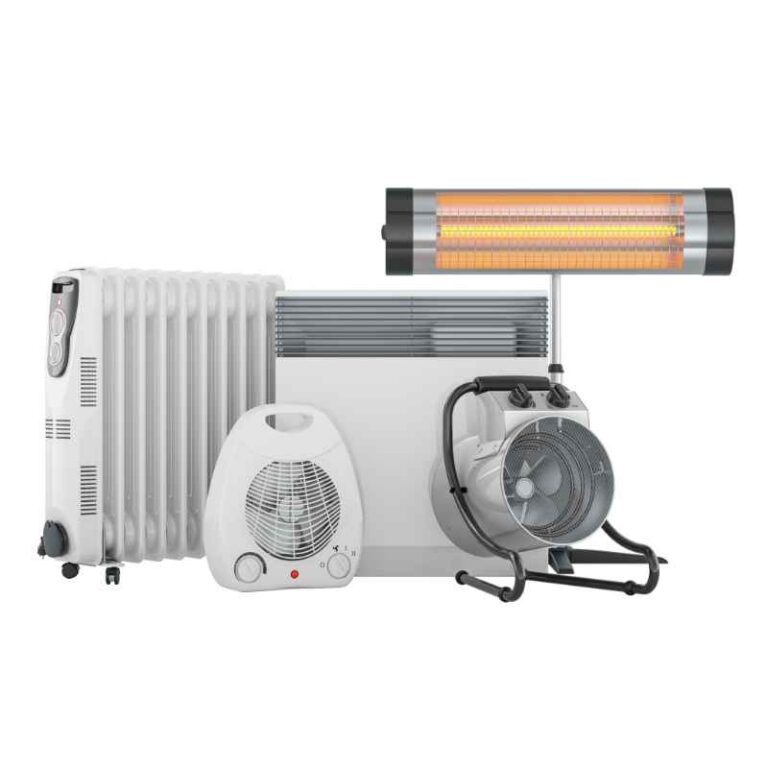
Portable heaters come in various forms, each designed to suit different heating needs and environments. Understanding these distinctions is the first step in finding the best portable heater for your specific situation. The most common types include ceramic, infrared, oil-filled, and fan heaters.
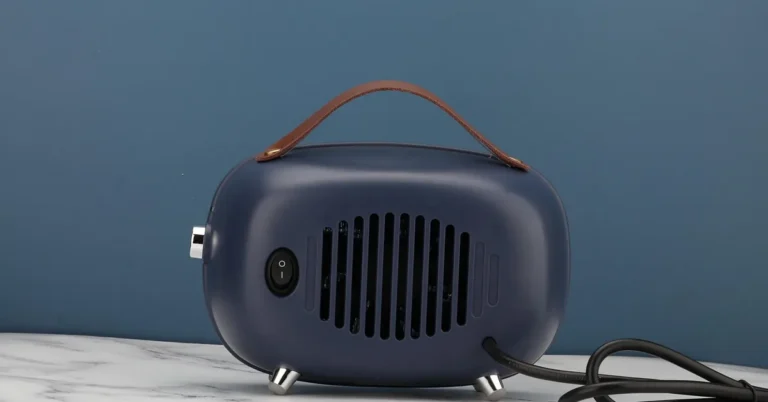
Ceramic heaters use a ceramic heating element that heats up quickly and transfers heat to a fan, which then blows the warm air into the room. They are excellent for rapidly warming small to medium-sized spaces. Infrared heaters, on the other hand, work differently; they emit infrared radiation that directly heats objects and people in their path, rather than the air.
This makes them energy-efficient for spot heating and they operate silently.
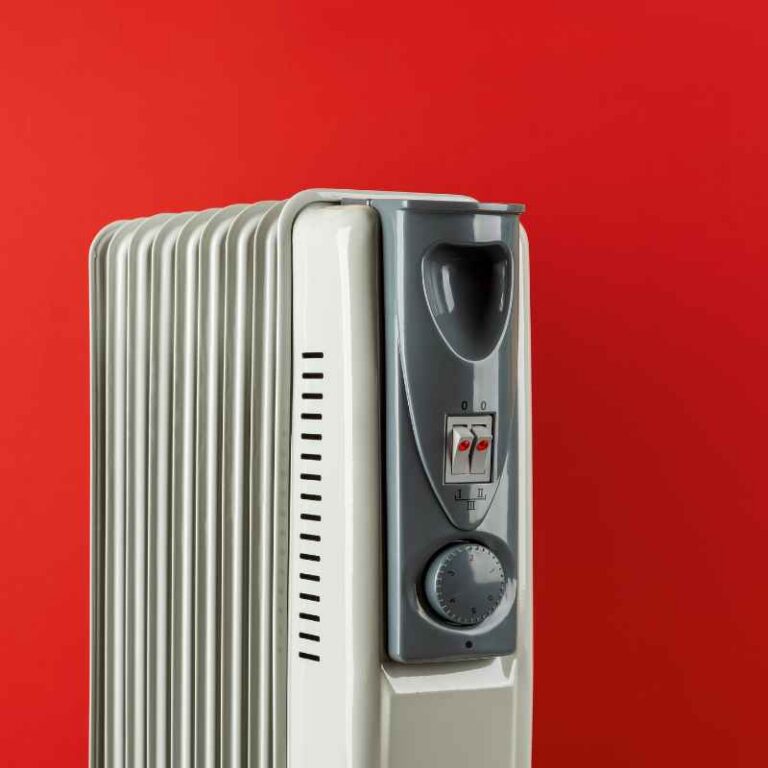
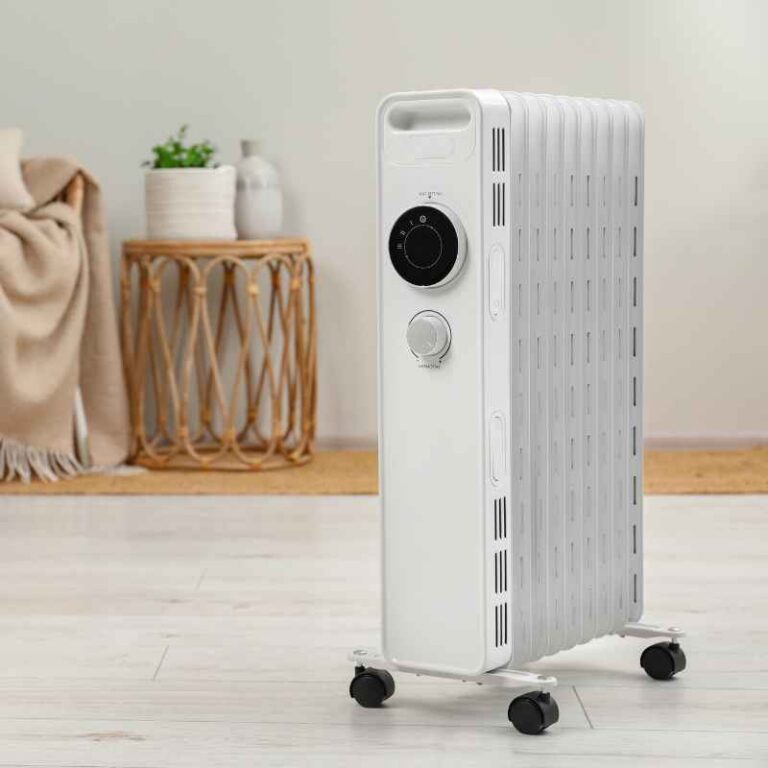
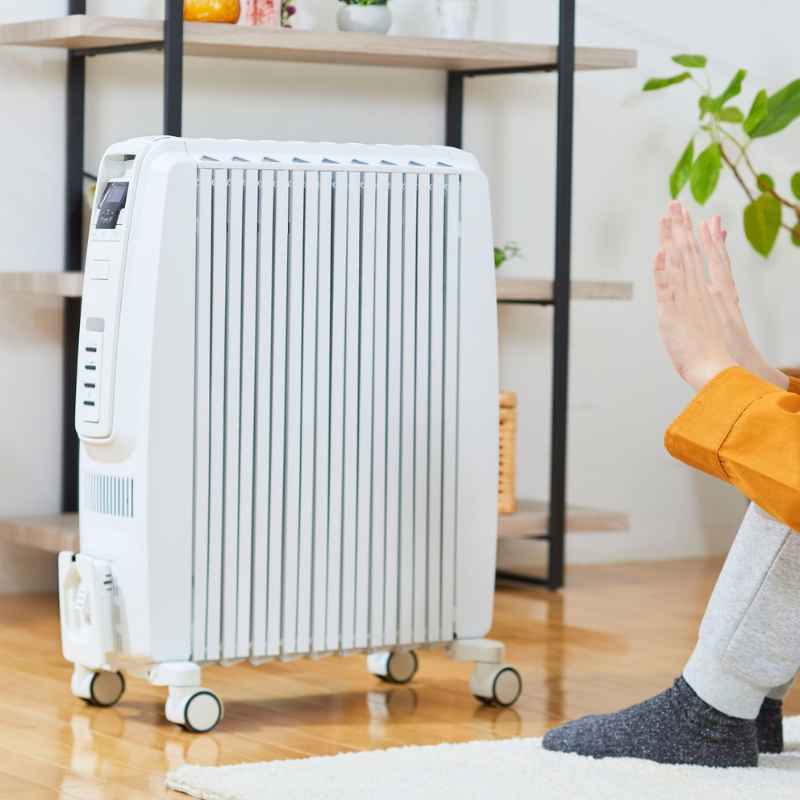
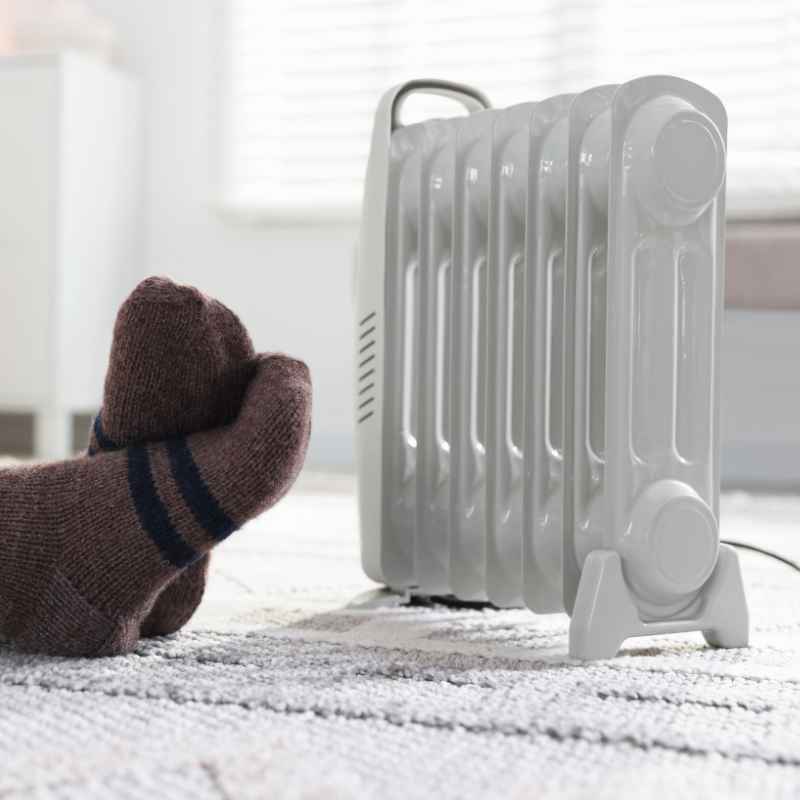
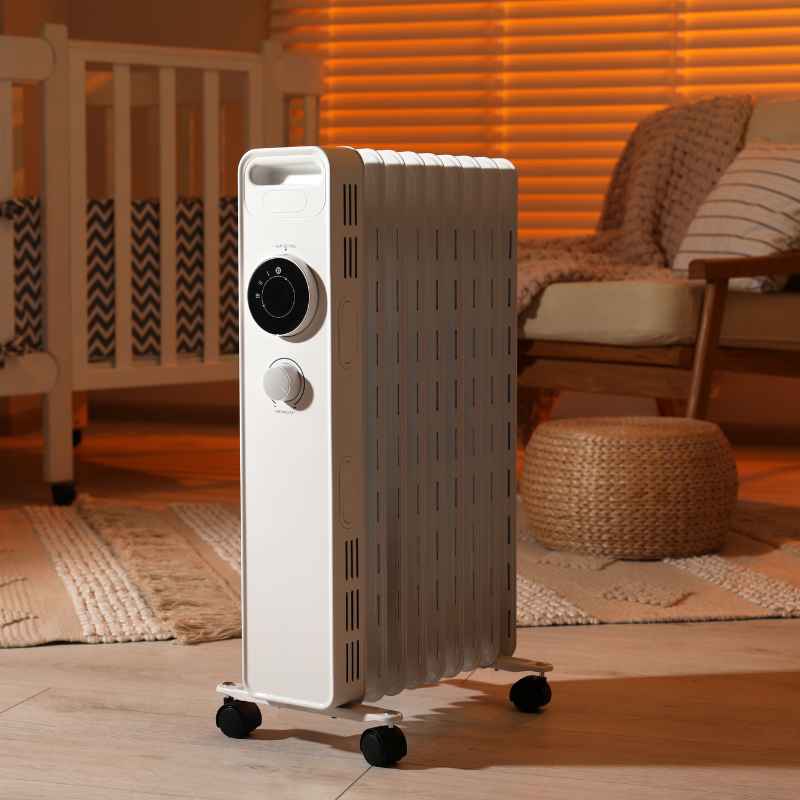
Oil-filled radiators are a quieter option, using electricity to heat oil sealed within the radiator. The oil then radiates heat, providing a consistent and gentle warmth that lingers even after the unit is turned off. Fan heaters, also known as convection heaters, use a heating element and a fan to circulate warm air.
They are generally less expensive but can be noisier and less efficient for larger spaces compared to other types.
-
Ceramic Heaters:
- Use a ceramic element that heats up quickly.
- Incorporate a fan to distribute warm air.
- Ideal for rapid warming of small to medium rooms.
- Often compact and portable.
- Some models include oscillation for wider heat distribution.
-
Infrared Heaters:
- Emit infrared radiation to heat objects and people directly.
- Do not heat the air, making them energy-efficient for targeted warmth.
- Operate silently.
- Good for larger spaces or drafty areas where air heating is less effective.
- Often have a more modern aesthetic.
-
Oil-Filled Radiators:
- Heat oil sealed within the unit.
- Provide consistent, gentle, and long-lasting heat.
- Operate very quietly, making them suitable for bedrooms.
- Maintain warmth even after being turned off.
- Typically have a larger footprint than ceramic heaters.
-
Fan Heaters (Convection Heaters):
- Use a heating element and a fan to move air.
- Generally more affordable.
- Can be noisy during operation.
- Best for smaller spaces or supplemental heating.
How to Choose the Best Portable Heater for Your Needs
Selecting the best portable heater involves considering several key factors beyond just the type. The size of the room, your budget, energy efficiency goals, and crucial safety features all play a significant role. A heater that’s too small won’t effectively warm your space, while one that’s too large can be wasteful and expensive to run.
Wattage is a primary indicator of a heater’s power. A general rule of thumb is to use 10 watts per square foot to heat a room. For example, a 150-square-foot room might need around 1500 watts.
However, this can vary based on insulation, ceiling height, and climate. Many portable heaters have adjustable wattage settings, allowing for more control over heat output and energy consumption.
Safety features are paramount. Look for models with automatic tip-over shut-off, which turns the heater off if it’s accidentally knocked over, and overheat protection, which prevents the unit from reaching dangerous temperatures. Consider whether you need features like a programmable thermostat, remote control, or a timer for convenience and further energy savings.
The noise level is also important; if the heater is for a bedroom or office, a quiet oil-filled radiator might be a better choice than a noisy fan heater.
| Factor to Consider | Why It Matters | Key Questions to Ask |
|---|---|---|
| Room Size | Ensures effective heating without overworking the unit. | What is the square footage of the room I need to heat? |
| Wattage | Determines heating power; generally, 10 watts per square foot is recommended. | Does the heater have adjustable wattage settings? |
| Safety Features | Crucial for preventing accidents and ensuring peace of mind. | Does it have tip-over and overheat protection? |
| Thermostat Control | Allows for precise temperature management and energy efficiency. | Is the thermostat adjustable and accurate? |
| Noise Level | Important for comfort, especially in sleeping or working areas. | Is the heater quiet enough for my intended use? |
Choosing the right heater depends heavily on your priorities. If rapid warming is key, ceramic is often best. For silent, continuous heat, oil-filled radiators excel.
Always prioritize safety features regardless of the type.
Top-Rated Portable Heaters for Different Needs
Finding the best portable heater often comes down to specific models that consistently perform well and offer a great combination of features. Based on user reviews and expert evaluations, several models stand out for their reliability, efficiency, and safety.
The Lasko Ceramic Tower Heater is frequently cited for its powerful yet quiet performance. Its oscillating function helps distribute heat evenly across a room, and it includes multiple heat settings and a thermostat for customized comfort. Safety features like tip-over protection and overheat shut-off are standard, making it a well-rounded choice for living rooms or offices.
For those prioritizing silent operation and consistent warmth, the De’Longhi TRD40615E Radiant Heater is a top contender. This oil-filled radiator provides a gentle, pervasive heat that mimics central heating without fan noise. It’s ideal for bedrooms or studies where quiet is essential.
Its adjustable thermostat and multiple heat settings allow for energy-efficient operation.
Another popular option is the Dyson Hot + Cool™ Fan Heater. While on the pricier side, it offers year-round utility as both a powerful heater and a cooling fan. It uses bladeless technology for safety and smooth airflow, and its intelligent thermostat maintains the desired temperature.
It’s a premium choice for those seeking advanced features and dual functionality.
-
Lasko Ceramic Tower Heater (e.g., Lasko 5397):
- Pros: Powerful heating, quiet operation, oscillating feature for even heat distribution, multiple heat settings, thermostat, safety features.
- Cons: Can be a bit bulky, may use more energy on high settings.
- Best For: Living rooms, bedrooms, offices requiring quick and even warming.
-
De’Longhi Radiant Heater (e.g., De’Longhi TRD40615E):
- Pros: Silent operation, consistent and gentle heat, long-lasting warmth, thermostat control for efficiency, sleek design.
- Cons: Slower to heat up a room compared to ceramic, larger footprint.
- Best For: Bedrooms, studies, or any space where quiet and sustained warmth is paramount.
-
Dyson Hot + Cool™ Fan Heater:
- Pros: Dual functionality (heating and cooling), bladeless technology for safety, intelligent thermostat, remote control, sleek and modern design.
- Cons: High price point, can be noisy on higher fan settings when in cooling mode.
- Best For: Users seeking a premium, versatile appliance for year-round comfort and modern aesthetics.
-
Dr. Infrared Heater Portable Quartz Infrared Heater:
- Pros: Efficient infrared heating, heats objects directly, quiet operation, often includes a humidifier, good for larger spaces.
- Cons: Requires space for direct heating, some models can be large.
- Best For: Garages, workshops, or large living areas needing targeted, efficient warmth.
Each of these heaters excels in different areas, ensuring there’s a perfect fit for almost any requirement when looking for the best portable heater.
Energy Efficiency and Cost Savings with Portable Heaters
One of the primary motivations for using a portable heater is to save money on energy bills. Instead of heating an entire house, you can use a portable unit to warm just the room you’re in. However, not all portable heaters are created equal in terms of energy efficiency.
Understanding wattage, thermostat controls, and the type of heating technology can significantly impact your energy costs.
When looking for an energy-efficient portable heater, pay close attention to its wattage and the presence of an adjustable thermostat. A heater with a wattage of 1500 watts, for example, will consume more energy than one with a lower wattage. However, a higher wattage heater might warm a space faster, meaning it runs for less time.
It’s a balance that needs careful consideration based on room size and heating needs.
The Energy Star certification is a good indicator of efficiency, though not all portable heaters are Energy Star rated. Models with precise digital thermostats allow you to set a specific temperature, and the heater will cycle on and off as needed to maintain it. This is far more efficient than models with simple low/high settings that run continuously.
Infrared heaters can also be very energy-efficient because they heat objects directly rather than wasting energy heating the air, which can escape through drafts. According to the U.S. Department of Energy, supplemental zone heating can save 10-20% on heating bills by allowing you to lower your central thermostat.
| Heater Type | Typical Wattage Range | Energy Efficiency Notes |
|---|---|---|
| Ceramic | 750W – 1500W | Heats air quickly; efficiency depends on thermostat use and room insulation. |
| Infrared | 800W – 1500W | Heats objects directly; can be very efficient for spot heating or large, drafty rooms. |
| Oil-Filled Radiator | 700W – 1500W | Provides consistent heat with residual warmth; efficient when used with thermostat. |
| Fan Heater | 750W – 1500W | Fast air circulation but can be less efficient for sustained heating. |
Utilizing zone heating with a portable unit, especially one with a good thermostat, is a smart strategy to manage heating costs during colder months.
Warning: Never leave a portable heater unattended, especially older models or those without safety features. Ensure cords are not frayed and are kept away from walking paths to prevent tripping hazards. Always read and follow the manufacturer’s instructions for safe operation.
Safety Features: What to Look for in a Portable Heater
Safety is the most critical consideration when choosing the best portable heater. While these devices offer convenient warmth, they also pose potential risks if not designed or used properly. Modern portable heaters come equipped with several safety features designed to prevent accidents like fires, burns, and electrical hazards.
One of the most important safety features is automatic tip-over shut-off. This mechanism immediately cuts power to the heating element if the unit is knocked over, preventing it from overheating or igniting nearby materials. Another essential feature is overheat protection, which automatically turns the heater off if its internal temperature exceeds a safe limit.
This protects both the unit and your home from damage.
Cool-touch exteriors are also a valuable safety feature, especially for households with children or pets. This ensures that the outer casing of the heater doesn’t become dangerously hot to the touch. Look for heaters with sturdy bases that are less likely to tip over.
Additionally, ensure that the power cord is of sufficient length, made from durable material, and has a grounded plug for safe electrical connection. The Consumer Product Safety Commission (CPSC) estimates that about 25,000 residential fires are caused by heating equipment each year, highlighting the importance of these safety measures.
-
Automatic Tip-Over Shut-Off:
- Disengages power if the heater is tilted or knocked over.
- Essential for preventing fires and damage.
- Works via an internal switch or sensor.
-
Overheat Protection:
- Shuts down the heater if internal temperatures become too high.
- Prevents overheating of components and surrounding materials.
- Crucial for preventing malfunctions and potential hazards.
-
Cool-Touch Exterior:
- Keeps the outer surfaces of the heater at a safe temperature.
- Reduces the risk of burns on contact.
- Ideal for homes with children or pets.
-
Sturdy Base and Construction:
- Ensures the heater remains stable and upright.
- Minimizes the risk of accidental tipping.
- Look for well-balanced designs.
-
Durable, Grounded Power Cord:
- Ensures a safe electrical connection.
- Prevents electrical shorts or shocks.
- Should be free from damage and not a tripping hazard.
Always check for these safety certifications and features when making your purchase to ensure you’re selecting the safest portable heater available.
Maintaining Your Portable Heater for Longevity
Proper maintenance is key to ensuring your portable heater operates efficiently and safely for years to come. Regular cleaning and checks can prevent potential hazards and prolong the lifespan of the unit, making it a worthwhile investment. Neglecting maintenance can lead to decreased performance, increased energy consumption, and even safety risks.
The most common maintenance task is cleaning. Dust and debris can accumulate on the heating elements, fans, and vents, reducing airflow and potentially causing the unit to overheat. Most portable heaters can be cleaned with a vacuum cleaner equipped with a brush attachment to gently remove dust from the exterior vents and grilles.
For internal cleaning, unplug the heater and use compressed air to blow out dust from the fan and internal components. Always ensure the heater is completely cool and unplugged before cleaning.
Beyond cleaning, it’s important to visually inspect the power cord and plug for any signs of damage, such as fraying or cracking. If damage is found, the heater should not be used and may need professional repair or replacement. Also, periodically check that all safety features, like the tip-over switch, are functioning correctly by carefully tilting the unit.
Some manufacturers recommend an annual check-up or a more thorough cleaning by a qualified technician, especially for units used heavily during the winter months.
- Unplug and Cool Down: Always ensure the heater is unplugged and has cooled down completely before attempting any cleaning or maintenance.
- Vacuum Exterior Vents: Use a vacuum cleaner with a brush attachment to gently clean dust from the exterior grilles and air intake/output vents.
- Use Compressed Air: For internal dust buildup, use a can of compressed air to blow dust away from the fan blades and heating elements.
- Inspect Power Cord: Carefully examine the power cord and plug for any signs of wear, fraying, or damage. Replace if compromised.
- Test Safety Features: Gently tilt the heater to ensure the tip-over shut-off engages.
- Check for Blockages: Ensure no materials are blocking the air vents, which could impede airflow and cause overheating.
- Refer to Manual: Consult your heater’s owner’s manual for specific cleaning instructions and recommended maintenance schedules.
Important: Never use water or harsh cleaning chemicals on your portable heater, as this can damage the electrical components and create a safety hazard. Stick to gentle methods like vacuuming and compressed air.
Consistent, simple maintenance will help your best portable heater remain a reliable source of warmth for many seasons.
Frequently Asked Questions
What is the most energy-efficient type of portable heater?
Infrared heaters are often considered the most energy-efficient for spot heating because they directly warm objects and people rather than heating the air. Oil-filled radiators can also be very efficient due to their ability to retain heat and provide consistent warmth with a thermostat. However, the overall efficiency depends heavily on how the heater is used, room insulation, and thermostat settings.
How many watts should a portable heater have for a medium-sized room?
For a medium-sized room (approximately 150-200 square feet), a portable heater with a wattage of 1500 watts is generally recommended. This provides enough power to heat the space effectively. Many heaters have adjustable settings, allowing you to use lower wattages (like 750 watts) for less cold days or to save energy.
Can portable heaters replace central heating?
Portable heaters are best used as supplemental heating sources to warm specific rooms or to reduce reliance on central heating. They are generally not powerful enough to heat an entire large house, especially in very cold climates. Using them for zone heating can significantly reduce overall energy costs compared to running a central system for the whole home.
Are portable heaters safe to leave on overnight?
It is generally not recommended to leave most portable heaters on overnight, especially older models or those lacking advanced safety features like automatic shut-off and overheat protection. While newer, certified models with these features are safer, it’s still best practice to turn them off when you leave the room or go to sleep to prevent any potential risks and save energy.
What is the lifespan of a typical portable heater?
The lifespan of a portable heater can vary greatly depending on its quality, type, and how well it is maintained. A well-maintained, good-quality portable heater can last anywhere from 5 to 15 years. Ceramic and oil-filled radiators often have longer lifespans than basic fan heaters due to their simpler designs and less strenuous operation.
Final Thoughts
Choosing the best portable heater involves a careful assessment of your specific needs, prioritizing safety, efficiency, and desired heating characteristics. Whether you opt for the rapid warmth of a ceramic unit, the quiet comfort of an oil-filled radiator, or the direct heat of an infrared model, understanding wattage, safety features, and maintenance will ensure you stay warm and secure all season long. By investing in the right portable heater, you can effectively manage your home’s temperature and energy consumption.
Sponsored / affiliate links. As an Amazon Associate I earn from qualifying purchases. I may earn additional commission from eligible campaigns.
 AZEUS Portable AC and Heater Unit, 420W 110V Compact Air Conditioner for Tent RV Truck Cabin and Small Room, 1400W Cooling, 800W Heating, Remote Control, Dehumidifier, Sleep Timer, ChampagneMEGAWISE Portable Air Conditioner and Heater, 420W 110V Compact AC Unit with Remote Control, 1400W Cooling Capacity, 800W Heating, Dehumidifier, Fan, Sleep Timer, Champagne