How Much Power Does A Portable Heater Use? Wattage Guide
It’s that time of year again. The air is getting crisp, and you’re starting to think about how to keep your home cozy. Maybe you’ve got a chilly room that the main heating just can’t reach.
Or perhaps you’re looking for a more targeted way to warm up your workspace. Portable heaters seem like a great answer, right? They’re flexible and can be moved where you need them most.
But then that little voice in your head starts to wonder: just how much power do these things actually suck up? You don’t want to end up with a sky-high electricity bill, and frankly, that thought is a bit stressful.
The power a portable heater uses, measured in watts, varies greatly by type and size, typically ranging from 300 to 1500 watts. Higher wattage means more heat but also higher energy consumption. Factors like the heater’s setting, thermostat, and room size influence actual power usage and cost.
Understanding Portable Heater Wattage
Portable heaters are a common sight when the temperature drops. They offer a quick way to add heat to a specific area. But understanding their power use is key to using them wisely.
Wattage is the main thing to look at here. It tells you how much electricity the heater needs to run. A higher wattage number means the heater can produce more heat, but it also means it will use more power from your outlet.
This is where things can get a little confusing, and it’s easy to worry about the cost.
Think of it like this: a small light bulb might use 60 watts. A bigger appliance, like a microwave, uses around 1000 watts. Portable heaters fall somewhere in between, with most models designed to operate within a certain range.
Many common portable electric heaters have a wattage between 750 watts and 1500 watts. This is usually adjustable, allowing you to choose a lower setting for gentle warmth or a higher setting for quick heating. It’s important to know what your specific heater’s maximum wattage is.
You can usually find this information on the heater itself or in its user manual.
The key takeaway is that wattage is a direct measure of power consumption. If a heater is rated at 1500 watts, it will use up to 1500 watts of electricity when it’s running on its highest setting. If it runs for one hour at that setting, it uses 1.5 kilowatt-hours (kWh) of energy.
This is the number that energy companies use to bill you. So, a higher wattage heater running for a long time can definitely add up on your bill. It’s not just about the watts, though.
How long you use it matters just as much. A 750-watt heater running all day might use more energy than a 1500-watt heater running for just an hour.
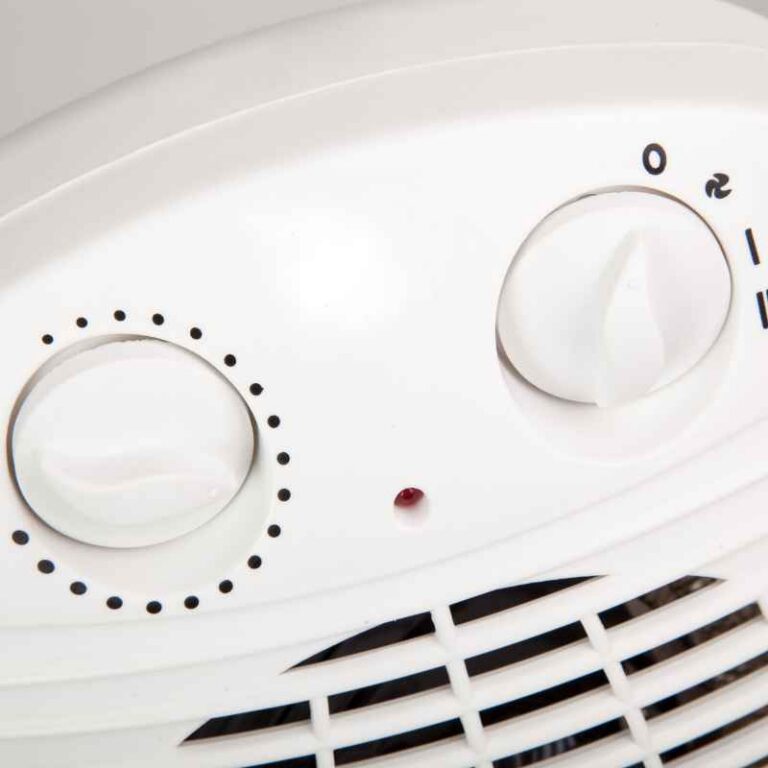
Many portable heaters have different heat settings. These settings often correspond to different wattage levels. For example, a heater might have a low setting of 750 watts and a high setting of 1500 watts.
Some even have a “fan only” setting that uses very little power, just to circulate air. When you pick a setting, you’re telling the heater how much power it can draw. It’s a simple way to control the heat output and, in turn, the energy use.
Being aware of these settings helps you make better choices for your comfort and your wallet.
My Own Brush with Heater Wattage Worries
I remember one particularly chilly November a few years back. My old house had a basement that felt like an icebox, even with the main heating on. I decided to get a portable electric heater to make my little basement office usable.
I bought what seemed like a good, powerful model, something with a high wattage. I plugged it in, set it to high, and felt the warmth almost instantly. It was amazing!
For the first few days, I was so happy. Then, my electricity bill arrived.
My jaw dropped. It was significantly higher than usual. Panic set in.
I started going through every appliance, every light, trying to figure out what was costing me so much. I hadn’t changed any habits other than using that new heater. That’s when it hit me.
I’d been running that 1500-watt heater for 8-10 hours a day in my office. I felt a knot of worry in my stomach. Was I going to have to choose between being warm and being able to pay my bills?
It felt like a serious dilemma.
I ended up doing a lot of research, just like you might be doing now. I learned about how wattage translates directly to energy use and cost. I realized that while the heater was effective, its high power draw was the culprit behind that shocking bill.
I started experimenting with lower settings and using a timer. It took some trial and error, but I eventually found a balance. I learned that just because a heater has a high wattage doesn’t mean you always need to use it at its maximum.
This experience taught me a valuable lesson about managing energy consumption and making informed choices about portable heaters.
Portable Heater Wattage Explained
What is Wattage?
Wattage (W) is a unit of power. It shows how much energy a device uses each second. For heaters, it tells you how fast they convert electricity into heat.
Typical Wattage Ranges
- Small personal heaters: 300-750W
- Standard portable electric heaters: 750-1500W
- High-power space heaters: 1500W+
Why It Matters
Higher wattage means more heat but also higher electricity costs. Using a 1500W heater for one hour costs about twice as much as a 750W heater for the same time.
Types of Portable Heaters and Their Power Needs
Not all portable heaters are created equal. The type of heater you choose makes a big difference in how much power it uses. Understanding these differences can help you pick the most energy-efficient option for your needs.
Each type works a bit differently to produce heat, and this affects its energy consumption.
Convection Heaters: These are common and often look like radiators. They heat a room by circulating warm air. They draw in cool air, heat it, and then push the warm air out.
They tend to be quiet and provide steady, even heat. Because they heat the air, they can take a little longer to warm up a space. Most convection heaters have wattages in the 750W to 1500W range.
Some models have adjustable thermostats, which means they cycle on and off to maintain a set temperature. This can save energy compared to a heater that runs constantly.
Ceramic Heaters: These are very popular. They use a ceramic plate with a heating element inside. A fan blows air over the hot ceramic, distributing the warmth.
Ceramic heaters are known for being quick to heat up a small area. They are usually quite portable and have safety features like tip-over protection. Their wattage typically ranges from 750W to 1500W.
Like convection heaters, many have adjustable settings and thermostats. Their fast heating capability can be good if you only need to warm a space for a short time.
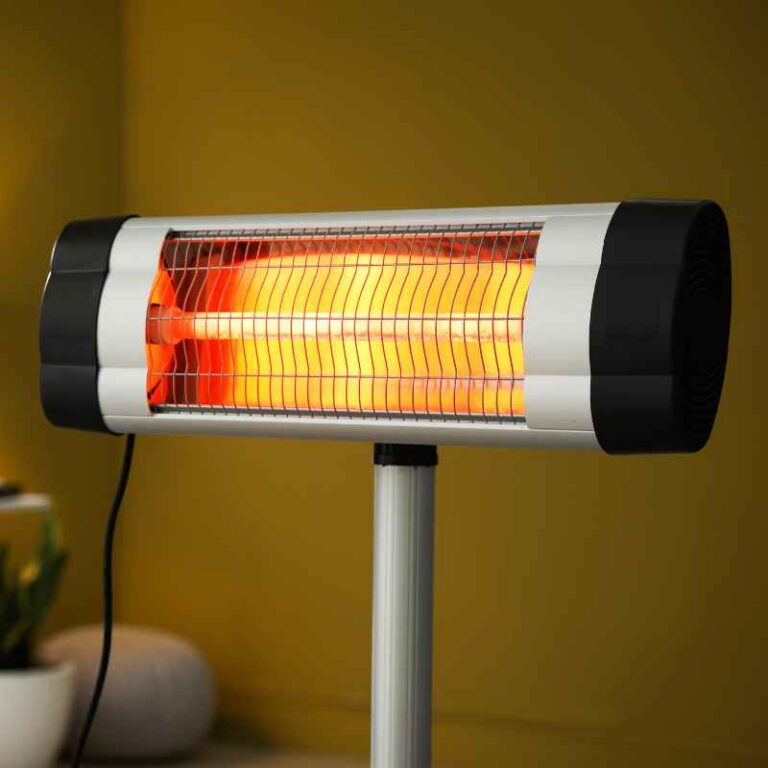
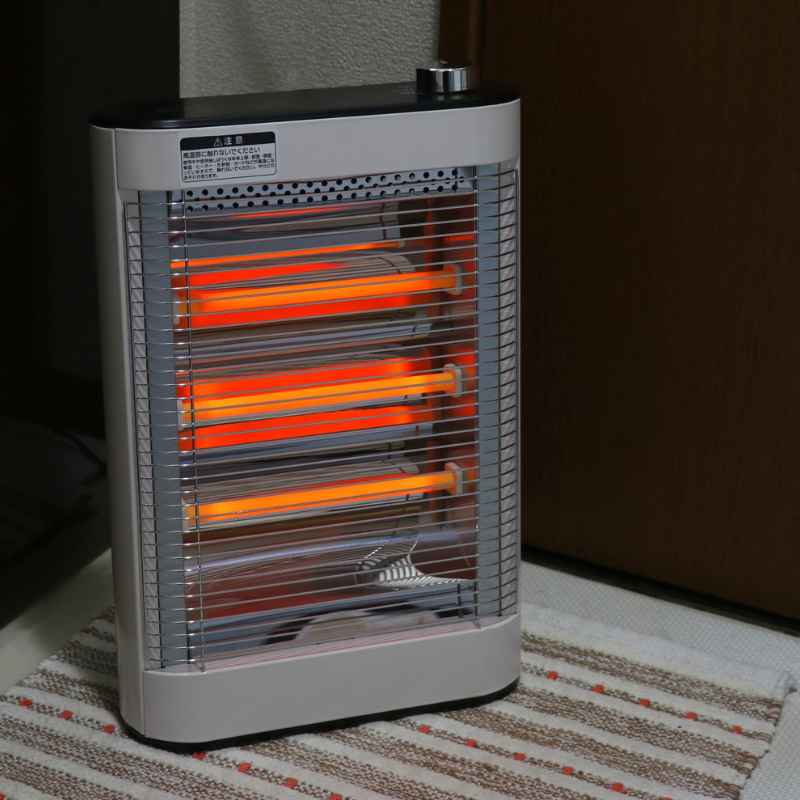
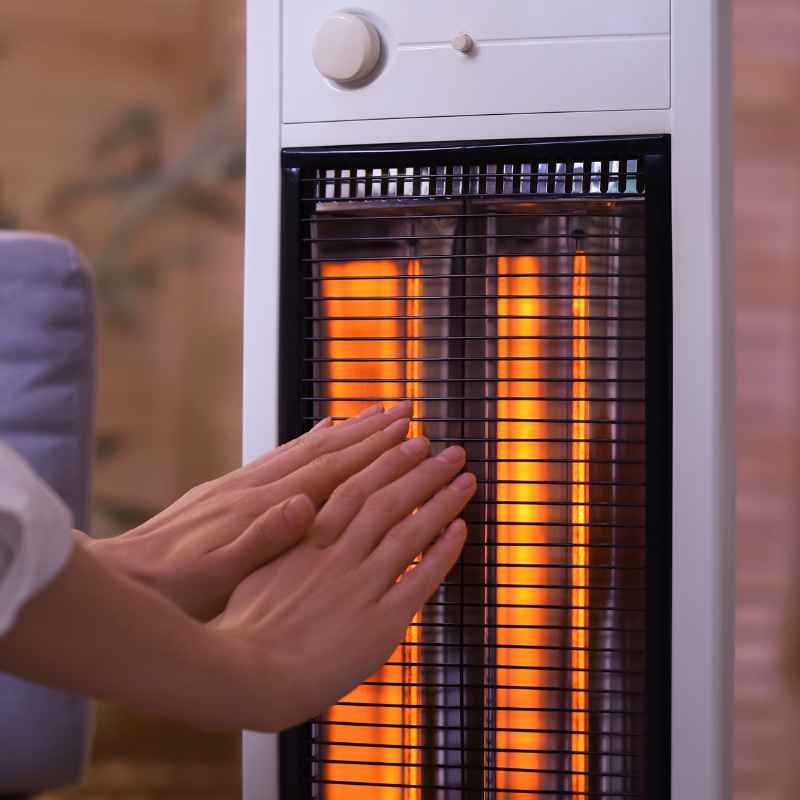
Infrared Heaters: These heaters work differently. Instead of heating the air, they emit infrared radiation. This radiation warms objects and people directly in its path, much like the sun.
They are very energy-efficient for spot heating because they don’t waste energy heating the air in an entire room. You feel warm almost instantly. They are often found in wattages from 400W to 1500W.
Some larger patio infrared heaters can use more. Because they heat you directly, you might feel warm enough with a lower wattage than you would with other types.
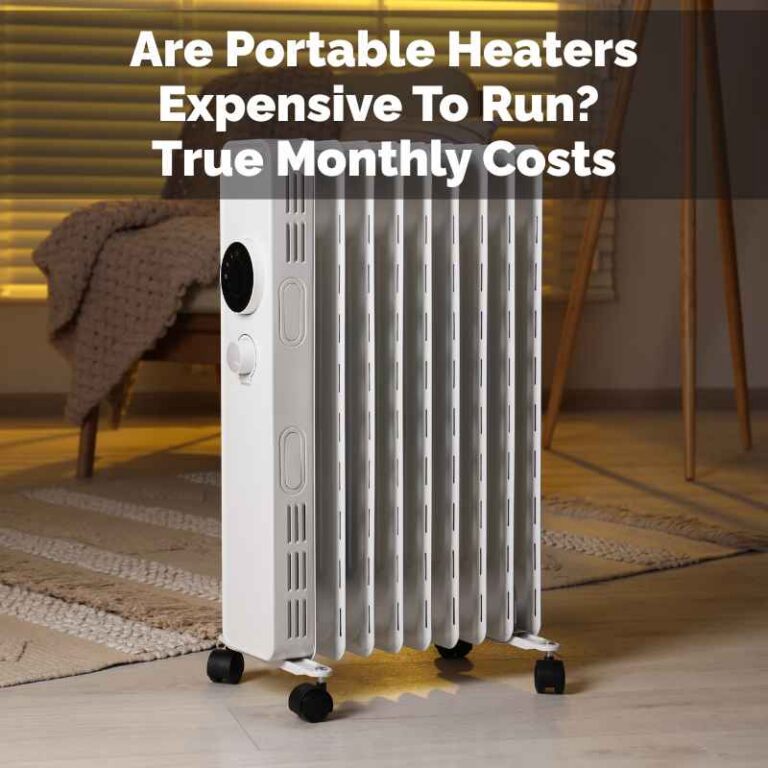
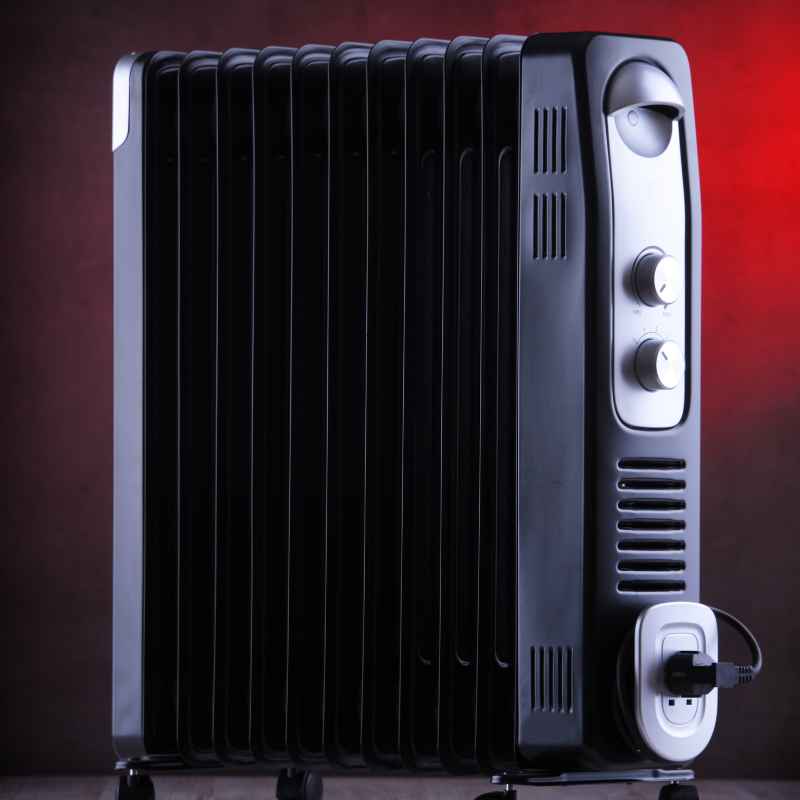
Oil-Filled Radiator Heaters: These are essentially a type of convection heater. They have sealed metal fins filled with diathermic oil. The heating element warms the oil, which then heats the metal fins.
The fins then heat the air around them, creating convection. They are very quiet and provide a steady, gentle heat. They take longer to heat up a room, but they also retain heat longer after being turned off.
Their wattages are typically in the 750W to 1500W range. They are good for maintaining a consistent temperature in a room overnight.
Fan Heaters (or Coil Heaters): These are some of the simplest and often cheapest portable heaters. They have an exposed heating coil, and a fan blows air directly over it. They heat up very quickly and can warm a small space fast.
However, they can be noisy due to the fan. The heating elements can also get very hot and present a fire hazard if not used carefully. Their wattages are usually between 750W and 1500W.
They are best for short-term use in small areas.
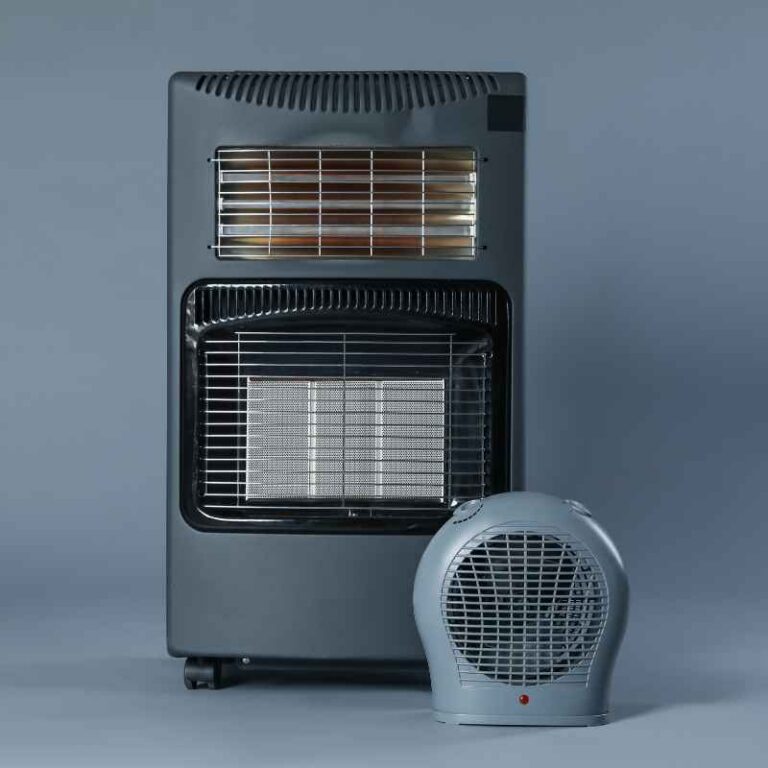
It’s also worth mentioning that some heaters combine technologies. For example, you might find a ceramic heater with multiple heat settings and a powerful fan. The key is to look at the wattage.
A 1500W heater will always use more energy than a 750W heater when both are set to their highest settings. But the type of heat and how quickly it works can influence how long you need to run it, which ultimately affects total energy use.
Heater Types at a Glance
Ceramic: Quick, fan-blown heat over a hot plate. Good for small rooms. Often 750-1500W.
Convection: Heats air, circulates it. Good for steady, even warmth. Often 750-1500W.
Infrared: Heats objects and people directly. Energy-efficient for spot heating. Wattage varies, often 400-1500W.
Oil-Filled Radiator: Slow, steady, quiet heat. Good for overnight. Often 750-1500W.
Fan/Coil: Basic, fast heat with exposed elements. Can be noisy. Often 750-1500W.
How Wattage Translates to Energy Bills
Understanding wattage is the first step. The next is seeing how that wattage impacts your actual electricity bill. This is where the real-world cost comes into play.
It’s not just the number on the heater; it’s how long that number is active.
The basic formula to calculate energy usage is: Wattage (W) × Hours of Use (h) = Watt-hours (Wh). Since electricity is billed in kilowatt-hours (kWh), you’ll want to convert Wh to kWh. One kilowatt (kW) is 1000 watts.
So, you divide your Watt-hours by 1000 to get kilowatt-hours.
Let’s take an example. You have a 1500-watt heater. You run it for 4 hours in a day.
1500W × 4h = 6000 Wh. Now, convert to kWh: 6000 Wh / 1000 = 6 kWh.
To figure out the cost, you need to know your local electricity rate. This rate is usually given in dollars per kWh. For example, let’s say your rate is $0.15 per kWh.
Cost = Energy Used (kWh) × Rate ($/kWh)
Cost = 6 kWh × $0.15/kWh = $0.90.
So, running that 1500W heater for 4 hours would cost you $0.90. If you run it every day for a month (30 days), the cost would be:
$0.90/day × 30 days = $27.00.
Now, let’s compare that to a smaller, 750-watt heater, running for the same 4 hours a day for 30 days, at the same electricity rate.
750W × 4h = 3000 Wh
3000 Wh / 1000 = 3 kWh
3 kWh × $0.15/kWh = $0.45 per day
$0.45/day × 30 days = $13.50 per month.
You can see a significant difference here. The 1500W heater costs almost double the 750W heater for the same amount of time. This is why choosing the right wattage and being mindful of usage time is so important for managing your energy costs.
It’s not just about the initial purchase price of the heater; it’s about the ongoing cost of running it.
Many portable heaters have multiple settings. A common setup is a 750W setting and a 1500W setting. Some might have a lower “eco” setting or just a fan.
Using the lower setting when possible can save a lot of money. For instance, if you just need to take the chill off a small room, 750W might be perfectly sufficient. You might not need to push it to the full 1500W, especially if you plan to run it for several hours.
Thermostats also play a role. A heater with a thermostat will cycle on and off to maintain a desired temperature. This is much more energy-efficient than a heater that runs at full blast all the time.
When the room reaches the set temperature, the heater turns off, saving power. When it cools down, it turns back on. This constant cycling means it doesn’t use its maximum wattage constantly.
This is a big reason why a thermostatically controlled heater, even at 1500W, can be more efficient over time than a simple “on/off” heater.
It’s also important to consider your local electricity rates. These can vary wildly. Some areas have much higher electricity costs than others.
In areas with high rates, even a small difference in wattage or usage time can lead to a noticeable increase in your bill. Checking your utility bill or the utility company’s website can tell you what your rate is. Knowing this number empowers you to make more accurate calculations about heater costs.
Cost Calculation Example
Heater: 1500 Watts
Usage: 5 hours per day
Electricity Rate: $0.12 per kWh
Calculation:
1. Watts to Kilowatts: 1500W / 1000 = 1.5 kW
2. Energy per day: 1.5 kW × 5 hours = 7.5 kWh
3. Cost per day: 7.5 kWh × $0.12/kWh = $0.90
4. Cost per month (30 days): $0.90 × 30 = $27.00
Factors Affecting Actual Power Consumption
While the wattage rating on a heater is a good starting point, several other factors can influence how much power it actually uses. It’s not always a simple case of “plug it in, it uses X watts.” Real-world conditions matter.
Thermostat Settings: As mentioned before, a thermostat is a big energy saver. If your heater has a thermostat, it won’t run at its full wattage all the time. It will cycle on and off.
The higher you set the thermostat, the longer it will run to reach and maintain that temperature. A lower setting means less run time and less power consumption. If you only need a mild warmth, setting the thermostat lower is crucial.
Room Size and Insulation: A small, well-insulated room will heat up faster and retain heat better than a large, drafty one. A 1500W heater might struggle to warm a large living room but could overheat a small bathroom quickly. In a larger space, the heater might need to run more often or at a higher setting to achieve the desired temperature.
Poor insulation means heat escapes easily, forcing the heater to work harder and consume more power to compensate.
Ambient Temperature: The starting temperature of the room makes a difference. If it’s already 60°F, a heater will reach 70°F faster than if the room is 40°F. The bigger the temperature difference the heater needs to create, the longer it will run and the more power it will use.
This is especially true when you first turn the heater on.
Drafts and Air Leaks: Open windows, poorly sealed doors, or cracks can let cold air in and warm air out. This makes your heater work overtime. Even a small draft can significantly increase energy consumption.
It’s like trying to fill a leaky bucket; you keep pouring water in, but it never gets full. Sealing up these drafts can make your heater much more efficient.
Ceiling Height: In rooms with very high ceilings, heat tends to rise and collect at the top. This means the air at floor level, where you are, might not feel as warm. The heater might have to run longer to warm the entire volume of air, or you might feel cold even though the heater is working hard.
This is why spot heating with infrared heaters can be effective in large spaces with high ceilings.
Heat Settings: Most heaters have multiple heat settings (e.g., low, medium, high). These settings directly correspond to different wattage outputs. Using the lowest effective setting is the most energy-conscious choice.
If a low setting gets you comfortable, stick with it. Don’t automatically switch to high.
Fan Speed: Some heaters allow you to adjust the fan speed. A higher fan speed often means the heat is distributed more quickly, but it might also draw slightly more power from the fan motor itself, in addition to the heating element. However, the primary power draw is always from the heating element.
Usage Patterns: How often and for how long you use the heater is the biggest factor. Using a heater for an hour here and there to take the edge off is very different from running it all day. Smart usage, like turning it off when you leave the room or when the desired temperature is reached, makes a significant difference.
Understanding these variables helps you use your portable heater more effectively. It’s not just about the watts; it’s about managing the entire environment and your usage habits to get the most warmth for your money.
Quick Scan: Energy Savers
Thermostat Use: Set it and forget it, letting it cycle. Lower settings save more.
Room Insulation: Seal drafts around windows and doors.
Targeted Heating: Use heaters where needed, not everywhere.
Appropriate Wattage: Match heater size to room size.
Timer Use: Set heaters to turn off automatically.
When is a High Wattage Heater Worth It?
So, we know that high wattage means high power use. But are there times when that extra power is actually beneficial? Absolutely.
It really depends on your specific needs and what you’re trying to achieve.
Rapid Heating Needs: If you have a room that’s freezing and you need to warm it up very quickly, a higher wattage heater is your best bet. For example, if you’re about to use a cold garage for a short project, or if a basement room drops drastically in temperature before you can get to it. A 1500W heater will get that space comfortable much faster than a 750W model.
This can be useful if you only need heat for a limited time.
Larger Spaces: For heating larger rooms or open-plan areas, a higher wattage heater might be necessary to provide adequate warmth. A lower wattage heater might simply not be powerful enough to overcome the sheer volume of air. In such cases, a 1500W heater might actually be more efficient in the long run because it can heat the space effectively without running constantly at its maximum capacity for an extended period.
A smaller heater might struggle and run non-stop without ever reaching a comfortable temperature.
Very Cold Climates: In regions with extremely cold winters, the ambient temperature might be so low that standard heaters struggle. A higher wattage unit can provide the extra boost needed to combat severe cold. However, even in cold climates, it’s wise to combine this with good insulation to prevent heat loss.
Specific Applications: Sometimes, portable heaters are used for specific tasks beyond just general room warming. For instance, drying a damp area quickly or providing supplemental heat for a specific workstation. In these scenarios, the need for rapid, intense heat can justify a higher wattage.
However, always ensure the heater is rated for the task and used safely.
Energy Cost vs. Time Saved: There’s a trade-off. A high-wattage heater costs more to run per hour.
But if it heats the space so much faster that you can turn it off sooner, the total energy consumed and the total cost might be comparable or even less than using a lower-wattage heater that runs for much longer. This is where the thermostat and your personal usage habits become critical. If you use a high-wattage heater and leave it on unnecessarily, you’ll pay for it.
But if you use it for a burst of heat and then turn it off, it can be efficient.
It’s important to remember that for typical residential rooms, a 1500W heater is often the maximum that standard household circuits can safely handle. Many portable heaters are designed to run at 750W and 1500W. Some might have an auto setting that balances power and output.
Always check the electrical requirements for your home’s circuits before plugging in high-wattage appliances.
Ultimately, whether a high-wattage heater is “worth it” depends on your priorities. If speed and power are paramount, and you are mindful of usage, then yes, it can be a valuable tool. If your primary concern is minimizing energy costs above all else, you might lean towards lower-wattage models or more energy-efficient heating methods.
Tips for Energy-Efficient Portable Heater Use
You’ve got your portable heater, and you understand its wattage. Now, how do you use it without making your electric bill spike? Here are some practical tips that have helped me and many others stay warm and save money.
1. Choose the Right Heater for the Space: Don’t use a powerful 1500W heater in a tiny bathroom. A smaller, lower-wattage heater (around 750W) might be perfect.
Conversely, a weak heater in a large living room will struggle and run constantly. Match the heater’s power to the room’s size and your heating needs.
2. Use a Thermostat: If your heater has a thermostat, use it! Set it to the lowest comfortable temperature.
Let the heater cycle on and off. This is far more efficient than a heater that runs at full power all the time. Avoid guessing; let the thermostat do the work.
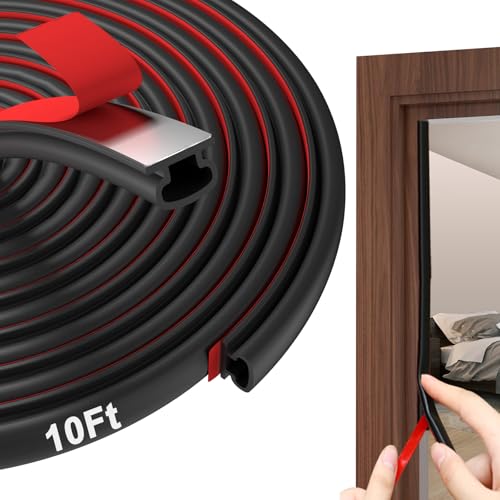
3. Seal Up Drafts: This is huge. Before you even turn on the heater, check for drafts around windows and doors.
Use weather stripping, caulk, or even thick towels to block cold air from getting in and warm air from escaping. A well-sealed room will hold heat much better.
4. Use It for Spot Heating: Portable heaters are best for heating a specific area where you are, not the whole house. If you’re sitting at your desk, focus the heater there.
If you’re watching TV in a corner of the living room, aim it towards that area. Don’t try to heat an empty room.
5. Turn It Off When Not Needed: This sounds obvious, but it’s easy to forget. Get into the habit of turning off the heater when you leave the room, go to bed, or when the room reaches a comfortable temperature.
Consider using a timer if your heater has one, or plug it into an external outlet timer.
6. Use Lower Settings: If your heater has multiple heat settings, try the lowest one first. Many people automatically use high.
If 750W is enough to keep you comfortable, why use 1500W? Save the higher settings for when you really need them.
7. Keep Doors Closed: If you are heating a specific room, keep its door closed to trap the heat inside. Don’t let the warm air escape into cooler parts of the house.
8. Consider Insulation: While not a direct heater tip, improving your home’s insulation can make any heating method, including portable heaters, more effective and efficient. Check for drafts in walls or attics if you have persistent cold spots.
9. Regular Maintenance: Keep your heater clean. Dust can build up on heating elements and fans, making them less efficient.
Refer to your manual for cleaning instructions.
10. Infrared for Direct Warmth: If you find yourself always feeling cold even when the air is warm, an infrared heater might be more efficient for you. It heats you directly, so you feel warmer without necessarily needing to heat the entire room as intensely.
By applying these tips, you can enjoy the comfort of a portable heater without the dread of an unexpectedly high electricity bill. It’s about being smart with how you use the energy you’re consuming.
Top 5 Energy-Saving Heater Tips
- Seal Drafts: Stop cold air from entering.
- Use the Thermostat: Let it manage temperature and cycling.
- Lower Settings: Use the lowest effective heat level.
- Targeted Heating: Heat only the space you’re in.
- Turn Off When Away: Don’t heat an empty room.
What to Look for When Buying a Portable Heater
When you’re out shopping for a portable heater, it’s easy to get overwhelmed by all the choices. Beyond just price and looks, there are key features that can make a big difference in performance, safety, and energy efficiency. Here’s what I look for, and what you should too.
1. Wattage and Heat Settings: As we’ve discussed, wattage is crucial. Look for heaters with adjustable settings.
A 1500W heater with a 750W option is more versatile than one that only runs at full power. Consider the size of the room you want to heat. A general rule of thumb is 10 watts per square foot for basic heating.
So, for a 150 sq ft room, you’d need around 1500W.
2. Thermostat Control: This is a must-have for energy efficiency. A heater with a built-in thermostat will automatically turn off when the desired temperature is reached, saving energy and preventing overheating.
Look for models with precise temperature settings rather than just “low,” “medium,” “high.”
3. Safety Features: This is non-negotiable. Tip-Over Protection: This feature automatically shuts off the heater if it’s accidentally knocked over, preventing fires.
Overheat Protection: This shuts down the heater if internal components get too hot. * Cool-Touch Exterior: Some heaters have exteriors that stay relatively cool, reducing the risk of burns, especially important if you have kids or pets.
4. Type of Heater: Consider which type best suits your needs. Ceramic heaters offer quick, localized heat.
Convection heaters provide steady, whole-room warmth. Infrared heaters are great for direct, energy-efficient spot heating. Oil-filled radiators are quiet and good for overnight use.
5. Fan Noise Level: If you plan to use the heater in a bedroom or office, fan noise can be a major annoyance. Check reviews or product specifications for noise levels, often measured in decibels (dB).
Oil-filled radiators are typically the quietest.
6. Cord Length and Durability: A sufficiently long power cord gives you flexibility in placement. Ensure the cord feels durable and well-made.
Avoid using extension cords if possible, especially with high-wattage heaters, as they can be a fire hazard.
7. Ease of Use and Portability: Does it have an easy-to-understand control panel? Is it lightweight enough to move around?
Does it have a handle? These small details matter for everyday convenience.
8. Energy Efficiency Certifications: While not always common for portable heaters, look for Energy Star ratings or any mentions of energy-saving technologies. Always read the product manual for specific energy consumption details.
9. User Reviews: Before buying, check online reviews. Real users often share valuable insights about a heater’s performance, durability, and actual energy consumption.
Look for patterns in complaints or praise.
By focusing on these features, you can find a portable heater that is not only effective at keeping you warm but also safe and reasonably efficient. It’s about making an informed choice that fits your budget and your home.
Frequently Asked Questions About Portable Heater Wattage
What is the typical wattage of a standard portable electric heater?
Most standard portable electric heaters have a wattage between 750 watts (W) and 1500 watts (W). Many models offer adjustable settings, allowing you to choose between a lower power output (like 750W) and a higher output (like 1500W) for faster heating.
How much does a 1500-watt heater cost to run per hour?
The cost depends on your local electricity rate. If your rate is $0.15 per kilowatt-hour (kWh), a 1500W heater running for one hour uses 1.5 kWh. So, the cost would be 1.5 kWh * $0.15/kWh = $0.225 per hour.
Always check your specific electricity rate for an accurate calculation.
Can a portable heater overload household circuits?
Yes, a portable heater can overload household circuits, especially if it has a high wattage (like 1500W). Standard household circuits are often rated for 15 amps, which at 120 volts can handle about 1800 watts. Plugging in a 1500W heater and other high-draw appliances on the same circuit simultaneously can trip the breaker.
It’s best to plug high-wattage heaters into circuits that aren’t heavily loaded.
Is a lower wattage heater always more energy-efficient?
Not necessarily. A lower wattage heater uses less power per hour, but it also produces less heat. If a smaller room requires a certain amount of heat, a lower wattage heater might need to run for much longer to achieve and maintain the desired temperature, potentially using as much or more energy overall than a higher wattage heater used efficiently for shorter periods.
What is the difference between watts and BTUs for heaters?
Watts (W) measure the electrical power a heater uses. British Thermal Units (BTUs) measure the heat output produced by the heater. Generally, 1 watt is equivalent to about 3.41 BTUs.
Higher wattage usually means higher BTU output, indicating a more powerful heating capacity.
Should I use a timer with my portable heater to save energy?
Yes, using a timer is an excellent way to save energy. You can set the heater to turn on shortly before you need it and turn off automatically after a set period, ensuring you don’t waste electricity heating an empty room or when you’re asleep. Many heaters have built-in timers, or you can use an external outlet timer.
Are infrared heaters more energy-efficient than ceramic heaters?
Infrared heaters can be more energy-efficient for spot heating because they warm objects and people directly, rather than heating the air. This means you feel warm more quickly, and you might be able to use a lower-wattage infrared heater for comfort compared to a ceramic heater that heats the air. However, for heating an entire room evenly, other types might be more suitable.
Final Thoughts on Heater Power
Keeping warm during colder months is essential for comfort. Portable heaters offer a convenient way to do just that. Understanding their wattage is a critical part of using them wisely.
You’ve learned that wattage directly impacts how much power a heater uses and, consequently, how much it costs to run. By choosing the right type of heater, being mindful of its settings, and employing smart usage habits, you can enjoy a cozy environment without the shock of an exorbitant electricity bill.
Sponsored / affiliate links. As an Amazon Associate I earn from qualifying purchases. I may earn additional commission from eligible campaigns.