Are Portable Heaters Expensive To Run? True Monthly Costs
It’s that time of year. The cold creeps in, and you start thinking about warmth. You might have a room that’s always a bit cooler.
Or maybe your main heating system just doesn’t quite reach everywhere. That’s where portable heaters come in. They seem like a simple fix, right?
Just plug one in and enjoy the cozy heat. But then that little voice in your head starts to whisper: “Are these things going to cost me a fortune?” It’s a common worry, and it’s totally understandable. Nobody wants a surprise bill that makes their eyes water.
We’re going to break down the real costs of running portable heaters so you can make smart choices.
Portable heaters can vary widely in their running costs. While they offer convenient spot heating, their expense depends heavily on the unit’s wattage, how long it’s used, your local electricity rates, and the heater’s efficiency. Some types are more cost-effective for small spaces, while others can become quite pricey for continuous use. Understanding these factors is key to managing your energy bills.
Understanding Portable Heater Costs
So, let’s get right into it. When we talk about a portable heater, we’re usually talking about a unit that plugs into a standard wall outlet. They come in many shapes and sizes.
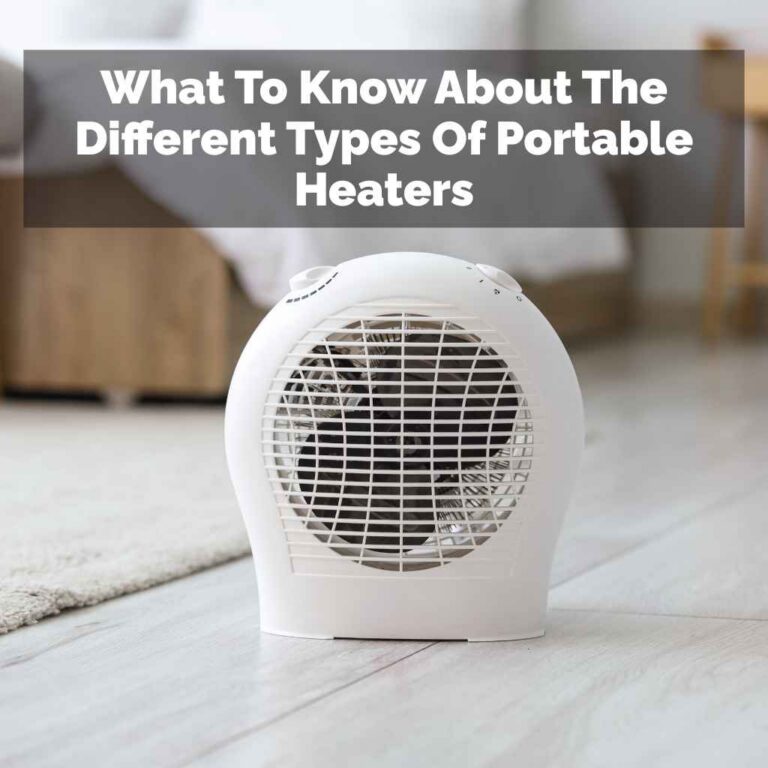
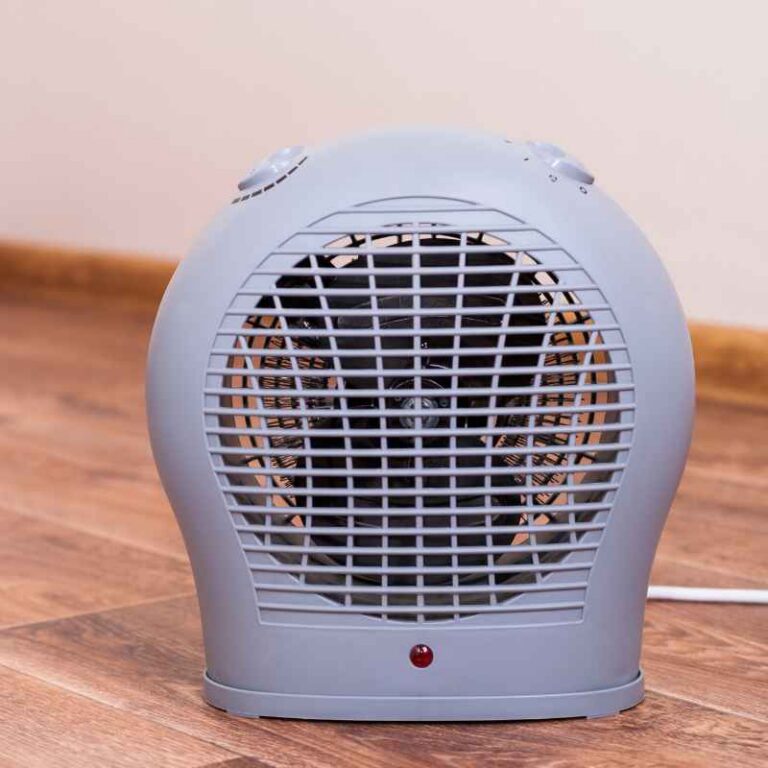
You’ve got the little ceramic ones that look like mini towers. There are oil-filled radiators that look more like old-school radiators. And then there are the fan-forced ones that push warm air out.
Each type works a bit differently, and that affects how much power they use. Power usage is the big driver of cost.
The main thing to look at is the wattage of the heater. Wattage is a measure of how much energy a device uses. A higher wattage means the heater uses more electricity.
For example, a small 750-watt heater uses less power than a 1500-watt heater. Most common portable heaters are around 1500 watts. This is often the maximum most standard home circuits can safely handle.
Higher wattage often means more heat, but it also means a bigger hit to your wallet if you run it for a long time.
Then there’s the matter of electricity rates. This isn’t the same everywhere. Your local utility company charges a certain amount for each kilowatt-hour (kWh) of electricity you use.
This rate can change based on where you live. Some areas have very cheap electricity. Others have much higher rates.
This rate is crucial for figuring out the actual cost.
Efficiency also plays a part. Some heaters are better at turning electricity into usable heat than others. Modern designs often try to maximize heat output while using the least amount of power.
However, for the most part, electric resistance heaters (which most portable heaters are) are nearly 100% efficient at converting electricity to heat. The challenge isn’t efficiency of conversion, but the overall cost of that electricity and how much you use.
Think of it like this: If you have two cars, one that gets 20 miles per gallon and one that gets 40 miles per gallon, the second car is more efficient. For heaters, it’s a bit different. They all turn electricity into heat.
The difference is how much electricity they need to do the job, and how long you keep them running to achieve the desired warmth.
My Own Portable Heater Wake-Up Call
I remember one particularly chilly November a few years back. My home office, tucked away in a corner of the house, felt like an ice box. The main thermostat was set to a reasonable temperature, but that room just never seemed to get warm enough.
I decided a portable heater was the perfect solution. I picked out a nice, sleek ceramic tower heater. It looked modern and had a digital thermostat.
Perfect, I thought. I’ll just set it to a cozy 72 degrees and be done with it.
For the first few days, it was heaven. I was so comfortable working. I could finally focus without my fingers going numb.
I ran it for about 6 to 8 hours a day. I didn’t even think about the cost. Why would I?
It was just a small heater. Then, the electricity bill arrived. I nearly dropped it.
It was significantly higher than the previous month. Way higher. I stared at it, completely baffled.
What could have possibly caused this jump?
I went through all the usual suspects: did I leave lights on? Did the kids use more electronics? Then it hit me.
The heater. I had been running it constantly. I started doing some quick math, looking up my electricity rate and the wattage of my heater.
It turns out that 1500-watt heater, running for 8 hours a day at my electricity rate, was adding a substantial amount to my bill each week. I felt a bit foolish, but also relieved to have found the culprit. It was a good lesson in understanding the real impact of our home appliances.
How Wattage and Electricity Rates Add Up
Let’s get into the numbers. This is where things get real. We need two main things: the heater’s wattage and your electricity rate.
You can usually find the wattage on a sticker on the heater itself, or in its manual. For your electricity rate, check your utility bill. It’s usually listed in dollars per kilowatt-hour ($/kWh).
Here’s a simple formula to figure out the cost per hour:
(Wattage / 1000) * Electricity Rate ($/kWh) = Cost per Hour
Let’s use an example. Say your heater is 1500 watts. Your electricity rate is $0.15 per kWh.
(1500 / 1000) $0.15 = 1.5 $0.15 = $0.225 per hour
So, running a 1500-watt heater for one hour costs about 22.5 cents. That doesn’t seem too bad. But here’s where it adds up:
Cost Over Time: The Real Sticker Shock
Daily Use: If you run that heater for 8 hours a day:
$0.225/hour * 8 hours/day = $1.80 per day
Monthly Use: For 30 days in a month:
$1.80/day * 30 days/month = $54.00 per month
This is just for ONE heater in ONE room! If you use multiple heaters, or run them for longer, the cost can climb very quickly.
Now, what if your electricity rate is higher? If your rate is $0.30 per kWh (which is common in some areas):
(1500 / 1000) $0.30 = 1.5 $0.30 = $0.45 per hour
Running that same heater for 8 hours a day now costs:
$0.45/hour * 8 hours/day = $3.60 per day
And for 30 days:
$3.60/day * 30 days/month = $108.00 per month
See how much of a difference the electricity rate makes? It’s a huge factor.
Lower wattage heaters will cost less. A 750-watt heater at $0.15/kWh would cost about $0.11 per hour. Over 8 hours a day, that’s about $0.88 per day, or $26.40 per month.
So, if you only need a little bit of warmth in a small space, a lower wattage unit can be much cheaper to run.
Types of Portable Heaters and Their Costs
Not all portable heaters are created equal when it comes to running costs. The type of heater can influence how efficiently it warms a space and how much energy it consumes to do so.
Heater Types at a Glance
Ceramic Heaters: These use a ceramic plate and a fan. They heat up quickly and are good for small to medium rooms. They use around 750-1500 watts.
They are generally efficient for their size but can increase bills if run constantly.
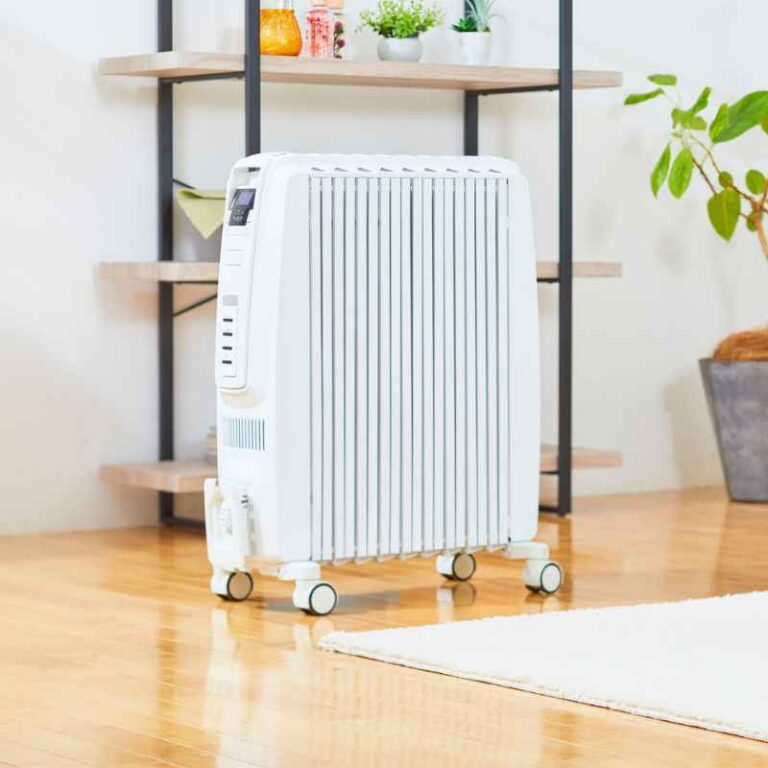
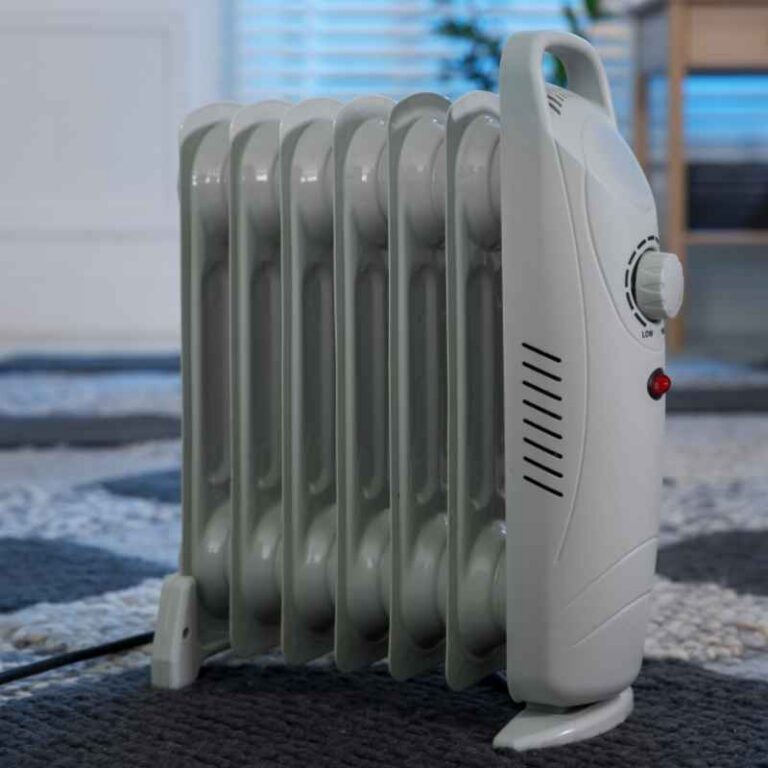
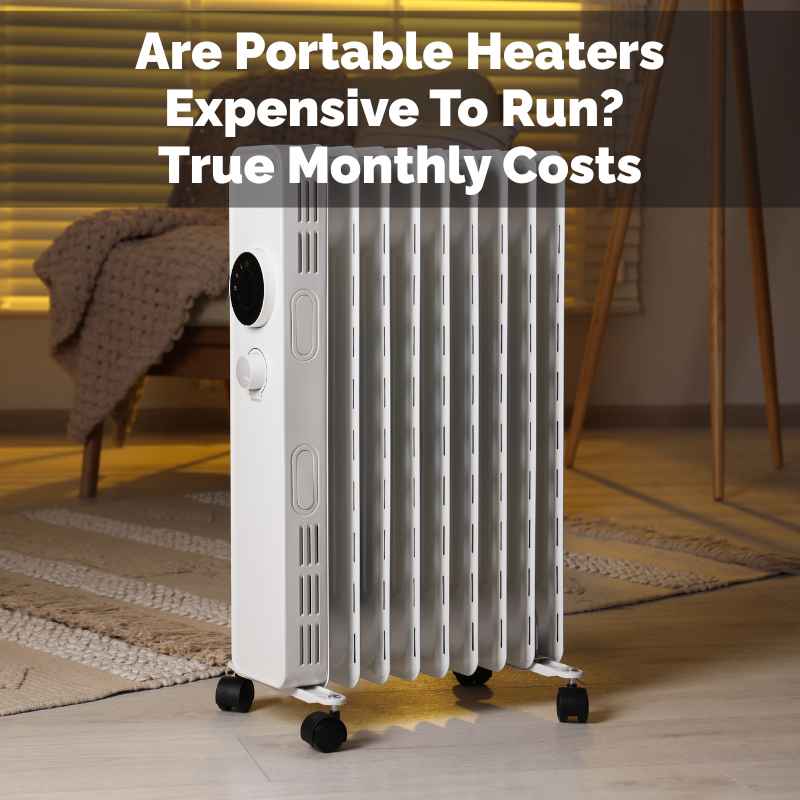
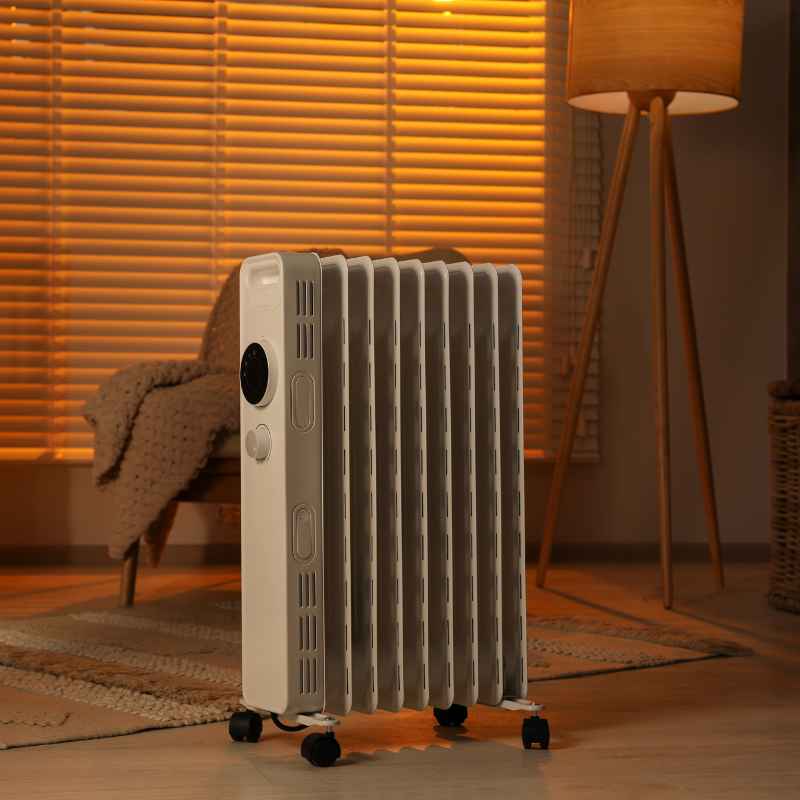
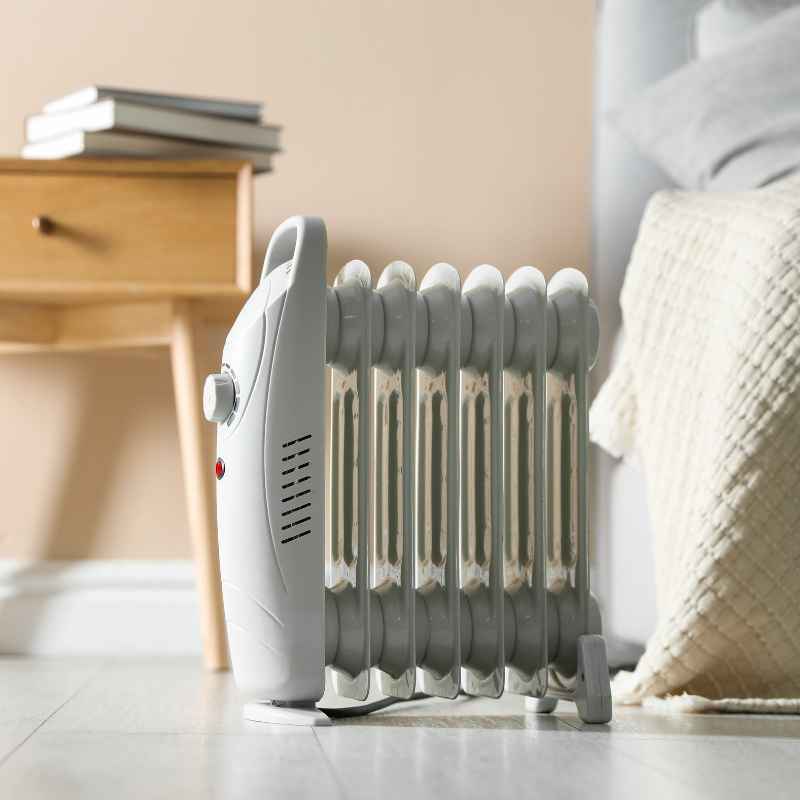
Oil-Filled Radiators: These look like traditional radiators. They heat oil inside, which then radiates heat. They warm up slowly but provide a steady, even heat.
They typically use 1000-1500 watts and are good for continuous, gentle warmth.
Infrared Heaters: These don’t heat the air directly. Instead, they emit infrared radiation that heats objects and people in their path. They can feel warm quickly without needing to heat up a whole room.
They often use 1000-1500 watts and can be cost-effective if used for personal heating.
Convection Heaters: These heat the air directly and circulate it. They can be effective for warming an entire room but take longer to heat up. They also typically use 1500 watts.
While all electric resistance heaters are close to 100% efficient at converting electricity to heat, their perceived cost-effectiveness can differ. For example, an infrared heater might feel like it’s cheaper to run because you feel the heat almost instantly, allowing you to turn it off sooner than a convection heater that needs time to warm the air.
Oil-filled radiators are great for maintaining a consistent temperature without cycling on and off as much. This consistent heat can sometimes feel more comfortable, and the lack of intense cycling might lead to slightly more stable energy draw. However, the total energy used over time will still depend on the wattage and run time.
The most important takeaway is that if a heater has a high wattage (like 1500 watts), it will draw a lot of power. If you need to run it for many hours, the cost will be high, regardless of the specific type, unless you are comparing it to a much lower wattage unit.
Factors That Make Portable Heaters Seem Expensive
Beyond the basic wattage and electricity rates, several other things can make your portable heater usage feel more expensive than you expected.
Hidden Cost Drivers
Run Time: This is the biggest factor. The longer you leave a heater on, the more it costs. Using it to supplement your main heat, or only for short periods, is much cheaper than relying on it all day.
Thermostat Settings: Every degree you set higher means the heater runs longer and uses more energy. Overheating a room quickly drives up costs.
Room Size & Insulation: A large, uninsulated room will lose heat quickly. The heater will have to work much harder, and run for longer, to maintain the set temperature. This makes it much more expensive to heat than a small, well-insulated space.
Drafts & Leaks: Cold air seeping in through windows, doors, or cracks means your heater is constantly battling the outside temperature. Sealing these up can save a lot of energy.
Zoning vs. Whole House: Portable heaters are best for ‘zoning’ – heating only the room you are currently in. If you try to use them to heat large parts of your house, the costs can become prohibitive very quickly compared to your central heating system.
I’ve seen people use portable heaters to try and warm up their entire living room when the central heating is off. They crank it up, hoping for quick warmth. But if that room has large windows or poor insulation, the heat just escapes.
The heater runs and runs, and the electricity bill climbs. It’s often more cost-effective to use your central heating at a slightly lower overall temperature, or to ensure your portable heater is only used in a small, contained space where it can actually do its job efficiently.
Think about using a portable heater to warm up your bedroom for a couple of hours before bed. That’s a very different scenario than using it to keep a basement workshop warm all winter long. The latter will almost certainly be more expensive.
When Are Portable Heaters Cost-Effective?
So, are they always expensive? Not necessarily. There are specific situations where portable heaters can be a smart and cost-effective choice.
Smart Uses for Portable Heaters
Targeted Spot Heating: Heating just one small area where you are sitting, like your desk or a reading chair. This is the most common and cost-effective use.
Supplementing Central Heat: If one room is consistently colder than others, a portable heater can boost the temperature in that specific room without having to crank up the thermostat for the whole house.
Heating Unused Rooms: Instead of heating your whole house, you can turn down the thermostat for unused areas and only heat the occupied room with a portable unit.
Temporary Heating Needs: During a furnace repair or a power outage where your main system is down, a portable heater can provide essential warmth for a short period.
Areas Without Central Heating: Garages, workshops, sunrooms, or basements that aren’t connected to your main heating system can be heated with portable units when needed.
The key is to use them as intended: for specific, limited areas and times. They are not usually designed to be a primary heat source for an entire home. If you’re relying on a portable heater to keep your whole 2000-square-foot house warm all winter, you are almost guaranteed to face very high electricity bills.
It’s like using a flashlight to light up your entire backyard instead of just the path in front of you. It’s not the right tool for that big a job.
I’ve had friends who’ve bought the cheapest, most powerful-looking heater they could find, thinking it would save them money by heating their whole basement. They were shocked when their bills doubled. They hadn’t considered that a basement, often uninsulated and large, needs constant heat input to stay warm, and a single portable unit just can’t keep up without running non-stop, which is expensive.
Maximizing Efficiency and Minimizing Costs
Want to use your portable heater without dreading the bill? Here’s how to be smart about it.
Tips for Cheaper Heating
1. Know Your Wattage: Choose the lowest wattage heater that will effectively warm your intended space. A 750W heater is better for a small office than a 1500W one.
2. Use Thermostats Wisely: Set the thermostat only as high as needed. Avoid setting it to maximum.
Consider a heater with a programmable timer so it only runs when you need it.
3. Seal Up the Room: Close doors to unused areas. Use draft stoppers under doors.
Make sure windows are sealed tightly. A well-sealed room holds heat much better.
4. Insulate When Possible: Adding a blanket to a nearby window or using heavy curtains can help keep heat in.
5. Use It for Short Periods: Turn the heater on to warm up a space before you enter, then turn it off or down. Use it to supplement, not replace, your main heat.
6. Consider Infrared: If you need personal warmth, infrared heaters can be efficient because they heat you directly, not the air.
7. Regular Maintenance: Keep the heater clean. Dust buildup can reduce efficiency slightly.
One of the biggest game-changers for me was really learning to seal up my home office. I put a thick rug at the bottom of the door and checked the window seals. It made a noticeable difference in how long the heater needed to run to keep the room comfortable.
It felt like I was getting more ‘bang for my buck’ from the electricity I was using.
Also, be realistic. If you’re trying to heat a large, open-plan living area with high ceilings and single-pane windows, a portable heater is going to struggle. You might need to accept that using your central heating system, even at a lower setting, is a more efficient way to keep that kind of space comfortable.
Portable heaters shine in smaller, contained environments.
Comparing Costs: Portable Heaters vs. Central Heating
This is a question many people wrestle with: is it cheaper to run a portable heater or my central heating? The answer is almost always that your central heating system, if properly maintained and used correctly, is more cost-effective for heating your entire home. But portable heaters have their place.
Central heating systems, whether they are furnaces or heat pumps, are designed to heat larger volumes of air and distribute it throughout your house. While they use energy, they often do so more efficiently for the overall job than multiple portable units or a single unit trying to do too much.
However, if your central heating system is old, inefficient, or if you only need to heat a very small, isolated area for a short time, a portable heater can indeed be cheaper for that specific task. For instance, heating a small bathroom for 15 minutes before a shower with a small portable heater might cost less than running your furnace for that same short burst.
Here’s a comparison based on common scenarios:
Cost Comparison Snapshot
Scenario 1: Heating a Small Home Office (8 hours/day)
Portable Heater (1500W, $0.15/kWh): ~$54.00/month
Central Heating (set to maintain temp): Could be $30 – $70+/month depending on insulation and system efficiency. If only heating this one room, portable might be cheaper.
Scenario 2: Heating a Whole House (e.g., 1800 sq ft, 12 hours/day)
Using Multiple Portable Heaters (e.g., three 1500W units): ~$162.00/month (for just one heater at $54/month * 3)
Central Heating: Might range from $100 – $250+/month. Central heating is typically more efficient and cost-effective for whole-house heating.
It’s important to consider the opportunity cost as well. If you’re using a portable heater to keep one room warm, you can likely turn down the thermostat for the rest of the house. This strategy, known as zone heating, is where portable heaters can save you money.
You’re essentially using less energy overall by only heating the spaces you actively use.
My neighbor, an older gentleman, used to keep his entire house quite warm all winter. He decided to try using a portable oil-filled radiator in his living room where he spent most of his time, and turned down the thermostat for the upstairs and unoccupied rooms. He told me his gas bill dropped significantly, even though his electricity bill went up a little.
It was a net saving for him, and he was still comfortable.
What to Look For When Buying for Cost-Effectiveness
If you’ve decided a portable heater is right for you, and you want to keep running costs down, here’s what to consider:
Buying Smart
Wattage: Look for lower wattage options if you only need to warm a small space (e.g., a desk area, a small bathroom). 750W or 1000W units are good for personal heating.
Thermostat and Timer: A built-in thermostat is essential. It allows the heater to cycle off when the desired temperature is reached, saving energy. A timer is also a huge plus for setting specific on/off times.
Energy Efficiency Ratings: While most electric resistance heaters are close to 100% efficient, some models may have features that help manage energy use better. Look for ENERGY STAR certified models if available, though this is more common for larger appliances.
Type of Heat: Infrared heaters can be cost-effective for direct personal warmth. Oil-filled radiators are good for steady, background heat in smaller rooms.
Safety Features: While not directly related to running cost, safety features like tip-over protection and overheat shut-off are crucial. A safer heater is one you’ll use correctly and not worry about.
When I was shopping for my first office heater, I ignored the ones with timers and thermostats. I just wanted something cheap and powerful. That was a mistake.
I ended up paying for it with higher bills. Now, I always look for those features. They might add a few dollars to the initial purchase price, but they save you much more in the long run.
It’s also worth noting that buying the cheapest heater you can find might not always be the most cost-effective. Sometimes, a slightly more expensive unit with better controls or a more durable design will last longer and operate more efficiently, saving you money over time.
Frequently Asked Questions
Are portable heaters expensive to run compared to central heating?
For heating an entire house, central heating is almost always more cost-effective. Portable heaters are best for heating small, specific areas or supplementing central heat, which can save money if used correctly. They are not typically designed to be a primary heat source for large spaces.
How much does it cost to run a 1500-watt portable heater for 8 hours a day?
This depends on your electricity rate. If your rate is $0.15 per kWh, a 1500-watt heater running for 8 hours would cost about $1.80 per day, or approximately $54 per month. If your rate is $0.30 per kWh, it would cost about $3.60 per day, or $108 per month.
What is the most energy-efficient type of portable heater?
Most electric resistance heaters are close to 100% efficient at converting electricity into heat. However, infrared heaters can feel more efficient for personal warmth because they heat objects directly. Lower wattage heaters are always cheaper to run than higher wattage ones for the same amount of time.
Can I use a portable heater as my main heat source?
While you can technically use them as a main source for very small, well-insulated spaces, it is generally not recommended or cost-effective for most homes. Central heating systems are designed for whole-house warmth and are usually more efficient for that purpose. Over-reliance on portable heaters for large areas can lead to very high electricity bills.
How do I calculate the running cost of my portable heater?
To calculate the cost, you need the heater’s wattage and your electricity rate (in dollars per kilowatt-hour, $/kWh). Use this formula: (Wattage / 1000) Electricity Rate Hours of Use = Total Cost. For example, (1500W / 1000) $0.15/kWh 10 hours = $2.25 for 10 hours of use.
Are there any safety concerns with running portable heaters for long periods?
Yes, safety is crucial. Running heaters for extended periods, especially older or faulty units, can pose fire risks if they overheat or if placed too close to flammable materials. Always ensure your heater has safety features like tip-over shut-off and overheat protection, and keep it clear of drapes, furniture, and other combustibles. Never leave them running unattended for extended periods.
Conclusion
So, are portable heaters expensive to run? The simple answer is: they can be, but they don’t have to be. It all comes down to how you use them and understanding the numbers.
They excel at providing targeted warmth, making a single room cozy without needing to heat the whole house. When used for their intended purpose – spot heating, supplementing your main system, or warming small, unused spaces – they can be a cost-effective part of your home comfort strategy.
Just remember to check that wattage, know your electricity rate, and be mindful of run times. With a little knowledge and smart usage, you can stay warm and keep your energy bills from getting too chilly.
Sponsored / affiliate links. As an Amazon Associate I earn from qualifying purchases. I may earn additional commission from eligible campaigns.