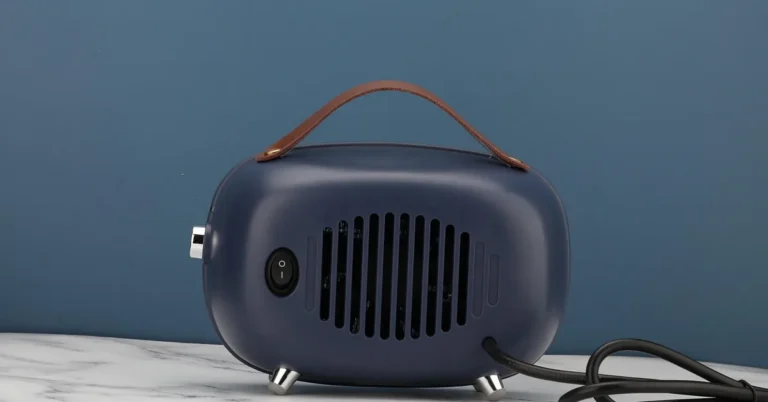
Are There Portable Heaters Made Specifically For Cars?
It’s a common thought when winter bites hard: “Wouldn’t it be great to have a little heater in the car?” Especially when your car’s own heater takes ages to warm up, or if you’re stuck waiting for a tow truck. The idea of a small, portable heater just for your vehicle sounds like a dream. But does this dream have a real-world product to match?
Let’s dive in and see what’s out there, and what you need to know.
The short answer is yes, there are devices that can add heat to your car. However, they aren’t quite like the space heaters you might plug into a wall. Most car heaters use your car’s own power or run on different fuel types. It’s important to understand these differences before you try to warm up your ride.
Understanding Portable Car Heaters
When people ask about portable heaters for cars, they usually mean a device that can add extra warmth. This isn’t about replacing your car’s built-in heating system. Instead, it’s about getting heat faster or in situations where the car isn’t running.
The main goal is comfort and sometimes safety.
Think about those really cold mornings. Your car’s engine needs time to heat up the coolant. This coolant then flows through the heater core.
That core acts like a small radiator inside your dashboard. Air blows over it, and voilà, warm air comes out the vents. This whole process can take 5 to 15 minutes.
A portable heater aims to speed this up or provide heat without the engine running.
The types of devices available often surprise people. Some are electric. Others use different power sources.
We’ll explore these options so you can pick what makes sense for your needs. Safety is a big part of this, too. We need to make sure we’re using these devices the right way.
That means avoiding fires or damage to your car.
Personal Experience: The Frozen Commute
I remember one brutal January morning a few years back. The snow had been falling all night. My car was buried.
When I finally dug it out and started it up, the air coming from my vents was just. cold. Arctic cold.
I sat there, shivering, gripping the steering wheel. My fingers felt like ice cubes. I was late for a very important meeting.
I thought about my car’s heater, but I knew it would take forever. My breath was fogging up the windshield inside the car. I felt a sense of panic mixed with pure annoyance.
Was there anything I could do right then to feel warmer? That’s when I started looking into portable car heaters. I wanted something that could give me a little boost of warmth without having to idle my engine for half an hour.
I researched different options online. Many were small electric fans. Others claimed to be diesel-powered.
Some just looked like glorified cigarette lighters. It was a bit of a maze. I felt overwhelmed by the choices and worried about buying something that wouldn’t work or, worse, would cause a problem.
The idea of plugging something into my car’s electrical system made me nervous. What if I drained the battery?
After a lot of reading, I settled on a small, plug-in ceramic heater. It was designed to use the cigarette lighter socket. I was skeptical.
Could something so small really heat a whole car? I decided to test it out. The next morning, before starting the engine, I plugged it in.
I turned it on. It made a low humming sound and a gentle stream of warm air came out. It wasn’t a blast of heat, but it was noticeably warmer than the icy air.
It took the edge off. It made the wait for the car’s main heater much more bearable. It was a small victory against the cold.
It showed me that while they aren’t perfect, these devices can offer some real help.
Types of Portable Car Heaters
Electric Heaters (12V Plug-in): These are the most common. They plug into your car’s 12-volt accessory outlet (cigarette lighter). They often use a fan to blow air over a heating element.
Think of them like tiny portable heaters. They are great for adding a little extra warmth. However, they draw power from your car’s battery.
If your car is off, they can drain the battery quickly. They are best used when the engine is running or for short periods.
Propane/Butane Heaters: Some portable heaters use small propane or butane canisters. These can produce more heat. They are often used for camping or very cold environments.
However, using them inside a car is extremely risky. They produce carbon monoxide. This gas is odorless and deadly.
Most experts strongly advise against using these types of heaters inside a vehicle. The risk of fire and poisoning is very high.
Engine Coolant Heaters (Block Heaters): These aren’t “portable” in the sense that you move them around. But they are a common way to pre-heat a car. A block heater is installed in your engine block.
It warms the engine coolant. You plug it into a standard household outlet (like in your garage). This makes the engine start easier in cold weather.
It also makes your car’s cabin heat up much faster. These are very effective but require professional installation.
How They Work (and Don’t Work)
The electric 12V heaters are the main focus when we talk about “portable” car heaters. They work by taking power from your car’s electrical system. The car’s alternator generates electricity when the engine is running.
This electricity powers the car’s lights, radio, and other systems. It also powers these little heaters.
A simple ceramic heater, for example, has a heating coil. When electricity passes through it, the coil gets hot. A small fan then blows air across this hot coil.
This warm air is pushed out into the car’s cabin. It’s a basic principle, like a small space heater.
The key limitation is power. Your car’s 12V outlet is designed for things like phone chargers and small electronics. It typically provides around 100-150 watts.
A dedicated car heater might draw 100-200 watts. Some more powerful models could even draw more. This is a significant amount of power for that outlet.
If your car’s engine is off, it’s drawing directly from the battery. Car batteries are not designed to power heating elements for long periods.
A typical car battery might have around 50-70 amp-hours of capacity. A 150-watt heater draws about 12.5 amps (150 watts / 12 volts). Running this for just an hour would use up a good chunk of the battery’s charge.
If you run it for several hours without the engine on, you’ll likely end up with a dead battery. Then you’ll need a jump start, which defeats the purpose of staying warm.
This is why most manufacturers recommend using these 12V heaters only when the engine is running. This way, the alternator is constantly recharging the battery and providing power. It’s also why they aren’t as powerful as wall-powered heaters.
You simply can’t get the same heat output from a 12V system without risking major electrical problems.
Quick Scan: 12V Heater Usage
- Engine Running: Ideal. Alternator powers the heater and recharges the battery.
- Engine Off (Short Use): Okay for a few minutes to take the edge off.
- Engine Off (Long Use): Risky. Can drain the car battery.
- Vehicle Type: Larger vehicles (SUVs, trucks) have bigger batteries and alternators. They might handle a heater slightly better than small cars.
- Ambient Temperature: In milder cold, a 12V heater might feel sufficient. In extreme cold, it will struggle.
Safety First: What to Watch Out For
Safety is the most crucial aspect of using any kind of heater in a confined space like a car. This is not like heating a room in your house. Cars are made of metal and plastic.
They have flammable materials like upholstery and carpets. Improper use of heaters can lead to serious accidents.
Carbon Monoxide Poisoning: This is the biggest danger with any combustion-based heater (like propane or butane). These heaters burn fuel and produce carbon monoxide gas. This gas is invisible and odorless.
If it builds up in a sealed car cabin, it can cause dizziness, confusion, unconsciousness, and even death. NEVER use propane or butane heaters inside a car, even with windows open. Your car’s own exhaust also produces carbon monoxide. If there’s a leak in your exhaust system, or if you’re running the engine with a blocked tailpipe, you’re also at risk.
Electrical Fires: The 12V plug-in heaters, while generally safer, still carry electrical risks.
- Overloading Circuits: Plugging in a heater that draws too much power can blow fuses. In worst-case scenarios, it could overheat wires and cause a fire. Always check the wattage of the heater and compare it to what your car’s manual says the 12V outlet can handle.
- Damaged Cords or Plugs: Frayed wires or damaged plugs are fire hazards. Inspect the heater’s cord and plug before each use.
- Placement: Don’t let the heater touch flammable materials like seat covers or car mats. Make sure the fan intake and outlet are not blocked.
Melting or Warping: Some heaters can get quite hot. If they are placed too close to plastic parts of your car’s interior, they could melt or warp them. Always ensure there’s a safe distance between the heater and any plastic surfaces.
Battery Drain: As mentioned, using a 12V heater with the engine off for too long will drain your battery. This isn’t a fire hazard but can leave you stranded.
Myth vs. Reality: Portable Car Heaters
Myth: A small electric heater can make my car toasty warm like a house.
Reality: 12V heaters are designed for supplemental heat. They can take the chill off but won’t heat a whole car quickly. They are limited by the car’s electrical system.
Myth: It’s safe to use a small propane heater in the car if I crack a window.
Reality: This is extremely dangerous. Carbon monoxide is odorless and deadly. Even with a window open, dangerous levels can build up.
Never use fuel-burning heaters inside a vehicle.
Myth: I can use a 12V heater all day with the engine off.
Reality: This will almost certainly drain your car battery. It’s designed for short bursts of use or when the engine is running.
Real-World Context: When Are They Actually Useful?
So, given the limitations and safety concerns, where do portable car heaters actually fit in? They aren’t a magic bullet for turning your car into a heated cabin. But they can be useful in specific situations.
Taking the Edge Off: This is their primary strength. If your car’s heater is slow to warm up, a 12V heater can make that initial 10-15 minutes much more comfortable. It’s about improving your personal space, not heating the entire vehicle.
Waiting in the Cold (Engine Running): If you’re waiting for someone or something in a very cold climate, and you need to keep the engine running for heat, a small 12V heater can supplement. However, your car’s built-in heater is usually much more powerful and efficient at this point. So, it might be redundant.
Emergency Situations (Short-Term): If you’re stranded and need a bit of warmth while waiting for help, and your car battery is in good condition, a 12V heater can provide some comfort. But again, use it sparingly. The goal is survival and comfort, not to run it for hours.
Specific Vehicles or Needs:
- Work Vehicles: Some people who spend a lot of time in their work vans or trucks might find a small 12V heater helpful for their immediate workspace.
- Classic Cars or Cars with Weak Heaters: Older cars sometimes have less efficient heating systems. A small supplemental heater could make a difference.
- Truckers or Long-Haul Drivers: While many trucks have powerful diesel heaters, some drivers might use supplemental 12V devices for personal comfort in their sleeping areas when the main engine is off for short periods, though this is often still risky for batteries.
What they are NOT good for:
- Replacing your car’s main heater: They are not powerful enough for this.
- Keeping a car warm for hours with the engine off: This is a battery killer.
- Heating a large vehicle like an RV: They are too small.
- Use in enclosed, unventilated spaces: Especially true for any fuel-burning devices.
When to Worry: Red Flags for Car Heaters
Smell of Burning Plastic or Wires: Immediately unplug and stop using. This indicates a serious electrical issue.
Heater Gets Extremely Hot to Touch: Beyond just being warm, if it feels dangerously hot, it might be overheating.
Car Battery Light Comes On: This means the alternator is struggling, possibly from the heater drawing too much power.
Fuses Blowing Repeatedly: The heater or the car’s circuit is likely overloaded.
Any Hissing or Unusual Noises: Stop use immediately.
What This Means for You
Understanding the capabilities and risks of portable car heaters is key. If you’re considering one, it’s important to set realistic expectations. A 12V electric heater can offer a small comfort boost.
It can make those first cold minutes in your car more bearable.
It’s crucial to remember that these are supplemental devices. They are not substitutes for a properly functioning car heating system. Always prioritize safety.
Read the manufacturer’s instructions carefully. Understand your car’s electrical system capabilities.
If your main goal is to get heat quickly in a cold car, a block heater is a much more effective and safer solution for pre-heating your engine before you even get in. For supplemental heat during very cold periods, or for a bit of extra comfort, a small, well-reviewed 12V ceramic heater might be worth considering. Just be smart about how and when you use it.
Avoid the temptation to run it for hours with the engine off.
Simple Checks Before You Buy or Use
Check Your Car’s Manual: See what it says about the power output of your 12V outlets. Some cars have limits.
Read Reviews: Look for reviews that talk about real-world performance and battery drain.
Inspect Cords: Always check for damage before plugging in.
Understand Your Needs: Do you need quick comfort, or are you trying to heat a whole car?
Quick Fixes & Tips
While there aren’t many “quick fixes” for the inherent power limitations of 12V heaters, there are smart ways to use them and other methods for staying warm:
- Pre-heat your car with its own system: Let your car run for 5-10 minutes before you leave. This is the safest and most effective way to warm the cabin.
- Use a block heater: If you live in a very cold climate, this is a game-changer for faster cabin heat and easier engine starts.
- Dress warmly: Wear layers, a hat, and gloves. This is the most reliable way to stay warm.
- Seat Covers & Steering Wheel Covers: Heated seat covers that plug into the 12V outlet can provide direct warmth. Some can be used with the engine off for short periods.
- Hand Warmers: Disposable chemical hand warmers are a cheap and effective way to keep your hands warm if you’re outside the car or waiting for it to heat up.
- Portable Power Banks: Some high-capacity power banks can power small devices. While unlikely to run a car heater, they can power USB-charged warming gadgets for hands or feet.
- Use the 12V heater strategically: Turn it on for the first 5 minutes while your car’s heater is still warming up. Turn it off as soon as your car’s system is producing good heat.
- Keep it clean: Ensure the heater’s air intake and outlet are free of dust and debris for optimal performance.
Frequent Questions
Can I use a portable heater in my car if it’s not running?
Using a 12V electric portable heater in a car with the engine off is generally not recommended for extended periods. They draw power directly from your car’s battery. Running one for more than a few minutes can drain the battery, leaving you unable to start your car. It’s best to use them only when the engine is running or for very short periods.
Are propane heaters safe to use in a car?
No, absolutely not. Propane and butane heaters produce carbon monoxide, which is a deadly, odorless gas. Using them inside a car, even with windows open, can lead to carbon monoxide poisoning. Never use fuel-burning heaters inside a vehicle.
How much power do these 12V car heaters use?
Most 12V car heaters use between 100 to 200 watts of power. This is a significant draw on your car’s electrical system. For comparison, a phone charger might use only 10-20 watts. Always check the specifications of the heater and your car’s manual to ensure compatibility.
Will a portable car heater work in extreme cold?
While a portable 12V heater can help take the edge off, it will struggle in extreme cold. Its heating capacity is limited by the 12V electrical system. It’s best viewed as a comfort enhancer for the initial cold period, not a solution for extreme temperatures. Your car’s built-in heater, powered by the engine, is far more effective.
What is the safest type of portable heater for a car?
The safest types are 12V electric heaters that plug into the accessory outlet, provided they are used correctly. This means primarily when the engine is running to avoid draining the battery and to ensure the electrical system can handle the load. Always prioritize safety by checking for damage, proper ventilation (though they don’t produce fumes, airflow is good), and avoiding contact with flammable materials.
Can I use a portable heater to defrost my car windows?
Some small 12V heaters have a “defrost” setting or can direct a stream of warm air. However, they are generally not powerful enough to quickly defrost a heavily frosted or iced-up windshield. Your car’s built-in defroster is designed for this purpose and is much more effective. A portable heater might offer a slight assist if used while the car’s system warms up.
Conclusion
Portable heaters designed for cars do exist, primarily as 12-volt electric devices. They can offer a small boost of warmth. However, they come with significant limitations and safety considerations.
They are not a replacement for your car’s main heating system. Always prioritize safety, understand your car’s electrical limits, and use these devices wisely. For true cold-weather comfort, consider your car’s built-in systems and professional solutions like block heaters.
Sponsored / affiliate links. As an Amazon Associate I earn from qualifying purchases. I may earn additional commission from eligible campaigns.