Are Portable Heaters Safe For Babies? What Parents Must Know
As a parent, keeping your little one cozy is a top priority. Especially when the air gets chilly, you might think about using a portable heater. It feels like a simple way to warm up a room.
But when it comes to babies, safety is everything. You want to make sure you’re doing what’s best for them. This guide will walk you through everything.
We’ll look at the facts so you can feel confident. You’ll learn about the risks and the safe ways to use these heaters.
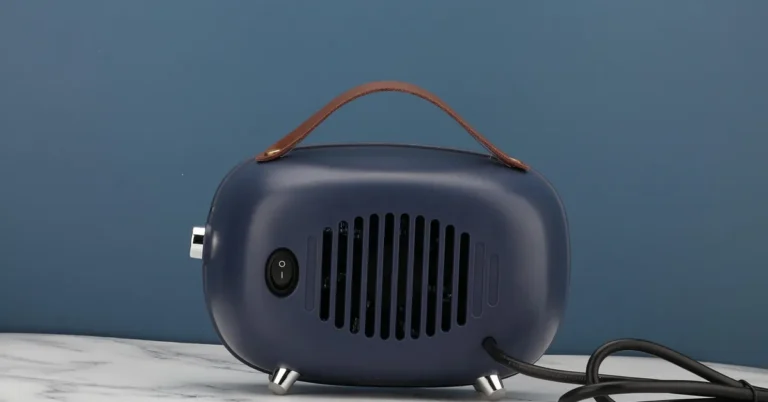
Portable heaters can be used safely for babies if specific precautions are taken. Always choose models designed for home use with safety features like tip-over protection and cool-touch exteriors. Never leave them unattended and keep them far from cribs and bedding.
Understanding Portable Heaters and Nursery Safety
Portable heaters are devices that create heat. They can be electric, propane, or kerosene. Electric heaters are the most common for home use.
They draw power from an outlet. Propane and kerosene heaters burn fuel. This can create fumes.
For a baby’s room, electric is usually the safer choice. This is because they don’t burn fuel. They also don’t produce carbon monoxide.
But even electric ones have risks.
Babies are small and fragile. Their skin is thinner. They can’t regulate their body temperature as well as adults.
So, a room that feels just right to you might be too hot or too cold for them. This is why you might consider a heater. You want to ensure their nursery is at a steady, comfortable temperature.
This helps them sleep better. It also helps prevent them from getting sick.
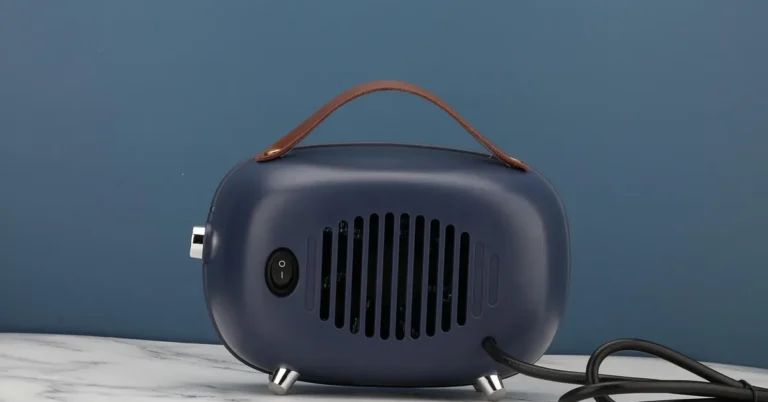
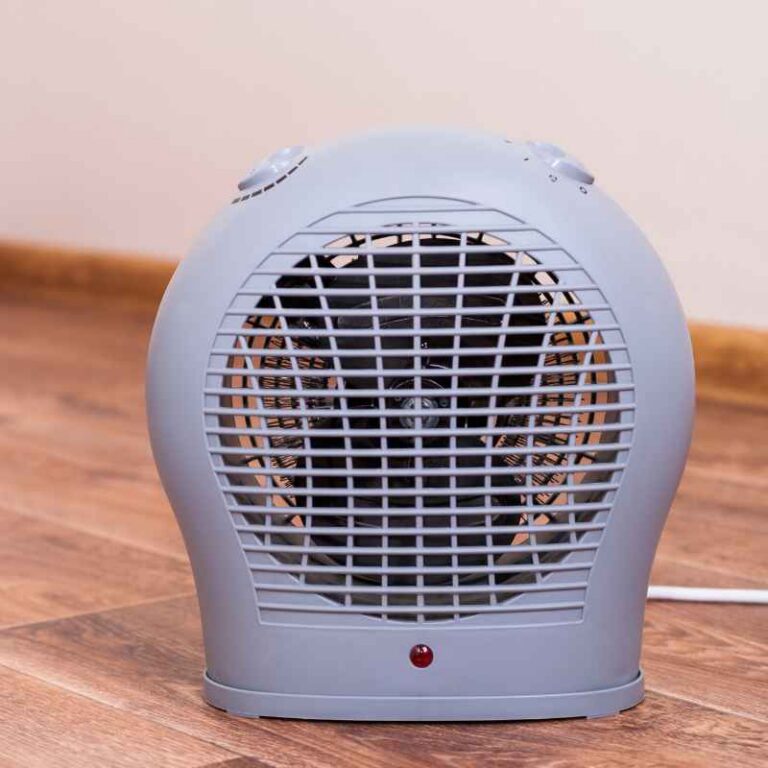
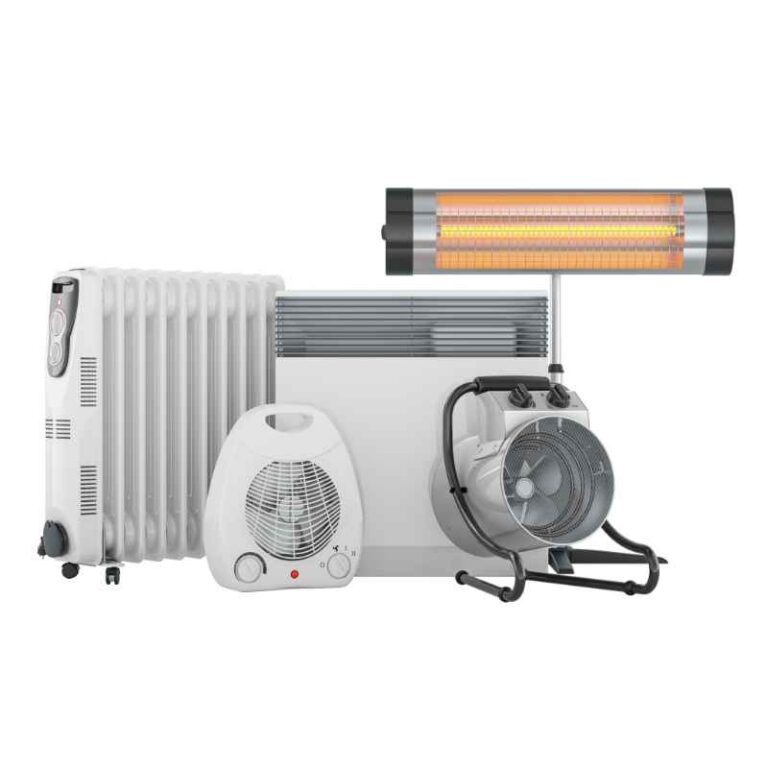
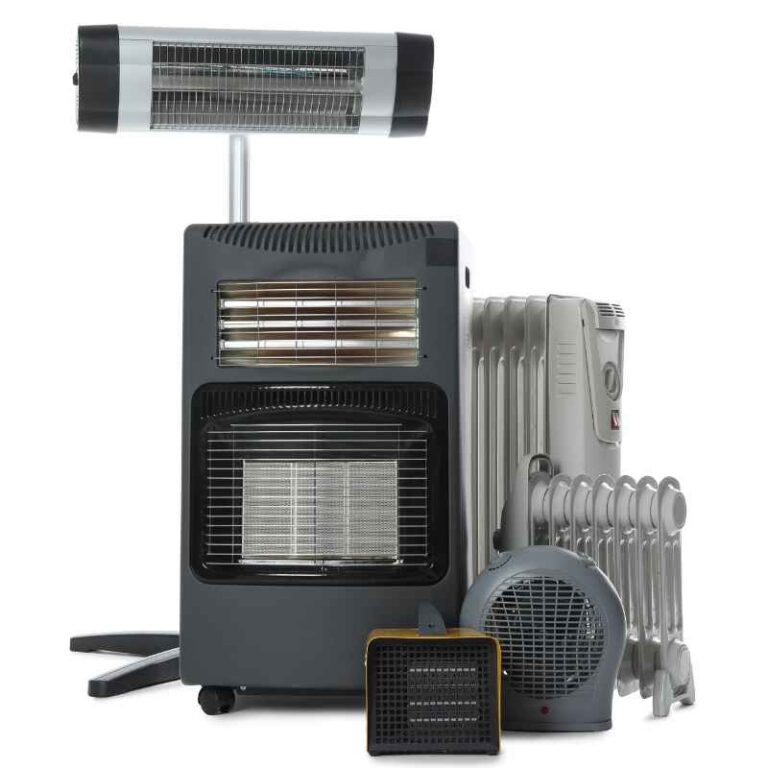
When looking at heaters, you’ll see different types. There are ceramic heaters. They heat a ceramic element.
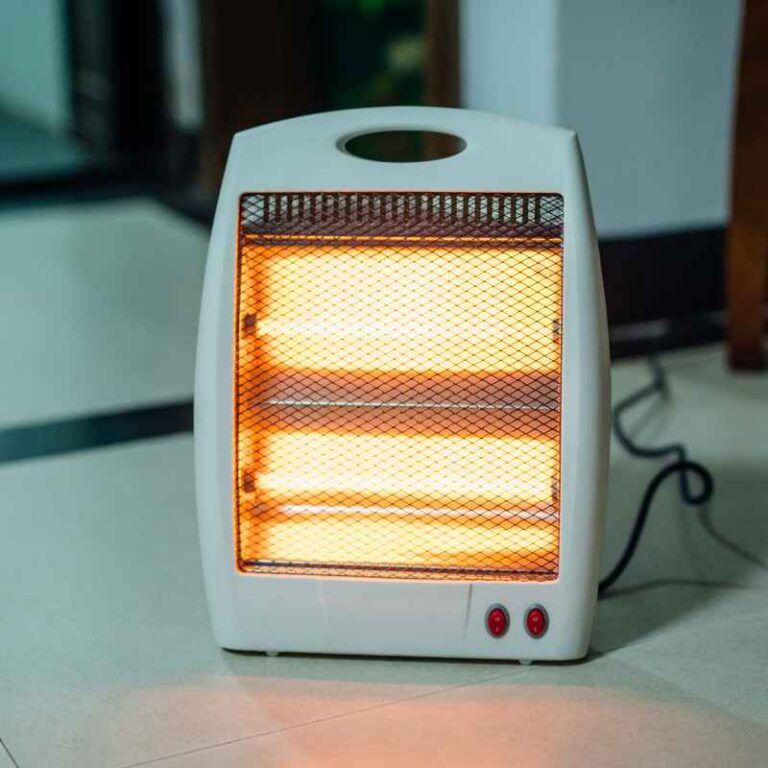
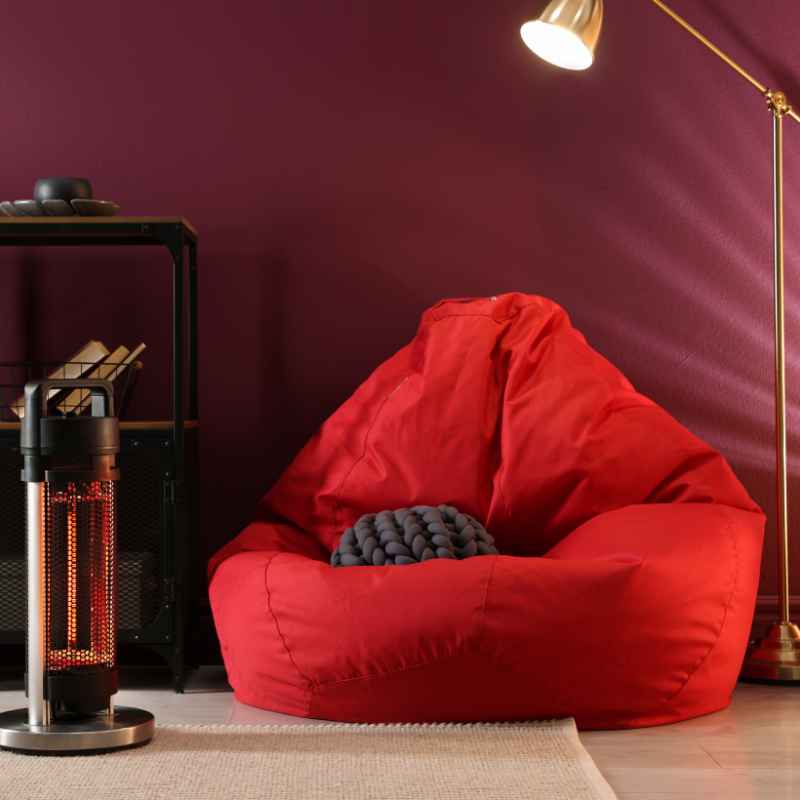
Then a fan blows warm air. There are radiant heaters. They glow red-hot.
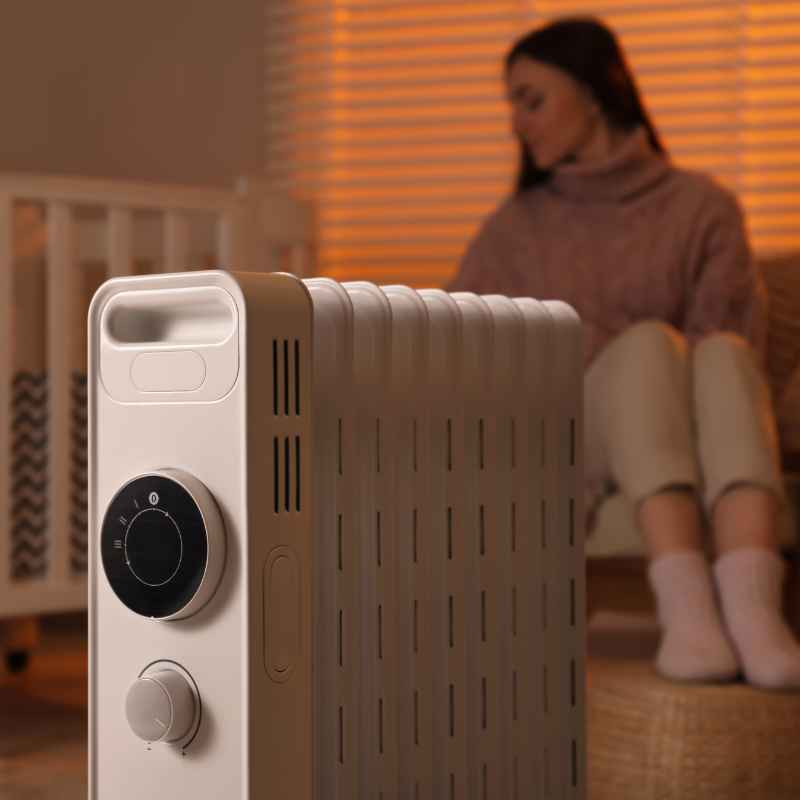
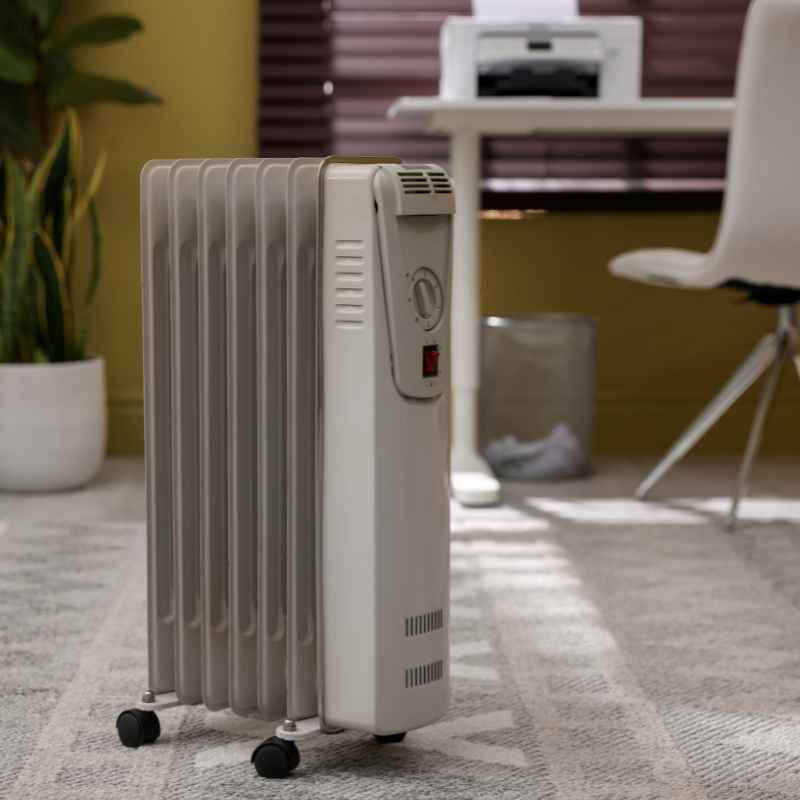
They send heat outward like the sun. Infrared heaters are similar. Oil-filled radiators are sealed units.
They heat oil inside. This oil then heats the air. Each type has its own pros and cons.
The main concern with any heater is fire. Portable heaters can overheat. They can malfunction.
They can also be knocked over. This can ignite nearby items. For a baby’s room, this risk is much scarier.
You need to know what to look for. You need to know how to use them properly. It’s not just about turning them on and walking away.
We need to think about airflow too. Babies need fresh air to breathe. Some heaters can dry out the air.
This can make breathing harder. It can also dry out their skin and nasal passages. This makes them more prone to colds.
So, a heater might help with cold. But it could cause other issues if not used right.
My Own Nursery Heater Scare
I remember one winter when my youngest was just a few months old. The old house we lived in had terrible insulation. The nursery felt like a freezer at night.
I was so worried about him being cold. I decided to get a portable electric heater. It was a small ceramic one.
It had a fan. It seemed like the perfect solution. I put it on a low setting.
I made sure it was far from his crib. It was plugged into a wall outlet. I didn’t use an extension cord.
That first night, I felt so much relief. The room was warmer. He slept a little better.
I felt like a super-mom for figuring it out. But then, in the middle of the night, I woke up. I couldn’t pinpoint why.
I just had a bad feeling. I tiptoed into the nursery. The air felt a bit too warm.
It was dry. Then I saw it. The heater was still on.
The fan was running. It was working fine. But something about the air felt.
off. I noticed a faint, almost burnt smell. It wasn’t strong.
But it was there. My heart started to pound. Was it the heater?
Was it something else?
I walked over to the heater. The casing felt warm, but not dangerously hot. The fan was blowing steadily.
But that smell! It made me uneasy. I turned it off right away.
I sat by his crib for a while. I just watched him breathe. The room started to cool down.
The air felt better. I realized how close I had come to a potential problem. It was a wake-up call.
It made me question if this was the right approach at all. That smell could have been dust burning off. Or it could have been a sign of something more serious about to happen.
It taught me that even “safe” devices need constant vigilance.
Heater Safety Checklist for Parents
Choose Wisely: Look for heaters with specific child-safe features.
Placement is Key: Keep at least 3 feet away from anything flammable.
Never Leave Unattended: Always turn it off when you leave the room.
Check Cords: Ensure cords are not frayed or damaged. Avoid extension cords.
Monitor Air Quality: Watch for dryness or unusual smells.
It’s not about blaming the heater. It’s about understanding its limits. And understanding your own role in its safe operation.
That night, I learned that the peace of mind a heater might seem to offer can be fragile. It requires constant attention.
When Is a Portable Heater Actually Necessary?
Most homes in the U.S. have central heating. This keeps rooms at a steady temperature.
But sometimes, it’s not enough. Or maybe you have a room that just doesn’t heat well. This is common in older homes.
Or in additions. If your baby’s room consistently drops to a dangerously low temperature, then a heater might be needed. What is too low?
Health experts suggest keeping a baby’s room between 68-72 degrees Fahrenheit. If your room goes below 65 degrees consistently, you have a problem.
Think about the type of heater. Propane or kerosene heaters are generally not recommended for indoor use. Especially not in a baby’s room.
They burn fuel. This can release carbon monoxide. It can also release other harmful fumes.
These can be very dangerous for babies. They can cause breathing problems or worse. Always check the manufacturer’s instructions.
See if the heater is meant for indoor use. And if it is, check if it’s safe for sleeping areas.
Electric heaters are usually the best bet for a nursery. They don’t burn fuel. They don’t produce carbon monoxide.
But they still have risks. The biggest is fire. They also have electrical components.
These could short circuit. Or overheat. This is why choosing the right type of electric heater is important.
Look for features designed for safety. Automatic shut-off is a big one. This means if the heater tips over, it shuts off.
This prevents fires. Cool-touch exteriors are also good. This means the outside of the heater doesn’t get super hot.
This reduces the risk of burns if your baby or you accidentally touch it.
Thermostats are helpful too. They let you set a specific temperature. The heater then turns on and off to maintain it.
This prevents overheating. It also helps keep the room at a consistent, comfortable level. Avoid heaters with exposed heating elements.
These are much more likely to cause fires.
Consider the size of the room. A small heater might be fine for a small nursery. A large, powerful heater could overheat a small space quickly.
It’s better to have a heater that can maintain a temperature gently. Not one that blasts heat. Overheating a baby’s room is also a risk.
It can lead to dehydration. It can increase the risk of SIDS (Sudden Infant Death Syndrome). So, control is key.
Heater Placement Rules
- 3-Foot Rule: Keep heaters at least 3 feet away from cribs, bedding, curtains, furniture, and clothing.
- Clear Space: Ensure the area around the heater is clear. No toys, blankets, or other objects should be near it.
- Stable Surface: Place the heater on a flat, stable surface. Never on carpets that could melt or catch fire.
- Away from Water: Keep heaters away from bathrooms or any damp areas.
Another thing to think about is humidity. Heaters can dry out the air. Babies need moist air.
Dry air can irritate their lungs. It can make them more prone to colds. You might need to use a humidifier in the room along with the heater.
This helps balance the moisture. It keeps their airways comfortable.
So, while a heater might seem like a good idea, it’s not always the first or best solution. If the room is consistently cold, look at insulation first. Check for drafts.
Seal them up. Make sure windows and doors are properly sealed. Sometimes simple fixes make a big difference.
But if the room is truly too cold, a safe electric heater can be used. You just need to be very careful.
Understanding the Risks: Fire, Burns, and Air Quality
Let’s talk about the real dangers. When we bring a portable heater into a baby’s room, we are introducing a heat source. This heat source has risks.
The most serious risk is fire. Many house fires start with portable heaters. This is often because they are placed too close to flammable materials.
Or they malfunction.
Babies are naturally curious. Even when they are very young, they can move. They can roll.
They can eventually crawl. If a heater is within reach, they might touch it. Even if it has a cool-touch exterior, some parts can still get very warm.
A burn can be painful. It can also lead to infection. We want to avoid any chance of this.
Then there’s the air quality. As mentioned, some heaters dry out the air. This is called reducing humidity.
Low humidity can cause dry skin. It can make eyes itchy. For a baby, it can lead to a stuffy nose.
It can make them cough. It can make their throat feel sore. It’s like breathing desert air.
This can make them more vulnerable to infections.
Certain types of heaters also pose air quality risks. Propane and kerosene heaters burn fuel. This process releases gases.
One of the most dangerous is carbon monoxide. This is an odorless, colorless gas. It is poisonous.
It can cause headaches, dizziness, nausea, and confusion. In high doses, it can be deadly. Babies are more susceptible to carbon monoxide poisoning.
Their bodies are smaller. They breathe faster than adults.
Even electric heaters can cause problems if they are dusty. When turned on, dust can burn off. This can create an unpleasant smell.
It can also release particles into the air. These particles can be irritating to a baby’s lungs. That’s why cleaning your heater regularly is important.
Before the start of the heating season, give it a good clean. Follow the manufacturer’s instructions for cleaning.
Heater Types & Their Risks
Ceramic Heaters: Generally safe with good safety features. Can dry out air.
Radiant/Infrared Heaters: Heat objects directly. Can be a burn risk if too close. No fan means less air movement.
Oil-Filled Radiators: Slower to heat but provide steady, even warmth. Less risk of drying out air. Can take up more space.
Propane/Kerosene Heaters: NOT recommended for nurseries. Produce carbon monoxide and fumes.
It’s also about the overall temperature. Overheating a baby is dangerous. Babies can’t sweat effectively.
This means they can’t cool down easily. If they get too hot, their body temperature can rise dangerously high. This is called overheating.
It can lead to discomfort. It can lead to dehydration. In severe cases, it can be linked to SIDS.
You need to be able to monitor the temperature. A room thermometer can help. Don’t just guess if it feels warm enough.
The goal is a consistent, comfortable temperature. Not a stuffy, hot room. Or a freezing cold one.
It’s a balance. And it requires informed choices. Understanding these risks helps you make those choices wisely.
It’s about being prepared and being aware.
Choosing the Right Portable Heater for a Baby’s Room
When you decide you need a heater for your baby’s room, the choice matters. Not all heaters are created equal. Especially when safety is the top concern.
As we’ve discussed, fuel-burning heaters are out. So, we’re looking at electric options.
Look for Certifications: First, check for safety certifications. In the U.S., look for a seal from organizations like UL (Underwriters Laboratories) or ETL (Intertek). This means the product has been tested.
It meets safety standards. Reputable brands will display these seals clearly.
Safety Features are Non-Negotiable:
- Tip-Over Protection: This is a must. The heater should automatically shut off if it’s accidentally knocked over. This is crucial to prevent fires.
-
Cool-Touch Exterior: The outside casing should stay relatively cool.
This prevents accidental burns. Some heaters have double-insulated casings for this reason.
- Overheat Protection: Most modern heaters have this built-in. If the unit gets too hot internally, it will shut itself off.
-
Automatic Shut-Off Timer: While not strictly necessary, a timer can be useful.
It lets you set the heater to turn off after a certain period. This prevents it from running all night if you forget.
Type of Electric Heater:
-
Ceramic Heaters: These are popular because they heat up quickly. They have a fan to circulate warm air. They are generally safe if they have the right features.
The fan can help distribute heat evenly.
-
Oil-Filled Radiators: These are a bit different. They have sealed metal fins filled with oil. Electricity heats the oil, and the oil then heats the fins.
They provide a gentle, consistent warmth. They don’t have a fan, so they are quieter. They also tend to be less drying to the air.
They take longer to heat up a room.
-
Infrared Heaters: These work by emitting infrared radiation. This heats objects and people directly. They don’t heat the air itself as much.
They are often used for spot heating. They can be safe if placed correctly. But they can still cause burns if touched directly.
Size and Wattage: Choose a heater appropriate for the size of the room. A small nursery doesn’t need a giant, high-wattage heater. Overheating a small space is dangerous.
Check the wattage. For a typical nursery, a heater in the 700-1500 watt range is usually sufficient. Higher wattage means more heat.
But it also uses more electricity.
Noise Level: If you’re sensitive to noise, consider a quieter model. Oil-filled radiators are usually very quiet. Some ceramic heaters with fans can be a bit noisy.
This might disturb your baby’s sleep. Or yours.
Ease of Use: Look for simple controls. You don’t need a heater with a million buttons. A clear thermostat dial and an on/off switch are usually enough.
Quick Heater Buying Guide
Certification: UL or ETL listed.
Must-Have Features: Tip-over switch, overheat protection.
Good-to-Have: Cool-touch exterior, thermostat, timer.
Avoid: Exposed heating elements, fuel-burning types (propane/kerosene).
Size Matters: Match wattage to room size.
Always read reviews. See what other parents say about the heater’s performance and safety. Look for models specifically designed for home use.
Avoid anything that looks industrial or is not clearly intended for a living space.
Safe Usage Practices: The Golden Rules
Even with the safest heater, misuse can lead to danger. So, it’s vital to follow safe usage practices. These are the rules that bridge the gap between a heater and a safe environment for your baby.
Rule #1: Never Leave It Unattended. This is the most important rule. If you leave the room, turn the heater off. This includes stepping out for a few minutes.
Or even going to the bathroom. If you’re not in the room, the heater should not be on. This is non-negotiable for a baby’s room.
It’s easy to forget. But a momentary lapse can have serious consequences.
Rule #2: Maintain Distance. The 3-foot rule is a good guideline. Keep the heater at least three feet away from everything. This includes the crib, bedding, blankets, curtains, clothes, and furniture.
Also, keep it away from anything that could be flammable. Babies have soft toys. They have plush blankets.
Keep them all clear of the heater’s space.
Rule #3: Place It on a Hard, Flat Surface. Never place a heater on carpet. Carpets can be flammable. They can also block the air intake on some heaters.
This can cause them to overheat. A tile floor, a wooden floor, or a sturdy rug that won’t melt are good options. Make sure it’s stable.
It shouldn’t wobble or be easily tipped.
Rule #4: Check the Cord. Always inspect the power cord before use. Make sure it’s not frayed or damaged. Never run the cord under rugs or carpets.
This can damage the cord. It can create a fire hazard. Also, avoid using extension cords if possible.
If you must use one, ensure it’s rated for the heater’s wattage. And keep it visible.
Rule #5: Don’t Block Air Vents. Heaters need airflow to work properly. Blocking the air intake or outtake can cause the heater to overheat. Make sure nothing is placed in front of or on top of the heater.
Rule #6: Monitor the Temperature. Use a room thermometer. Don’t just rely on how it feels. Aim for that 68-72°F range.
Babies can overheat. Or get too cold. Consistent monitoring is key.
Rule #7: Clean Regularly. Dust can build up on heaters. When the heater is turned on, this dust can burn. It can create a smell.
It can release particles into the air. Clean your heater according to the manufacturer’s instructions. Usually, this means unplugging it and wiping it down with a dry cloth.
Do this before the heating season starts.
Daily Heater Checks
Before Bed: Check placement, ensure nothing is too close, verify it’s stable.
When You Wake Up: Check temperature, ensure heater is off if not needed.
During the Day: If in use, ensure it’s still unattended and safe.
Before Leaving Home: Turn off the heater. Always.
Rule #8: Use in a Well-Ventilated Room (with caution). While you want the room warm, a little airflow is good. If the air becomes too dry or stuffy, open the door slightly. Or use a humidifier.
This helps maintain healthy air quality.
Rule #9: Never Use Near Water. Keep heaters away from bathrooms or kitchens. Water and electricity are a dangerous mix.
Rule #10: Trust Your Instincts. If something feels wrong, it probably is. If you notice a strange smell, unusual noises, or if the heater seems to be malfunctioning, turn it off immediately. Unplug it.
Get it checked or replaced.
These rules might seem like a lot. But they become habits. They become part of your routine.
They are the safeguards that make a portable heater a tool for comfort, not a risk.
Alternatives to Portable Heaters for a Warm Nursery
Before you even consider a portable heater, let’s explore other ways to keep your baby’s room warm. Sometimes, the best solution doesn’t involve plugging something in.
1. Improve Insulation and Seal Drafts: This is the most effective long-term solution.
-
Check Windows and Doors: Are they sealed properly?
You can feel for drafts. Apply weatherstripping or caulk.
-
Window Coverings: Heavy curtains or thermal blinds can make a big difference. Close them at night to trap heat.
Open them during the day to let in sunlight.
- Wall Insulation: If you own your home, consider adding insulation to walls. This is a bigger project, but it drastically improves heating efficiency.
2. Use Your Home’s Central Heating Effectively:
-
Adjust Thermostat Settings: If your central heating is not reaching the nursery, check the vents. Make sure they are open.
You might be able to adjust the airflow to different rooms.
- Use a Smart Thermostat: These can help maintain consistent temperatures. Some allow you to set different temperatures for different times of the day or different rooms.
- Portable Heat Vents: Some specialized devices can help direct warm air from your main heating system into specific rooms.
3. Layering Baby’s Clothing and Bedding:
- Sleep Sacks: These are a safe alternative to loose blankets. They come in different weights (TOG ratings) for various temperatures.
-
Onesies and Pajamas: Dress your baby in layers of comfortable clothing.
Avoid overheating them with too many layers.
- Warm Hat (if needed): In very cold conditions, a thin cotton hat might be used for sleep. But always ensure it’s not too tight and doesn’t cover the face.
4. Humidifiers: While not a direct heat source, a humidifier helps maintain a comfortable environment. It adds moisture to the air.
This can make the room feel warmer and more comfortable for breathing. It also prevents the dry air that heaters can cause. Choose a cool-mist humidifier for safety.
5. Space Management:
- Keep the Nursery Door Closed: This helps to contain the heat in that specific room.
- Use Smaller Blankets or Swaddles: For very young babies, safe swaddling can provide warmth and comfort. Ensure you follow safe swaddling techniques to avoid hip dysplasia or suffocation risks.
Warmth Without a Heater
Draft Proofing: Seal windows and doors.
Thermal Curtains: Block cold air at night.
Layering Clothes: Dress baby appropriately.
Safe Sleep Sacks: Provide warmth without loose bedding.
Humidifier: Adds moisture to air, increasing comfort.
Central Heating: Optimize your home’s main system.
Exploring these options first can often solve the cold room problem without introducing the risks associated with portable heaters. They are often more energy-efficient too. And they contribute to a healthier overall home environment for your baby.
When to Call a Professional
Sometimes, the chill in your baby’s room is a sign of a bigger problem. If you’ve tried basic fixes and the room remains too cold, it’s time to call in the experts.
HVAC Professional: If your central heating system isn’t working properly, or if it can’t heat the nursery adequately, an HVAC technician can help. They can:
- Inspect your furnace or heating unit.
- Check for blockages or issues in ductwork.
- Balance airflow to different rooms.
- Suggest upgrades or repairs to your system.
Home Energy Auditor: If you suspect your home’s insulation is poor or there are significant drafts, an energy auditor can perform a thorough assessment. They use tools like thermal cameras to identify heat loss areas. They can then provide recommendations for improvements like adding insulation, sealing leaks, or upgrading windows.
This can save you money on energy bills in the long run too.
Building Inspector (rare cases): In extreme cases, if you suspect structural issues are leading to extreme cold or drafts, a building inspector might be necessary. This is usually for persistent, widespread problems.
Don’t hesitate to call a professional if you’re concerned. Their expertise can ensure your baby’s room is safely and effectively heated. It’s better to invest in a proper solution than to rely on potentially risky temporary fixes.
What This Means for You and Your Baby
Deciding whether to use a portable heater in your baby’s room is a big decision. It requires careful thought and a commitment to safety. The key takeaway is this: portable heaters can be used, but with extreme caution.
When it’s okay: It’s okay to consider a portable heater if your baby’s room consistently drops below 65°F, even after you’ve tried other methods. It’s okay if you choose a high-quality electric model with all the safety features. It’s okay if you are willing and able to follow all the safety rules religiously.
When to worry: You should worry if you’re tempted to use a fuel-burning heater indoors. You should worry if you can’t maintain constant supervision. You should worry if you’re not prepared to follow the safety guidelines.
You should worry if the heater is old or damaged. You should worry if you can’t afford a model with proper safety features.
Simple checks:
- Check the temperature of the room daily.
- Inspect your heater for any damage before each use.
- Ensure the heater is always on a stable, flat surface.
- Keep a 3-foot radius clear around the heater.
- Turn it off every single time you leave the room.
Ultimately, your baby’s safety is paramount. If using a portable heater introduces anxiety or uncertainty, it’s probably not the right solution. There are always alternative ways to achieve a warm and comfortable environment.
Prioritize solutions that offer peace of mind along with warmth.
Quick Tips for Nursery Comfort
Here are some easy things you can do to make your baby’s room more comfortable:
- Use a Room Thermometer: Keep one in the nursery to monitor the temperature accurately.
- Dress Baby Appropriately: A good rule of thumb is to dress your baby in one more layer than you are wearing.
- Check Baby’s Neck or Tummy: Feel their skin. If it’s hot and sweaty, they are too warm. If it feels cool, they might need another layer. Hands and feet can often feel cooler.
- Humidify the Air: A cool-mist humidifier can help keep nasal passages moist and comfortable.
- Keep the Room Dark: Darkness helps with sleep, and a well-rested baby often regulates their temperature better.
- Close Curtains at Night: This helps keep heat in and cold out.
- Limit Time in Very Cold Rooms: If a room is consistently too cold, try to limit the time your baby spends there.
Frequently Asked Questions
Can I use a space heater in a baby’s room overnight?
It is generally not recommended to leave a portable heater on overnight in a baby’s room unattended. The risk of malfunction or fire is too high. If the room is consistently too cold, consider alternative heating methods or ensure you have a heater with multiple safety shut-offs and monitor it closely.
What is the safest type of portable heater for a nursery?
The safest types are electric portable heaters with advanced safety features. Look for models with automatic tip-over shut-off, overheat protection, and cool-touch exteriors. Oil-filled radiators or ceramic heaters with these features are often considered the safest electric options.
How close can a portable heater be to a crib?
A general safety guideline is to keep portable heaters at least 3 feet away from cribs, bedding, curtains, and any other flammable materials. This distance helps reduce the risk of fire and accidental burns.
Is it safe to use a fan heater in a baby’s room?
Fan heaters (like ceramic heaters) can be safe if they have all the necessary safety features and are used correctly. However, they can dry out the air, so using a humidifier alongside it might be necessary. Always ensure it’s placed safely away from the crib.
What temperature should a baby’s room be?
The ideal temperature for a baby’s room is generally between 68-72 degrees Fahrenheit (20-22 degrees Celsius). This range helps them sleep comfortably and safely.
Should I use an extension cord with a baby room heater?
It is strongly advised to avoid using extension cords with portable heaters whenever possible. If an extension cord is absolutely necessary, ensure it is heavy-duty and rated for the heater’s wattage to prevent overheating and fire hazards. Plugging directly into a wall outlet is always preferred.
Final Thoughts on Nursery Warmth
Keeping your baby warm and safe is a parent’s main job. Portable heaters can seem like an easy fix for a cold room. But they come with real risks.
By understanding these risks and choosing wisely, you can make informed decisions. Always prioritize safety features and strict usage rules. If in doubt, explore safer alternatives first.
Your baby’s well-being is worth the extra care.
Sponsored / affiliate links. As an Amazon Associate I earn from qualifying purchases. I may earn additional commission from eligible campaigns.