Is A Portable Heater Energy Efficient Enough To Matter?
It’s that time of year again. The leaves are changing, the air is getting crisp, and you’re starting to feel that familiar chill creep into your home. You look at your main heating system.
Maybe it’s an old furnace, or perhaps radiators that hum a bit too loudly. You wonder if there’s a simpler, more targeted way to warm up just the room you’re in, without heating the whole house. This often leads to the question: Is a portable heater energy efficient?
It’s a common thought, especially when you’re looking to save a little on your energy bills. You’re not alone in this quest for comfort and savings. Let’s break down what makes a portable heater work and if it’s truly worth it for your energy goals.
A portable heater can be energy efficient for spot heating specific rooms. Its efficiency depends on its type, usage patterns, and comparison to heating an entire house. Used wisely, it can supplement your main system and potentially lower overall energy use in certain situations.
Understanding Portable Heaters
Portable heaters are small, self-contained units designed to warm a single room or a small area. They come in various types. Each type uses electricity to create heat.
This heat is then spread into the space. The goal is often to provide supplemental warmth. Or, sometimes, to heat a room that doesn’t get enough heat from your main system.
They plug into a standard wall outlet. This makes them easy to move from room to room. They offer a quick way to boost comfort.
But their true energy impact is a bit more nuanced.
Think about how your main heating system works. It’s usually connected to a central thermostat. It blows warm air or circulates hot water throughout your entire house.
This can be great for consistent warmth. However, it means you’re heating hallways, unused rooms, and even the attic. This is where a portable heater can shine.
It targets only the space you are in. This focused approach can sometimes lead to energy savings. It avoids heating areas you don’t currently use.
The main types you’ll see are:
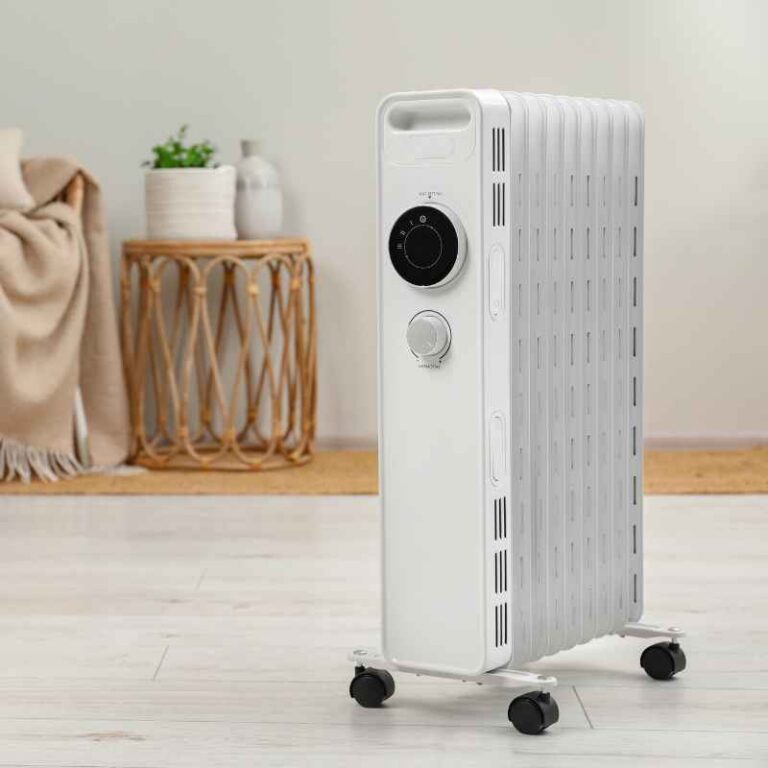
- Convection heaters: These warm air, which then rises and circulates. Think of oil-filled radiators.
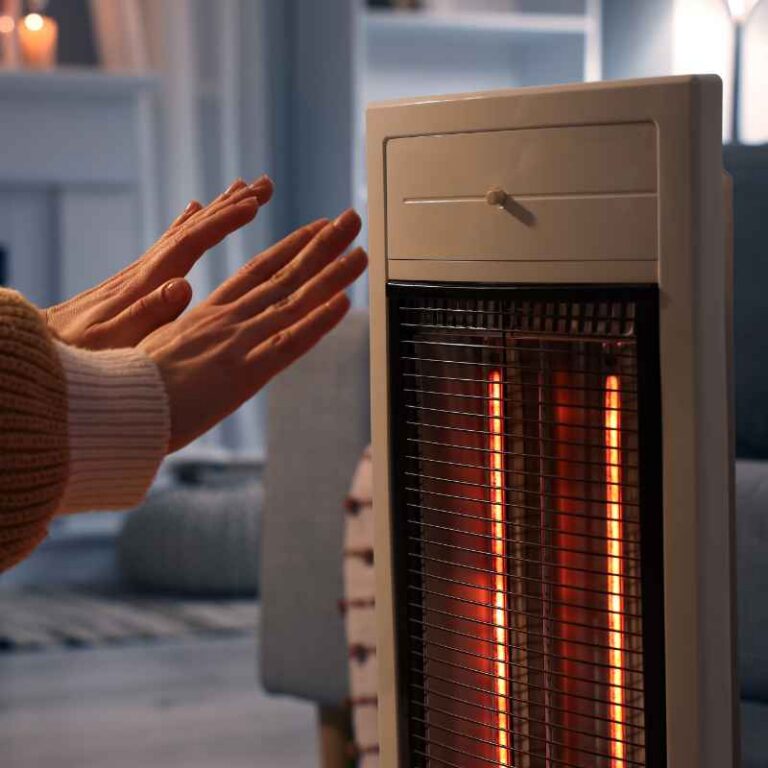
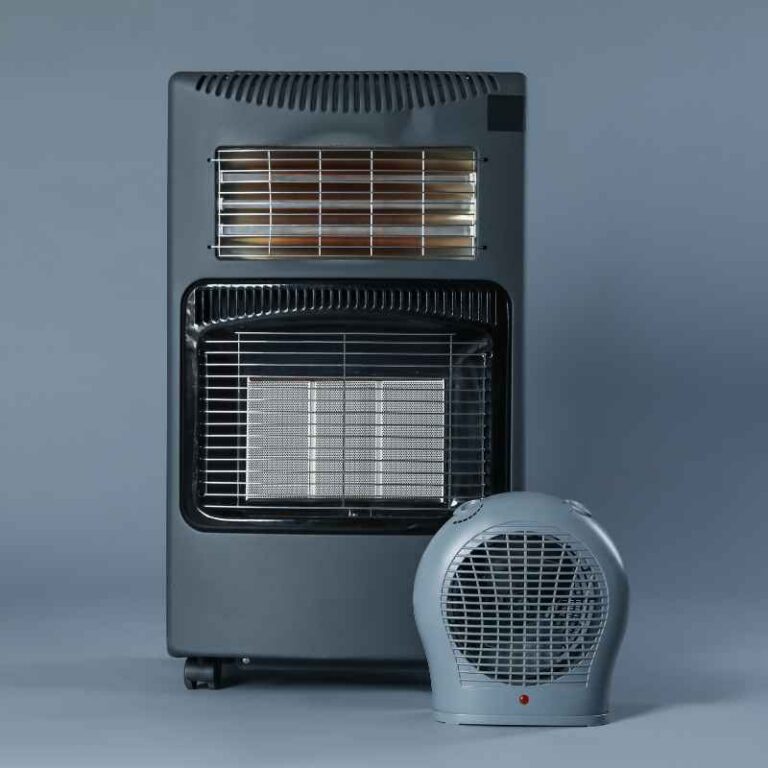
- Radiant heaters: These heat objects directly using infrared waves. Think of the coils you see glowing in some models.
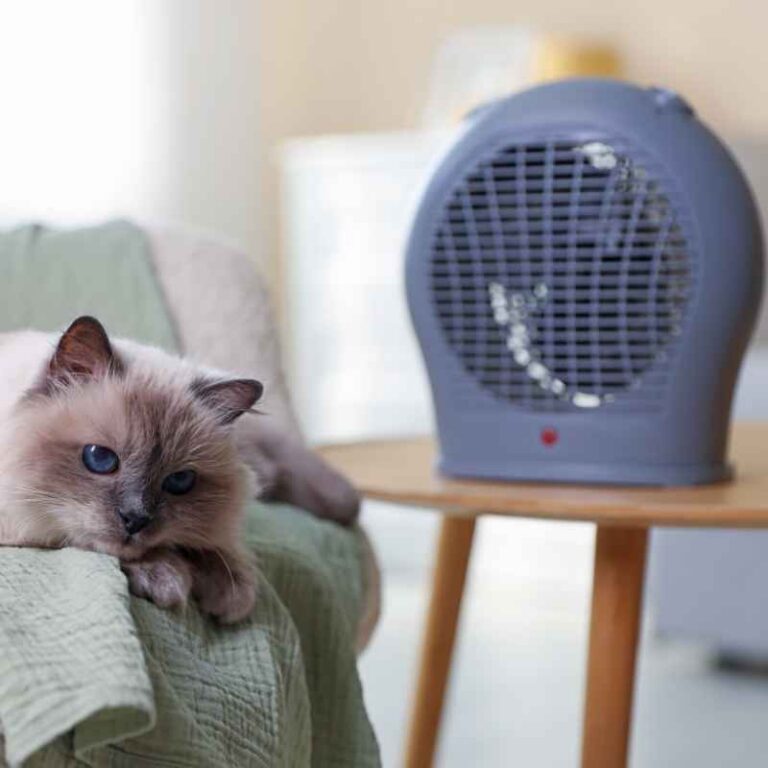
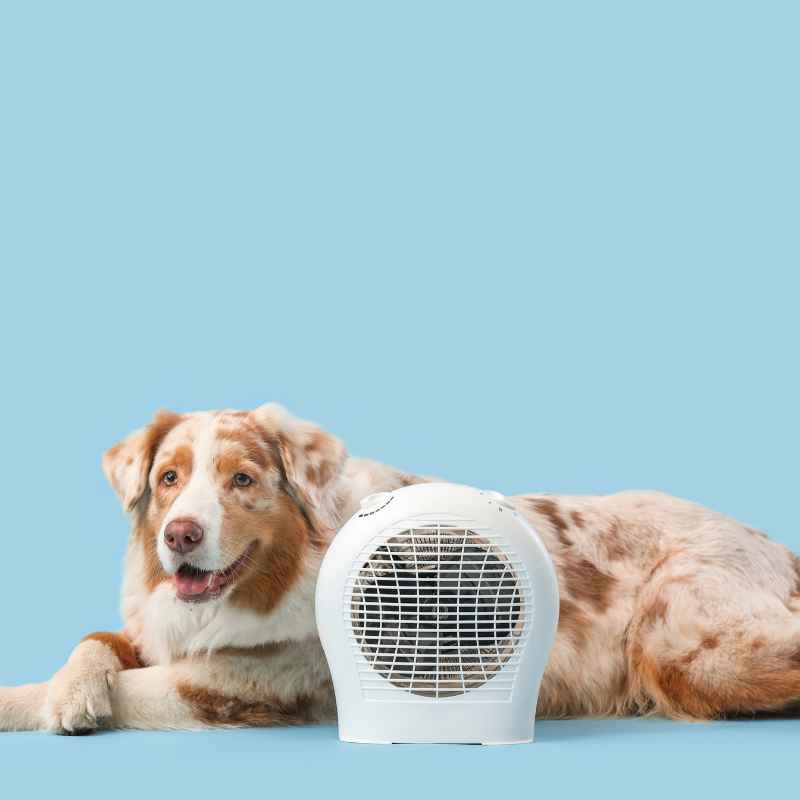
- Fan heaters (or ceramic heaters): These use a heating element and a fan to push warm air out quickly.
Each type has its own way of delivering heat.
But they all use electricity to do it. Understanding these differences helps in choosing the right one. It also helps in figuring out their energy use.
My Own Portable Heater Adventure
I remember one particularly brutal winter a few years back. My home office, bless its heart, was always the coldest room. My main furnace struggled to keep up.
The vents in that room seemed to blow more cool air than warm. I was wearing two sweaters indoors and still shivering at my desk. I felt like a productivity vampire, my energy drained by the cold.
I decided enough was enough. I bought a small ceramic fan heater. It was one of those compact, bright orange ones.
I plugged it in near my desk and turned it on low. The instant warmth was amazing. It was like a personal sunshine bubble.
I could finally feel my fingers again. I started to wonder if this little guy could actually save me money. Or was it just adding to my electricity bill?
It felt like a gamble. But the comfort was undeniable. This experience really got me thinking about the real energy impact of these devices.
Spot Heating vs. Whole House Heating
Spot Heating: Uses a portable heater to warm only the immediate area you are in. This is useful for offices, bedrooms, or living rooms during specific times.
Whole House Heating: Uses your central furnace or boiler to heat all rooms in your home. This is ideal for consistent, uniform warmth across your entire living space.
Key Difference: The main difference is focus. Spot heating is about targeted warmth. Whole house heating is about overall comfort for the entire dwelling.
How Portable Heaters Use Energy
Portable heaters are electric devices. They convert electrical energy into heat energy. The amount of energy they use is measured in watts.
Most portable heaters range from 750 watts to 1500 watts. Your electric bill is calculated based on kilowatt-hours (kWh). A kilowatt is 1000 watts.
So, a 1500-watt heater running for one hour uses 1.5 kWh of electricity.
To figure out the cost, you need to know your local electricity rate. For example, if your electric rate is $0.15 per kWh, running a 1500-watt heater for one hour would cost $0.15 x 1.5 = $0.225. This might not seem like much for one hour.
But if you use it for several hours a day, or across multiple rooms, the cost can add up. It’s important to be aware of this wattage when you’re considering efficiency.
Some heaters have different settings. A 1500-watt heater might have a low setting of 750 watts. This means it uses less power when it’s not trying to heat a very cold room.
This is a good feature to look for. It gives you more control. It also helps manage energy consumption.
The thermostat on a portable heater is also key. It turns the heater on and off to maintain a set temperature. This prevents it from running constantly.
The heating element itself is usually quite efficient at converting electricity to heat. Nearly 100% of the electricity used becomes heat. This is where the confusion about efficiency often starts.
It’s not that the heater is bad at making heat. It’s about how that heat is used and whether it’s the most cost-effective way to warm your home. The true energy efficiency comes into play when comparing its use to your central system.
When Are They Energy Efficient?
Portable heaters are most energy efficient when used strategically. This means using them to supplement your main heating system. It’s about avoiding heating empty spaces.
Let’s say you live in a smaller home or apartment. Your central heating might be powerful but also slow to respond. You might want to warm up the living room for a few hours in the evening.
Instead of running the furnace all day, you can use a portable heater in the living room.
If you only heat the room you are currently occupying, a portable heater can be more efficient than heating your entire house. For example, if you spend most of your day in your home office. You can turn down the thermostat for the rest of the house.
Then, use a portable heater just for your office. This targeted approach saves energy. It’s like wearing a jacket outside instead of trying to heat the entire street.
Another scenario is for rooms that are naturally colder. Older homes might have rooms with poor insulation or distant heating vents. A portable heater can provide direct warmth to these spots.
This makes the room comfortable. It might even allow you to lower the thermostat for your whole house slightly. This can lead to overall energy savings.
It’s important to consider your home’s layout and your daily routine.
However, if you use a portable heater to warm a large area. Or if you run it all day and night in a room that’s already warm. Then it will likely be less energy efficient.
It will simply add to your overall electricity consumption. Think of it this way: a flashlight is very efficient for lighting up a small area. But it’s not efficient for lighting your entire house.
A portable heater is like a flashlight for heat.
Portable Heater vs. Central Heating Cost Example
Scenario: You want to warm your living room for 4 hours each evening.
-
Option 1: Central Heating
- Assume running central heat to keep the whole house at 70°F costs $2.00 for those 4 hours.
- This heats all rooms, even unused ones.
-
Option 2: Portable Heater
- A 1500W portable heater used for 4 hours costs $0.225/hour * 4 hours = $0.90.
- You turn down the central thermostat for the rest of the house during this time.
- Potential Saving: $2.00 – $0.90 = $1.10 per evening.
Note: This is a simplified example. Actual costs vary by electricity rates, heater wattage, and home insulation.
When They Are NOT Energy Efficient
It’s crucial to understand when a portable heater might actually increase your energy bill. The biggest pitfall is using it as a primary heat source for a large space. If your home is well-insulated and your central heating works efficiently.
Then using a portable heater might just be adding an extra load. Your central system might be designed to heat your whole home more effectively. Trying to heat a large living room with a small portable heater could mean it runs constantly.
This constant running will rack up the electricity costs. Especially if you have one of those high-wattage models (1500 watts). Imagine trying to fill a swimming pool with a garden hose.
It’s possible, but it takes a very long time and a lot of water. Similarly, a small heater trying to warm a large, poorly insulated room will struggle. It will likely use more energy in the long run than your central system.
Another common mistake is running them in rooms that are already reasonably warm. If your thermostat is set to 70°F and your room is already there. Turning on a portable heater will just make it hotter.
Then, your central system will have to work harder to compensate. This wastes energy. It’s like putting on a heavy coat when you’re already sweating.
Also, consider the type of heater. Some older models might be less efficient than newer ones. They might not have advanced features like thermostats or energy-saving modes.
Always check the wattage. A higher wattage means more power consumption. If you’re looking for efficiency, opt for models with adjustable thermostats and lower wattage settings.
And remember, electricity is often more expensive per unit of heat than natural gas, which many central heating systems use. So, even if the conversion to heat is 100%, the source cost matters.
Myth vs. Reality: Portable Heater Efficiency
Myth: Portable heaters are always less efficient than central heating.
Reality: This is only true if they are misused. When used for spot heating in unoccupied or less-used areas, they can be more efficient by reducing the need to heat the entire house.
Myth: All portable heaters use the same amount of energy.
Reality: Wattage varies greatly. Lower wattage models are more energy-efficient for personal comfort. Features like thermostats also impact overall energy use.
Understanding Different Types and Their Efficiency
The type of portable heater matters for how it distributes heat and how quickly it makes a space comfortable. This can influence your perceived efficiency and actual energy use.
Convection Heaters (like Oil-Filled Radiators): These are slower to heat up a room. They warm the air. The warm air rises and circulates.
This creates a steady, even heat. Because they heat the air and then rely on circulation, they can be good for maintaining a consistent temperature. They often have lower wattage settings.
They are generally quieter. They are often considered quite efficient for maintaining a comfortable background warmth in a room. They take longer to feel the heat, but it lasts longer.
Radiant Heaters: These heat objects and people directly. You feel the warmth instantly when you’re in their line of sight. They don’t rely on heating the air.
This makes them very effective for immediate comfort. They are great for short periods of use. For example, sitting on a couch or at a desk.
They can be energy efficient in this context because you get comfort quickly. You might not need to run them as long. However, they only heat what they “see.” Once you move out of their direct path, you stop feeling the heat.
Fan Heaters (Ceramic Heaters): These are the quickest to heat a small space. The fan blows air over a hot ceramic element. This pushes warm air out rapidly.
They are great for quickly warming up a chilly bathroom or office. Because they heat the air quickly, they can make a room feel warmer faster. This might mean you can turn them off sooner.
Or use them for shorter durations. The fan does use a small amount of extra energy. But the primary energy use is still the heating element.
For pure energy efficiency in terms of getting the most heat for the electricity used, they are all quite similar in their conversion of electricity to heat. The difference lies in how they deliver that heat and how that matches your needs. A radiant heater is efficient if you need instant heat in one spot.
A convection heater is efficient for steady, long-term warmth in a contained room. A fan heater is efficient for quick boosts of heat.
Quick-Scan: Portable Heater Types
| Heater Type | How it Heats | Best For | Efficiency Note |
|---|---|---|---|
| Convection (Oil-Filled) | Warms air, circulates naturally | Steady, even room warmth, maintaining temp | Good for sustained comfort. Slower to feel heat. |
| Radiant | Infrared waves, heats objects/people directly | Instant personal warmth, spot heating | Efficient for immediate comfort. Heat is directional. |
| Fan (Ceramic) | Heats air, fan blows it out | Quickly warming small spaces | Heats fast, good for short bursts. |
Factors Affecting Real-World Efficiency
Beyond the type of heater, several other factors play a big role in how energy efficient your portable heater will be in practice. These are the things that often get overlooked.
Thermostat Accuracy: A good thermostat is crucial. If your heater’s thermostat isn’t accurate, it might keep running when the room is already warm. Or it might shut off too soon, making the room feel cold.
This leads to wasted energy or discomfort. Look for heaters with adjustable thermostats that seem to respond well.
Room Size and Insulation: This is a big one. A small, well-insulated room will heat up quickly with a portable heater. A large, drafty room will make the heater work overtime.
If your room has poor insulation (think single-pane windows, leaky doors), a portable heater might not be able to keep up. It will run constantly, burning electricity without achieving the desired temperature. Sealing up drafts is often more energy efficient than using a more powerful heater.
Occupancy and Usage Habits: How long are you in the room? Do you turn the heater off when you leave? Leaving a portable heater running in an empty room is a surefire way to waste energy.
Even if it has a thermostat, it’s still consuming power to maintain a temperature nobody is benefiting from. Consistent, mindful use is key.
Comparison to Central Heating: As we discussed, the efficiency comparison depends on your central heating system. If your furnace is old and inefficient, a modern portable heater might seem more efficient for a small space. If your central system is new and efficient, using a portable heater as a supplement might not offer significant savings unless you’re carefully managing your central thermostat.
Energy Costs: The cost of electricity versus other heating fuels (like natural gas) plays a huge role. In areas where electricity is very expensive, relying on electric portable heaters for anything more than very short bursts of personal warmth might not be economical. Always check your local utility rates.
Personal Habits for Efficient Use
- Use only when needed: Turn it on only for the hours you are in the room.
- Set thermostat wisely: Find the lowest comfortable temperature. Don’t overheat the space.
- Turn off when leaving: Even for short absences, switch it off.
- Combine with insulation: Close doors and windows. Use curtains to help retain heat.
- Consider lower wattage: If personal warmth is the goal, a lower wattage heater is often sufficient.
Safety and Efficiency Go Hand-in-Hand
When we talk about efficiency, safety is an essential partner. A heater that isn’t safe can lead to much bigger problems than an energy bill. Many modern portable heaters come with safety features designed to prevent accidents.
These features can also indirectly contribute to efficiency.
Automatic Shut-off: Most portable heaters have an automatic shut-off if they tip over. This is a critical safety feature. It prevents fires.
It also means the heater stops consuming energy if it’s knocked over. This prevents continuous heating in a dangerous situation.
Overheat Protection: Heaters also have sensors to shut them off if they get too hot internally. This prevents damage to the unit and potential fire hazards. Again, this stops unnecessary energy consumption if something goes wrong.
Cool-Touch Housings: Some models have housings that stay cooler to the touch. While not directly related to energy efficiency, it makes them safer to be around, especially in homes with children or pets. This encourages more confident and controlled use.
Proper Placement: Always place portable heaters on a hard, level surface. Keep them at least three feet away from anything flammable, like curtains, furniture, or bedding. Never place them near water.
Following these safety guidelines ensures the heater operates as intended. It reduces the risk of accidents that could lead to energy waste or damage. A well-maintained and safely used heater is a more efficient heater.
Safety Checklist for Portable Heaters
- Always use on a flat, stable surface.
- Keep at least 3 feet clear around the heater.
- Never cover the heater.
- Unplug when not in use.
- Check the cord for damage regularly.
- Use models with tip-over and overheat protection.
When is it Worth it to Buy a Portable Heater?
So, after all this, is buying a portable heater a good idea for energy efficiency? The answer, as often is the case, is: it depends.
It’s definitely worth it if you:
- Want to heat only one specific room for a few hours a day.
- Have a room that is consistently colder than the rest of your house.
- Want to lower your central thermostat and use a portable heater for personal comfort in a small area.
- Live in a small apartment where heating the whole space constantly is unnecessary.
- Need a quick temporary heat source while your main system is being repaired.
In these cases, a portable heater used mindfully can absolutely contribute to energy savings. You’re using energy to heat only what you need, when you need it. This targeted approach is the key to its efficiency.
It’s probably not worth it if you:
- Plan to use it as your primary heat source for a large house.
- Intend to run it all day and night in a room that’s already comfortable.
- Have a very old or inefficient central heating system that struggles to heat your whole house.
- Live in a region where electricity rates are extremely high, and gas heating is much cheaper.
In these situations, a portable heater might just be an added expense without significant energy savings. It’s about understanding your home, your habits, and your heating needs.
My personal experience in the cold office taught me this. The little orange heater made my workdays bearable. By lowering the main thermostat slightly and only using the portable one when I was at my desk, I felt I was saving energy compared to trying to blast heat into that perpetually cold room.
It was a small change, but it made a difference in both comfort and my peace of mind about my utility bill.
What Does This Mean for Your Energy Bill?
Understanding if a portable heater is energy efficient directly impacts your wallet. If used correctly, a portable heater can be a tool for lowering your overall heating costs. This happens by reducing the workload on your central heating system.
The key is smart usage. Think of it as a personal climate control device. It’s for your immediate comfort, not for your whole house.
When you use it to supplement your main heat, you might be able to turn your central thermostat down a few degrees. This can lead to significant savings. According to the U.S.
Department of Energy, turning your thermostat down by 7–10 degrees Fahrenheit for 8 hours a day can save 10% on your heating bill.
If you’re heating a small office for 8 hours a day with a portable heater, and turning down the main thermostat for those 8 hours, you could see a noticeable reduction. Even a few dollars saved each month adds up over a heating season. Remember to factor in the cost of electricity.
If electricity is very expensive in your area, the savings might be less dramatic.
However, if you use a portable heater as a primary source for a larger area, or leave it running constantly, you will likely see your electricity bill increase. This is because electric resistance heating, which most portable heaters use, can be more expensive per unit of heat than other fuel sources like natural gas. It’s always a balance between comfort, convenience, and cost.
Always monitor your energy bills after introducing a new heating method. Compare them to previous years. This will give you the best idea of whether your strategy is working.
If your bill goes up unexpectedly, it might be time to re-evaluate how you’re using your portable heater.
Frequently Asked Questions
Are portable heaters safe to leave on overnight?
While many portable heaters have safety features like automatic shut-off, it is generally not recommended to leave any portable heater unattended or on overnight, especially in bedrooms. This is to minimize any potential fire risk and ensure the unit operates safely. Always follow the manufacturer’s instructions.
How much electricity does a typical portable heater use per hour?
Most portable heaters range from 750 watts to 1500 watts. A 1500-watt heater will use 1.5 kilowatt-hours (kWh) of electricity per hour. To calculate the cost, multiply this by your local electricity rate per kWh.
Can a portable heater replace my main heating system?
For small spaces or supplemental heating, yes. However, a portable heater is generally not designed to be the sole heat source for an entire home, especially larger ones. Central heating systems are more powerful and efficient for whole-house warmth.
Which type of portable heater is the most energy efficient?
All electric resistance heaters convert nearly 100% of electricity into heat. The “efficiency” comes from how well they meet your needs. Convection heaters offer steady room warmth, radiant heaters offer instant personal heat, and fan heaters offer quick heating of small areas.
Choose based on your usage scenario.
How can I make my portable heater more energy efficient?
Use it only when needed in the occupied room. Set the thermostat to the lowest comfortable temperature. Ensure the room is well-insulated and free of drafts.
Turn it off when you leave the room, even for short periods. Combine its use with turning down your central heating thermostat.
Are energy-efficient portable heaters available?
Look for models with adjustable thermostats, multiple wattage settings, and energy-saving modes. While the heating element itself is nearly 100% efficient, these features help manage the overall energy consumption by preventing overheating and unnecessary operation.
Final Thoughts
So, is a portable heater energy efficient enough to matter? Yes, it absolutely can be. The key is understanding that its efficiency isn’t about the heater itself converting electricity to heat.
It’s about how you use that heat. When used strategically for spot heating, it allows you to focus warmth where you need it. This can reduce the need to heat your entire home constantly.
This targeted approach is where the real energy savings lie. Use it wisely, and it can be a valuable tool for comfort and economy.
Sponsored / affiliate links. As an Amazon Associate I earn from qualifying purchases. I may earn additional commission from eligible campaigns.
 Portable Air Conditioners 14000 BTU, Energy Efficient AC with Remote Control & 24H Timer, Ultra Quiet Cooling Unit for Large Rooms Up to 750 Sq. Ft, Office, Bedroom, White
 AZEUS Portable AC and Heater Unit, 420W 110V Compact Air Conditioner for Tent RV Truck Cabin and Small Room, 1400W Cooling, 800W Heating, Remote Control, Dehumidifier, Sleep Timer, Champagne