Does A Portable Heater Actually Save Money On Energy Bills?
This is a common question, especially with rising energy costs. We all want to stay warm without breaking the bank. This article will explore how portable heaters work for saving energy.
You’ll learn which types are best and how to use them wisely. We aim to give you a clear picture so you can make smart choices.
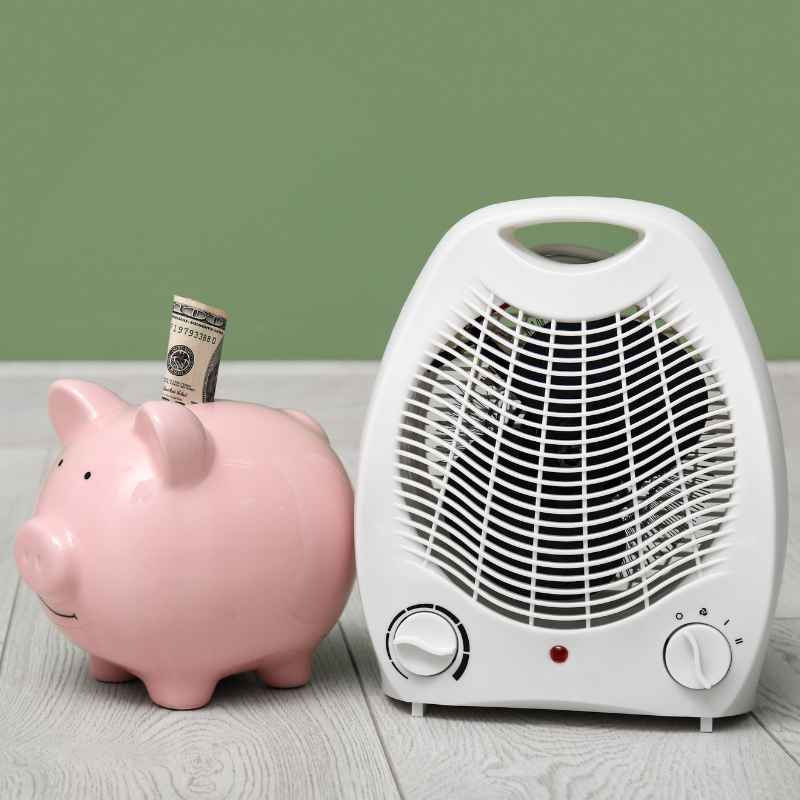
Using a portable heater can save money if used smartly for zone heating. It warms a specific area rather than an entire house. This cuts down on the overall energy needed. Factors like heater type, room size, and insulation play a big role. Proper use is key to seeing savings.
Understanding Portable Heaters and Energy Use
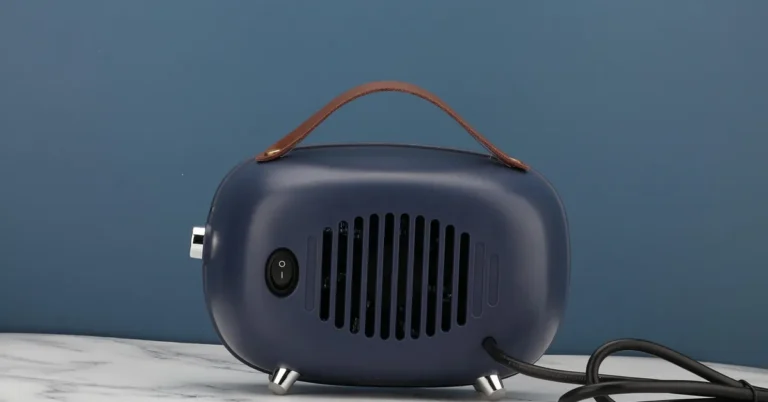
Portable heaters are designed to warm up a small space. Think of a single room, like your bedroom or home office. They are electric devices.
You plug them into a standard wall outlet. These heaters come in many shapes and sizes.
They all work by converting electrical energy into heat. This process is called resistive heating. Some heaters use a fan to push warm air out.
Others use radiant heat, like a tiny sun beam. The main idea is to create a warm bubble around you.
The big question is about energy bills. Many people think that using a small heater is cheaper. This is often true if you use them the right way.
It’s not about heating your whole house. It’s about heating just where you are.
Many homes have a central heating system. This system warms up every room. Even rooms you aren’t using get heated.
This wastes a lot of energy. A portable heater avoids this waste. You only heat the space you are in.
This concept is called zone heating. You create a warm zone. You don’t need to heat the whole house.
This can lead to significant savings. But it depends on several factors. We will look at these more closely.
It is important to understand that all electric heaters use a lot of power. A 1500-watt heater uses 1.5 kilowatts per hour. This can add up quickly if used all day.
But compared to heating a whole house, it can be less.
The cost of electricity varies by location. Some areas have cheaper power. Others have very expensive power.
Your local utility rates will affect your savings. It’s good to know your cents per kilowatt-hour. This helps you calculate costs.
Insulation is another key point. A well-insulated room will hold heat better. This means the heater won’t have to work as hard.
A drafty room will lose heat quickly. The heater will run more often. This uses more energy.
My Experience With a Drafty Home Office
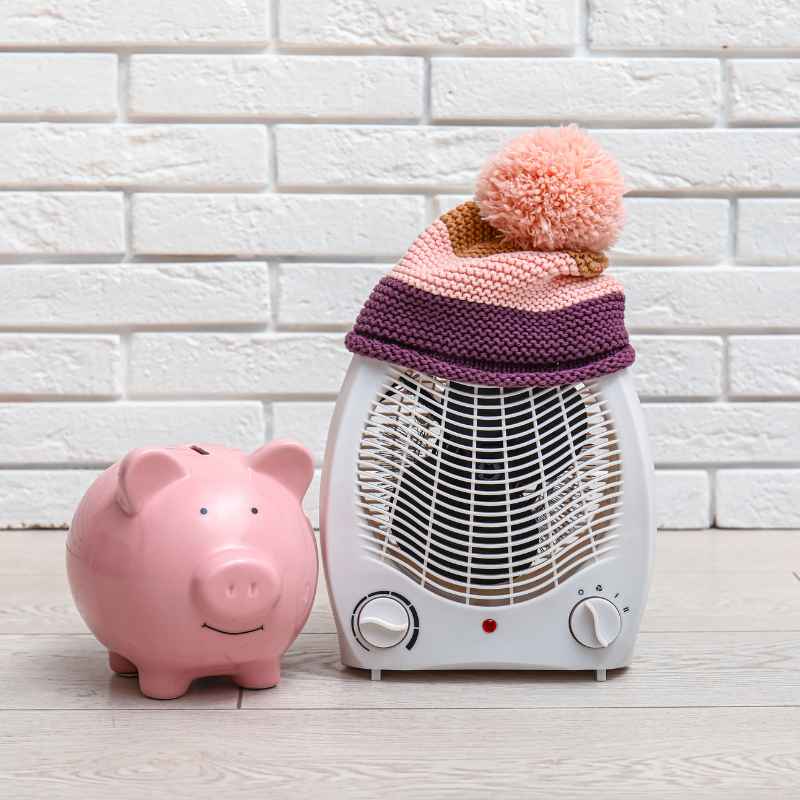
I remember one winter. My home office was always freezing. It was an old addition to the house.
The windows seemed to let in every bit of cold air. I had the central heating on, but that room was still miserable.
I was working late one night. My fingers were so cold I could barely type. I felt a real sense of annoyance.
My whole house was warm, but this one space was frigid. It felt like a waste of heat.
So, I decided to try a portable heater. I bought a small ceramic one. It had a fan.
I plugged it in. I set it to a medium heat. Almost right away, I felt a difference.
The air around my desk got much warmer.
I was so happy! I thought, “This is it! I’m going to save so much money!” But then I noticed something.
Even though my office felt cozy, my main heating bill didn’t drop much. In fact, it stayed about the same.
I felt a bit confused. I was using less heat in that one room. Why wasn’t the bill lower?
I started to research. I learned that my central system was still running. It was still trying to heat the whole house.
My little heater was just adding extra heat locally.
This is when I truly understood zone heating. To save money, you have to turn down the main heat. You can’t just add another heat source and expect savings.
It’s about replacing the need for more central heat.
My mistake was not adjusting the thermostat for the main system. I was heating two different areas independently. This actually cost me more.
It took me a while to get it right. But once I learned to lower the main thermostat, I saw the savings.
Understanding Heater Wattage
Wattage is a measure of power. Higher wattage means more power used. Most portable electric heaters are between 700 and 1500 watts.
A 1500-watt heater uses more electricity than a 700-watt one. But it also produces more heat. For a small room, a lower wattage heater might be enough.
This saves energy. For larger rooms or colder days, a higher wattage heater might be needed. Always check the heater’s specifications.
Understand how much power it uses. This helps you estimate costs.
Types of Portable Heaters and Their Efficiency
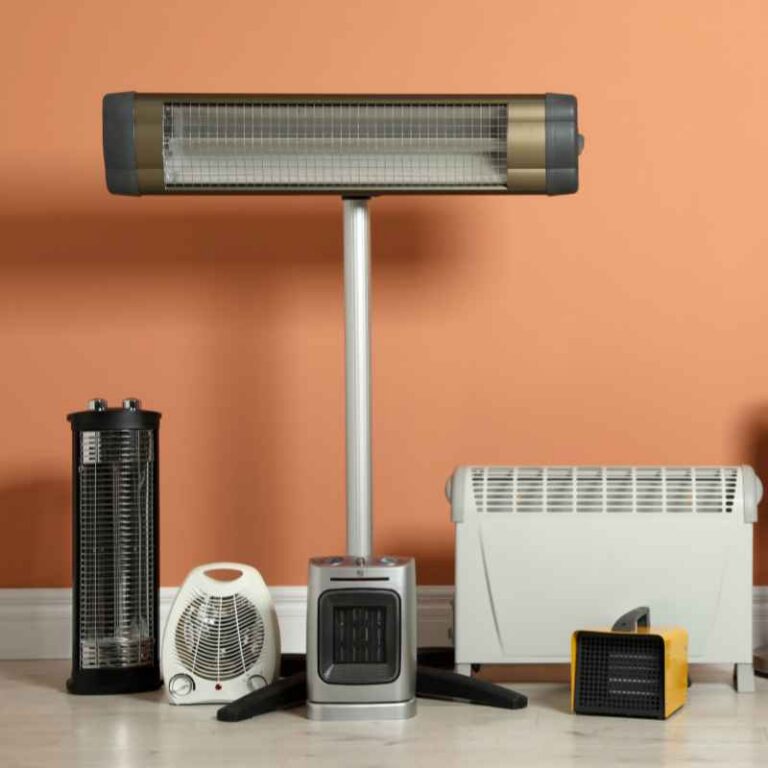
Not all portable heaters are the same. They use different methods to create heat. This affects how they feel and how efficient they are.
Efficiency in electric heaters is a bit different than in other appliances. All electric resistive heaters are technically 100% efficient at converting electricity to heat. The difference lies in how that heat is delivered and retained.
Here are some common types:
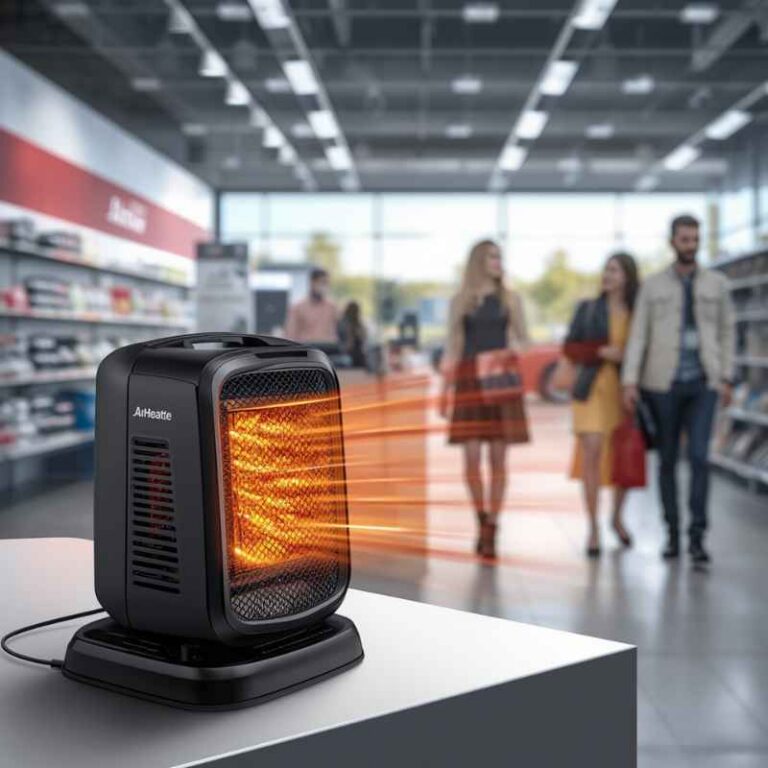
Ceramic Heaters
These are very popular. They use a ceramic element. This element heats up.
A fan blows air over the hot element. Then, it pushes the warm air into the room. They heat up quickly.
They are good for quickly warming a small space.
Pros: Fast heating, good air circulation, relatively safe with auto-shutoff.
Cons: Can be noisy due to the fan, may dry out air.
Oil-Filled Radiators
These look like old-fashioned radiators. They are filled with oil. An electric element heats the oil.
The oil then heats the metal fins of the radiator. The radiator emits heat slowly and steadily. It also radiates heat directly.
Pros: Silent operation, provides a consistent, gentle heat, stays warm for a while after shutoff.
Cons: Slow to heat up a room, bulky and heavy.
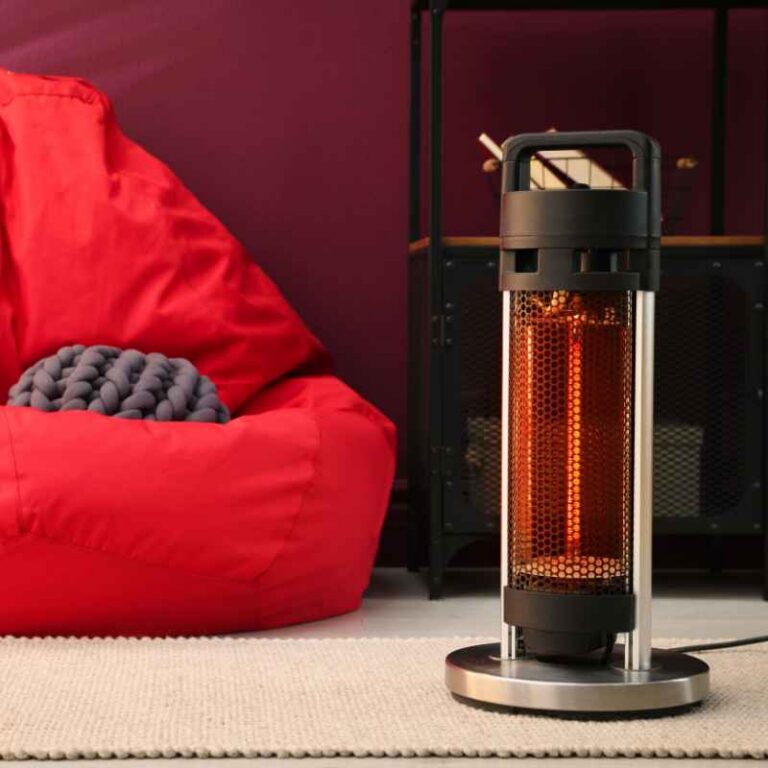
Infrared or Radiant Heaters
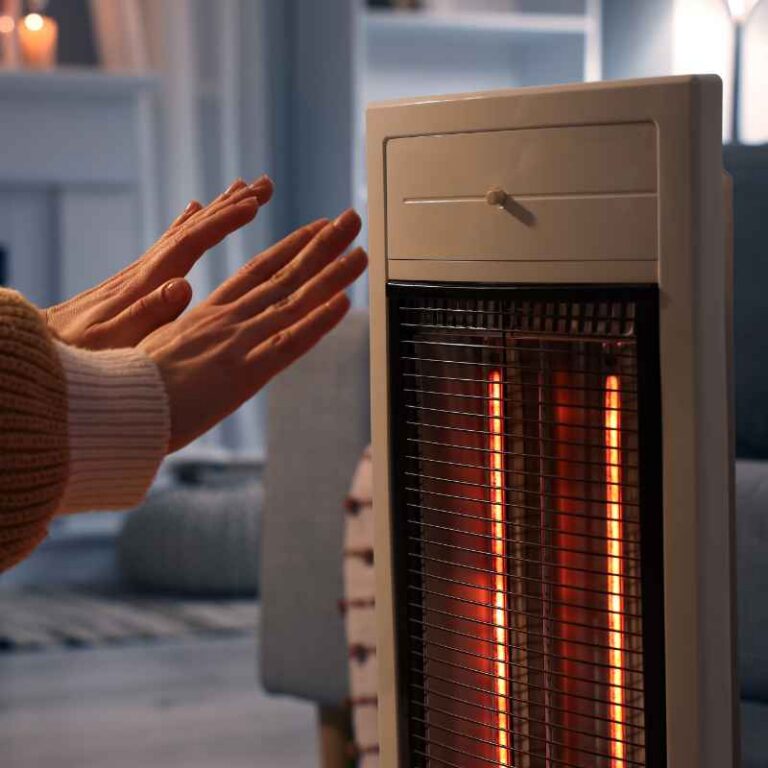
These heaters produce infrared radiation. This radiation directly heats objects and people in its path. They don’t heat the air itself much.
Think of the warmth from the sun on your skin. They are great for spot heating.
Pros: Heats people and objects directly, very quiet, no fan noise, feels warm almost instantly.
Cons: Only heats what is in its direct path, less effective for heating an entire room evenly.
Convection Heaters
These heaters work by heating the air. Cool air enters the heater. It is heated.
Then, the warm air rises and circulates around the room. This is a natural process. They heat the air in the room slowly and evenly.
Pros: Quiet operation, provides even heat distribution.
Cons: Can take a while to heat a room, less effective for quick spot heating.
Which is best for saving money?
For saving money, radiant and ceramic heaters are often good choices. Radiant heaters give you instant warmth. You feel the heat right away.
This means you might not need to run it for as long. Ceramic heaters also heat up fast. They are good for quickly making a small area comfortable.
Oil-filled radiators and convection heaters are great for steady, background heat. They are good if you want to maintain a temperature. But they take longer to warm up.
If you only need heat for a short time, they might not be the most energy-saving choice.
Quick Scan: Heater Type vs. Use Case
| Heater Type | Best For | Savings Potential |
|---|---|---|
| Ceramic | Quickly warming small spaces, offices | Good (fast heating) |
| Oil-Filled Radiator | Steady, quiet warmth, maintaining temp | Fair (slow to heat, but consistent) |
| Infrared/Radiant | Direct spot heating, feeling warm instantly | Very Good (instant heat, less run time) |
| Convection | Evenly heating a room over time | Fair (slow heating, but distributes well) |
Real-World Context: When Portable Heaters Shine
Portable heaters are not meant to replace your main heating system. They are supplements. They are best for specific situations.
Understanding these situations helps you use them for savings.
Situations where they save money:
- Heating a single room: This is the most common and effective use. If you only spend time in one or two rooms, heating only those rooms saves energy. For example, in the evening, you might only need heat in the living room. During the day, your office might be the only space you need.
- Supplementing weak central heat: Some homes have rooms that the central system struggles to heat. These rooms might be far from the furnace or poorly insulated. A portable heater can provide targeted warmth. This lets you keep the central thermostat lower.
- Dealing with temperature drops: You might not need heat all day. But certain times can get chilly. A portable heater can quickly warm you up for a short period. You can then turn it off. This is more efficient than running the main system for just an hour.
- Office or workshop heating: If you work from home, your office might not be heated as much as other parts of the house. A small, efficient heater can make this space comfortable. It stops you from needing to heat the whole house.
- “No heat” zones: Some areas, like basements or garages that are used for hobbies, might not have any heating. Portable heaters can make these spaces usable in cooler weather.
When they might NOT save money:
- Heating the entire house: Running multiple portable heaters all over the house will likely increase your bill. They use a lot of electricity. It’s usually cheaper to use your central system for whole-house heating.
- Overlapping with main heat: If you run a portable heater in a room and keep your main thermostat set high, you’re essentially heating that room twice. This wastes energy and money.
- Using them as the primary source in very cold weather: In extremely cold climates, a small portable heater might not be enough. You might have to run it constantly at a high setting. This can use a lot of electricity. Your main heating system might be more efficient for sustained, whole-house warmth.
- Poor insulation: If the room you are trying to heat is very drafty, the heat will escape quickly. The heater will run constantly. This wastes energy. It’s better to address drafts first.
The key is understanding that portable heaters are best for occupancy-based heating. You heat the space when and where you need it. This is the core principle of energy saving with these devices.
Myth vs. Reality: Portable Heater Savings
Myth
A portable heater will always lower your heating bill.
Reality
Savings depend on how you use it. Zone heating and lowering central heat are crucial for real savings.
Myth
All electric heaters are inefficient.
Reality
Electric resistive heaters convert all energy to heat. Efficiency is about delivering that heat where needed, not about energy loss.
Myth
You can use a portable heater to warm your whole house.
Reality
They are designed for small areas. Heating a whole house with them is usually more expensive than using central heat.
Smart Habits for Maximizing Savings
To truly save money with a portable heater, you need good habits. It’s not just about buying the heater. It’s about how you use it.
Think of it like a tool. You need to use the right tool for the right job.
1. Lower Your Main Thermostat
This is the most important step. If you are heating one room with a portable heater, turn down the thermostat for your central heating system. Lower it by 5-10 degrees Fahrenheit.
This way, you are not heating the same space twice. This is where the real savings come from.
2. Use It Only When Needed
Don’t leave the portable heater running all day and night. Turn it on when you enter the room. Turn it off when you leave.
If you only need a little extra warmth for an hour, use it for that hour. Don’t let it run unattended for long periods.
3. Target Your Heating Zone
Portable heaters work best when you are close to them. Radiant heaters are excellent for this. They warm you directly.
Ceramic heaters with fans can warm a small room quickly. Understand the type of heat. Use it to your advantage.
4. Close Doors and Windows
Keep the door to the room closed. This traps the heat inside. It stops warm air from escaping into colder parts of the house.
Seal any drafts around windows and doors. This prevents heat loss. It makes your heater work less.
5. Choose the Right Size Heater
Don’t buy a heater that’s too big or too small for the space. A heater that’s too small will run constantly. It won’t heat the room effectively.
A heater that’s too big might overheat the space quickly. It will cycle on and off more often. Look at the heater’s recommended room size.
Match it to your needs.
6. Consider a Thermostat-Controlled Heater
Some portable heaters have built-in thermostats. You set the desired temperature. The heater turns on and off to maintain it.
This is much more energy-efficient than a heater that just runs constantly. It prevents overheating and saves power.
7. Regular Maintenance
Keep your heater clean. Dust can clog vents and fans. This makes the heater work harder.
It can also be a fire hazard. Check the power cord for damage. Ensure it’s plugged in securely.
By following these simple steps, you can make sure your portable heater is a cost-saver, not a cost-adder. It’s about being smart and intentional with your energy use.
Stacked Micro-Sections: Energy Saving Tips
Thermostat Control: Always lower your main thermostat when using a portable heater. This is critical for savings.
Occupancy Heating: Only turn on the heater when you are in the room. Turn it off when you leave.
Zone Focus: Use radiant heaters to warm yourself directly. Use fan heaters for quick room warming.
Seal Your Space: Close doors and windows. Fix drafts to keep heat in.
Right Size Matters: Select a heater appropriate for the room size to avoid over or under-heating.
When Is It Normal to Use a Portable Heater?
It’s perfectly normal and often smart to use a portable heater in many situations. The key is context. Is it helping you avoid heating unused spaces?
Is it providing comfort where central heat is lacking?
Normal Scenarios:
- You’re working in your home office during the day, and you’ve lowered the main thermostat.
- You’re in the living room in the evening, and the rest of the house is not occupied.
- You have a basement den that you use occasionally, and you only want to heat that space.
- A specific room in your house is always colder than others, and you want to make it comfortable.
- You need a quick burst of warmth while getting dressed in the morning before the main heat kicks in.
These are all situations where a portable heater is a good tool. They help you manage your comfort and your energy use effectively. They allow you to be more granular with your heating.
When Should You Be Concerned?
There are times when using a portable heater might signal a bigger problem or be a bad idea for your budget. You should be concerned if:
- You’re using it to heat the whole house. This is almost always more expensive than using your central system.
- You’re running it 24/7 in a single room. If you need constant heat, your main system might be more efficient. Or, you might have insulation issues.
- Your electric bill spikes significantly. This is a clear sign that the heater is costing you more than you expected.
- The heater seems to struggle or runs constantly. This could mean the heater is too small, the room is poorly insulated, or there’s an issue with the heater itself.
- You notice strange smells or sounds. This could indicate a problem with the heater, posing a safety risk.
If you find yourself relying heavily on a portable heater, it might be worth investigating your home’s insulation. Also, check the efficiency of your main heating system. Sometimes, what seems like a good fix for a cold room is just a symptom of a larger issue.
Simple Checks You Can Do
Before you rely on a portable heater, or if you’re worried about costs, do a few quick checks:
- Check your main thermostat settings: Are they set appropriately? Are you lowering them when using the portable heater?
- Feel for drafts: Walk around your windows and doors. Can you feel cold air coming in? If so, seal them.
- Inspect insulation: While a full check is complex, ensure visible insulation in attics or crawl spaces looks adequate.
- Review your electricity bill: Understand your per-kilowatt-hour cost. Calculate how much your heater uses. A 1500W heater at $0.15/kWh costs $0.225 per hour.
- Test your heater on a mild day: See how quickly it warms a small space. This gives you an idea of its power.
These checks can help you understand if your portable heater is a cost-effective solution or if there are underlying issues to address.
Quick Fixes and Tips
Here are some simple tips that can make a big difference:
- Use a timer: Many portable heaters don’t have built-in timers. You can buy inexpensive outlet timers. Plug your heater into the timer. Set it to turn off automatically after a few hours.
- Draft stoppers: Use these at the bottom of doors. They are simple fabric tubes filled with sand or rice. They block cold air from creeping in.
- Thermal curtains: Heavy, insulated curtains can make a big difference in keeping heat in. Use them at night.
- Room-specific usage: Decide which rooms you use most. Focus your portable heater efforts there. Don’t try to heat every room.
- Layer up: Sometimes, wearing a sweater or using a warm blanket is enough. You might not need the heater at all.
These are small steps. But they add up to real energy savings. They help you use your portable heater more effectively.
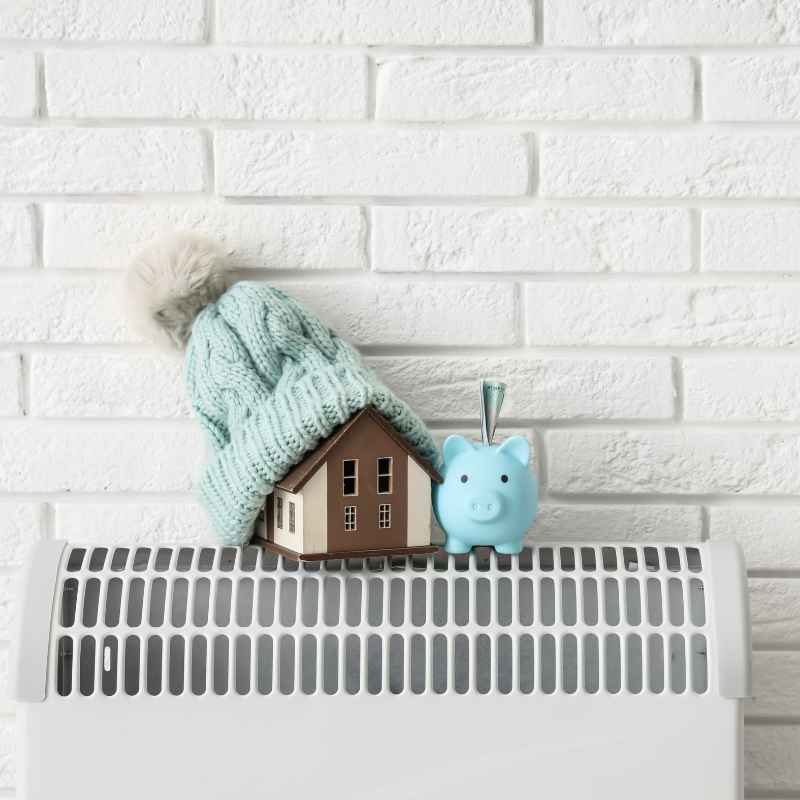
Frequent Questions About Portable Heater Energy Costs
Can using a portable heater really save me money on my heating bill?
Yes, a portable heater can save you money if used for zone heating. This means warming only the room you are in, and lowering your central heating thermostat. It is not a savings tool if you use it to heat the whole house or run it alongside high central heat.
How much electricity does a typical portable heater use?
Most portable electric heaters use between 700 and 1500 watts. A 1500-watt heater uses 1.5 kilowatts of power every hour it runs. The cost depends on your local electricity rates.
Which type of portable heater is most energy-efficient?
All electric resistive heaters convert nearly 100% of the electricity they use into heat. The difference is how they deliver that heat. Radiant heaters are often considered efficient for savings because they warm you directly and instantly, meaning you might need less run time.
Is it cheaper to heat one room with a portable heater or use my central heating on a lower setting?
It is usually cheaper to heat one room with a portable heater if you significantly lower your central heating thermostat. If you don’t lower the central heat, you are heating the same space twice, which costs more. The goal is to replace some of your central heating needs.
Can I use a portable heater in a poorly insulated room?
You can use a portable heater in a poorly insulated room, but it will likely cost more. The heat will escape quickly, making the heater run more often. It’s best to address insulation and drafts first for the most savings.
What is the safest way to use a portable heater to avoid high bills and hazards?
Ensure the heater is on a stable surface, away from flammable materials. Never leave it unattended. Use models with safety features like auto-shutoff.
Always close doors to the heated room and lower your main thermostat to achieve savings and avoid hazards.
Conclusion
So, can a portable heater actually save money on energy bills? The answer is a resounding yes, but with important conditions. When used as a smart tool for zone heating, you can make your home cozy and your wallet happier.
Remember, it’s about heating where you are and when you need it. Lower your main thermostat. Close doors.
Choose the right heater for the job. Doing these things will help you stay warm and save energy all winter long.
Sponsored / affiliate links. As an Amazon Associate I earn from qualifying purchases. I may earn additional commission from eligible campaigns.
 Portable Air Conditioners 14000 BTU, Energy Efficient AC with Remote Control & 24H Timer, Ultra Quiet Cooling Unit for Large Rooms Up to 750 Sq. Ft, Office, Bedroom, White
 AZEUS Portable AC and Heater Unit, 420W 110V Compact Air Conditioner for Tent RV Truck Cabin and Small Room, 1400W Cooling, 800W Heating, Remote Control, Dehumidifier, Sleep Timer, Champagne