Do Ceiling Fans With Heaters Save Energy In Winter?
Ceiling fans with heaters can offer localized warmth and potentially save energy if used strategically for personal comfort, but they are not a primary heating solution and their overall energy savings compared to central heating depend heavily on usage patterns and home insulation.
Understanding Ceiling Fans With Heaters
So, what exactly are these devices? Think of a regular ceiling fan, but with a heating element tucked inside. The idea is that the fan circulates the warm air produced by the heater.
This helps to spread that warmth around a room more evenly. It’s a bit like giving your existing heating system a helping hand. They often come with different speed settings for the fan and adjustable heat levels.
Some might even have timers or remote controls, making them feel quite modern.
The core concept relies on something called destratification. In the winter, heat naturally rises. This means the warmest air is up near your ceiling, while your feet might feel a bit chilly.
A ceiling fan, when run in reverse (usually clockwise), can gently push that warm air down towards you. When you add a heater to the fan unit, it’s designed to enhance this effect. It’s meant to provide comfort without needing to crank up your main furnace to an uncomfortable level.
Many people wonder about the type of heating element used. Most commonly, these units use simple resistance heating coils, similar to what you’d find in a space heater or a toaster. They convert electrical energy directly into heat.
This process is quite efficient in terms of converting electricity to heat, but the overall energy savings come down to how that heat is used and how well your home retains warmth.
The design aims for simplicity. You install it like a regular ceiling fan. Then, you can choose to run it as a fan, as a heater, or both.
The fan helps move the generated heat. This can make a room feel warmer faster than a standalone heater that only warms the air directly around it. It’s an appealing thought, especially if you have a specific room that always feels colder than the rest of the house.

My Own Brush With Winter Warmth Worries
I remember one particularly brutal February a few years back. My old house, bless its heart, had some drafts that seemed to find every single crack. The living room, especially in the evenings, would turn into a bit of a tundra.
My main heating system worked overtime, but it felt like the warm air was just getting lost somewhere up in the high ceilings. I was constantly wearing sweaters indoors, and my energy bills were starting to make my eyes water.
I saw an ad for one of these ceiling fans with a heater. It promised to push warm air down and make the room cozier. The idea of a one-time purchase that could potentially lower my monthly bills sounded amazing.
I pictured myself curled up on the couch, warm and happy, with the fan gently circulating heat. It felt like the perfect solution to a very specific problem.
I ended up getting one. The installation was a bit of a project, but nothing too crazy. The first night I turned it on, I felt a difference.
The air coming down was indeed warm. It made the immediate area around the fan much more comfortable. But I also noticed something.
If I moved too far away from directly under it, the warmth faded. And I started to wonder if I was actually saving money, or just adding another appliance to my already high electricity bill.
That experience taught me a lot. It showed me that while these fans can add comfort, understanding their actual energy impact is key. It’s not always as straightforward as it seems.
Sometimes, the promise of savings needs a closer look. And that’s what we’re here to do today – to look closely at the numbers and the reality.
Quick Look: How They Work
Core Idea: Combine a fan and a heating element.
Winter Mode: Fan spins clockwise. It gently pushes warm air down from the ceiling.
Heat Source: Built-in electric coils generate warmth.
Goal: Circulate heated air for quicker room comfort.
Key Benefit (Claimed): Can make a room feel warmer without maxing out central heating.
Energy Efficiency: The Big Question
This is where things get a little nuanced. Are ceiling fans with heaters energy efficient? Let’s break down the “efficiency” part.
The heating element itself is usually quite efficient. Electric resistance heaters convert nearly 100% of the electrical energy they consume into heat. So, in that sense, they are very efficient at producing heat.
The real question is about energy savings. This is where it gets tricky. When you use the heater on the fan, you are adding to your home’s overall energy consumption.
The fan part uses a small amount of electricity, but the heater uses much more. Think of it like plugging in a toaster versus turning on a light bulb. The heater draws significant power.
So, if you’re using the heater function frequently, your electricity bill will likely go up. The potential for “savings” comes from using it instead of your main heating system for a portion of the time. This works best in specific scenarios.
For example, if you only need to warm a small room where you spend most of your time, and your main furnace is designed to heat your entire house, using a targeted heater can indeed be more efficient. You’re not heating empty spaces.
However, it’s crucial to consider the cost of electricity versus other heating sources. In many parts of the U.S., electricity is one of the more expensive ways to generate heat. Natural gas or propane are often cheaper per unit of heat produced.
So, if your home is heated by gas, running an electric heater, even a ceiling fan with a heater, might actually cost you more in the long run.
The “destratification” aspect is where the fan can help. By pushing warm air down, it can make the room feel warmer without actually raising the thermostat on your central heating system. This is where you can see some energy savings.
If the fan’s circulation allows you to lower your main thermostat by a couple of degrees and still feel comfortable, then you are saving energy. This is particularly true in rooms with high ceilings.
It’s also important to remember that these are usually supplemental heaters. They are not designed to be the sole source of heat for your home, especially in colder climates. Their primary function is to provide localized comfort.
If you’re relying on it to heat a whole house, you’ll be disappointed, and your energy bills will be very high.
Energy Savings vs. Direct Use
Heating Element Efficiency: Nearly 100% of electricity becomes heat.
Overall Energy Use: The heater uses significant electricity.
Savings Scenario: Using it instead of main heating in a small, occupied space.
Cost Factor: Electricity can be more expensive than gas for heating.
Fan’s Role: Circulates heat to improve comfort, allowing main thermostat to be lowered.
When Does It Make Sense? Practical Scenarios
Let’s talk about real-life situations where a ceiling fan with a heater might actually be a good choice. It’s not a one-size-fits-all solution, but for some homes and some habits, it can work well.
1. Rooms with High Ceilings: This is a classic case for destratification. In rooms with ceilings 10 feet or higher, warm air can get trapped way up there.
A fan, especially one with a heater, can help bring that warmth down to where you are. This is often more effective than just relying on your central heating to push warm air up and then down again. You might be able to lower your main thermostat a few degrees and still feel perfectly comfortable in that specific room.
2. Bonus Rooms or Additions: Sometimes, converted attics or sunrooms don’t get the same level of heating as the main house. They might have their own thermostat, but it’s often not very effective.
A ceiling fan with a heater can provide targeted warmth to these spaces when they are in use. You’re not wasting energy heating an unused part of the house constantly. You turn it on when you go into the room.
3. Specific Comfort Zones: Do you have a home office that always feels a bit cooler than the rest of the house? Or maybe a reading nook by the window?
Instead of trying to overheat the entire house to make that one spot comfortable, a targeted ceiling fan heater can be a great solution. You get immediate warmth where you need it, when you need it.
4. Homes Primarily Heated by Less Efficient Means: If your home’s primary heating system is inefficient or struggles to keep up, a supplemental heater like this can help. It can take some of the load off your main system, preventing it from running constantly at maximum output.
This could lead to some energy savings, though it’s less about the fan heater being inherently “more efficient” and more about optimizing the overall heating strategy.
5. When Electricity is Relatively Cheap: In regions where electricity prices are competitive with other heating fuels, the cost-effectiveness increases. It’s always a good idea to check your local utility rates.
If electric heat is not prohibitively expensive in your area, then the convenience and targeted warmth become more appealing.
It’s important to reiterate that in most U.S. homes, especially those heated by natural gas, a central heating system is generally more cost-effective for whole-house heating. These fans are best viewed as comfort enhancers for specific situations rather than a complete heating replacement.
You’re essentially using it for “zone heating” on a smaller scale.
Use Case Breakdown
- Ideal For: Rooms with high ceilings, bonus rooms, home offices, reading nooks.
- Best When: You need localized warmth for a specific area or for limited times.
- Consider If: Your main heating system struggles or is expensive to run constantly.
- Requires: A readily available electrical outlet.
- Not Recommended For: Heating an entire house or primary heating source in very cold climates.
What to Consider Before Buying
Before you head to the store or click “add to cart,” there are a few things to think about. Getting the right unit for your needs is important. It’s not just about the warmth; it’s about making sure it fits your home and your budget.
Room Size: These heaters are usually designed for specific room sizes. A unit that’s too small won’t heat effectively. A unit that’s too large might cycle on and off too much, or you might end up using more energy than you intended.
Check the manufacturer’s recommendations for square footage.
Installation: Most of these are designed to replace an existing ceiling fixture. If you don’t have a ceiling fan or light fixture already, you’ll need to have the proper wiring and support in place. This might involve hiring an electrician, which adds to the overall cost.
Energy Usage: Look at the wattage of the heating element. Higher wattage means more heat, but also more electricity consumption. Compare this to other portable heaters you might be considering.
Remember, the fan itself uses very little energy, but the heater is the power draw.
Features: Do you want a remote control? A thermostat? A timer?
These features can add convenience and help you use the device more efficiently, but they also increase the price. Decide what’s essential for you.
Noise Level: Fans can make noise. Some are quieter than others. If you’re planning to use it in a bedroom or home office, check reviews for comments on noise levels.
The heating element might also make a faint hum.
Safety: Like any heating appliance, safety is paramount. Ensure the unit has safety features like overheat protection. Always follow installation and operating instructions carefully.
Keep flammable materials away from the heater. Check for U.S. safety certifications like UL or ETL.
Cost vs. Benefit: Calculate the upfront cost of the unit plus installation. Then, estimate how much you might save on your heating bills.
If the payback period is very long, it might not be the most cost-effective solution for you. Sometimes, investing in better insulation or sealing air leaks can provide more significant long-term energy savings.
Key Buying Questions
How big is the room? (Match unit to space)
Do I have existing wiring? (Factor in electrician costs)
What’s the heater’s wattage? (Impacts energy use)
What features do I need? (Remote, thermostat, timer)
Is it quiet? (Check reviews for noise)
Is it safe? (Look for certifications)
What’s the total cost? (Unit + installation + estimated energy use)
Comparing to Other Heating Options
It’s helpful to see how a ceiling fan with a heater stacks up against other common ways people heat their homes in the U.S. This comparison can highlight where it fits best.
1. Central Heating (Furnace or Boiler): This is the most common whole-house solution in the U.S. Furnaces typically use natural gas, propane, or electricity.
Boilers use hot water or steam. Central systems are usually very effective at heating an entire home. For most people, running their central heating is the most cost-effective way to keep the whole house warm, especially in colder climates.
A ceiling fan heater is a supplemental tool, not a replacement.
2. Space Heaters (Portable Electric): These are very popular for targeted heating. They come in many forms: ceramic, oil-filled radiators, infrared.
They are great for heating a single room or a specific area. Their energy efficiency is similar to the heater in a ceiling fan – they convert electricity to heat very well, but the cost of electricity can make them expensive to run for long periods. They offer more placement flexibility than a ceiling fan.
3. Heat Pumps: These systems are becoming more popular because they are very energy-efficient. Instead of generating heat, they move heat from one place to another.
In winter, they move heat from the outside air into your home. They are often powered by electricity and can be cheaper to run than electric resistance heaters, especially in milder climates. In very cold temperatures, they might need a backup heat source.
4. Ductless Mini-Splits: These are a type of heat pump that doesn’t require ductwork. They are excellent for zoned heating and cooling.
They can be very efficient but have a higher upfront cost than portable heaters or even some ceiling fan units. They offer precise temperature control for individual rooms.
5. Natural Gas or Propane Heaters (Direct Vent or Vent-Free): These can be very effective for heating larger areas or even whole homes, especially if ductwork is not feasible. They use fuel sources that are often cheaper than electricity per unit of heat.
However, they require proper ventilation and safety precautions.
Where does the ceiling fan with a heater fit? It’s often positioned between a whole-house system and a portable space heater. It provides fixed, targeted heating for a specific zone (the room it’s installed in) and leverages the fan to distribute that heat.
Its energy savings are most pronounced when it allows you to significantly reduce the use of a less efficient or more expensive primary heating source for that specific area.
Comparison Table: Heating Options
| Option | Primary Use | Energy Source | Typical Cost to Run | Pro | Con |
|---|---|---|---|---|---|
| Central Heating | Whole House | Gas, Propane, Electric | Moderate to High | Effective for large areas | Less efficient for single rooms, may heat unused spaces |
| Ceiling Fan Heater | Specific Room/Zone | Electric | Moderate (if used often) | Circulates heat, targeted warmth | Not a whole-house solution, electricity cost |
| Portable Space Heater | Single Room/Zone | Electric | Moderate (if used often) | Flexible placement, immediate heat | Can be a fire hazard, electricity cost |
| Heat Pump | Whole House / Zone | Electric | Low to Moderate | Very energy efficient, can also cool | Less effective in extreme cold, higher upfront cost |
Real-World Energy Consumption Numbers
To give you a better idea, let’s look at some typical energy consumption figures. Remember, these are estimates and can vary based on the specific appliance, your home’s insulation, and outdoor temperatures.
Ceiling Fan (Fan Only): Most ceiling fans use very little energy. A typical fan might use between 15 to 75 watts per hour. This is comparable to a few LED light bulbs.
The cost to run a fan for 8 hours a day is usually minimal, often just a few cents.
Ceiling Fan Heater (Heater Function): This is where the power draw increases significantly. A common wattage for the heating element in these units is between 1000 to 1500 watts (1 to 1.5 kilowatts). This is similar to a standard portable electric space heater.
To put that in perspective, let’s assume electricity costs $0.15 per kilowatt-hour (kWh), which is a common average in the U.S.
- Running a 1500-watt (1.5 kW) heater for 1 hour: 1.5 kW * $0.15/kWh = $0.225. So, about 23 cents per hour.
- Running it for 4 hours a day for a month (30 days): 4 hours/day 30 days/month $0.225/hour = $27.00 per month.
This is just for the heater function in one room. If you were to use it for longer or if your electricity rates are higher, the monthly cost could increase substantially. This is why using it strategically is so important.
If you only need it for 2-3 hours in the evening in your living room, the cost is manageable. If you run it all day in a room you’re not using, the cost adds up quickly.
Compare this to natural gas heating. While exact costs vary widely, natural gas is often about half the cost of electricity per unit of heat. So, if your furnace uses natural gas, heating your entire home might still be cheaper than running an electric supplemental heater for extended periods.
The “energy savings” come from using the fan heater to avoid running your more expensive or less efficient primary system for the same level of comfort. If the fan heater allows you to turn down your thermostat by 3-5 degrees for several hours, and you were previously heating your whole house to a higher temperature, then yes, you could see savings. It’s about optimizing your comfort dollar.
When It’s NOT Saving Energy
It’s just as important to understand when these units will likely increase your energy bills, not decrease them. Being aware of these pitfalls can save you money and frustration.
1. Using it as a Primary Heat Source: If you’re trying to heat an entire room or, worse, a whole house with a ceiling fan heater in very cold weather, you will use a lot of electricity. This is almost always more expensive than a central heating system designed for the job, especially if your primary system uses natural gas.
2. Running it Constantly: The temptation might be to leave it on all day, thinking it’s better than the main heater. But even supplemental electric heat adds up.
If the room isn’t occupied, or if the main heating system is keeping the house at a comfortable temperature, running the fan heater is usually adding unnecessary cost.
3. Poor Home Insulation: If your home has poor insulation, drafts, or leaky windows, the heat from the ceiling fan (or any heater) will escape quickly. You’ll find yourself running the heater more often to maintain temperature, negating any potential energy savings.
It’s like trying to fill a leaky bucket.
4. High Electricity Rates: In areas where electricity is very expensive, using electric resistance heat will be costly. This is a major factor in determining if supplemental electric heat makes financial sense.
Always check your local utility rates.
5. Overheating a Small Space: If you set the heater to a very high setting in a small, well-insulated room, it might reach the desired temperature quickly and then turn off. However, if the thermostat isn’t very accurate, or if you’ve set it too high, you might be using more energy than needed to achieve comfort.
The key takeaway here is that energy savings aren’t automatic. They are a result of smart usage. The fan heater is a tool.
How you wield that tool determines its impact on your energy bill. Think of it as a targeted comfort device, not a budget-busting whole-house solution.
When Savings Are Unlikely
Scenario 1: Trying to heat the entire house.
Scenario 2: Leaving it on all day, especially in unused rooms.
Scenario 3: In a home with poor insulation and drafts.
Scenario 4: In areas with very high electricity prices.
Scenario 5: Overheating a space beyond comfortable levels.
Installation and Maintenance
Getting your ceiling fan heater up and running smoothly involves a few steps, and a little ongoing care can keep it working well for years.
Installation:
As mentioned, these usually
Maintenance:
Regular cleaning is important. Dust can build up on the fan blades and the heater element. This can reduce efficiency and, in rare cases, become a fire hazard if it ignites.
- Fan Blades: Wipe them down with a damp cloth periodically.
- Heater Vents: Gently vacuum the vents or use a soft brush attachment to remove dust. Make sure the unit is off and cool before cleaning.
- Light Bulbs: If your unit has a light, replace bulbs as needed.
- Check Connections: Occasionally (and with the power off!), check that all screws and wire connections are secure.
These units are generally quite robust, but like any appliance, a little TLC goes a long way. Most manufacturers provide detailed maintenance guidelines in their manuals.
When to Worry: Signs of Trouble
While generally safe, any electrical appliance, especially one that generates heat, can develop issues. Here are some signs that might indicate a problem with your ceiling fan heater:
Strange Noises: If the fan starts making grinding, rattling, or buzzing sounds that weren’t there before, it could indicate a motor issue or loose parts. The heating element might also make a faint hum, but loud or unusual noises are a concern.
Smells: A burning smell is a serious warning sign. It could be dust burning off, but it could also indicate an electrical short or overheating component. If you smell burning, turn off the unit immediately at the breaker and have it inspected.
Overheating: If the unit feels excessively hot to the touch even when it’s not supposed to be, or if it shuts off unexpectedly, it might be overheating. This could be due to dust buildup blocking vents or a faulty thermostat.
Flickering Lights: If the lights on the ceiling fixture (or elsewhere in the room) flicker when the heater is on, it could mean the circuit is overloaded or there’s a wiring issue.
No Heat or Reduced Heat: If the unit is on, but no warm air is coming out, or the heat output is significantly lower than usual, the heating element might have failed, or there could be a wiring problem.
Visible Damage: If you notice any cracks in the housing, frayed wires, or other visible damage, stop using the unit and have it repaired or replaced.
Safety First: If you experience any of these issues, turn off the power to the unit at the breaker box and consult the owner’s manual. If you’re not comfortable troubleshooting electrical issues, always call a qualified electrician or appliance repair technician. For most common problems, a simple cleaning or tightening of screws might resolve it.
But for anything involving potential electrical faults, it’s best to be cautious.
Troubleshooting Checklist
Problem: Strange noises.
Possible Cause: Loose parts, motor issue.
Problem: Burning smell.
Possible Cause: Dust, electrical fault, overheating.
Problem: Unit shuts off unexpectedly.
Possible Cause: Overheating, faulty thermostat.
Problem: Lights flicker when on.
Possible Cause: Overloaded circuit, wiring issue.
Problem: No heat or weak heat.
Possible Cause: Failed heating element, wiring issue.
The Bottom Line on Energy Savings
So, do ceiling fans with heaters save energy in winter? The answer is a nuanced “it depends.” They are not a magic bullet for cutting your heating costs across the board. However, they can be a very effective tool for enhancing comfort and, in specific situations, potentially lowering your overall energy use.
The heating element is efficient at converting electricity to heat. The true savings come from using the fan’s destratification feature to circulate that heat, making a room feel warmer and allowing you to lower your main thermostat setting. This strategy works best in rooms with high ceilings or in spaces that are difficult to heat evenly with your central system.
If you’re looking for a way to make a chilly home office or a drafty living room more comfortable without overheating the entire house, a ceiling fan with a heater can be a great addition. The key is to use it as a supplemental, targeted heating solution, not as a replacement for your primary heating system.
Always consider the cost of electricity in your area. If electricity is expensive, the savings might be minimal or even negative if used improperly. Prioritize home insulation and sealing air leaks for the biggest long-term energy savings.
Ultimately, a ceiling fan heater can be a smart investment if you understand its capabilities and use it wisely.
Frequently Asked Questions About Ceiling Fan Heaters
Are ceiling fan heaters safe to use in bedrooms?
Yes, ceiling fan heaters can be safe for bedrooms if installed and used according to the manufacturer’s instructions. Ensure there are no flammable materials nearby and that the unit has safety features like overheat protection. Always follow the manual’s guidance.
How much electricity does a ceiling fan heater use compared to a regular space heater?
The heating element in a ceiling fan heater typically uses similar amounts of electricity as a standard portable electric space heater, often ranging from 1000 to 1500 watts. The fan itself uses much less power.
Can a ceiling fan heater replace my main furnace?
No, a ceiling fan heater is generally not powerful enough to replace your main furnace or boiler for heating an entire home, especially in colder climates. It’s designed as a supplemental or zone heating device.
Will running a ceiling fan heater increase my electricity bill significantly?
It can increase your electricity bill if used frequently or for extended periods. The cost depends on the unit’s wattage, how long it runs, and your local electricity rates. Strategic use is key to managing costs.
What is the benefit of running the fan in reverse in winter with a heater?
Running the fan in reverse (clockwise) pushes warm air that has risen to the ceiling back down into the living space. When combined with a heater, this helps distribute the warm air more effectively, making the room feel warmer faster.
How do I know if my home is suitable for a ceiling fan heater?
Your home is suitable if you have rooms that consistently feel colder, such as those with high ceilings or bonus rooms. It’s also more practical if your electricity rates are reasonable compared to other heating fuels.
Do ceiling fan heaters need special wiring?
Typically, they can be wired into a standard ceiling fan electrical box if it’s designed to handle the load. However, if you’re installing one where there wasn’t a fan before, you might need new wiring installed by an electrician.
Conclusion
Navigating the world of home comfort and energy bills can be a challenge. Ceiling fans with heaters offer a unique solution for targeted warmth. While they won’t replace your main heating system, they can bring comfort to cooler spots in your home.
By understanding their energy use and potential benefits, you can decide if this clever appliance is the right fit for your winter needs.
Sponsored / affiliate links. As an Amazon Associate I earn from qualifying purchases. I may earn additional commission from eligible campaigns.
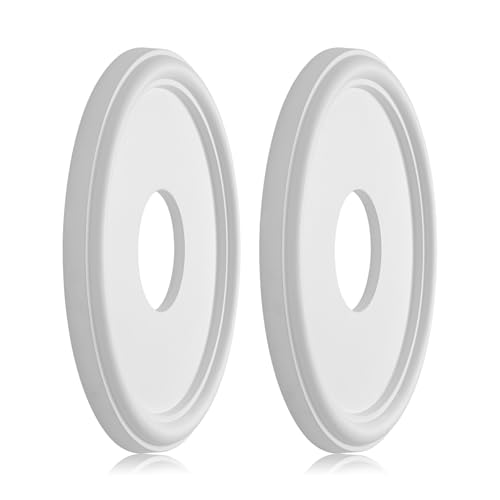 EIFHYT Molded PU Ceiling Medallion for Light Fixtures and Ceiling Fans, 13.1"OD x 4"ID x 1"P (Fits Canopies up to 10.25") White
 AOGOLO A19 9W LED Light Bulb, 5000K Daylight,5-Pack,Neutral White, Non-Dimmable, 120V, 60 Watt Equivalent, Standard Replacement Bulbs with E26 Base, 800 Lumens, 15000 Hours, Long Life