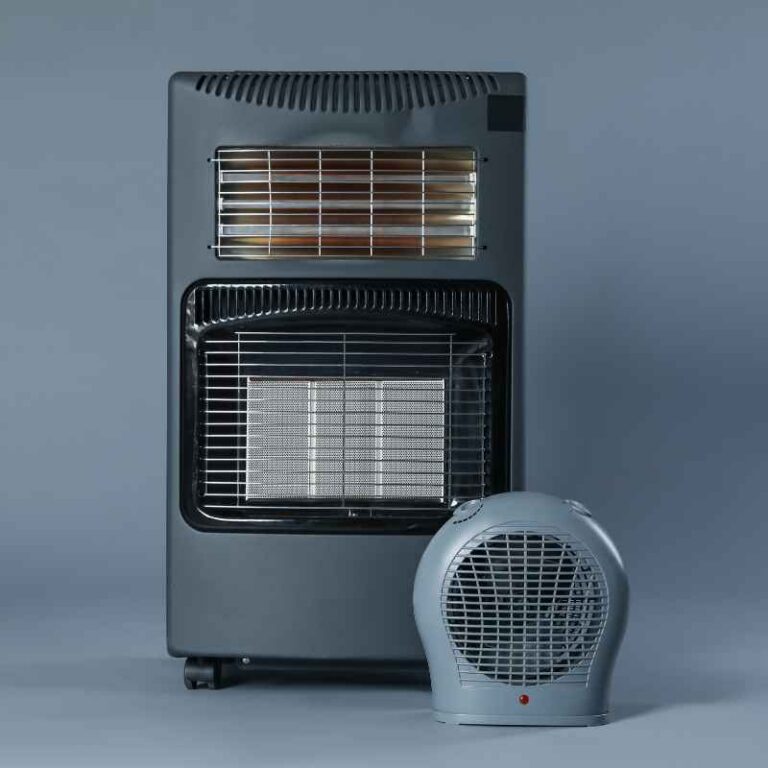
Do Smells Travel Through Apartments With Floor Heaters?
Smells can travel between apartments. However, floor heaters themselves do not directly cause smells to travel. The movement of air, building construction, and ventilation systems are the main reasons odors spread. Heat can slightly help smells move faster, but it’s not the primary driver.
How Smells Move Around Buildings
Think of smells like tiny invisible clouds. They are made of little particles that float in the air. When you cook, spray perfume, or even just live your life, these particles get released.
They then drift around.
Several things make these smell particles move. The most common is air. Air is always moving.
It moves from warmer places to cooler places. It moves from areas with more air pressure to areas with less air pressure. Wind outside can push air into your building.
Fans inside can blow air around.
Sometimes, smells travel through cracks and openings. Older buildings might have more gaps. These can be in walls, ceilings, floors, or around pipes and wires.
Ventilation systems also play a big role. These are the systems that bring fresh air in and take stale air out. If these systems aren’t working well, or if they connect different apartments, smells can easily hitch a ride.

Do Floor Heaters Cause Smells to Travel?
This is the core question. Do your floor heaters make smells go from one place to another? The short answer is: not directly.
Floor heaters warm the air near them. Warmer air rises. This means the air near your floor heater will tend to move upwards.
This creates a gentle air current.
This rising warm air can help move smell particles that are already in that area. So, if a smell is near your floor heater, the heater’s warmth might help it rise and spread a little faster. But it’s not the heater itself creating a path for the smell.
Imagine a cup of hot soup. The steam rises, right? That steam carries the soup’s smell with it.
The heat from the soup is what makes the steam rise. Your floor heater works a bit like that. It warms the air, and that warm air rises, carrying whatever is in it.
The real drivers of smell travel are usually bigger than just a floor heater. Think about shared ventilation ducts. Or think about gaps where pipes go through the floor.
Those are the highways for smells.
So, while the heat from your floor might nudge smells along, it’s not the main villain or hero in the story of odor migration. It’s more like a gentle nudge in a system that’s already moving.
Understanding Airflow in Your Home
Air is always on the move. Even when you don’t feel a strong breeze, air currents exist. These are called convection currents.
They happen naturally when there’s a difference in temperature. Warm air is lighter, so it goes up. Cooler air is heavier, so it sinks.
Your floor heaters create warm air at the floor level. This warm air then rises. As it rises, it pushes cooler air out of the way.
This cooler air then sinks down to be warmed by the heater. This creates a continuous loop of air movement.
This airflow can affect how smells move. If a smell is present, the rising warm air can carry it upwards and outwards. This can help the smell spread across a room.
If this room is connected to another apartment, the smell can then travel further.
Think about a busy airport. Planes (smells) are always taking off and landing (moving). The runways and air traffic control (airflow and ventilation) help them get where they’re going.
Your floor heater is like a small, gentle runway. It helps things move, but it doesn’t build the whole airport.
The design of your apartment matters a lot. High ceilings can create larger convection currents. Open floor plans allow air to move more freely.
Even furniture placement can block or direct airflow. All these factors influence how smells travel.
Airflow Factors in Apartments
Natural Convection: Warm air rises. This is key for how floor heaters work.
Ventilation Systems: These move air between rooms and sometimes between apartments.
Gaps and Cracks: Small openings allow air (and smells) to pass through.
Pressure Differences: Air moves from high to low pressure areas. This can happen between apartments.
Building Structure: How well insulated and sealed your building is matters.
The Role of Building Construction
The way your apartment building is built is a huge factor in smell travel. We’re not just talking about the walls between apartments. We’re talking about how everything is connected.
Shared Walls and Floors: Even if walls seem solid, they aren’t always perfectly sealed. There can be tiny gaps. These gaps are often where pipes or electrical wires pass through.
These spots are like secret tunnels for air and smells.
Ventilation Systems: Many apartments share ventilation systems. This can be for heating, cooling, or exhaust. If a shared vent isn’t sealed properly, smells from one unit can enter the duct and travel to another.
This is a very common way for odors to move.
Floor and Ceiling Gaps: When floors and ceilings are built, there are often spaces left for things like plumbing or HVAC. If these spaces aren’t properly sealed off from each apartment unit, air can flow between them. This can carry smells up or down.
Material Permeability: Some building materials allow air and odors to pass through them more easily than others. For example, older plaster might be more porous than modern drywall with special sealants. Your floor itself, if it has gaps or is made of certain materials, could contribute.
I remember one building I worked in. People complained about kitchen smells in their bathrooms. We traced it back to the space around the main plumbing stack.
It wasn’t sealed well where it went through each floor. Every time someone ran their kitchen sink, the water would push air and smells up that gap and into the apartment above.
Tip: Look for where pipes enter your bathroom or kitchen. Sometimes, a simple seal can make a big difference.
Common Odor Sources in Apartments
So, where do the smells that travel usually come from? It’s not always the obvious things.
- Cooking: This is the most common one. Garlic, onions, fish, strong spices – they all release particles that float.
- Pets: Pet odors can linger in fabrics and carpets.
- Garbage: Even a small amount of decaying food can create strong smells.
- Moisture and Mildew: Damp areas, like bathrooms or kitchens, can develop musty smells.
- Personal Care Products: Strong perfumes, air fresheners, or even cleaning supplies can travel.
- Smoking: If it’s allowed in the building, smoke smell is very persistent.
- Drain Odors: Sometimes, smells can come up from drains if they are dry or not properly trapped.
Quick Scan: Smell Travel Factors
| Factor | Impact on Smells | Example |
|---|---|---|
| Airflow | Primary mover of smell particles. | Warm air from heater rises, carrying smells. |
| Building Gaps | Direct pathways for smells. | Cracks around pipes or vents. |
| Ventilation | Can connect units, spreading smells. | Shared exhaust fan duct. |
| Heat (like floor heaters) | Slightly speeds up air movement. | Helps warm air rise faster with odors. |
How Heat Affects Odor Diffusion
We touched on this, but let’s clarify how heat specifically influences smells. Heat is energy. When something gets warm, its molecules move faster.
This applies to the particles that make up odors too.
When air is heated, it expands. It becomes less dense and rises. This process is called convection.
Floor heaters are designed to use convection. They warm the air at the floor, and that warm air rises.
If there are odor particles in the air near the floor heater, the rising warm air will carry them along. So, the warmer the air, the more active the air movement. This can help smells spread out or “diffuse” more quickly into the room.
However, this is only one part of the picture. If there’s no airflow pushing that warm, odor-filled air towards a neighboring apartment, it will just spread within your own unit. The heat itself doesn’t create a hole in the wall.
Think about a hot, still summer day. Smells might seem stronger because the air is warm and not being blown around by wind. But if a breeze picks up, those smells can be carried away quickly.
It’s the combination of heat and air movement that matters.
I noticed this when I lived in a place with baseboard heaters. On really cold days, the heat was strong. The air near the floor would rise and carry the scent of my dog’s food across the living room.
But that smell stayed contained within my apartment because the doors were closed.
What You Might Notice (Symptoms)
How do you know if smells are traveling from other apartments into yours? Here are some common signs:
- Intermittent Odors: You smell something distinct for a while, then it goes away. This suggests it’s coming from outside your unit.
- Specific Smells: You can identify the smell as something common from another apartment, like cooking or strong perfume.
- Smells in Certain Areas: The smell might be stronger near vents, drains, or shared walls.
- Smells During Specific Times: You notice smells more when neighbors are cooking, smoking, or using certain products.
- No Obvious Source in Your Home: You’ve checked all your own sources, and nothing explains the smell.
Smell Travel: Myth vs. Reality
Myth: Floor heaters create a direct path for smells.
Reality: Floor heaters warm air, causing it to rise. This can help move existing smells, but they don’t create pathways.
Myth: All apartments are perfectly sealed.
Reality: Buildings have many small gaps, especially around pipes and vents, which allow air and smells to pass.
Myth: Only strong cooking smells travel.
Reality: Even subtle odors like perfume or stale air can travel if there’s a pathway.
Real-World Scenarios and Examples
Let’s look at some everyday situations where smells might travel, with or without floor heaters.
Scenario 1: The Garlic Lovers Next Door
Your neighbors love to cook with garlic. They often make big batches of pasta sauce. Their kitchen is right next to your living room wall.
When they cook, the warm air from their kitchen, carrying the garlic smell, rises. If there’s a tiny gap where the wall meets the floor or ceiling, that air can drift into your apartment. Your floor heater might be on, warming the air in your living room.
This warm air might pull some of the garlic smell towards it, but the main travel is through the shared building structure.
Scenario 2: The Laundry Room Mystery
You’ve noticed a damp, mildewy smell in your bathroom. You keep it clean and dry. You realize the laundry room is located directly below your bathroom.
The washing machines and dryers create a lot of moisture. If the exhaust vents from the laundry room aren’t properly sealed where they pass through the floors and ceilings, that damp air can seep into your bathroom. Your floor heater in the bathroom is warming the air, but it’s the shared ventilation pathway that’s the problem.
Scenario 3: The Perfume Enthusiast Above
Your upstairs neighbor loves a very strong perfume. On hot days, when windows are open, or when shared ventilation is running, you catch whiffs of it. The perfume particles are light and easily carried by air.
When they spray it, the warmth of the air in their apartment helps it spread. If there’s any gap where air can move between your ceiling and their floor, the smell can drift down. Your own floor heater might be on, creating its own air currents, but it’s not the cause of the perfume smell.
I recall a time in an old apartment building where I could distinctly smell my neighbor’s morning coffee. Their kitchen was across the hall, but directly below their living room was a small, unused fireplace flue in my apartment’s living room. It wasn’t sealed properly at the top, and warm air from their cooking would travel up.
It was a strange, specific pathway.
What This Means for You
Understanding how smells travel helps you figure out what to do. The key takeaway is that your floor heaters are usually not the direct cause of smells moving between apartments. They are just part of the air movement in your home.
When it’s normal:
- You smell your own cooking or activities within your apartment.
- You might notice slight cooking smells from neighbors, especially if windows are open or ventilation is shared. This is common in multi-unit buildings.
- Warm air naturally rises, so you might feel a gentle draft from the floor upwards.
When to worry or take action:
- Persistent, Unpleasant Odors: If you constantly smell strong, unpleasant odors that aren’t yours and don’t go away.
- Specific Chemical Smells: Smells like sewage, gas, or strong cleaning chemicals that aren’t from your home are serious.
- Smells Near Vents or Drains: If odors are strongest around these areas, it points to a connection.
- Health Issues: If you or family members experience headaches, nausea, or breathing problems that seem linked to odors.
Simple checks you can do:
- Check your own vents and drains. Make sure they are clean and functioning correctly.
- Notice where the smell is strongest. Is it near a wall, ceiling, floor, vent, or drain?
- Think about your neighbors’ activities. Are they often cooking strong foods? Do they smoke?
Quick Fixes & Tips for Odor Control
Seal Small Gaps: Use caulk or weatherstripping around baseboards, windows, and door frames.
Improve Ventilation: Use exhaust fans in kitchens and bathrooms. Open windows when possible.
Use Air Purifiers: Good quality air purifiers can help remove odor particles.
Clean Regularly: Keep trash cans clean and take out garbage often. Address damp areas promptly.
Talk to Neighbors (Respectfully): If a specific, recurring smell is bothersome, consider a polite conversation.
Contact Management: If you suspect a building issue, inform your landlord or building manager.
Frequent Questions About Apartment Smells
Can floor heating systems make smells worse?
Floor heating systems warm the air. This warm air rises and can carry smell particles with it. So, while they don’t create smells or pathways, they can slightly speed up how quickly smells move within a room or towards an opening.
How do I stop cooking smells from spreading to my neighbor?
Use your kitchen exhaust fan whenever you cook. Try to cook foods that don’t have very strong aromas. Keep your kitchen door closed while cooking.
If your building has shared vents, ensure they are clean and functioning.
What is the most common way smells travel between apartments?
The most common ways are through shared ventilation systems (like air ducts) and through small gaps or cracks in walls, floors, and ceilings, especially around pipes and electrical outlets.
Can I smell my neighbor’s perfume through my floor heater?
You might smell your neighbor’s perfume if their apartment’s air carrying the scent finds a way into yours. Your floor heater might contribute by warming the air, helping that scent to move, but it’s not the heater itself creating the path.
What if I smell sewage in my apartment?
Sewage smells are serious and often indicate a plumbing issue. Check if your drains are dry (run some water in them). If the smell persists, contact your landlord or building management immediately.
Do not ignore this smell.
Are certain apartment layouts more prone to smell travel?
Yes, apartments with open floor plans, fewer interior doors, and direct connections to shared ventilation systems tend to experience more smell travel. Older buildings with less efficient sealing can also be more susceptible.
Final Thoughts
So, to wrap it up, your floor heaters are part of your home’s comfort. They warm the air and help it move. But they aren’t the main reason smells sneak from one apartment to another.
Airflow, building construction, and ventilation are the real travelers. Understanding these points helps you manage your own environment and address any bothersome odors you might notice.
Sponsored / affiliate links. As an Amazon Associate I earn from qualifying purchases. I may earn additional commission from eligible campaigns.
 Floor Gap Fixer Tool for Laminate, Vinyl & Hardwood Floors – Heavy-Duty Nylon Plank Puller with Reusable Washable Adhesive Pad, DIY Floor Gap Repair Tool (Plank Grabber Only, Hammer Not Included)
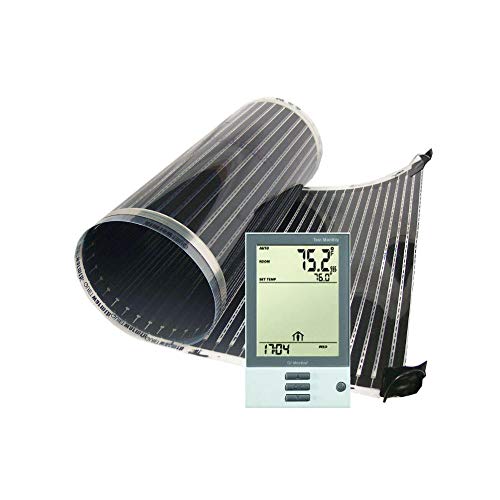 QuietWarmth Float QWARMKITFF Radiant Floor Heating Starter Kit Mat w/Programmable Thermostat for Laminate, Wood, Luxury Vinyl Floating Flooring- Cuttable Mat Size 3’x10' 120Volt (Covers 30sf)