How Far Under A Window Should Baseboard Heaters Go?
Understanding the ideal distance for baseboard heaters under windows is key for efficient home heating. Proper placement maximizes heat distribution, prevents drafts, and ensures the system works its best without energy waste. It balances comfort with practical home design.
The Science Behind Baseboard Heater Placement
Baseboard heaters work on a simple principle. They heat the air around them. This warm air then rises. As it rises, it pushes the cooler air down. This creates a natural circulation pattern. This cycle is called convection. It’s how your room gets warm.
Windows are often the coldest spots in a room. They let in drafts and heat escapes through them. This is especially true in older homes. Placing a heater nearby helps fight this cold air. The rising warm air meets the falling cold air. This mixing happens right where you need it. It warms up the room more evenly.
So, the goal is to use this natural air movement. We want the heater to be close enough to warm the incoming cold air. But it also needs to be far enough away to allow for good air flow. Too close, and the heater might struggle to circulate air properly. Too far, and the cold air might get too far into the room before it’s warmed.
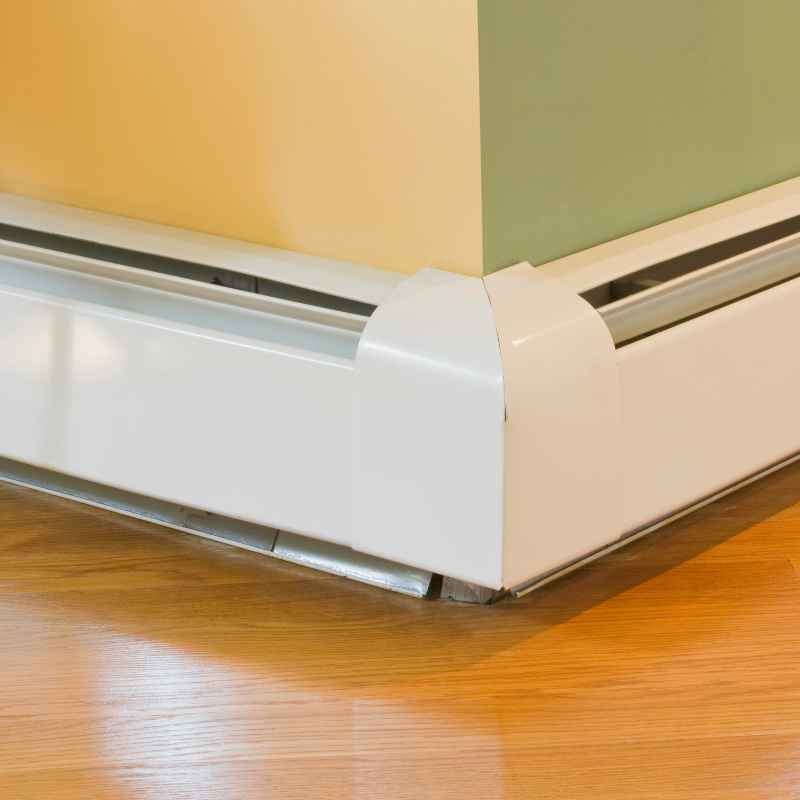
The standard advice for most electric and hot water baseboard heaters is to position them very close to the window. Ideally, the heater should be installed so its front edge is about 1/2 inch to 1 inch away from the wall directly below the window sill. This allows the heater to effectively combat the cold downdraft from the window.
Think of it like a gentle breeze. The heater pushes warm air out. This warm air rises. It then moves across the ceiling. It cools down. Then it sinks down the walls. It eventually makes its way back to the heater. This creates a constant loop. It keeps the room warm and comfy. When the heater is placed correctly under a window, it intercepts the cold air. This stops it from spreading into the room.
Many people ask about the height from the floor. Generally, baseboard heaters sit directly on the floor. Their bottom edge is flush with the flooring material. This maximizes their heating surface area and airflow. Some newer models might have slightly different installation needs. Always check the manufacturer’s manual. It’s the best guide for your specific unit.
We also need to consider the width of the heater. It should ideally cover most of the window’s width. This ensures a good blanket of warm air. It helps block the cold from the entire window area. It is not uncommon to have a heater that is longer than the window. This is fine. It helps extend the warmth further into the room.
My Own Baseboard Heater Mishap
I remember when we first moved into our old house. The living room had these big, drafty windows. We decided to upgrade the heating system. The contractor installed new baseboard heaters. They looked sleek and modern. But something felt off. The room was never truly warm. Especially on cold nights, I’d still feel a chill by the window.
I started noticing that the heater in the living room seemed a bit too far from the window. It was maybe two inches away. The contractor said it looked fine. But I still felt that cold air sneaking in. The warm air from the heater seemed to just go up and then drift away. It wasn’t effectively meeting the cold draft.
One particularly frosty evening, I was trying to read. The cold air coming from the window was noticeable. It made me feel a bit miserable. I looked at the heater again. It was installed so the front of it was a good two inches from the wall beneath the window sill. It just didn’t feel right. The warm air felt like it was getting lost before it could do its job.
Frustrated, I decided to do some research. I found articles, like this one, explaining the convection process. It hit me then. The contractor had put it too far back! It wasn’t close enough to the source of the cold air. The warm air wasn’t interacting with the cold draft properly. It was like trying to push water uphill without enough force.
The next day, I called a different heating specialist. I explained my problem and what I suspected. He came over and took a look. He immediately agreed. He said that while two inches might seem small, it makes a big difference for convection. He showed me how the air should flow. He explained that the heater needs to be almost touching the window wall.
He then carefully adjusted the heater. He moved it so it was only about a half-inch from the wall. It was a small change. But the difference was amazing. That night, the living room felt so much warmer. The draft was gone. The warmth felt more consistent. It was a simple fix that made a huge comfort improvement. That experience taught me how critical precise placement is.
Heater Placement Checklist
Key Factors to Consider:
- Distance from Wall: Aim for 0.5 to 1 inch.
- Window Sill Clearance: Heater should be below the sill.
- Floor Clearance: Usually flush with the floor.
- Obstructions: Keep vents clear.
- Furniture Placement: Avoid blocking airflow.
Real-World Factors Affecting Placement
While the general rule is clear, real homes aren’t always perfect. Several real-world factors can influence the ideal placement. Your home’s design and layout play a big role. Older homes often have different window styles and wall structures. Modern homes might have different insulation levels.
One common issue is how the window sill itself is designed. Some sills protrude quite a bit. Others are flush with the wall. If the sill sticks out a lot, it might create an overhang. This overhang can interfere with the heater’s ability to warm the air. In such cases, you might need to adjust placement slightly. Or consider a different type of heater.
The type of baseboard heater also matters. Electric baseboard heaters and hot water (hydronic) baseboard heaters have slightly different needs. Hydronic systems might need more space for the pipes. Electric units might have specific clearance requirements for safety. Always consult the installation manual for your specific model. It’s the most reliable source of information.
Another factor is the presence of other elements near the window. Sometimes there are built-in shelves or cabinets. These can limit where you can place a heater. If you can’t get it as close as recommended, you might need to compensate. This could involve using a slightly longer heater. Or perhaps looking into alternative heating solutions for that area.
The room itself matters too. A very large room with a single window might need a more powerful heater. Or perhaps multiple heaters. A small powder room with a window might have different requirements than a large living room. The goal is always to balance the heat output with the room’s size and insulation. And of course, the window’s impact on temperature.
Consider the flooring too. Baseboard heaters are typically installed directly on the floor. But sometimes, there are variations in floor height or coverings. The manufacturer’s instructions will specify any required clearances from different flooring types. Especially if you have thick carpets or unusual tile patterns.
Finally, think about any furniture that might be placed near the heater. While not directly related to the distance under the window, it’s part of overall placement. You don’t want to block the heater with a sofa or a large plant. This obstructs airflow and reduces heating efficiency. It can also be a fire hazard. So, always ensure clear space around the unit.
Heater vs. Window: A Close Look
Normal Placement
Heater: ~0.5 to 1 inch from wall.
Benefit: Captures cold air, efficient heating.
Common Mistake
Heater: 2+ inches from wall.
Problem: Cold draft escapes, wasted energy.
What This Means for Your Home Comfort
So, what does getting the baseboard heater placement right actually do for you? It boils down to comfort and efficiency. When heaters are positioned correctly, they work harder and smarter. This means your home feels warmer, more consistently.
Think about those chilly spots. You know, the ones right by the window where you feel a draft even with the heat on? Proper placement of baseboard heaters directly combats this. The warm air is generated right where the cold air is entering. This creates a barrier. It stops the cold from creeping into your living space.
It also means your heating system doesn’t have to work as hard. When the heater is efficient, it can reach the desired temperature faster. It then cycles off sooner. This saves energy. Over time, this can lead to lower utility bills. Every little bit counts, right?
When is placement not a big deal? Well, in rooms with very little window exposure or in milder climates, the exact placement might be less critical. However, in most U.S. homes, especially those with older or less insulated windows, precise placement is quite important. It’s a simple adjustment that can yield significant comfort improvements.
You might also notice that rooms feel more balanced. Instead of one side of the room being warm and the other cool, the temperature evens out. This is because the convection cycle is working properly. The warm air circulates evenly throughout the space.
If you’re experiencing cold drafts, uneven heating, or high energy bills related to heating, it’s worth checking your baseboard heater placement. Even if the heaters were installed years ago, they might not have been positioned optimally. Or perhaps home renovations have changed the area around them.
A simple visual check can tell you a lot. Just look at how close the front of the heater is to the wall beneath the window. If it’s more than an inch or so, you might be missing out on optimal performance. For electric heaters, checking clearances is also a safety matter. Always follow manufacturer guidelines.
Heater Placement: Normal vs. Concerning
Normal & Effective
Heater: Very close to window wall (0.5-1 inch).
Result: Cozy, consistent warmth. Lower energy use.
Concerning & Inefficient
Heater: Far from window wall (2+ inches).
Result: Cold drafts, uneven temps. Higher energy use.
Quick Checks and Potential Fixes
If you suspect your baseboard heaters aren’t placed ideally, what can you do? First, always consult your heater’s manual. It will give you the exact specifications for your model. Safety is paramount. Never compromise on manufacturer recommendations.
For electric baseboard heaters, clearances are often strict. They are designed to prevent overheating. If your heater seems too close or too far, and the manual suggests a specific gap, you might need a professional. An HVAC technician can safely adjust or reposition the unit.
For hot water (hydronic) systems, adjustment might be slightly more involved. It depends on how the piping is routed. If the unit is simply not positioned correctly, a plumber or heating specialist can often fix it. They can loosen connections, shift the unit, and re-secure it. Again, safety first. Don’t attempt this if you’re unsure.
What if you can’t move the heater? Perhaps due to wall structure or existing pipes. In some cases, you might be able to use a longer heater. A longer unit can extend the zone of warm air. This might help compensate for placement that isn’t perfect. Discuss this option with a professional installer.
Another solution could be to add a different type of heating element. Some people use small, portable electric heaters to supplement. Or consider radiant floor heating mats under rugs. These can help warm up those chilly spots near the window.
You can also improve window insulation. Heavy curtains or blinds can make a difference. Installing weatherstripping around the window frame helps block drafts. Improving the window itself, with storm windows or newer, energy-efficient panes, is the best long-term solution for heat loss.
Sometimes, even simple changes help. Ensure the fins of the baseboard heater are clean. Dust and debris can block airflow. Gently vacuuming them regularly can improve performance. Make sure nothing is blocking the front of the heater, like furniture or long drapes. This is crucial for proper air circulation.
Consider the thermostat too. If it’s located on an exterior wall or near a drafty window, it might give false readings. This can make your heating system run more than it needs to. Or not enough. Relocating a thermostat can sometimes improve overall home temperature control.
Frequently Asked Questions About Baseboard Heater Placement
How close should an electric baseboard heater be to the window?
For electric baseboard heaters, the ideal placement is very close to the window wall. Typically, the front of the heater should be about 0.5 to 1 inch away from the wall directly below the window sill. This allows it to effectively capture and warm the cold air descending from the window.
Does the type of window affect heater placement?
Yes, the type of window can matter. Older, less insulated windows tend to be colder and produce a stronger downdraft. In these cases, placing the heater very close is even more important.
The design of the window sill itself can also influence how close the heater can be placed without obstruction.
Can I put furniture in front of a baseboard heater?
No, you should never put furniture or other large objects directly in front of a baseboard heater. This blocks the airflow and prevents the heater from circulating warm air effectively. It can also be a safety hazard and may cause the heater to overheat.
What is the recommended distance from the floor for baseboard heaters?
Most baseboard heaters are designed to sit directly on the floor, with their bottom edge flush with the flooring material. This maximizes the surface area for heating and allows for optimal air intake and output. Always check the manufacturer’s installation guide for specific floor clearance requirements.
My heater is too far from the window. What can I do?
If your heater is too far from the window and you can’t move it, consider consulting a heating professional. They might suggest a longer heater unit to cover more area. Alternatively, improving window insulation with weatherstripping and heavier curtains can help.
Sometimes, a different heating solution might be needed for that specific spot.
Do I need a professional to install or move baseboard heaters?
For new installations or significant repositioning, especially with electric heaters, it’s highly recommended to use a qualified HVAC technician or electrician. For hot water systems, a licensed plumber or heating specialist is usually best. They ensure proper connections, safety, and efficient operation according to codes and manufacturer guidelines.
Conclusion
Getting the distance right for baseboard heaters under windows is a small detail that makes a big comfort difference. Aim for about half an inch to one inch from the wall. This simple placement helps your heater work with nature. It fights cold drafts effectively. It keeps your home warmer and more energy-efficient. Don’t underestimate the power of good placement!
Sponsored / affiliate links. As an Amazon Associate I earn from qualifying purchases. I may earn additional commission from eligible campaigns.
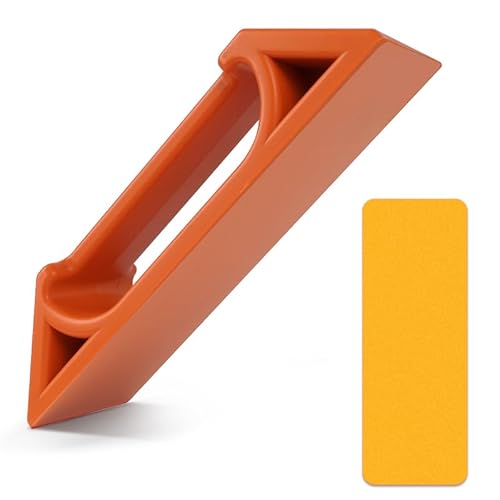 Floor Gap Fixer Tool for Laminate, Vinyl & Hardwood Floors – Heavy-Duty Nylon Plank Puller with Reusable Washable Adhesive Pad, DIY Floor Gap Repair Tool (Plank Grabber Only, Hammer Not Included)
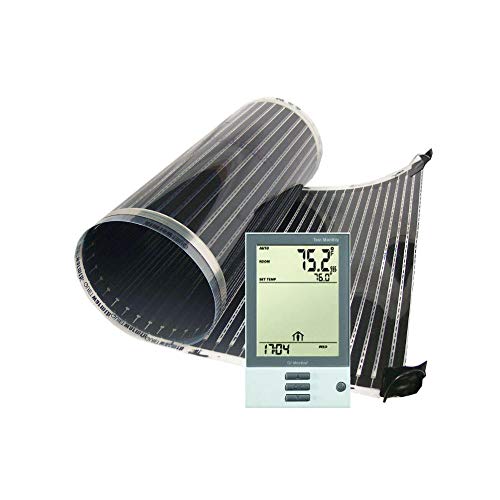 QuietWarmth Float QWARMKITFF Radiant Floor Heating Starter Kit Mat w/Programmable Thermostat for Laminate, Wood, Luxury Vinyl Floating Flooring- Cuttable Mat Size 3’x10' 120Volt (Covers 30sf)