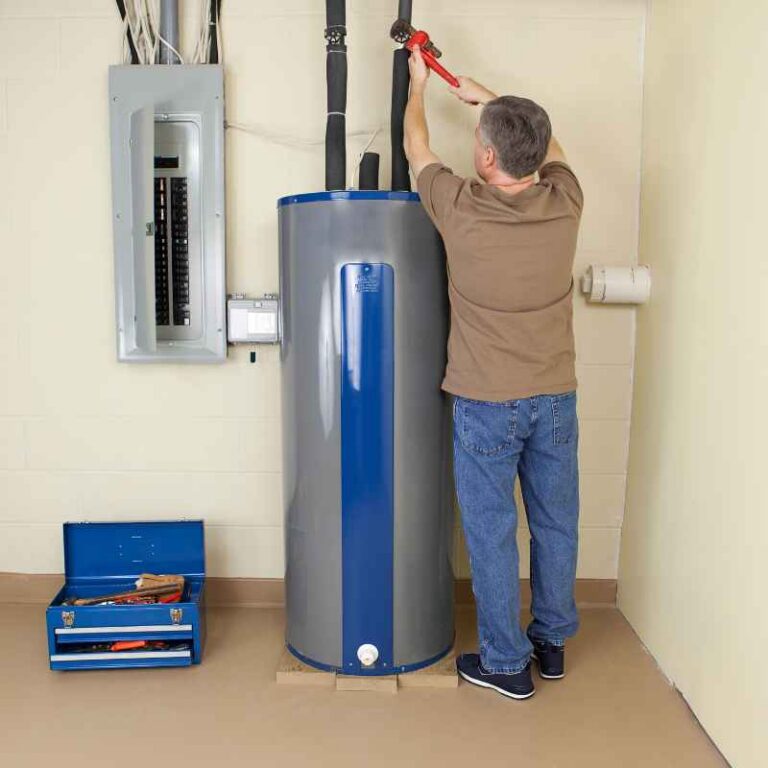
Do Monitor Heaters Need Annual Servicing?
Do monitor heaters need to be serviced every year? This is a crucial question for anyone relying on these efficient heating units to keep their homes warm. Regular maintenance is key to ensuring optimal performance, safety, and longevity for your monitor heater, preventing costly breakdowns and potential hazards.
This guide will break down why annual servicing is recommended, what it entails, and the benefits you can expect. We’ll cover everything from essential checks to identifying when a professional is truly needed, helping you make informed decisions about your home’s heating system.
Simply put, while not always legally mandated, annual servicing of monitor heaters is highly recommended to ensure safety, efficiency, and to prevent premature wear and tear. It’s a proactive measure that safeguards your investment and your home.
Key Takeaways
- Annual servicing for monitor heaters is strongly advised for safety, efficiency, and longevity.
- Regular maintenance can prevent unexpected breakdowns and costly repairs.
- Professional servicing checks critical components like burners, thermostats, and safety valves.
- Servicing helps maintain optimal fuel efficiency, saving you money on energy bills.
- Ignoring maintenance can lead to reduced performance, potential safety hazards, and voided warranties.
What is a Monitor Heater and Why Service It?
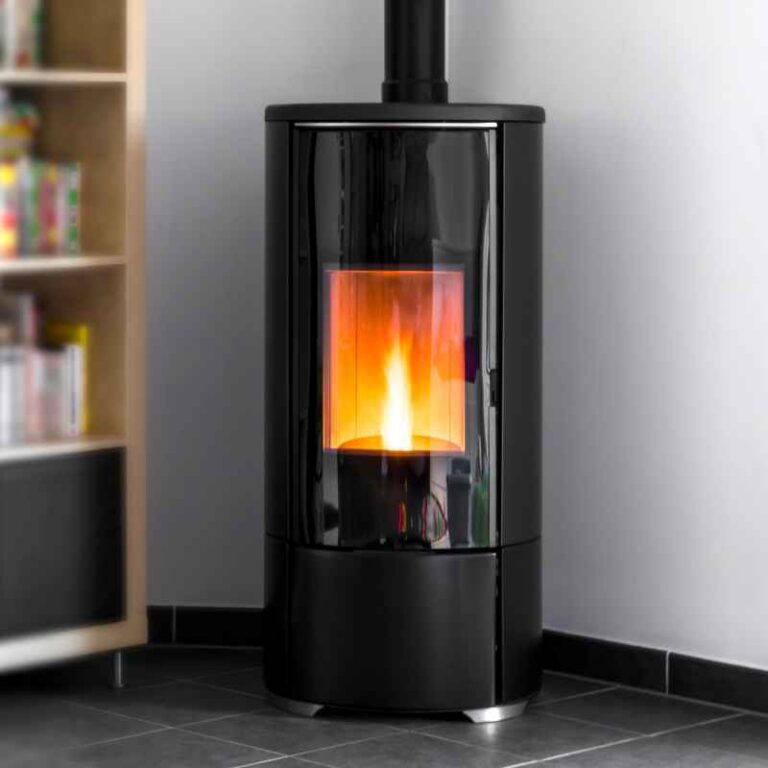
A monitor heater, often a type of unvented direct-fired heater, draws combustion air from and exhausts directly outside, making it highly efficient. These units are popular for their ability to heat spaces quickly and effectively without requiring extensive ductwork or venting through a chimney. They are commonly used in workshops, garages, and occasionally in residential settings as supplementary heat sources.
The question of whether they need annual servicing often arises because they are relatively simple in design compared to central heating systems. However, their direct exposure to the elements and the combustion process means that critical components can degrade or accumulate debris over time. This can lead to a decline in performance, increased fuel consumption, and, most importantly, potential safety issues such as carbon monoxide leaks.
Think of it like servicing your car. You might not have to do it every year, but doing so keeps it running smoothly, prevents major problems down the line, and ensures it’s safe to drive. The same principle applies to monitor heaters.
Regular checks by a qualified technician can identify minor issues before they escalate into significant and dangerous malfunctions. This proactive approach is far more economical and safer than waiting for a problem to occur.
Components Checked During Monitor Heater Servicing
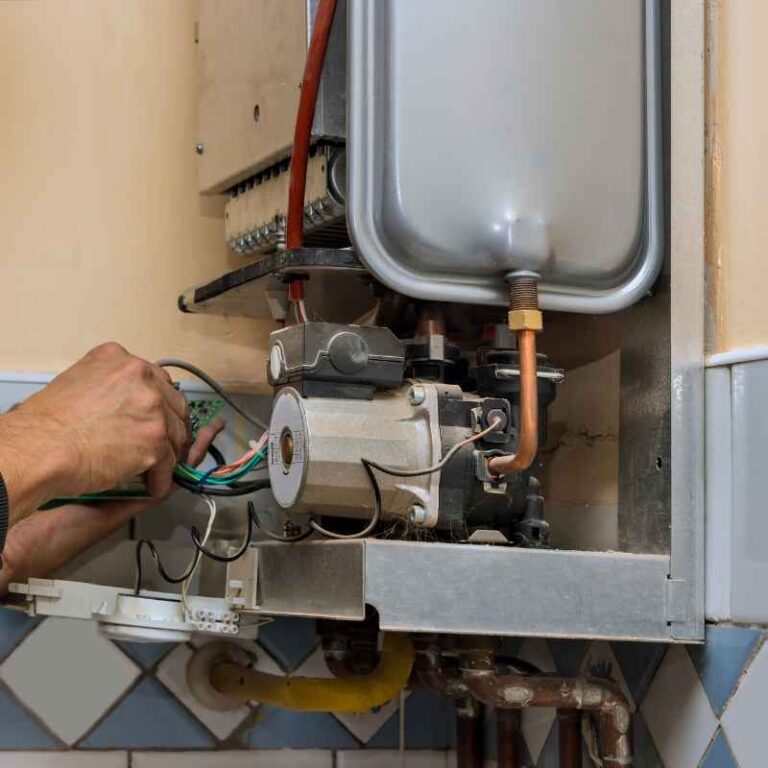
When a professional technician services your monitor heater, they perform a comprehensive inspection and cleaning of several key components. This ensures that the unit operates within its designed specifications and, most importantly, safely. Each part plays a vital role in the heater’s overall function, from ignition to heat distribution.
These checks are not just about keeping the heater running; they are about ensuring it runs correctly and without posing a risk. A thorough service can also help prolong the life of the unit, as early detection of wear and tear on parts allows for timely replacement before they cause damage to other systems.
Here’s a breakdown of what a typical annual service includes:
- Burner Assembly: Cleaning and inspection for wear or damage. This is crucial for efficient combustion.
- Ignition System: Checking the igniter or pilot light for proper function and consistent spark.
- Thermostat Control: Calibrating and testing for accurate temperature regulation.
- Safety Valves: Testing all safety cut-offs, including tilt switches, overheat sensors, and pressure relief valves, to ensure they function correctly.
- Fuel Lines and Connections: Inspecting for leaks or blockages, ensuring a clean and consistent fuel supply.
- Exhaust and Air Intake Vents: Clearing any obstructions to ensure proper ventilation and prevent backdrafting.
- Fan and Blower (if applicable): Cleaning and checking for proper operation to ensure air circulation.
- Overall Structural Integrity: Looking for any signs of corrosion, damage, or loose fittings.
This detailed checklist ensures that all critical aspects of the heater are examined. It’s a detailed process aimed at maintaining peak performance and safety standards for your appliance.
Benefits of Annual Monitor Heater Servicing
Investing in annual servicing for your monitor heater yields significant benefits that go beyond just having a warm space. These advantages contribute to your safety, financial well-being, and the overall lifespan of the heating unit. Proactive maintenance is often more cost-effective than reactive repairs.
The cumulative effect of these benefits makes annual servicing a wise decision for any owner of a monitor heater. It’s an investment in peace of mind, comfort, and financial prudence. The routine checks ensure that your heater performs optimally and safely throughout its operational life.
Here are the primary advantages:
- Enhanced Safety: This is paramount. Annual checks identify potential hazards like carbon monoxide leaks, faulty safety valves, or gas leaks, preventing potentially life-threatening situations.
- Improved Efficiency: A clean and well-maintained heater burns fuel more efficiently. This translates to lower energy bills and a reduced environmental footprint. According to the U.S. Department of Energy, maintaining heating equipment can improve efficiency by up to 15%.
- Extended Lifespan: Regular cleaning and minor adjustments prevent wear and tear on critical components, significantly extending the operational life of your monitor heater.
- Reduced Repair Costs: Catching minor issues early, such as a dirty igniter or a slightly misaligned sensor, can prevent them from developing into major, expensive repairs. A study by the National Association of Home Builders found that regular maintenance can reduce major repair costs by up to 20%.
- Consistent Heating Performance: Servicing ensures the heater operates at its peak performance, providing consistent and reliable heat when you need it most.
- Warranty Protection: Many manufacturers require proof of regular professional maintenance to keep the warranty valid. Skipping service could void your warranty, leaving you responsible for repair costs.
Signs Your Monitor Heater Needs Immediate Attention
While annual servicing is a preventative measure, certain signs indicate that your monitor heater requires immediate attention, regardless of its service schedule. These symptoms are red flags that should not be ignored and often point to a developing problem that could compromise safety or functionality.
Ignoring these warning signs can lead to more severe issues, including complete system failure, increased operating costs, or, in the worst-case scenario, safety hazards. It’s always better to err on the side of caution when you notice deviations from your heater’s normal operation.
Be vigilant for these indicators:
- Unusual Noises: Grinding, rattling, or excessive banging sounds often indicate mechanical issues within the fan or motor, or loose components.
- Strange Smells: A persistent smell of gas, oil, or burning dust requires immediate shutdown and professional inspection. Any unusual odor from a heating appliance is a serious concern.
- Visible Soot or Discoloration: Black soot around the burner or exhaust indicates incomplete combustion, a significant safety risk.
- Pilot Light Issues: A flickering, yellow, or unstable pilot light suggests a problem with fuel-air mixture or the gas supply.
- Reduced Heat Output: If the heater is running but not producing adequate warmth, it could be due to a clogged filter, faulty thermostat, or burner issues.
- Frequent Cycling On and Off: A heater that cycles on and off rapidly may have a malfunctioning thermostat or an issue with its safety controls.
- Condensation or Water Leaks: While some condensation can be normal in certain conditions, significant water pooling or drips suggest a leak in internal components or lines.
DIY vs. Professional Monitor Heater Servicing
For many appliances, a bit of DIY maintenance can save money and time. However, when it comes to monitor heaters, especially those involving combustion and gas, the line between DIY and professional servicing is quite distinct. While some minor cleaning tasks might be achievable, most significant servicing should be left to qualified technicians.
The complexity of gas lines, ignition systems, and safety cut-offs means that errors can have severe consequences. The cost of professional servicing is often a fraction of the potential damage or risk associated with an improperly maintained unit.
Here’s a comparison:
| Aspect | DIY Maintenance | Professional Servicing |
|---|---|---|
| Safety Checks | Limited to visual checks of exterior vents. Cannot safely test gas lines or internal safety valves. | Comprehensive testing of all safety mechanisms, gas pressure, and leak detection. Certified technicians are trained for this. |
| Efficiency Tuning | Can clean exterior components and ensure vents are clear. | Calibrates burner and ignition for optimal fuel-to-air ratio, adjusts thermostat for precision. |
| Component Cleaning | Exterior dust removal, cleaning air intake grilles. | Internal cleaning of burner assembly, igniter, and fan blades. |
| Troubleshooting | Limited to identifying obvious external issues. | Diagnostic tools and expertise to identify and fix complex internal problems. |
| Warranty Impact | May void warranty if improper adjustments are made. | Keeps manufacturer warranty valid; work performed by certified pros. |
While you can perform basic visual checks and keep the exterior clean, complex internal maintenance and safety checks are best left to the experts.
When to Schedule Professional Service
The general recommendation is to schedule professional servicing for your monitor heater at least once a year, ideally before the start of the heating season. This timing ensures that your unit is in top condition to meet the demands of colder months and allows for any necessary repairs to be completed before you critically need the heat.
However, certain circumstances might necessitate more frequent checks or immediate professional intervention. Being aware of these situations can help you prioritize your heater’s maintenance and safety. It’s about being responsive to your appliance’s needs and ensuring its continuous, safe operation.
Consider scheduling service:
- Annually, before the heating season: This is the standard preventative measure.
- After a period of extended disuse: If the heater has been off for several months, a check-up can ensure it’s ready for operation.
- If you notice any of the warning signs: Unusual noises, smells, reduced heat output, or visible soot warrant an immediate professional assessment.
- After any accidental damage: If the unit has been bumped, moved improperly, or experienced any form of physical impact.
- If fuel consumption seems to be increasing: A noticeable jump in fuel usage without a change in usage patterns may indicate efficiency issues.
- Every two years for very old units: Even with regular checks, older heaters might benefit from more frequent comprehensive inspections.
Remember, consistent professional maintenance is an investment in safety and efficiency.
Factors Affecting Service Frequency
While annual servicing is the golden rule for most monitor heaters, a few factors can influence how often you might need a professional to take a look. Understanding these variables can help you tailor a maintenance schedule that best suits your specific usage and environment. It’s not a one-size-fits-all approach.
Your location, usage patterns, and the specific model of your heater all play a role. Adjusting service frequency based on these can optimize performance and longevity. Considering these factors allows for a more personalized and effective maintenance plan.
Consider these influences:
- Usage Intensity: Heaters used for long periods daily, or in extremely cold climates requiring constant operation, might benefit from more frequent checks, perhaps semi-annually.
- Environmental Conditions: Units installed in dusty or humid environments (like workshops or basements) may accumulate debris faster, necessitating more frequent cleaning and inspection.
- Fuel Type: While most monitor heaters use gas, some might use propane. The type of fuel and its purity can subtly affect combustion and thus component wear.
- Age of the Unit: Older heaters (10+ years) may develop wear and tear faster and could benefit from more frequent, detailed inspections to catch potential failures early. A 2021 report by the Energy Information Administration noted that older heating equipment is significantly less efficient.
- Previous Maintenance History: If a heater has a history of problems or has undergone significant repairs, it might be wise to schedule more frequent check-ups.
- Manufacturer Recommendations: Always consult your specific heater’s manual. Manufacturers often provide detailed recommendations for maintenance based on their product’s design.
Frequently Asked Questions
Do I need a professional to service my monitor heater every year?
While not always a legal requirement, professional annual servicing is strongly recommended by manufacturers and safety experts. It ensures your heater is safe, efficient, and operating optimally, preventing potential hazards and costly breakdowns.
Can I clean my monitor heater myself?
You can perform basic exterior cleaning, such as dusting vents and ensuring clear airflow. However, internal cleaning, combustion checks, and safety valve testing should always be done by a qualified technician to avoid compromising safety and efficiency.
What happens if I don’t service my monitor heater annually?
Skipping annual service can lead to reduced efficiency, increased fuel consumption, premature wear on components, voided warranties, and most importantly, potential safety risks such as carbon monoxide leaks or fire hazards.
How much does monitor heater servicing typically cost?
The cost of professional monitor heater servicing can vary by region and technician, but typically ranges from $100 to $300. This price is a worthwhile investment considering the potential costs of major repairs or safety incidents.
Are monitor heaters safe for indoor use?
Monitor heaters designed for indoor use, particularly those that are unvented and direct-fired, are engineered with multiple safety features. However, safety is heavily reliant on proper installation, regular maintenance, and the use of carbon monoxide detectors.
Final Thoughts
Ultimately, the question of whether monitor heaters need annual servicing leans heavily towards a resounding yes. It’s not just a recommendation but a crucial step in ensuring the safety, efficiency, and longevity of your heating system. Regular professional maintenance provides peace of mind and can save you considerable expense in the long run.
By investing in yearly check-ups, you safeguard your home and family from potential hazards while keeping your heater running at its best. Don’t wait for a problem to arise; proactive care is key.
Sponsored / affiliate links. As an Amazon Associate I earn from qualifying purchases. I may earn additional commission from eligible campaigns.