Heaters Not Working? What to Check Before Calling for Service
Before calling for service, most heater problems can be narrowed down in a few minutes by checking the outlet, the heater’s built-in safety switches, and the circuit breaker, since these three things cause the majority of “heater not working” calls. This guide covers what to check on both portable electric heaters and furnace-connected systems.
Built-in safety switches are the most overlooked cause
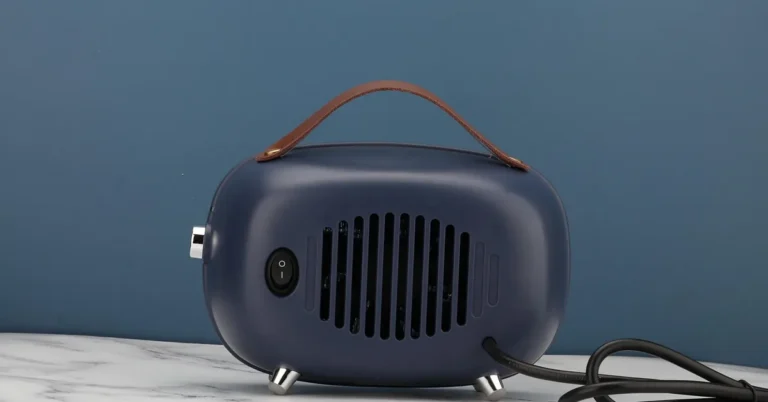
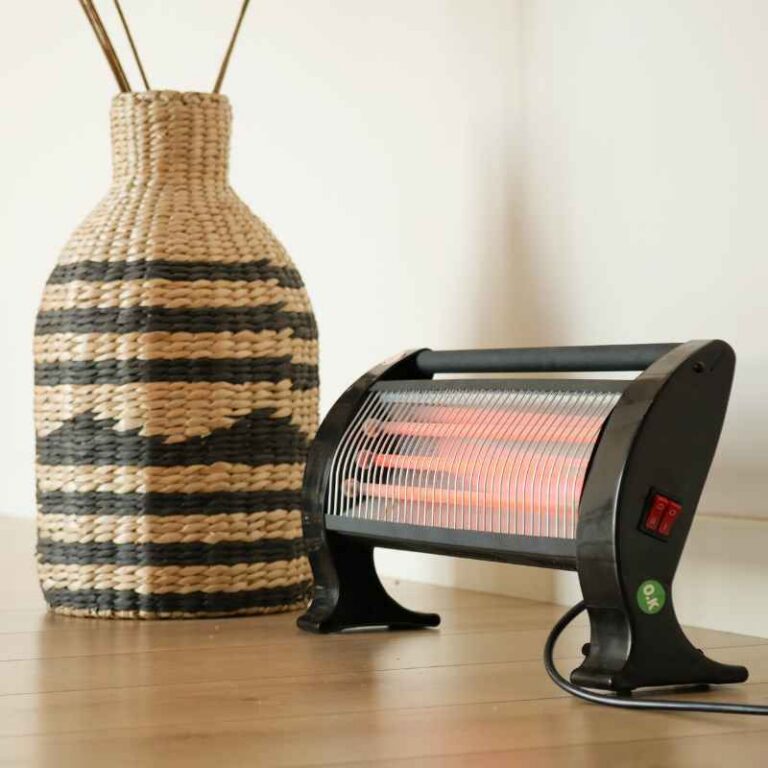
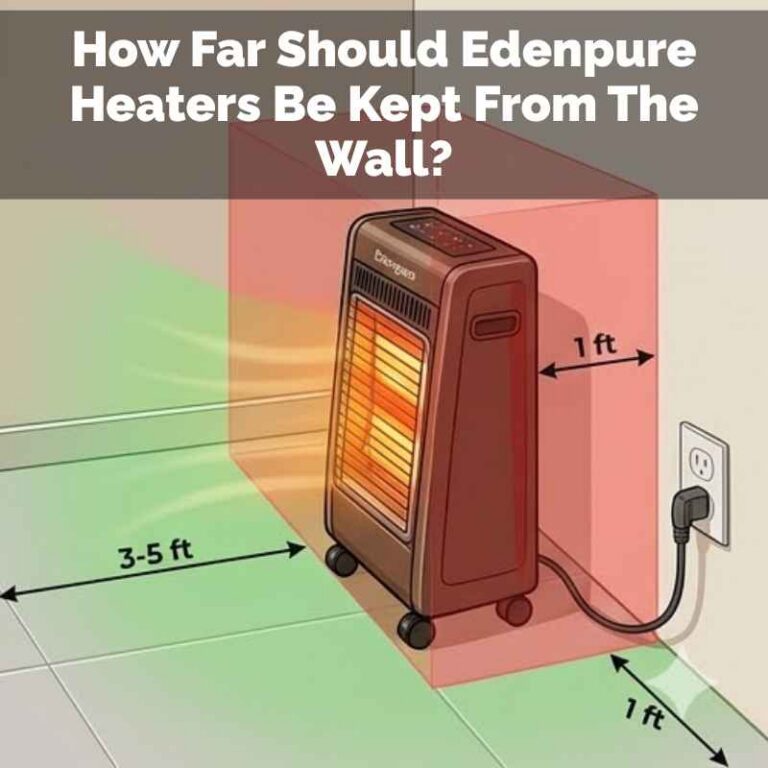
Nearly all portable electric heaters include a tip-over switch that cuts power the moment the unit is not sitting level or upright, and it is easy to overlook a heater that looks fine but is resting at a slight angle on uneven flooring or a rug edge. Heaters also include a high-limit thermal cutoff that shuts the unit off if internal temperatures rise too high, most often triggered by dust-blocked intake vents, curtains or furniture placed too close to the exhaust, or a heater pushed against a wall. Some models have a visible reset button after a high-limit trip; others need to cool down and be unplugged briefly before they will restart.
Power supply and extension cords
Space heaters plugged into a tripped GFCI outlet, common in bathrooms, garages, and basements, simply will not power on, and the outlet’s reset button is often overlooked since it is a small button on the outlet face itself, not on the heater. Underrated extension cords are another frequent culprit: a typical 1500-watt heater draws about 12.5 amps, and a light-duty cord not rated for that load can cause enough voltage drop or heat buildup at the plug that the heater’s own safety circuit shuts it down, or in worse cases, the cord itself overheats. Heaters should be plugged directly into a wall outlet whenever possible rather than through an extension cord.
A 1500-watt heater alone draws close to the maximum a standard 15-amp household circuit can handle continuously, so running it on the same circuit as another appliance, like a hair dryer or space heater in an adjoining room, is a common reason the breaker trips. If the breaker trips only when the heater runs alongside something else, the fix is usually moving one appliance to a different circuit rather than a fault in the heater itself. A breaker that trips with the heater running alone, with nothing else on the circuit, points toward a fault in the heater or the circuit wiring.
Gas furnace and wall heater specific checks
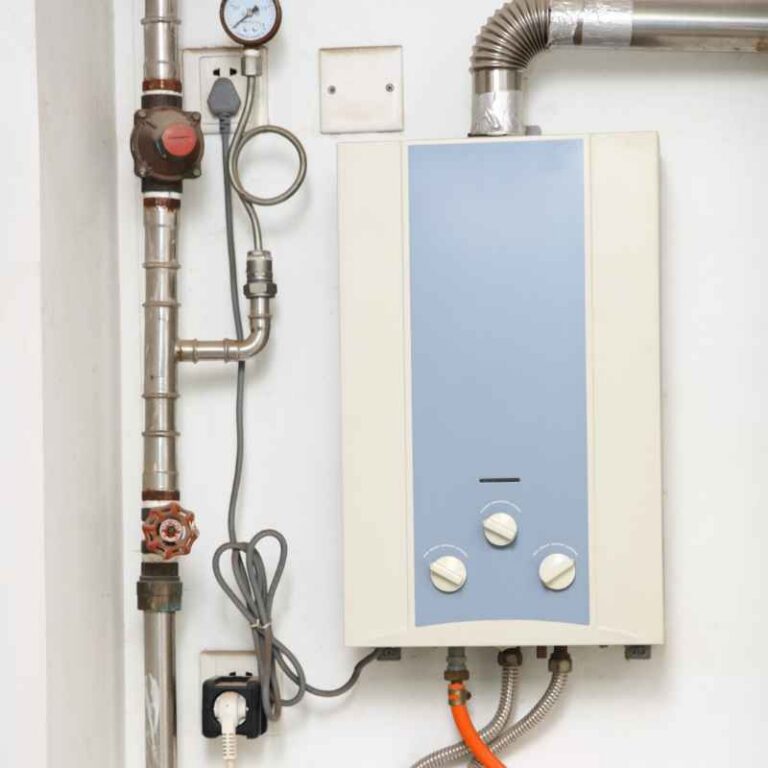
For gas-fired units, confirm the gas supply valve is fully open, check that the thermostat has fresh batteries if it is battery-powered, and look for a pilot light that has gone out on older units or an ignitor fault on newer electronic-ignition models. A clogged air filter can cause a furnace to overheat and shut down as a safety measure, and on high-efficiency condensing furnaces, a clogged condensate drain line can trip a float switch that stops the unit entirely until the drain is cleared.
When to stop and call a professional
Any smell of gas means leaving the area immediately and calling the gas utility, not troubleshooting further yourself. A burning electrical smell, visible scorch marks, or melted plastic on a cord or heater body means the unit should be unplugged and not used again. A furnace that repeatedly fails to ignite needs an HVAC technician to diagnose the ignitor, flame sensor, or gas valve rather than repeated manual resets. For portable units specifically, see our guide on whether ceramic heaters are a good fit if you are considering a replacement rather than a repair.
Frequently Asked Questions
Why does my space heater keep shutting off on its own?
This is almost always the tip-over switch or the overheat protection engaging, not a fault requiring repair. Check that the heater is level and that its vents are not blocked or too close to a wall or furniture.
Is it safe to keep resetting a heater that keeps tripping the breaker?
No. A breaker that trips repeatedly with the heater running alone on the circuit signals a real fault in the heater or the wiring, and repeatedly resetting it without investigating is a fire risk rather than a solution.
Why does my heater work but blow cold or barely warm air?
On portable units, this is often a thermostat set too low or a heating element partially failed. On furnaces, it can mean a clogged filter restricting airflow, a failing ignitor causing intermittent burner operation, or, in forced-air systems, the blower running without the heat cycle actually firing.
Sponsored / affiliate links. As an Amazon Associate I earn from qualifying purchases. I may earn additional commission from eligible campaigns.
 MEGAWISE Portable Air Conditioner and Heater, 420W 110V Compact AC Unit with Remote Control, 1400W Cooling Capacity, 800W Heating, Dehumidifier, Fan, Sleep Timer, ChampagneAZEUS Portable AC and Heater Unit, 420W 110V Compact Air Conditioner for Tent RV Truck Cabin and Small Room, 1400W Cooling, 800W Heating, Remote Control, Dehumidifier, Sleep Timer, Champagne