Will Insulating A Crawl Space Reduce Your Heating Bills?
Insulating a crawl space can significantly reduce heating bills by preventing heat loss from your home’s floors and stopping cold air from entering. This is especially true for homes with uninsulated or poorly insulated crawl spaces, common in many U.S. regions. Proper insulation creates a more stable indoor temperature and less work for your heating system.
What is Crawl Space Insulation?
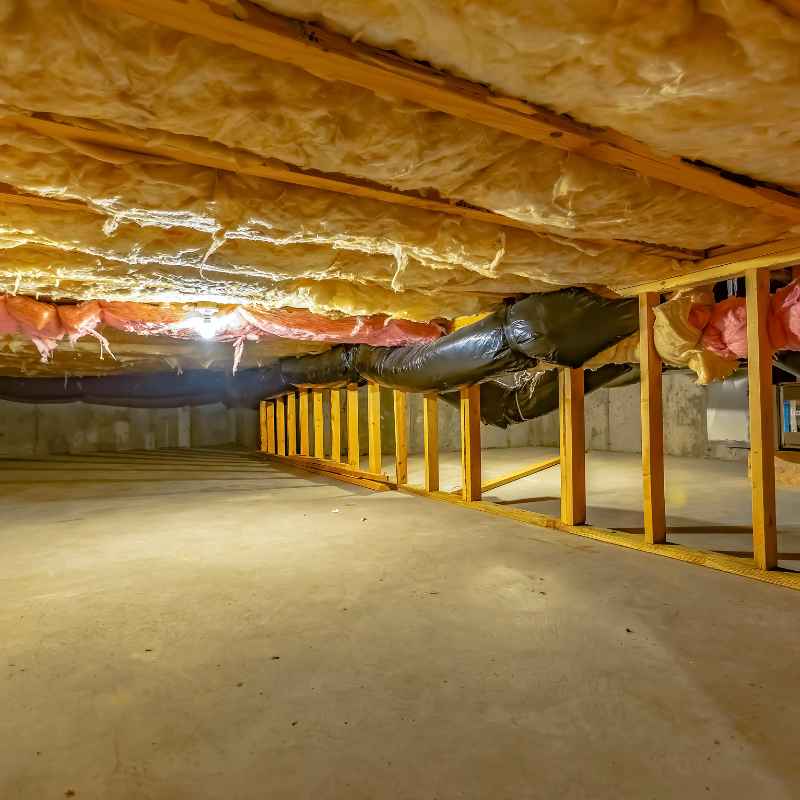
Crawl space insulation is about sealing up the empty space between your home’s main floor and the ground. This space, the crawl space, often houses pipes, wires, and your home’s foundation. It can be a place where heat escapes your living areas or where cold air creeps in.
Think of it like adding a warm blanket to the bottom of your house. This blanket stops precious heat from escaping downwards through your floors during the winter. It also helps keep the cold outside from seeping into your home.
In many older homes, especially those built before modern building codes, crawl spaces were often left open or just partially sealed. This meant that all the heat generated by your furnace could easily find its way out. Likewise, the cold air from the ground and outside could easily find its way up.
The main goal is to create a more even temperature throughout your house. This means fewer drafts and more consistent warmth when you need it most. It’s not just about saving money; it’s about making your home feel better year-round.
Why Does Crawl Space Insulation Matter for Heating Bills?
Your heating system works hard to keep your home warm. But if heat is constantly escaping through your floors, it has to work even harder. This extra effort uses more energy, which shows up on your utility bills.
Crawl space insulation acts as a barrier.
It stops that heat from just disappearing into the ground or the open air. This is a big deal. The floor you walk on every day is directly above this space.
If the crawl space is cold, your floor will be cold. That feeling travels up.
When your floors are warmer, you might even feel comfortable turning your thermostat down a degree or two. That small adjustment can lead to noticeable savings over a heating season. It’s a direct connection between the insulation and your wallet.
Also, a well-insulated crawl space helps keep conditioned air inside your home. The air your furnace warms up stays where it belongs. It doesn’t leak out into the unconditioned, often damp, crawl space below.
This is particularly important in regions with cold winters. States like New York, Michigan, or even parts of Texas experience significant temperature drops. In these areas, the impact of a poorly insulated crawl space on heating bills can be quite large.
My Own Crawl Space Story: The Drafty Floor Incident
I remember one particularly chilly November. I’d just bought my first house, a charming but older bungalow in Ohio. Everything felt cozy, except for the living room floor.
Walking barefoot was a no-go. It felt like stepping onto an ice rink, even with the heat blasting.
My heating bills were also surprisingly high for how cold the house still felt in places. I’d fiddle with the thermostat, but it never seemed to make a huge difference in that one room. The cold just seemed to radiate upwards from the floorboards.
One weekend, while researching home improvement projects, I stumbled upon articles about crawl spaces. Mine was a typical unsealed crawl space. It was damp, dusty, and I could feel a distinct draft when I knelt near the floor vents.
I decided to tackle it. Armed with some basic insulation boards and a lot of YouTube tutorials, I spent a Saturday afternoon down there. It was dark, a little dusty, and frankly, not my favorite place to be.
But I managed to fit rigid foam boards against the foundation walls.
The change was noticeable almost immediately. The next morning, I walked into the living room, and that biting cold from the floor was gone. It was still cool, but no longer painfully so.
More importantly, over the next few months, I saw a difference in my heating bills. They weren’t drastically lower, but they were definitely less than I expected for that winter. It showed me firsthand how much that hidden space could impact my home’s comfort and my energy costs.
Types of Crawl Space Insulation
There are a few main ways people insulate their crawl spaces. The best choice often depends on your specific crawl space and your budget.
Rigid Foam Boards: These are stiff panels made of foam. They are good for sealing up the concrete foundation walls of your crawl space. You can cut them to size and attach them easily.
They provide a good thermal barrier and help keep moisture out.
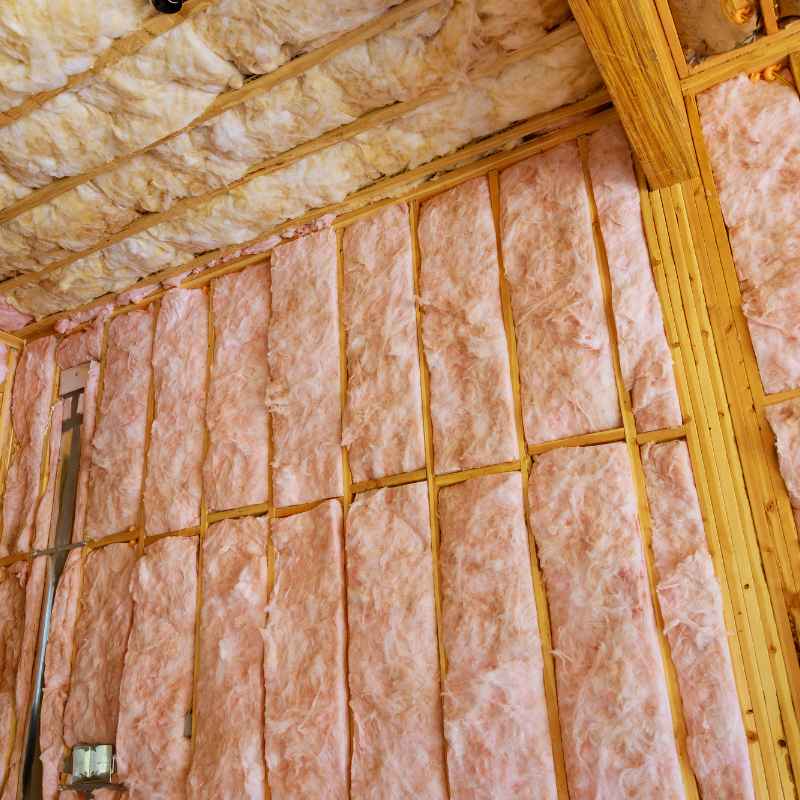
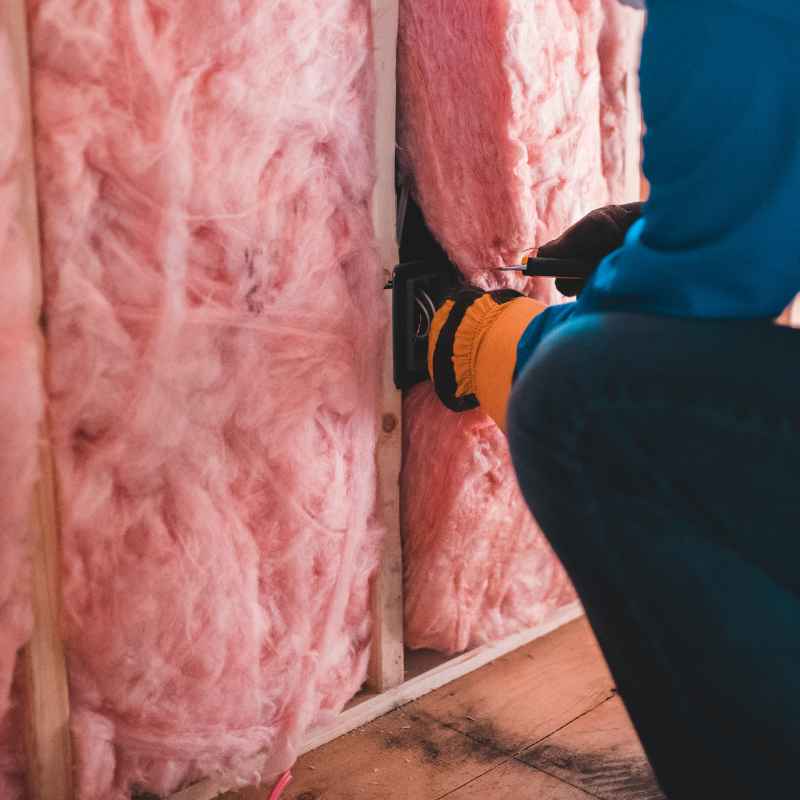
Fiberglass Batts: These are like the fluffy pink insulation you see in attics. You can place them between the floor joists. However, they need a vapor barrier to protect them from moisture in the crawl space, which can make them less effective if not installed perfectly.
Spray Foam Insulation: This is a more advanced option. It’s sprayed onto the joists or walls and expands to fill every nook and cranny. It’s very effective at sealing air leaks and providing excellent insulation.
It can be more expensive, though.
Mineral Wool: Similar to fiberglass batts, mineral wool is another type of batt insulation. It’s fire-resistant and performs well in damp conditions. It also needs a vapor barrier.
Insulating the Foundation Walls vs. the Floor Joists: You can insulate the perimeter walls of your crawl space (against the foundation). Or, you can insulate the underside of your floor, between the joists.
Many experts now recommend insulating the foundation walls, especially if you’re also sealing the crawl space from the outside air.
This approach, often called “conditioning” or “encapsulating” the crawl space, turns it into a more controlled part of your home’s envelope. It means the space stays warmer and drier.
How Much Can You Actually Save on Heating Bills?
This is the million-dollar question, right? The amount you save depends on a few things. Your climate is a big one.
If you live in a place with very cold winters, like Minnesota or Maine, the potential savings are much higher than in a mild climate like Florida.
The type of insulation you use and how well it’s installed also matter. A perfectly installed, high-R-value insulation system will save more than a poorly done job. The starting point of your home’s energy efficiency is key, too.
If your house is already very well-insulated everywhere else, the impact of the crawl space might be smaller. But for many homes, especially older ones, the crawl space is a major source of heat loss. Reports from energy auditors and organizations like Energy Star suggest that insulating a crawl space can lead to savings of 10% to 20% on heating bills.
Some studies have shown even higher numbers in extreme climates.
It’s not just about the insulation’s R-value (its ability to resist heat flow). It’s also about air sealing. A lot of the energy loss comes from drafts.
When you insulate, you often seal up those gaps and cracks too. This combination of insulation and air sealing is what really boosts savings.
Consider this: a cold floor means your body feels colder. You might raise the thermostat by a few degrees. If you can now set it 2 or 3 degrees lower because the floor is warmer, that’s direct energy savings right there.
Those degrees add up quickly over a whole heating season.
Savings Snapshot
Potential Savings: 10% – 20% on heating bills.
Factors: Climate, insulation type, installation quality, home’s existing efficiency.
Key driver: Reducing heat loss and air leaks.
Real-World Context: Homes in Different U.S. Regions
Let’s think about how this plays out across the U.S.
The Northeast (e.g., Massachusetts, Pennsylvania): Winters here are long and cold. Homes in these states often have significant heating needs. Insulating a crawl space can make a dramatic difference.
You’ll notice warmer floors, fewer drafts, and a noticeable drop in your heating fuel consumption. The investment often pays for itself within a few years.
The Midwest (e.g., Illinois, Ohio): Similar to the Northeast, the Midwest experiences harsh winters. Homes in these regions can benefit greatly. You might be heating your home for 5-7 months of the year.
Reducing heat loss from the crawl space becomes a priority. Many homeowners report a more consistent temperature throughout their house.
The South (e.g., Georgia, North Carolina): Even in warmer climates, heating is still a concern for a few months each year. While the savings might not be as dramatic as in the North, they are still significant. Insulating can also help with comfort during cooler evenings or unexpected cold snaps.
It can also help prevent pipes from freezing in more exposed crawl spaces.
The Southwest (e.g., Arizona, New Mexico): While primarily known for cooling needs, heating still plays a role. In desert regions, nights can get quite cool. Insulating the crawl space helps maintain a more stable temperature, reducing the load on both heating and cooling systems.
It contributes to overall home efficiency.
The Pacific Northwest (e.g., Oregon, Washington): This region often has damp winters. While heating savings are a factor, crawl space insulation can also play a crucial role in moisture management. Properly sealing and insulating can prevent condensation issues that can lead to mold and rot.
No matter where you live in the U.S., a crawl space is a part of your home’s thermal envelope. Addressing it with insulation is almost always a good idea for energy efficiency and comfort.
Is it Better to Insulate the Joists or the Foundation Walls?
Historically, people often insulated the floor joists. This means putting batts of insulation between the wooden beams that support your floor. While this helps, it doesn’t address the whole picture.
A more modern and often more effective approach is to insulate the foundation walls. This is especially true when you also seal off the crawl space from the outside air. This method creates a “conditioned” crawl space.
It makes the crawl space act more like an extension of your heated living space.
When you insulate the foundation walls, you’re creating a barrier around the entire perimeter of your home’s lower level. If you combine this with a vapor barrier on the ground (if it’s a dirt crawl space), you’re essentially creating a sealed, drier, and warmer environment.
Insulating the joists directly means that the air in the crawl space itself is still cold. This can still lead to cold floors. When you insulate the walls, you trap the heat from your home within the crawl space itself, warming it up.
The U.S. Department of Energy often recommends this approach, especially for new construction or major renovations. It can help with moisture control, reduce air infiltration from outside, and lead to more consistent temperatures throughout the house.
So, while insulating joists can offer some benefit, insulating the foundation walls and sealing the crawl space is often considered the better long-term strategy for maximum savings and comfort.
Wall vs. Joist Insulation
Insulating Joists:
- Focus: Between floor beams.
- Pros: Can be DIY-friendly.
- Cons: Crawl space air remains cold, less effective for floor temps.
Insulating Foundation Walls (Recommended):
- Focus: Perimeter foundation walls.
- Pros: Creates a conditioned crawl space, better for floor temps, helps moisture control.
- Cons: May require professional sealing.
What This Means for Your Home Comfort
Beyond just saving money, insulating your crawl space can dramatically improve how your home feels. If you’ve ever experienced that “cold air coming up from the floor” feeling, this is the solution.
Warm floors are a game-changer for comfort. You can walk around your house without needing slippers all the time. It makes rooms feel cozier and more inviting.
It also helps reduce drafts. Air leaks often happen around the edges where the floor meets the walls. By sealing the crawl space, you’re stopping a major source of unwanted air movement.
This means fewer chilly breezes sneaking into your living areas.
This improved comfort is often the first thing people notice. While the savings on bills are great, the enhanced everyday living experience is often cited as the biggest win.
Think about it: your home is your sanctuary. You want it to feel comfortable and welcoming. Making sure that foundation is solid, not just structurally, but thermally, makes a big difference.
It’s a way to feel more in control of your home’s environment.
When is Crawl Space Insulation a Good Idea?
Here are some signs that insulating your crawl space could be a smart move:
- Cold Floors: This is the most obvious sign. If your floors feel unusually cold, especially in winter, your crawl space is likely a culprit.
- High Heating Bills: If your energy bills seem higher than expected for the size of your home or the weather, it’s worth investigating hidden heat loss areas like the crawl space.
- Drafts: You feel cold air coming up from the floors or near floor-level vents.
- Existing Poor Insulation: If your crawl space has no insulation, or the insulation is damaged, wet, or compressed, it’s not doing its job.
- Older Homes: Many homes built before the 1980s have uninsulated or poorly insulated crawl spaces.
- Home in a Cold Climate: The colder your winters, the more important crawl space insulation becomes.
It’s also important to consider the condition of your crawl space itself. If it’s extremely damp or flooded, insulation might not be the first thing you need to address. Moisture problems should be fixed first.
Once the space is dry, then insulation becomes very effective.
Quick Fixes and Tips for Your Crawl Space
If you’re thinking about tackling your crawl space, here are some practical tips:
- Assess First: Go down there (safely!) and see what you have. Is it dirt? Concrete? Is there old insulation? Is it wet?
- Safety First: Wear gloves, a mask, and eye protection. If you have a dirt crawl space, consider a vapor barrier on the ground.
- Seal Air Leaks: Before insulating, use caulk or spray foam to seal any cracks or gaps you find in the foundation walls or around pipes and wires.
- Vapor Barrier: If you have a dirt crawl space, laying down a thick (6-mil) plastic vapor barrier on the ground is crucial. This stops moisture from rising from the soil.
- Insulate Walls: For most situations, insulating the foundation walls with rigid foam boards is recommended. Ensure a snug fit.
- Vapor Retarder: On the interior side of the insulation (facing into the crawl space), a vapor retarder might be needed, depending on your climate and the type of insulation. Check local building codes.
- Professional Help: For spray foam or complex encapsulation projects, hiring a professional is often best. They have the right tools and experience.
Remember, a well-sealed and insulated crawl space can also help keep pests out. It creates a less inviting environment for them.
Frequent Questions About Crawl Space Insulation
Does insulating my crawl space help with cooling bills too?
Yes, it can. While the primary benefit is often seen in heating savings, a well-insulated and sealed crawl space also helps keep your home cooler in the summer. It prevents hot outside air from entering the crawl space and radiating upwards into your home.
It also keeps your conditioned (cool) air from escaping downwards.
Can I insulate a crawl space myself?
For some types of insulation, like rigid foam boards or fiberglass batts, yes, it can be a DIY project. However, it requires careful work, especially sealing air leaks and installing vapor barriers correctly. Spray foam insulation usually requires professional installation due to the specialized equipment and safety concerns.
What’s the difference between insulating the crawl space and insulating the floor above it?
Insulating the floor joists directly (above the crawl space) provides a thermal break. However, if the crawl space itself is cold and humid, that can still affect floor temperature and comfort. Insulating the foundation walls and sealing the crawl space creates a more controlled environment, often leading to better results for both comfort and energy savings.
How do I know if my crawl space is properly sealed?
A properly sealed crawl space will feel more like a part of your home’s conditioned envelope. You shouldn’t feel significant drafts coming from it. Indicators include a lack of strong odors from the crawl space entering the house and a more stable temperature on the floors above.
A professional energy audit can assess air sealing effectiveness.
Will insulating my crawl space affect indoor air quality?
Generally, yes, in a positive way. By sealing out outside air and moisture, you reduce the potential for mold, mildew, and dust to grow in the crawl space. This means less of those potentially harmful particles can enter your living space.
However, if there are existing moisture or mold issues, they must be addressed before insulating.
What is an “encapsulated” crawl space?
Encapsulation is a more comprehensive approach. It involves sealing all vents, installing a heavy-duty vapor barrier on the floor, insulating the foundation walls, and often installing a dehumidifier. The goal is to make the crawl space a conditioned part of the home, similar to a basement, which significantly improves energy efficiency and indoor air quality.
Conclusion: A Warmer Home Starts Below
So, will insulating your crawl space reduce your heating bills? The answer is a resounding yes, for most homes in most parts of the U.S. It’s a foundational step in making your home more energy-efficient and comfortable.
By treating that often-neglected space with care, you create a warmer, more stable environment throughout your entire house. It’s a smart investment that pays off in comfort and savings, year after year.
Sponsored / affiliate links. As an Amazon Associate I earn from qualifying purchases. I may earn additional commission from eligible campaigns.
 THE LINER GUYS 12 Mil Crawl Space Vapor Barrier Plastic Sheeting, 12 ft x 100 ft, Reinforced Poly Ground Cover & Vapor Barrier for Crawlspace Encapsulation & Sub-Slab Use
 Crawl Space Vapor Barrier, 12 Mil Vapor Barrier, 12'x50', Thick White Plastic Sheeting, Drop Cloth White Vapor Barrier Covering for Crawlspace Encapsulation, Basement, Heavy Duty Polyethylene Film