Should Heat Ducts In A Crawl Space Be Insulated? Yes, Here’S Why
Yes, heat ducts in a crawl space absolutely should be insulated. Uninsulated ducts in this unconditioned space lose a significant amount of heated or cooled air before it reaches your rooms. Insulating them prevents this energy loss, leading to lower utility bills, more consistent temperatures throughout your home, and better air quality.
What Are Crawl Space Ducts and Why Do They Matter?
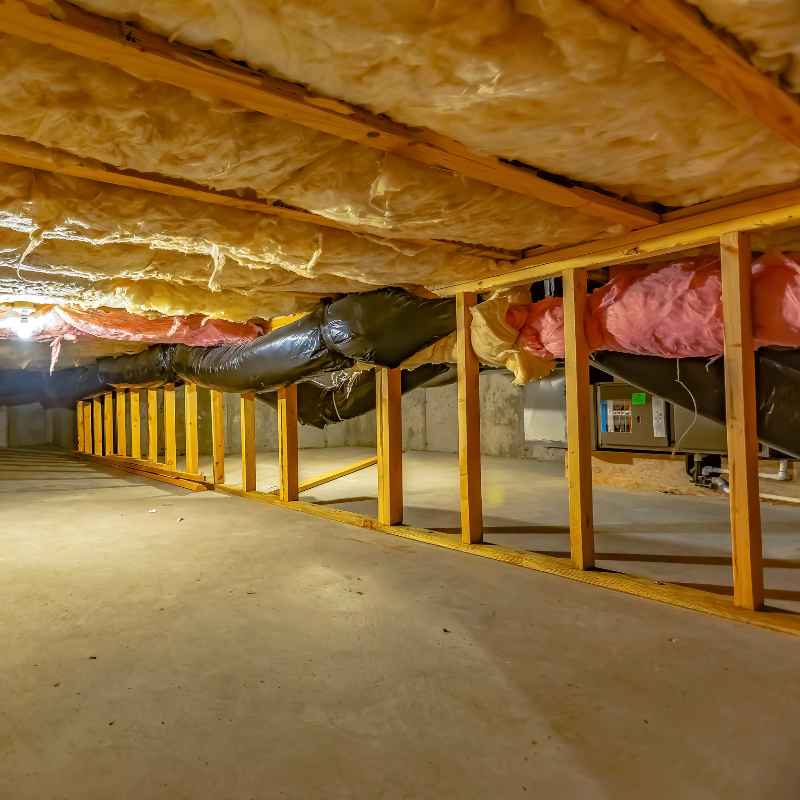
Crawl spaces are those shallow, unfinished areas found under the floor of a house. They are usually too low to stand up in. Many homes have them.
They often house plumbing pipes, electrical wiring, and the ductwork for your heating and cooling system. These ducts carry warm air in the winter and cool air in the summer from your furnace or air conditioner to different rooms in your house. They are like the highways for your home’s air.
Now, think about your crawl space. Most of the time, it’s not heated or cooled. It’s exposed to the same temperatures as the outside air.
In the summer, it can get very hot down there. In the winter, it can get quite cold. This means the air traveling through your ductwork is constantly being affected by the crawl space environment.
If the air in your ducts is supposed to be warm but it’s traveling through a freezing cold crawl space, it’s going to get cold. That warm air loses its heat to the space around it. By the time it gets to your living room, it’s not as warm as it should be.
You then have to run your furnace longer to get the room to your desired temperature. This wastes energy and money.
The same thing happens with cooling. If cool air is traveling through a hot crawl space, it will absorb heat. This makes the air less cool when it finally reaches your bedroom.
Your air conditioner has to work harder and run longer to compensate. This also leads to higher energy bills and can even strain your HVAC system.
So, those ducts in your crawl space are super important. They are a vital part of your home’s comfort system. And how they are treated down there directly impacts how well your heating and cooling works upstairs.
Insulating them is a key step in making sure your home stays comfortable without costing you a fortune.
My Own Duct Dilemma in the Crawl Space
I remember this one time, years ago, when I was house hunting. I found a place I really liked. It had a great yard and was in a good neighborhood.
But there was this one weird thing. In the winter, some rooms were always cold. In the summer, the upstairs felt sticky, even with the AC blasting.
The seller kept saying it was “just an old house thing.”
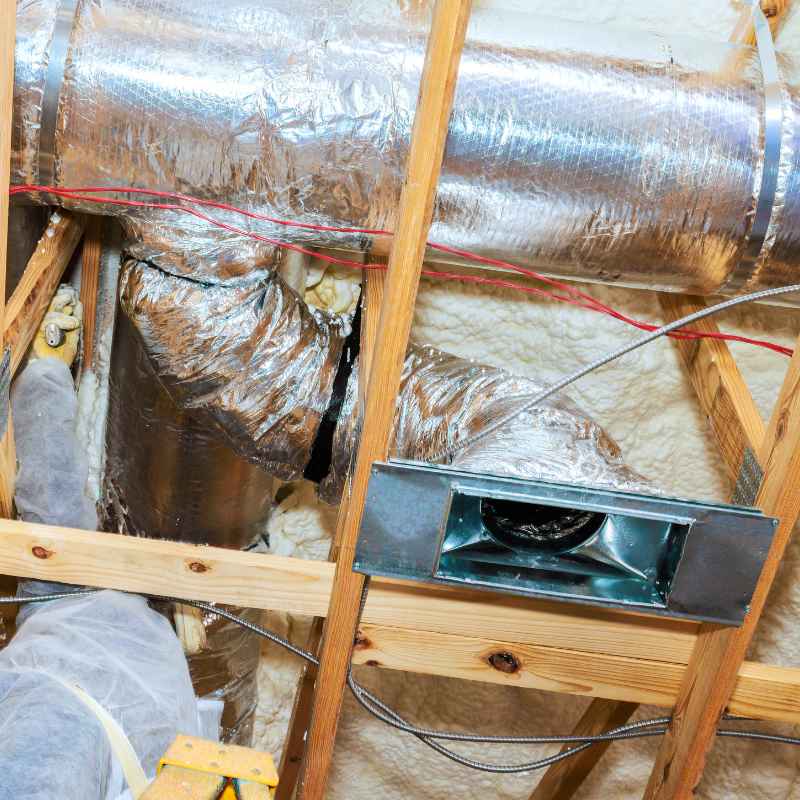
I’m naturally curious, so I got a flashlight and went into the crawl space. It was damp, a bit dusty, and I could feel the cold air seeping up. I looked at the metal ducts that ran all over.
They were bare. No wrap, no insulation, nothing. Just plain metal boxes snaking through the chilly, damp space.
Suddenly, it all clicked. The heat and cool air were literally escaping into the crawl space. It was like trying to fill a bucket with a hole in it.
I felt a pang of annoyance, but also a little thrill. This was a problem I knew how to fix. It showed me firsthand how much these ducts matter.
It wasn’t just some abstract concept; it was a real, tangible loss of comfort and money. That experience cemented for me that duct insulation in crawl spaces isn’t just a suggestion. It’s a must-do for a comfortable and efficient home.
Quick Check: Are Your Crawl Space Ducts Insulated?
Look for: Bare metal or flimsy, thin wrap.
You want to see: Thick, clearly visible insulation covering the ducts.
This simple check can tell you a lot about your home’s energy loss.
The Science Behind Duct Heat Loss
Let’s talk a little about heat transfer. It’s basically how heat moves from one place to another. There are three main ways this happens: conduction, convection, and radiation.
All three play a role in why uninsulated ducts in a crawl space lose so much energy.
Conduction: This is heat moving through solid materials. When your warm duct touches the cold air or cold ground in the crawl space, heat moves directly from the duct into the cooler surroundings. Think of touching a cold metal railing; your hand gets cold because heat conducts from your hand to the metal.
Convection: This is heat moving through fluids, like air or water. In a crawl space, the air is always moving. If the air around your ducts is cold, it will carry that coldness away from the ducts.
Warm air in the ducts loses heat to the surrounding air, and this cold air then circulates.
Radiation: This is heat that travels as electromagnetic waves. Even without direct contact, warm objects radiate heat to cooler objects. Your warm ducts radiate heat out into the cooler crawl space.
Similarly, if the ground in your crawl space is warmer than your cool duct, the duct will absorb heat.
When your ducts are uninsulated, they are like leaky pipes for your home’s air. The difference in temperature between the air inside the duct and the air in the crawl space drives this heat loss. The greater the temperature difference, the faster the heat is lost.
In winter, this means your heated air cools down. In summer, your cooled air warms up.
The U.S. Department of Energy states that uninsulated ducts can lose up to 30% of the heated or cooled air they carry. That’s a huge amount of wasted energy.
It means your HVAC system has to work 30% harder to deliver the air you want into your rooms. This leads to higher energy bills and puts extra wear and tear on your equipment.
Common Crawl Space Issues Affecting Ducts
- Moisture: Dampness can make insulation less effective and can damage duct materials.
- Pests: Rodents can chew through insulation or ductwork.
- Poor Sealing: Gaps and leaks in the duct joints themselves allow air to escape.
Benefits of Insulating Crawl Space Ducts
Okay, so we know why ducts lose heat. What happens when we actually insulate them? The benefits are pretty impressive, and they touch on comfort, cost, and even the health of your home.
1. Increased Home Comfort
This is usually the first thing people notice. Insulating your crawl space ducts means the air delivered to your rooms is closer to the temperature it was when it left your furnace or air conditioner. This leads to more even temperatures throughout your house.
No more cold spots or rooms that never seem to cool down. Your whole home feels more comfortable, all the time.
2. Lower Energy Bills
When your ducts are insulated, your HVAC system doesn’t have to work as hard. It doesn’t have to make up for all that lost air. This means your furnace and air conditioner run less.
Less running time equals less energy used. Over time, this can lead to significant savings on your monthly utility bills. The U.S.
Environmental Protection Agency (EPA) points out that sealing and insulating ducts can save homeowners between 10% and 20% on heating and cooling costs.
3. Improved Air Quality
Crawl spaces can sometimes be dusty, damp, or even contain mold and mildew. When ducts are uninsulated and leaking air, they can suck in this unhealthy air from the crawl space and blow it into your living areas. Insulating the ducts helps seal them up.
This reduces the amount of crawl space air that gets into your home. It also helps prevent condensation from forming on the ducts, which can lead to mold growth.
4. Extended HVAC System Lifespan
When your heating and cooling system runs less, it experiences less wear and tear. This can help your furnace and air conditioner last longer. It reduces the chances of breakdowns and costly repairs.
Think of it like driving your car less; the fewer miles you put on it, the longer it tends to last.
5. Reduced Humidity Issues
In the summer, warm, moist air from the crawl space can enter your home through leaky, uninsulated ducts. This adds humidity to your indoor air. Insulating ducts helps keep the cool air inside the duct and reduces condensation.
This can make your home feel less sticky and reduce the load on your dehumidifier or air conditioner.
Insulation Value: R-Value Explained
R-Value measures how well insulation resists heat flow.
Higher R-value means better insulation.
For crawl space ducts, look for insulation with an R-value of at least R-8.
Types of Insulation for Crawl Space Ducts
When it comes to insulating your crawl space ducts, you have a few good options. The best choice often depends on your budget, how much DIY you want to do, and the specific conditions of your crawl space.
Fiberglass Duct Wrap
This is probably the most common type of insulation for ducts. It’s a flexible blanket made of fiberglass fibers. It usually has a foil or plastic vapor barrier on one side.
This barrier is important to stop moisture from getting into the insulation.
Pros: Relatively inexpensive, easy to find, DIY-friendly for many.
Cons: Can be irritating to skin and lungs during installation (wear protective gear!), can lose R-value if it gets wet, requires careful sealing of the vapor barrier.
Foam Board Insulation
Rigid foam boards, like polyisocyanurate or extruded polystyrene, can also be used. These are cut to fit around the ducts. They offer a good R-value and are resistant to moisture.
Pros: Good R-value, moisture resistant, durable.
Cons: Can be more expensive, requires more precise cutting and fitting, can be trickier to install in tight spaces.
Spray Foam Insulation
This is a popular option for its ability to seal and insulate at the same time. It’s sprayed onto the ducts and expands to fill all the gaps. It creates a seamless, air-tight barrier.
Pros: Excellent R-value, seals air leaks effectively, acts as a vapor barrier, very durable.
Cons: Most expensive option, typically requires professional installation, can be messy.
Pre-Insulated Ducts
Some newer duct systems come pre-insulated. These ducts have insulation built into their walls. If you are replacing your ductwork, this is an excellent option to consider.
Pros: Highly effective, professionally installed as part of the system.
Cons: Only an option during duct replacement, generally more expensive upfront.
Key Installation Tip: Vapor Barrier
Why it matters: Crawl spaces can be damp.
What it does: A vapor barrier prevents moisture from reaching the insulation.
How to do it: If using fiberglass wrap, ensure the foil or plastic side faces the heated space (away from the ground) and all seams are taped with appropriate foil tape.
Real-World Context: When Insulation Really Shines
Imagine you live in a place like Chicago. Winters can be brutal. Temperatures frequently drop well below freezing.
Your furnace works overtime. If your ducts are running through a crawl space that’s just as cold, that’s a huge amount of heat being lost. That heated air tries to escape through any tiny crack or gap.
Insulating these ducts is like putting on a heavy winter coat for your home’s warm air.
Or consider a humid climate, like Florida. Summers are hot and sticky. Your air conditioner is working hard to cool your home.
But if the ducts are in a hot, humid crawl space, the cool air inside them can pick up moisture from the surrounding air. This can lead to condensation dripping inside your ducts. That moisture can feed mold and mildew, and it makes your home feel muggy, even when the AC is on.
Insulating prevents this condensation.
I’ve seen homes where the difference was night and day. One client had an older house with very uneven temperatures. One side of the house was always warmer.
After inspecting their crawl space, we found their main supply ducts were completely uninsulated. We insulated them, and the homeowner called back a week later, amazed. They said their house felt comfortable for the first time.
They were also thrilled to see a noticeable drop in their energy bill. This real-world impact is why this work is so important.
What This Means for Your Home: Normal vs. Concerning
So, when should you be concerned about your crawl space ducts, and when is it just part of having a house?
When it’s Normal (but could be better)
It’s pretty normal for older homes to have uninsulated ductwork in their crawl spaces. It was often standard practice decades ago. You might also see this in homes where the crawl space is only used for access, not really considered part of the conditioned space.
However, even if it’s “normal,” it’s usually an opportunity for improvement.
You might notice that some rooms are cooler in winter or warmer in summer. You might see higher than expected energy bills. These are signs that your duct system might be losing air somewhere.
The crawl space is a prime suspect.
When to Worry (and Act)
If you notice:
- Visible condensation: Water droplets on the outside of your ducts are a clear sign of problems. This means warm, humid air is hitting cold ducts, and it’s a breeding ground for mold.
- Mold or mildew in the crawl space: If you see mold, and your ducts are uninsulated and leaking, they could be spreading mold spores throughout your home.
- Significant temperature differences: If one part of your house is drastically different in temperature from another, especially if the crawl space is part of the airflow path, leaky ducts are a likely culprit.
- Musty odors: A persistent musty smell can indicate moisture problems, often related to ductwork in damp areas.
- Dusty air: If you’re seeing an increase in dust, your HVAC system might be pulling air from dusty crawl spaces through leaky ducts.
These are signs that the problem isn’t just about efficiency; it’s about the health and integrity of your home. Addressing duct insulation in these cases is crucial.
Simple Check: The “Cold Hand” Test
How to do it: On a cold day, put your hand near a vent in a room that feels cold. Feel the air. Is it barely warm?
Now, if possible and safe, carefully feel the ductwork in your crawl space. Is it noticeably colder than the air coming from the vent?
This simple comparison can highlight potential heat loss.
Quick Tips for Better Crawl Space Duct Performance
Insulating your crawl space ducts is the biggest step, but there are a few other things that help.
- Seal duct seams: Before insulating, make sure all the seams and joints in your ductwork are properly sealed. Use mastic sealant or foil tape designed for HVAC systems. Leaky seams lose air before insulation can even help.
- Check your returns: Ensure that the return air ducts (which pull air back to your furnace) in your crawl space are also insulated and sealed. They are just as important as supply ducts.
- Consider crawl space encapsulation: For homes with very damp or problematic crawl spaces, encapsulating the crawl space itself (sealing it off from the outside environment and controlling humidity) can significantly improve the performance of your entire HVAC system, including your ducts.
- Professional inspection: If you’re unsure about the condition of your ducts or how to best insulate them, hire a qualified HVAC professional. They can assess your system and recommend the best solutions.
DIY vs. Pro: When to Call an Expert
- DIY Friendly: Basic fiberglass duct wrap installation, if you’re comfortable working in tight spaces and wearing safety gear.
- Consider a Pro: Spray foam insulation, complex duct systems, if you have moisture or mold issues, or if you’re unsure about proper sealing and vapor barriers.
Frequently Asked Questions About Crawl Space Ducts
Is it actually necessary to insulate ducts in a crawl space?
Yes, it is highly recommended. Uninsulated ducts in an unconditioned crawl space lose a significant amount of heated or cooled air. This leads to wasted energy, higher utility bills, and less comfortable temperatures in your home.
What is the best type of insulation for crawl space ducts?
Fiberglass duct wrap with a vapor barrier is a common and effective choice. Rigid foam board or spray foam insulation can also be excellent options, offering good R-values and moisture resistance. The best choice depends on your budget and the specific conditions of your crawl space.
How do I know if my crawl space ducts are losing air?
Signs include uneven room temperatures, high energy bills, condensation on ducts, musty odors, or increased dust. A professional HVAC inspection can confirm air loss.
Can I insulate my ducts myself?
Yes, many homeowners can insulate their ducts using fiberglass duct wrap. However, wear appropriate safety gear like gloves, long sleeves, and a mask. For spray foam or complex situations, professional installation is recommended.
What R-value should I look for in crawl space duct insulation?
For crawl space duct insulation, an R-value of R-8 is generally recommended by experts like the U.S. Department of Energy to provide effective thermal resistance.
Will insulating my ducts help with mold in the crawl space?
Insulating ducts helps by reducing condensation on the ducts themselves, which can prevent mold growth on the ducts. However, it doesn’t fix existing mold problems in the crawl space. Addressing the source of moisture and cleaning existing mold are necessary steps.
Final Thoughts on Crawl Space Duct Insulation
Taking the time to insulate your crawl space ducts is an investment. It pays off in a more comfortable home, lower energy bills, and a healthier living environment. It’s one of those home improvement tasks that truly makes a difference you can feel.
Don’t let that energy just disappear into the dark corners of your crawl space. Give your home’s air the protection it deserves.
Sponsored / affiliate links. As an Amazon Associate I earn from qualifying purchases. I may earn additional commission from eligible campaigns.