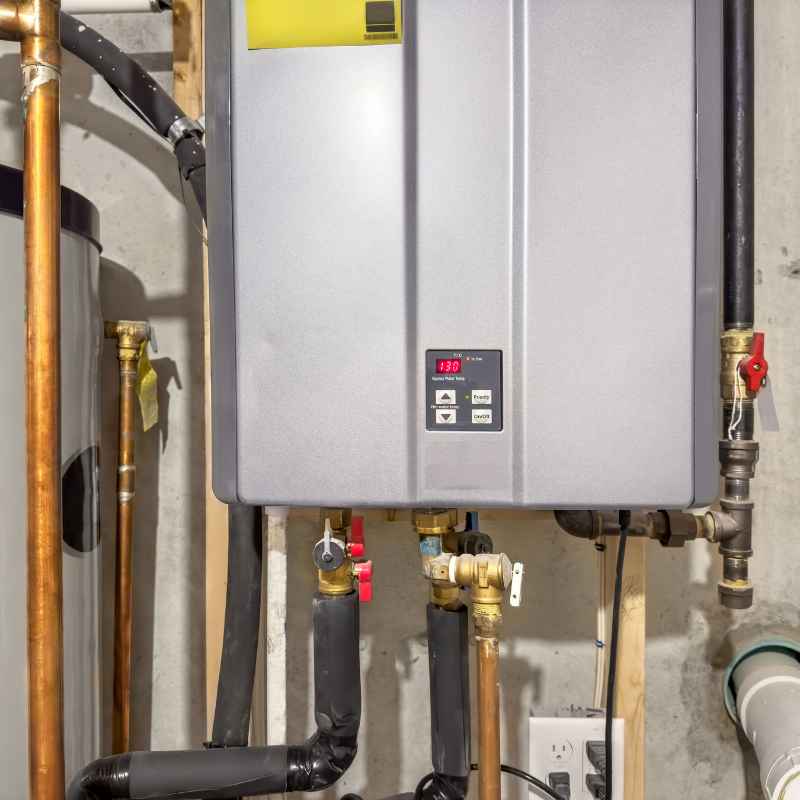
Is A Disconnect Needed With Instantaneous Heaters? Find Out
It’s a common question, and a really important one for home safety and proper appliance function. You’ve just installed a sleek new instantaneous heater, maybe for your kitchen sink or even a whole-house system, and you’re wondering about the electrical setup. Specifically, does it need its own disconnect switch? This can feel like a technical detail that’s easy to overlook, but it has big implications. Let’s dive into why this small piece of equipment is a big deal for your peace of mind and your home’s electrical system.
A separate electrical disconnect is generally required for instantaneous water heaters. This allows for safe servicing, emergency shut-off, and meets electrical code standards. It’s a critical safety feature, not an optional add-on, ensuring you can quickly and safely cut power to the unit.
Understanding the Instantaneous Heater Disconnect
Instantaneous heaters, also known as tankless or on-demand water heaters, work a bit differently than traditional tank heaters. They heat water only when you need it. This means they often draw a lot of power, but only for short bursts. Because of this power draw, the electrical system needs special attention.
Think of it like this: a big appliance that uses a lot of electricity needs a direct, safe way to turn it off. The disconnect switch provides this. It’s essentially a switch that can completely cut power to the heater. It’s usually located somewhere accessible, like near the unit itself or in your main electrical panel.
This isn’t just about convenience. It’s about safety and code. Electricians follow rules called electrical codes. These codes are designed to prevent fires and electric shocks. For high-power appliances like instantaneous heaters, these codes often mandate a dedicated disconnect. This ensures that when a problem arises, or when maintenance is needed, power can be shut off quickly and safely.
Why is it so important to be able to shut off power quickly? Well, if the heater needs repairs, you don’t want to rely on just flipping the breaker at your main panel. A dedicated disconnect means the power is cut right at the unit. This is much safer for the person working on it. It also means that in an emergency, like a leak or a malfunction, you can immediately stop the power flow without having to find and flip the correct breaker in a crowded panel.
How Instantaneous Heaters Work
These heaters are quite clever. When you turn on a hot water faucet, a sensor detects the water flow. This sensor then signals a powerful heating element or gas burner to turn on. The water passes over this heating element, getting hot almost instantly. Once the faucet is turned off, the sensor detects no flow, and the heater shuts down.
This “on-demand” nature means they save energy because they aren’t keeping a large tank of water hot all day and night. However, to heat water so quickly, they require a significant amount of electricity. This is why they often need dedicated, high-amperage circuits.
The Role of the Disconnect Switch
The disconnect switch is your primary line of defense for safely interacting with the heater’s electrical components. It provides a clear, visible means to isolate the appliance from the power source. This is a core principle of electrical safety.
When a qualified technician needs to service the heater, they will first go to the disconnect switch and turn it off. They can then physically verify that power is indeed cut before beginning any work. This prevents accidental shocks.
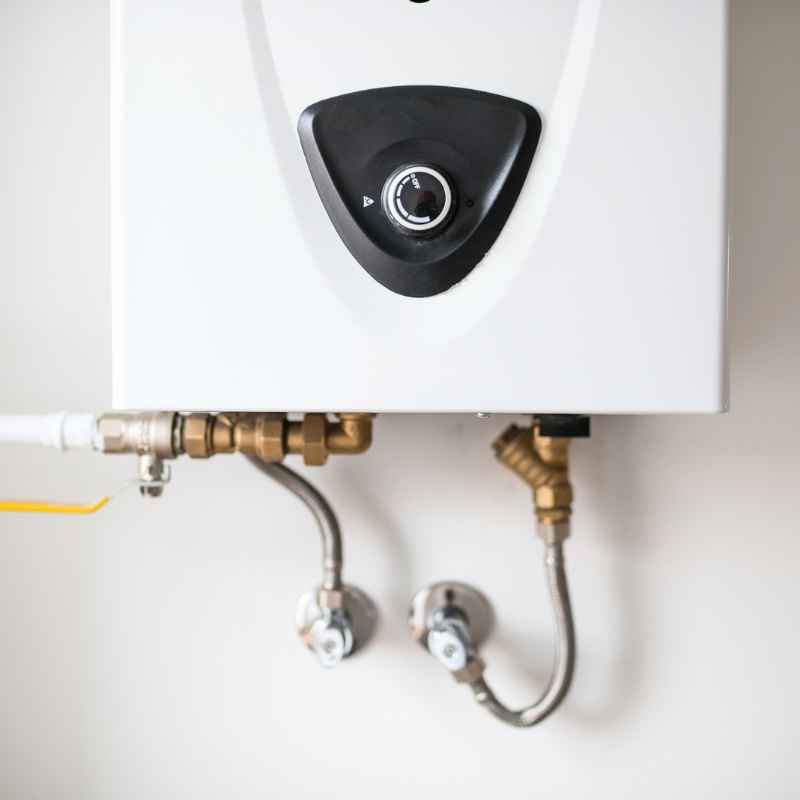
My Own “Oh No” Moment with an Appliance
I remember a few years back when I decided to finally replace my old, clunky garbage disposal. It was making a terrible grinding noise, and frankly, I was a bit scared of it. I’d done a few simple DIY electrical things before, like changing outlets, so I thought, “How hard can replacing a disposal be?” Famous last words, right?
I went to the breaker box and flipped the switch labeled “Garbage Disposal.” I felt pretty good about that. Then, I got under the sink, started messing with the wiring, and suddenly, my hand slipped. I touched something I shouldn’t have. There was a bright flash, a jolt, and I yelped, stumbling backward. Thankfully, it wasn’t a severe shock, but it was enough to send a wave of panic through me. My heart was pounding. I was so angry at myself for being careless.
That’s when I realized the breaker in the main panel wasn’t enough. It’s good for general shut-off, but for specific appliance work, you need something more direct. If that disposal had had its own disconnect switch right there, I would have flipped that, and there would have been absolutely no power going to the unit. It would have been a much safer experience. That incident really hammered home the importance of having dedicated disconnects for high-power appliances. It’s not just about following rules; it’s about protecting yourself and preventing accidents.
Key Safety Checks for Your Heater’s Power
- Dedicated Circuit: Ensure the heater has its own circuit.
- Proper Wire Gauge: Wires should be thick enough for the heater’s power needs.
- Correct Breaker Size: The breaker must match the heater’s requirements.
- Accessible Disconnect: The disconnect should be easy to find and use.
- GFCI Protection: In some locations, Ground Fault Circuit Interrupter protection is needed.
Electrical Codes and Why They Matter
Electrical codes are like the rulebook for electricians and homeowners. They exist to keep everyone safe. The National Electrical Code (NEC) is the main one used in the United States. It gets updated regularly to keep up with new technologies and safety findings.
For instantaneous water heaters, the NEC has specific requirements. These often involve the type of circuit, the wire size, and yes, the disconnect switch. A dedicated disconnect is often required by code for several reasons:
Isolation for Maintenance: As I learned the hard way, working on an appliance without complete power isolation is dangerous. A disconnect allows a technician to be sure the power is off at the appliance.
Emergency Shut-Off: In case of a fire, flood, or electrical malfunction, a readily accessible disconnect lets you cut power fast. This can prevent further damage or danger.
Clear Identification: A dedicated disconnect usually has a label. This makes it obvious what appliance it controls, reducing confusion during emergencies or repairs.
Preventing Overloading: These heaters can draw a lot of amps. A proper circuit and disconnect ensure the system isn’t overloaded, which could cause fires.
Many local building departments adopt the NEC and may have their own amendments or stricter rules. So, it’s always a good idea to check with your local building authority. They can tell you exactly what is required in your area.
What the NEC Says (Generally)
While I can’t quote specific code sections (as they can be complex and change), the general principle is clear. High-demand appliances that require servicing often need a means of disconnection readily available. This is especially true for electric instantaneous water heaters, which draw substantial power.
The idea is to provide a safety measure that goes beyond simply flipping a breaker in the main panel. The disconnect provides a local shut-off point, offering a higher level of safety and control over the appliance’s power supply.
When Is a Disconnect Definitely Needed?
Understanding Amperage and Circuits
Amperage (Amps): This measures the amount of electrical current flowing through a wire. Higher amperage means more power is being used.
Circuit: A circuit is a path for electricity to flow. It includes a wire, a breaker (or fuse), and the appliance.
Dedicated Circuit: This means the appliance has its own circuit and doesn’t share power with other devices.
Breaker: A safety device that trips (shuts off) a circuit if too much current flows, preventing overheating and fires.
The need for a disconnect is usually tied to the power requirements of the instantaneous heater. Here are common scenarios where a disconnect is almost always required by code:
Electric Tankless Water Heaters: These are the big power users. They often require 40, 60, or even 80 amps. The NEC typically requires a separate disconnect for appliances drawing 30 amps or more.
High-Wattage Units: Even if the total amperage isn’t extremely high, if the unit is rated for a very high wattage, it can still necessitate a disconnect. Wattage is a measure of power.
Location of Installation: If the heater is in a location where servicing might be difficult or if there’s a higher risk of water and electricity interaction, a disconnect adds an extra layer of safety.
Local Ordinances: Some cities or counties have stricter rules than the NEC. They might require disconnects for appliances that the NEC doesn’t.
Gas Tankless Heaters vs. Electric
It’s worth noting that most gas-powered tankless water heaters do not require an electrical disconnect in the same way electric ones do. They still need electricity to power their control boards and igniters, but this power draw is much, much lower. The primary safety feature for a gas unit is its own shut-off valve for the gas line, which is controlled separately.
However, if your gas tankless heater has a significant electrical component or if local codes specify it, an electrical disconnect might still be needed. Always check the manufacturer’s instructions and local codes.
My Electrician Friend’s Take
I was chatting with my friend, who’s been an electrician for over 20 years. I asked him about this exact topic. He just chuckled and said, “Oh yeah, the disconnect. People always ask about that. For tankless electric heaters, it’s a no-brainer. It’s code, it’s safety, end of story.”
He explained that in his experience, most homeowners don’t understand the power these electric tankless units pull. “You can’t just treat them like a regular appliance,” he told me. “They’re practically a small power plant in your house, heating water on demand.”
He also mentioned how many times he’s seen DIY attempts go wrong because people didn’t understand the electrical requirements. “You disconnect at the breaker, sure. But if there’s a fault inside the unit, or if you’re working on it and someone accidentally flips that breaker back on thinking it’s safe. bad things can happen. The disconnect gives you that physical lock-out capability, or at least a clear visual confirmation that the power is off at the unit itself.”
He stressed that even if it seems like a small extra cost or a bit of hassle, the disconnect is an investment in safety. “It’s one of those things you hope you never have to use,” he said, “but when you do, you’ll be incredibly glad it’s there.”
Common Pitfalls to Avoid
- Assuming the main breaker is enough.
- Ignoring manufacturer instructions.
- Not checking local electrical codes.
- Using undersized wires or breakers.
- Hiring unqualified personnel for installation.
What Kind of Disconnect Do You Need?
When we talk about a “disconnect,” it’s usually referring to a specific type of switch. For most instantaneous water heaters, you’ll be looking at one of these:
Fused Disconnect: This type of disconnect contains fuses. If there’s a surge of electricity, the fuse blows, cutting off power and sacrificing itself to protect the appliance and your wiring. You would then need to replace the fuse.
Non-Fused Disconnect: This is a simpler switch that just breaks the circuit. It doesn’t have fuses built-in. The overcurrent protection is handled by the breaker in your main electrical panel.
The specific type required will depend on the heater’s model and local codes. Your installer or the manufacturer’s documentation will specify this.
Location, Location, Location
The placement of the disconnect is also important. It needs to be:
Accessible: You should be able to reach it easily without moving heavy objects or climbing.
Within Sight: Ideally, it should be within sight of the appliance it controls. This helps prevent someone from accidentally operating it without knowing what it’s for.
Not Within Reach of Water: For obvious safety reasons, it shouldn’t be installed where it could be splashed or submerged by water.
For many wall-mounted electric tankless units, the disconnect might be a small box installed on the wall nearby, often just above or to the side of the heater itself.
Can I Install It Myself?
This is where we tread carefully. While I’m a big believer in DIY, electrical work, especially with high-power appliances like instantaneous heaters, carries significant risks.
Safety: As my own experience showed, mistakes can lead to shocks or fires.
Code Compliance: Electricians know the codes. A DIY installation might look fine but could violate critical safety regulations, leading to problems with insurance or future home sales.
Warranty: Many appliance manufacturers will void the warranty if the unit isn’t installed by a qualified professional.
Complexity: Installing a dedicated circuit, ensuring proper wire gauge, selecting the right breaker, and correctly wiring a disconnect switch requires specialized knowledge and tools.
My strong recommendation, based on both my own mishaps and professional advice, is to always hire a licensed and qualified electrician for the installation of an instantaneous water heater and its associated disconnect. They have the training, tools, and understanding of codes to do it safely and correctly. It’s an investment that pays off in peace of mind and protection.
What If My Heater Doesn’t Have One?
If you currently have an instantaneous heater installed and you’re not sure if it has a proper disconnect, or if it was installed without one, it’s time to investigate.
First, check the installation manual for your specific model. It will detail the electrical requirements, including whether a disconnect is needed and what type.
Next, visually inspect the wiring near the heater. Do you see a separate switch or box that looks like a power shut-off specifically for the heater, separate from your main breaker panel?
If you can’t find one, or if you’re unsure, do not try to install one yourself unless you have significant electrical experience and knowledge of current codes. Instead, contact a licensed electrician. They can:
Inspect your current setup.
Determine if a disconnect is required by code in your area.
Advise on the correct type of disconnect.
Install it safely and correctly.
Having a proper disconnect is not just about checking a box; it’s a fundamental safety feature that protects your home and family.
Quick Scan: Disconnect vs. Breaker
| Feature | Main Breaker | Dedicated Disconnect |
| Purpose | Protects entire circuit, general shut-off. | Safe, local shut-off for a specific appliance. |
| Location | Main electrical panel. | Near the appliance. |
| For Servicing? | Not ideal, may not fully isolate. | Primary safety point for technicians. |
| Emergency Use? | Yes, but might affect other circuits. | Yes, quick, isolated shut-off. |
| Code Requirement (High Power)? | Often yes, along with a disconnect. | Frequently mandatory. |
Signs Your Heater Might Need a Closer Look
While the disconnect is a safety feature for installation and maintenance, there are other signs related to your heater’s electrical system that you should watch out for. These could indicate a problem that needs attention, even if you have a disconnect.
Flickering Lights: If the lights in your home dim or flicker when the hot water is turned on, it could mean the electrical system is struggling to handle the load. This is especially true if your heater is electric.
Warm Outlets or Switches: If any electrical outlet or switch near the heater feels warm to the touch, turn off the power immediately at the breaker and call an electrician. This is a serious warning sign.
Burning Smell: A burning smell coming from the heater or the electrical panel is another critical alert. Do not ignore this.
Tripping Breaker: If the breaker for the heater trips frequently, there’s likely an underlying issue with the heater itself or the circuit.
No Hot Water: While this can be a simple fix, it can sometimes point to electrical problems.
These signs, combined with the need for a proper disconnect, highlight how crucial a well-maintained and correctly installed electrical system is for your instantaneous heater.
The Benefits of Having a Proper Disconnect
Beyond just meeting code, having a dedicated disconnect for your instantaneous heater offers tangible benefits:
Enhanced Safety: This is the biggest one. It significantly reduces the risk of electric shock during repairs or emergencies.
Easier Maintenance: Technicians can work on the unit with confidence, knowing the power is safely cut off at the source.
Peace of Mind: Knowing your appliance is installed to meet safety standards provides a sense of security.
Compliance: It ensures your home’s electrical system meets national and local safety regulations. This can be important for insurance purposes and when selling your home.
Think of it as a safety net. You hope you never need it, but its presence means you’re protected if something goes wrong.
When Is a Disconnect NOT Typically Needed?
Generally, if your instantaneous heater is a low-power unit, like a small point-of-use heater for a single faucet that runs on a standard 15 or 20 amp circuit, a separate disconnect might not be strictly required by code. These units draw much less power.
However, even for smaller units:
Always check the manufacturer’s installation manual. They may specify a disconnect for their own safety reasons or to ensure optimal performance.
Consult your local building codes. Some areas have stricter requirements that might mandate a disconnect even for lower-amperage appliances.
Consider ease of service. Even if not required, having a local shut-off can make future maintenance much simpler and safer.
The key takeaway is that for most electric instantaneous water heaters that require dedicated high-amperage circuits (think 30 amps and above), a disconnect is usually a mandatory safety feature.
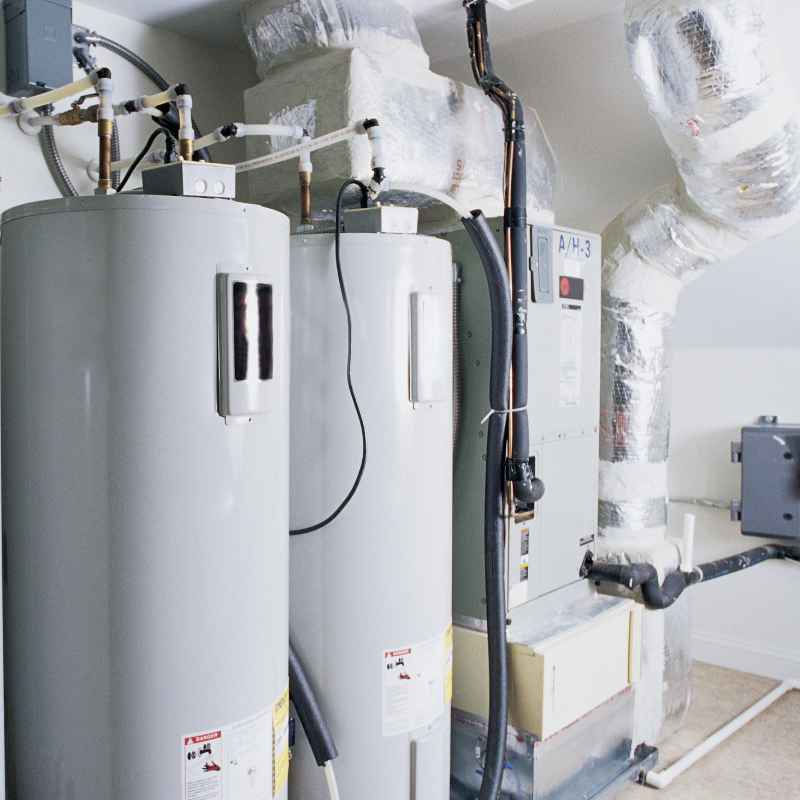
Conclusion
So, to circle back to the original question: Is a disconnect needed with instantaneous heaters? For the vast majority of electric instantaneous water heaters, the answer is a resounding yes. It’s a vital safety component mandated by electrical codes to protect you, your home, and the appliance itself.
While low-power units might sometimes get by without one, it’s always best to check your heater’s specific requirements and local building codes. For most homeowners, the safest and most compliant route is to ensure a qualified electrician installs the heater with a dedicated disconnect switch. It’s a small feature that plays a huge role in the safe and reliable operation of your on-demand hot water system.
Frequently Asked Questions
Do all tankless water heaters need a disconnect switch?
Not all. Gas tankless water heaters typically do not need a separate electrical disconnect because their power draw is very low, only for controls. However, electric tankless water heaters, especially those that draw significant power (usually 30 amps or more), almost always require a dedicated disconnect switch by electrical code for safety and servicing.
What is the purpose of a disconnect switch for a water heater?
The main purpose is safety. It allows for a complete and safe shut-off of electrical power to the unit. This is crucial for preventing electric shock during maintenance or repairs, and for quickly cutting power in an emergency situation.
Can I just use the breaker in my main panel as a disconnect?
While a breaker protects the circuit from overloads, it is not considered a suitable substitute for a dedicated disconnect switch for maintenance. A disconnect provides a local, visible, and reliable way to ensure power is completely off at the appliance itself, which is a higher safety standard.
Where should the disconnect switch be located?
The disconnect switch should be located in a readily accessible place, usually within sight of the water heater it controls. It should also be installed in a location that protects it from water damage and is easy to reach for servicing or emergency shut-off.
How do I know if my instantaneous heater needs a disconnect?
Check the installation manual that came with your heater. It will specify the electrical requirements. You should also consult your local building department or a licensed electrician, as they can confirm the requirements based on your specific appliance and local codes.
What happens if my water heater is installed without a required disconnect?
Installing an appliance without meeting electrical code requirements can be a safety hazard. It may also cause issues with home insurance, be flagged during a home inspection when you sell your house, or lead to failed inspections by the local building authority.
Sponsored / affiliate links. As an Amazon Associate I earn from qualifying purchases. I may earn additional commission from eligible campaigns.
 Water Flow Control Shut Off Valve with Brass Adjustable Hand Level Water Pressure Regulator for Hand Held Shower Head & Bidet Sprayer, Brushed Nickel Water Saver G1/2
 AZEUS Portable AC and Heater Unit, 420W 110V Compact Air Conditioner for Tent RV Truck Cabin and Small Room, 1400W Cooling, 800W Heating, Remote Control, Dehumidifier, Sleep Timer, Champagne