When Are Motor Anti-Condensation Heaters Required?
It’s a nagging worry for anyone with electric motors in their home or business. That quiet hum, that essential workhorse, can fall victim to something as simple as moisture. You might be wondering, “When exactly do these motors need those special heaters, the anti-condensation ones?” It feels like a technical detail you shouldn’t have to worry about, but ignoring it can lead to big problems.
> Motor anti-condensation heaters are generally required for electric motors that operate intermittently or are stored in damp, humid, or temperature-fluctuating environments. Their primary job is to prevent moisture buildup inside the motor, which can cause corrosion, insulation breakdown, and electrical shorts.
Understanding Motor Anti-Condensation Heaters
So, what are these heaters all about? Think of them as tiny guardians for your motor’s insides. They are small electric heaters, often just a few watts. Their main job is to keep the motor’s interior temperature slightly warmer than the surrounding air. Why is this important? It stops condensation from forming.
When the motor is off, especially in cooler or humid conditions, the metal parts inside can get cold. This cold surface attracts moisture from the air. This moisture then turns into water droplets. This is condensation. It’s like the water that forms on the outside of a cold glass on a summer day.
This water can be a big problem for your motor. It can start to rust or corrode the metal parts. Even worse, it can damage the insulation around the wires. If the insulation breaks down, it can cause short circuits. This means your motor might stop working. It could even be damaged beyond repair.
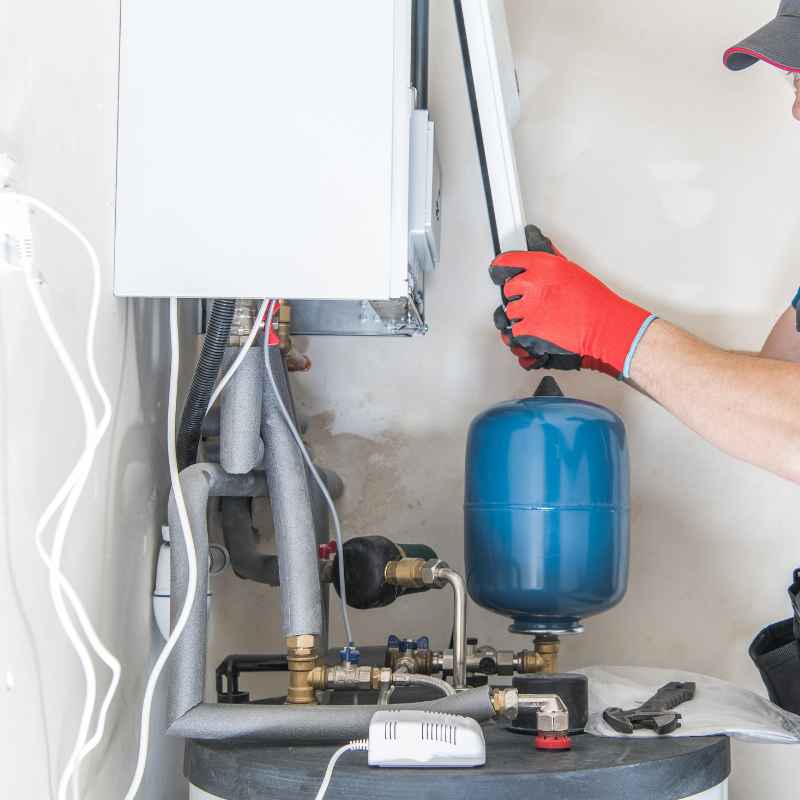
My Own Close Call with Motor Moisture
I remember this one time a few years back. I had a couple of pumps running a small water feature in my backyard. They were on a timer, so they only ran for a few hours each day. The rest of the time, they just sat there. We had a pretty damp spring that year. Lots of fog and rain.
One morning, I heard a funny sputtering sound from the pumps. Then, silence. I went to check them, and they just wouldn’t start. I was a bit annoyed, thinking they had just died. I opened up the electrical connections, expecting to see some obvious burnt wire or loose connection. Instead, I saw a faint, oily film on some of the metal parts inside the motor housing. It felt damp too.
My first thought was “Oh no, is it ruined?” I spent a good hour cleaning it out, drying everything with a fan, and hoping for the best. Luckily, after drying it thoroughly and reassembling, it did start working again. But it was a stark reminder. Even small amounts of moisture can cause serious issues. That’s when I really started digging into why this happens and how to prevent it. I realized how crucial prevention is.
When Are Motor Anti-Condensation Heaters Really Needed?
It’s not every motor that needs one of these heaters. Most motors that run constantly, or are in very dry, warm places, are usually fine on their own. The danger comes when motors sit idle for periods, especially in certain conditions.
Here are the key times you should think about needing an anti-condensation heater:
1. Intermittent Duty Cycles
If your motor only runs for short periods and then sits off for a long time, it’s a prime candidate. Think of pumps for fountains, backup generators, or even some fans that are not used all the time. When the motor is off, it cools down. If the air is humid, condensation forms.
2. High Humidity Environments
Places with lots of moisture in the air are a big risk. This includes coastal areas, tropical climates, or even damp basements and crawl spaces. Any place where the air feels “heavy” with water vapor is a concern. The higher the humidity, the more moisture is available to condense.
3. Temperature Fluctuations
Sudden or frequent changes in temperature are also a problem. Imagine a motor in a shed or garage. During the day, it might get warm. At night, it cools down significantly. This cooling down is when condensation can form. This is common in many parts of the U.S.
4. Motors in Storage
If you have spare motors or motors that are not currently installed, they need protection. Storing them in a damp garage, basement, or warehouse puts them at risk. A small heater can keep them ready for use when needed.
5. Marine Applications
Boats and docks are constantly exposed to salt spray and high humidity. Motors on boats, like bilge pumps or trolling motors, are very vulnerable. Anti-condensation heaters are standard in many marine applications to prevent corrosion and failures.
6. Food Processing and Pharmaceutical Industries
These industries often have very strict hygiene requirements. This can mean frequent washdowns with water and steam. While motors are sealed, the surrounding environment can be very humid. Special motors with heaters are often used.
7. Water Treatment Plants
Similar to marine environments, water treatment facilities are often damp and humid. Motors driving pumps and other equipment are at risk of moisture damage.
Quick Scan: When to Consider a Heater
- Motor Runs Only Sometimes: If it sits idle often.
- Air is Damp: High humidity is a key sign.
- Temperatures Change a Lot: Warm days, cool nights.
- Motor is Stored: Keep spare motors safe.
- Near Water: Boats, docks, or wet areas.
How Do They Work? The Science of Warmth
It’s pretty straightforward, really. The anti-condensation heater is a small resistance heater. When electricity flows through it, it creates heat. This heat gently warms the motor’s internal components. The goal isn’t to make the motor hot, just a few degrees warmer than the dew point.
The dew point is the temperature at which the air becomes saturated with water vapor. When the motor’s surface temperature is below the dew point, moisture in the air will condense on it. By keeping the motor slightly warmer, its surface stays above the dew point. So, no water forms.
These heaters are designed to use very little power. They are typically “on” all the time the motor is off and in a potentially damp environment. They don’t draw much electricity, making them an economical way to protect your investment.
Signs Your Motor Might Be Suffering from Moisture
Sometimes, you won’t know there’s a problem until it’s too late. But there are subtle signs you can look for. Catching these early can save you a lot of headaches and money.
1. Strange Noises
A motor that’s developing internal moisture issues might start making unusual sounds. You might hear humming that sounds “off,” or a slight grinding sound. This can be the start of corrosion affecting bearings or other moving parts.
2. Overheating
While it might seem counterintuitive, a motor with internal moisture can start to overheat. The moisture can affect the winding insulation. This makes the motor less efficient. It has to work harder, generating more heat.
3. Reduced Performance
If your motor seems weaker, slower, or struggles to start, moisture could be the culprit. The electrical pathways might be affected, or moving parts might be starting to seize up due to corrosion.
4. Visible Corrosion or Residue
If you can safely access any part of the motor’s interior or its electrical connections, look for rust spots or a greenish/bluish residue. This is a clear sign of oxidation caused by moisture.
5. Electrical Issues
This is the most serious. If the motor trips breakers, blows fuses, or causes electrical shorts, moisture has likely compromised the insulation. This is when you are at risk of serious damage or even fire.
My Experience: The Day the Pump Didn’t Pump
Let’s go back to my water feature. I had two pumps, a larger one and a smaller one. The smaller one was on a separate timer. It ran for only an hour every morning. It was in a slightly lower, shadier part of the garden, which tended to stay damp longer.
One week, after a particularly misty few days, the smaller pump just stopped. No sputtering, no warning. It was dead silent. The larger pump, which ran longer and was in a sunnier spot, was fine. I had to pull the smaller pump out, and sure enough, the motor housing was damp inside. I found a bit of rust on the shaft. I managed to clean it up, but it was a lesson learned. I ended up installing a small, low-wattage anti-condensation heater on that pump’s motor. It was a simple fix, and it gave me peace of mind. I’ve used them ever since for any motor that isn’t running constantly.
Spotting Trouble: A Quick Check List
Look For:
- Unusual humming or grinding sounds.
- Motor feels hotter than usual.
- Power seems weaker than before.
- Rust or odd colored residue inside.
- Breaker trips or fuses blow.
Real-World Context: Where Moisture Hides
Moisture isn’t always obvious. It can hide in places you wouldn’t expect. Understanding these environments helps you know where to protect your motors.
Basements and Crawl Spaces
These are classic damp areas. They often have poor ventilation. Concrete floors and walls can absorb and release moisture. Water pipes can leak. If a motor is down here, it’s a prime candidate for condensation issues.
Garages and Sheds
Even if they seem dry, garages and sheds can experience significant temperature swings. This is especially true if they aren’t insulated or heated. Water from rain or snow tracked in can also increase humidity.
Outdoor Equipment
Anything left outside, even under a cover, is exposed. Rain, dew, and high humidity can get into motor housings over time. Think of pool pumps, well pumps, or any machinery stored outdoors.
Areas with Poor Ventilation
Confined spaces with little air movement are more prone to trapping humidity. This can happen in utility closets, attics, or behind cabinets.
What This Means for You: When to Worry and When Not To
It’s all about context. Not every motor needs this extra step. But if your situation matches the conditions we’ve discussed, it’s wise to pay attention.
When It’s Likely Normal
Your motor runs for many hours every day without significant breaks.
The environment where the motor operates is consistently dry and warm.
You live in a very arid climate with low humidity year-round.
When You Should Consider Protection
The motor sits idle for extended periods (days, weeks, or months).
The surrounding area is frequently humid or damp.
There are significant temperature drops, especially overnight.
The motor is located in a basement, garage, shed, or any unconditioned space.
The motor is part of critical equipment that must not fail.
Simple Checks You Can Do
Listen: Pay attention to how your motor sounds. Is it normal?
Feel (Safely!): If the motor housing is accessible and you can do so safely, does it feel unusually warm or cold?
Observe: Look for any signs of rust or corrosion on the exterior, especially around vents or seals.
Check Breakers: Are you frequently resetting breakers or replacing fuses for that circuit?
Quick Fixes and Preventive Tips
The best “fix” for moisture damage is prevention. Here are some tips to keep your motors happy and dry.
1. Install Anti-Condensation Heaters
This is the most direct solution. For motors that require protection, a small, low-wattage heater is very effective. They are relatively inexpensive to buy and operate.
2. Improve Ventilation
If possible, increase air circulation around your motors. This can help to carry away moist air before it can condense. Openings, fans, or simply ensuring space around equipment can make a difference.
3. Use Protective Covers
For motors stored outdoors or in exposed areas, a good quality cover can offer some protection from direct rain and dew. However, be aware that covers can sometimes trap humidity if not breathable.
4. Regular Maintenance Checks
Schedule regular inspections of your motors and their surrounding environment. This allows you to spot potential moisture issues early. Look for leaks, condensation, or corrosion.
5. Consider Motor Type
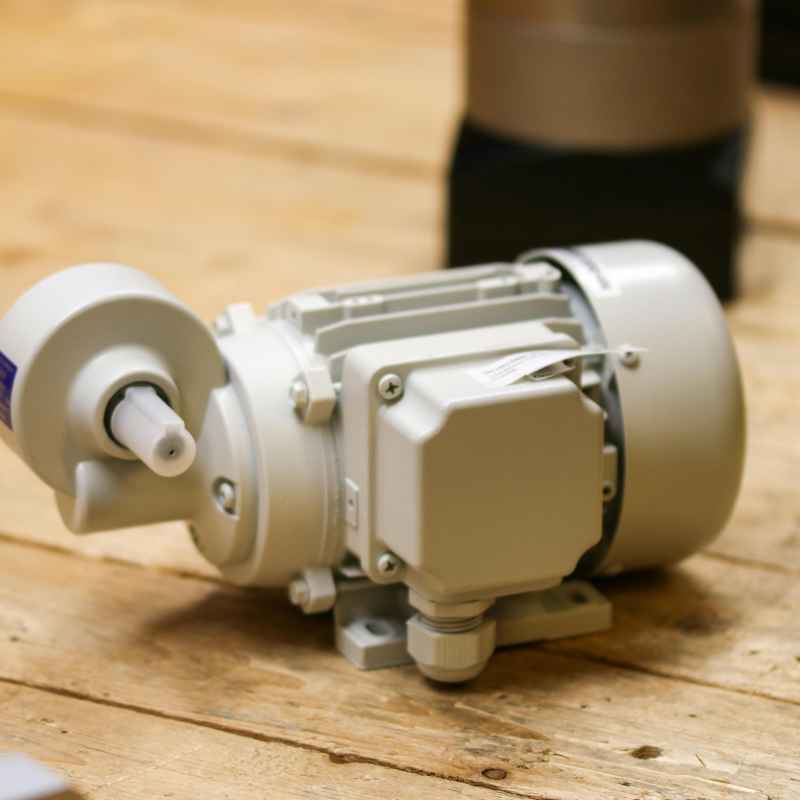
For new installations in challenging environments, you might consider motors specifically designed for humid conditions or with higher ingress protection (IP) ratings. Some motors come with built-in heaters.
Frequently Asked Questions About Motor Heaters
What wattage heater do I need?
The wattage of the anti-condensation heater depends on the size of the motor and the expected environmental conditions. For most smaller motors (fractional horsepower to a few horsepower), a heater between 5 and 50 watts is usually sufficient. Larger industrial motors may require higher wattage heaters. Always check the motor manufacturer’s recommendations or consult an electrical professional.
How do I wire an anti-condensation heater?
Most anti-condensation heaters are designed to be wired to the same power source as the motor. They are often wired to run continuously when the motor is off. Some are wired to a thermostat or humidistat for more controlled operation. It’s best to consult the heater’s manual or a qualified electrician for correct wiring to avoid safety hazards.
Can I use a regular space heater near my motor?
No, this is generally not recommended. Anti-condensation heaters are specifically designed for low power consumption and to provide a gentle, constant warmth inside the motor. Regular space heaters are too powerful, can overheat the motor, and pose a fire risk. They are not intended for this purpose.
How do I know if my motor already has a heater?
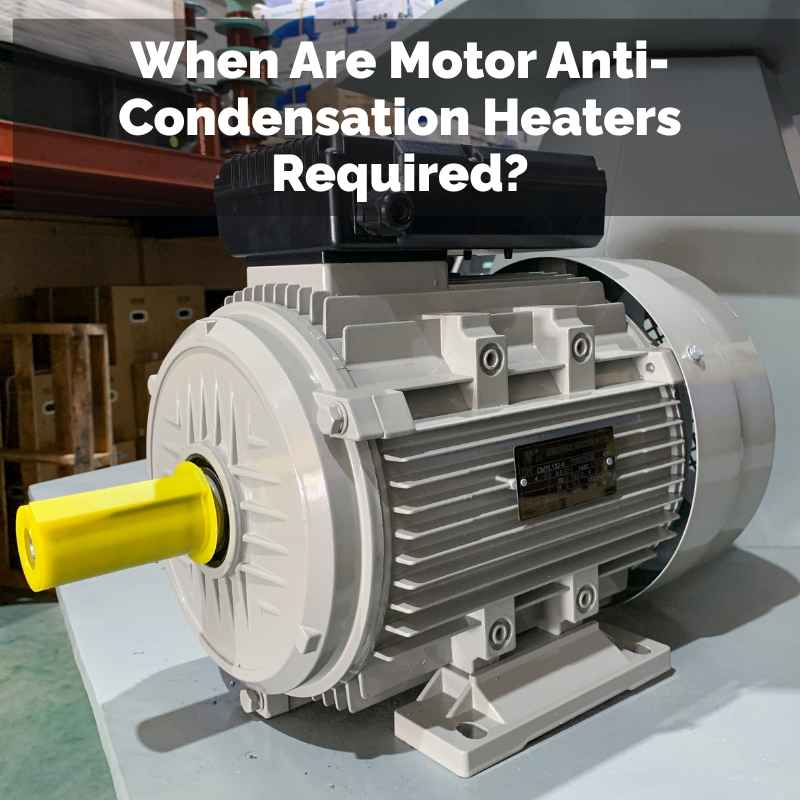
Some motors, especially those designed for demanding environments (like in refrigeration or marine applications), may come with a built-in anti-condensation heater. Check the motor’s nameplate, documentation, or look for small wires exiting the motor housing that are separate from the main power leads.
What happens if I don’t use a heater when one is needed?
If a motor is exposed to moisture and condensation without adequate protection, it can lead to corrosion of internal parts, damage to winding insulation, short circuits, and eventual motor failure. This often results in costly repairs or premature replacement.
Are these heaters safe to leave on all the time?
Yes, anti-condensation heaters are designed to be safe to leave on continuously when the motor is not running and the environment poses a moisture risk. Their low wattage means they use very little electricity, and they are engineered to provide gentle warmth without overheating the motor.
Conclusion
Protecting your electric motors from moisture is more about common sense and a little bit of foresight. When your motors are running constantly in a dry place, they’re usually fine. But the moments they sit idle, especially in humid or temperature-shifting conditions, that’s when you need to be aware. An anti-condensation heater is a small, affordable guardian. It stops tiny water droplets from turning into big, expensive problems. It’s about keeping those essential workhorses running smoothly for years to come.
Sponsored / affiliate links. As an Amazon Associate I earn from qualifying purchases. I may earn additional commission from eligible campaigns.