Will Keystone Montana Tank Heaters Be Damaged If Run Dry?
It’s a sinking feeling, isn’t it? You’re out on an adventure, maybe camping or traveling in your RV, and you realize the hot water is gone. Or worse, you hear a strange noise from your water heater.
If you own a Keystone Montana RV, you might be asking yourself a very specific, and frankly, worrying question: Will my Keystone Montana tank heaters be damaged if run dry? This is a common concern for many RV owners, and understanding the risks can save you a lot of headaches and money down the road. Let’s dive in and find some clear answers.
The short answer is: Yes, running a tank-style RV water heater, including those in a Keystone Montana, completely dry can cause damage. The heating element or burner can overheat and fail, leading to costly repairs. It’s crucial to always ensure the tank is full of water before operating the heater.
Understanding Your RV Water Heater
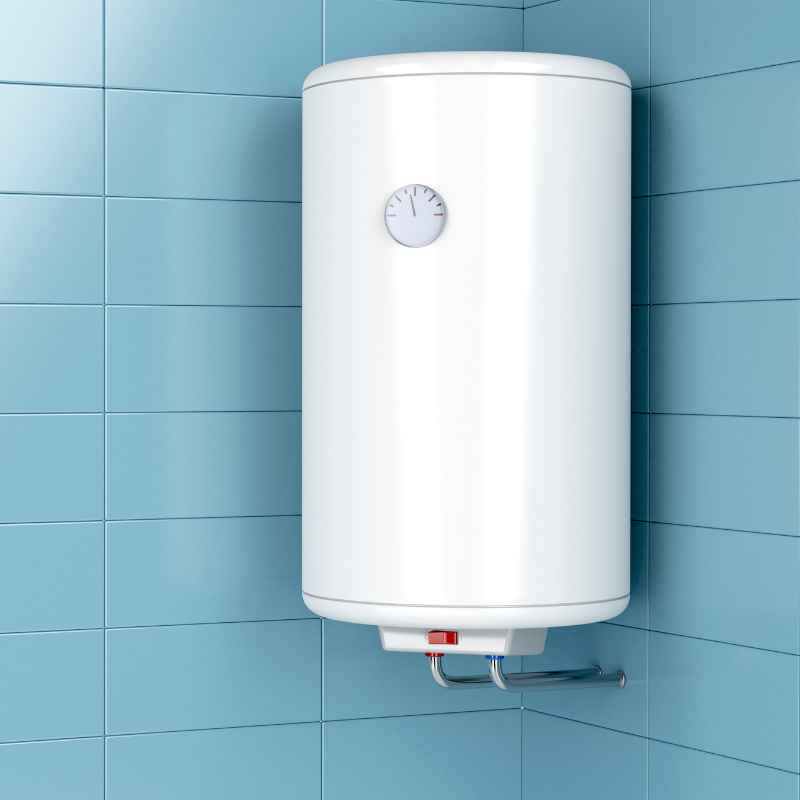
Your RV water heater works much like the one at home, but with some key differences due to its mobile nature. Most RV water heaters, especially in a durable RV like a Keystone Montana, use either an electric heating element or a propane burner to heat the water stored in a tank. For electric models, a metal element sits inside the tank. When you turn it on, electricity flows through this element, making it very hot, like a stove burner. This heat transfers directly to the water surrounding it.
Propane models use a burner assembly located at the bottom of the tank. When the thermostat calls for heat, it ignites the propane, and the flame heats the bottom of the tank, which in turn heats the water. Both systems rely on the water inside the tank to absorb the heat. This water acts as a coolant.
The Dangers of Running Dry
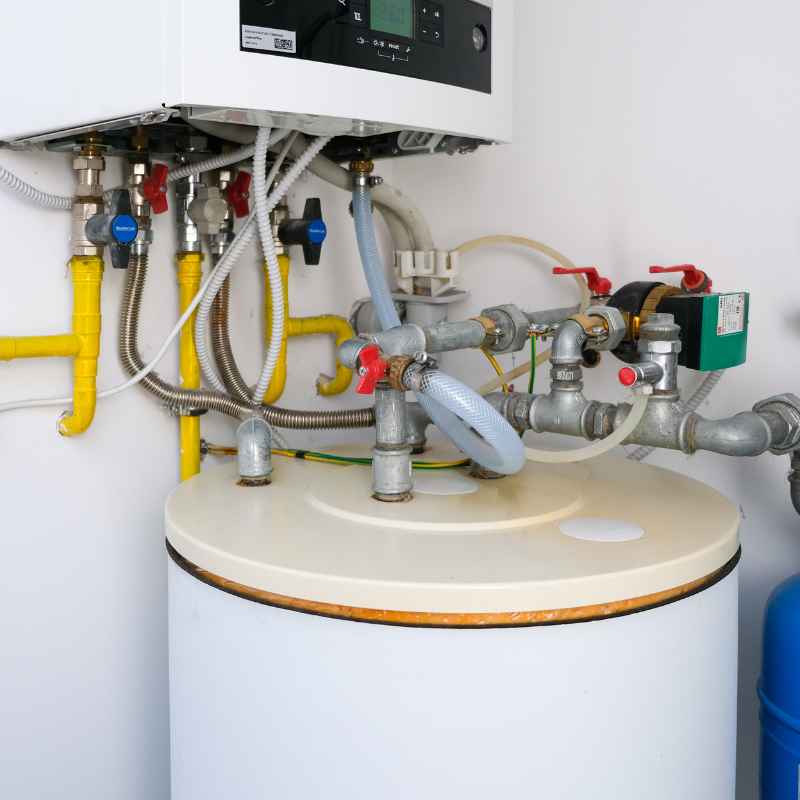
Think of the heating element or the burner as something that needs to be submerged. When there’s no water, or not enough water, this crucial cooling component has nothing to absorb the intense heat. This is where the damage happens.
On an electric water heater, the heating element itself will get extremely hot, much hotter than it’s designed to be without water. This can cause it to warp, break, or even melt its protective coating. The element is submerged in water, and the water dissipates the heat evenly. Without this heat sink, the element’s lifespan is drastically reduced, or it can fail instantly. It’s like trying to run an electric kettle without water; the element will glow red hot and burn out very quickly.
With a propane water heater, the burner flame can overheat the metal tank itself without the water to absorb the heat. This can cause localized hot spots, potentially weakening the tank material. While propane systems often have safety features, prolonged operation without water can still lead to component failure. The intense heat can damage the burner assembly or even the tank lining.
Personal Experience with a Close Call
I remember one chilly autumn trip a few years back. We were nestled deep in the mountains in our old travel trailer. It was late, and I decided a long, hot shower would be perfect. I flipped the switch for the water heater, but I was also juggling dinner prep and trying to get the kids settled. In my haste, I completely forgot to check if the fresh water tank was full after our last stop.
About ten minutes later, I heard a faint, irregular clicking sound coming from the exterior of the trailer, near the water heater compartment. It wasn’t the usual steady hum or whoosh of the propane igniter. It sounded… strained. A wave of panic washed over me. I rushed outside, the cold air biting at my face. The clicking was more pronounced now. I remember feeling my heart pound.
Then it hit me. The fresh water tank. I hadn’t filled it. The pump wasn’t running, and there was no water pressure. I hadn’t even thought to run a faucet. I quickly shut off the water heater switch. The clicking stopped abruptly. Later, I found out that it was the electric element beginning to overheat. It had managed to avoid permanent damage by sheer luck, as I caught it early. But that sound, that strained clicking, is something I’ll never forget. It was the sound of a component screaming for help, a component that desperately needed water to do its job. It was a stark reminder of how sensitive these systems are and how easily a simple oversight can lead to serious trouble.
Key Components at Risk
It’s not just the heating element or burner that can suffer. Several parts are vulnerable when the tank runs dry.
Critical Parts That Can Be Damaged
- Heating Element (Electric): This is the most common point of failure. It can burn out, warp, or crack.
- Burner Assembly (Propane): The flame can become too intense, damaging the metal and igniter.
- Thermostat: Overheating can cause the thermostat to malfunction or fail completely.
- Anode Rod: While not directly damaged by running dry, extreme heat can stress its protective function.
- Tank Lining: The metal tank itself can be stressed by extreme temperature fluctuations.
How to Tell if Damage Has Occurred
Sometimes, the damage isn’t obvious until you try to use the water heater again. Other times, there are warning signs. Pay attention to these.
Signs Your Water Heater Might Be Damaged
Electrical Hum or Buzzing:
A continuous, unusual electrical noise when the heater is switched on.
No Hot Water:
The most obvious sign. The unit may seem to be working but produces no heat.
Burned Smells:
A distinct burning odor can indicate a failed heating element.
Tripped Breakers (Electric):
A damaged element can cause short circuits, tripping the breaker.
Real-World Scenarios and Habits
RV owners often run into this issue during busy travel days or when they’re not as familiar with their rig.
Common Situations Leading to Dry Firing
Forgetting to Fill the Tank:
After draining the old water or before a trip, people forget the crucial step of filling the fresh water tank.
Confusing Water Systems:
New RVers might confuse the fresh water tank with an RV park’s hookup or a portable water jug.
Rushing the Process:
In the excitement of arriving at a campsite, checking water levels can be overlooked.
Winterization/De-winterization Errors:
During these processes, tanks might be drained and not refilled before system checks.
What This Means for Your Keystone Montana
Keystone Montana RVs are built for comfort and long-term travel. Their water heating systems are generally robust, but they are still subject to the same physics as any other RV water heater. This means the principles of not running them dry apply just the same. You invested in a quality RV, and taking simple steps to care for its components will ensure it stays that way.
Understanding that your specific RV model is durable doesn’t mean it’s immune to basic operational errors. The heating element or propane burner is a sensitive part. When it’s starved of water, its lifespan is cut short, or it fails outright. This is true whether you have a basic RV or a luxury model like the Montana.
When is it Normal, and When Should You Worry?
It’s normal for your water heater to take time to heat water. You won’t get instant hot water like you might from a tankless system. It’s also normal for it to make some sounds while heating. A gentle hum from an electric element or the whoosh of a propane burner igniting is to be expected.
You should worry if you hear unusual noises, smell burning, or if the water simply isn’t getting hot after the expected heating time. If the circuit breaker for your electric water heater trips repeatedly, that’s also a significant red flag. Any of these signs mean it’s time to stop using the water heater and investigate.
Quick Tips to Prevent Dry Firing
Prevention is always easier and cheaper than repair. Here are some straightforward ways to avoid this problem.
Simple Steps for Water Heater Safety
Always Fill First:
Before turning on the water heater, ensure your fresh water tank is full. Run a faucet to confirm water flow.
Check Water Pressure:
If hooked up to city water, ensure you have good water pressure before turning on the heater.
Develop a Routine:
Make checking the water tank a part of your RV setup routine at every stop.
Visual Inspection:
Look at the water heater’s exterior. Is there any condensation or odd signs?
Frequently Asked Questions About RV Water Heaters
Can I use my RV water heater without any water in it?
No, absolutely not. Running your RV water heater dry, even for a short period, can cause significant damage to the heating element (electric models) or the burner and tank (propane models). Always ensure the tank is completely full of water before operating the heater.
What happens if I accidentally run my RV water heater dry?
If you accidentally run your water heater dry, the heating element or burner can overheat. This can lead to a burnt-out heating element, a damaged burner assembly, or even a weakened tank. You might notice unusual noises, burning smells, or simply no hot water.
How long does it take to heat water in an RV tank?
It typically takes about 20-30 minutes for an electric water heater to heat a full tank of water, and a bit longer, maybe 30-45 minutes, for a propane model. This can vary based on the outside temperature and how cold the incoming water is.
What is the anode rod in an RV water heater for?
The anode rod is a sacrificial component made of magnesium, aluminum, or zinc. It corrodes instead of the metal tank, protecting the tank from rust and corrosion. It should be inspected annually and replaced as needed, typically every 1-3 years.
How do I know if my electric water heater element is bad?
Signs of a bad electric heating element include no hot water, a tripped circuit breaker, unusual humming or buzzing noises when the unit is on, or a burning smell. A continuity test with a multimeter is the definitive way to check its function.
Is it safe to use city water pressure with my RV water heater?
Yes, it is generally safe to use city water pressure. However, it’s recommended to use a water pressure regulator to ensure the pressure doesn’t exceed the RV’s plumbing system limits, which is typically around 40-60 PSI. High pressure can damage your system.
Can a propane water heater be damaged if the tank is not full?
Yes, similar to electric heaters, propane water heaters can be damaged if run dry. The intense heat from the burner can overheat the tank material, potentially weakening it or damaging the burner assembly. Always ensure the tank is full of water before igniting the propane burner.
Conclusion: Protect Your Investment
Your Keystone Montana is a significant investment, and its water heating system is a key part of your comfort while traveling. The risk of damaging your tank heaters by running them dry is real. It’s a simple oversight with potentially expensive consequences. By making a habit of ensuring your fresh water tank is full and you have water pressure before turning on the heater, you can prevent costly repairs and ensure many more happy miles on the road. Always remember: water is your friend when it comes to heating it.
Sponsored / affiliate links. As an Amazon Associate I earn from qualifying purchases. I may earn additional commission from eligible campaigns.
 MEGAWISE Portable Air Conditioner and Heater, 420W 110V Compact AC Unit with Remote Control, 1400W Cooling Capacity, 800W Heating, Dehumidifier, Fan, Sleep Timer, ChampagneAZEUS Portable AC and Heater Unit, 420W 110V Compact Air Conditioner for Tent RV Truck Cabin and Small Room, 1400W Cooling, 800W Heating, Remote Control, Dehumidifier, Sleep Timer, Champagne