Is It Safe To Use A Propane Torpedo Heater Indoors?
No, it is generally NOT safe to use a propane torpedo heater indoors without significant safety measures. These heaters produce carbon monoxide, which is a dangerous gas. They also consume oxygen and can be a fire risk.
Proper ventilation is absolutely critical, and even then, it’s often not recommended for occupied spaces.
Understanding Propane Torpedo Heaters
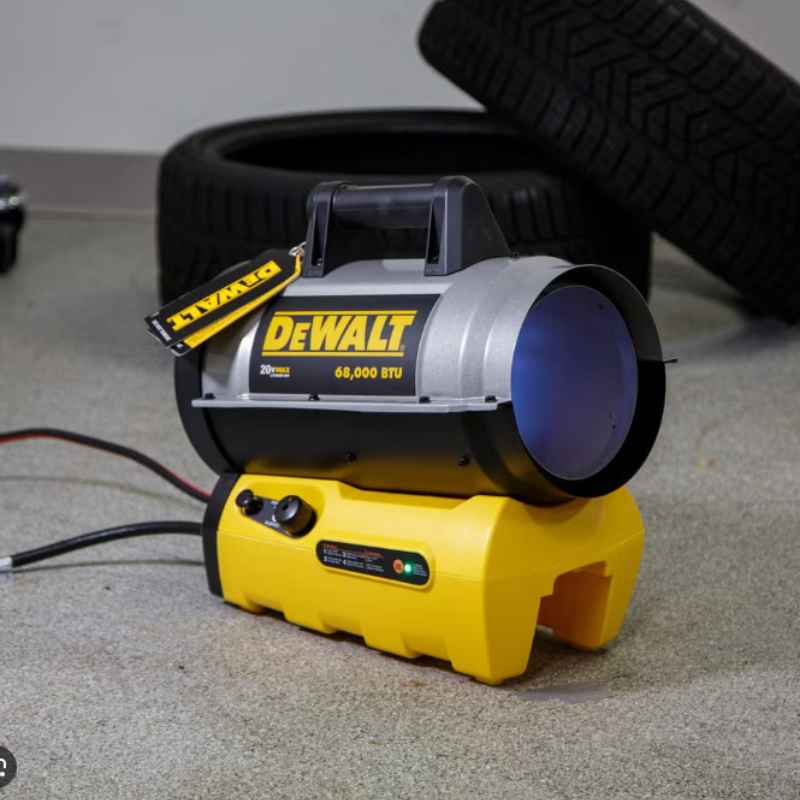
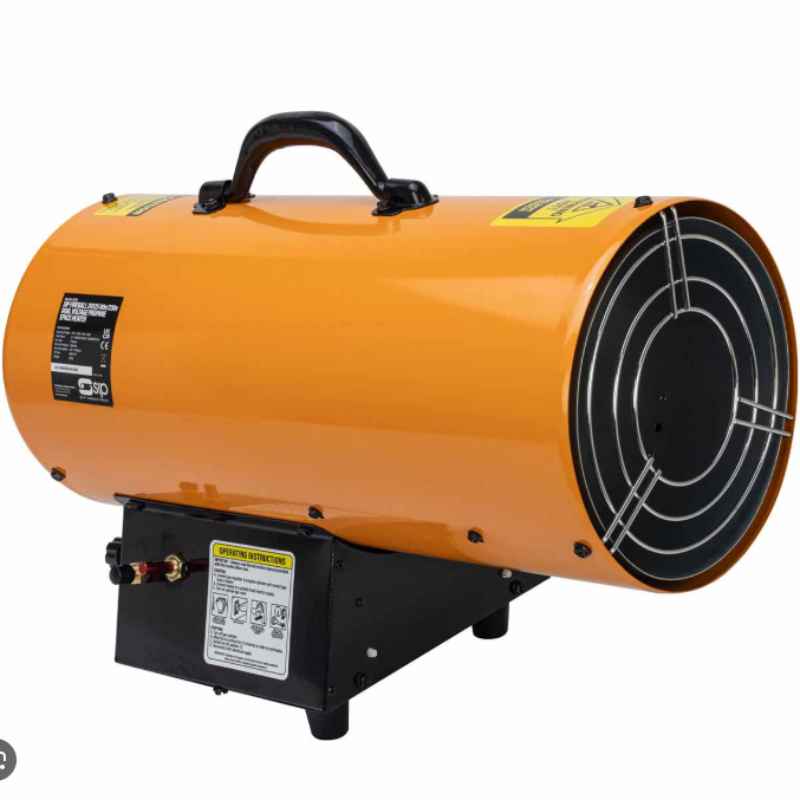
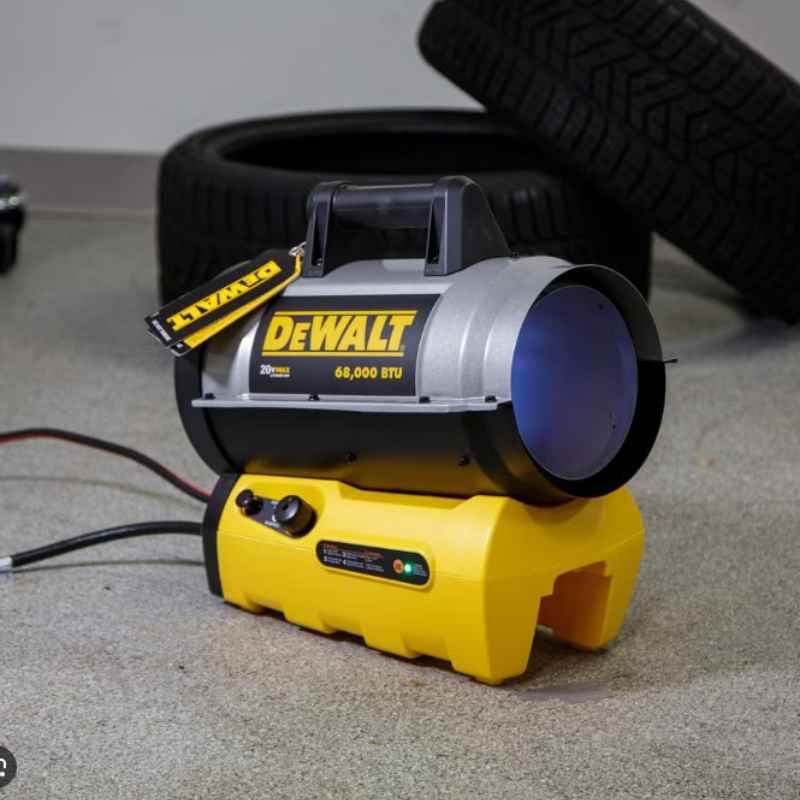
Propane torpedo heaters are designed for big jobs. Think of construction sites, garages, or open-air workshops. They are built to put out a lot of heat very fast.
The “torpedo” shape helps direct the hot air where it’s needed most. They work by burning propane gas. This burning process creates heat.
But it also creates something else you can’t see or smell: carbon monoxide (CO).
These heaters are often called “forced air” heaters. This means they use a fan. The fan blows air across a heated surface.
Then, it pushes that warm air out into the space. This makes them very effective for quickly warming up a large, unheated area. They are also quite portable, which adds to their appeal for various tasks.
The amount of heat they produce is impressive. Some can heat thousands of square feet. This is why they are popular for temporary heating needs.
However, this power comes with responsibility. Understanding how they work is the first step to understanding the risks.
The Danger of Carbon Monoxide (CO)
Carbon monoxide is a silent killer. It’s an odorless, colorless gas. It’s a byproduct of burning fuels like propane, natural gas, and even wood.
When propane burns completely, it creates carbon dioxide and water vapor. But if the burn isn’t perfect, carbon monoxide is produced instead. This is common in heaters like torpedoes, especially if they are not running perfectly.
Why is CO so bad? When you breathe it in, it enters your bloodstream. It prevents your blood from carrying oxygen.
Your body’s cells need oxygen to live. Without enough oxygen, your brain and other organs start to shut down. Symptoms can start mild and get serious fast.
Early signs might feel like the flu. You could get a headache or feel dizzy. You might feel sick to your stomach.
Your chest could hurt. If you breathe in more CO, you can lose consciousness. This can happen quickly, especially in an enclosed space where the gas can build up.
The problem with torpedo heaters is their design. They are made for open areas. They push out a lot of heat but also a lot of exhaust gases.
These gases need a place to go. In a closed-off room, they have nowhere to escape. This is where the danger really grows.
Think about a small shed or a basement. If you run a propane torpedo heater in there, all the CO produced stays trapped. It mixes with the air you breathe.
Your CO detector might not catch it if it’s not sensitive enough or placed poorly. This is why ventilation is not just a suggestion; it’s a life-or-death requirement.
Oxygen Depletion
Burning any fuel uses up oxygen. Propane heaters are no different. They take in the oxygen in the air to fuel their flame.
In a well-ventilated area, there’s plenty of fresh air coming in to replace what’s used. But in a sealed-off room, the oxygen level can drop.
When oxygen levels get too low, it’s called hypoxia. This can make you feel short of breath. You might feel tired or confused.
Your heart rate can increase. This is another reason why these heaters are not meant for indoor use in places where people are.
Imagine working in a small workshop for a few hours. You’ve got the heater going because it’s cold. You’re focused on your project.
You might not notice that the air is getting thin. Your body is working harder to get enough oxygen. This can lead to headaches and fatigue, which you might just blame on the work itself.
The fan on the torpedo heater doesn’t just push out heat. It also circulates the air. This circulation can speed up the process of oxygen depletion in a closed space.
It’s moving the used air around and mixing it, making the problem worse over time. This is why a constant supply of fresh air is key, and that’s hard to achieve indoors.
Fire Hazards
Propane torpedo heaters get very hot. The outside of the unit can become hot enough to burn you. They also have an open flame inside.
This flame is what creates the heat. If flammable materials are too close, a fire can start easily.
Common items in workshops or garages that are flammable include: sawdust, rags with paint or oil on them, wood scraps, and even stored fuels like gasoline. These items need to be kept far away from the heater. The recommended distance is usually several feet, but in a cramped indoor space, this can be hard to manage.
Sometimes, the heater itself can malfunction. A faulty igniter or a bad thermostat could cause the flame to behave erratically. This increases the risk of a fire spreading quickly.
The fan blowing hot air can also spread flames if something catches fire nearby. It acts like a giant bellows, fanning the flames.
Another fire risk comes from the propane tanks themselves. If a tank is damaged or a connection leaks, propane gas can fill the space. Propane is highly flammable.
A spark from the heater, static electricity, or even a light switch can ignite it. This can cause a large explosion.
This is why having a working smoke detector and a CO detector is so important. But they are only effective if they are checked regularly and working properly. Relying on them alone without addressing the root cause of the risk – the heater’s placement and ventilation – is a dangerous gamble.
Quick Safety Check: Is Your Space Suitable?
Before considering any heater:
- Is the space very large and open?
- Are there multiple openings to the outside?
- Can you guarantee constant, fresh air flow?
- Are there any flammable materials nearby?
If you hesitate on any of these, the answer is likely no. Your safety comes first.
Ventilation: The Non-Negotiable Requirement
When we talk about ventilation for a propane torpedo heater, we don’t mean cracking a window a little. We mean serious, constant airflow. This means bringing in fresh outdoor air and pushing out the stale indoor air and exhaust gases.
For these heaters, the manufacturers almost always specify that they must be used outdoors or in very well-ventilated areas.
What counts as “very well-ventilated”? Think of a large building with doors wide open on both sides. Or a construction site with large openings.
For a home or a typical workshop, achieving adequate ventilation is incredibly difficult. You might need mechanical ventilation systems, like powerful exhaust fans, running constantly.
Even with a fan, you need to be sure you’re actually exhausting the dangerous gases. Simply blowing air around isn’t enough. The air needs to be pulled from the area where the heater is and expelled outside.
This requires careful planning and often professional assessment.
The problem is that “adequate ventilation” for a heater that produces significant CO is different from what feels comfortable or drafty to a person. You might feel a breeze, but the invisible gases could still be building up to dangerous levels. This is where relying on assumptions can be deadly.
I remember a friend who tried to warm up his garage one winter. He left the main garage door open just a foot or so. He had a torpedo heater running inside.
He felt chilly, so he thought that meant there was enough air. He got a terrible headache. Luckily, his wife came out to check on him and noticed the heater.
She made him turn it off. He didn’t realize how close he came to serious trouble. That small opening wasn’t enough for the amount of CO the heater was putting out.
What the Experts Say (and What the Manuals State)
Manufacturers of propane torpedo heaters are very clear in their manuals. They almost universally state that these heaters are for outdoor use or in areas with ample ventilation. You’ll see warnings about carbon monoxide and fire hazards.
These aren’t just suggestions; they are crucial safety instructions designed to prevent injury or death.
Organizations like the U.S. Consumer Product Safety Commission (CPSC) also issue warnings. They stress the dangers of using unvented or poorly vented fuel-burning heaters indoors.
They explain that carbon monoxide poisoning is a real risk that can happen very quickly.
Even in large, industrial settings, safety protocols are strict. Workers often wear personal CO monitors. They have trained personnel who understand ventilation requirements.
This isn’t something you can wing in your home. The potential for tragedy is too high.
When I’m working on a project, I always read the manual first. It feels boring sometimes, but it’s where the real safety information is. The warnings on these heaters are stark.
They’re not trying to scare you; they’re trying to save your life. Ignoring them is like ignoring a warning sign on a cliff.
Manual Warnings: What to Look For
Always check the product manual for:
- WARNING: FOR OUTDOOR USE ONLY
- WARNING: VENTILATION REQUIREMENTS (Specifics on air exchange rates)
- FIRE HAZARD (Clearance distances from combustibles)
- CARBON MONOXIDE HAZARD (Symptoms and dangers)
These are not suggestions. They are critical safety rules.
Real-World Scenarios: When Indoors Almost Went Wrong
I’ve heard many stories from people who underestimated the risks. There was a situation where a family tried to heat their unheated sunroom for a holiday gathering. They set up a propane torpedo heater, thinking the room wasn’t completely sealed off.
They opened the door to the main house slightly. Within an hour, people started feeling unwell.
Headaches, nausea, and dizziness spread through the group. Thankfully, someone remembered reading about CO dangers and immediately suspected the heater. They shut it off and opened all the doors and windows.
Everyone recovered, but it was a terrifying scare. They realized the “slight opening” wasn’t nearly enough to clear out the deadly gas.
Another common scenario is using them in workshops or garages. Someone might be working on a car or a hobby project on a cold day. They want to stay warm, so they fire up the torpedo heater.
They might be working alone. They might not have a CO detector. They might get drowsy from the CO or the lack of oxygen.
If they fall asleep, or if the CO levels get high enough, they might not wake up.
In one instance, a farmer used a torpedo heater to warm up a small barn for some early chicks. He didn’t think much of it, as barns are usually drafty. However, that particular barn had been sealed up tighter than usual for winter.
The chicks, his dog, and the farmer himself were all in danger. Luckily, a neighbor noticed the barn was unusually quiet and went to check. He found the farmer groggy and the chicks suffering.
The farmer had to be treated for CO poisoning.
These stories highlight a crucial point: what feels like “enough” ventilation to a human is often not enough for a fuel-burning appliance. Our bodies can tolerate some level of CO before we notice it, but that doesn’t mean it’s safe. The damage can still be happening.
What This Means for Your Home and Safety
The bottom line is clear: propane torpedo heaters are not designed for regular indoor use in occupied spaces. They are too dangerous due to carbon monoxide, oxygen depletion, and fire risks.
When it’s normal:
- Outdoor use for construction or temporary warming of large outdoor areas.
- In garages or workshops that are extremely large and have multiple large doors that are continuously open to the outdoors.
- In industrial settings with proper, professionally installed ventilation systems and safety protocols in place.
When to worry (and stop using immediately):
- Any use in a home, basement, enclosed garage, or small workshop without massive, guaranteed ventilation.
- When you start to feel headaches, dizziness, nausea, or any flu-like symptoms.
- If you do not have a working carbon monoxide detector.
- If you are unsure about the ventilation. When in doubt, turn it off.
Simple checks you can do: Always have working CO detectors on every level of your home and near sleeping areas. Test them monthly. Ensure your propane heater is in good working order, with no visible damage.
Keep flammable materials far away.
But the most important check? Ask yourself if the heater is truly meant for the space you’re using it in. If the manual says “outdoor use only,” believe it.
Your life and the lives of your family or anyone else present are not worth the risk of a cold room.
Safer Alternatives for Indoor Heating
If you need to warm up an indoor space, there are much safer ways to do it. You don’t need to put yourself or others in danger.
Safer Indoor Heating Options
Electric Heaters:
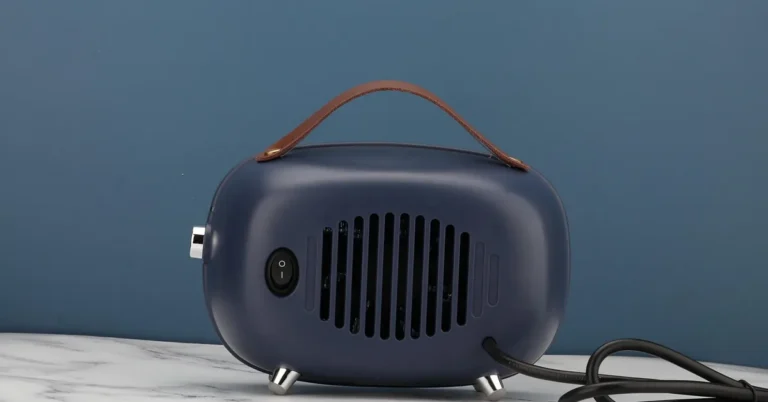
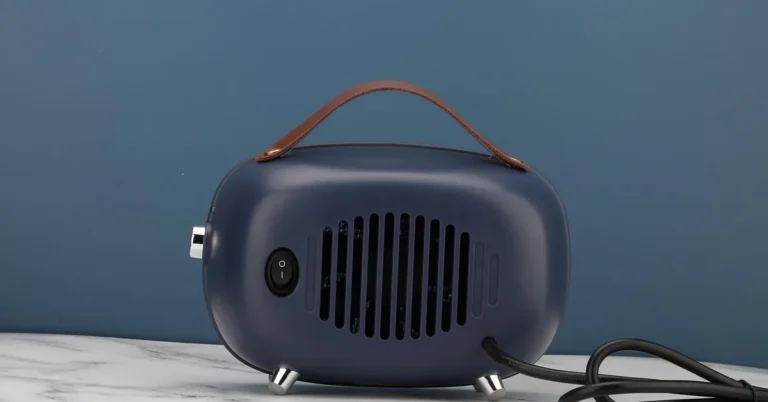
- Ceramic Heaters: Good for small to medium rooms. They heat up fast and have safety features like tip-over protection.
- Infrared Heaters: These heat objects and people directly, not the air. They can feel warm even in a drafty room.
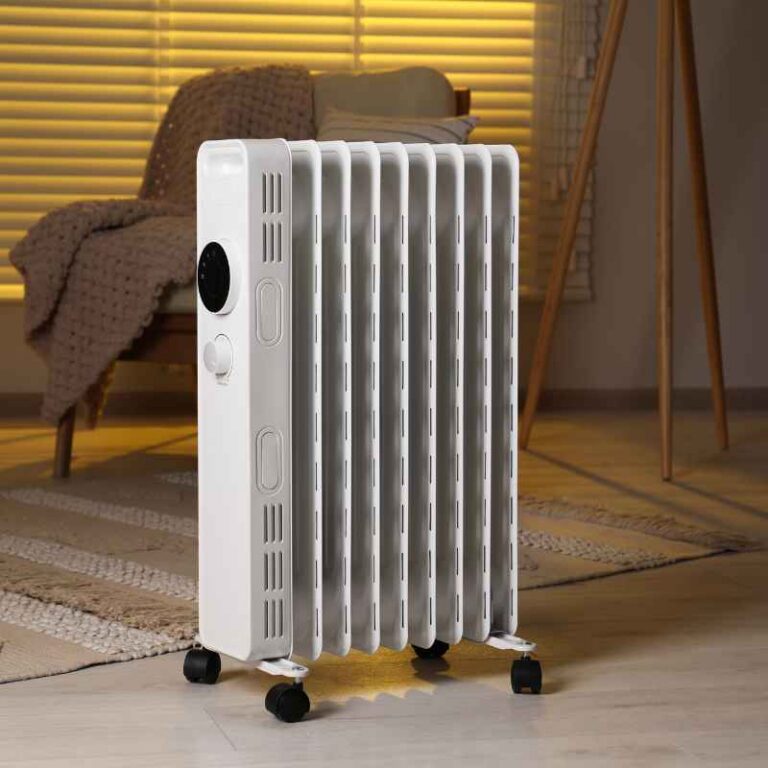
- Oil-Filled Radiators: They provide a steady, gentle heat. They are quiet and safe for overnight use.
Natural Gas or Propane Heaters (Direct-Vent Only):
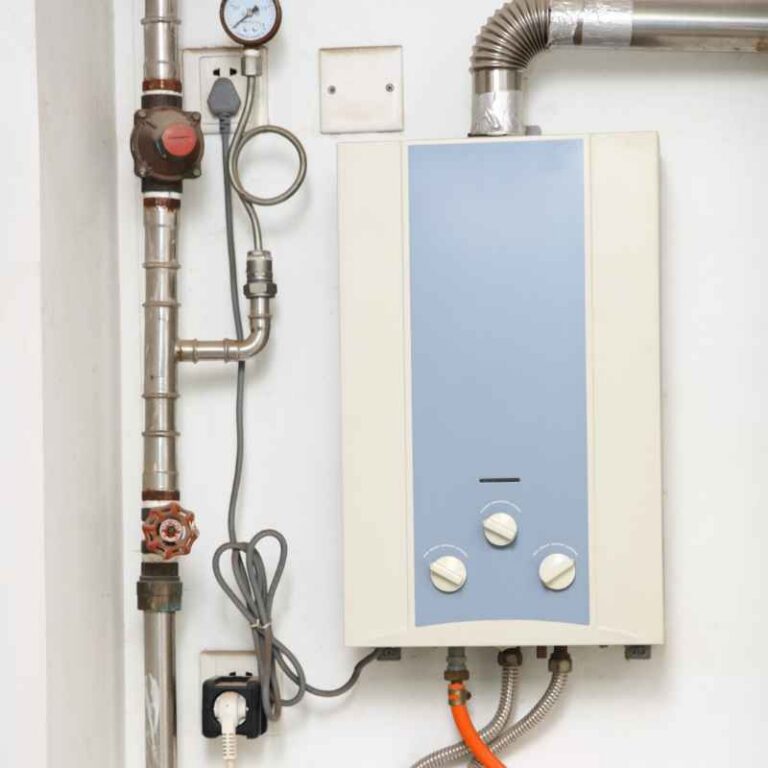
- These heaters are specifically designed for indoor use. They have a sealed combustion chamber. Exhaust gases go directly outside through a vent pipe. They are installed permanently.
Wood Stoves or Pellet Stoves:
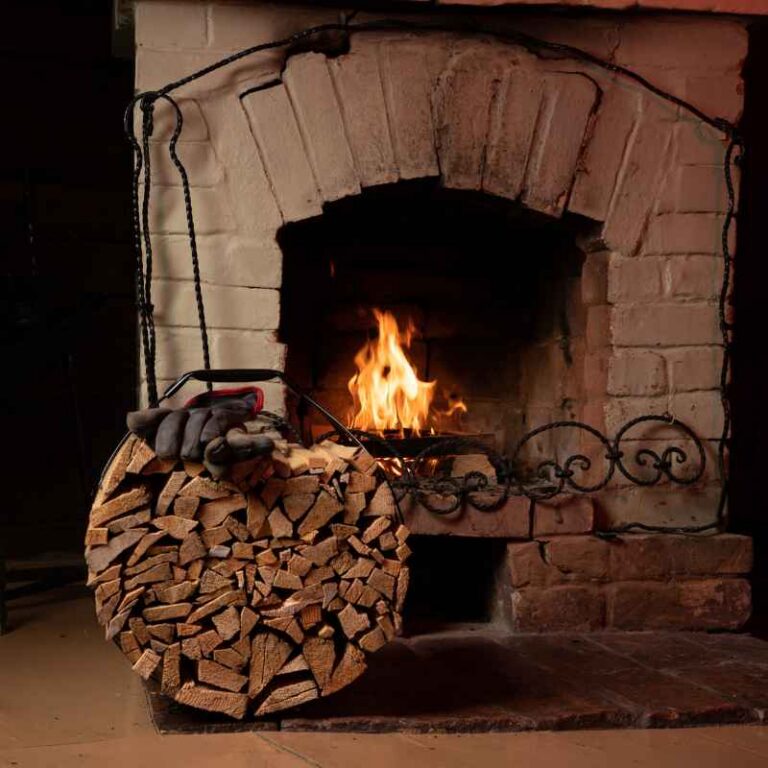
- These require proper installation and ventilation (chimneys). They can be very effective and provide ambiance.
Portable Propane Heaters (Vent-Free):
- Some smaller propane heaters are designed for indoor use, but they have strict requirements. They often need a specific amount of ventilation and may not be suitable for all spaces or prolonged use. Always follow the manual precisely.
When choosing a heater for indoor use, always look for safety certifications. Look for features like automatic shut-off if tipped over or if the temperature gets too high. Read reviews and understand the heater’s intended use.
For a garage or workshop, a well-insulated space heated by a proper electric heater or even a permanent natural gas heater is a much better solution. If you must use propane, consider a smaller, propane radiant heater designed for temporary indoor use, but still follow all ventilation guidelines strictly.
I personally use electric space heaters in my garage during the colder months. They are simple, safe, and I don’t have to worry about deadly gases. It’s a small price to pay for peace of mind.
Quick Fixes & Tips
If you absolutely must use a propane torpedo heater for a temporary, necessary task and are in a situation where it might seem like the only option, here are strict guidelines. These are NOT recommendations for routine use, but for extreme, limited circumstances.
- Ensure Massive Ventilation: Doors wide open. Multiple openings. Constant fresh air flow. Think of an open field, not a room.
- Install CO Detectors: Have multiple, working CO detectors. Place them at different heights. Test them before use.
- Keep Flammables Away: Maintain at least 10-15 feet clearance around the heater. Remove sawdust, rags, paper, or anything that can burn.
- Never Use in Sleeping Areas: Absolutely do not use in bedrooms, basements where people sleep, or any enclosed space where someone might be unattended or sleeping.
- Limit Run Time: Use only for the shortest time necessary to complete a task. Turn it off when you leave the area.
- Monitor Yourself and Others: Pay close attention to how you and anyone else in the area feels. Headaches, dizziness, or nausea are immediate stop signs.
- Have an Escape Plan: Know how to quickly shut off the heater and exit the area if needed.
- Never Leave Unattended: Always stay with the heater while it is running.
Remember, these are extreme safety measures for extreme situations. The safest approach is always to use a heater designed for your indoor space. Your life is worth more than a few degrees of warmth from the wrong appliance.
Frequently Asked Questions About Propane Torpedo Heaters
Can I use a propane torpedo heater in my garage?
It is generally NOT safe to use a propane torpedo heater in a typical garage. Garages are often enclosed spaces. They can accumulate dangerous levels of carbon monoxide (CO).
They also pose a fire risk. If your garage is extremely large with multiple large doors that can be kept wide open to the outside, and you have working CO detectors, it might be considered for very limited, temporary use. However, electric or other purpose-built indoor heaters are much safer.
What is the safest way to heat a large workshop in winter?
For a large workshop, consider a permanently installed natural gas or propane unit heater with proper venting. Electric heaters, like radiant or forced-air models designed for workshops, are also a safe option. Ensure your workshop is well-insulated.
If you must use a portable heater, choose one designed for indoor use and follow all manufacturer instructions regarding ventilation and safety.
How much ventilation is needed for a propane torpedo heater?
Manufacturers typically require a very high rate of air exchange. This means bringing in a large volume of fresh outside air and exhausting stale indoor air. For an occupied space, this level of ventilation is often not achievable without professional systems.
A good rule of thumb is that if you can feel a significant draft, it might be adequate, but this is not a guarantee against CO buildup. Always refer to the specific heater’s manual for its required ventilation rate.
What are the signs of carbon monoxide poisoning?
Signs include: headache, dizziness, nausea, vomiting, fatigue, shortness of breath, chest pain, and confusion. These symptoms can be mistaken for the flu. If you experience these symptoms while a fuel-burning appliance is in use, turn it off immediately, get to fresh air, and seek medical attention.
A carbon monoxide detector is the best way to detect this gas.
Can I use a propane torpedo heater in a basement?
Absolutely not. Basements are typically enclosed spaces with very limited natural ventilation. Using a propane torpedo heater in a basement is extremely dangerous due to the high risk of carbon monoxide poisoning and potential fire or explosion.
Basements require heaters specifically designed for indoor use with proper venting.
Are there any indoor-safe propane heaters?
Yes, there are propane heaters designed for indoor use. These are typically “direct-vent” or “vent-free” models. Direct-vent heaters have a sealed combustion system that exhausts fumes directly outside.
Vent-free heaters burn fuel so cleanly that the minimal byproducts can be released indoors, but they have strict limitations on room size and occupancy. Always read and follow the manual for any indoor-rated propane heater.
Conclusion
While propane torpedo heaters are incredibly effective at generating heat, their design makes them a significant risk for indoor use. The dangers of carbon monoxide, oxygen depletion, and fire are very real. Always prioritize safety and choose heating solutions designed for your specific indoor environment.
Your well-being is the most important thing.
Sponsored / affiliate links. As an Amazon Associate I earn from qualifying purchases. I may earn additional commission from eligible campaigns.
 AZEUS Portable AC and Heater Unit, 420W 110V Compact Air Conditioner for Tent RV Truck Cabin and Small Room, 1400W Cooling, 800W Heating, Remote Control, Dehumidifier, Sleep Timer, Champagne
 Faryuan Bladeless Heater Fan, 25inch Heating & Cooling & Filter Combo Tower Fan 80° Oscillating with Remote, 9H Timer, 8 Speeds, Portable Quiet for Indoor, Bedroom, Home Office Room, White&Sliver