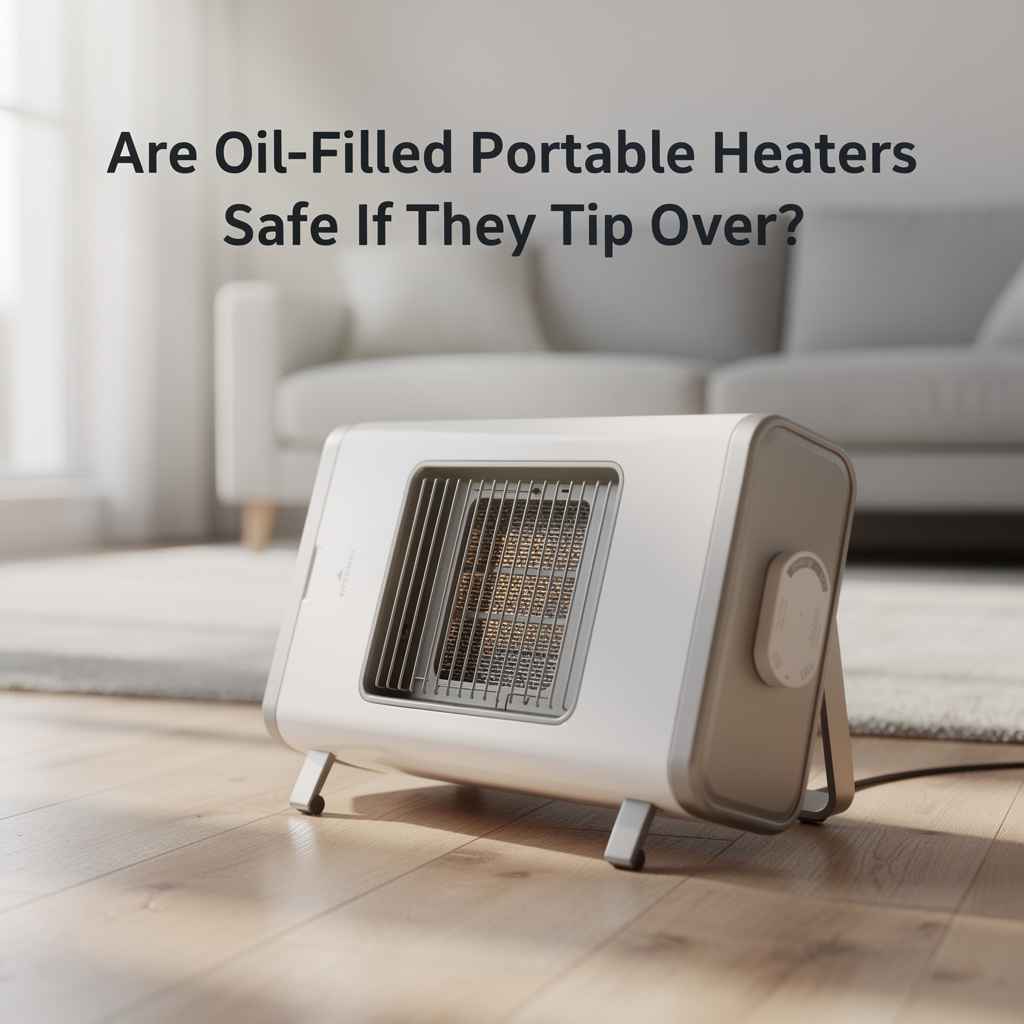
Are Oil-Filled Portable Heaters Safe If They Tip Over?
It’s a very common question. Safety is key with any home appliance. Especially when it involves heat and electricity.
We want to feel warm and relaxed, not anxious about a spill or a fire. This guide will give you the straight facts. We’ll cover how these heaters work.
We’ll also talk about their safety features. And we’ll explain what to do to keep your home safe.
Most modern oil-filled portable heaters are designed with safety in mind. They often have automatic tip-over shut-off switches. This means they will turn off if they fall. However, it is still crucial to place them on a stable, level surface and keep them away from flammable materials to prevent accidents.
Understanding Oil-Filled Portable Heaters
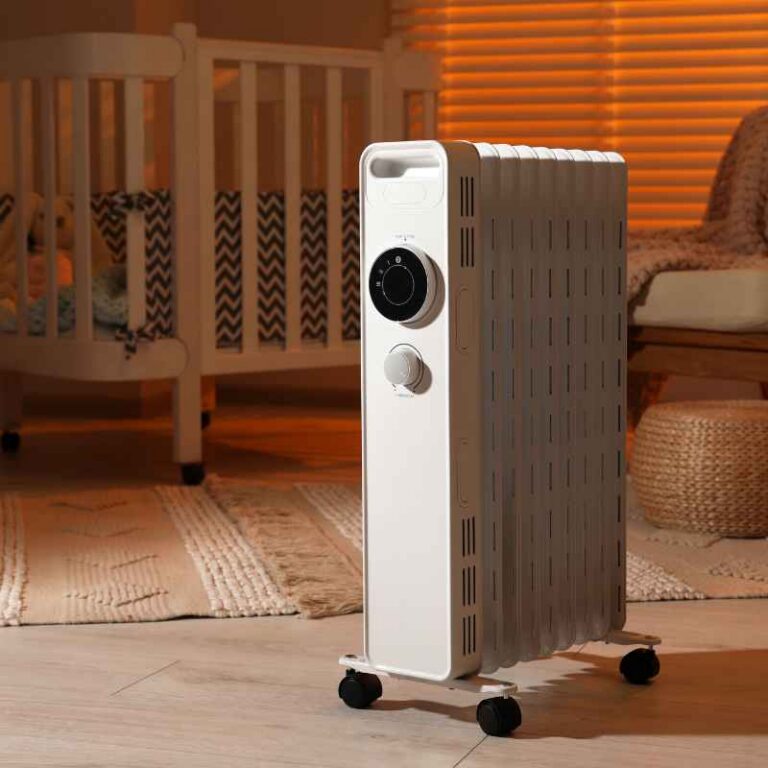
Oil-filled portable heaters are also called radiant heaters. They work a bit like a central heating radiator. But they are much smaller.
They are designed to be moved around your house. This makes them great for rooms that don’t get enough heat. Or for rooms you only use sometimes.
Inside the heater, there is a sealed metal element. This element heats up when you plug it in. It is surrounded by a special diathermic oil.
This oil is non-combustible. That means it won’t catch fire. It also won’t leak out easily if the heater is damaged.
As the oil heats up, it circulates. It moves through the fins of the heater. These fins are like the ridges you see on a radiator.
The fins get hot. They then give off heat to the air around them. This is a gentle, radiant heat.
It warms objects and people in the room directly. It also heats the air slowly.
This type of heating is often called convection heat. It’s different from the forced-air heat of many other portable heaters. Forced air blows hot air strongly.
Oil-filled heaters give a softer, quieter warmth. They don’t dry out the air as much. This can be nice in dry winter climates.
The oil itself never needs to be replaced. It’s sealed inside. It’s designed to last the lifetime of the heater.
You just plug it in. You set the temperature. Then it does its job.
Many models have different heat settings. Some also have thermostats. These let you keep the room at a steady temperature.
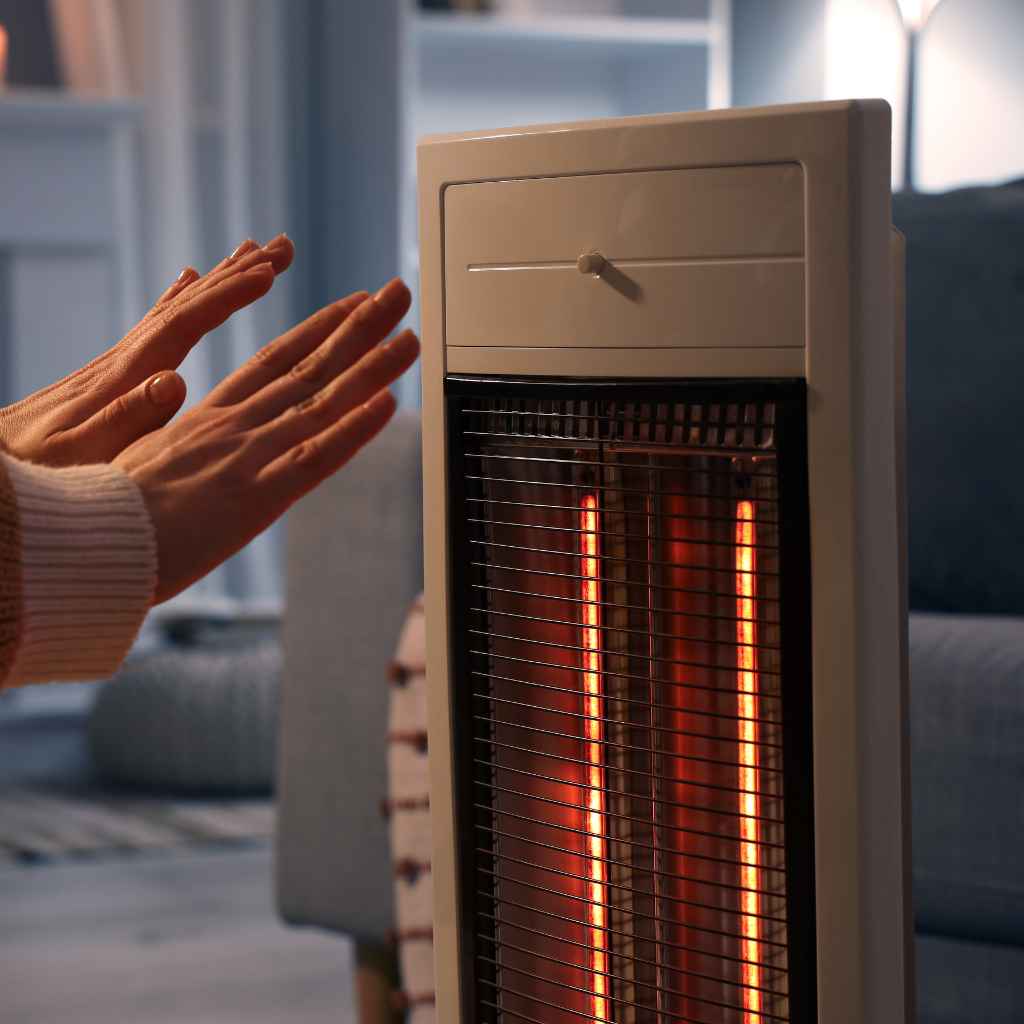
My Own Little Heater Scare
I remember one particularly cold December. My home office was always a bit of a cold spot. Even with the main heating on, it just never felt quite right.
So, I bought one of those oil-filled portable heaters. It was a nice, sturdy looking thing. It had a thermostat and three heat settings.
I set it up in the corner of my office. I put it on a low setting. I made sure it was away from my desk and papers.
It worked like a dream. The room got toasty. The heat was so quiet and consistent.
I felt so much better. I could finally focus on my work without shivering.
One evening, I was on a long video call. I got up to grab a drink from the kitchen. I wasn’t paying full attention.
My foot caught on the heater’s cord. It wasn’t a huge pull, but it was enough. The heater wobbled.
Then it tipped over. My heart leaped into my throat. I yelled out, “Oh no!”
I rushed back to my office. I expected to see flames or smoke. I was bracing myself for the worst.
But what I saw made me pause. The heater was lying on its side. And it was off.
Completely off. No heat. No noise.
Just lying there. It had automatically shut down. It was such a relief.
That moment taught me a lot about how these things are built.
Safety Features: Built-In Protection
The experience I had is not an accident. Modern oil-filled heaters have smart safety features. The most important one is the tip-over switch.
This is usually found at the base of the heater. It’s a small mechanism. It detects when the heater is not standing upright.
When the heater tips, this switch breaks the electrical circuit. This instantly cuts off power to the heating element. It also stops the motor, if it has one.
So, the heater simply stops working. This is a critical safety function. It greatly reduces the risk of fire.
It also prevents oil leaks from becoming a hazard.
Another important safety aspect is the sealed oil system. The oil inside is non-flammable. It’s like mineral oil.
It gets very hot, but it doesn’t ignite. This is a key difference from other types of heaters. Some heaters use exposed heating coils.
If those coils touch something flammable, a fire can start easily.
The casing of the heater is also designed to be safe. It gets warm, but it usually doesn’t get so hot that it burns you instantly. Most modern units have a cool-touch exterior.
This means the outside surfaces are cooler than the internal parts. This makes them safer around children and pets.
Many oil-filled heaters also have overheat protection. There’s a sensor inside. If the heater gets too hot for any reason, this sensor will shut it down.
This could happen if the air vents are blocked. Or if the internal temperature goes above a safe limit.
These safety features are not just suggestions. They are standard on most heaters sold in the U.S. today.
They are tested and certified by safety organizations. Look for the UL or ETL mark on the heater. This means it meets safety standards.
Key Safety Features at a Glance
Tip-Over Switch: Shuts off power if the heater is knocked over.
Sealed Oil System: Uses non-flammable oil that won’t ignite.
Overheat Protection: Shuts off if internal temperatures get too high.
Cool-Touch Exterior: Outer surfaces stay cooler for safer handling.
Real-World Context: Where and How They Are Used
Oil-filled heaters are best for personal comfort. They are great for spaces where you spend a lot of time. Think of a home office, a bedroom, or a living room.
They provide a steady, gentle warmth. This makes them ideal for longer periods of use.
Their quiet operation is a big plus. Unlike fan heaters that can be noisy, oil-filled units are nearly silent. This is why they are popular for bedrooms.
You can sleep soundly without a loud humming noise.
They are also good for people with allergies or asthma. Because they don’t have fans blowing air around, they don’t stir up dust or allergens. This can make the air feel cleaner and fresher.
However, they are not usually the best choice for heating a whole house. They heat a specific area. It takes longer for them to warm up a large space.
They also don’t circulate air as effectively as central heating or a forced-air unit. You won’t feel that immediate blast of hot air.
The oil inside takes time to heat up. So, you won’t feel warmth right away. It might take 15-20 minutes.
But once it’s hot, it stays hot. The oil retains heat. This means the heater can continue to radiate warmth even after it’s turned off.
This is a nice energy-saving feature.
The design of these heaters means they are generally stable. They have a wide base. This helps prevent tipping.
But they are still portable. They have wheels or casters. This makes them easy to move from room to room.
Just make sure the floor is smooth. Rough surfaces can make them harder to roll.
Ideal Uses for Oil-Filled Heaters
- Home Offices: For focused, quiet warmth.
- Bedrooms: For comfortable, silent sleep.
- Living Rooms: To supplement main heating.
- Basements: To take the chill out of unused spaces.
- Small Apartments: For supplemental zone heating.
What This Means for You: Normal vs. Concerning
If your oil-filled heater tips over, the most likely thing to happen is that it turns off. This is exactly what it’s supposed to do. You’ll hear a click.
The indicator light will go out. The fins will stop feeling hot.
This is normal. It means the safety features are working. You should then carefully stand the heater back upright.
Make sure the cord is not damaged. Check that there are no leaks. If everything looks good, you can plug it back in.
It might take a minute to start heating up again.
When should you worry? There are a few signs. If the heater tips over and does NOT turn off, that’s a big concern.
This could mean the tip-over switch is broken. In this case, unplug it immediately. Do not use it again.
Contact the manufacturer for repair or replacement.
Another sign of trouble is if you see smoke or smell burning. Even though the oil is non-flammable, the electrical parts could overheat. Or dust might have built up on the heating element.
If you see smoke or smell burning, unplug the heater right away. Let it cool completely. Then inspect it.
Clean any dust if you can safely reach it.
If the heater seems damaged in any way after tipping, be cautious. Look for dents, cracks, or loose parts. If you see any damage to the casing or the cord, it’s best not to use it.
A damaged heater can be a safety risk.
Also, always listen for strange noises. A gentle hum is normal. But loud clanking, buzzing, or popping sounds are not.
These could indicate internal problems. If you hear unusual noises, unplug the heater and get it checked.
Normal vs. Concerning Scenarios After a Tip
Normal: Heater turns off automatically. No visible damage. Safe to reset and use.
Concerning: Heater does not turn off. Visible damage to the unit or cord.
Concerning: Smoke or burning smell. Strange noises like buzzing or popping.
Quick Fixes & Tips for Safe Use
Using your oil-filled heater safely is mostly about smart placement and regular checks. Here are some easy tips:
1. Choose a Stable Surface: Always place your heater on a flat, level, and stable surface. Avoid placing it on rugs or carpets that can shift.
A hard floor is best. This helps prevent it from tipping in the first place.
2. Keep Flammables Away: Maintain a safe distance between the heater and anything that can burn. This includes curtains, bedding, furniture, paper, and clothing.
Most manufacturers recommend at least three feet of clear space around the heater.
3. Check the Cord: Before plugging in the heater, inspect the power cord. Look for any fraying, cuts, or damage.
Never use a heater with a damaged cord. A damaged cord can be a fire hazard.
4. Unplug When Not in Use: When you’re not actively using the heater, or if you’re leaving the room for an extended period, unplug it. This is a simple step that adds an extra layer of safety.
5. Clean It Regularly: Dust can build up on the heater’s fins and vents. This can reduce efficiency and be a fire risk.
Unplug the heater. Let it cool completely. Then wipe it down with a dry or slightly damp cloth.
For hard-to-reach dust, use a vacuum cleaner with a brush attachment.
6. Don’t Block Vents: Ensure that the air vents on the heater are not blocked. This includes the vents at the top and bottom.
Blocking vents can cause the unit to overheat. This can trigger the overheat protection or, in rare cases, become a fire hazard.
7. Supervise Use: Never leave a portable heater running unattended, especially in a room where children or pets are present. While the tip-over switch is great, it’s always better to be safe than sorry.
8. Use It As Intended: These heaters are designed for supplemental heating of indoor spaces. They are not meant to be used in bathrooms, garages, or outdoors.
They are also not a substitute for your home’s main heating system.
Your Heater Safety Checklist
- Placement: Flat, stable surface, 3 ft from flammables.
- Cord Check: Inspect for damage before each use.
- Cleaning: Dust fins and vents regularly.
- Unplug: When not in use or leaving the room.
- Supervision: Never leave running unattended with kids/pets.
Frequent Questions
Are oil-filled heaters safe for children and pets?
Yes, generally they are much safer than other portable heaters. They have tip-over switches and cool-touch exteriors. However, you should always supervise children and pets around any heat source.
Keep them at a safe distance and ensure the heater is on a stable surface.
Can an oil-filled heater leak oil if it tips over?
The oil is sealed inside and is non-flammable. Most modern heaters have very secure seals. If the unit tips, the tip-over switch should shut it off before significant leaking occurs.
If you notice any oil leak after a tip, stop using the heater immediately.
How long does it take for an oil-filled heater to warm up a room?
Oil-filled heaters provide a gentler, slower heat. It can take 15-20 minutes for the oil to heat up and start radiating significant warmth. They are best for maintaining a comfortable temperature over longer periods, not for quick bursts of heat.
Is the oil inside an oil-filled heater toxic?
The oil used is typically a specialized diathermic oil, similar to mineral oil. It is non-toxic and non-flammable. The main concern would be if it spills, it can be messy.
But it does not pose a major health hazard in its contained state.
Can I use an oil-filled heater in a bathroom?
It is generally not recommended to use oil-filled heaters in bathrooms. Bathrooms are humid environments, and water and electricity do not mix well. Most manufacturers advise against using them in damp or wet areas.
Always check your specific model’s manual.
What should I do if my oil-filled heater smells weird?
A slight new smell when first used is normal. This is often manufacturing residue burning off. If the smell persists or is strong, or if it smells like burning plastic or electrical wires, unplug the heater immediately.
Let it cool and inspect for dust buildup or damage.
Final Thoughts
So, to answer your question directly: yes, oil-filled portable heaters are designed to be safe even if they tip over. The automatic shut-off feature is a lifesaver.
It’s great that manufacturers put so much thought into safety. This means you can enjoy the cozy warmth without constant worry. Just remember to always use them wisely.
Keep them on stable spots. Keep them clear of clutter. And always keep an eye on them.
Sponsored / affiliate links. As an Amazon Associate I earn from qualifying purchases. I may earn additional commission from eligible campaigns.