What Kind Of Power Strip Is Safe For Portable Heaters?
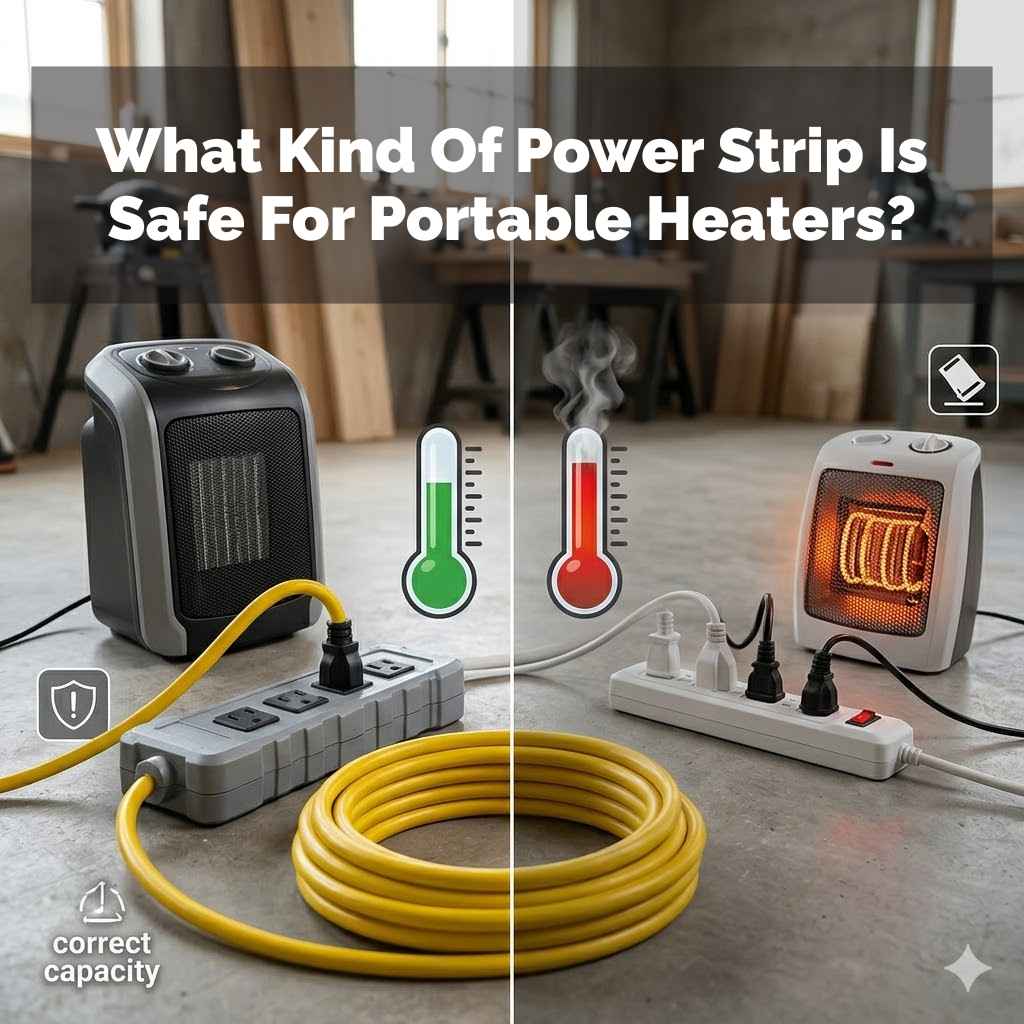
The safest power strip for portable heaters is one that is specifically rated for high-wattage appliances, features surge protection, has a built-in circuit breaker, and is made of durable materials. Always ensure the heater’s wattage does not exceed the power strip’s maximum load capacity.
Understanding Power Strip Safety for Portable Heaters
When you think about keeping your home warm, the last thing you want to worry about is a fire hazard. Portable heaters use a lot of electricity. This is because they need to generate heat.
Standard power strips are not always built to handle this kind of load. They might overheat or even melt. This can lead to serious danger.
The main issue is wattage. Wattage tells you how much power an appliance uses. Heaters often have high wattage ratings.
Power strips have limits too. Exceeding these limits is the main cause of problems. It’s like trying to pour too much water through a small hose.
Something is bound to burst.
We need to talk about how electricity works a bit. Think of electricity as water flowing through pipes. The wire in a power strip is like a pipe.
The more electricity (water) you try to push through, the more heat it generates. If the pipe is too small or the flow is too strong for too long, it can get very hot. This heat can damage the plastic and wires.
It can even start a fire.
So, what makes a power strip safe? It’s about its construction and its features. Does it have the right parts to handle the job?
Is it built by a company that cares about safety? These are the questions we need to ask ourselves.
My Own Close Call With an Overloaded Outlet
I remember one particularly chilly winter a few years back. My old apartment had terrible heating. I bought a small, portable space heater.
It was a lifesaver. I was so happy to finally feel warm in my living room. I plugged it into a regular power strip.
It had a few other things plugged in too, like my laptop and a lamp.
One evening, I was watching a movie. I started to smell something odd. It wasn’t a burning smell exactly, more like melted plastic.
My heart jumped. I quickly looked around. The smell seemed to be coming from behind the couch, where the power strip was.
I pulled the couch away a little. What I saw made me gulp.
The power strip was warm to the touch. The plastic around the heater’s plug was slightly discolored, almost warped. A thin wisp of smoke was rising from one of the outlets.
I yanked the plug out of the wall immediately. The smell faded. My hands were shaking a little.
I was so relieved it hadn’t gotten worse.
That night, I learned a huge lesson. That power strip was not designed for something like a heater. It was just a basic strip for lighter electronics.
I realized how close I came to a real disaster. From that moment on, I made sure to always check power strip ratings. I never again plugged a high-wattage appliance into a standard strip without checking first.
It’s a memory that sticks with you, a constant reminder to be careful.
Key Safety Features to Look For
When picking a power strip for your heater, keep these in mind:
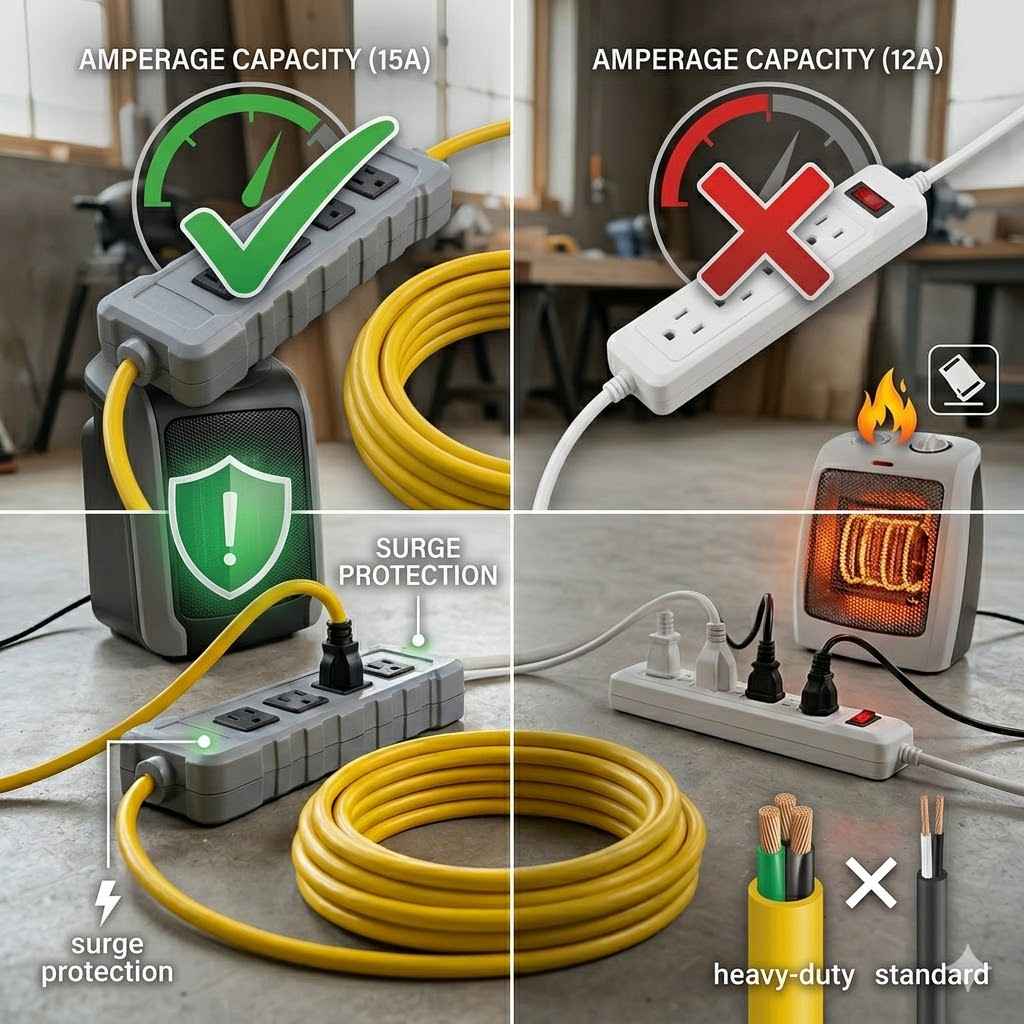
- Surge Protection: This guards against sudden power spikes. These can damage your heater or other electronics.
- Circuit Breaker: A built-in breaker will shut off power if it detects an overload. This is a vital safety net.
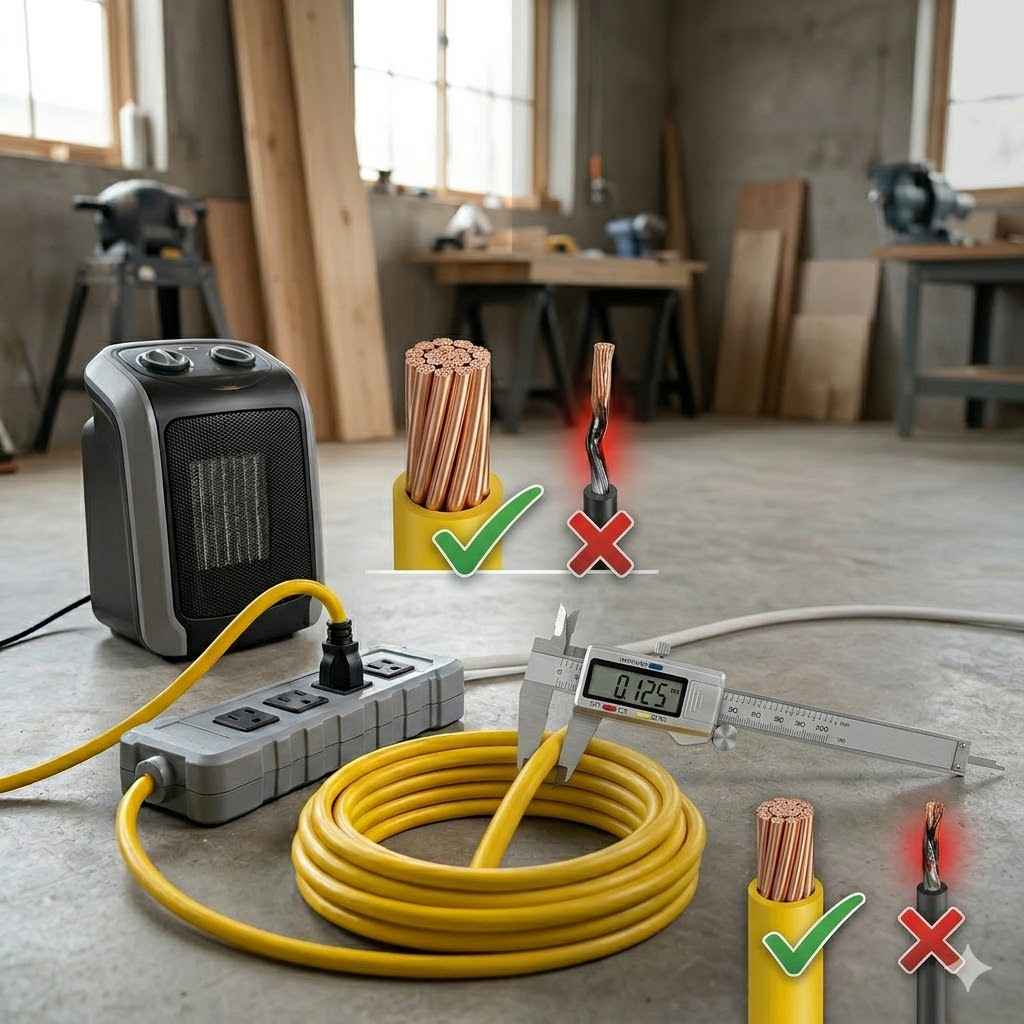
- Heavy-Duty Construction: Look for sturdy plastic and thick cords. This shows it’s made to last and handle more power.
- UL or ETL Listing: These are safety certifications. They mean the product has been tested and meets safety standards.
Wattage: The Most Important Number
Let’s talk about wattage again. This is the single most critical factor. Your portable heater will have a wattage rating.
It’s usually printed on a sticker on the heater itself. You can also find it in the user manual. Common space heaters range from 750 watts to 1500 watts.
Some might even go higher.
Now, look at the power strip. It will also have a wattage rating. This is often listed in small print on the strip or its packaging.
A typical, basic power strip might only be rated for 300 to 1000 watts. Plugging a 1500-watt heater into a 1000-watt strip is a recipe for trouble. The strip can overheat.
There’s a simple rule: The heater’s wattage should NEVER exceed the power strip’s maximum rated wattage. It’s best to have some buffer too. If your heater is 1500 watts, don’t just get a power strip rated for 1500 watts.
Aim for one that can handle more, like 1800 watts or higher, if you can find it.
How do you know the total wattage of everything you plug in? You add up the wattage of each item. If you plug in a 1500-watt heater and a 100-watt lamp, that’s 1600 watts total.
The power strip must handle this combined load. This is why it’s often best to dedicate a power strip just for the heater.
Wattage Calculation Example
Let’s say you have a space heater that uses 1500 watts.
Scenario 1 (Risky): You plug it into a basic power strip rated for 1000 watts. The strip is overloaded. It can get dangerously hot.
Scenario 2 (Better): You plug it into a power strip rated for 1800 watts. This provides a safe buffer. You are within the strip’s limits.
Scenario 3 (Best): You plug the 1500-watt heater directly into a wall outlet. Wall outlets are designed to handle high loads. If the outlet or circuit is functioning correctly, this is usually the safest option.
Why Direct Wall Outlets Are Often Best
It’s worth repeating: plugging your portable heater directly into a wall outlet is often the safest method. Wall outlets are wired directly to your home’s electrical system. They are designed to handle the power demands of appliances like heaters, ovens, and hair dryers.
Think about it. Your home’s wiring and circuit breakers are there to protect your entire house. They are much more robust than the components in a typical power strip.
A power strip is essentially an extension cord with multiple outlets. It adds another layer where things can go wrong if not used properly.
However, there are times when a power strip is necessary. Maybe the wall outlet is too far away. Or perhaps you need to plug in other items alongside the heater (though this is generally discouraged for high-wattage devices).
In these cases, choosing the right power strip becomes crucial.
When you use a power strip, you are introducing an intermediary. This intermediary needs to be as safe and capable as possible. If your wall outlet is faulty or part of an old, overloaded circuit, even a direct connection could be a problem.
But assuming your home’s wiring is sound, the wall outlet is the primary point of safety.
When a Power Strip is Necessary (and how to choose)
Use a power strip only when:
- The wall outlet is too far away.
- You absolutely must connect other low-wattage devices (use with extreme caution and understanding of total wattage).
Choose a power strip that:
- Is rated for at least 1800 watts, preferably higher.
- Features surge protection and a circuit breaker.
- Has a thick, durable cord.
- Is from a reputable brand with safety certifications (UL, ETL).
Types of Power Strips to Avoid
Not all power strips are created equal. Some are designed for very light use. They are not suitable for high-demand appliances like portable heaters.
It’s important to know which ones to steer clear of.
First, avoid basic, inexpensive power strips. These often have thin wires and minimal safety features. They are fine for lamps, phone chargers, or a computer.
But they can quickly overheat with a space heater. You might see them advertised as “light-duty” or “general purpose.” These are your red flags.
Second, steer clear of power strips with only two prongs. Modern appliances, especially those that draw significant power, have three prongs. The third prong is a ground wire.
It provides an extra path for electricity to flow safely if something goes wrong. It’s a vital safety component for higher-wattage devices.
Third, be wary of older power strips. Even if they look okay, the internal components can degrade over time. The plastic can become brittle.
Wires can fray internally. If a power strip is several years old, or if you found it in a storage box, it might be best to
Finally, avoid “daisy-chaining” power strips. This means plugging one power strip into another. This is incredibly dangerous.
It overloads the first strip and the wiring. It creates a significant fire risk. Always plug a power strip directly into a wall outlet.
Power Strips to Steer Clear Of
Avoid these types:
- Basic “Light-Duty” Strips: Usually have low wattage ratings (under 1000W).
- Two-Prong Strips: Lack the essential ground wire for high-wattage appliances.
- Old or Damaged Strips: Wires and plastic can degrade, posing a fire hazard.
- “Daisy-Chained” Strips: Plugging one strip into another is extremely dangerous.
Understanding Surge Protectors vs. Basic Power Strips
This is where things can get confusing. Many people use the terms “power strip” and “surge protector” interchangeably. While some power strips have surge protection, not all do.
And not all surge protectors are ideal for high-wattage appliances.
A basic power strip is simply an extension cord with multiple outlets. It does nothing to protect your electronics from power surges. It just gives you more places to plug things in.
A surge protector has components (like Metal Oxide Varistors or MOVs) that can absorb sudden voltage spikes. These spikes can happen during lightning storms or power outages. Without a surge protector, these spikes can fry your electronics.
For a portable heater, surge protection is a good feature to have. It protects the heater’s internal components from damaging power fluctuations. However, the primary concern for a heater is its high wattage draw.
Many surge protectors, especially those designed for computer equipment, might not have a high enough amperage rating to safely handle a heater.
When buying a surge protector for a heater, you still need to check its wattage or amperage rating. A surge protector rated for 1800 watts or more is what you should look for. The surge protection is a bonus safety feature on top of the necessary power handling capability.
Think of it this way: surge protection is like a seatbelt. It’s important for safety. But the power strip needs to be a strong car (high wattage rating) that can handle the ride in the first place.
A flimsy car with a seatbelt is still a bad idea for a long trip.
Surge Protector vs. Basic Power Strip for Heaters
Basic Power Strip:
- Function: Extends reach, provides multiple outlets.
- Safety: Minimal to none.
- Best for: Low-wattage electronics (lamps, chargers).
Surge Protector:
- Function: Extends reach, provides multiple outlets, protects against power spikes.
- Safety: Adds surge protection.
- Crucial for Heaters: Must also have a high wattage/amperage rating (1800W+).
The Importance of Safety Certifications (UL, ETL)
When you’re dealing with electricity, safety certifications are not optional. They are essential. Look for power strips that have been tested and approved by recognized independent testing laboratories.
The most common ones in the U.S. are UL and ETL.
UL stands for Underwriters Laboratories. ETL is from Intertek. Both organizations test products to ensure they meet strict safety standards.
If a power strip has a UL or ETL mark, it means it has passed rigorous evaluations for electrical safety, fire resistance, and performance.
Why does this matter so much for a portable heater? Because heaters draw a lot of power. If a power strip is poorly made, it could overheat, melt, or even catch fire.
These certifications give you confidence that the product has been designed with safety in mind and has undergone independent verification.
Never buy a power strip that doesn’t have one of these certifications. The savings you might get from a cheaper, uncertified product are simply not worth the risk of fire or electrical shock. It’s a small detail that can make a huge difference in preventing a serious accident.
You’ll usually find the UL or ETL mark printed directly on the power strip itself. It might be on the bottom, the back, or the side. It’s often accompanied by a listing number.
This indicates the specific product line that has been certified.
Essential Safety Marks
Always look for these on power strips:
- UL Listed: Tested by Underwriters Laboratories.
- ETL Listed: Tested by Intertek.
What they mean: The product has met rigorous safety standards for electrical products. If a power strip doesn’t have one of these marks, do not buy it for any use, especially with high-wattage appliances.
Real-World Context: Where Heaters Cause Problems
I’ve heard stories from friends and seen reports about fires caused by portable heaters. Often, the issue isn’t the heater itself, but how it’s connected. Faulty extension cords, overloaded power strips, and damaged outlets are common culprits.
Think about a living room or bedroom where a heater is used. These rooms often have many devices plugged in. Laptops, TVs, gaming consoles, phone chargers, lamps – they all draw power.
If everything is plugged into a single, basic power strip, the combined load can be too much. This is especially true during cold months when multiple heaters might be used in different rooms.
Another common scenario is when people try to save money. They might buy a cheaper, lower-quality power strip that isn’t designed for the task. Or they might use an old, frayed extension cord.
These shortcuts can have devastating consequences. The Consumer Product Safety Commission (CPSC) in the U.S. often reports on incidents involving portable heaters and electrical fires.
It’s also important to consider the age and condition of your home’s wiring. Older homes might have electrical systems that weren’t designed to handle the power demands of modern appliances. If your home has frequent tripped breakers, flickering lights, or outlets that feel warm, it’s a sign that your electrical system might be outdated or overloaded.
In such cases, a qualified electrician should inspect your wiring before you use any high-wattage appliance, especially with a power strip.
Common Places Where Heater-Related Electrical Issues Occur
- Living Rooms: High TV and entertainment system use, plus heaters.
- Bedrooms: Multiple charging devices, lamps, and heaters.
- Basements/Garages: Often have fewer or older outlets.
- Offices: Computers, monitors, printers, and heaters all competing for power.
Contributing Factors:
- Basic power strips with low wattage limits.
- Old, damaged, or uncertified extension cords/power strips.
- Overloaded circuits in older homes.
- “Daisy-chaining” of power strips.
What This Means for You: When It’s Normal, When to Worry
So, what’s the takeaway? When can you use a power strip with your heater, and when should you avoid it? The goal is always to be safe and prevent fires.
It’s Normal (and often best) to:
- Plug your portable heater directly into a wall outlet.
- Use a high-wattage, surge-protected power strip with a built-in circuit breaker, UL or ETL listed, if you absolutely need an extension.
- Ensure the heater’s wattage is well within the power strip’s safe operating limits.
- Dedicate the power strip solely to the heater if possible, to avoid overloading.
You Should Worry (and Stop Immediately) If:
- The power strip feels warm or hot to the touch.
- The cord or plug looks damaged, melted, or discolored.
- You smell burning plastic or an electrical odor.
- The power strip is not specifically rated for high-wattage appliances (check the wattage or amperage).
- The power strip is old, damaged, or uncertified.
- You are plugging the power strip into another power strip or extension cord.
- Your home’s electrical outlets feel warm, or breakers trip frequently.
A simple check before turning on your heater can save you a lot of trouble. Look at the power strip. Feel it.
Smell it. If anything seems off, unplug it and investigate. Don’t take chances.
Quick Tips for Safe Heater Use
Beyond the power strip, there are other general safety tips for using portable heaters. These are easy to follow and can significantly reduce risks.
- Placement is Key: Keep heaters at least three feet away from anything flammable. This includes curtains, bedding, furniture, and paper.
- Never Leave Unattended: Do not run a heater while you are sleeping or away from home. Turn it off if you leave the room.
- Use Modern Heaters: Many newer heaters have safety features like tip-over shutoff (they turn off if knocked over) and cool-touch exteriors.
- Check the Cord: Regularly inspect the heater’s cord for any damage. If it looks frayed or damaged, stop using the heater.
- Avoid Wet Areas: Never use a portable heater in bathrooms or other damp areas. This can create an electrical hazard.
- Clear the Area: Ensure nothing is blocking the heater’s air intake or output. This helps it run efficiently and safely.
- Keep Away from Children and Pets: Ensure they cannot easily knock it over or touch the hot surfaces.
Heater Safety Checklist
Before Using:
- Is the heater placed on a stable, flat surface?
- Is it at least 3 feet from flammable materials?
- Is the cord undamaged?
- Is the power strip (if used) appropriate and in good condition?
While Using:
- Is it never left unattended?
- Is it kept away from water and damp areas?
- Is it kept away from children and pets?
After Using:
- Is it turned off and unplugged when not in use?
- Has it cooled down before storing?
Frequently Asked Questions
Can I plug my space heater into a regular power strip?
It is generally not recommended to plug a space heater into a regular, basic power strip. Space heaters use a lot of electricity (high wattage). Most regular power strips are not designed to handle this load and can overheat, posing a fire risk.
Always check the wattage rating of both the heater and the power strip. If you must use a power strip, choose one specifically rated for high-wattage appliances, with surge protection and a circuit breaker.
What is the maximum wattage a power strip can handle for a heater?
A safe power strip for a portable heater should be rated for at least 1800 watts, ideally higher. Many portable heaters operate at 1500 watts. Basic power strips are often rated for 1000 watts or less, which is insufficient and dangerous.
Always ensure the heater’s wattage does not exceed the power strip’s maximum safe load.
Is a surge protector the same as a power strip for a heater?
Not exactly. A basic power strip just provides more outlets. A surge protector also guards against power spikes.
While surge protection is a good feature for any appliance, the most critical factor for a heater is the power strip’s wattage or amperage rating. Ensure any surge protector you use for a heater is also rated for high wattage (1800W+) and has a circuit breaker.
What does a UL or ETL listing mean on a power strip?
UL (Underwriters Laboratories) and ETL (Intertek) listings are safety certifications. They mean the power strip has been independently tested and meets strict safety standards for electrical products. It’s a sign that the product is designed to be safe for its intended use and has undergone safety evaluations to prevent fire and shock hazards.
Should I plug my heater directly into the wall or use a power strip?
Plugging your portable heater directly into a wall outlet is usually the safest option. Wall outlets are designed to handle high power demands. Use a power strip only if the outlet is too far away, and always use a heavy-duty, high-wattage (1800W+), surge-protected power strip with a circuit breaker, and ensure it has a UL or ETL safety listing.
What happens if I overload a power strip with a heater?
Overloading a power strip with a heater can cause it to overheat. This can melt the plastic, damage the internal wiring, and potentially start a fire. It can also damage the heater itself or other devices plugged into the strip.
Some power strips have built-in circuit breakers that will shut off the power to prevent damage, but this is not a guarantee of safety.
Conclusion
Keeping your home warm with a portable heater is a great idea. But doing so safely is paramount. Understanding the demands of your heater and the limitations of your power sources is key.
Always prioritize safety by choosing the right equipment and using it correctly. Your comfort should never come at the expense of your safety.
Sponsored / affiliate links. As an Amazon Associate I earn from qualifying purchases. I may earn additional commission from eligible campaigns.