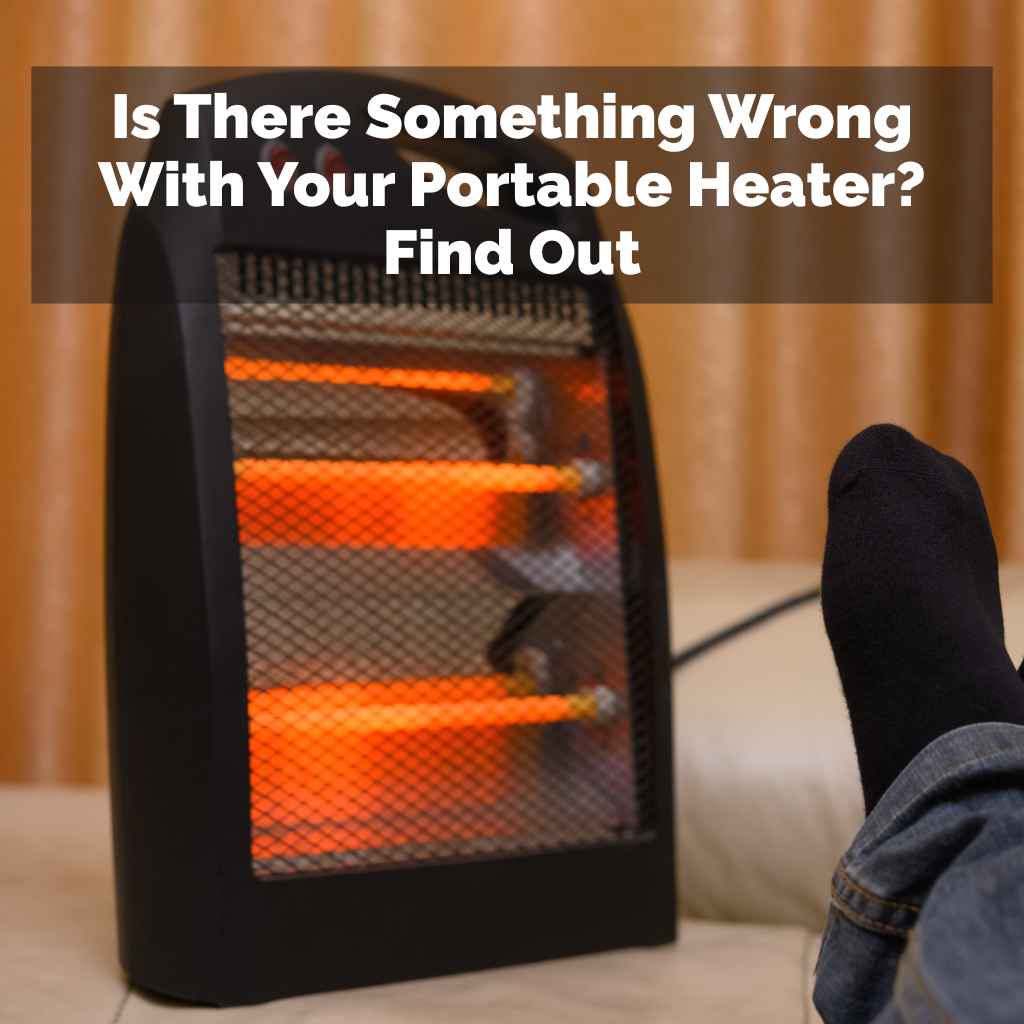
Is There Something Wrong With Your Portable Heater? Find Out
It’s a chilly morning, and you reach for your trusty portable heater. You flip the switch, expecting warmth, but something feels…off. Maybe it’s a strange smell, an odd noise, or it’s just not getting as hot as it used to.
That feeling of worry is completely understandable. You rely on these devices to keep you cozy and safe.
When your portable heater acts up, it can be frustrating and even a little scary. Is it a simple fix? Is it a sign of a bigger problem?
Will it suddenly stop working, or worse, become a hazard? These are all valid questions that run through your mind.
This article is here to help you understand what might be going on with your portable heater. We’ll explore common issues, explain the likely causes in simple terms, and talk about what these signs might mean for you and your home. Our goal is to give you the knowledge you need to feel confident and in control.
Understanding why your portable heater is acting strange is key to keeping your home safe and warm. This guide breaks down common heater problems, explains their causes, and helps you know when to take action, ensuring you can enjoy safe heat all season.
Understanding What Your Portable Heater is Telling You
Portable heaters are wonderful tools. They give us focused warmth where we need it. But like any appliance, they can develop issues over time.
These issues often show up as something unusual. It could be a smell, a sound, or a change in how it heats.
Think of these signs as your heater’s way of talking to you. It’s trying to tell you something. The good news is that most problems are not a cause for panic.
They often have simple explanations. Learning to listen to these signals is the first step. It helps you figure out if it’s a minor tweak or something that needs professional attention.
We’ll cover various types of portable heaters. This includes electric resistance heaters, like ceramic or radiant ones. We’ll also touch on oil-filled radiators.
The core principles often apply across different models. Your goal is to keep them running well and, most importantly, safely.
My Heater Made a Funny Noise Last Night
I remember one particularly cold winter. It was late, and I was trying to get some work done. I had my favorite ceramic heater humming in the corner, keeping my home office toasty.
Suddenly, I heard a strange popping sound. It wasn’t loud, but it was definitely new. My heart did a little jump.
I immediately thought, “Uh oh. What was that?”
I looked over at the heater. It was still blowing warm air, and there were no weird lights or smells. But that little popping noise stuck with me.
I felt a knot of worry. Was it about to quit on me? Was it dangerous?
I kept listening, but the sound didn’t repeat. It made me uneasy for the rest of the night, and I ended up turning it off earlier than usual. That night, I spent way too much time online, searching for “heater popping sound” and feeling a bit silly, but also really wanting to know if I should be concerned.
Strange Smells from Your Portable Heater
One of the most common worries people have is about strange smells coming from their portable heaters. This is a big one because smells are often our first clue that something isn’t quite right, especially when it comes to fire safety.
The “New Heater” Smell
If your heater is brand new, you might notice a mild, plastic-like smell the first few times you use it. This is usually normal. It happens as the new components heat up for the first time.
This smell should go away after a few uses.
What it means: This is typically the factory coating or lubricants burning off. It’s not dangerous if it’s light and fades. If it’s very strong or lingers for many uses, contact the manufacturer.
You want to be sure it’s just a new smell.
A Burning Dust Smell
This is a very common smell. It happens when dust, lint, or pet hair collects on the heating elements or inside the heater. When the heater turns on, this debris burns off, creating a dusty, acrid smell.
It’s often stronger when you first turn on the heater after it’s been stored for a while.
What it means: This is usually not an immediate safety risk, but it’s a sign your heater needs cleaning. The dust can reduce the heater’s efficiency. In rare cases, a large buildup could potentially become a fire hazard.
Regular cleaning is key here.
Quick Heater Cleaning Tips
Safety First: Always unplug your heater before cleaning. Let it cool down completely.
Exterior Wipe Down: Use a soft, damp cloth to wipe the outside. Avoid getting water into vents.
Vents and Grilles: Use a vacuum cleaner with a brush attachment. Gently vacuum dust from the grilles. For stubborn dust inside, a soft brush can help loosen it before vacuuming.
Heating Elements (if accessible): Some heaters allow access. Be very gentle. A dry, soft brush might be used carefully.
Never use water or cleaning sprays on elements.
A Chemical or “Hot Plastic” Smell
If you smell something like hot plastic, burning rubber, or strong chemicals, this is a more serious concern. It could mean internal wiring is overheating or a plastic component is melting. This smell might be accompanied by smoke or an unusual odor.
What it means: This is a potential fire hazard. If you smell this, turn off the heater immediately and unplug it. Do not use it again until it has been inspected by a qualified technician.
If you see smoke, evacuate the area and call the fire department.
A Gas Smell (for Gas Heaters)
If you have a portable propane or natural gas heater, any smell of gas is a critical emergency. This indicates a leak. Gas leaks can cause explosions or carbon monoxide poisoning.
What it means: If you smell gas: Immediately turn off the heater if you can do so safely. Do not use any electronics or light switches. Open windows and doors to ventilate.
Leave the area and call your gas company or 911 from a safe distance. Never try to fix a gas leak yourself.
Experience Check: I once had a small propane patio heater that I hadn’t used all summer. When I turned it on, there was a faint whiff of something not quite right. It wasn’t a strong gas smell, but it was enough to make me nervous.
I followed the steps above, turned it off, and used my best vacuum to clean out the pilot light area. The smell disappeared. It turned out a tiny bit of debris was near the gas flow.
It was a good reminder to always check things before you fire them up!
Odd Noises Your Heater Might Make
Beyond smells, strange noises are another way your heater can signal a problem. The type of noise can often give you a clue about what’s happening inside.
Clicking or Popping Sounds
As I mentioned earlier, clicking or popping can be unsettling. If it’s occasional and mild, it might be normal. It can happen as metal parts expand and contract with heat.
This is especially true for certain types of heaters, like radiant ones.
What it means: For most electric heaters, slight clicking as they heat up or cool down is usually fine. It’s the metal housing or internal parts adjusting to temperature changes. If the clicking is loud, rapid, or happens constantly, it could indicate a loose part or an electrical issue.
Buzzing or Humming Noises
A gentle, low hum is often normal. It can be the sound of the fan motor or the heating element working. However, a loud or high-pitched buzzing sound can be concerning.
What it means: A loud buzz could mean the fan motor is struggling, has a loose bearing, or is obstructed. It might also point to an electrical issue within the unit. If the buzz is accompanied by vibrations or reduced airflow, it’s time to investigate further or seek service.
Grinding or Squealing Sounds
These noises are almost always a sign of a problem with the fan. The fan is what circulates the warm air. If it’s grinding or squealing, it usually means the fan motor is damaged or something is obstructing the fan blades.
What it means: This is a clear indicator that the fan needs attention. It could be lint buildup, a small object caught in the fan, or a failing motor. A damaged fan can cause the heater to overheat, as air won’t circulate properly.
Turn off and unplug the heater. Check for obvious obstructions. If none are found, the motor likely needs replacing.
Fan Health Check
Listen Closely: Is the fan sound consistent? Does it change with speed settings?
Check for Obstructions: With the heater unplugged and cool, carefully look into the air intake and output vents. Can you see anything blocking the fan blades? Lint, small toys, or debris can get sucked in.
Gentle Spin Test: If you can safely access the fan (unplugged!), gently try to spin it with your finger. Does it move freely? Is there resistance?
Does it sound smooth?
Airflow Check: When the heater is on, is the airflow strong and consistent? Reduced airflow often means the fan isn’t working at its best.
Rattling Sounds
A rattle might mean something has come loose inside the heater. This could be a screw, a piece of plastic, or even the heating element itself.
What it means: If the rattling is constant or gets worse, it’s best to get it checked. A loose part could potentially cause damage or affect performance. Sometimes, if you can safely open the unit (unplugged and cool), you might find a loose screw.
Tightening it could solve the problem.
Is Your Heater Not Heating Like It Used To?
Another common issue is when your heater seems to be working, but it’s just not producing the amount of heat you expect. This can leave you feeling cold and disappointed.
Reduced Heat Output
If your heater used to warm a room quickly, but now it takes much longer or never quite gets comfortable, something has changed. This is different from it not turning on at all. It’s still generating some heat, but it’s less effective.
What it means: This often comes down to a few things:
1. Dust Buildup: As we discussed, dust on the heating elements or in the vents acts like an insulator. It prevents heat from escaping efficiently.
This is the most common culprit. 2. Thermostat Issues: The thermostat might not be accurately reading the room temperature, or it might be malfunctioning.
This can cause the heater to shut off too soon or not reach the desired temperature. 3. Fan Problems: If the fan isn’t pushing air across the heating elements effectively, the warm air won’t circulate properly.
This leads to a feeling of low heat output. 4. Component Wear: Over time, heating elements can lose some of their effectiveness.
This is less common in newer heaters but can happen with older units.
Quick Diagnostic Steps for Low Heat
1. Visual Inspection: Unplug and cool. Look for obvious dust buildup on vents and elements.
2. Airflow Check: Turn it on. Feel the air coming out.
Is it as strong as it used to be?
3. Thermostat Test: Set the thermostat to the highest setting. Does the heater run continuously?
If it cycles on and off very quickly, the thermostat might be the issue.
4. Room Size: Is the heater still appropriate for the room size? Sometimes, our needs change, or we try to heat a larger space than intended.
The Heater Turns Off Too Soon
Your heater turns on, heats for a bit, and then shuts off, even though the room is still cold. This can be very frustrating. You’re left in a half-warm room, wondering why it stopped.
What it means: This is most often a thermostat issue. 1. Faulty Thermostat: The thermostat might be inaccurately sensing the room temperature.
It thinks the room is warmer than it actually is. So, it tells the heater to turn off prematurely. 2.
Obstruction of Thermostat Sensor: If the thermostat sensor is blocked by dust or is too close to a heat source (like a desk lamp), it can give false readings. 3. Overheating Protection: Some heaters have a safety feature that shuts them off if they get too hot internally.
This is usually due to poor airflow (dust, fan issue) or an internal fault. If this is happening, it’s a sign that the heater is getting too hot.
My Experience: I had a radiant panel heater that started doing this. It would get warm, then click off after only five minutes, leaving the room cool again. I checked the vents for dust, which was normal.
Then I looked at the thermostat dial. It seemed a bit loose. I gently wiggled it, and it felt like it had a better click into place.
I turned the heater back on, and it ran for much longer, maintaining a good temperature. It was a simple fix for what felt like a big problem!
Safety Features Not Working
Modern portable heaters come with safety features like tip-over protection and overheat protection. If these are not working, it’s a serious concern.
Tip-Over Switch Not Working
Most portable heaters have a small switch at the base. If the heater is knocked over, this switch is supposed to cut off power immediately. If you accidentally bump your heater and it stays on, or if you test it by tilting it (unplugged first!) and it doesn’t shut off, the switch is faulty.
What it means: This is a critical safety failure. A tip-over switch is designed to prevent fires if the heater falls onto flammable materials like carpets or curtains. If it’s not working, the heater remains a fire risk even when knocked over.
Overheat Protection Not Engaging
Heaters have internal mechanisms to shut them off if they start to get dangerously hot. This is usually triggered by poor airflow or an internal malfunction. If the heater continues to run when it feels excessively hot to the touch (beyond just warm air output), or if you suspect it’s overheating internally, this protection might be failing.
What it means: Like the tip-over switch, this is a major safety issue. Overheating can lead to damaged internal components, melting plastic, and potentially a fire. The cause could be a faulty sensor, a damaged heating element, or a fan that isn’t working correctly.
Testing Safety Features (With Caution!)
Tip-Over Switch: Ensure the heater is unplugged. Gently tilt the heater on its side. You should hear or feel a click, and if it had power, it would shut off. If it stays “on” or makes no sound, the switch may be faulty.
Never test with the heater plugged in.
Overheat Protection: This is harder to test safely. If you notice your heater feels excessively hot to the touch, or smells like it’s burning, or if the fan isn’t working well, these are indirect signs the overheat protection might be needed but isn’t kicking in. If you suspect overheating, unplug it immediately.
General Rule: If any safety feature seems suspect, stop using the unit. Your safety is worth more than a few dollars saved on a repair or replacement.
When It’s Normal and When to Worry
It’s easy to get anxious when your heater acts differently. But not every change is a disaster. Understanding the difference between a minor quirk and a serious problem is important.
Normal Heater Behavior
Here are some things that are generally considered normal:
- New appliance smell: A light, temporary smell when first used.
- Slight expansion/contraction noises: Occasional clicks or pops as parts warm up or cool down.
- Fan hum: A steady, low hum of the fan and heating element.
- Thermostat cycling: The heater turning on and off to maintain a set temperature. This is how it works!
- Dust smell after storage: A brief smell of burning dust after the heater has been stored.
When to Be Concerned and Act Fast
These signs require immediate attention:
- Strong, persistent chemical or plastic burning smell: Indicates melting parts or wiring.
- Visible smoke or sparks: A clear sign of a dangerous malfunction.
- The smell of gas: An emergency situation for gas heaters.
- Loud, grinding, or squealing fan noises: Suggests fan motor damage or obstruction, leading to poor airflow and overheating.
- Tip-over switch failure: The heater stays on when tilted or knocked over.
- Overheat protection not engaging: The heater gets excessively hot without shutting off.
- Heater makes loud, unusual banging or crackling sounds: Could indicate serious internal electrical issues.
- Heater suddenly stops working and smells burnt: The heating element or internal wiring may have failed.
Real-World Context: In older homes, wiring can sometimes be a concern. If your home’s electrical system is outdated, it might not be able to handle the demand of a powerful heater, leading to issues. Always ensure your home’s wiring is up to code.
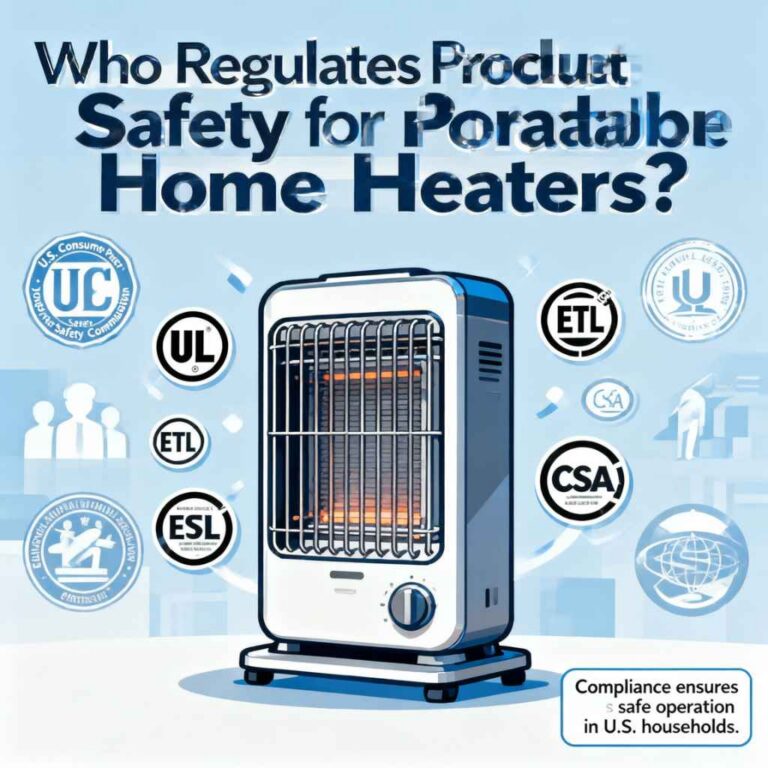
The U.S. Consumer Product Safety Commission (CPSC) provides great resources on home electrical safety.
Troubleshooting Common Portable Heater Issues
Before calling for service or thinking about replacement, a little troubleshooting can go a long way. Many common problems have simple solutions you can handle yourself.
Check the Power Supply
It sounds simple, but make sure the heater is plugged in securely. Try plugging it into a different outlet. Some outlets might be on a different circuit that has tripped.
Check your home’s circuit breaker box. If a breaker has tripped, reset it.
Important Note: Portable heaters, especially high-wattage ones, should ideally be plugged directly into a wall outlet. Avoid using extension cords, as they can overheat and pose a fire risk. If you must use one, ensure it’s a heavy-duty cord rated for the heater’s wattage.
The CPSC strongly advises against using extension cords with portable heaters.
Clean the Air Vents and Filters
Dust is the enemy of efficient and safe heating. Unplug the heater and let it cool. Use a vacuum cleaner with a brush attachment to gently clean the air intake and output vents.
If your model has a removable filter, clean or replace it according to the manufacturer’s instructions.
Inspect the Power Cord
Look for any damage, fraying, or kinks in the power cord. If the cord is damaged, do not use the heater. It’s a serious electrical hazard.
Verify Thermostat Settings
Ensure the thermostat is set to the desired temperature and that the heater is in the correct mode (e.g., ‘heat’ and not ‘fan only’). Sometimes, a simple accidental bump of the dial can change the setting.
Personal Experience: I had a small space heater that I thought was broken because it kept shutting off. I was ready to throw it out. Then I noticed the thermostat dial was barely turned past the ‘off’ position.
I had put it away in a closet and must have nudged it when I took it out. Turning it up properly made all the difference. A quick check of the settings can save a lot of stress!
Quick Fix – The “Reset Button”
Some electric heaters have a small red reset button, often located near the power cord connection or on the bottom. If the heater suddenly stops working, try pressing this button (after ensuring it’s unplugged and cooled down). It might be related to the overheat protection tripping.
If it trips frequently, there’s still an underlying issue causing it to overheat.
When to Call a Professional or Replace Your Heater
Sometimes, the problem is beyond simple troubleshooting. Knowing when to seek expert help or consider replacement is crucial for safety and efficiency.
Signs You Need a Professional
- If you smell burning plastic, rubber, or chemicals and cannot locate the source, and cleaning doesn’t help.
- If you suspect electrical issues beyond a tripped breaker, such as flickering lights when the heater is on or a buzzing sound from the outlet itself.
- If the fan motor makes loud, concerning noises (grinding, squealing) and cleaning or simple checks don’t resolve it.
- If safety features like the tip-over switch or overheat protection are clearly not working.
- If the heater has visible damage to internal components.
When to Consider Replacement
- Age: Most portable heaters have a lifespan of 5-10 years. If yours is significantly older, its components may be worn out and less reliable.
- Frequent Malfunctions: If you find yourself troubleshooting or repairing the heater often, it might be more cost-effective and safer to replace it.
- Major Damage: If the casing is cracked, the power cord is badly damaged, or internal components are visibly broken, replacement is usually the best option.
- Outdated Safety Features: Newer models often have improved safety features. If your heater lacks modern protections like advanced overheat sensors or better tip-over mechanisms, consider an upgrade.
- Repair Cost vs. New Heater: If the estimated repair cost is close to or exceeds the price of a new, comparable heater, buying new is often the smarter choice.
Expertise Insight: The U.S. Environmental Protection Agency (EPA) encourages upgrading old, inefficient appliances. While this often applies to major appliances, it’s a good principle for portable heaters too.
Newer models are often more energy-efficient and have better safety standards. Think about how much you use it. If it’s daily during winter, a reliable, safe unit is a worthwhile investment.
Frequently Asked Questions About Portable Heaters
What should I do if my portable heater smells like burning dust?
A burning dust smell is common, especially after the heater has been stored. It means dust has collected on the heating elements. Unplug the heater, let it cool, and then clean the air vents and exterior thoroughly with a vacuum cleaner.
This should resolve the smell. If it persists strongly after cleaning, have it checked.
Is it safe to leave a portable heater on overnight?
Modern portable heaters with safety features like automatic shut-off, tip-over protection, and overheat protection are generally considered safe for overnight use, especially when placed on a level, non-flammable surface. However, it’s always wise to follow the manufacturer’s instructions and ensure the area around the heater is clear of clutter. Never leave any heater unattended if you have pets or very young children who might interact with it.
My portable heater makes a loud clicking sound. Is this dangerous?
Occasional, mild clicking sounds as metal parts expand and contract with heat changes are usually normal. However, if the clicking is loud, rapid, or constant, it could indicate a loose part or an electrical issue. Pay attention to other symptoms.
If it’s accompanied by unusual smells or reduced performance, it’s best to have it inspected.
How often should I clean my portable heater?
It’s recommended to clean your portable heater at least once a year, before storing it for the season and again before using it for the first time each winter. More frequent cleaning might be needed if you have pets that shed a lot or if you notice dust accumulating quickly. Regular cleaning ensures efficient operation and reduces fire hazards.
Can a faulty portable heater cause a carbon monoxide problem?
Most portable electric heaters do not produce carbon monoxide. However, portable gas heaters (propane, natural gas) can produce carbon monoxide if they are not functioning correctly or have poor ventilation. If you use a gas heater, ensure it is properly vented and never use it in a completely enclosed space without adequate fresh air.
For electric heaters, strange smells are usually due to dust or electrical issues, not CO production.
My heater turns on and off frequently. Is this a problem?
No, this is usually normal operation. Portable heaters have thermostats. They cycle on to heat the room and then cycle off when the set temperature is reached.
They will then turn back on when the room cools down. If it’s cycling on and off very rapidly, it might indicate a faulty thermostat or that the heater is too small for the room.
Final Thoughts on Keeping Your Heater Safe and Sound
Your portable heater is a valuable tool for comfort. By understanding the sounds, smells, and performance changes it might exhibit, you can catch potential problems early. Most issues are minor and easily resolved with a bit of cleaning or basic troubleshooting.
Remember, your safety and your home’s safety are the top priorities. If you encounter any serious warning signs, like strong burning smells, smoke, or faulty safety features, don’t hesitate to unplug the unit and seek professional help or consider a replacement.
Sponsored / affiliate links. As an Amazon Associate I earn from qualifying purchases. I may earn additional commission from eligible campaigns.