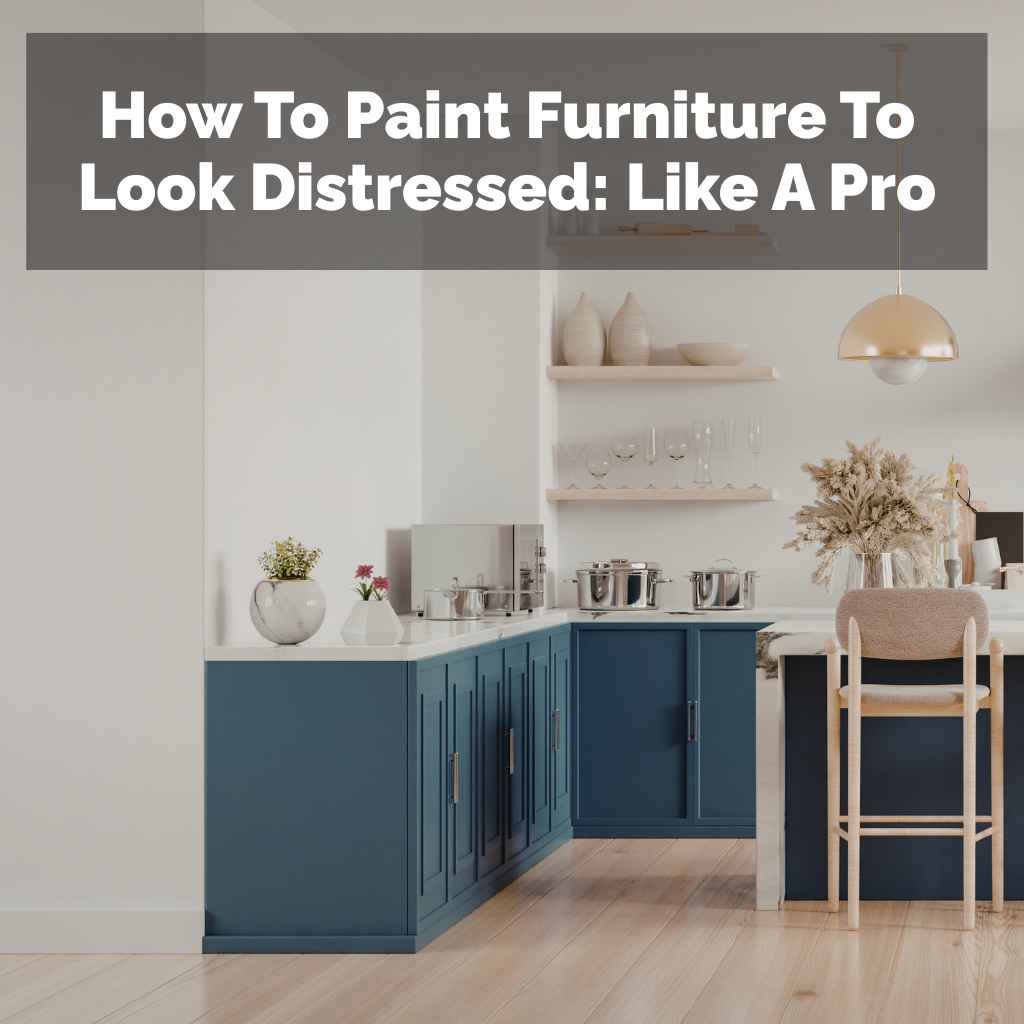
How To Paint Furniture To Look Distressed: Like A Pro
Painting furniture can give old pieces new life. But sometimes, you want more than just a fresh coat. You want that charming, worn-in look.
The kind that whispers stories from the past. Achieving a distressed finish can seem tricky. You might worry about making it look messy instead of artful.
This guide will show you how to paint furniture to look distressed. We’ll cover simple steps. You’ll learn to create that beautiful, aged appeal that feels both cozy and stylish.
Get ready to transform your furniture into unique, eye-catching pieces.
You can achieve a beautiful distressed furniture look by using specific paint techniques. This involves layering colors, sanding or scraping to reveal underlying layers, and sometimes adding waxes or glazes. It’s about creating the illusion of age and wear in a controlled, artistic way.
Understanding Distressed Furniture Finishes
What does “distressed” really mean for furniture? It means the piece looks old. It has signs of age and use.
Think of it like a favorite chair that’s been loved for years. You might see some paint wear. Maybe a corner is a little soft.
These marks tell a story. They make the furniture feel warm and inviting. It’s not about damage.
It’s about curated charm. It’s about making something new feel like a treasured antique. This style fits many decor types.
It works with farmhouse, rustic, and even some modern looks. It adds character.
Why do people love this look? Because it feels authentic. In a world of mass-produced items, a distressed finish offers uniqueness.
It can make a budget find look like an expensive antique. It allows for personal expression. You control how worn it looks.
You decide on the colors. It’s a way to make your home feel more personal and lived-in. Plus, it’s forgiving!
Small mistakes don’t ruin the project. They can often add to the charm.
How do you achieve this look? It’s a process. You’ll often start with a base coat of paint.
Then, you might add another color on top. The magic happens when you create wear. This can be done with sanding.
You might also use scraping tools. Sometimes, special waxes or glazes are used. These can soften edges or add depth.
The goal is to mimic natural wear patterns. Think about how a table edge gets rubbed. Or how paint might fade on a dresser top.
We aim to replicate that naturally. It takes a bit of practice. But the results are worth it.
My First Attempt: A Wobbly Table Tale
I remember my first try at distressing. It was a small, wobbly side table I found at a flea market. It was plain wood, begging for a makeover.
I had this vision of a soft, pale blue finish with worn wood showing through. I bought some chalk paint. I’d heard it was easy to distress.
I painted the whole table a lovely robin’s egg blue. It looked okay, but very new. Then came the distressing part.
I grabbed some sandpaper, a bit too coarse, I think. I started rubbing pretty hard, especially on the edges and legs. What happened was… not what I imagined.
It looked like I’d attacked it with a cheese grater. Big gouges appeared. The underlying wood looked scraped, not gently worn.
I felt a wave of panic. I’d ruined it! It was too late to turn back.
All that effort seemed wasted.
I almost gave up then and there. But I took a deep breath. I looked at the table again.
I realized I’d gone too fast. I hadn’t thought about where wear would actually happen. My sanding was uneven.
It looked forced. This time, I decided to try a different approach. I used a finer grit sandpaper.
I focused on the spots that would naturally get touched the most. The edges of the tabletop. The front of the legs where feet might bump.
The edges of drawers if it had any. I also learned to use a damp cloth to wipe away some of the sanded paint dust. This helped blend things better.
It softened the look. It wasn’t perfect, but it was so much closer to the look I wanted. That experience taught me patience and observation are key.
They are as important as the paint itself.
Key Tools for Distressing
Sandpaper: Have a few grits. Start with medium (like 120) for initial wear. Use fine grit (like 220) for smoothing.
You can even use very fine (320+) for a soft rub.
Scrapers: A putty knife or a detail scraper can create nice, thin lines of wear. Like a chip or a scrape mark.
Steel Wool: Fine grades (like #0000) are great for gentle distressing. They give a soft, subtle rub on edges and corners. You can also use it to distress raised details.
Wax Brushes: For applying furniture wax. This can help seal the finish and add a soft sheen. Some waxes can also be used to create a resist for paint removal.
Gloves: Protect your hands from paint and dust.
Choosing Your Base and Top Coats
The foundation of your distressed finish is your paint. You have choices. Chalk paint is popular for a reason.
It’s easy to work with. It adheres well to most surfaces. It dries fast.
And it sands beautifully. Latex paint can also work. You might need a primer first.
Oil-based paints are durable but can be harder to distress. They also take longer to dry. For beginners, chalk paint or a good quality latex paint are often the best bets.
What about colors? Think about the look you want. Do you want a classic look?
Try a dark base coat. Then, a lighter color on top. Like a deep navy base with a creamy white on top.
When you distress, the navy peeks through. Or go for a light base. A soft gray or white.
Then add a richer color on top. Like a barn red or a deep teal. The contrast makes the distressing stand out.
You can also use natural wood tones. Paint over stained wood. Then distress to show the wood.
This gives a very authentic feel.
When applying your first coat (the base coat), aim for even coverage. Let it dry completely. This is important.
Trying to distress wet paint often leads to sticky messes. Not a charming wear pattern. For your second coat (the top coat), apply it thinly.
You want it to adhere well, but not be too thick. A thick coat is harder to sand through evenly. You might see brush strokes.
That’s okay! Some brush strokes can add to the aged look. Just try to keep them consistent.
Let this coat dry thoroughly too. Patience here pays off. It ensures your distressing process will work as planned.
Technique 1: The Sanding Method
Sanding is the most common way to distress furniture. It’s direct and effective. It mimics how paint wears off with use.
You’ll need sandpaper. Start with a medium grit, maybe 120 or 150. This is for creating the main wear.
You’ll also want a fine grit, like 220. This is for smoothing any rough spots. And maybe even 320 or 400 for a very soft finish.
Where do you sand? Think about real life. Where do people touch furniture?
Where do things rub against it? Common spots include:
- Edges of tabletops and shelves.
- Corners of drawers and doors.
- Around hardware like knobs or handles.
- The front edges of legs.
- Raised decorative details.
- Areas where the seat or arms of a chair would get the most wear.
Start by lightly sanding these areas. Use a gentle pressure. You want to reveal the base coat, not dig into the wood.
If you’re not careful, you can go too deep. This looks rough. If you sand too hard, you might remove too much paint.
Don’t panic. You can sometimes fix it. You can also embrace it.
If you create a small patch that’s too worn, perhaps add more wear around it. Make it look intentional. It’s a learning process.
After you’ve created your desired wear with the medium grit sandpaper, switch to the fine grit. Lightly go over the sanded areas. This smooths out any harsh lines.
It makes the worn spots look more natural. It blends the transition from the top coat to the base coat. You can also use fine sandpaper to lightly scuff up other areas.
This can create a subtle, overall aged feel. Not just on the edges. It helps the piece look uniformly aged, not just worn in specific spots.
Finally, wipe away all the dust with a clean cloth. A slightly damp cloth works well. This reveals the true finish.
Quick Sanding Tips
Go Lightly: Always start with less pressure. You can always add more. It’s hard to take away.
Follow the Grain: Sand in the direction of the wood grain. This looks more natural.
Use a Block: A sanding block helps keep your pressure even. It prevents divots.
Wipe Away Dust: Dust hides your progress. Wipe often.
Technique 2: The Scraping Method
Scraping offers a different kind of distress. It can create sharper marks. It’s good for mimicking chips and deeper scrapes.
You can use tools like a putty knife. Or a palette knife. Even a sturdy butter knife can work.
A small detail scraper is also excellent. You want a tool with a somewhat sharp edge. But not so sharp that it cuts the wood.
This method is best used after your top coat has dried. It’s not for wet paint. Like with sanding, you need to think about where wear would naturally occur.
Edges are prime spots. Corners too. You can also drag the scraper lightly across a surface.
This can create faint scratch marks. These should look like they came from daily use. Not from deliberate damage.
Hold your scraper at a shallow angle. Drag it gently along an edge. You want to peel away small bits of paint.
Not rip large chunks off. The amount of paint you remove depends on your pressure. And the angle of the tool.
Try to vary your strokes. Make some longer. Some shorter.
Some deeper. Some shallower. This creates a more realistic look.
This technique is also great for distressing raised details. You can get into the nooks and crannies. And gently scrape away paint from the high points.
This makes those details pop. It highlights them. It gives the piece more dimension.
After you’re done scraping, you might want to follow up with fine sandpaper. This can soften any harsh scrape marks. It makes them blend better.
It makes the distressing look more natural. Again, wipe away all dust. This reveals your work.
Scraping vs. Sanding
Scraping: Creates sharper lines. Good for mimicking chips and deeper scratches. Can be more controlled for fine details.
Sanding: Creates softer, more rounded wear. Good for overall subtle aging and edge softening. Can be faster for larger areas.
Combining: Often, the best results come from using both. Sand for broad wear. Scrape for specific details and marks.
Technique 3: The Wax Resist Method
This is a clever technique. It uses wax as a barrier. The wax prevents paint from sticking.
When you apply the wax in certain areas, the top coat of paint won’t adhere there. Then, you can easily wipe or sand away the top coat. The wax allows the base coat to show through.
Or even the bare wood. It creates a very soft, subtle wear. It looks like paint that has naturally faded or worn off over time.
First, you apply your base coat. Let it dry fully. Then, you apply furniture wax.
You can apply it directly from the can. Or use a wax brush. Focus on the areas where you want the paint to wear off.
Think about the edges, corners, and raised details. You don’t need a thick, solid layer of wax. Just a thin coating is enough.
You can even dab it on. This creates a more random, natural wear pattern. For a more deliberate look, you can use a stencil and apply wax over the stencil.
Then remove the stencil.
Let the wax dry for a bit. It should feel slightly tacky, not wet. Then, apply your top coat of paint.
Apply it evenly. As the top coat dries, you can gently rub the waxed areas. You can use a soft cloth.
Or fine steel wool. The paint on top of the wax will lift off easily. It will reveal the base coat beneath.
You can also use a scraper to gently lift the paint in the waxed areas. This can create a slightly more defined line of wear. The result is a soft, patchy look.
It appears as if the paint has faded away naturally.
This method is great for achieving a very gentle, vintage look. It doesn’t create harsh lines. It’s more about a soft, diffused wear.
It can be harder to control precisely. But that’s part of its charm. It often looks very authentic.
After you have the desired level of wear, you might want to seal the piece. A coat of furniture wax will protect the finish. It will also give it a lovely soft sheen.
This final step ties everything together beautifully.
Wax Resist Application
Base Coat: Apply and let dry completely.
Wax Application: Apply furniture wax (clear or colored) to areas where you want paint to lift. Use a cloth or brush.
Dry Time: Let wax dry until tacky. Not wet.
Top Coat: Apply your second paint color over the wax.
Distress: Gently rub or sand waxed areas to remove top coat.
Technique 4: The Dry Brushing Method
Dry brushing is fantastic for adding subtle highlights. It also works well for creating a slightly weathered, powdery look. It’s a technique that’s less about removing paint and more about adding thin layers.
It can be used on its own. Or it can enhance other distressing methods. It’s particularly good for furniture with lots of texture or detail.
For this method, you’ll need paint. It can be the same color as your base coat. Or a contrasting color.
You’ll also need a brush. A natural bristle brush works well. Or a stencil brush.
The key is to have very little paint on the brush. You’ll load the brush with paint. Then, you wipe almost all of it off.
On a paper towel or scrap piece of cardboard. Until the brush seems nearly dry. This is the “dry brush” part.
With your nearly dry brush, lightly sweep it across the surface. Focus on edges and raised areas. The little bits of paint left on the brush will catch on the texture.
They will highlight the details. They will create a soft, streaky look. It looks like paint has faded or been rubbed off.
But in a gentle, artistic way. Don’t press hard. Let the brush do the work.
You can go over an area multiple times. Building up the effect slowly is key. This ensures it looks natural.
This technique is excellent for bringing out carved details. Or the grain on wood. Or the texture on a painted surface.
It can also be used to add subtle color variations. For example, if your piece is painted gray, you could dry brush with a touch of white. Or a touch of black.
This adds depth. It makes the piece look more complex. And more interesting.
It’s a simple technique. But it can have a big impact. It adds a layer of realism to your distressed finish.
Making it look truly aged.
Adding Glazes and Antiquing Waxes
Once you have your basic distressed finish, you can take it further. Glazes and antiquing waxes are perfect for this. They add depth and character.
They can make the wear marks look more believable. And give the piece an overall antique feel.
A glaze is a translucent liquid. You can buy it pre-made. Or mix your own.
It’s typically a mix of a clear glaze medium and a small amount of paint. You can use a dark color for glaze. Like a deep brown or black.
You apply the glaze over your finished paint. Then, you wipe off most of it. The glaze settles into the nooks and crannies.
It catches on the textured areas. It highlights the distressing. It makes the piece look older.
Like it’s accumulated dirt or tarnish over time. You can control how much glaze you leave on. Wipe more off for a lighter look.
Leave more on for a darker, more antique feel.
Antiquing waxes are similar. They often contain a colored wax. Usually a dark brown or black.
You apply the wax. Then buff it off. Like the glaze, it settles into details.
It can also be applied to raised areas. To highlight them. Some waxes have a slight sheen.
This can give the piece a nice glow. It’s like the soft patina that develops on old furniture. It adds a luxurious touch.
When using glazes or waxes, always work in small sections. They can dry quickly. Especially in warm, dry conditions.
Apply the glaze or wax. Then immediately wipe off the excess with a clean, soft cloth. You can use a damp cloth to wipe away more.
Or a dry cloth to blend. Always test your glaze or wax on a scrap piece first. This helps you get a feel for how it behaves.
And how much to leave on. These products can transform a simple distressed finish. They add that final touch of authenticity.
Glaze vs. Wax
Glaze: More liquid. Penetrates deeper into crevices. Great for adding dark shadows and age.
Can be water-based or oil-based.
Antiquing Wax: Waxy texture. Sits more on the surface. Adds a soft sheen and subtle color.
Good for highlighting raised details.
Application: Both require wiping off excess to achieve the desired effect. Always test first.
Real-World Context: Where Does This Look Belong?
Distressed furniture isn’t just for rustic homes. It has a place in many settings. In a farmhouse kitchen, a distressed table looks right at home.
It suggests family meals and generations of use. A distressed dresser in a bedroom can add a vintage charm. It can make the room feel cozy.
Think about a distressed bookshelf. It might hold old books and treasures. It looks like it’s always been there.
What about more modern homes? A single distressed piece can be a great contrast. Imagine a sleek, modern living room.
A distressed coffee table can add warmth. It can prevent the room from feeling too stark. Or a distressed accent chair.
It can break up a sea of new furniture. It adds a touch of personality. It shows that the space is lived-in and curated.
It’s not just about following trends. It’s about creating a space that feels unique and personal. It’s about adding character.
The key is balance. If your whole house looks like an antique shop, it might feel overwhelming. But a few well-chosen distressed pieces can make a big difference.
They add warmth. They add character. They add a sense of history.
They make your home feel more like yours. They tell a story. They make everyday objects feel special.
This is why the distressed look remains so popular. It brings a timeless quality. It adds comfort and familiarity.
It makes a house feel like a home.
What This Means for You: Is It Normal? When to Worry?
So, how do you know if your distressed finish looks good? Or if it’s just… messy? A good distressed finish looks intentional.
It mimics natural wear. It’s not random. The wear is mostly on edges and high-traffic areas.
If you see paint peeling off in large, uneven flakes everywhere, that’s not distressed. That’s just bad paint job. If the wear looks like it was done with a butter knife by a toddler, it might be too much.
The key is subtle. It should suggest age, not damage.
When should you worry? If the paint is chipping off in unstable ways. If the underlying wood is damaged or splintering badly.
If the finish feels rough and unpleasant to touch. True distressing aims for a smooth, worn feel. Not jagged edges or splinters.
If you’ve tried to distress something and it just looks like a mess, it’s not the end of the world. Most finishes can be fixed. You can sometimes paint over them.
Or strip them and start again. Don’t be discouraged by a less-than-perfect first try. It’s a skill that improves with practice.
Think about the overall look. Does it complement your room? Does it feel right?
A distressed piece should add charm. It should fit the style of your home. If it looks out of place, it might be too much.
Or the wrong color. Or the wrong technique. But generally, if it looks like it has a history, you’re on the right track.
The goal is to create something beautiful. Something that feels unique. Something that tells a story.
Quick Tips for a Pro Distressed Look
Here are some final thoughts to help you get that professional look:
- Always prep your surface. Clean it well. If needed, lightly sand or prime. A good base makes the paint adhere better.
- Use quality paints. They will adhere better and distress more evenly.
- Layer your techniques. Combine sanding, scraping, and maybe a glaze. This adds depth.
- Let coats dry completely. This is crucial for successful distressing.
- Work in a well-lit area. You need to see what you’re doing.
- Use a final coat of wax or polycrylic. This seals the finish and protects it. It also gives a nice sheen.
- Don’t be afraid to experiment. Each piece is different. What works on one might not work on another.
- Embrace imperfections. They add character.
Frequently Asked Questions About Distressing Furniture
Can I distress any type of furniture?
Yes, you can distress most types of furniture. Wood furniture is ideal. But you can also distress metal or laminate pieces.
Sometimes you need a special primer for those surfaces. The techniques might vary slightly.
What is the easiest way to distress furniture?
For beginners, the sanding method is often the easiest. Start with a medium-grit sandpaper. Gently sand the edges and corners.
You can reveal the base coat or bare wood. It’s straightforward and gives a classic distressed look.
How do I make my distressed finish look more realistic?
To make it look more realistic, study real antique furniture. Notice where wear happens naturally. Focus on edges, corners, and areas that get touched often.
Use a combination of techniques like sanding, scraping, and perhaps a glaze. This adds depth and variation.
Do I need to seal distressed furniture?
Yes, it’s highly recommended to seal distressed furniture. A coat of clear furniture wax or a water-based polycrylic will protect the finish. It will also help to smooth out any rough spots.
And it can give a beautiful soft sheen. This protects your work.
Can I distress painted furniture that’s already finished?
If the furniture has a very glossy, hard finish, it might be tricky. You might need to sand it well first. Or use a good bonding primer.
Chalk paint is often forgiving. It adheres well to many surfaces. But always test your chosen paint and method on an inconspicuous area first.
What if I sand too much?
Don’t worry! If you sand too much in one spot, you have a few options. You can try to blend it in by distressing more around that area.
Or you can touch up that spot with your top coat of paint. Let it dry. Then gently distress it again, but much lighter this time.
Sometimes, mistakes can be fixed.
Conclusion
Creating a distressed furniture finish is a rewarding process. It’s about adding character and history. It’s not as hard as it might seem.
With a little patience and practice, you can achieve beautiful results. You can transform old pieces into treasures. Enjoy the journey of making your furniture look beautifully aged.
And uniquely yours.
Sponsored / affiliate links. As an Amazon Associate I earn from qualifying purchases. I may earn additional commission from eligible campaigns.