Can You Thin Polyurethane With Paint Thinner? Safe Or Not?
It’s a common question for DIYers and pros alike: can you thin that stubborn polyurethane to make it spread better? You’ve got a can of paint thinner sitting there, and it seems like a quick fix. But before you pour it in, let’s take a deep breath.
This is one of those situations where a little knowledge can save you a lot of heartache and refinishing work. We’ll dive into whether paint thinner is the right tool for the job and, more importantly, what you should be using if you need to thin your polyurethane.
You can sometimes thin oil-based polyurethane with mineral spirits or paint thinner, but it’s not always recommended. Water-based polyurethane cannot be thinned with paint thinner; it requires water. Using the wrong thinner can ruin your finish, weaken it, or cause application problems. Always check the product label for specific thinning instructions.
Understanding Polyurethane and Thinning
Polyurethane is a type of plastic finish that protects wood surfaces. It’s tough and durable. It comes in two main types: oil-based and water-based.
Each type needs different things to work its best. Thinning helps it flow smoother. This makes it easier to apply.
It can also help you get a thinner, more even coat.
Thinning means adding a solvent. This solvent breaks down the polyurethane a bit. It makes the liquid thinner.
Think of it like adding a little water to honey. It becomes less sticky. It’s easier to drizzle.
This makes it spread more thinly on wood. A thinner coat dries more evenly. It shows fewer brush strokes.
This is key for a nice-looking finish.
The type of polyurethane you have is super important. Oil-based poly is made with oil. Water-based poly is made with water.
This difference is why they react to thinners differently. Using the wrong thinner is like trying to mix oil and vinegar in a salad dressing without an emulsifier. They just don’t mix well.
The result can be a mess.
Oil-Based Polyurethane: The “Maybe” Scenario
For oil-based polyurethane, paint thinner or mineral spirits are often the go-to. This is because oil-based products are designed to break down with oil-based solvents. It’s like speaking the same language.
Mineral spirits are a common choice. They are a type of petroleum distillate. They are milder than some stronger paint thinners.
When you use mineral spirits with oil-based polyurethane, it helps the finish spread out. It reduces its viscosity. This is the technical term for thickness.
A lower viscosity means it’s runnier. This can be great for spraying. It also helps it level out on the surface.
Brush marks tend to disappear more easily. You get a smoother final look.
However, there’s a but. You can’t just dump a lot of thinner in. Too much thinner weakens the polyurethane.
It compromises its protective qualities. It might not dry as hard. It could become more prone to scratches.
It might even take longer to cure. So, moderation is key. Always follow the manufacturer’s recommendations.
Most manufacturers suggest thinning oil-based polyurethane only when necessary. They might say to use no more than 10% thinner by volume. So, for every 10 ounces of polyurethane, you’d add about 1 ounce of mineral spirits.
It’s better to apply multiple thin coats than one thick, thinned-out coat. This builds durability.
What kind of paint thinner? This is where it gets tricky. Some “paint thinners” are actually more aggressive solvents.
They might contain stronger chemicals like acetone or toluene. These can break down the polyurethane too much. They can make it sticky or gummy.
Or worse, they can make it not dry at all. Always look for a thinner that is specifically for oil-based paints and finishes.
Mineral spirits are generally the safest bet for thinning oil-based polyurethane. Some brands even sell a “polyurethane thinner” which is essentially a specific blend of solvents designed for their product. If you’re unsure, stick to what the can says.
Or try a small test batch first.
Oil-Based Polyurethane: What to Use
Correct Thinner: Mineral Spirits, Paint Thinner (specifically for oil-based products)
Why: Compatible solvent that thins without over-damaging the finish.
Amount: Generally 10% or less by volume. Check product label.
When: For spraying, or to improve flow and reduce brush marks on difficult surfaces.
Water-Based Polyurethane: A Different Ballgame
Now, let’s talk about water-based polyurethane. This is often called “poly” or “acrylic urethane.” It’s very different from oil-based. It cleans up with soap and water.
And yes, you guessed it, it’s thinned with water!
Using paint thinner or mineral spirits on water-based polyurethane is a big no-no. These solvents won’t mix with the water in the polyurethane. They can cause the finish to separate.
It might look clumpy or lumpy. The finish won’t apply smoothly. It can also damage the acrylic components.
This ruins the protective film it’s supposed to create.
So, if you have a can of water-based polyurethane that’s too thick, reach for plain water. Distilled water is best. Tap water can sometimes have minerals that might affect the finish.
But in a pinch, clean tap water will usually work for small amounts.
How much water? Just like with oil-based poly, a little goes a long way. A common recommendation is to add no more than 5% to 10% water.
For example, if you have a quart (32 ounces) of water-based poly, you’d add about 1.5 to 3 ounces of water. Start with a tiny amount. Mix it well.
Then see if it’s the right consistency.
Thinning water-based poly is particularly helpful if you’re using a foam brush or a good quality synthetic brush. It helps it glide over the surface. It minimizes the chances of leaving foam bubbles or heavy brush marks.
This is crucial for that crystal-clear look that water-based finishes are known for.
If your water-based polyurethane has started to dry out in the can, it might have formed a skin. You can carefully remove the skin. Then add a little water and stir gently.
If it’s gotten too thick, water is your friend. Again, always check the can. Some brands might have specific instructions or warnings.
Water-Based Polyurethane: What to Use
Correct Thinner: Water (Distilled is preferred)
Why: Water-based products are water-reducible; solvents will cause separation.
Amount: Generally 5-10% or less by volume. Add gradually.
When: To improve flow, reduce brush marks, or if the product has thickened over time.
My Own Brush with Polyurethane Thickness
I remember one time, years ago, I was working on an old oak dresser. It was a beautiful piece, and I wanted the finish to be perfect. I had this can of oil-based polyurethane.
The humidity was really high that day. It made the poly feel extra thick and draggy.
I was trying to apply it with a good quality natural bristle brush. Every stroke left these noticeable lines. It felt like I was fighting the finish.
I was getting frustrated. I felt that familiar panic creep in. I just wanted it to spread smoothly.
I didn’t want to have to sand everything down again.
I looked at my workbench. I saw a can of generic “paint thinner.” My mind immediately went there. “This will fix it!” I thought.
I almost reached for it. But then I stopped. I remembered reading somewhere about using the right thinner.
I didn’t want to make a mess I couldn’t fix.
So, I put down the paint thinner. I went back to the oil-based poly can. I read the label very carefully.
It said, “Thin with mineral spirits if necessary. Do not exceed 10%.” Okay, I had mineral spirits. I grabbed my small measuring cup.
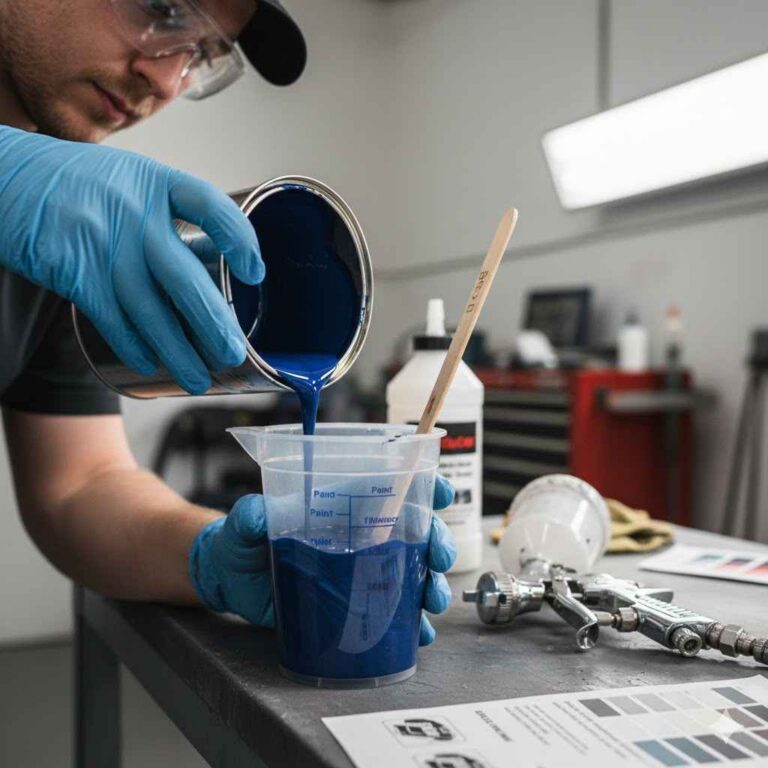
I carefully measured out the polyurethane. Then I added just a tiny splash of mineral spirits.
I stirred it gently but thoroughly. I dipped my brush in. I applied it to a scrap piece of wood first.
Oh, what a difference! It flowed so much better. The brush marks smoothed out almost instantly.
I felt this wave of relief wash over me. It was such a simple solution, but it saved the project. That day taught me to always read the label and use the right tools.
It was a simple lesson, but a powerful one.
When Thinning Might Not Be the Answer
Sometimes, even if you can technically thin a product, it might not be the best idea. The biggest reason is that thinning can reduce the overall strength and durability of the finish. You’re essentially diluting the protective resins.
If your polyurethane is too thick, it could be because it’s old. It might have been stored improperly. It could have been exposed to air for too long.
In these cases, it might be better to buy a new can. Old polyurethane can sometimes have performance issues even if you thin it. It might not dry properly or adhere well.
Another reason to be cautious is if you’re working in very cold or very hot conditions. Extreme temperatures can affect the viscosity of polyurethane. In cold weather, it will naturally be thicker.
In hot weather, it might seem thinner but can dry too quickly. Thinning might not solve the underlying temperature issue.
For oil-based polyurethane, thinning it too much can also lead to a gummy texture. This happens when the solvents evaporate too quickly. They leave behind a sticky layer.
This layer traps more solvent. It prevents the finish from hardening properly. You end up with a finish that’s soft and easily damaged.
For water-based polyurethane, adding too much water can compromise its water resistance. While it cleans up with water, the cured finish is designed to repel water. Over-thinning can make it less effective.
It might be more prone to water spots or damage.
Always consider the type of project. For high-traffic surfaces like tabletops or floors, you want the strongest, most durable finish possible. Thinning should be done sparingly, if at all.
For decorative items or projects where durability isn’t the top concern, you might have a little more leeway.
Situations to Reconsider Thinning
- Product Age: If poly is old or has a skin, consider a new can.
- Extreme Temperatures: Thinning might not fix issues caused by heat or cold.
- Durability Needs: For high-wear surfaces, minimize thinning to maintain strength.
- Risk of Gummy Finish: Over-thinning oil-based poly can lead to drying problems.
- Water Resistance Concerns: Over-thinning water-based poly can reduce its protective qualities.
Alternatives to Thinning
What if you don’t want to thin, or you’re using a product where thinning isn’t recommended? There are other ways to improve application. These methods often lead to a better final result.
One great alternative is to use a high-quality applicator. For oil-based polyurethane, a good natural bristle brush is often recommended. For water-based polyurethane, a synthetic brush or a foam brush works well.
The applicator itself can make a huge difference in how smoothly the product spreads.
Another technique is applying thinner coats. Instead of trying to load up your brush and get it all done in one go, apply a very thin layer. Then, let it dry.
After it’s dry, you can apply another thin coat. Building up the finish with multiple thin coats is almost always better than one thick coat. It dries more evenly and is more durable.
You can also try wiping off excess polyurethane from your brush more thoroughly. This helps you apply a thinner layer. It gives you more control.
It reduces the amount of product on the surface.
For spraying polyurethane, thinning is often necessary. But if you’re brushing, consider changing your technique. Try laying off your strokes.
This means making your final strokes in one direction. This helps to smooth out any remaining brush marks. Feather your strokes at the edges.
Some people use a different type of applicator altogether. A mohair roller is good for larger surfaces. It can create a very smooth finish.
Just make sure the roller is compatible with the type of polyurethane you are using. Some rollers are designed for water-based products, others for oil-based.
If you are spraying, and your poly is still too thick even after proper thinning, you might need to adjust your spray gun settings. Or, you might need to apply at a slightly different distance. It’s a balance of product consistency and application method.
Tips for Smoother Application (No Thinning Needed)
Better Tools
Natural Bristle Brushes: For oil-based poly, these hold and spread the finish well.
Synthetic/Foam Brushes: Ideal for water-based poly, they leave fewer marks.
Quality Rollers: Mohair rollers can give a smooth, even finish on large areas.
Better Technique
Thin Coats: Apply multiple thin layers instead of one thick one. Let each coat dry fully.
Wipe Brush: Remove excess poly from your brush before applying to the surface.
Lay Off Strokes: Make final strokes in one direction for a smooth finish.
Feather Edges: Blend the edges of your strokes to avoid hard lines.
Reading the Label: Your Best Friend
I can’t stress this enough: the product label is your ultimate guide. Manufacturers spend a lot of time testing their products. They know what works best.
They will tell you if the product can be thinned. They will tell you what to use to thin it. They will tell you how much you can use.
If the label doesn’t mention thinning, assume you shouldn’t do it. Or, it might mean it’s not typically needed. For example, many modern water-based polys are designed to be self-leveling.
They flow out nicely on their own. They don’t really require thinning.
Look for sections on “Application,” “Thinning,” or “Cleanup.” These are usually clearly marked. If you can’t find the information on the can, try looking up the product online. Most brands have technical data sheets (TDS) or safety data sheets (SDS) available on their websites.
These documents are packed with detailed information.
Understanding the product you’re using is part of being a good DIYer. It shows respect for the materials. It ensures the best possible outcome for your project.
It saves you time and money in the long run. Don’t be afraid to spend a few minutes reading. It’s better than spending hours fixing a mistake.
Label Reading Checklist
Can it be thinned? Look for specific instructions.
What thinner to use? Mineral spirits? Water? Something else?
Maximum amount? What’s the percentage limit?
Application method? Brush? Spray? Roller?
Drying times? How long between coats?
Cleanup instructions? What to use to clean tools?
What This Means for Your Project
So, can you thin polyurethane with paint thinner? For oil-based, sometimes, with the right type of thinner (mineral spirits) and in small amounts. For water-based, absolutely not; use water.
The real takeaway here is that using the correct thinner is crucial. It ensures the polyurethane performs as intended. It maintains its protective qualities.
It leads to a smooth, durable finish. Using the wrong thinner can lead to a sticky mess. It can result in a finish that peels or cracks.
If your polyurethane feels too thick, first identify the type. Then, check the label. If thinning is an option, use the recommended thinner and amount.
If thinning isn’t an option, or you’re hesitant, try alternative application methods. Focus on using quality tools and applying thin coats.
This knowledge empowers you. It helps you avoid common mistakes. It allows you to achieve professional-looking results in your own home.
Remember, the goal is a beautiful, long-lasting finish. It’s worth taking the extra step to ensure you’re using the right method.
Quick Checks for Polyurethane Application
Before you start applying polyurethane, whether you decide to thin it or not, do a quick check. This helps prevent common issues. It makes the whole process smoother.
Consistency Check: Dip your stir stick into the can. Does it flow off smoothly? Or does it drip off in thick globs?
This is your first clue about its thickness.
Test Patch: Always, always test your application on a scrap piece of wood. This is especially important if you’ve thinned the product. See how it spreads.
Check for brush marks. Let it dry to see how it cures.
Surface Prep: Make sure your wood surface is clean, dry, and smooth. Any dust or debris will show up under the finish. Sanding between coats is also vital for a smooth finish.
Environment: Apply polyurethane in a well-ventilated area. Avoid dusty conditions. Check the temperature and humidity.
Most polys work best in moderate conditions (around 70°F and 50% humidity).
Frequently Asked Questions
Can I use acetone to thin polyurethane?
No, you generally should not use acetone to thin polyurethane. Acetone is a very strong solvent. It can break down polyurethane too aggressively.
This can lead to a sticky residue, a weak finish, or a finish that never cures properly. Always use mineral spirits for oil-based poly and water for water-based poly, as recommended by the manufacturer.
What happens if I use too much thinner?
Using too much thinner can weaken the polyurethane. It can make the finish less durable. It might not dry hard and can remain soft or sticky.
For oil-based poly, it can cause it to become gummy. For water-based poly, it can lead to separation or a hazy appearance.
How do I know if my polyurethane is oil-based or water-based?
The easiest way is to check the can label. It will clearly state “oil-based” or “water-based” (or sometimes “oil-modified” or “waterborne”). You can also look at the cleanup instructions.
If it says “mineral spirits” or “paint thinner,” it’s likely oil-based. If it says “soap and water,” it’s water-based.
Can I thin polyurethane if it’s already dried out?
If your polyurethane has developed a thick skin or is very dried out, thinning might not be enough. It’s often best to remove the skin and try adding a small amount of the correct thinner (water for water-based, mineral spirits for oil-based) to see if you can revive it. However, if it’s very old or very thick, purchasing a new can is usually a safer bet for a good finish.
Is it okay to thin polyurethane for a furniture project?
Yes, it can be helpful to thin polyurethane for furniture projects, especially if you want a smooth, brush-stroke-free finish. For oil-based poly, use mineral spirits sparingly. For water-based poly, use a little water.
Always test on a scrap piece first. Apply multiple thin coats rather than one thick, thinned coat.
When is thinning polyurethane NOT necessary?
Thinning is often not necessary if your polyurethane is at the correct consistency straight from the can. Many modern water-based polys are designed to be self-leveling and flow well. Also, if you are applying with a high-quality applicator and using thin coats, you might achieve a great finish without thinning at all.
Conclusion
Deciding whether to thin your polyurethane is an important step. Knowing the difference between oil-based and water-based is key. Always use the manufacturer’s recommended thinner.
Thinning is a tool to improve application. It’s not a magic fix for old or damaged product. Use it wisely, and you’ll get a beautiful, lasting finish.
Sponsored / affiliate links. As an Amazon Associate I earn from qualifying purchases. I may earn additional commission from eligible campaigns.