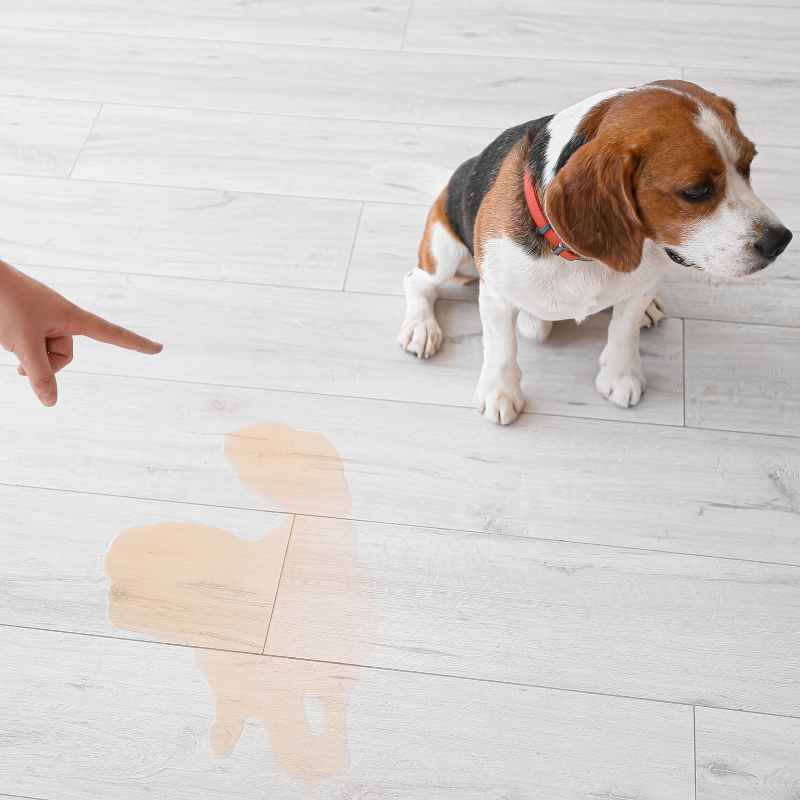
How To Get Dog Urine Stains Out Of Wood Floors Completely
Removing dog urine stains from wood floors involves quick action and the right cleaning methods. Start by soaking up excess urine. Then, use a pH-neutral cleaner or a vinegar solution.
For stubborn stains, consider a wood-specific stain remover or a light sanding and refinishing. Always test in an inconspicuous area first.
Understanding Dog Urine Stains on Wood
Dog urine is more than just water. It has salts and acids. It can also have bacteria.
When this liquid hits your wood floor, it soaks in. The wood absorbs the urine. This is especially true for unfinished or oiled wood.
Sealed wood offers some protection. But if the seal is broken, the damage can start. The longer the urine sits, the deeper it goes.
This makes stain removal harder.
The acidity in urine can break down the wood’s finish. It can also change the color of the wood itself. This is what creates the dark spots you see.
Sometimes, the smell lingers too. That’s the ammonia. It can be tough to get rid of.
Understanding this helps us know how to clean it. We need to neutralize the acid. We also need to lift the stain.
And we must deal with the odor.
My Own Dog Urine Disaster
I remember the first time it happened. My dog, a rescue named Buster, was still adjusting. I was out for a few hours.
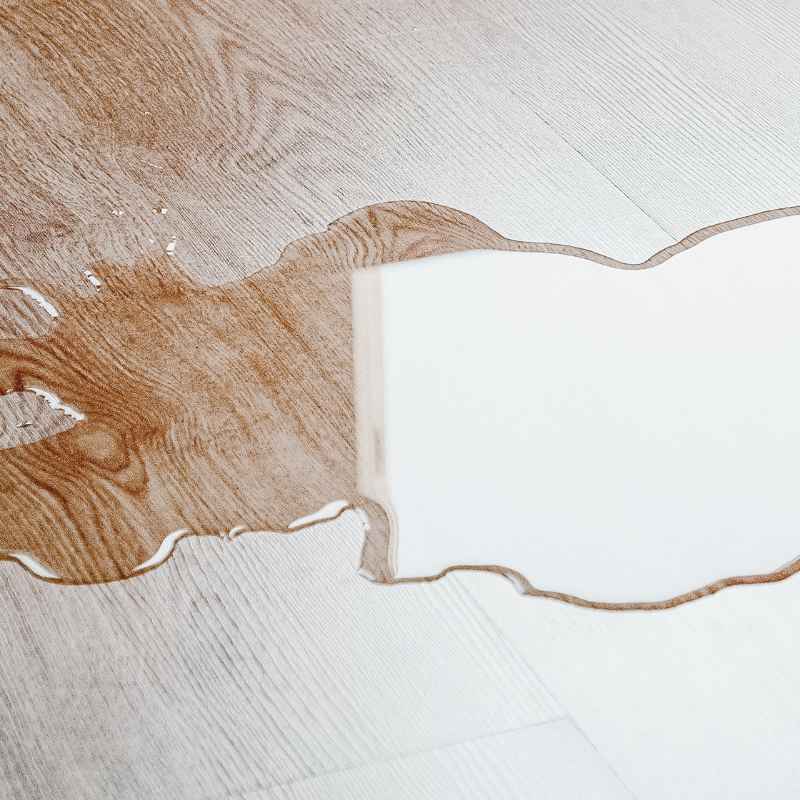
When I got home, there it was. A dark, wet patch on my living room floor. My heart sank.
I knew exactly what it was. The smell hit me like a ton of bricks. I panicked a little.
My floors were new. They were beautiful oak. I started scrubbing with soap and water.
That didn’t help much. The dark spot was still there. I felt so frustrated.
I had tried to do everything right with Buster. But accidents happen. It felt like a huge setback.
I spent hours online looking for answers. I tried a few things that made it worse. This experience taught me a lot.
It showed me that quick action is key. But the right action is even more important.
Step 1: Act Fast
The moment you see a spot or smell urine, act. Don’t wait. Quick action stops the urine from soaking deep.
This is your first and best defense. Every minute counts when it comes to wood floors.
The Immediate Clean-Up: Your First Line of Defense
Okay, so you’ve found the spot. What’s the very first thing you do? Grab paper towels or a clean, absorbent cloth.
You need to soak up as much of the wetness as possible. Press down firmly. You’re not wiping.
You’re blotting. Get as much liquid out of the wood fibers as you can. This step is super important.
It stops the urine from spreading further into the wood. It also stops it from going under the floorboards. If the spot is fresh, this might be enough to prevent a stain.
But usually, there’s more to do.
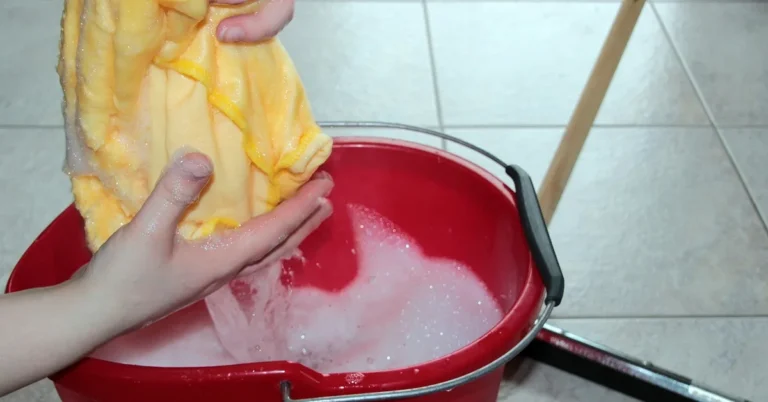
Once you’ve blotted up the wetness, you need to rinse the area. Use a damp cloth with plain water. Gently wipe the spot.
This helps dilute any remaining urine. Then, blot that area dry too. Don’t use too much water.
We don’t want to over-saturate the wood. This can cause other problems, like swelling. The goal here is to remove the surface liquid.
We want to minimize how much of the urine’s damaging components get into the wood. Think of it as a quick rinse to wash away the worst of it.
Quick Scan: What Type of Wood Floor?
Sealed Wood Floors: Have a protective top layer. More resistant to stains initially. Cleaning is often easier.
Look for a shiny or matte top coat.
Unfinished or Oiled Wood Floors: The wood is more exposed. Urine soaks in quickly. Stains can set fast.
These need careful, gentle cleaning.
Neutralizing the Stain and Odor
After the immediate cleanup, it’s time to tackle what’s left. This involves cleaning and deodorizing. You need solutions that can break down the urine’s components.
We want to lift the stain and stop the smell. Avoid harsh chemicals. They can damage your wood floor’s finish.
Strong cleaners can also make the problem worse.
A good first step is a solution of white vinegar and water. Vinegar is acidic. It helps neutralize the alkaline ammonia in urine.
Mix one part white vinegar with one part cool water. Dampen a clean cloth with this solution. Gently wipe the stained area.
Don’t let the wood get too wet. After wiping, blot the area dry with a clean towel. This method helps with both stains and smells.
It’s a natural and effective cleaner for many wood floor issues.
Another option is to use a pH-neutral wood floor cleaner. These are made specifically for wood. They are designed to clean without stripping the finish.
Follow the product instructions carefully. Apply it to a cloth, not directly to the floor. Wipe the stained area.
Then, blot it dry. Make sure the cleaner is safe for your specific wood floor type. Check the label.
Some cleaners are better for sealed floors than oiled ones.
Myth vs. Reality: Cleaning Wood Floors
Myth: Bleach will get rid of urine stains and smells.
Reality: Bleach can damage your wood floor’s finish. It can also discolor the wood.
It’s too harsh for most wood floors. It might even react with urine chemicals to create toxic fumes.
Myth: A steam mop is the best way to clean pet stains.
Reality: Steam mops use a lot of heat and moisture. This can damage wood floors.
It can force stains deeper into the wood. It can also warp or loosen floorboards.
For Stubborn Stains: Deeper Cleaning Methods
What if the vinegar or pH-neutral cleaner doesn’t do the trick? Some stains are tougher. They have set in.
This is where you might need something a bit stronger. But always proceed with caution. Test any new cleaner in a hidden spot first.
This could be in a closet or under a rug. See how it affects the wood and its finish.
One option is to use an enzyme cleaner. These cleaners are designed to break down organic matter. Pet urine is organic.
Enzymes eat away at the odor-causing molecules. This can help lift stains and remove smells that regular cleaners miss. Look for enzyme cleaners made for pet stains on wood floors.
Apply the cleaner according to the product directions. You might need to let it sit for a while. Then, wipe and dry the area thoroughly.
Another method involves baking soda. Baking soda is a natural deodorizer. It can also help lift stains.
After cleaning the area with vinegar or a wood cleaner, make a paste of baking soda and a little water. Apply this paste to the stain. Let it dry completely.
Then, gently brush or vacuum it away. This might help absorb some of the remaining stain and odor. You might need to repeat this a few times for tough spots.
Contrast Matrix: Normal vs. Concerning Stains
Normal: A faint discoloration that disappears with gentle cleaning. The smell is gone. The floor feels dry and smooth.
Concerning: A dark, deep stain that doesn’t lift. A persistent, strong odor even after cleaning. The wood feels soft or warped in that spot.
You see raised or swollen areas.
When to Consider Sanding and Refinishing
Sometimes, the urine has done too much damage. The stain is deep. The finish is ruined.
In these cases, cleaning alone won’t be enough. You might need to physically remove the damaged wood. This is where sanding comes in.
Sanding removes the top layer of the wood floor. This takes away the stained part. After sanding, you’ll need to refinish the floor.
Sanding can be done by hand for small spots. For larger areas, you’ll need a floor sander. This is a big job.
It’s often best left to professionals. Sanding requires skill. You need to sand evenly.
You also need to match the existing floor’s grit. After sanding, you’ll need to apply a new finish. This protects the wood.
It also restores the floor’s look. If you have a very dark stain, you might need to use a wood bleach. This can lighten the wood before you refinish it.
It’s important to know your floor type. Solid hardwood floors can be sanded and refinished multiple times. Engineered wood floors have a thin top layer.
They can usually only be sanded once or twice. If the stain is very deep on engineered wood, you might need to
Observational Flow: Dealing with a New Stain
1. Discovery: You notice a wet spot or smell urine.
2. Immediate Blotting: Grab paper towels or a cloth. Soak up all excess liquid.
Don’t rub.
3. Gentle Rinse & Dry: Dampen a cloth with water. Wipe the spot.
Blot dry.
4. Neutralize & Clean: Use a vinegar/water mix or pH-neutral cleaner. Wipe, then blot dry.
5. Deodorize (if needed): Use baking soda paste or an enzyme cleaner.
6. Assess: Check if the stain and smell are gone. Repeat steps if needed.
7. Deeper Action: If stain persists, consider sanding or professional help.
Preventing Future Accidents
The best way to deal with dog urine stains is to prevent them. This involves training and management. Make sure your dog is fully house-trained.
Regular potty breaks are essential. Take your dog out first thing in the morning. Take them out before bed.
And take them out after meals and playtime. This creates a routine.
If your dog is having accidents, try to figure out why. Is it a medical issue? A trip to the vet is a good idea.
Sometimes, changes in diet or health can cause accidents. Is it stress or anxiety? New environments, people, or pets can cause stress.
Provide a safe and comfortable space for your dog. Gentle training and positive reinforcement are key.
Use pet-friendly cleaning products. Keep them out of reach. And when accidents do happen, clean them up immediately.
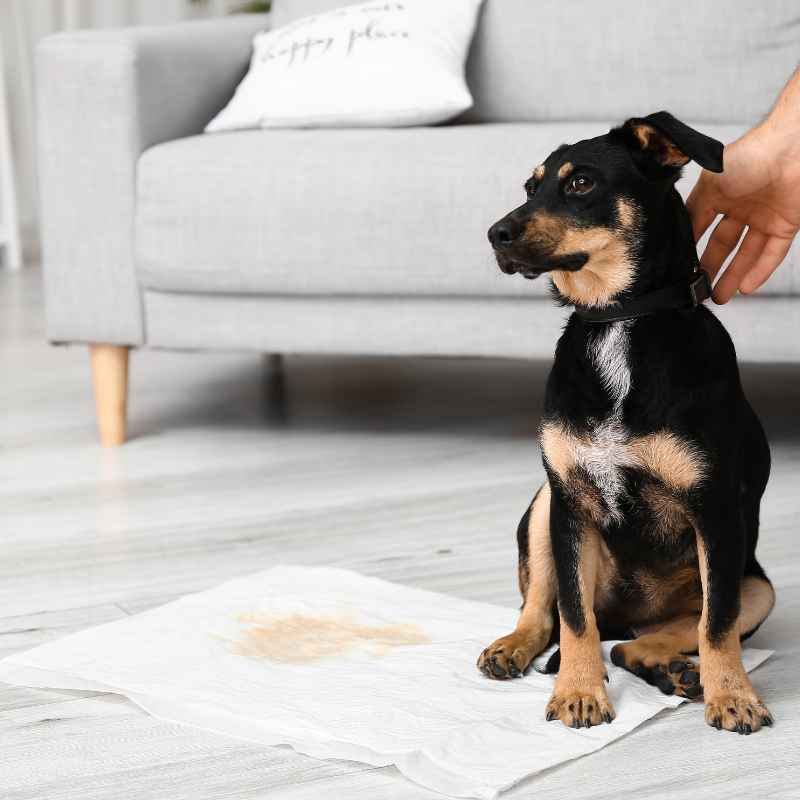
Don’t scold your dog after the fact. They won’t understand. Punishment doesn’t help with house-training.
Focus on rewarding good behavior. Your dog will learn to avoid accidents.
Quick-Scan Table: Cleaning Tools You’ll Need
| Tool | Purpose |
|---|---|
| Paper Towels / Absorbent Cloths | Soaking up liquid |
| White Vinegar | Neutralizing odor and stains |
| Cool Water | Rinsing and diluting |
| pH-Neutral Wood Floor Cleaner | Gentle cleaning of sealed floors |
| Baking Soda | Deodorizing and lifting stains |
| Enzyme Cleaner (Pet-Specific) | Breaking down organic matter |
| Soft Brush or Vacuum Cleaner | Removing dried paste |
Real-World Context: Your Dog’s Behavior
Dogs pee for many reasons. Sometimes it’s just a simple accident. They might have held it too long.
Or they might not have realized they needed to go. Other times, it’s more complex. Puppies are still learning.
Older dogs might have bladder control issues. Medical problems like urinary tract infections (UTIs) are common. Dogs can also pee out of excitement or fear.
Or they might be marking their territory. This is especially true if there’s a new pet in the house. Or if you have guests over.
Understanding your dog’s behavior is crucial. If accidents are frequent, it’s a sign something is wrong. It could be training.
It could be a health issue. Or it could be an emotional one. Observe your dog.
Note when the accidents happen. Are they always in the same spot? Does it happen when you leave the house?
Are they showing other signs of distress?
Your wood floor is a surface. It shows signs of what’s happening in your home. A clean floor is nice.
But a happy, healthy dog is more important. Address the root cause of the accidents. This will save your floors in the long run.
It also makes for a more peaceful home. Think of the floor as a map of your dog’s needs.
Stacked Micro-Sections: What to Avoid
Harsh Chemicals: Avoid ammonia-based cleaners, bleach, or strong solvents. They damage wood. They can create toxic fumes.
Excessive Water: Never soak your wood floors. Too much moisture causes swelling, warping, and mildew.
Scrubbing Too Hard: Aggressive scrubbing can damage the wood grain and finish. Be gentle.
Ignoring Odor: Even if a stain fades, a lingering smell means the urine is still there. It can attract your dog back to the spot.
What This Means for You: When is it Okay?
Seeing a little damp spot that cleans up easily is usually okay. Especially if it’s a new puppy or a dog still in training. The key is that the stain and smell disappear.
And the floor surface remains smooth and undamaged. If you can quickly clean it up and your floor looks and smells like new, you’re doing great.
When you should worry is when the stain persists. Or when the odor doesn’t go away. If the wood feels soft, spongy, or warped, that’s a big red flag.
It means the urine has penetrated deeply. It may have started to rot the wood. Or it has ruined the finish.
You might see discoloration that doesn’t come out with simple cleaning. This means the urine has altered the wood itself.
Don’t ignore these signs. The longer you wait, the harder and more expensive the fix will be. Sometimes, replacing a single damaged floorboard is the only solution for severe damage.
For minor damage, sanding might be enough. Your goal is to restore the floor to its original condition. Or at least make it look and smell clean again.
When to Call a Professional
Extensive Damage: If urine has soaked a large area or caused visible warping.
Old, Set-In Stains: If multiple cleaning attempts have failed.
Unsure of Floor Type: If you don’t know if your floor is solid or engineered wood.
Lack of Tools or Experience: Sanding and refinishing can be tricky.
Quick Fixes and Tips
Here are some handy tips to remember:
- Always test first. Before using any cleaner, test it in a hidden spot.
- Use a black light. Urine stains glow under a black light, even after they dry. This helps you find old spots you might have missed.
- Ventilate the area. Open windows to help the smell dissipate. Good airflow speeds up drying.
- Keep pets away. While cleaning or drying, keep your dog away from the spot. This prevents them from re-soiling it.
- Consider a pet barrier spray. For areas where accidents happen often, a pet deterrent spray might help.
- Regular maintenance is key. Clean your wood floors regularly. This helps prevent dirt and grime from holding odors.
Remember, patience is important. Some stains take a few tries to remove. Don’t get discouraged if it’s not perfect after the first attempt.
Keep working at it gently and consistently. Your wood floors will thank you.
Frequently Asked Questions
Can I use a regular household cleaner on dog urine stains on wood floors?
It’s best not to use regular household cleaners, especially those containing ammonia or bleach. These can damage the wood finish, discolor the wood, or even react with urine to create harmful fumes. Always opt for pH-neutral wood floor cleaners or natural solutions like diluted white vinegar.
How do I know if my dog has a UTI or other health issue causing accidents?
Signs of a UTI or other health problem can include frequent urination, straining to urinate, blood in the urine, increased thirst, or accidents even after being let outside. If you notice these signs, it’s important to consult your veterinarian right away. They can diagnose and treat the underlying issue.
How long does it take for a wood floor stain to set?
Urine can start to set into wood floors very quickly, especially if the floor is not properly sealed. The longer the urine sits on or in the wood, the deeper it penetrates and the harder it becomes to remove. Acting within minutes or hours is crucial for preventing permanent stains.
What is the best way to deodorize a wood floor after a urine accident?
For deodorizing, a paste of baking soda and water left to dry on the spot can help absorb odors. Enzyme cleaners are also very effective as they break down the odor-causing molecules in urine. Ensure the area is thoroughly cleaned and dried afterwards, and good ventilation helps as well.
Can I prevent my dog from marking their territory on my wood floors?
Consistent house-training is the primary way to prevent territorial marking. Ensure your dog has regular potty breaks and receives praise for going outside. If marking is a persistent issue, consider neutering or spaying your dog, as this can reduce hormonal marking behavior.
Identifying and addressing any stressors or anxieties your dog might have is also important.
My wood floor is old and has many dark spots. What can I do?
For multiple old, dark spots, sanding and refinishing the entire floor might be the most effective solution. A professional flooring contractor can assess the damage and determine the best course of action. They can sand down the affected areas and reapply a protective finish to restore the floor’s appearance.
Conclusion
Dealing with dog urine on wood floors can be stressful. But by acting fast and using the right methods, you can often save your floors. Remember to blot, clean, neutralize, and deodorize.
For tough stains, you might need to sand. Prevention is always the best policy. Keep up with training and address any health or behavioral issues.
With a little effort, you can keep your home clean and your dog happy.
Sponsored / affiliate links. As an Amazon Associate I earn from qualifying purchases. I may earn additional commission from eligible campaigns.