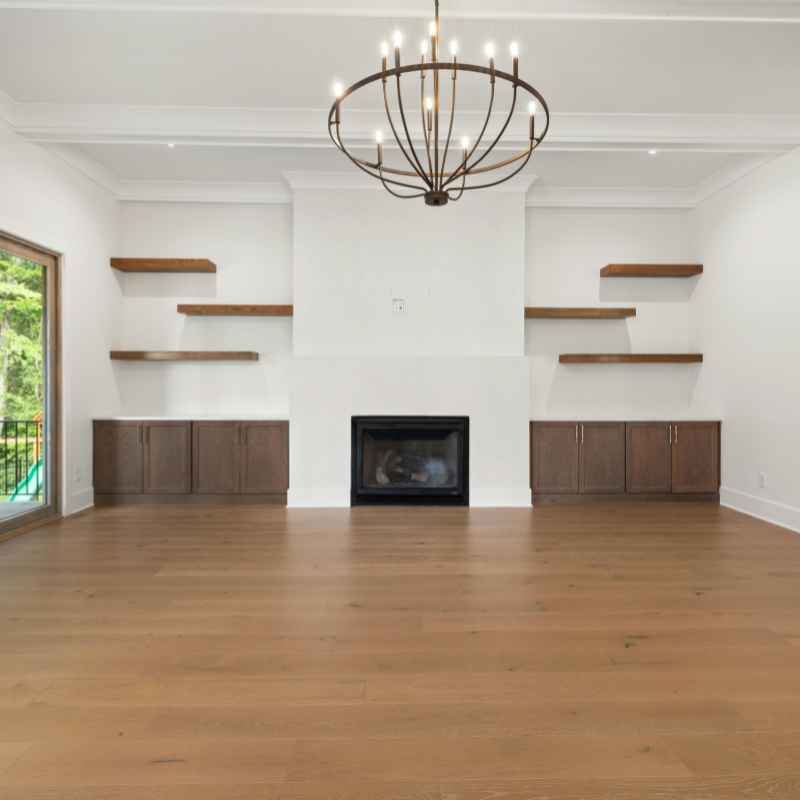
What To Look For In Engineered Wood Flooring: Full Guide
Engineered wood flooring combines a real wood veneer top layer with a composite core. This structure offers stability, durability, and the beauty of hardwood at a potentially lower cost and with more placement options, making it a versatile choice for many homes.
What Is Engineered Wood Flooring?
Engineered wood flooring is a type of real wood floor. It’s built in layers. The top layer is always a slice of real hardwood. This is the part you see and feel. It can be oak, maple, cherry, or many other types of wood. Underneath that top layer are other layers. These are usually made of plywood or high-density fiberboard (HDF).
These layers are glued together. They are pressed with a lot of force. This makes the flooring very strong. The layers run in different directions. This helps stop the wood from expanding or shrinking too much. It’s like a team working together to keep the floor stable. This makes it different from solid hardwood. Solid hardwood is just one thick piece of wood.
So, engineered wood has a real wood surface. But its core is built for strength. This combination is key to its performance. It aims to give you the best of both worlds. You get the look of real wood. You also get improved stability. This is especially helpful in places where solid wood might have problems.
The Layers Explained
Let’s look closer at what makes up engineered wood. Imagine a layered cake. Each layer has a job.
The top layer is the veneer. This is a thin piece of actual hardwood. Its thickness matters a lot. Thicker veneers mean you can sand and refinish the floor more times. Thinner veneers are less forgiving. This is often called the “wear layer.”
Below the veneer is the core. This is the heart of the engineered floor. It’s made of several layers. These layers are typically made from materials like:
Plywood: This is layers of wood glued together. The grain in each layer runs in a different direction. This cross-graining is what gives it strength. It resists warping and moisture.
HDF (High-Density Fiberboard): This is made from wood fibers. They are mixed with resins. Then they are pressed together under high heat and pressure. HDF is very dense and stable. It’s also quite resistant to moisture.
The number of core layers can vary. Some floors have three layers. Others might have five or even more. More layers can sometimes mean more strength. But the quality of the materials and how they are bonded is also very important.
The bottom layer is called the backer. This is usually a thin layer of wood or a stabilizing material. It helps balance the whole structure. It ensures the floor lies flat. It also adds another layer of protection against moisture from below.
Why Choose Engineered Wood?
There are many reasons why people choose engineered wood flooring. It’s a popular choice today. Here are some of the main benefits:
Stability: This is the biggest advantage. Engineered wood is much more stable than solid hardwood. It doesn’t expand or contract as much with changes in humidity. This means fewer gaps between planks. It also means less warping or cupping. This makes it suitable for a wider range of rooms.
Versatile Placement: Because it’s more stable, you can install engineered wood in places where solid hardwood can’t go. This includes basements. It can also be installed in rooms with more humidity, like bathrooms and kitchens. However, it’s still wood, so extreme wetness is not advised.
Real Wood Beauty: You get the genuine look and feel of hardwood. The top layer is real wood. So, it has natural grain patterns, knots, and variations. It looks and feels just like solid wood.
Cost-Effective: Often, engineered wood flooring is less expensive than solid hardwood. You get the natural wood look without the higher price tag of a thick, solid plank.
Easy Installation: Many types of engineered wood are designed for easier installation. Some click together. Others can be glued or even floated. This can save on installation costs if you plan to DIY.
Eco-Friendly Options: Some engineered wood floors use less premium hardwood. This can be a more sustainable choice. It uses resources more efficiently.
What to Look for: The Wear Layer
The wear layer is the real wood on top. This is what you’ll see every day. So, its quality is very important.
Thickness Matters
Wear layers are measured in millimeters (mm). They can range from about 0.5mm to 4mm or even more.
Thin Wear Layers (0.5mm – 1mm): These are very thin. They offer the look of wood but can’t be sanded much, if at all. If you get a scratch or dent, it might be there for good. These are often found on less expensive options.
Medium Wear Layers (1.5mm – 2mm): This is a common thickness. It gives you a good balance. You can usually sand and refinish it once or twice. This can help refresh the floor if it gets worn over time.
Thick Wear Layers (3mm – 4mm+): These are premium. They offer the most durability. You can sand and refinish them multiple times. This means the floor can last for many, many years. It’s an investment that can be renewed.
Think about how you use the room. High-traffic areas or homes with pets and kids might benefit from a thicker wear layer.
Wood Species and Grade
The type of wood used for the veneer also matters. Popular choices include:
Oak: Very common. Durable, classic look. Available in red and white oak.
Maple: Hard and smooth. Light color.
Walnut: Rich, dark color. Softer than oak.
Hickory: Very hard. Strong grain patterns.
The grade of the wood affects its appearance. Higher grades have fewer knots and more uniform color. Lower grades might have more character with knots and color variations. This is purely an aesthetic choice.
What to Look for: The Core Construction
The core is the unseen hero. It provides stability. How it’s made is crucial.
Plywood vs. HDF Core
Plywood Core: This is a very common and reliable option. The cross-graining makes it strong. It has good resistance to changes in temperature and humidity. It’s a tried-and-true method.
HDF Core: Floors with HDF cores can be extremely stable. HDF is very dense. It often has excellent resistance to moisture and impact. Some HDF cores also have built-in underlayment. This can help with sound dampening and comfort.
Both are good choices. The quality of the glue and the pressing process are vital for either type.
Number of Layers
As mentioned, floors can have different numbers of core layers. More layers generally mean more strength. But again, quality is key. A well-made 3-layer core can be better than a poorly made 5-layer core.
Board Width and Length
Engineered wood comes in many widths. Narrower boards (3-5 inches) give a classic look. Wider boards (7 inches and up) offer a more modern, spacious feel.
The length of the planks also plays a role. Longer planks can make a room feel bigger. Shorter planks can create a more traditional pattern.
What to Look for: The Finish
The finish is the protective coating on the wear layer. It shields the wood from daily wear and tear. It also affects the look.
Types of Finishes
There are two main types of finishes:
Surface/Film Finishes: These sit on top of the wood. They are very durable. They protect well against scratches and spills. Common types include:
Polyurethane: This is the most common. It’s tough and provides a good seal. It can be water-based or oil-based. Water-based is usually clearer and has less odor. Oil-based can be more durable but has a stronger smell.
Aluminum Oxide: This is a super-hard material added to polyurethane. It makes the finish incredibly resistant to abrasion. Many high-quality engineered floors use aluminum oxide. It’s excellent for high-traffic areas.
Penetrating/Hardwax Oil Finishes: These soak into the wood. They protect from within. They give a more natural, matte look. They feel softer underfoot. They are easier to repair locally. If you scratch a small area, you can often sand just that spot and re-oil it. However, they generally require more maintenance. You’ll need to re-oil them periodically.
Sheen Levels
Finishes come in different levels of shine:
Matte: Very low shine. Looks natural and hides dust well.
Satin: A soft sheen. A popular middle ground.
Semi-Gloss: Noticeable shine. Reflects more light.
High-Gloss: Very shiny. Reflects a lot of light. Can show imperfections and footprints.
Choose a sheen that matches your style and how you want the room to feel. Matte and satin are very popular for their natural look.
UV Curing
Most modern finishes are UV-cured. This means they are cured with ultraviolet light. This makes the finish harder and more durable. It happens in the factory. This process is much better than air-drying finishes.
What to Look for: Installation Methods
How the floor is installed impacts its performance and cost.
Glue-Down
In this method, an adhesive is spread on the subfloor. The engineered wood planks are then pressed into the glue.
Pros: Creates a very solid, quiet floor. Reduces movement. Good for large areas. Can be used over radiant heating.
Cons: Can be messy. Requires a clean, dry subfloor. More difficult for DIYers.
Nail-Down
This method uses nails or staples to secure the planks to a wooden subfloor.
Pros: Very secure. Traditional method.
Cons: Only works over wooden subfloors. Requires special tools. Not suitable for concrete or basements.
Floating Floor
This is the most common DIY method. The planks are not attached to the subfloor. Instead, they are locked together using a click-lock system. The floor “floats” on top of an underlayment pad.
Pros: Easy for DIY. Can be installed over many subfloors (concrete, existing floors). Can be removed and reinstalled.
Cons: Can sometimes feel less solid. May creak if subfloor isn’t perfectly flat.
Click-Lock Systems
Most floating floors use a click-lock mechanism. The edges of the planks interlock. This is often called “unilin” or “fold-down.” It makes installation quick and easy.
What to Look for: Durability and Maintenance
How long will your floor last? How much work will it be?
Janka Hardness Rating
The Janka hardness test measures how well wood resists denting. It’s measured in pounds-force (lbf). Higher numbers mean harder wood.
Oak: Around 1290 lbf
Maple: Around 1450 lbf
Hickory: Around 1820 lbf
Bamboo (strand-woven): Can be over 3000 lbf
While the Janka rating applies to solid wood, the veneer on engineered flooring is the same wood. A harder wood veneer will resist dents better.
Scratch Resistance
The finish plays a huge role here. Aluminum oxide finishes are the best for resisting scratches. Even with a good finish, sharp objects or grit can cause scratches.
Moisture Resistance
Engineered wood is more resistant to moisture than solid hardwood. The layered core helps it stay stable. However, it’s not waterproof. Standing water can still cause damage. Avoid using excessive water when cleaning. Always wipe up spills quickly.
Maintenance
Maintenance is usually simple:
Sweep or vacuum regularly: Use a soft brush attachment.
Damp mop: Use a well-wrung-out mop. Use a wood floor cleaner recommended by the manufacturer. Avoid steam mops.
Protect from furniture: Use felt pads under chair legs and furniture feet.
Wipe spills immediately: Don’t let liquids sit on the floor.
Use mats at entrances: This traps dirt and grit before it gets on the floor.
Real-World Context and Scenarios
Let’s see where engineered wood shines.
The Busy Family Kitchen
Imagine a kitchen. Spills are common. Kids might drop toys. Pets might track in dirt. A solid hardwood floor might warp or cup in a humid kitchen. But engineered wood, with its stable core, handles this much better. A durable aluminum oxide finish can stand up to dropped utensils or a playful dog’s nails. The ability to install it over concrete subfloors is also a big plus for many kitchens.
The Basement Renovation Project
Basements can be damp. They are below ground. Solid hardwood is generally not recommended for basements due to moisture concerns. Engineered wood, however, is a great option. Its stable construction means it’s less likely to react badly to higher humidity. You can still get that beautiful wood look without the risk of damaging solid wood.
The Apartment Dweller’s Dream
In apartments, soundproofing is often a concern. Engineered wood, especially when installed as a floating floor over a good quality underlayment, can help reduce noise transfer between floors. It also offers a beautiful upgrade over standard apartment carpeting or vinyl. The click-lock system makes it a popular choice for renters who might be allowed to install it.
The Eco-Conscious Homeowner
Some engineered wood products are made with sustainably sourced wood. They also use less premium hardwood for the veneer. This can make it a greener choice compared to solid hardwood floors that require thicker, more resource-intensive planks. Always look for certifications if this is a priority.
What This Means for You
Understanding engineered wood helps you make a smart choice.
When Is It Normal?
It’s normal for engineered wood to:
Have slight color variations. This is natural wood character.
Show minor grain patterns and knots. This is part of its beauty.
Expand and contract slightly* with big temperature swings. This is why expansion gaps are needed at walls.
Sound a little different than solid hardwood if installed as a floating floor. A good underlayment helps a lot.
When to Worry?
You should be concerned if:
Planks are cupping upwards or bowing significantly. This could indicate excessive moisture.
There are large, unexplained gaps appearing between planks. This might mean the floor is reacting too much to humidity.
The finish is peeling or chipping off in large areas. This could be a manufacturing defect.
There are signs of mold or mildew. This is a serious moisture problem.
Simple Checks to Make
Before buying, ask about:
Wear layer thickness: Is it thick enough for your needs?
Core material: Is it plywood or HDF? Both can be good.
Finish type and durability: Does it have aluminum oxide?
Warranty: What does it cover? For how long?
Installation instructions: Does it fit your subfloor and desired method?
Quick Fixes & Tips
While engineered wood is durable, a little care goes a long way.
Keep pets’ nails trimmed. This reduces scratches significantly.
Use rugs in high-traffic areas. Entryways, hallways, and living room seating areas can benefit.
Wipe up spills immediately. Even a few minutes can make a difference.
Avoid harsh chemicals. Stick to cleaners made for wood floors.
Consider a professional installation. If you’re unsure, this ensures the floor performs as it should.
Frequently Asked Questions
Is engineered wood flooring really wood?
Yes, absolutely! The top layer of engineered wood flooring is made of real hardwood veneer. This means you get the authentic look, feel, and beauty of solid wood. The difference is in its construction, which uses layers underneath for added stability.
Can I install engineered wood in my bathroom?
Engineered wood is much more moisture-resistant than solid hardwood. This makes it a viable option for bathrooms. However, it is not waterproof. You must wipe up any standing water immediately. Avoid installing it in areas that get very wet, like a shower floor.
How many times can I refinish engineered wood?
This depends on the thickness of the wear layer. Floors with thicker wear layers (3mm or more) can often be sanded and refinished two or three times. Floors with thinner wear layers may only be refinished once, or not at all. Always check the manufacturer’s specifications.
Is engineered wood better than laminate flooring?
Engineered wood has a real wood veneer on top, giving it a more authentic wood look and feel. Laminate flooring is a synthetic product with a photographic image of wood. While laminate is very durable and often more affordable, engineered wood offers a premium aesthetic and can be refinished.
What is the difference between engineered wood and solid hardwood?
Solid hardwood is made from a single piece of wood. Engineered wood has a top layer of real wood veneer bonded to multiple layers of composite material like plywood or HDF. This layered construction makes engineered wood more stable and resistant to moisture and temperature changes.
Can I use a robot vacuum on engineered wood floors?
Yes, robot vacuums are generally safe for engineered wood floors. Ensure it has soft brushes that won’t scratch the finish. Avoid vacuums with very aggressive beater bars. Always check your flooring manufacturer’s recommendations.
Conclusion
Choosing engineered wood flooring means opting for a beautiful, stable, and versatile floor. By understanding the wear layer, core construction, and finish, you can select a product that perfectly fits your home. It offers the timeless appeal of real wood without some of the limitations of solid hardwood. With the right choice and care, your engineered wood floor will be a joy for years to come.
Sponsored / affiliate links. As an Amazon Associate I earn from qualifying purchases. I may earn additional commission from eligible campaigns.
 63PCS Laminate Wood Flooring Installation Kit, Vinyl/LVP Flooring Tools, Tapping Block with Double-Sided Notches, Pull Bar, Floor Spacers, Rubber Mallet
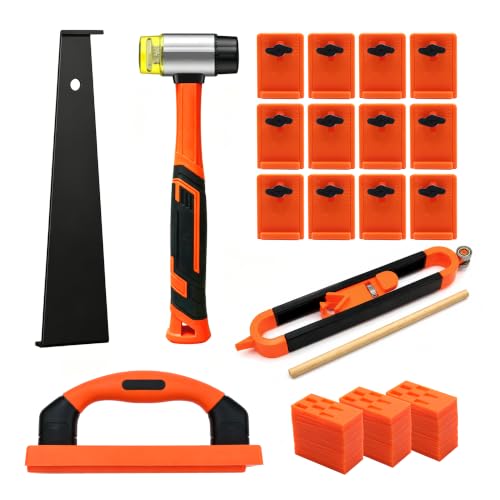 WXINOYU Laminate Wood Flooring Installation Kit, Vinyl/LVP Flooring Tools,Tapping Block with Handle,Pull Bar,Rubber Mallet,Floor Spacers,12-Pack Upgraded Spacers,Contour Scribe Tool,Floor Gap Fixer