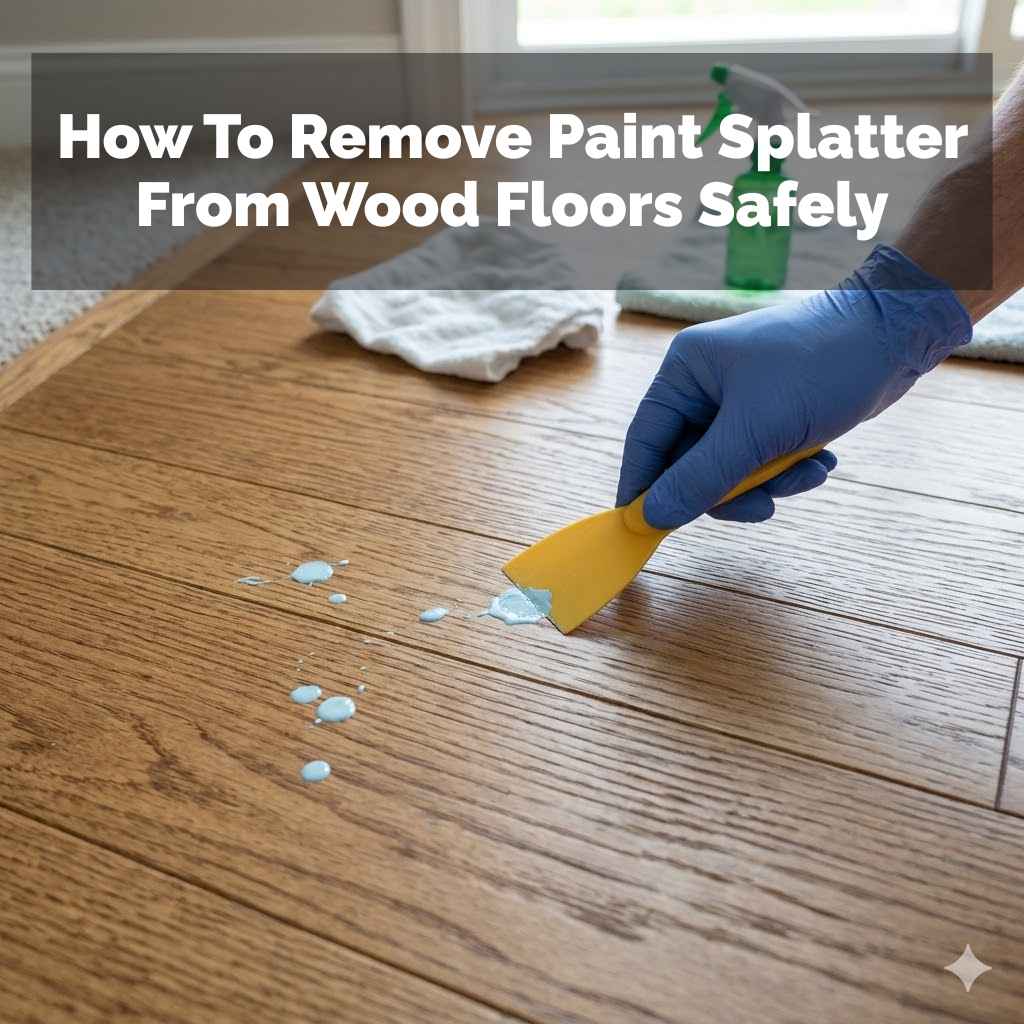
How To Remove Paint Splatter From Wood Floors Safely
Removing paint splatter from wood floors requires gentle methods to avoid damaging the finish. Start with the mildest approach and work up if needed. Success depends on the type of paint, how long it’s been there, and the wood’s finish.
Understanding Paint Splatter on Wood Floors
Paint splatter happens. It’s often small drops or streaks of wet paint. These can land on your floor when you’re painting walls, furniture, or even items near the floor.
The key issue is how quickly you address it and what kind of paint it is. Dried paint is harder to remove than wet paint.
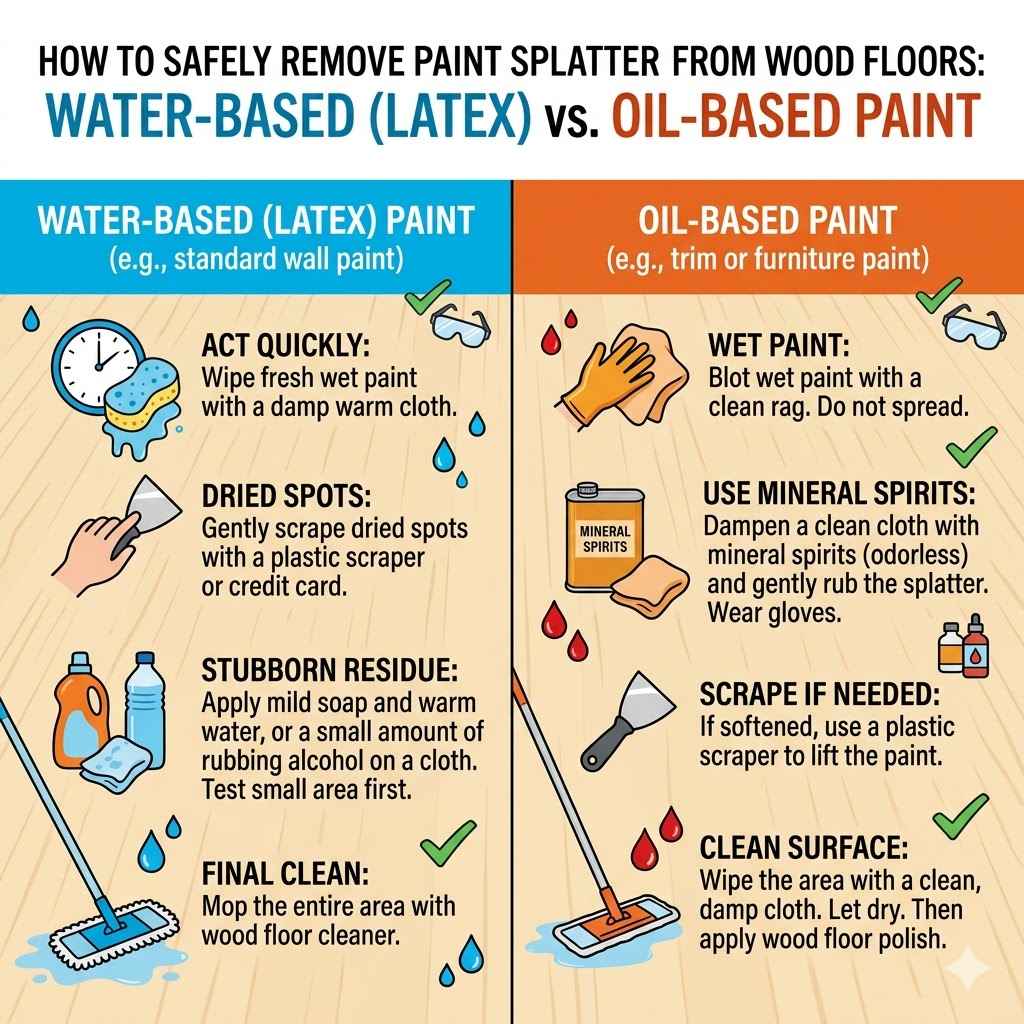
Different types of paint behave differently. Latex or water-based paints are generally easier to clean. Oil-based paints can be trickier and might need a bit more effort.
The finish on your wood floor also plays a big role. A tough polyurethane finish can handle more gentle scrubbing than an older, softer wax finish.
Many people worry about scratching the wood. This is a valid concern. Using the wrong tools or harsh chemicals can strip away the protective layer.
This leaves the wood itself open to damage. We want to avoid that. The goal is to lift the paint without lifting the finish.
My Own Paint Splatter Scare
I remember one time, I was painting a bookshelf in my living room. I thought I had covered the floor well with old sheets. But a rogue splash, a direct hit, landed right in the middle of my oak floor.
It was a bright blue, and my floor is a warm, natural tone. My heart sank. It looked so out of place.
I froze for a second, imagining the worst. Would I have to sand it down? Could I live with a blue polka dot?
My first instinct was to grab some strong cleaner. But then I remembered all the articles I’d read about wood floor care. I took a deep breath and decided to be smart about it.
I grabbed a damp cloth and gently tried to wipe it. It smeared a little. Then I looked closer.
It was drying fast. This is when the real work began.
Paint Splatter: Quick Facts
Type of Paint: Latex (easier) vs. Oil-based (harder).
Wood Finish: Polyurethane (tougher) vs. Wax (delicate).
Speed Matters: Fresh splatters are much easier to remove.
Gentle First: Always start with the mildest cleaning method.
The First Line of Defense: Acting Fast
When paint splatters happen, speed is your best friend. If the paint is still wet, you have a golden opportunity. The goal is to lift as much as possible before it dries and bonds to the floor finish.
For fresh latex or water-based paint, a damp cloth is often all you need. Don’t rub hard. Just gently blot or wipe the splatter.
You want to lift the paint, not push it around or into the wood grain. If it smears, that’s okay. You can try to wipe up the smear with a clean part of the cloth.
For wet oil-based paint, a damp cloth might not be enough. You might need a cloth slightly dampened with a painter’s mineral spirits. But be very careful here.
Mineral spirits can damage some finishes. Test it in an inconspicuous spot first. Always use them in a well-ventilated area.
Open windows and doors.
This first step is crucial. It removes the bulk of the paint. It makes the rest of the cleaning process much simpler.
Even if you can’t get it all, removing most of the wet paint significantly reduces the risk of damage.
Step-by-Step: Removing Dried Latex Paint
Dried latex paint is common. This is where most people run into trouble. They scrub too hard and damage the floor.
We need patience and the right tools.
Gather Your Supplies
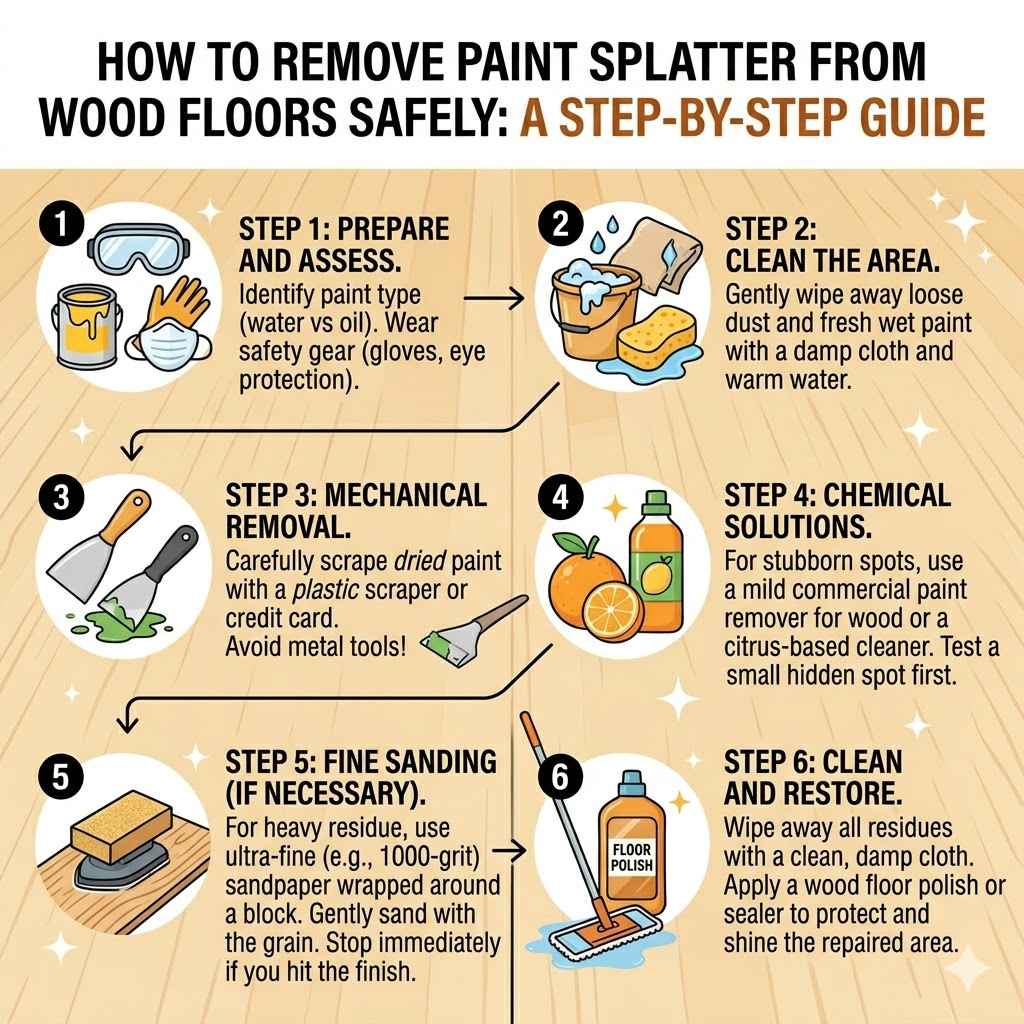
Before you start, get everything ready. This makes the process smoother. You’ll need:
- Soft cloths (microfiber is great)
- Warm water
- A mild dish soap (like Dawn)
- A plastic scraper or an old credit card
- Optional: A specialized wood floor cleaner
The Gentle Approach
First, try warm water and a soft cloth. Dampen the cloth, not soaking wet. Gently rub the dried paint splatter.
For latex paint, it might start to soften and lift with gentle friction.
If water alone isn’t working, add a tiny drop of mild dish soap to your damp cloth. Make sure to wring out the cloth well so it’s not dripping. Dish soap can help break down the paint.
Continue to rub gently. You are trying to coax the paint off.
Introducing the Scraper
If rubbing doesn’t do the trick, it’s time for a scraper. Use a plastic scraper or an old credit card. Avoid metal scrapers.
They will scratch your floor. Hold the scraper at a very low angle. Slide it under the edge of the paint splatter.
Try to lift the paint off.
Work slowly and carefully. You are aiming to get under the paint, not dig into the wood. If the paint is stubborn, you can try applying a little more warm, soapy water to the spot.
Let it sit for a minute to help soften the paint. Then try scraping again.
This part requires a steady hand. It’s a bit like carefully peeling a sticker. The more of the paint you can lift at once, the better.
You don’t want to leave little paint flakes behind. After scraping, wipe the area with your damp cloth to remove any remaining residue.
Wood Floor Cleaners
If DIY methods aren’t cutting it, a cleaner designed for wood floors might be the answer. Look for one that is safe for finished wood. Follow the product instructions carefully.
Often, you’ll apply the cleaner to a cloth, not directly to the floor. Then you’ll gently wipe the paint.
Always test any new cleaner in a hidden spot first. This is very important. You want to be sure it won’t discolor or damage your floor’s finish.
After cleaning, wipe the area with a clean, damp cloth to remove any cleaner residue. Then dry it with a soft, dry cloth.
Latex Paint Removal: Key Steps
- Damp Cloth: Start with warm water and a soft cloth.
- Soapy Water: Add a tiny bit of mild dish soap if needed.
- Plastic Scraper: Use a plastic tool at a low angle to lift paint.
- Wood Floor Cleaner: Try a specialized cleaner if other methods fail.
- Test First: Always test cleaners in an unseen area.
Tackling Dried Oil-Based Paint Splatter
Oil-based paints are more stubborn. They don’t soften with water. They often require a solvent to break them down.
This is where you need to be extra cautious about your floor’s finish.
Supplies for Oil-Based Paint
You’ll need many of the same things as for latex paint, plus:
- Paint thinner or mineral spirits (check your paint can for recommendations)
- A clean, lint-free cloth
- Gloves (to protect your hands)
- Good ventilation (open windows, use fans)
Testing the Solvent
This is the MOST important step. Before you apply any solvent to the splatter, test it in an inconspicuous area. Under a rug or in a corner.
Apply a small amount of the solvent to a cloth. Gently rub the test spot on your floor. Wait a few minutes.
Check for any discoloration, dulling, or softening of the finish.
If the finish looks okay, you can proceed. If it damages the finish, you’ll need to try a different, milder solvent or consider professional help. Some finishes are sensitive to even mild solvents.
Applying the Solvent
Put on your gloves. Dampen a clean cloth very lightly with the solvent. You do not want to soak the cloth.
You also don’t want to pour solvent directly onto the floor. This can seep into the wood or damage the finish over a larger area.
Gently dab the solvent onto the oil-based paint splatter. Let it sit for a minute or two. The solvent should start to soften the paint.
Do not let the solvent sit for too long. It can damage the finish.
Use a clean part of the cloth to gently wipe away the softened paint. You may need to repeat this process a few times. Be patient.
It’s better to do it slowly and carefully than to rush and damage your floor.
Once the paint is removed, use a separate clean cloth dampened with plain water to wipe the area. This removes any solvent residue. Then, dry the spot thoroughly with a soft, dry cloth.
You may want to use a wood floor polish or conditioner on the cleaned area afterwards to restore shine and protection.
Oil-Based Paint Removal: Safety First
- Ventilation: Always work in a well-ventilated area.
- Gloves: Protect your skin from solvents.
- Test Spot: ALWAYS test solvents in a hidden area first.
- Dampen Cloth: Never pour solvent directly on the floor.
- Work Quickly: Don’t let solvents sit on the finish for too long.
What About Stubborn or Old Paint?
Sometimes, paint splatters have been there for a long time. They are baked on and incredibly hard. In these cases, you might need to be a bit more aggressive, but still careful.
The Power of Heat (with Caution)
A hairdryer can sometimes help soften old, stubborn paint. Set it to a low or medium heat. Hold it a few inches away from the paint splatter.
Move it back and forth to avoid overheating one spot. After a minute or two, try to gently scrape the softened paint with your plastic scraper.
This method works best on latex paint. Be cautious with heat on any wood floor, as too much can damage the finish or even the wood itself. Never use a heat gun; a hairdryer is safer.
Specialty Paint Removers
There are commercial paint removers available. Some are designed for wood or delicate surfaces. Always read the label carefully.
Ensure it’s safe for finished wood floors. Like with solvents, test any product in an inconspicuous area first.
These products can be effective but may also be harsh. Follow the instructions precisely. If the paint is very old and deeply ingrained, you might be looking at a more involved repair, like touching up the finish or even sanding and refinishing a small section.
Old Paint Splatter Strategies
Heat: Use a hairdryer on low/medium heat to soften old paint. Scrape gently.
Specialty Removers: Look for products safe for finished wood floors. Test first!
Professional Help: For deeply ingrained or large splatters, consider a pro.
Real-World Context: When Splatters Happen
Think about where these splatters usually appear. Often, they happen during active renovations or DIY projects. That’s why it’s essential to protect your floors before you start painting.
Habits: People might remove shoes indoors, which is great for floor cleanliness. But if you’re painting, shoes off means paint can transfer directly to socks or feet, then to the floor. Wearing dedicated “painting shoes” or covering your socks can help.
Design: Floors with a very glossy, hard finish like polyurethane tend to be more resilient to minor paint splatters than floors with a matte, softer finish or natural oil/wax finishes. Newer floors are often more forgiving.
User Behavior: Rushing is a big factor. When people are trying to finish a painting job quickly, they might not be as careful with drips. Or they might step in wet paint without realizing it.
Being mindful and taking an extra minute can save a lot of cleaning time later.
What This Means for You: Normal vs. Concerning
When you see paint splatter, here’s a simple way to think about it:
When it’s normal:
- Small, fresh latex splatters you catch right away.
- A few tiny, dried latex specks you can gently scrape off.
- Oil-based splatters you remove with minimal solvent after testing.
When to worry:
- Large, old oil-based splatters that don’t budge.
- When any cleaning attempt makes the floor finish look dull, discolored, or damaged.
- If you have an antique or very delicate wood floor finish.
- When you’ve tried multiple methods and the paint remains.
Simple checks:
- Look at the floor finish closely. Is it intact after cleaning?
- Does the color look the same?
- Does it feel smooth or is there a rough patch where the paint was?
If the finish is compromised, you might need a wood floor restorer. For small damage, sometimes a touch-up kit for your floor’s finish can work. For larger issues, a professional might be best.
Quick Scan: Paint Splatter Check
Symptom: Fresh latex splatter
Action: Damp cloth. Usually resolves.
Symptom: Dried latex splatter
Action: Gentle scraping, maybe mild soap.
Symptom: Fresh oil splatter
Action: Solvent (test first!) on cloth.
Symptom: Old, tough splatter
Action: Heat (hairdryer), specialty remover, test carefully.
Worry Sign: Floor finish changes color or texture.
Action: Stop cleaning, consult a pro.
Quick Fixes and Preventive Tips
While this article focuses on removal, prevention is key. A few smart habits can save you a lot of hassle.
Protect Your Floors: Always use drop cloths or old newspapers. Extend them well beyond the painting area. Consider painter’s tape to secure edges.
Wear Protective Gear: If you’re not wearing shoe covers or old shoes you don’t care about, be extra mindful of where you step.
Keep Supplies Handy: Have a damp cloth and a plastic scraper nearby when you paint. This way, you can tackle splatters immediately.
Clean Up Spills Quickly: If you use a brush or roller and it drips, wipe it up on a rag, not your floor.
Ventilation Safety: Ensure good airflow. This helps paint dry faster but also makes the air safer if you need to use solvents later.
Know Your Paint: Understand if you’re using water-based or oil-based paint. This dictates your cleanup tools and any solvents you might need.
Know Your Finish: If you’re unsure about your floor’s finish, err on the side of caution. Always test any cleaning solution in an hidden spot.
Frequently Asked Questions
Can I use nail polish remover to get paint off my wood floors?
Nail polish remover usually contains acetone, which is a strong solvent. It can easily damage or strip the finish from your wood floors. It’s best to avoid it and use gentler methods or solvents specifically recommended for wood floors.
Always test any product in an inconspicuous area first.
What’s the difference between latex and oil-based paint for cleaning?
Latex paint is water-based. It softens with water and mild soap. Oil-based paint is tougher.
It usually needs a solvent like mineral spirits or paint thinner to soften and remove it. Latex is generally easier to clean without damaging the floor finish.
How long can paint stay on wood floors before it’s permanent?
Paint doesn’t typically become “permanent” on finished wood floors, but the longer it stays, the harder it is to remove. Dried paint bonds to the finish. Old, dried paint can be very difficult to lift without risking damage to the wood floor’s protective coating.
Acting quickly is always best.
Is it okay to scrub the paint splatter hard?
No, you should not scrub hard. Scrubbing too hard, especially with abrasive materials, can scratch the wood floor’s finish. This can dull the surface or even remove the finish entirely.
Always use gentle motions and soft cloths. Use a plastic scraper with a light touch if needed.
My wood floor finish looks dull after removing paint. What can I do?
If the finish looks dull, the paint removal process may have slightly dulled or removed some of the protective coating. You can try using a wood floor polish or restorer designed for your floor type. This can help bring back the shine and provide a little extra protection.
For significant dulling, professional refinishing might be needed.
Can I use vinegar to remove paint splatter?
While vinegar is a mild acid and can be useful for some cleaning tasks, it’s generally not recommended for removing paint from finished wood floors. It can potentially damage or dull the finish over time. Stick to methods like warm water, mild soap, or specialized wood floor cleaners.
Always test any new cleaner.
Final Thoughts
Dealing with paint splatters on wood floors can be stressful. But with the right approach, you can usually clean them up safely. Remember to act fast, use gentle methods first, and always test any cleaning product or solvent in a hidden spot.
Your beautiful floors are worth the patience and care.
Sponsored / affiliate links. As an Amazon Associate I earn from qualifying purchases. I may earn additional commission from eligible campaigns.