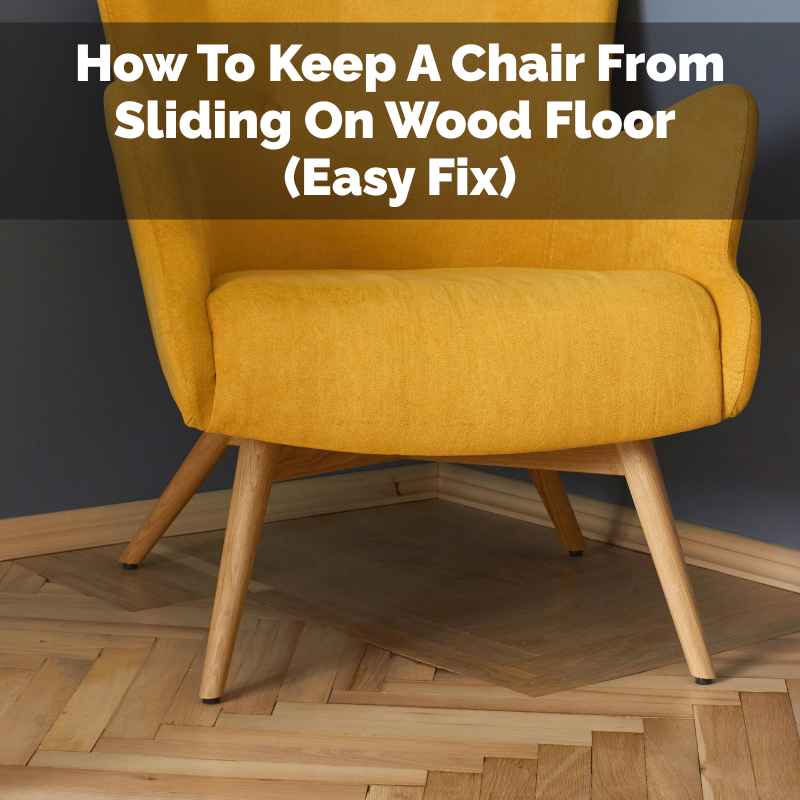
How To Keep A Chair From Sliding On Wood Floor (Easy Fix)
It’s a little thing, isn’t it? A chair that just keeps scooting away when you stand up. Or maybe it slides when your kids push off from the table.
It might seem small, but this can be super annoying. It’s also bad for your nice wood floors. Scratches and dents can start appearing fast.
You want your home to feel safe and look good. This constant sliding takes away from that. We’ve all been there, feeling a little jiggle when we expect solid ground.
Let’s figure out how to get those chairs to stay put. This guide will show you easy ways to fix it.
Chairs sliding on wood floors is a common problem that can lead to floor damage and inconvenience. This article explores simple, effective solutions to stop your chairs from moving, ensuring stability and protecting your beautiful hardwood surfaces.
What is Chair Slide and Why It Happens
Chair slide is when a chair moves by itself on a hard floor. This usually happens on wood floors. It can also happen on tile or laminate.
The bottom of the chair legs is the main cause. Many chair legs have smooth bottoms. They might be bare wood, plastic, or metal.
There’s not much grip there. When you push or pull the chair, it moves easily. Even a slight tilt can make it slide.
Small bumps can also cause movement.
The floor surface plays a big role. Wood floors, even with a finish, can be quite smooth. The cleaner and shinier the floor, the more it might slide.
Dust and dirt can sometimes act like tiny ball bearings. They get under the chair leg. This makes it even easier to move.
The weight of the person in the chair matters too. More weight means more pressure. But even light chairs can slide if the bottom is slick.
Think about it like this: you’re wearing smooth-soled shoes on a polished floor. It’s easy to slip and slide, right? A chair leg with no grip is the same.
It lacks the friction needed to stay in place. This is why we need to add something to the bottom of the legs. Something that grabs the floor better.
It needs to create more friction.
We often see this with dining chairs. People push them in and pull them out a lot. Office chairs with wheels are a different story.
But even those can slide if the wheels are on a smooth surface. The goal is to create a stable connection between the chair and the floor. This stops unwanted movement and keeps your floors looking great.
It’s about finding the right material and attachment.
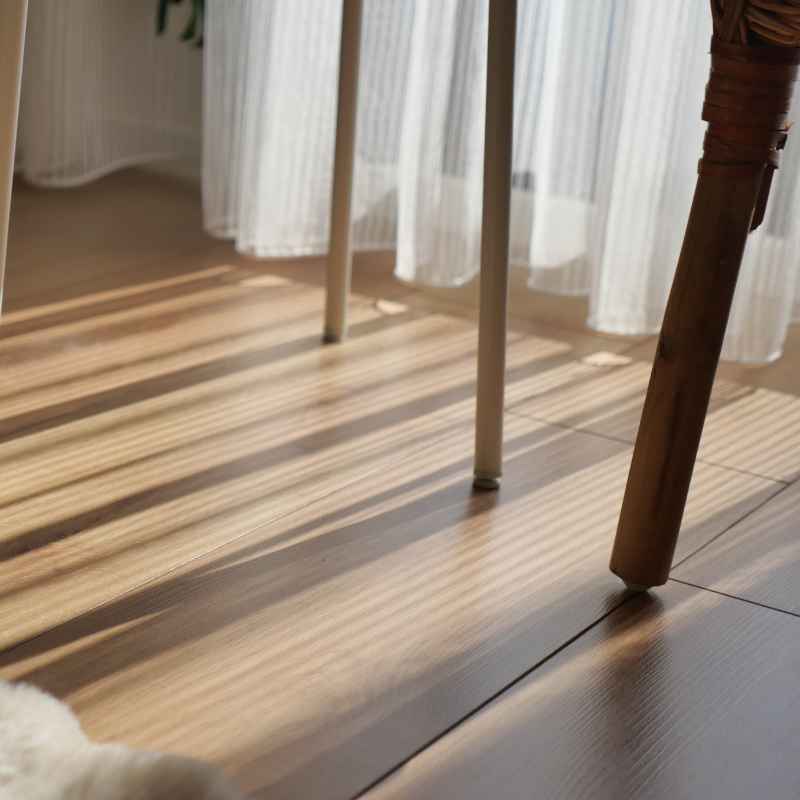
My Own Chair Sliding Nightmare
I remember one evening, I was trying to enjoy a quiet dinner. I had just put a new rug in the dining room. It looked beautiful.
But the chairs were a different story. Every time I’d lean back slightly, the chair would scoot back. It felt like I was on a little boat.
It was so distracting. I’d have to constantly pull my chair forward. My husband kept saying, “What’s with the chair?”
Then, one of the kids, in their excitement, pushed off from the table a little too hard. Their chair slid a good foot back. They nearly fell.
That’s when I thought, “Okay, this is not just annoying, it’s a safety issue.” I looked at the bottoms of my chair legs. They were just bare wood. Smooth as could be.
It made perfect sense why they were sliding.
I felt a mix of annoyance and panic. Annoyance at the constant movement. Panic at the thought of the scratches I might already be causing on my new floors.
I could almost feel the tiny scrapes happening. I wanted a quick fix. Something that wouldn’t ruin the look of the chairs or the floor.
I started looking around online. I saw a lot of complicated ideas. But I just wanted something simple.
That night, after dinner, I sat with a few different options. I tried some felt pads I had. They helped a little, but they wore out fast.
Then I found some rubber caps. They seemed much better. It was a small change, but it made a huge difference.
No more sliding. No more scary moments. Just stable chairs.
It felt so good to have that peace of mind back. And my floors were safe again.
Chair Leg Types and Their Tendency to Slide
Bare Wood Legs: Very smooth. Slide easily. Common on older or simple furniture.
Metal Legs: Can be smooth or have rubber tips. Smooth metal slides a lot. Needs protection.
Plastic Legs: Some have felt. Others are slick. Can scratch floors.
Upholstered Legs: Fabric can sometimes grip. But can also snag and wear down.
Painted/Varnished Legs: The finish makes them smooth. Similar to bare wood.
Understanding Your Chair Legs and Floor Type
Before you pick a solution, it helps to know what you’re dealing with. Look closely at your chair legs. What are they made of?
Are they wood, metal, plastic? Do they have any pads already? Are these pads worn out or missing?
For example, a chair with bare metal legs is going to be a lot more slippery than one with plastic glides. Some metal legs might have a rubber cap that’s supposed to help. But if that cap is gone or cracked, it’s no better than plain metal.
You need to see what’s there. Is it helping at all?
Your wood floor matters too. Is it a very glossy, polished finish? Those floors are more prone to sliding.
Or is it a more matte, natural finish? Even a matte finish can be slippery with the wrong chair leg. The type of wood and its sealant can also play a part.
Generally, the smoother the floor, the more you’ll need grip on your chair legs.
Consider the shape of the leg. Is it a square leg? A round leg?
A leg with a curve? Some solutions work better for certain shapes. For instance, a simple felt pad might work for a straight leg.
But a curved leg might need a special cap. Getting the right fit is key. It ensures the protective material stays on and works best.
Think about how you use the chairs. Are they used daily at a dining table? Do they get pushed in and out many times a day?
Or are they more for occasional use in a guest room? Heavy use means you need a durable solution. Something that won’t wear out in a week.
Lighter use might allow for simpler options.
It’s also worth checking if there’s any existing damage. Are there already light scratches or dents? This tells you the sliding is a real problem.
You need to act before it gets worse. Knowing your chair legs and your floor helps you choose the best way to stop the slide. It’s like picking the right tool for the job.
You want the one that fits perfectly.
Quick Floor Check:
- Glossy Finish: More likely to slide.
- Matte Finish: Still can slide, but maybe less.
- New Floors: Often have slicker finishes.
- Old Floors: Finish might be worn, but still smooth.
The Best Solutions for Stopping Chair Slide
There are many ways to stop chairs from sliding on wood floors. Some are very simple. Others require a little more effort.
The best one for you depends on your chairs, your floors, and your budget.
Felt Pads: The Go-To Choice
Felt pads are very popular. They are thin pieces of felt. They stick to the bottom of chair legs.
They work by adding a soft layer. This layer creates friction. It also helps the chair glide smoothly when you want it to.
But more importantly, it stops that uncontrolled sliding. Felt pads are great for dining chairs. They are easy to find and use.
You can buy them in many shapes and sizes. They often come with strong adhesive backs. Just peel and stick.
Make sure the chair leg is clean and dry first. Press the pad on firmly. For best results, pick a pad size that covers most of the leg bottom.
You want good contact with the floor.
The main downside of felt is that it wears out. Especially with heavy use. Dirt and grit can get into the felt.
This makes it less effective. And it can even start scratching your floor. You’ll need to check them regularly.
Replace them when they look worn or dirty. I usually replace mine every few months.
Felt Pad Pros and Cons:
Pros:
- Very affordable and widely available.
- Easy to apply.
- Come in many sizes and shapes.
- Protect floors from scratches when new.
Cons:
- Wear out over time, especially with heavy use.
- Can collect dirt and debris, leading to scratches.
- Need regular replacement.
Rubber or Silicone Caps: A More Durable Option
These are like little boots for your chair legs. They slip over the bottom of the leg. They are usually made of rubber or silicone.
These materials have great grip. They create a lot of friction. This makes it very hard for the chair to slide.
They are often more durable than felt pads.
They come in various sizes. You need to measure your chair legs. Then find caps that fit snugly.
If they are too loose, they will fall off. If they are too tight, they might split. They are great for round or square legs.
Some are designed for specific leg shapes.
The advantage is their long-lasting grip. They don’t wear down as quickly as felt. And they don’t collect dirt in the same way.
They are also easy to clean. If they get dusty, you can just wipe them. This makes them a good choice for busy homes.
I’ve found these work really well for a long time.
Rubber Cap Quick Guide:
How to Choose: Measure leg diameter or width. Ensure a snug fit.
Best For: Heavy use, kids’ areas, active households.
Maintenance: Wipe clean as needed. Check for tears.
Furniture Sliders: For Easy Moving
Furniture sliders are a bit different. They are usually made of felt, plastic, or a combination. They are designed to help you move furniture easily.
You place them under the legs. Then you can slide the furniture across the floor with less effort. They are great for moving heavy items like sofas or beds.
For chairs, they can work too. But they are designed for gliding. This means they might not stop all sliding.
They are more about controlled movement. Some sliders have a felt side and a plastic side. You’d want the felt side facing the floor for grip.
But they are not always the best for preventing accidental slides.
If your main issue is moving chairs out from a table without scratching, sliders are good. But if you want the chair to stay put when you get up, they might not be the ultimate solution. They are often used for very heavy furniture.
For lighter chairs, they might be overkill or not effective enough for stopping slide.
Slider Style Insights:
Purpose: Ease of movement, floor protection during moves.
How They Work: Create a low-friction surface.
Best Use Case: Moving heavy furniture infrequently. Less ideal for stopping chair drift.
DIY Solutions: For a Quick Fix
Sometimes, you need a fix right now. You might not have special pads. You can improvise.
Old socks can work in a pinch. Cut off the foot part. Slip them over the chair legs.
This adds a layer of fabric. It’s not very pretty. And it won’t last long.
But it stops the slide temporarily.
Another common DIY trick is using cork. You can cut small circles of cork. Then glue them to the bottom of the legs.
Cork has a good grip. It’s also soft enough to protect floors. You just need to make sure they are glued on well.
And that the cork is thick enough.
You can also use felt scraps. If you have an old felt hat or blanket, you can cut pieces. Use a strong glue to attach them.
Just be sure the glue doesn’t seep onto the floor. Or make the bottom of the leg uneven. DIY is great for a temporary fix.
Or if you’re on a very tight budget. But for long-term, a proper product is usually better.
DIY Fix Contrast Matrix:
Myth: Any old material will work.
Reality: Some materials offer better grip and floor protection.
Myth: DIY is always cheaper.
Reality: Quality solutions are affordable and last longer.
Myth: DIY solutions look bad.
Reality: With care, DIY can be neat and effective.
Real-World Context: Where and Why Chairs Slide
Chair sliding happens in many places. The dining room is a big one. Every time someone gets up or sits down, the chair moves.
This is especially true with kids. They might push off the table. Or rock their chair.
This constant movement adds up.
In the kitchen, it’s similar. Chairs at an island or breakfast bar get a lot of action. People lean back.
They shift their weight. The chair slides. This can be dangerous if the floor is also a bit slippery.
You don’t want someone losing their balance.
Office chairs in a home office can also slide. If they are on a wood floor, not a rug. Even with feet on the floor, they can drift.
Especially if the person moves around a lot. Or leans back in their chair. It’s that lack of friction again.
Consider the floor’s finish. A high-gloss polyurethane finish on a wood floor is very slick. It looks beautiful, but it offers little grip.
Even a chair with felt pads might slide more on this. You need really good grippy material on the chair legs. Something that digs in a little.
The weight of the person using the chair matters. A heavier person will push the chair more firmly into the floor. This can increase sliding if the bottom is smooth.
A child might push off with more force. This also leads to sliding. It’s the combination of force and surface.
Habits play a role too. Do you tend to push your chair back a bit further than needed when you stand up? Do you sometimes stand on your chair to reach something?
These actions can cause slides. Or they can wear down protective pads faster. Being mindful of how you use your furniture helps.
What This Means for You: When to Worry
A little bit of chair movement is normal. Especially if you have a very smooth floor. Most people get used to it.
They just pull their chair forward without thinking. But there are times when it’s more than just normal.
When it’s normal:
- The chair slides only a little bit.
- It happens only when you push it hard.
- You don’t see any new scratches or dents.
- The floor still looks good overall.
When to worry:
- The chair slides away suddenly when you stand up.
- You hear a scraping sound every time the chair moves.
- You see new scratches or gouges on your wood floor.
- The chair feels unstable or wobbly because it moves so much.
- A child or elderly person could easily fall because the chair slides out from under them.
- The chair legs are worn down and sharp.
If you notice any of these worrying signs, it’s time to act. Ignoring it will only lead to more damage. And potential accidents.
It’s better to add a simple fix now. Even if your floors are old and already have some wear, protecting them further is wise. It stops more damage from happening.
Think of it like this: your car tires need grip to stay on the road. Your chair legs need grip to stay on the floor. When that grip is gone, problems start.
It’s about maintaining that connection.
Simple Checks You Can Do
- Inspect Chair Legs: Look at the bottom. Is it smooth? Is there a pad? Is the pad worn out?
- Test a Chair: Gently push a chair back from the table. How much does it slide? Does it sound like it’s scraping?
- Check the Floor: Look for any new scratches or dents near the table area.
- Feel the Grip: Rub the bottom of the chair leg with your finger. Can you feel any grip?
Normal vs. Concerning Slide:
Normal: Slight movement, no noise, no damage.
Concerning: Sudden movement, scraping sounds, visible floor damage, safety risk.
Quick Fixes and Tips for a Stable Home
Getting your chairs to stop sliding is usually pretty straightforward. Here are some tips to help you out.
1. Clean the Chair Legs
Before you put on any new pads or caps, clean the bottom of the chair legs. Dust and dirt can prevent adhesives from sticking. It can also get trapped under new pads, causing scratches.
Wipe them down with a damp cloth. Let them dry completely.
2. Measure Your Chair Legs
This is crucial for caps or sleeves. Measure the width or diameter of your chair legs. You want a snug fit.
If you’re using adhesive pads, make sure they are large enough to cover the whole bottom surface. This gives you the best contact. And the best protection.
3. Choose the Right Material
For maximum grip and durability, rubber or silicone caps are often best. For lighter use, good quality felt pads work well. Avoid very thin, cheap felt pads.
They wear out quickly. Consider the weight of the user too. Heavier users need more robust solutions.
4. Apply Correctly
If using adhesive pads, make sure the surface is clean and dry. Peel the backing off carefully. Press the pad on firmly.
Hold it for a few seconds. Make sure it’s centered. For caps, push them on until they are seated properly.
Ensure they are all the way down.
5. Check Regularly
No solution lasts forever. Check your pads or caps every few weeks. Look for signs of wear and tear.
Are they peeling off? Are they dirty? Are they damaged?
Replace them as needed. It’s better to replace a worn pad than to have it damage your floor.
6. Consider Furniture Grippers
There are also special furniture grippers. These are often made of a high-friction rubber. They are like a thick mat you put under the leg.
They can be very effective. They provide excellent grip. They are a good option if other methods fail.
Some people use them on dressers or beds too.
7. Watch for Wear on the Floor Itself
Sometimes, it’s not just the chair. The floor finish might be worn down. If you see bald spots where the finish is gone, that area will be more prone to scratches.
In this case, you’ll need extra protection on the chair legs. Or you might consider refinishing the floor.
Tip Checklist:
- Clean legs first.
- Measure accurately.
- Pick durable materials.
- Apply with care.
- Inspect often.
- Consider grippers if needed.
Frequently Asked Questions
Will felt pads damage my wood floors?
High-quality felt pads, when new and clean, should not damage your wood floors. They actually help protect them from scratches. However, if the felt becomes worn, dirty, or collects grit, it can start to scratch your floor.
It’s important to replace them when they show signs of wear.
How often should I replace chair leg pads?
This depends on how much you use the chairs. For dining chairs that get a lot of use, you might need to replace felt pads every 3-6 months. For less used chairs, they might last a year or more.
Rubber or silicone caps generally last much longer, often a year or two, before needing replacement. Always check them visually.
Can I use nail polish on chair legs to stop sliding?
Some people suggest using nail polish, especially clear polish, on chair legs. The idea is it adds a bit of grip. However, this is generally not recommended.
Nail polish can chip easily. It might not provide enough grip. It could also react with certain floor finishes or chair leg materials, causing damage or sticky residue.
What are the best solutions for very slippery metal chair legs?
Metal chair legs are often very smooth. For these, rubber or silicone caps that fit snugly over the leg are usually the best option. These provide excellent grip.
If you can’t find caps that fit, you could try strong adhesive rubber pads designed for furniture. Make sure they cover the entire bottom surface of the leg.
My chairs have carpet glides. Will these work on wood floors?
Carpet glides are designed to slide easily over carpet. They are usually made of plastic or felt that is meant to reduce friction on fabric. On a smooth wood floor, these would likely cause the chair to slide even more than a bare leg.
You need something that creates friction, not reduces it.
Are there any glue-on solutions that are really permanent?
For most residential use, good quality adhesive felt pads or rubber caps are very effective. Some are designed for heavy-duty use and have strong adhesives. For a truly permanent solution, you might look into screws or nails if the chair leg design allows.
However, this can be more invasive and might not look as good. For typical needs, strong adhesives are sufficient and easier to manage.
Conclusion
Dealing with sliding chairs on wood floors doesn’t have to be a constant battle. By understanding why it happens and choosing the right fix, you can keep your chairs stable. And more importantly, protect your beautiful floors.
Simple solutions like felt pads or rubber caps make a big difference. They add the needed grip. This stops those annoying slides.
It also prevents damage. So, take a look at your chairs. Pick the best solution.
Enjoy a more stable and worry-free home.
Sponsored / affiliate links. As an Amazon Associate I earn from qualifying purchases. I may earn additional commission from eligible campaigns.