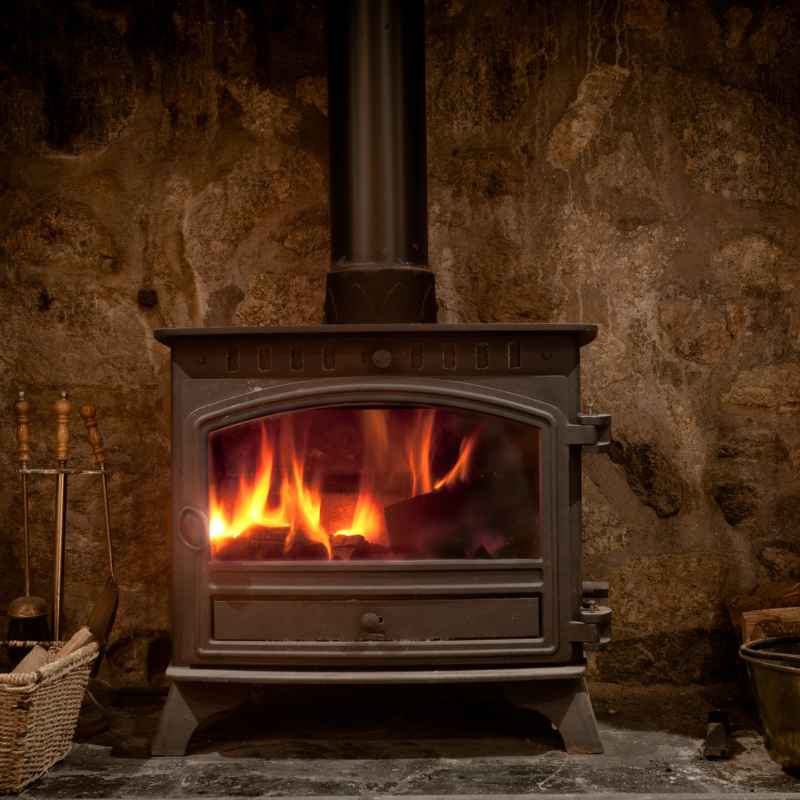
How Much Does It Cost To Install A Wood Burning Fireplace?
The cost to install a wood burning fireplace can range from $2,500 to $15,000 or more. This wide range depends on the type of fireplace, chimney requirements, existing home structure, and labor costs in your area. Simple pre-fabricated units are less expensive, while custom masonry fireplaces are a significant investment.
Understanding Wood Burning Fireplace Installation Costs
Installing a wood burning fireplace is more than just picking out a pretty hearth. It’s a construction project. You need to consider the unit itself, the chimney system, and the labor to put it all together.
The final price tag really depends on the path you choose.
There are a few main types of wood burning fireplaces. Each has its own price point and set of installation needs. We’ll look at these.
We’ll also talk about the big factors that push the price up or down. This will help you get a clearer picture for your own home.
Types of Wood Burning Fireplaces and Their Costs
When you decide to install a wood burning fireplace, the first big choice is what kind to get. Your options fall into a few main categories. Each offers a different look, feel, and price.
Knowing these differences is key to budgeting.
Factory-Built Fireplaces (Zero Clearance)
These are often called zero clearance fi
Pros:
- Lower Cost: Generally the most budget-friendly option.
- Easier Installation: Lighter and require less structural support.
- Faster Install Time: Can be put in place quickly.
- Safety: Designed with built-in insulation for safety.
Cons:
- Appearance: Can look less authentic than masonry fireplaces.
- Heat Output: May not heat a large space as effectively.
- Durability: Metal may not last as long as brick.
The cost for a factory-built fireplace unit itself can range from $800 to $4,000. Installation labor adds to this. You’ll also need to factor in the chimney system.
Masonry Fireplaces
These are the classic fireplaces built brick by brick. They are constructed on-site by skilled masons. They are a significant structural element.
They offer the most authentic look and feel. They are also the most expensive to build.
Pros:
- Authentic Look: Beautiful, traditional aesthetic.
- Durability: Built to last for generations.
- Customization: Can be designed to fit your home’s style.
- Heat Retention: Masonry materials store heat well.
Cons:
- High Cost: The most expensive option by far.
- Complex Installation: Requires skilled labor and significant time.
- Structural Needs: Often need a special foundation.
- Less Energy Efficient: Can draw a lot of heat from the room if not used properly.
The cost for a new masonry fireplace can start around $5,000 and go up to $15,000 or even $20,000. This depends heavily on size, materials, and design.
Prefabricated Fireplace Kits (Modular)
These are a middle ground. They come in sections or modules. They are typically made of refractory cement or other sturdy materials.
They are easier to assemble than a full masonry fireplace but offer a more robust look than a metal one.
Pros:
- Good Balance: Better looks than factory-built, less cost than masonry.
- Reasonable Installation: Easier to install than full masonry.
- Durable: Materials are usually quite strong.
Cons:
- Cost: More expensive than factory-built units.
- Weight: Can still be quite heavy, requiring some structural support.
The price for a modular fireplace kit can be between $1,500 and $6,000. Installation costs will be added to this.
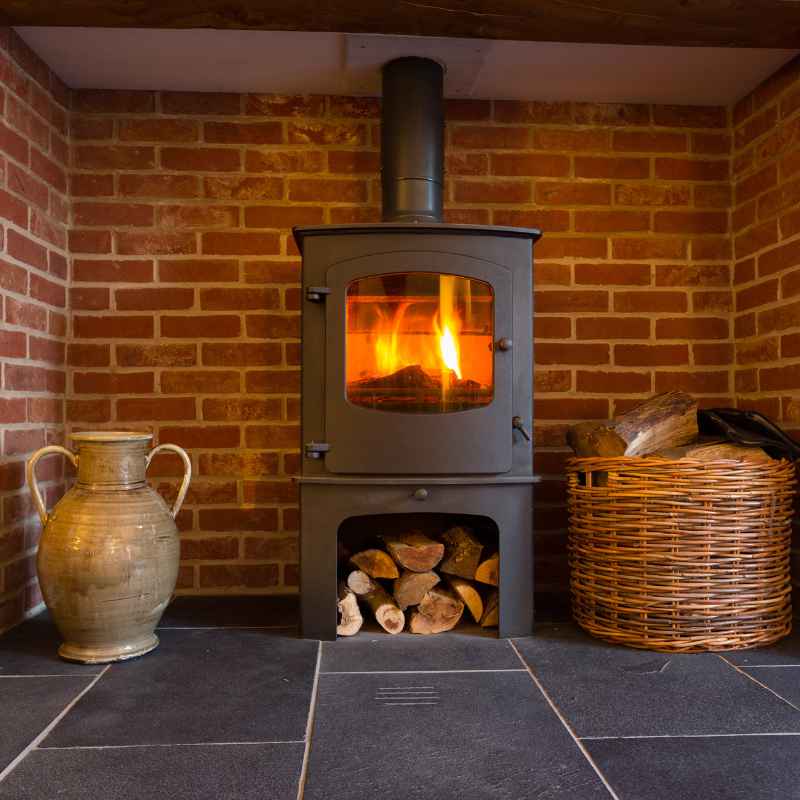
Factors Affecting Wood Burning Fireplace Installation Costs
So, you’ve picked a type. But that’s just the first step. Several other things can really change the final price.
It’s like when you buy a car; the base model is one price, but adding options changes it a lot.
We need to look at the chimney. We need to think about your house. And we can’t forget the people doing the work.
Chimney Requirements
A fireplace is only as good as its chimney. The chimney’s job is to vent smoke and gases safely outside. The type of chimney you need greatly impacts the cost.
New Chimney Construction
If your home doesn’t have a chimney or the existing one can’t be used, you’ll need a new one. This is a major part of the cost. A new masonry chimney is very expensive.
It requires a strong foundation and skilled masons.
A new factory-built chimney system, which often goes with factory-built fireplaces, is less costly but still a significant expense. It involves metal pipes, supports, and flashing to ensure it’s weather-tight where it passes through your roof.
The cost to build a new chimney can range from $3,000 to $10,000+, depending on height, materials, and complexity.
Existing Chimney Relining or Repair
Sometimes, you might have an existing chimney that’s in rough shape. It might need to be relined with a stainless steel liner. This is much cheaper than building a new one.
It’s also safer than using a damaged chimney.
Relining a chimney can cost anywhere from $1,500 to $4,000. This also depends on the length of the liner needed and the ease of access.
Chimney Height and Location
The taller a chimney needs to be, the more materials and labor it requires. This adds to the cost. Also, where the chimney exits your house matters.
A roofline that is steep or has many angles can make the job harder and more expensive for installers.
Working on a high roof or a complex roofline often means extra safety precautions and more time. This translates to higher labor costs.
Home Structure and Modifications
Your house itself plays a big role. Is there a good spot for a fireplace? Does the floor need to be reinforced?
These are all questions that affect the price.
Structural Support
Masonry fireplaces are very heavy. They need a strong foundation and floor support. If your home’s current structure can’t handle the weight, you’ll need to add beams or reinforce the foundation.
This adds significant cost.
Even some factory-built units require specific framing or support. Your installer will check this during the assessment. If modifications are needed, expect the price to go up.
Wall Access and Framing
Where you want the fireplace located might mean cutting into existing walls. This requires framing to support the opening and to create the fireplace surround. If you’re putting it in a room that didn’t have one before, the framing work will be extensive.
This can add $500 to $2,000 or more to the project, depending on the complexity of the wall and desired surround.
Venting Through Walls
Some modern fireplace systems allow for direct venting through an exterior wall. This can sometimes be easier than going through the roof. However, it still requires cutting through the wall and proper sealing.
The complexity of the wall and the exterior finish will impact this cost.
Insurance and Permits
Before any work starts, you’ll likely need building permits from your local municipality. The cost of permits varies by location but can be a few hundred dollars. Homeowners insurance may also need to be updated or adjusted after a new fireplace is installed.
It’s always wise to check with your insurance provider. They might have specific requirements for fireplace installations. This can also add to the overall planning cost.
Quick Scan: Fireplace Cost Breakdown
Fireplace Unit: $800 – $6,000 (Varies by type)
Chimney System: $1,500 – $10,000+ (New vs. Repair)
Installation Labor: $1,000 – $7,000+ (Depends on complexity)
Structural Work: $500 – $3,000+ (If needed)
Finishing (Mantel, Hearth): $300 – $5,000+ (Custom vs. Stock)
Permits & Fees: $100 – $500 (Local)
Labor Costs
The people who install your fireplace are a big part of the expense. Their skill, experience, and local rates make a difference.
Skilled Tradespeople
Installing a fireplace involves skilled labor. This can include carpenters, masons, and specialized fireplace installers. The more complex the job, the more skilled professionals you’ll need.
Hourly rates for these trades can vary widely. In areas with a high cost of living, expect to pay more. A typical installation might take 1-3 days for a factory-built unit or much longer for masonry.
Labor costs alone can range from $1,000 to $7,000+. This is for the actual installation and chimney work.
Geographic Location
Labor rates are not the same everywhere. In major metropolitan areas, you’ll likely pay more for installation services than in rural areas. This is a common factor in most home improvement projects.
Always get quotes from several local, reputable installers to get a realistic sense of costs in your specific region.
Finishing Touches
Once the main structure is in place, you’ll want to make it look good. The materials you choose for the surround, hearth, and mantel can add to the cost.
Hearth and Surround Materials
The hearth is the floor area in front of the fireplace. The surround is the material around the firebox opening. You can choose anything from simple tile or stone to expensive granite or custom-carved wood.
Simple tile or brick might add a few hundred dollars. High-end natural stone or custom stonework could add $2,000 to $5,000+.
Mantel and Fireplace Screen
A mantel shelf or full fireplace surround can be a beautiful addition. These can be made from wood, stone, or metal. A simple wooden mantel might cost $300-$600.
A custom-designed stone mantel could easily run into thousands of dollars.
A fireplace screen or doors are also necessary for safety and aesthetics. These can add another $200 to $1,000+ depending on the material and design.
Contrast: New Build vs. Retrofit
New Build (No existing fireplace):
- Requires full structural support.
- New chimney construction is often needed.
- More extensive framing and wall modifications.
- Higher overall cost and longer project time.
Retrofit (Adding to existing home):
- May utilize existing chimney structure.
- Less structural modification may be needed.
- Can still be complex if adding to finished spaces.
- Potentially lower cost, but depends heavily on specifics.
Personal Experience: The Attic Surprise
I remember helping a friend install a factory-built fireplace in their older home. They were so excited about adding a cozy focal point to their living room. They had picked out a beautiful unit, and the quote from the installer seemed reasonable enough. The fireplace itself was delivered, and the crew started preparing the opening in the wall. Everything was going smoothly until they had to run the chimney pipe through the attic. That’s when the surprises started.
The attic insulation was much thicker than expected. It also had some old, dusty wiring that looked questionable. The installer had to carefully navigate around these obstacles. Then, they discovered that the ceiling joists weren’t spaced as expected, meaning they had to do some extra framing to support the chimney pipe properly. What was supposed to be a one-day job stretched into two days. The extra labor and materials for the framing pushed the final bill higher than they had budgeted. It was a good reminder that older homes always have their own little secrets that can impact renovation projects. Seeing their slight frown when they got the final invoice made me realize how important it is to anticipate the unexpected.
Real-World Context: Where and Why Fireplaces Are Installed
Fireplaces are more than just pretty. They serve practical purposes. Their placement and the reasons for choosing them are tied to how we live.
Heating Efficiency and Zoning
In many American homes, especially in colder climates, fireplaces are used for supplemental heat. They can help warm a specific room, creating a cozy zone. However, they are generally not efficient enough to be the primary heat source for an entire house.
Aesthetics and Home Value
A fireplace is often a major selling point. It adds ambiance and can make a room feel more welcoming. Buyers often see a fireplace as a desirable feature. This can increase a home’s market value.
Room Design and Flow
The placement of a fireplace can dictate the layout of a room. Furniture is often arranged around it. It becomes a natural gathering spot. This influences how a space is used and perceived.
Ventilation and Safety Needs
Proper ventilation is crucial for any fireplace. It ensures smoke and carbon monoxide are safely vented outside. This involves specific building codes and chimney designs. Ignoring these can lead to dangerous situations.
Stacked Micro-Sections: Fireplace Essentials
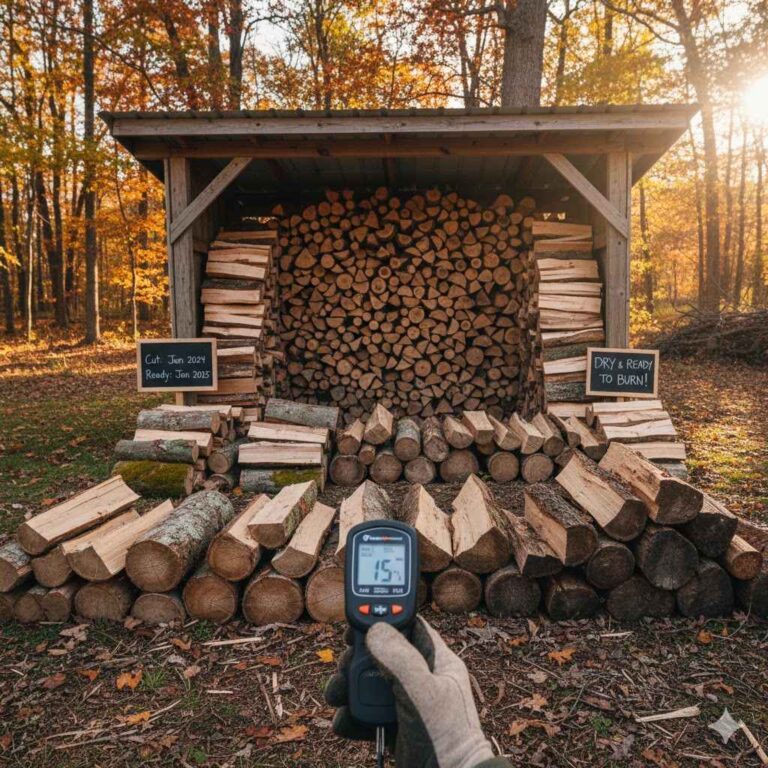
Fuel: Uses seasoned hardwood for best results. Unseasoned wood burns poorly and creates more smoke.
Air Supply: Needs proper airflow to burn efficiently and safely. Drafts are essential.
Maintenance: Regular chimney sweeping is vital. This prevents creosote buildup and reduces fire risk.
Clearances: Always maintain safe distances from combustible materials around the fireplace and chimney.
What This Means for You: When to Worry and When It’s Okay
So, how do you know if the price you’re getting is fair? And what are the signs that the installation might be more complex?
When the Price Seems High
If you get a quote that is much higher than others, ask why. Is it because of complex structural needs? Is it a very elaborate custom design? Understand the breakdown. If there’s no clear reason, it might be worth getting another quote.
When the Installation Looks Complicated
A tricky roofline, a tight crawl space, or the need to run vents through finished walls can all add complexity. Your installer should point these out clearly. They should explain why it adds time and cost.
When to Call a Professional
For anything beyond a simple pre-fabricated unit replacement, it’s best to hire professionals. Masonry work, complex chimney systems, and structural modifications require expertise. Trying to DIY these can be dangerous and costly in the long run.
Safety First
The most important thing is safety. A poorly installed fireplace or chimney can cause fires or carbon monoxide poisoning. Never cut corners on safety features or proper installation techniques. If something feels off about an installation, trust your gut and get a second opinion.
Quick Fixes & Tips for Managing Costs
While you can’t avoid all costs, there are ways to manage them. Planning is your best friend here.
Plan Ahead
The more research and planning you do upfront, the fewer surprises you’ll encounter. Know what type of fireplace you want and where you want it. Have a general idea of your home’s structure.
Get Multiple Quotes
This is perhaps the most important tip. Contact at least three reputable local fireplace installers. Get detailed written quotes. Compare not just the bottom line but also what is included.
Consider a Factory-Built Unit
If budget is a major concern, a factory-built fi
Opt for Simpler Finishes
The surround, hearth, and mantel can add a lot of cost. Choosing simpler, more common materials like standard brick or tile can save money. You can always upgrade these finishes later.
Timing Matters
Sometimes, installers offer discounts during their slower seasons. This might be in the spring or fall. Ask if there are any off-season specials available.
Ask About Packages
Some companies offer fireplace and chimney packages. These might be more cost-effective than buying the unit and hiring a separate chimney company.
Observational Flow: The Fireplace Installation Journey
1. Initial Consultation: Installer visits, assesses space, discusses options.
2. Quote & Contract: Detailed estimate provided, work agreed upon.
3. Permitting: Local permits secured by installer or homeowner.
4. Site Preparation: Area cleared, floor protection laid.
5. Fireplace & Chimney Installation: Unit placed, chimney system built/installed.
6. Structural Modifications: Any framing or support work completed.
7. Venting & Flashing: Chimney sealed to roof or wall.
8. Finishing Touches: Mantel, hearth, and surround installed.
9. Inspection: Local building inspector reviews work.
10. Final Walk-through: Installer explains operation and care.
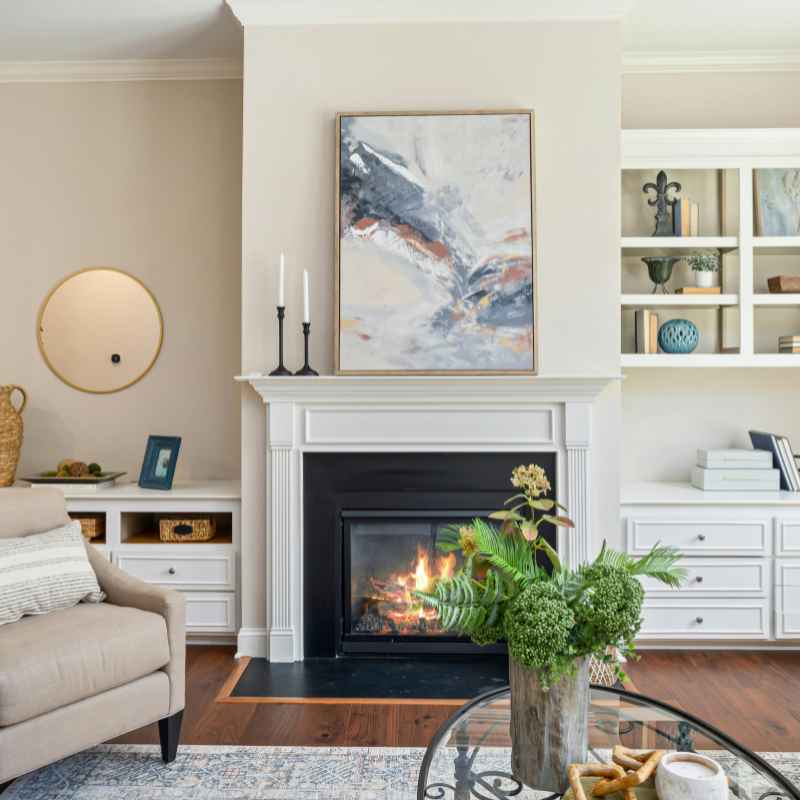
Frequent Questions About Wood Burning Fireplace Costs
How much does a basic wood burning fireplace cost to install?
A basic, factory-built wood burning fireplace unit and installation can range from $2,500 to $6,000. This usually includes the unit, a basic chimney system, and labor, but not complex structural modifications or high-end finishes.
Is a masonry fireplace much more expensive than a prefab one?
Yes, significantly. A new masonry fireplace can cost $5,000 to $15,000+, while a factory-built unit and installation might start around $2,500. Masonry requires more skilled labor, materials, and time.
Do I need a permit to install a wood burning fireplace?
In most areas, yes. Building permits are required for new fireplace installations or significant alterations. Your installer should handle this, but confirm it’s included. Permit costs are usually a few hundred dollars.
Can I install a fireplace myself to save money?
For safety and compliance reasons, it’s generally not recommended for most homeowners. Fireplace and chimney installation involves specialized knowledge, building codes, and potential structural work. Mistakes can be dangerous and costly to fix.
What is the most expensive part of installing a wood burning fireplace?
The most expensive parts are typically the construction of a new masonry chimney or significant structural modifications to your home. The fireplace unit itself is often a smaller portion of the total cost.
Does the type of wood I burn affect installation costs?
No, the type of wood you burn (hardwood vs. softwood) doesn’t directly affect the initial installation cost. However, burning seasoned hardwood is recommended for efficiency and less creosote buildup, which impacts long-term maintenance.
Conclusion
Adding a wood burning fireplace is a fantastic way to boost your home’s comfort and charm. While the initial cost can seem daunting, understanding the different types of fireplaces, the factors that influence pricing, and getting multiple quotes can help you budget effectively. Remember, investing in a quality installation means years of cozy fires and peace of mind. Enjoy the warmth!
Sponsored / affiliate links. As an Amazon Associate I earn from qualifying purchases. I may earn additional commission from eligible campaigns.