How To Start A Wood Stove Fire Without Smoke Every Time
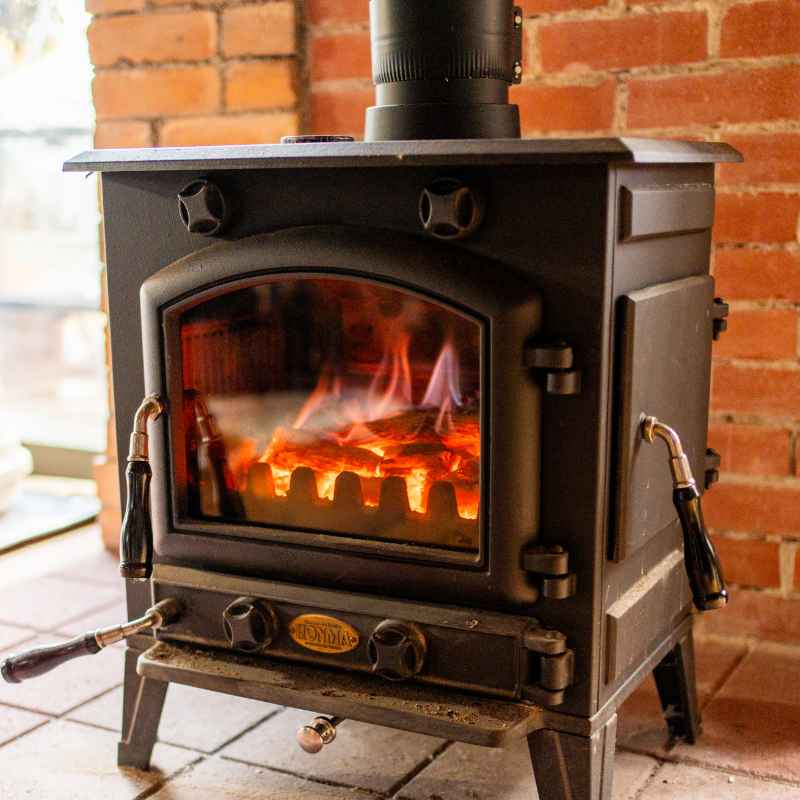
A wood stove fire should start with warm air going UP the chimney, not smoke coming into your room. This happens by preparing your stove, using the right wood, and building the fire correctly from the start. Proper airflow is key to a clean, efficient burn every time.
Understanding How Wood Stoves Work
A wood stove is designed to burn wood efficiently. It needs air to do this. This air, called oxygen, feeds the fire.
The fire creates heat. It also makes smoke. Smoke is tiny bits of unburnt fuel.
It also has gases. A good wood stove sends this smoke up the chimney. The chimney acts like a strong straw.
It pulls smoke out of your house. This is called draft.
The chimney needs to be warm to work well. When you first light a fire, the chimney is cold. Cold air is heavy.
It doesn’t pull smoke up easily. This is why smoke can come into your room. It’s like a stubborn mule at first.
But we can help it get going.
Your stove has ways to control air. There are usually vents or dampers. These let you adjust how much air the fire gets.
More air means a hotter, faster fire. Less air means a slower, cooler fire. Knowing where these are is important.
My First Smoky Fire Mishap
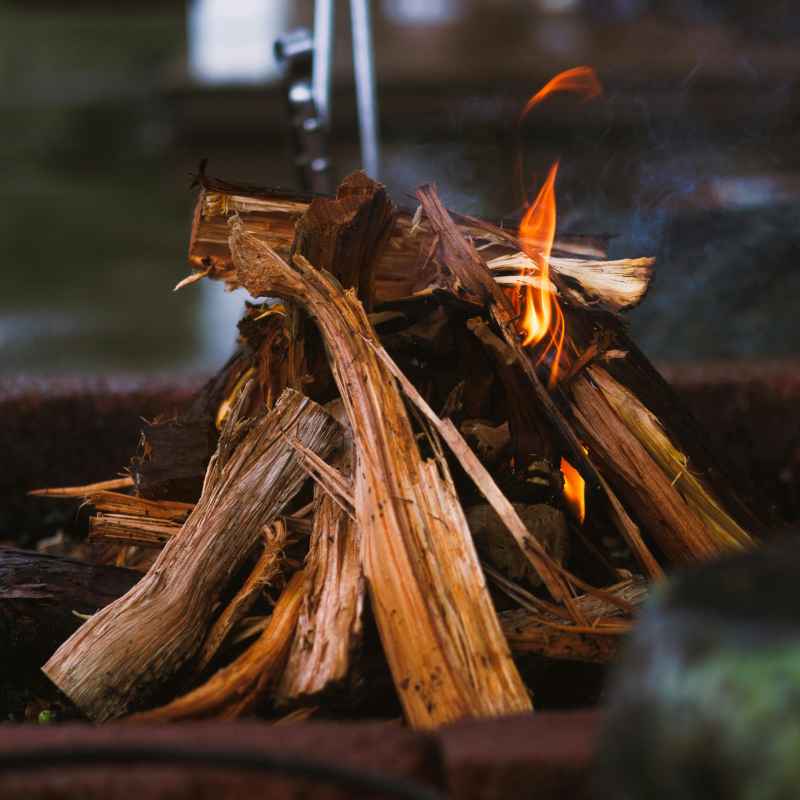
I remember my first winter with a wood stove. I was so excited. I had a stack of dry wood.
I put logs in the stove. I lit some paper. Then, whoosh!
Smoke filled my living room. It was awful. My eyes watered.
The smell was terrible. I felt so defeated. I thought I was doing it right.
I panicked and opened all the windows. The fire died down. I was cold and frustrated.
I looked at the stove, then at the smoky air. What went wrong? I had put too much wood in too soon.
I also hadn’t opened the damper enough. The chimney was still cold. It just couldn’t pull the smoke out.
That was a hard lesson learned.
Building the Perfect Fire, Step-by-Step
Let’s break down how to start a fire that works. We want warmth, not a smoky mess. Follow these steps closely.
They are simple but make a big difference.
The Essential Elements for a Smoky-Free Start
Before you even think about lighting a match, get these things ready. It’s like getting your ingredients before cooking.
Fuel for the Fire
Kindling: This is your fire starter. Think small, dry twigs. They catch fire easily.
They help light the bigger wood.
Tinder: This is even smaller. It could be dry leaves. It could be cotton balls with petroleum jelly.
It burns fast and hot to ignite the kindling.
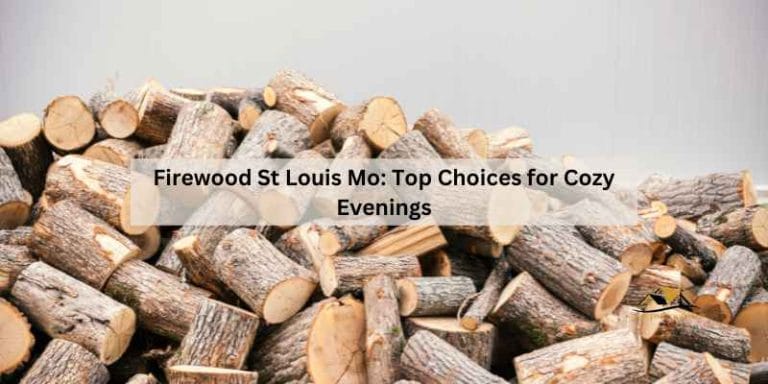
Small Firewood: These are small, dry pieces of wood. They are about the size of your thumb or wrist. They catch fire from the kindling.
Larger Firewood: These are your main logs. They should be dry. They will burn for a long time.
They provide steady heat.
Dry wood is critical. Wet or “green” wood smolders. It makes lots of smoke. It burns poorly.
Wood is dry when it has been seasoned. This means it dried out for at least six months. It should sound hollow when you hit two pieces together.
It should feel lighter than wet wood.
Preparing Your Wood Stove
Now, let’s get the stove ready. This is a crucial step. Many people skip it.
Don’t be one of them!
Clean out the ashes. Too many ashes can block airflow. This stops the fire from getting enough air. Check your stove’s manual.
It will tell you how often to do this. Leave a small layer of ashes. This insulates the firebox.
It helps keep the fire hot.
Open the damper. This is the metal plate in your chimney pipe. It controls airflow. You want it wide open when you start the fire.
This lets the chimney start to heat up. It creates that initial pull for the smoke. You’ll close it a bit later.
Open the air vents. Most stoves have vents. They let air into the firebox. Open these all the way.
This gives the fire plenty of oxygen. It helps it burn hot and clean from the start.
Quick Check: Damper and Air Vents
Damper: Should be fully open when starting the fire. It looks like a small handle or lever in the chimney pipe.
Air Vents: Should be fully open. These are usually on the front or side of the stove door.
The “Top-Down” Fire Method
This is a game-changer for smoky starts. It’s often called the “top-down” method. It’s different from the usual way.
Most people put paper and small wood at the bottom. Then they add big logs on top. That often fails.
It makes smoke because the big logs block the heat.
With the top-down method, you do the opposite. You build the fire upside down. This seems strange at first.
But it works because the heat travels down. It ignites the wood below it. This creates a stronger draft early on.
Here’s how to do it:
- Place two or three larger logs on the bottom of the firebox. Leave a small space between them.
- Place a layer of your smaller firewood on top of these. Again, leave small gaps.
- Now, place a good amount of kindling on top of the small wood. Make a nest.
- Put your tinder in the center of the kindling nest.
This structure allows air to flow through. The fire starts at the very top. As it burns, the flames and hot air work their way down.
They light the layers below them. This creates a steady burn. It also helps heat the chimney faster.
Lighting the Fire
With your stove prepped and fire built, it’s time to light it. Safety first!
Use long matches or a lighter. You want to keep your fingers safe. Light the tinder in a few spots. Make sure it catches well.
You should see small flames.
Watch the flames. The tinder should light the kindling. The kindling should then light the small firewood. This might take a few minutes.
Be patient. If it doesn’t catch, add a little more tinder or a small piece of very dry kindling.
Resist adding big logs too soon. Let the small wood and kindling burn well. This builds a good bed of coals. It heats the stove and chimney.
Once you have strong flames from the small wood, you can add more small pieces.
Top-Down Fire Recap
Layer 1 (Bottom): 2-3 large, dry logs with gaps.
Layer 2 (Middle): Small, dry firewood pieces with gaps.
Layer 3 (Top): Lots of dry kindling arranged like a nest.
Layer 4 (Center of Nest): Tinder to light.
When Smoke Becomes a Problem: Identifying the Causes
Even with the best efforts, smoke can sometimes sneak in. Let’s look at why this happens. Knowing the cause helps fix it.
It also helps prevent it next time.
1. Cold Chimney Syndrome: This is the most common issue. When the chimney is cold, the air inside is heavy.
It doesn’t pull smoke up well. The smoke stays in the stove. Then it finds a way out.
This is usually into your room. We combat this with the top-down fire. We also sometimes use a hairdryer or heat gun to warm the chimney base.
But a good fire build is usually enough.
2. Insufficient Airflow: Your fire needs oxygen. If the air vents are too closed, the fire can’t breathe.
This leads to smoldering. Smoldering wood makes lots of smoke. Make sure your air controls are open enough when starting.
You can gradually close them later. But never shut them down completely when wood is actively burning.
3. Wet or Unseasoned Wood: This is a big one. If your wood is damp, it won’t burn hot.
It will steam and smolder. This creates a lot of smoke. It also creates creosote buildup.
This is dangerous. Always use dry, seasoned firewood. Look for wood that is at least six months old.
It should have cracks on the ends.
4. Blocked Chimney or Stove: Ashes, creosote, or even bird nests can block the chimney. This stops smoke from escaping.
Regular cleaning is essential. Check your stovepipe and chimney for blockages. A chimney sweep can help.
They do this professionally.
5. Stove Door Not Sealed Properly: If the gasket around the stove door is worn, air can leak in. Or worse, smoke can leak out.
Check the door seal. If it’s cracked or brittle, replace it. This is a common maintenance task.
Common Mistakes to Avoid
Mistake: Lighting paper and small wood, then stuffing big logs on top.
Result: Smoke enters the room as big logs smother the initial flame.
Mistake: Not opening the damper fully at the start.
Result: Cold chimney can’t create draft, smoke spills out.
Mistake: Using wet or green firewood.
Result: Smoldering fire, excessive smoke, poor heat output.
Real-World Scenarios: When Things Go Wrong
Let’s imagine some common situations. This might help you see what’s happening in your own home.
Scenario 1: The Unexpected Puff of Smoke
You’ve been burning for an hour. It’s going well. You open the stove door to add a log.
Suddenly, a puff of smoke comes out. Why?
This often happens because opening the door disrupts the draft. The hot air was being pulled up the chimney. When you open the door, you break that seal.
Air rushes in. The chimney might not be strong enough to pull the smoke in fast enough. This is common.
What to do: Open the door slowly. Try to use the existing heat. Sometimes, wafting the smoke towards the chimney with a piece of cardboard helps.
Make sure your air vents are open a bit more for a moment. This helps create that upward pull again. Don’t leave the door open longer than you need to.
Scenario 2: The “Smoky Start” That Won’t Quit
You’ve lit the fire. It’s been 15 minutes. Smoke is still coming into the room.
The fire seems weak. The chimney is still cold.
This usually points to a problem with the initial fire build. Perhaps the wood wasn’t dry enough. Or maybe you didn’t have enough kindling.
The top-down method helps a lot here. But if it’s still bad, you might need to restart. Carefully remove the smoldering wood.
Try again with fresh, dry materials. Make sure the damper and air vents are wide open. Patience is key here.
Scenario 3: Smoke When the Wind Blows
On windy days, my stove sometimes acts up. Smoke can come back down the chimney. This is called downdraft.
It’s caused by wind pressure. The wind can push smoke down.
What to do: This is harder to control. Ensure your chimney is tall enough. It should be higher than nearby trees or roofs.
This helps with wind effects. Sometimes, closing the damper slightly can help. This reduces the opening for wind to push smoke down.
But don’t close it too much. You still need airflow for the fire.
Quick Scan: Common Smoky Start Issues
| Problem | Likely Cause | Action |
|---|---|---|
| Smoke on light-up | Cold chimney, not enough air | Use top-down method, open damper/vents wide. |
| Smoke when adding wood | Disrupted draft, door opened too fast | Open door slowly, waft smoke, open vents slightly. |
| Persistent smoke | Wet wood, blocked chimney, poor draft | Check wood dryness, inspect chimney, ensure good airflow. |
What This Means for Your Home Comfort
Dealing with smoke isn’t just annoying. It’s also bad for your health. Smoke contains harmful particles.
These can irritate your lungs. Over time, this can cause problems. A smoky fire also means a less efficient fire.
You’re wasting wood. You’re not getting as much heat.
When your stove burns cleanly, you get the best of both worlds. You get cozy warmth. You get a safe home.
You also get to enjoy the ambiance of a real fire. It’s a feeling that’s hard to beat.
When to Worry and What to Check
Most smoky starts can be fixed with better technique. But sometimes, there are bigger issues.
Check your chimney regularly. Look up into it if you can. Do you see a lot of black, tar-like buildup? This is creosote.
It’s flammable. It can cause chimney fires. If you see a lot, you need to have it cleaned.
The Chimney Safety Institute of America (CSIA) recommends annual inspections and cleanings.
Is your stove properly installed? The chimney pipe needs to be the correct height and diameter for your stove. If it’s too short or too small, it won’t draft well. This is something a professional installer handles.
Are there strange smells? Beyond the smell of wood smoke, be aware of other odors. A metallic smell could indicate overheating. A gassy smell could mean a leak.
If you suspect gas, leave the area and call for help immediately.
Safety First!
Smoke Alarms: Ensure you have working smoke alarms and carbon monoxide detectors. Test them monthly.
Creosote: Regular chimney cleaning prevents dangerous buildup.
Professional Help: If you’re unsure about your stove’s safety or performance, call a certified chimney sweep or stove technician.
Quick Tips for a Clean Burn
Here are some easy-to-remember tips. Keep them in mind every time you start a fire.
- Always use dry, seasoned wood. This is non-negotiable.
- Start with the top-down method. It’s the best way to heat the chimney.
- Open the damper and air vents fully at the start. Maximize airflow.
- Be patient. Let the fire catch well before adding larger logs.
- Add wood in layers. Avoid piling logs too tightly. Air needs to get through.
- Keep your stove clean. Remove ashes regularly.
- Have your chimney inspected and cleaned annually.
These steps are simple. They prevent most smoky start problems. It’s all about understanding how the stove and chimney work together.
Frequently Asked Questions
Why does smoke come into my house when I open the wood stove door?
This usually happens because opening the door disrupts the natural draft of the chimney. The hot air is no longer being pulled up strongly. If the chimney is not very hot, the smoke can spill out into the room before it gets pulled up.
Opening the door slowly and having good airflow (open air vents) helps prevent this.
How long should I leave the damper open when starting a fire?
You should leave the damper fully open until the fire is well established and the chimney is heated. This usually takes about 15-30 minutes. Once you have strong flames and you feel heat rising steadily, you can begin to close the damper down a bit.
Never close it completely if the wood is still burning.
What is the best way to light a wood stove if I don’t have much kindling?
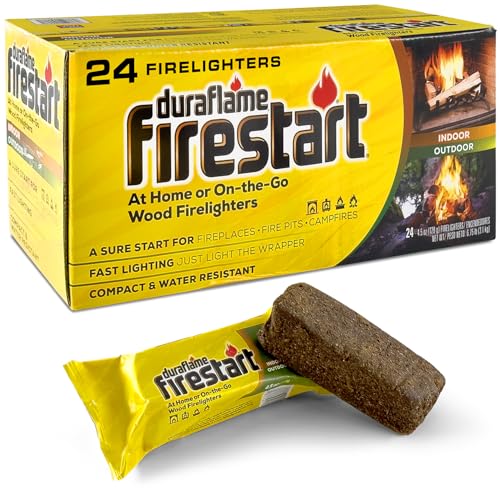
If you’re short on traditional kindling, look for very dry, small twigs, bark pieces, or even thin wood shavings. You can also use commercially available fire starters. The key is to have something that burns hot and fast to ignite your small firewood.
The top-down method still works, just make sure your top layer is easily flammable.
Can I use newspaper to start a wood stove fire?
Yes, newspaper can be used as tinder or to help light your kindling. However, it burns very quickly. It’s best to use it in conjunction with other materials like dry leaves, small twigs, or commercial fire starters.
Stuffing too much newspaper can create a fast, intense flame that dies out too quickly. Use it in moderation.
How do I know if my firewood is dry enough?
Dry firewood, or seasoned wood, should have cracks or checks on the ends. It will sound hollow when you tap two pieces together. It should feel lighter than wet wood.
Ideally, it has been air-dried for at least six months. Wet wood will not burn well and will create a lot of smoke and creosote.
What does “draft” mean for a wood stove?
Draft is the upward flow of air and combustion gases through your chimney. It’s like the chimney is “breathing in” air and “breathing out” smoke. A good draft is essential for a wood stove to work safely and efficiently.
It’s created by the difference in temperature and density between the hot air inside the chimney and the cooler air outside.
Final Thoughts on a Warm, Smoky-Free Home
Starting a wood stove fire without smoke is achievable. It comes down to good preparation. Use dry wood.
Build your fire smartly. Control your airflow. A little practice goes a long way.
Enjoy the safe, cozy warmth of your stove.
Sponsored / affiliate links. As an Amazon Associate I earn from qualifying purchases. I may earn additional commission from eligible campaigns.