Can You Use Galvanized Pipe For A Wood Stove? Safety Guide
It’s a question many people ask when setting up a wood stove, especially if they’re trying to save money. You might look at some old pipes lying around, perhaps even some galvanized ones, and think, “Can I just use these?” It seems practical, right? But when it comes to wood stoves, safety is super important.
Using the wrong materials can cause big problems, from dangerous fumes to fires. Let’s break down whether galvanized pipe is a good choice for your wood stove and what you really need to know.
Using galvanized pipe for a wood stove is generally not recommended due to the toxic fumes released when heated. Proper venting requires specific stovepipe materials designed for high temperatures and corrosive byproducts. Always choose certified, high-temperature venting systems for safety.
What is Galvanized Pipe and Why Use It?
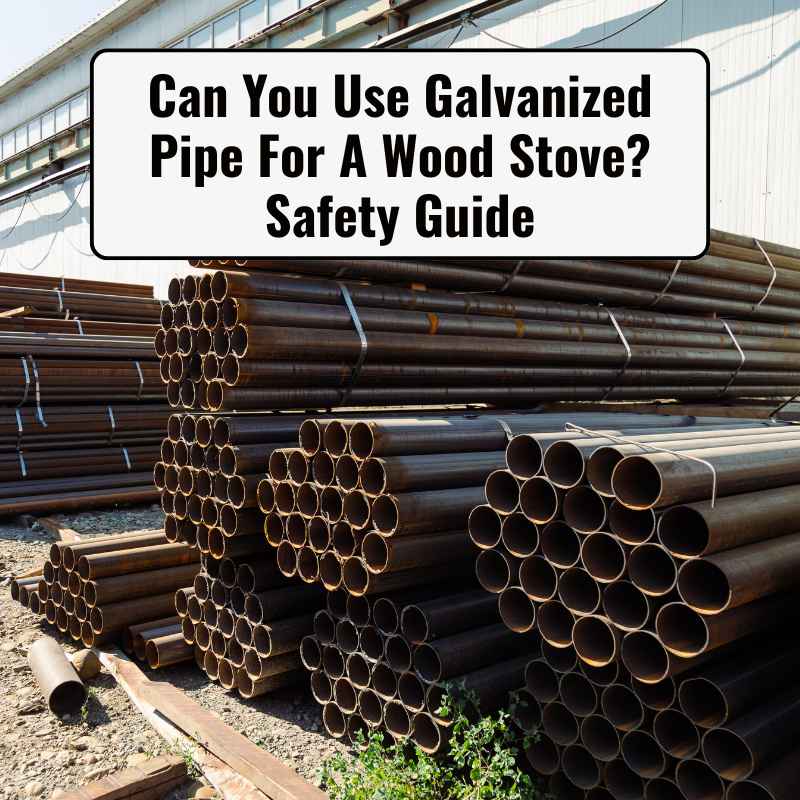
Galvanized pipe is steel pipe that has been coated with a layer of zinc. This zinc coating is applied through a process called galvanization. The zinc acts as a protective barrier.
It stops the steel from rusting and corroding. This makes galvanized pipes great for things like water systems or outdoor structures where they might get wet.
Most often, you see galvanized pipes used for cold water supply lines in older homes. They are also common for electrical conduit or drainage pipes. The zinc coating makes them last longer in wet or humid conditions.
This is a big advantage over plain steel.
The process itself is pretty straightforward. Steel pipes are dipped into molten zinc. The zinc sticks to the steel and forms a strong, protective layer.
This layer can be quite thick. It shields the metal from oxygen and moisture, which are the main causes of rust. So, they look shiny and silver when new.
How Does a Wood Stove Work?
A wood stove is a home heating appliance. It burns wood to create heat. The basic idea is simple.
You load wood into a firebox. Then, you light it. The burning wood produces heat and smoke.
The stove is designed to contain the fire safely. It also directs the heat into your room.
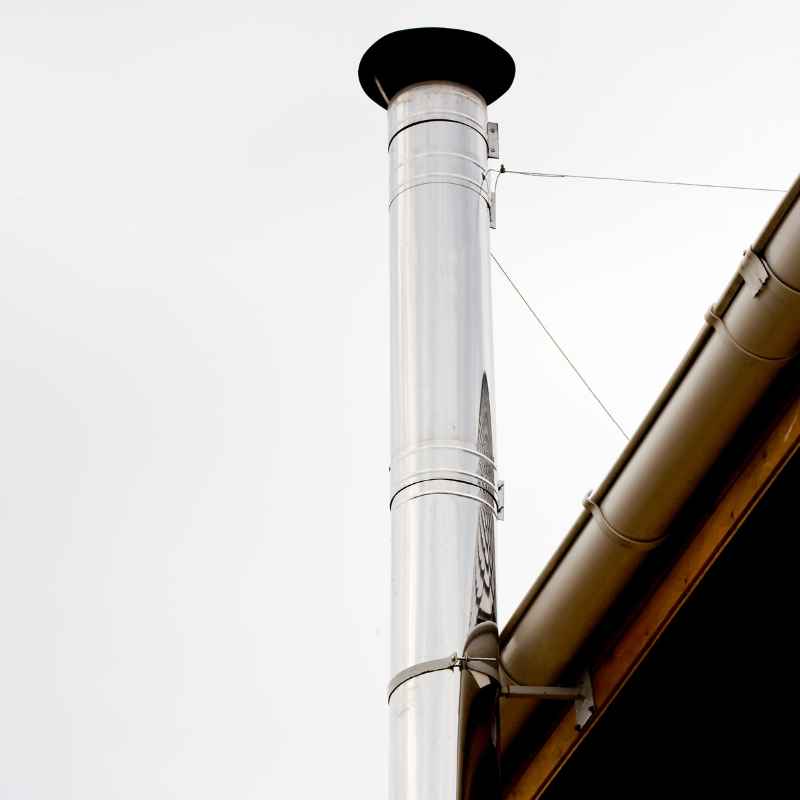
There’s a special pipe, called a chimney or flue pipe, that carries the smoke away. This pipe goes from the stove up and out of your house. It needs to be strong and handle very high temperatures.
The smoke contains not just heat but also gases and tiny particles. These can be harmful if they build up inside your home.
The stove has an air intake. This lets in the oxygen the fire needs to burn. It also has a damper.
This controls how much air goes into the fire. More air means a hotter fire. Less air means a slower, cooler burn.
The design of the stove helps to make the burning process efficient.
The Problem with Heating Galvanized Pipe
Here’s the critical part. When you heat galvanized pipe, something bad happens. The zinc coating on the pipe starts to break down.
It heats up much faster than the steel. As it gets hot, the zinc melts. Then, it can release toxic fumes into the air.
These fumes are mainly zinc oxide.
Breathing in zinc oxide fumes can make you very sick. This is often called “metal fume fever.” Symptoms can include a sore throat, cough, muscle aches, and chills. It feels a lot like having the flu.
In some cases, especially with prolonged exposure or at high concentrations, it can be more serious.
This is why using galvanized pipe for anything that gets hot, like a wood stove flue, is a really bad idea. The temperatures inside a wood stove pipe can get very high. This heat will cause the zinc to vaporize.
And those vapors will go right into your home if the pipe isn’t sealed perfectly. Even small leaks can be dangerous.
Galvanized Pipe vs. Wood Stove Pipe: Key Differences
Galvanized Pipe:
- Coated with zinc.
- Zinc protects against rust.
- Melts and releases toxic fumes when heated.
- Not designed for high heat.
Wood Stove Pipe (Stovepipe):
- Made of thick steel or stainless steel.
- Coated with special high-heat paint.
- Designed to withstand extreme temperatures.
- Handles corrosive byproducts of burning wood.
- Is specifically tested and approved for this use.
Real-World Experience: A Close Call
I remember visiting a friend’s cabin a few years back. They had just installed a small wood stove. It was a chilly autumn evening, and the fire was roaring nicely.
But as soon as we walked in, I noticed a strange, slightly metallic smell. It wasn’t overwhelming, but it was definitely there. My friend said it was just “new stove smell” or maybe “wood smell.”
A little later, one of their kids started complaining of a sore throat. Then, my friend’s partner mentioned feeling a bit achy. I started to get a bad feeling.
I asked them what kind of pipe they used for the chimney. They proudly showed me some shiny, silver-colored pipes they found. They looked a lot like the stuff you see for plumbing, but thicker.
My stomach dropped. I explained, as gently as I could, about galvanized pipe and zinc fumes. They hadn’t known.
They just thought it was a good, sturdy pipe they could get cheap. We immediately put out the fire. Thankfully, no one got seriously ill.
But it was a stark reminder of how dangerous using the wrong materials can be. We spent the rest of the evening researching safe stovepipe options for them. They replaced the pipes the very next day.
Why Proper Stovepipe Matters So Much
Wood stove pipes aren’t just metal tubes. They are a critical part of your home’s safety system. They have to do a few very important jobs.
First, they need to safely contain the fire’s heat. Temperatures inside can climb very high, sometimes over 1000°F. The pipe must not melt, warp, or catch fire itself.
Second, they need to keep dangerous smoke and gases out of your living space. Wood burning creates carbon monoxide. This is a colorless, odorless gas that can be deadly.
A properly sealed and installed flue system prevents this gas from leaking into your home. It directs all the exhaust outside.
Third, they have to deal with creosote. This is a black, sticky substance that builds up from burning wood. Creosote is highly flammable.
If too much builds up in the pipe, it can cause a chimney fire. The material of the stovepipe, its smooth finish, and how it’s installed all play a role in minimizing creosote buildup.
Types of Approved Wood Stove Pipe
When you’re setting up a wood stove, you must use pipes made for this purpose. These are called Class A chimney pipes or single-wall stovepipes. They are made from materials and designed in ways that ensure safety.
Single-Wall Stovepipe: This is the basic pipe that connects your stove directly to the chimney system. It’s usually made of black steel. It’s about 24-gauge thick.
It’s not insulated. Because of this, it has specific clearance requirements from combustible materials like walls or ceilings. You must maintain a safe distance, often 18 inches or more, unless you use a heat shield.
Double-Wall or Triple-Wall Chimney Pipe (Class A): This is the insulated pipe that goes through your walls, ceilings, and out your roof. It has an inner pipe where the smoke travels. Then, it has a layer of insulation.
Finally, it has an outer casing. This insulation keeps the inner pipe hotter. This helps reduce creosote buildup.
It also keeps the outer surface cooler. This is crucial for safety, allowing for much closer clearances to walls and ceilings, often as little as 2-3 inches.
These pipes are made from specific grades of steel or stainless steel. They are tested by organizations like UL (Underwriters Laboratories). They must meet strict safety standards.
Always look for the UL listing on the pipe. This tells you it has been tested and approved for wood stove use.
Quick Scan: When Not to Use Galvanized Pipe
| Situation | Galvanized Pipe | Safe Alternative |
|---|---|---|
| Wood stove flue | No! Toxic fumes, fire risk. | UL-listed stovepipe or Class A chimney. |
| Outdoor grill or smoker | No! Fumes can contaminate food. | Food-grade stainless steel or cast iron. |
| Any application with high heat | No! Zinc will vaporize. | Appropriate high-temperature metal. |
| Underground drainage (sometimes) | Okay if no heat involved. | PVC, concrete, or approved coated steel. |
Risks of Using Galvanized Pipe for Wood Stoves
The risks are serious and affect your health and home. Let’s list them out clearly.
1. Toxic Fumes: As we discussed, heating zinc creates zinc oxide fumes. These can cause metal fume fever, which feels like a bad flu.
For people with existing breathing problems, like asthma, these fumes can be even more dangerous. They can trigger severe respiratory issues.
2. Fire Hazard: While the zinc fumes are the primary concern, the pipe itself might not be up to the task. Galvanized pipe is not designed for the sustained high temperatures of a wood stove.
The zinc coating can weaken the steel. It can also affect the pipe’s ability to withstand the heat. This could lead to the pipe failing, warping, or even melting.
A failing pipe could allow hot embers or flames to escape.
3. Creosote Buildup: The inside surface of galvanized pipe might not be as smooth as specialized stovepipe. This can lead to more creosote sticking to the walls.
More creosote means a higher risk of a chimney fire. A chimney fire is extremely dangerous. It can spread rapidly to the rest of your house.
4. Poor Draft: If the pipe is the wrong size or not installed correctly, it can affect the stove’s draft. A good draft pulls smoke up and out.
Poor draft means smoke can back up into the room. This is not only unpleasant but also introduces carbon monoxide and other harmful gases.
5. Code Violations and Insurance Issues: In almost all places, using non-approved materials for a wood stove installation is against building codes. If you have a fire, your insurance company will likely deny your claim if they find the installation was not up to code.
This could leave you with massive financial losses.
What Does the Manual Say?
Every wood stove comes with an owner’s manual. It’s not just a suggestion; it’s a guide to safe operation. The manual will clearly state what type of venting system is required.
It will specify the correct diameter and type of pipe needed. It will also detail the required clearances from walls and other surfaces.
Manufacturers spend a lot of time and money testing their stoves. They work with safety organizations to ensure their products can be used safely. Deviating from these instructions, especially on something as crucial as the chimney pipe, is asking for trouble.
Always read and follow the manufacturer’s instructions to the letter.
Myth vs. Reality: Galvanized Pipe for Wood Stoves
Myth: “It’s just a pipe, it all does the same thing.”
Reality: Different pipes are made for different jobs. Stovepipe is engineered for extreme heat and corrosive smoke. Galvanized pipe is made for protection against rust in milder conditions.
Myth: “I can just paint the galvanized pipe with high-heat paint.”
Reality: High-heat paint can protect the outside from looking bad. It does nothing to prevent the zinc on the inside from vaporizing when heated by the stove. The fumes will still be released.
Myth: “If I don’t see smoke coming out, it’s fine.”
Reality: Carbon monoxide and zinc fumes are invisible and odorless. You can’t see or smell them. Relying on sight or smell is incredibly dangerous.
When Is Galvanized Pipe Okay to Use?
So, if not for wood stoves, when can you use galvanized pipe? It’s a useful material in many other applications. The key is that the pipe must not be exposed to high heat.
It should also be protected from excessive moisture or corrosive chemicals, depending on the specific type of galvanization.
Plumbing: Older homes often used galvanized steel pipes for cold water lines. However, hot water can cause problems over time. Minerals in the water can react with the zinc.
This can lead to reduced water flow and pipe corrosion. Modern plumbing typically uses copper, PEX, or PVC.
Drainage: Sometimes, galvanized pipes are used for drain lines, especially in agricultural settings or for certain types of vent pipes. Again, this is typically for non-heated water flow.
Electrical Conduit: Galvanized steel is a common material for electrical conduit. It provides physical protection for wires and helps ground the system. The electrical current does not generate the kind of heat that would vaporize the zinc.
Fencing and Outdoor Structures: Its resistance to rust makes it ideal for fence posts, railings, and other outdoor metalwork that might be exposed to rain.
The main takeaway is that if your application involves significant heat, especially the kind produced by burning fuel, galvanized pipe is not the right choice. Always consider the operating temperature of the system.
Professional Installation vs. DIY
Installing a wood stove and its venting system is not a small DIY project. It involves understanding building codes, proper clearances, and safety standards. While many homeowners tackle DIY projects, this is one area where professional installation is strongly recommended.
A qualified installer will know exactly what type of pipe to use. They will ensure it is the correct diameter for your stove. They will also understand the local building codes.
This includes how to properly seal joints. They will ensure safe clearances are maintained throughout the system. This professional knowledge is crucial for preventing serious accidents.
Attempting to cut corners, like using galvanized pipe instead of proper stovepipe, can have devastating consequences. The cost savings are minuscule compared to the potential risks. The peace of mind that comes with a professionally installed, safe system is invaluable.
Observational Flow: Building a Safe Wood Stove Vent
Step 1: Stove Selection
Choose a stove that meets your heating needs and local efficiency standards.
Step 2: Venting System Design
Determine the path for the chimney. Consult the stove manual and local codes for required components and clearances.
Step 3: Single-Wall Stovepipe
Connect the stove to the ceiling or wall pass-through using UL-listed single-wall stovepipe. Ensure proper length and secure, sealed joints.
Step 4: Insulated Chimney Pipe (Class A)
Through walls, ceilings, and roofs, use double- or triple-wall insulated pipe. This is essential for safety and allows for reduced clearances.
Step 5: Roof Flashing and Cap
Install proper flashing to prevent leaks where the chimney exits the roof. Add a rain cap to keep out debris and animals.
Step 6: Inspection and Testing
Have the entire system inspected by a professional before first use. Test the draft and ensure no leaks.
What This Means For You
If you’re thinking about installing a wood stove, or if you’re looking at existing setups, this information is vital. Using galvanized pipe for your wood stove venting is a gamble you absolutely do not want to take.
When it’s normal: It’s normal to see galvanized pipe used in plumbing, drainage, or as electrical conduit. These applications don’t involve the extreme heat of a wood stove.
When to worry: You should worry if you see any galvanized pipe connected to a wood stove. This includes the pipe going directly from the stove to the ceiling, or any part of the chimney system.
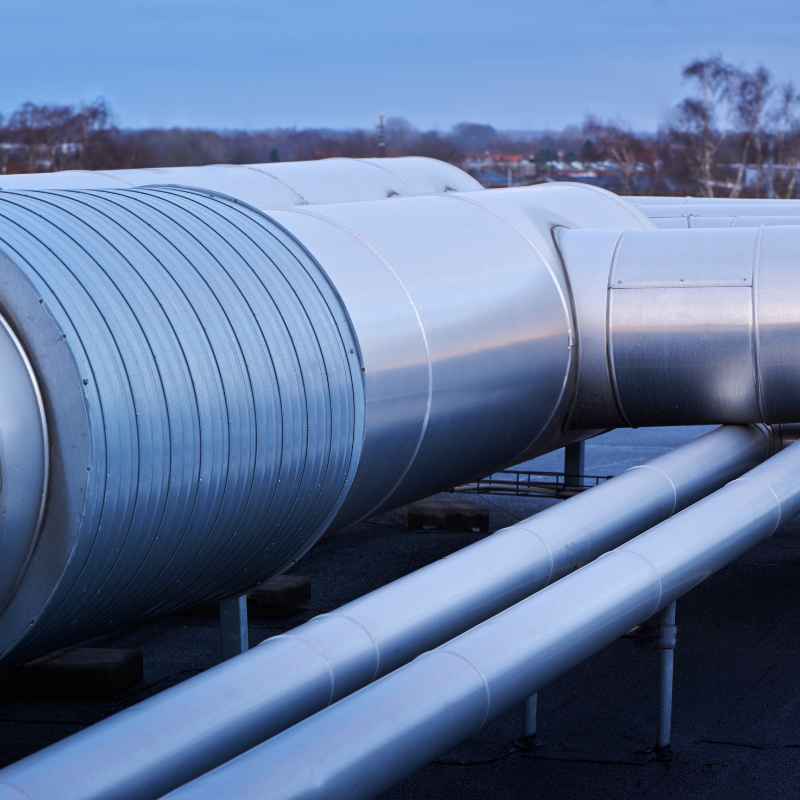
Simple checks: Look at the pipe. Is it shiny silver? Does it look like typical plumbing pipe?
If it’s not clearly marked as stovepipe or Class A chimney pipe, and it’s connected to a wood stove, assume it’s galvanized and dangerous. Check for manufacturer labels or UL listings on the pipe itself.
Quick Fixes & Tips
If you discover galvanized pipe is being used for your wood stove, the only “fix” is replacement. There are no safe workarounds.
-
Immediate Action: Stop using the stove immediately. Do not light another fire until the venting system is
- Consult Professionals: Call a certified chimney sweep or a wood stove installer. They can assess your current setup and recommend the correct replacement parts.
- Purchase Approved Materials: Buy only UL-listed stovepipe and Class A chimney systems. Look for them at reputable heating supply stores or from your installer.
- Follow Installation Guidelines: Ensure the new system is installed precisely according to the manufacturer’s instructions and local building codes.
- Regular Maintenance: Once you have a safe system, have it inspected and cleaned annually by a professional. This helps prevent creosote buildup and chimney fires.
Frequent Questions
Can I use regular sheet metal for a wood stove pipe?
No, regular sheet metal is not designed for the intense heat and corrosive byproducts of a wood stove. You must use pipe specifically rated for wood stove venting, such as single-wall stovepipe or Class A insulated chimney pipe, which are UL-listed for this purpose.
What happens if I inhale zinc fumes from heated galvanized pipe?
Inhaling zinc fumes can cause a flu-like illness called metal fume fever. Symptoms include fever, chills, cough, muscle aches, and nausea. While usually temporary, it is a serious health risk.
How can I tell if my current stovepipe is galvanized?
Galvanized pipe typically has a shiny, silvery appearance and may have a distinct hexagonal pattern from the zinc coating. It will feel different from painted black stovepipe. If you are unsure, it is best to assume it is not safe and have it inspected by a professional.
Is there any type of galvanized pipe that is safe for a wood stove?
No. The zinc coating on any galvanized pipe will vaporize and release toxic fumes when heated to the temperatures reached by wood stove exhaust. There are no exceptions.
What are the clearance requirements for single-wall stovepipe?
Clearance requirements vary by manufacturer and stovepipe type, but single-wall stovepipe typically requires at least 18 inches of clearance from combustible materials like walls, ceilings, and furniture. This can often be reduced with approved heat shields, but always check the product manual.
Can I use a DIY chimney made of stacked metal cans for my wood stove?
Absolutely not. This is extremely dangerous and a major fire hazard. Only use UL-listed chimney components specifically designed and tested for wood stove applications.
DIY solutions like this are a recipe for disaster.
Conclusion
When it comes to your wood stove, safety always comes first. Using galvanized pipe is a shortcut that leads to serious risks. The toxic fumes and potential fire hazards are not worth the small savings.
Always choose materials approved for wood stove venting to keep your home and loved ones safe and warm.
Sponsored / affiliate links. As an Amazon Associate I earn from qualifying purchases. I may earn additional commission from eligible campaigns.