How Much Does It Cost To Install A Wood Stove In 2025?
The total cost to install a wood stove in 2025 can range widely. Most homeowners spend between $2,000 and $7,000. This includes the stove itself, chimney parts, and professional labor. Simple installations might cost less. Complex setups in older homes can push the price much higher. Always get detailed quotes.
Understanding Wood Stove Installation Costs
So, you’re looking into a wood stove. Great! It’s a fantastic way to heat your home.
It can also add a lovely ambiance. But when you start asking about costs, the numbers can seem all over the place. This is totally normal.
There isn’t one fixed price. It really depends on what you need. Let’s break down why the price tag can shift so much.
The main reason for price variation is the scope of the project. Are you replacing an old stove? Or putting one in a brand-new spot?
Is your house already set up for it? Or do you need a whole new chimney? These questions really matter.
They change the materials and the time needed. Professional installers need to look at your specific home.
Think of it like buying a car. You can get a basic model or one loaded with all the extras. Both are cars, but the price is different.
A wood stove setup is similar. The basic idea is the same: a stove, some pipes, and safety measures. But the details add up.
We’ll dive into each part of the expense.
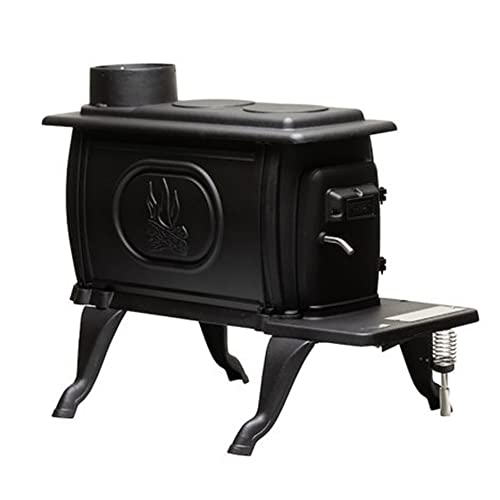
The Stove Itself: More Than Just a Box
Let’s start with the heart of the matter: the wood stove. The stove isn’t just a metal box. It’s a piece of machinery designed to burn wood efficiently and safely.
They come in many shapes, sizes, and styles. Each has its own price tag.
You can find basic, no-frills stoves. These are often smaller. They might have fewer features.
Their main job is to produce heat. These can start in the $500 to $1,000 range. They are good for smaller spaces or supplemental heat.
They are often made from thinner steel. They might have simpler door seals.
Then there are mid-range stoves. These offer better efficiency. They often have larger fireboxes.
This means you can load more wood. They usually have improved insulation. This helps them burn hotter and cleaner.
They might have glass doors. This lets you see the fire. These typically cost between $1,000 and $2,500.
At the higher end, you find premium stoves. These are built to last. They use very thick steel or cast iron.
They have advanced combustion systems. These systems burn fuel almost completely. This means less smoke and more heat from less wood.
They might have decorative elements. Some models are designed for specific looks, like a rustic farm look or a modern sleek design. These can easily run from $2,500 to $5,000 or more.
Don’t forget the brand and its reputation. Well-known brands often cost more. But they usually come with a solid warranty.
They also have a track record of quality. Sometimes, you pay for that peace of mind. You might also see specialized stoves.
For example, some are designed for radiant heat. Others are built for convection. These features can also influence the price.
In 2025, prices will continue to reflect material costs. Supply chain issues can still play a role. Look for sales or off-season discounts.
This can help lower the initial stove cost. Always check the stove’s efficiency ratings. A more efficient stove saves you money on wood over time.
That’s a hidden saving.
Stove Cost Snapshot (2025 Estimates)
Basic Models
$500 – $1,000
Good for small spaces.
Mid-Range
$1,000 – $2,500
Better efficiency, larger firebox.
Premium Models
$2,500 – $5,000+
Top quality, highest efficiency, long life.
Chimney and Venting: The Lifeline of Your Stove
A wood stove is useless without a proper way to vent smoke. This is the chimney system. It’s crucial for safety.
It’s also a major part of the installation cost. Codes are very strict here. You cannot cut corners.
The type of chimney matters a lot. Factory-built (Class A) chimneys are common. They are insulated.
They are safe for passing through walls and ceilings. These systems come in sections. You need straight pieces, elbows, wall thimbles, and a roof flashing.
The cost for these parts alone can add up quickly. For a typical installation, expect $1,000 to $3,000 just for the chimney pipe and related components.
If you have an existing masonry chimney, it might need work. It might need a stainless-steel liner. This liner protects the bricks.
It also ensures a safe flue path. Lining an existing chimney can cost anywhere from $700 to $2,000. This depends on the height and condition of the chimney.
You also need a thimble. This is a metal plate that protects the wall or ceiling. It allows the stove pipe to pass through safely.
A wall thimble might cost $100 to $300. A ceiling support box is also needed if the chimney goes through the floor above. This adds to the cost.
The roof flashing is another part. It seals the chimney to the roof. This prevents leaks.
It must be the correct type for your roof material. This could add another $100 to $200.
Finally, you need a chimney cap. This keeps out rain and animals. It can cost $50 to $150.
Important note: Some areas have strict rules about single-wall stove pipe. This is the pipe that connects the stove directly to the chimney. It’s usually not allowed to go through combustible materials.
It is often only permitted for vertical runs within a room, directly to a chimney connection. Class A chimney pipe is required for any pass-throughs.
The complexity of the chimney run is a big factor. Does it go straight up? Or does it need several elbows to get around joists or beams?
Each elbow adds cost. It also slightly reduces draft. A longer chimney run needs more pipe.
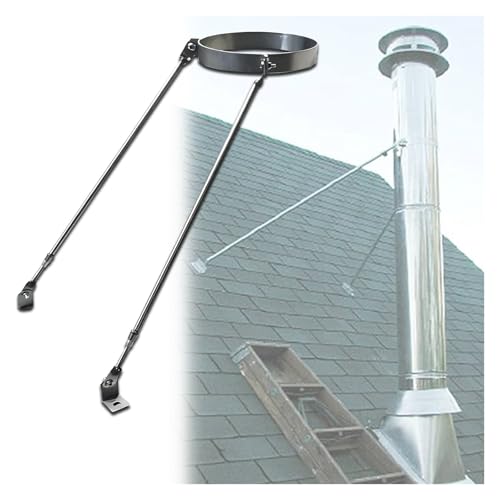
It also might need a chimney support system.
In 2025, safety standards are as high as ever. Codes are designed to prevent fires. Installing a chimney is not a DIY job for most people.
It involves cutting holes in your house. It requires working on the roof. It needs to meet national and local building codes.
Hiring a certified installer is often required. And it’s always recommended.
Chimney Component Costs (Estimates)
Class A Chimney Pipe (per foot)
$50 – $100
Wall/Ceiling Thimble
$100 – $300
Roof Flashing
$100 – $200
Chimney Liner (existing masonry)
$700 – $2,000
Chimney Cap
$50 – $150
Labor Costs: The Professional Touch
This is often the most variable part of the cost. It depends on your location. It also depends on the installer’s experience.
And it depends on how complex your specific job is.
A certified professional installer is key. They understand codes. They know how to make things safe.
They have the right tools. For a straightforward installation, labor might cost $800 to $1,500. This could be for a simple hook-up to an existing chimney or a short new run.
If the installation is more involved, labor costs rise. This could include:
- Running the chimney through multiple floors.
- Cutting through difficult materials like stone or concrete.
- Modifying existing structures to meet code.
- The need for scaffolding or special safety equipment.
- Dealing with unexpected issues found during the install.
In these cases, labor can easily climb to $1,500 to $3,000 or more. Some installers charge by the hour. Others give a flat rate for the job.
Always ask for a detailed quote before work begins.
What does labor usually cover? It’s typically the physical installation of the stove. It includes assembling and installing the chimney system. It means connecting the stove to the chimney.
It often includes safety checks. It should also include a basic explanation of how to use the stove. Some installers might also do the initial fire-up.
This ensures the draft is working correctly.
Experience matters. A seasoned installer might be faster. They also likely encounter fewer problems. This can sometimes mean their hourly rate is higher, but the total job time is less.
Look for installers certified by organizations like the National Fireplace Institute (NFI). This shows they have proven knowledge.
In 2025, finding good tradespeople can still be a challenge. Demand is high. This might mean higher labor rates.
Booking your installation well in advance is a good idea. Especially if you want it done before the cold weather hits.
An Installer’s Story: A Little Hiccup
I remember a job I helped with a few years back. We were putting a new stove in a cozy, older farmhouse. The owners had a beautiful, but unused, stone fi
We got the stove and all the chimney parts ready. The homeowner was so excited. We started by inspecting the chimney from the top.
That’s when we found the problem. Partway up, there was a large crack. A whole section of the old clay flue liner had crumbled away.
It looked like a bird’s nest of old mortar and debris.
This wasn’t just a small issue. It meant the liner couldn’t be easily slid down. We had to send someone up to carefully clean it out.
This took hours. It was dusty, dirty work. The worker had to use special tools to dislodge the debris without damaging the chimney structure further.
Then, we had to make sure the crack was sealed before we could even think about the liner.
This extra work added a full day to the job. It meant extra materials for repairs. And of course, it meant more labor costs.
The homeowners were understanding. They knew safety came first. But that unexpected issue pushed their total bill up by about $800.
It was a good reminder that older homes often have surprises. And skilled installers are worth their weight in gold for handling them.
Labor Cost Breakdown (Estimates)
Simple Installation (e.g., direct vent, short new chimney)
$800 – $1,500
Complex Installation (e.g., multi-story chimney, structural modifications)
$1,500 – $3,000+
Ancillary Items and Safety Features
Beyond the stove and chimney, there are other costs. These are for safety and convenience. They are often overlooked but are essential.
Hearth Pad: Most building codes require a non-combustible hearth pad. This goes under the stove. It protects the floor from heat and embers.
The size and material affect the cost. A simple tile or stone pad might cost $200 to $500. Pre-fabricated hearth pads can range from $300 to $800.
Wall Protection: If the stove is too close to a combustible wall, you need heat shields. These can be metal panels with air gaps. Or they can be made of stone or tile.
The cost varies based on the size and material. Expect to spend $100 to $400 for wall protection.
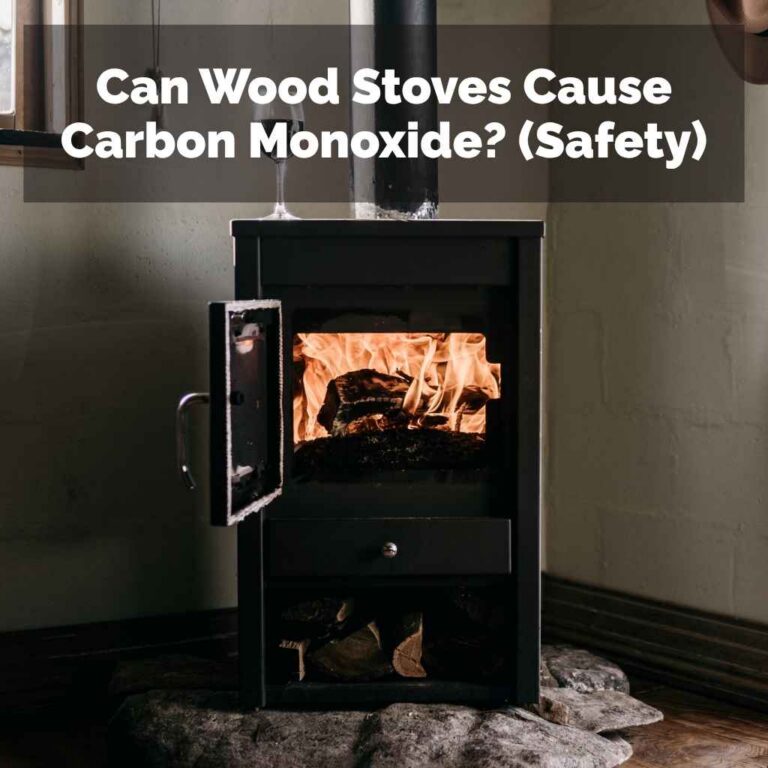
Carbon Monoxide Detector: This is non-negotiable. A good quality CO detector is vital for safety. Some can be hardwired.
Others are battery-operated. Budget $30 to $70 for a reliable unit. Some local codes might require two detectors.
Ash Bucket: A metal ash bucket with a lid is important for safely storing ashes. Ashes can remain hot for days. Never put them in a regular trash can.
A good ash bucket costs about $40 to $70.
Wood Storage: While not part of the installation cost, you need a place to store seasoned firewood. This involves buying wood, potentially a wood rack, and keeping it dry. Dry wood burns better and creates less creosote.
Permits: Many towns and cities require a permit for wood stove installation. Permit fees can range from $50 to $300. Your installer should know if this is needed.
They can often help you navigate the process.
Inspections: After installation, a building inspector will likely need to check your work. This ensures it meets code. Inspection fees are usually included in the permit cost.
Or they might be a separate charge.
Professional Cleaning: Before you even start using the stove, consider a professional chimney sweep. They can give it a final check and ensure it’s clean. This costs around $150 to $250.
It’s a good way to start with a clean slate, literally.
These smaller items add up. They ensure your installation is safe and compliant. They also help you use your stove with peace of mind.
Essential Safety & Ancillary Costs
Hearth Pad
$200 – $800
Wall Heat Shielding
$100 – $400
Carbon Monoxide Detector
$30 – $70
Ash Bucket
$40 – $70
Permit & Inspection Fees
$50 – $300
Factors That Influence Your Total Cost
We’ve covered the main cost components. Now let’s look at factors that can really change the final number. These are things that make one installation cost more than another, even for the same stove.
Your Home’s Age and Structure: Older homes are more likely to have surprises. They might have unexpected structural issues. Walls might not be insulated to modern standards.
Joist and beam placement can be awkward. This makes running a chimney harder. Dealing with plaster and lath walls is different than drywall.
Stove Placement: Where do you want the stove? Is it going in a room with a direct exit to the outside? Or does the chimney need to travel across the ceiling and through the roof?
A central location often means a longer chimney run. This means more pipe, more support, and more labor.
Type of Chimney System: As we discussed, a factory-built Class A system is standard. But if you have a masonry chimney, will it need a liner? Does it need repairs?
Are you creating a brand-new chimney from scratch? This is the most expensive option.
Local Building Codes: Codes vary by region. Some areas have very strict requirements for clearances. Others might have specific rules about chimney height or type.
Your installer must follow these. This might mean using more expensive materials or adding extra safety features.
Installer’s Location: Labor rates differ significantly by geographic location. In major metropolitan areas, you’ll likely pay more for labor than in a rural town. The cost of living impacts trade prices.
DIY vs. Professional Installation: While tempting, attempting a full wood stove installation yourself is risky. It can void warranties.
It can also be dangerous if not done correctly. Building codes often require certified installers. Even if you do some prep work, hiring professionals for the chimney and final hook-up is highly recommended.
Current Material Costs: Steel, insulation, and other building materials fluctuate in price. In 2025, expect prices to be influenced by global supply chains and demand. Getting multiple quotes can help you find the best value.
Unexpected Issues: This is a big one. Old homes can hide problems. Pests in the attic, damaged rafters, or hidden water damage are all possibilities.
Your installer should be transparent about any issues they find. They should discuss the added costs before proceeding.
Real-World Scenarios: What Does This Look Like?
Let’s put some numbers to these factors. We’ll look at a few different home scenarios.
Scenario 1: The Simple Upgrade
A homeowner in a newer home wants to replace an old, inefficient wood stove. The existing chimney is in good shape and has a liner. The stove is in the same location.
- New Stove: $1,200
- Labor (hooking up new stove, minimal chimney work): $800
- Hearth Pad (existing one is fine, but maybe update): $300
- CO Detector: $50
- Permit/Inspection: $150
- Total: Approximately $2,500
Scenario 2: The New Installation in a Ranch Home
A homeowner is adding a wood stove to a single-story ranch home. It’s going into a living room where there isn’t an existing fireplace or chimney. This requires a new Class A chimney system going through the wall and roof.
- Mid-Range Stove: $1,800
- Class A Chimney (15 feet run + elbows, thimbles, flashing, cap): $1,500
- Hearth Pad: $400
- Wall Protection: $200
- Labor (installing stove and chimney): $2,000
- Permit/Inspection: $200
- CO Detector: $50
- Ash Bucket: $50
- Total: Approximately $6,200
Scenario 3: The Complex Conversion in an Older Home
An older home owner wants to convert a non-functional masonry fireplace into a working wood stove. The chimney needs a full stainless-steel liner. It also needs some structural repairs and has a longer run due to room layout.
- Premium Stove: $3,500
- Masonry Chimney Liner & Repair: $1,800
- Additional Class A Pipe (for connection): $300
- Hearth Pad (larger, custom): $600
- Wall Protection: $300
- Labor (liner, repairs, stove, chimney connection): $2,500
- Permit/Inspection: $250
- CO Detector: $50
- Ash Bucket: $50
- Total: Approximately $9,350
These scenarios show the wide range. The wood stove installation cost really depends on your specific needs and home.
Cost Comparison: Different Home Types
Simple Stove Replacement
Estimated Cost: $2,000 – $3,500
Ideal for: Newer homes, existing chimney.
New Chimney Install (Single Story)
Estimated Cost: $4,500 – $7,000
Ideal for: Homes without existing fireplaces, ranch styles.
Masonry Chimney Conversion
Estimated Cost: $6,000 – $10,000+
Ideal for: Older homes, historic fireplaces needing upgrades.
What This Means For Your Budget in 2025
So, what’s the takeaway for your budget in 2025? Planning is your best friend. Don’t just guess the cost.
Get concrete numbers.
Get Multiple Quotes: This is the most important step. Contact at least three certified installers in your area. Ask them to come to your home.
They can assess your specific needs. They can then give you a detailed written estimate. Make sure the quotes include all parts and labor.
Understand What’s Included: Read each quote carefully. Does it cover the stove, chimney parts, all hardware, labor, permits, and final inspection? Are there any hidden fees?
Clarify anything you don’t understand.
Factor in the Stove’s Efficiency: A more expensive, highly efficient stove might save you money in the long run. You’ll burn less wood. This means lower fuel costs.
It also means less ash to deal with.
Be Prepared for the Unexpected: Especially if you have an older home. Build a small buffer into your budget for unforeseen issues. This could be a few hundred dollars to a thousand.
Consider Long-Term Costs: Beyond installation, think about the cost of wood. If you’re buying firewood, research local prices. If you’re cutting your own, factor in the cost of equipment and your time.
Financing Options: If the total cost seems high, look into financing. Some installers offer payment plans. Or you might consider a home improvement loan.
However, weigh the interest costs.
When is it “Normal” to Spend More? Spending more is normal if:
- You choose a very high-end, large stove.
- Your home requires extensive structural work for the chimney.
- You are in a high-cost-of-labor area.
- You are building a completely new, complex chimney system.
When Should You Worry About the Price? If an estimate seems incredibly low compared to others, be cautious. It might mean they are cutting corners on safety or materials. Or they might not fully understand the scope.
Conversely, if an estimate is astronomically high without clear justification, seek more bids.
The goal is to get a safe, functional, and beautiful wood stove. It should add value and warmth to your home without breaking the bank. Careful planning and research are key to achieving this.
Quick Tips for Managing Wood Stove Installation Costs
Want to keep the costs down without sacrificing safety? Here are some ideas:
- Shop for Stoves Off-Season: Many retailers have sales in spring and summer. You might find discounts on the stove itself.
- Ask About Package Deals: Sometimes installers offer package deals that include a stove and chimney components. This can be more affordable than buying separately.
- Consider Stove Location Wisely: Placing the stove in a location that requires a shorter, straighter chimney run will save on pipe and labor costs.
- Verify Your Existing Chimney: If you have a masonry chimney, have it professionally inspected before getting quotes. Knowing its condition (good, needs liner, needs repair) helps get accurate bids.
- Be Your Own General Contractor (with caution): If you have a knack for home improvement, you might do some prep work. This could include clearing the area for the hearth pad or protecting surrounding areas. However, the critical chimney and safety components should be done by pros.
- Check for Local Rebates or Incentives: Some areas offer tax credits or rebates for installing energy-efficient heating appliances like wood stoves. Check with your local government or utility company.
- Prioritize Safety Over Savings: Never compromise on safety. Ensure all work meets local building codes. Use certified installers and quality materials. A small saving now can lead to huge costs (or worse) later if something goes wrong.
Frequently Asked Questions About Wood Stove Costs
What is the average cost to install a wood stove in 2025?
In 2025, the average cost to install a wood stove typically falls between $2,000 and $7,000. This includes the stove, chimney system, safety features, and professional labor. Simple installations can be on the lower end, while complex jobs in older homes might exceed $7,000.
Can I install a wood stove myself to save money?
While some minor prep work might be DIY-friendly, fully installing a wood stove and its chimney system is generally not recommended for most homeowners. It requires specialized knowledge of building codes, safety clearances, and proper venting techniques. Professional installation ensures safety, compliance, and often comes with a warranty.
Incorrect installation can be a serious fire hazard.
What are the most expensive parts of a wood stove installation?
The most expensive components are usually the wood stove itself and the chimney system. Factory-built chimney pipes, especially for longer runs or complex routing, can be costly. Professional labor is also a significant expense, particularly for intricate installations or when structural modifications are needed.
Does the type of wood stove affect the installation cost?
Yes, the type and quality of the wood stove can influence the overall cost. High-efficiency, EPA-certified stoves or those made with premium materials like cast iron can be more expensive upfront. However, they may also reduce long-term fuel costs.
The installation itself isn’t directly tied to the stove type, but a heavier or larger stove might require more labor for placement.
Are permits and inspections required for wood stove installation?
In most areas, yes, permits and inspections are required. These ensure that the installation meets local building codes and safety standards. The cost of permits and inspections varies by locality but typically ranges from $50 to $300.
Your installer should be knowledgeable about these requirements.
How much does a basic wood stove cost?
A basic, smaller wood stove with fewer features can cost between $500 and $1,000. These are often suitable for smaller spaces or as supplementary heat sources. Mid-range stoves typically cost $1,000 to $2,500, offering better efficiency and features, while premium models can start at $2,500 and go upwards of $5,000.
What are the safety requirements that add to the cost?
Safety requirements that add to the cost include the non-combustible hearth pad ($200-$800), heat shielding for nearby walls ($100-$400), carbon monoxide detectors ($30-$70), and proper chimney clearances as dictated by codes. These are essential for preventing fires and ensuring safe operation.
Conclusion: Investing in Warmth and Value
Adding a wood stove is an exciting home improvement. Understanding the costs upfront makes the process much smoother. It’s an investment in warmth, ambiance, and potentially lower heating bills.
Be thorough in your research. Get detailed quotes. Prioritize safety and quality.
You’ll be enjoying cozy fires in your new wood stove before you know it.
Sponsored / affiliate links. As an Amazon Associate I earn from qualifying purchases. I may earn additional commission from eligible campaigns.