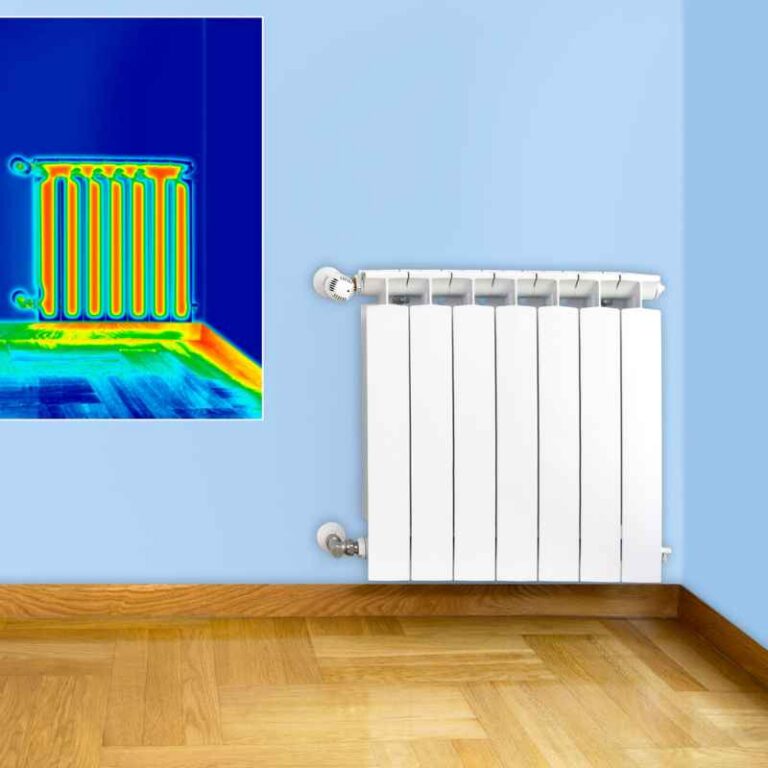
Do Infrared Quartz Heaters Remove Moisture From The Air?
Infrared quartz heaters do not actively remove moisture from the air. While they warm surfaces and can indirectly affect humidity levels by warming the air, they do not function as dehumidifiers. Their primary purpose is radiant heat.
How Infrared Quartz Heaters Work
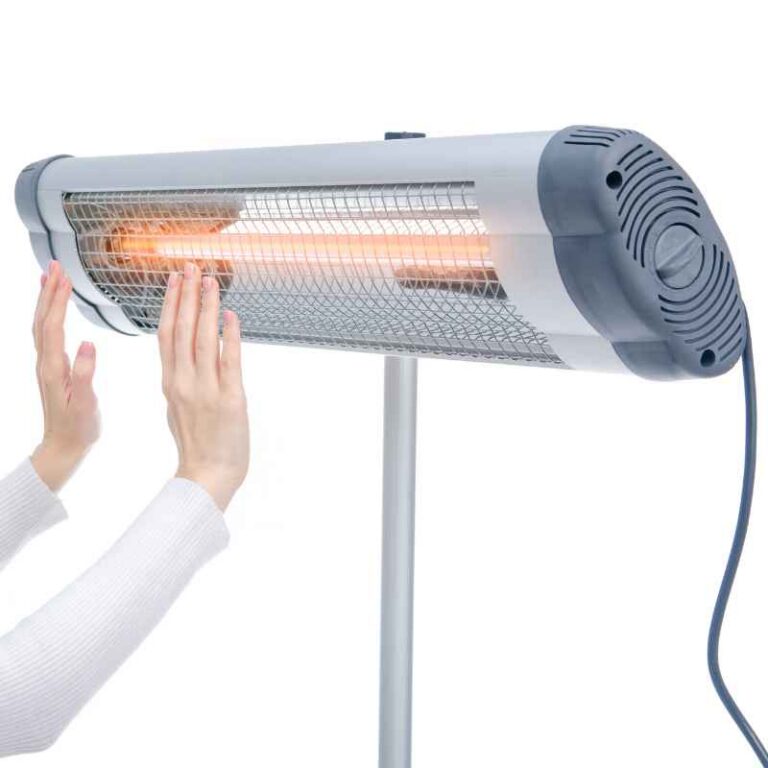
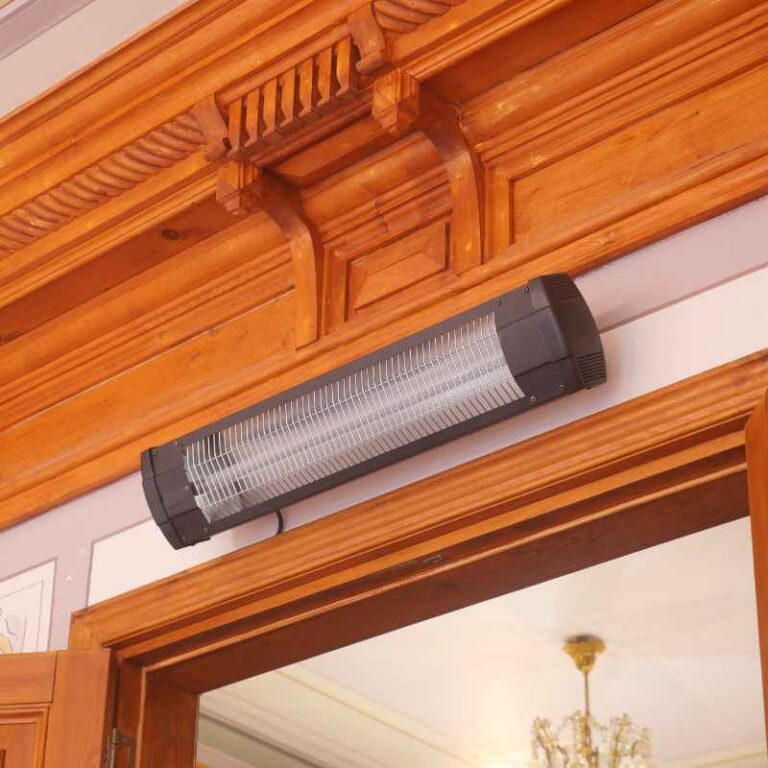
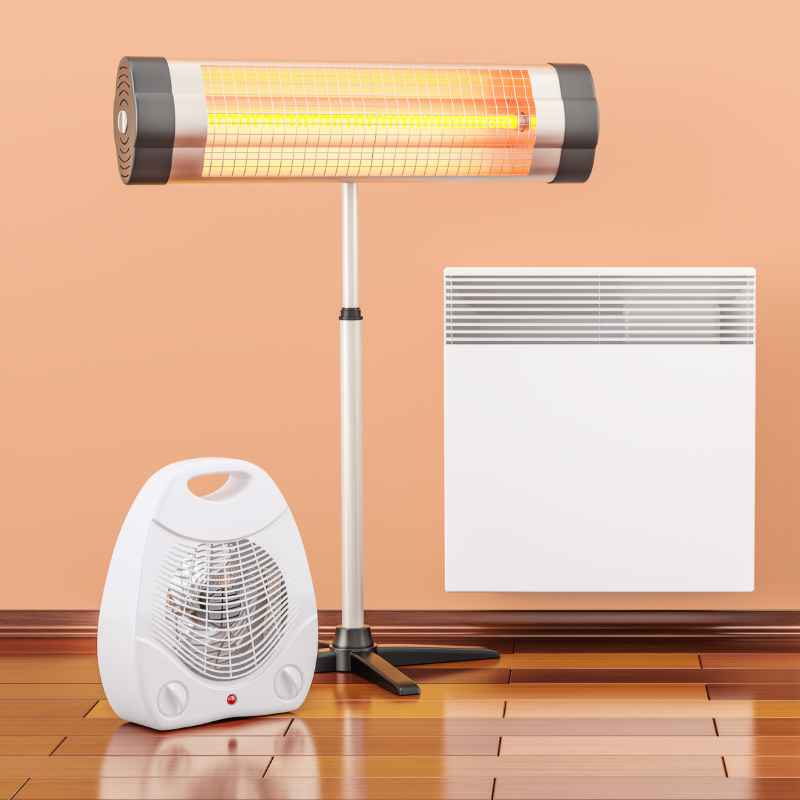
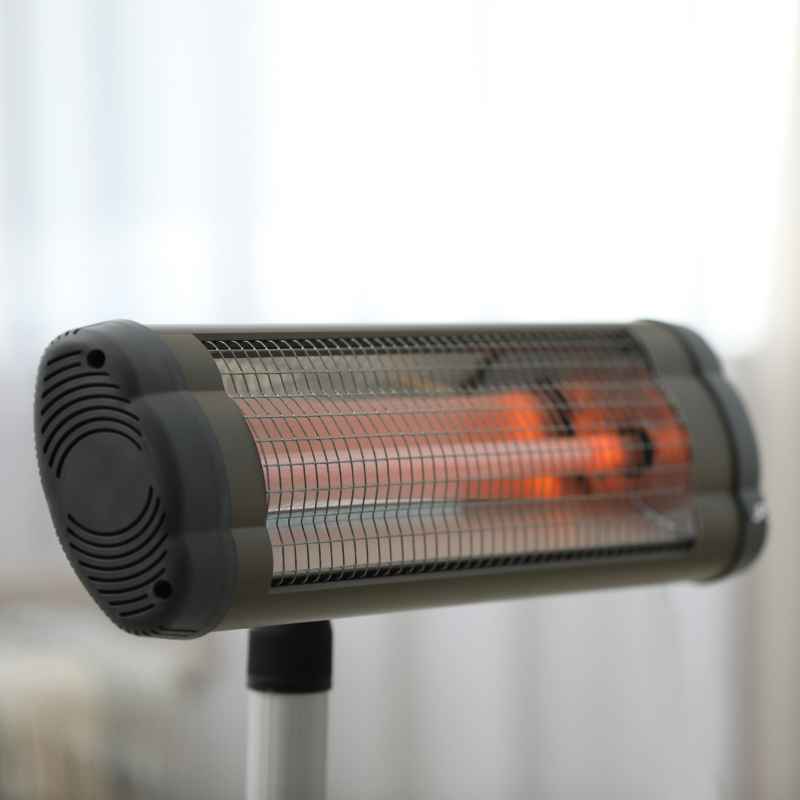
An infrared quartz heater is pretty neat. It uses quartz tubes to create infrared heat. These tubes get really hot.
Then, they send out invisible heat waves. These waves travel through the air. They don’t heat the air directly.
Instead, they heat up the objects they hit. This includes you, your furniture, and the walls.
Think of it like the sun. The sun’s rays warm your skin. They don’t make the air feel much hotter at first.
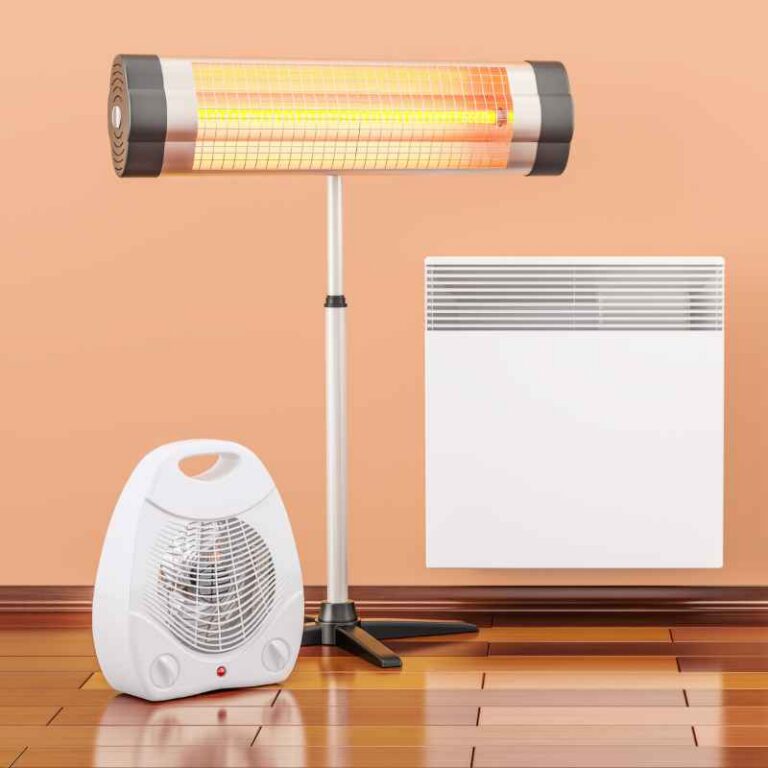
Infrared heat works the same way. It’s a direct warmth you feel. This is different from other heaters.
Many heaters blow hot air. This heats the air first. Then the warm air heats you.
The quartz element is key. It’s a strong material. It can handle high temperatures.
It’s also good at letting infrared waves pass through. When electricity flows through the element, it glows red. This red glow is the infrared heat.
It’s a very efficient way to transfer heat energy. It feels cozy and natural.
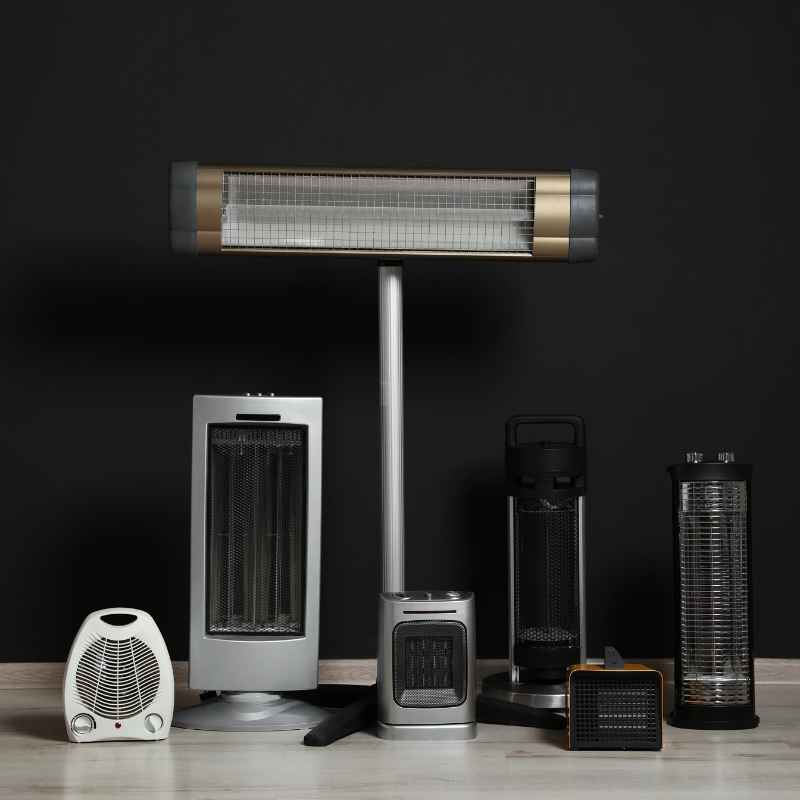
The Science of Heat and Humidity
Humidity is all about water vapor in the air. Warmer air can hold more water vapor. Cooler air can hold less.
When air gets warmer, its capacity for moisture increases. It doesn’t mean it will hold more. It just means it can hold more.
When you heat air, you change its relative humidity. Relative humidity is the amount of moisture in the air. It’s compared to the maximum amount it could hold at that temperature.
If you heat dry air, its relative humidity goes down. If you heat moist air, its relative humidity also goes down. This is because the air’s capacity to hold water increases.
So, if you heat a room with any kind of heater, the relative humidity will likely drop. This is true for infrared quartz heaters too. They warm the room.
This warming makes the air able to hold more water. The actual amount of water might stay the same. But because the air can hold more, the percentage goes down.
Can Infrared Quartz Heaters Lower Humidity?
Infrared quartz heaters do not have a mechanism to remove water from the air. They don’t collect condensation. They don’t expel moist air.
Their job is simply to make things warm by radiating heat.
However, they can affect the feeling of humidity. When they warm surfaces, these surfaces can dry out a bit faster. This is because the warmth helps water evaporate.
If you have a damp towel, warming it will help it dry. It’s the same principle, but on a larger scale in your home.
This drying effect might make you think the heater is removing moisture. In a way, it is helping moisture evaporate. But it’s not actively dehumidifying.
The water vapor is still in the air. It’s just that the air can now hold more of it without feeling as “humid.” This is an important distinction.
Personal Experience with a Dry Room
I remember one particularly chilly winter a few years back. My old apartment had these ancient radiators that barely worked. I bought one of those popular infrared quartz heaters.
It was a beautiful, sleek thing. It made the living room feel so much warmer, almost instantly. I loved sitting near it, feeling that gentle, sun-like warmth.
After a week or so, I started noticing my skin felt drier. My lips got chapped. The wooden floorboards seemed a bit creaky.
I thought, “Wow, this heater is powerful. It must be drying out the air.” I even remember wiping down a window and seeing how quickly it seemed to evaporate. I figured it was a good thing, kind of like a built-in dehumidifier.
It wasn’t until I started researching home heating that I understood. The heater wasn’t removing water. It was just warming the air.
Warmer air feels less humid. And it does help things dry out. But it wasn’t an active process of taking water away.
It was more of an indirect effect. I felt a little silly, but it was a good lesson in how heat works.
Understanding Heat Transfer
Conduction: Heat moves through direct contact. Like touching a hot stove. This is less common with infrared heaters.
They mostly warm objects, not air directly.
Convection: Heat moves by air currents. Like a fan heater blowing warm air. This is how most central heating works.
Radiation: Heat moves in waves. Like from the sun or an infrared heater. These waves pass through the air.
They warm surfaces they hit.
Infrared quartz heaters use radiation. This feels different than convection heat. It’s more direct warmth.
Direct vs. Indirect Effects on Humidity
Let’s break down the direct and indirect ways these heaters interact with moisture. The direct effect is zero. They don’t have parts to trap or expel water.
Their design is all about emitting waves.
The indirect effect is where the confusion often comes in. When the heater warms your room, the air temperature goes up. As we learned, warmer air has a higher capacity for moisture.
So, the relative humidity drops. If the air can hold more water, it feels drier.
Also, warmed surfaces tend to lose moisture faster. Think of drying clothes on a line. Warm, sunny days make them dry quicker.
The infrared heater does something similar. It adds warmth to surfaces. This warmth can speed up evaporation.
So, wet spots might disappear faster.
This evaporation doesn’t mean the water is gone from your home. It just means it’s turned into water vapor. And the air is now holding that vapor.
Because the air is warmer, it can hold it. This is why the air feels less humid. It’s a consequence of temperature change, not active water removal.
Comparing Infrared to Dehumidifiers
It’s crucial to see the difference between an infrared heater and a dehumidifier. A dehumidifier’s sole purpose is to remove excess moisture from the air. It actively pulls water vapor out.
Dehumidifiers usually work by cooling coils. The warm, moist air passes over these cold coils. The water vapor in the air condenses.
It turns back into liquid water. This water is collected in a tank. The now drier air is released back into the room.
This process lowers the overall amount of water in the air.
An infrared quartz heater does the opposite. It adds warmth. This increases the air’s capacity to hold moisture.
It doesn’t collect or remove water. It just changes the air’s properties. So, if you have a problem with too much humidity, an infrared heater won’t fix it.
If you’re looking to lower humidity, you need a dedicated dehumidifier. Or perhaps better ventilation. Using an infrared heater to “dry out” a damp room might actually make the problem worse in the long run.
It’s like trying to put out a fire with gasoline.
When Humidity Matters
Too High Humidity (Above 60%)
- Can make your home feel muggy and warm.
- Encourages mold and mildew growth.
- Can damage wood furniture and structures.
- Leads to condensation on windows and walls.
- Attracts dust mites and other pests.
Too Low Humidity (Below 30%)
- Can cause dry skin and chapped lips.
- Irritates sinuses and throat.
- Makes wood floors and furniture crack.
- Increases static electricity.
- Can make you feel colder than you are.
Finding the right balance is key for comfort and home health.
What Happens in Different Climates?
The effect of an infrared quartz heater on humidity can vary depending on your climate. In dry climates, using such a heater might make the air feel even drier. This could be uncomfortable if you’re already battling low humidity.
In humid climates, the heater’s effect is more nuanced. It will still increase the air’s capacity to hold water. This can make the air feel less oppressive.
But it won’t actually remove the moisture causing the oppressive feeling. You might need a dehumidifier running alongside your heater.
Consider the source of your humidity. Is it from cooking and showers? Or is it from outdoor weather conditions?
If it’s from indoor activities, ventilation is key. The heater won’t help much with that kind of moisture.
If you live in a place like Florida, where it’s often humid, adding warmth might not feel like it’s “drying” the air. You’ll still feel the moisture. But the warmer air can hold more of it.
This is why a dedicated dehumidifier is often necessary in these areas, regardless of heating.
Real-World Scenarios: The Damp Basement
Imagine a basement that’s always a bit damp. Maybe it has a musty smell. You decide to add an infrared quartz heater to make it cozier.
You turn it on. The walls and floor get warm.
The air in the basement warms up. Its capacity to hold water increases. So, the relative humidity goes down.
The surfaces might feel a bit drier to the touch. This might seem like a good thing. You might feel more comfortable down there.
However, the actual amount of water in the air hasn’t changed much. If there’s a persistent source of moisture, like water seeping through the walls, the heater isn’t stopping it. The water will keep evaporating into the air.
The air will just hold more of it.
In this scenario, the infrared heater might even make the problem worse long-term. By warming the surfaces, it can create a more welcoming environment for mold and mildew. These thrive in damp conditions.
So, while it feels warmer, you might be creating a hidden issue.
Quick Scan: Heater vs. Dehumidifier
| Feature | Infrared Quartz Heater | Dehumidifier |
|---|---|---|
| Primary Function | Radiates heat to warm objects and people. | Removes excess moisture from the air. |
| Moisture Removal | No. Indirectly affects relative humidity by warming air. | Yes. Actively collects water vapor. |
| How it Works | Infrared waves heat surfaces. | Cools coils to condense water vapor. |
| Effect on Air | Warms air, increases moisture capacity. | Cools air, reduces moisture content. |
| Best For | Spot heating, supplemental warmth. | Reducing dampness, preventing mold. |
The Role of Ventilation
Ventilation is a critical part of managing humidity. It involves exchanging stale indoor air with fresh outdoor air. This is often overlooked when focusing solely on heating.
When you use an infrared heater, it warms the existing air. If that air is already high in moisture, it will simply hold more of it. Opening a window for even a short time can make a big difference.
It lets out the moist air and brings in drier air (depending on the outside conditions).
Think about cooking. You boil water. Lots of steam is produced.
If you don’t use an exhaust fan or open a window, that steam stays in your kitchen. It increases the humidity of your entire home. An infrared heater in the kitchen won’t do anything to remove that steam.
Good ventilation is also important for health. It reduces indoor pollutants. It prevents that stuffy feeling.
Combining good ventilation with an infrared heater can create a more comfortable environment. But the heater itself isn’t doing the ventilating.
Observational Flow: Addressing Dampness
Step 1: Identify the Source. Is it a leaky pipe? Condensation? Outdoor humidity?
Indoor activities like cooking or showering?
Step 2: Improve Ventilation. Use exhaust fans. Open windows periodically. Consider an air exchanger if needed.
Step 3: Use a Dehumidifier. If ventilation isn’t enough, a dehumidifier actively removes moisture.
Step 4: Use Infrared Heater Wisely. An infrared heater can add comfort by warming surfaces. But it won’t solve dampness on its own.
Step 5: Monitor Humidity Levels. Use a hygrometer to track relative humidity. Aim for 40-50%.
When is Lower Humidity Okay?
Sometimes, lower humidity can be a good thing. As mentioned, it can help things dry out. This is useful for clothes drying.
It can also be beneficial if you’re dealing with mildew or mold issues.
If your home has persistent dampness, and you’ve addressed the source, then a general warming effect that helps surfaces dry might be helpful. But it’s still not an active removal of moisture. It’s about creating conditions where moisture can evaporate more easily.
For people who are sensitive to mold or mildew, a slightly drier environment can be better. But you don’t want to go too dry. Extremely low humidity can cause health problems, like dry skin, eyes, and throat irritation.
So, while an infrared heater might contribute to a drier feeling air, it’s not a targeted solution for humidity problems. It’s a comfort tool, primarily. If humidity is your main concern, you’ll need other equipment.
What This Means for Your Home
For your home, understanding this difference is key to managing your environment effectively. If you bought an infrared quartz heater for warmth, you’re likely getting what you paid for – comfortable, radiant heat.
If you were hoping it would also solve a dampness problem, you might be disappointed. It can help surfaces dry out faster, but it doesn’t remove water from the air. This means that if you have a chronic humidity issue, the heater alone won’t fix it.
In fact, in some cases, it might just make the air feel less damp while the underlying problem persists.
Consider using your infrared heater for supplemental heat. Use it to warm a specific room or area where you spend time. If humidity is a concern, pair it with good ventilation and possibly a dehumidifier.
This balanced approach will give you the best results for comfort and health.
Simple Checks You Can Do
You can easily check your home’s humidity. Get a hygrometer. These are inexpensive devices.
You can find them at hardware stores or online. They measure relative humidity.
Place a hygrometer in the room where you use your heater. Check the reading before you turn the heater on. Then check it again after it’s been running for a while.
You’ll likely see the percentage drop. Remember, this is because the air is warmer and can hold more moisture.
Also, pay attention to how your home feels. Do you wake up with a dry throat? Does your skin feel tight?
These are signs of dry air. Are you seeing condensation on windows or noticing a musty smell? These are signs of high humidity.
Your infrared heater might contribute to the feeling of dryness. But it’s important to know if that dryness is healthy or not. The hygrometer is your best friend here.
It gives you objective data.
When to Worry About Humidity
If Humidity is Consistently Below 30%:
- Look for dry skin, chapped lips, and irritated sinuses.
- Notice static electricity shocks.
- Wooden furniture or floors showing signs of cracking.
If Humidity is Consistently Above 60%:
- Feel a muggy, heavy air.
- See condensation on windows or walls.
- Detect a musty smell, indicating potential mold.
- Notice wallpaper peeling or paint blistering.
Your infrared heater won’t solve these issues directly. But understanding the humidity helps you know when to act.
Quick Tips for Using Your Heater
Use your infrared quartz heater for its intended purpose: providing comfortable, radiant warmth. Place it where you need heat most. Keep it clear of flammable materials.
Remember, it warms surfaces, so you’ll feel the effect more directly when you are in its line of sight.
If you notice your air feeling too dry, consider using a humidifier. Place it in the same room as your heater. This will add moisture back into the air.
It can help maintain a more balanced humidity level. Aim for a comfortable range, typically between 40% and 50%.
Also, don’t forget about ventilation. Even opening a window for 10-15 minutes a day can help. This exchanges the air and can prevent moisture buildup.
Combining these strategies will give you the best results for comfort.
Frequently Asked Questions
Do infrared quartz heaters make the air dry?
Infrared quartz heaters warm the air, and warmer air can hold more moisture. This makes the air feel drier by lowering the relative humidity. However, they do not actively remove water vapor from the air.
Are infrared heaters good for damp rooms?
They can help surfaces dry out faster by warming them. This might make a damp room feel more comfortable. But they won’t solve the root cause of dampness if it’s from a leak or poor ventilation.
For true dampness, a dehumidifier is better.
Can I use an infrared heater and a humidifier together?
Yes, absolutely. This is a great combination. The heater provides warmth, and the humidifier adds moisture to the air.
This helps maintain a comfortable humidity level, especially in dry climates or during winter.
How do I know if my air is too dry?
Signs of dry air include dry skin, chapped lips, itchy eyes, a sore throat, and increased static electricity. A hygrometer is the best way to get an accurate reading of your home’s humidity level.
Do infrared heaters remove mold?
No, infrared heaters do not remove mold. Mold thrives in damp conditions. While warming a surface might help it dry, it doesn’t kill mold spores.
You need to address the moisture source and clean affected areas to remove mold.
What’s the difference between radiant heat and other heating?
Radiant heat, like from an infrared heater, travels in waves and warms objects directly. Other heating methods, like convection, heat the air first, which then warms you. Radiant heat feels more like direct warmth from the sun.
Final Thoughts
So, while your infrared quartz heater is a wonderful way to get warm and cozy, it’s not a magic bullet for humidity control. It warms you directly. It makes your space feel inviting.
But it doesn’t take water out of the air. For that, you’ll need other tools like dehumidifiers and good ventilation. Enjoy your warmth, and keep an eye on that humidity!
Sponsored / affiliate links. As an Amazon Associate I earn from qualifying purchases. I may earn additional commission from eligible campaigns.