Can You Use A Shark Steam Mop On Wood Floors Safely?
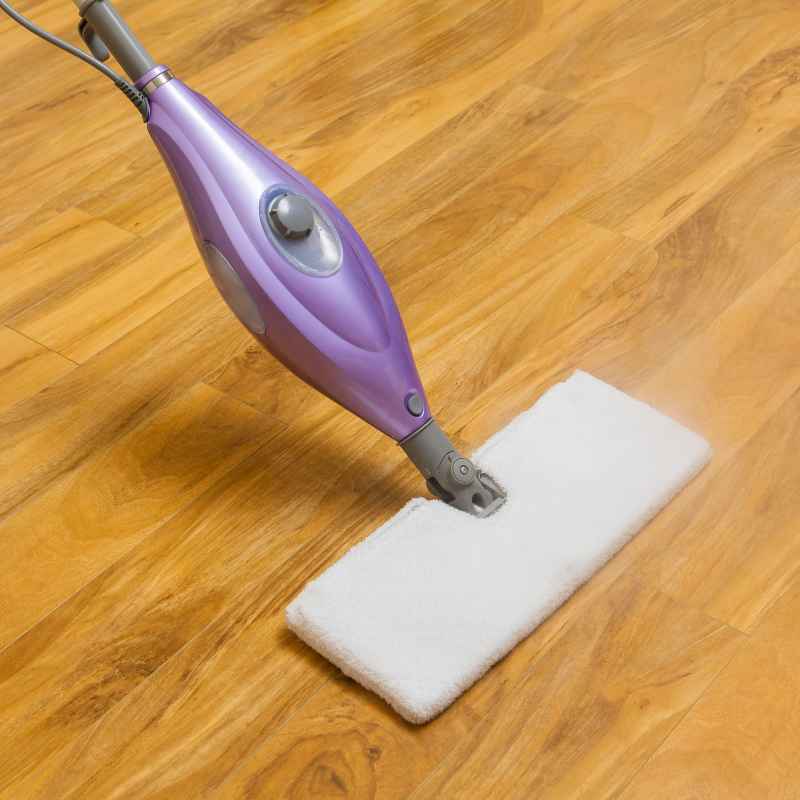
It’s a common question. You see that shiny Shark steam mop. You love how it makes tile and linoleum sparkle.
Then you look at your beautiful wood floors. Can you bring that same cleaning power to them? It feels like a risk.
Will steam damage the wood? Will it warp the finish? You want clean floors, but you don’t want to ruin them.
That’s a worry many homeowners share. This article will help clear things up. We’ll look at what makes steam mops work.
We’ll see how they interact with different wood floor types. You’ll learn what’s safe and what’s not. By the end, you’ll know for sure how to keep your wood floors looking great.
You’ll also get tips for safe cleaning.
Using a Shark steam mop on wood floors depends heavily on the floor’s finish and type. While some sealed wood floors might tolerate light steaming, many manufacturers and flooring experts advise against it due to potential damage from heat and moisture. Always check your flooring’s warranty and manufacturer recommendations first.
Understanding Steam Mops and Wood Floors
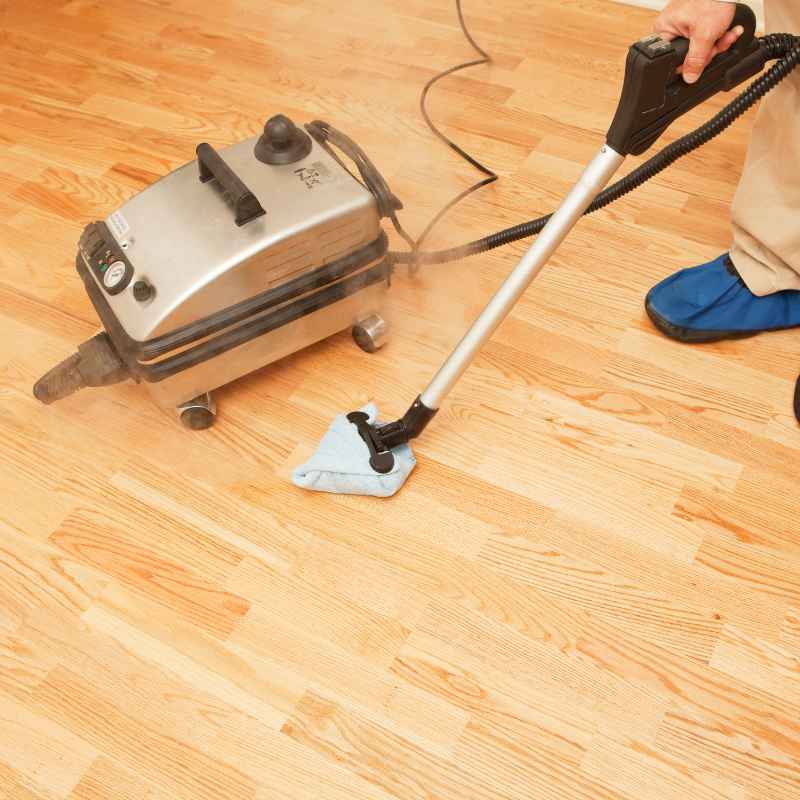
Let’s start with how steam mops work. They heat water until it becomes steam. This hot steam blasts away dirt and grime.
It can kill germs too. This is great for hard surfaces like tile. But wood floors are different.
They are made of natural materials. They can be sensitive to heat and moisture. Think about a wooden spoon left in hot soup.
It might warp or change shape. Wood floors can react similarly. Steam introduces heat and water.
Both can cause problems for wood.
The biggest issue is moisture. Wood is a porous material. It can soak up water.
When wood gets too wet, it can swell. This swelling can cause planks to buckle. It can also damage the finish on the floor.
The finish is like a protective coat. It keeps the wood safe from spills and wear. Too much steam can break down this finish.
This makes the wood vulnerable. Over time, this can lead to permanent damage. It might mean costly repairs or even replacement of the floor.
Heat is another concern. High heat can also affect the wood’s finish. It might cause it to yellow.
It can also make it brittle. This makes it more likely to crack or peel. Not all wood floors are the same.
Some are treated differently. Some can handle a bit more. Others are very delicate.
It’s important to know what kind of wood floor you have. This will help you decide if steam is a good idea.
Personal Experience: A Close Call with a “Safe” Method
I remember one time vividly. A friend had just installed gorgeous new hardwood floors. They were a beautiful, warm oak.
She was so proud of them. I was visiting and saw her cleaning. She was using one of those popular steam mops.
She told me, “Oh, this one is safe for wood floors!” I watched her glide it over the planks. It looked clean. But a little voice in my head was screaming.
I knew from my own research that steam and wood didn’t mix well.
Later that week, I was helping her move a rug. We lifted it up, and I noticed something. In the areas where she had been steaming the most, the finish looked…off.
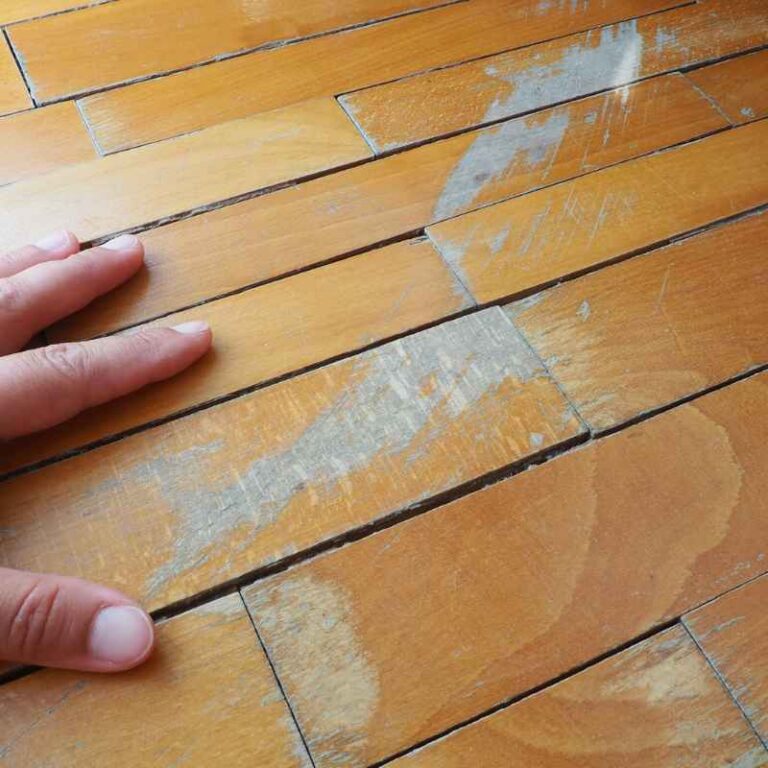
It wasn’t shiny anymore. It looked dull, almost hazy. The wood seemed slightly darker too.
I asked her about it. She brushed it off at first. But after a few more weeks, the dull spots got bigger.
The finish started to feel a bit sticky, even after it was dry. She was so upset. She had spent a lot of money on those floors.
Now, she had to deal with the possibility of refinishing them much sooner than expected. It was a real wake-up call for me. Even if a product claims to be safe, you still need to be cautious.
Especially with natural materials like wood.
Different Wood Floor Types and Their Steam Sensitivity
When we talk about wood floors, there are a few main types. Each one reacts differently to cleaning methods. Understanding these differences is key.
It helps you choose the right way to clean.
Solid Hardwood Floors: These are made from a single piece of wood. Think oak, maple, or cherry. They are thick and can often be sanded and refinished multiple times.
However, they are still very sensitive to moisture. Even sealed solid hardwood floors can suffer damage from steam. The moisture can seep into the wood’s core.
It can cause warping or cupping. The finish can also be compromised.
Engineered Hardwood Floors: These have a thin top layer of real wood. This layer is glued onto a core of plywood or high-density fiberboard. The top layer is what you see and feel.
The core provides stability. Engineered floors are often considered more stable than solid hardwood. They can sometimes handle moisture a bit better.
But the thin top layer is still a concern. If the finish is good, it offers some protection. But too much steam can still break through.
It can reach the core material. This can cause the layers to separate or swell.
Laminate Flooring: This is often mistaken for wood. It’s not real wood at all. Laminate has a printed image of wood on top.
It’s covered by a clear protective layer. Laminate is generally quite durable. It resists scratches and stains well.
Most laminate manufacturers say NO to steam mops. The heat and moisture can get under the protective layer. They can cause the printed image to swell or peel.
They can also make the seams swell. This creates gaps between planks.
Reclaimed Wood Floors: These floors have a history. They come from old buildings or structures. They often have a unique character.
But they can also be less predictable. Their age means the wood may have different moisture content. The original finishes might be unknown or degraded.
Reclaimed wood is often more delicate. It’s best to avoid steam mops altogether.
The Importance of the Finish
The finish on your wood floor is super important. It’s the first line of defense. There are two main types of finishes.
Surface Finishes: These sit on top of the wood. Polyurethane, urethane, and polyacrylic are common. They form a protective barrier.
This barrier is strong. It resists water and wear. Floors with these finishes are more durable.
But steam can still break down this barrier over time. Especially if it’s an older or worn finish.
Penetrating Finishes: These soak into the wood grain. Oil-based finishes are an example. They give wood a more natural look.
They allow the wood to breathe. But they offer less protection against spills and moisture. Steam can penetrate these finishes more easily.
This can lead to quicker damage.
Waxed Floors: Some older homes have waxed wood floors. Wax creates a soft sheen. It’s lovely but offers very little protection against moisture.
Steam will absolutely ruin a waxed floor. It will melt the wax and likely damage the wood beneath.
Finish Check: How to Tell What You Have
Surface Seal (Polyurethane, Urethane): Sprinkle a few drops of water on an inconspicuous spot. If the water beads up and sits on top, you likely have a surface seal. It’s still not ideal for steam, but it’s your best bet if you ever considered it.
Penetrating Seal (Oil, Wax): If the water soaks in quickly and darkens the wood, you probably have a penetrating seal or wax. Steam is a definite no-go for these.
What Do Manufacturers Say About Steam Mops and Wood?
It’s always smart to check what the people who made your floors say. Most wood flooring manufacturers have clear guidelines. They generally advise against using steam mops on their products.
Companies like Shaw Floors, Bruce Hardwood, and Mannington all have similar advice. They often state that excessive moisture is bad for wood floors. They recommend specific cleaning products.
These are usually pH-neutral cleaners. They also suggest using a damp (not wet) mop. They want you to dry any standing water immediately.
Why the strong advice against steam? Because it’s hard for them to guarantee their warranty if you use a method that’s known to cause damage. Even if your steam mop says it’s “wood floor safe,” it might not align with your flooring manufacturer’s warranty.
It’s a risk. You could void your warranty. This means if something goes wrong later, you’re on your own to pay for repairs.
Manufacturer Guidance Summary
- NO Steam: Most manufacturers explicitly state not to use steam mops.
- Avoid Excess Moisture: The primary concern is the amount of water introduced.
- Use Approved Cleaners: Stick to pH-neutral wood floor cleaners.
- Damp Mop Only: Ensure mops are wrung out well.
- Dry Spills Immediately: Don’t let liquids sit on the floor.
Shark Steam Mop Models and Wood Floor Claims
Shark offers many steam mop models. Some models might have specific attachments or settings. It’s important to read the manual for your exact model.
Shark itself often clarifies use on different floor types.
Generally, Shark recommends using their steam mops on sealed hard floors. This includes tile, linoleum, and sealed laminate. For wood floors, their advice is usually cautious.
They might say “use with caution” or “only on manufacturer-approved finishes.” They often suggest using the lowest steam setting. They also stress not to let the mop sit in one spot. You should also ensure the floor is fully dry afterwards.
However, “sealed” is a broad term. And what works for one person’s floor might not work for another’s. The longevity of your floor’s finish is a big factor.
If your finish is old or worn, even low steam can cause damage. The safest bet is always to check your flooring warranty first. If there’s any doubt, it’s better to avoid steam.
Shark Steam Mop Quick Guide
- For Tile/Linoleum: Generally safe and effective.
- For Sealed Laminate: Use with caution, lowest steam setting, do not oversaturate.
- For Wood Floors: HIGHLY CAUTIOUS. Check flooring manufacturer first. Avoid if possible. Use lowest setting, keep moving, and ensure floor dries fast.
- For Unsealed/Waxed Floors: Absolutely NOT recommended.
Alternatives for Cleaning Your Wood Floors Safely
If steam mops are too risky, what can you use? Luckily, there are many safe and effective ways to clean wood floors. You want them to be clean and protected.
Here are some top methods.
Regular Dusting/Sweeping: This is your first line of defense. Use a soft-bristle broom or a microfiber dust mop. This removes loose dirt, dust, and grit.
Grit is like sandpaper for your wood floor’s finish. Getting rid of it prevents scratches.
Vacuuming with the Right Setting: A vacuum cleaner can be good. But make sure it has a hard floor attachment. Or ensure the beater bar can be turned off.
A beater bar can scratch or dent wood floors. Look for vacuums specifically designed for hard floors.
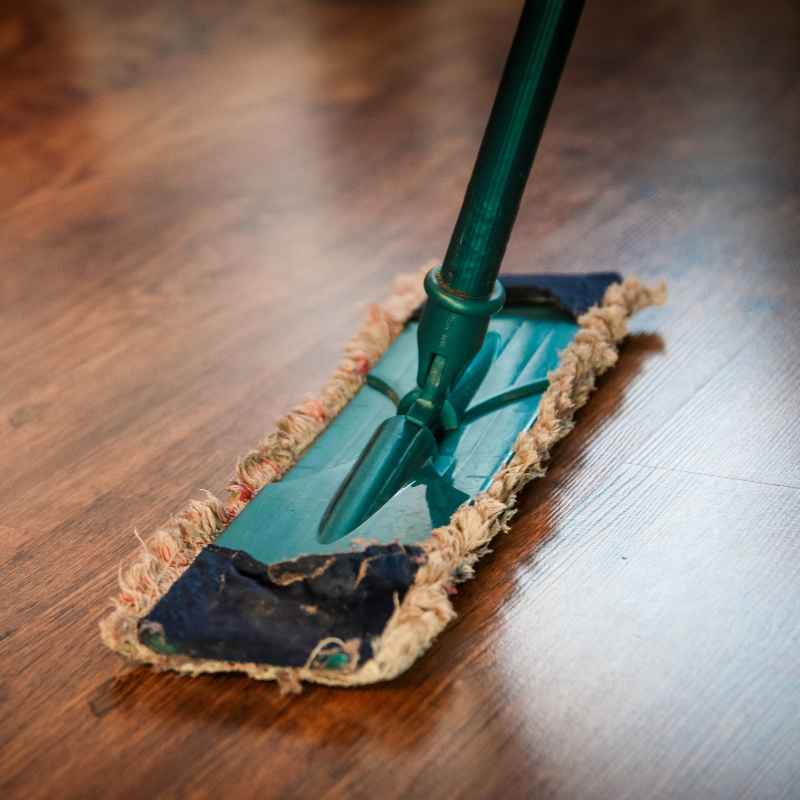
Damp Mopping with Approved Cleaners: This is the gold standard for wood floors. Use a microfiber mop. Lightly dampen it with water.
Or use a cleaner specifically made for wood floors. You can find many good options. Always make sure the mop is only slightly damp.
Wring it out very well. You don’t want water pooling on the floor.
pH-Neutral Wood Floor Cleaners: These are formulated to clean wood without harming the finish. Brands like Bona, Swiffer WetJet Wood Floor Cleaner, and Zep offer good choices. Always follow the product instructions.
DIY Cleaner (Use with Caution): Some people like a simple mix. A small amount of mild dish soap (like Dawn) in a bucket of water can work. Use only a tiny amount of soap.
Too much can leave residue. Make sure the mop is very well wrung out.
Spot Cleaning: For spills, act fast. Blot them up immediately with a soft cloth. Don’t rub, as this can spread the mess.
Then, use a slightly damp cloth to clean the spot. Dry the area thoroughly afterward.
Safe Wood Floor Cleaning Checklist
- Daily/Weekly: Sweep or dust mop to remove grit.
- As Needed: Vacuum with a hard floor attachment (beater bar off).
- Regular Cleaning: Use a slightly damp microfiber mop with a pH-neutral wood floor cleaner.
- Spills: Blot immediately and clean with a damp cloth. Dry thoroughly.
Signs Your Wood Floors Might Be Damaged by Steam
Even if you’re careful, sometimes damage happens. It’s good to know what to look for. Early detection can help prevent worse problems.
Dull or Hazy Spots: As I saw on my friend’s floors, steam can damage the finish. This makes it lose its shine. It might look cloudy or dull.
These spots can appear where the mop lingered too long. Or where the steam was too intense.
Warping or Cupping: This is a more serious sign. If wood planks start to bend upwards at the edges (cupping) or in the middle (crowning), it’s from moisture. Steam can introduce enough water to cause this.
It means the wood is swelling. This is often a permanent issue.
Buckling: This is the most severe form of moisture damage. It happens when planks swell so much they push against each other. This causes the floor to lift off the subfloor.
Buckling is a major structural problem. It often requires professional repair or replacement.
Stains or Discoloration: Wood can react to heat and moisture by changing color. It might darken, turn yellow, or develop dark spots. This can happen if steam penetrates the wood itself, not just the finish.
Peeling or Chipping Finish: The protective top layer might start to lift. It can bubble, peel, or chip away. This means the steam has weakened the bond between the finish and the wood.
Or the moisture has gotten underneath it.
Damage Alert Signs
- Visual: Hazy spots, dullness, discoloration, peeling finish.
- Tactile: Sticky feel, warped planks, uneven surfaces.
- Audible: Creaking or popping sounds (can sometimes indicate movement).
Real-World Context: When Is “Low Steam” an Option?
Some people insist that a very low steam setting, used quickly, can be okay. This comes up often. So, let’s talk about the reality of it.
Environment: If you live in a very dry climate, your wood floors might be less prone to swelling. But they are still susceptible to finish damage. In humid climates, adding more moisture with steam is a definite risk.
Habits: If you clean your floors every day with a steam mop on low, the cumulative effect can be damaging. Even if one quick pass seems okay, repeated exposure adds up. It’s like sun exposure.
One day outside is fine. But years of unprotected sun can cause damage.
User Behavior: The biggest factor is how the user operates the mop. If you move it constantly, don’t let it sit still, and have a good finish, the risk is lower. But “lower risk” is not “no risk.” People get busy.
They get distracted. A moment of inattention can mean minutes of steam on one spot. This is where the damage often starts.
Flooring Design: The way your floor was installed matters. Gaps between planks can allow steam to escape. But they can also allow moisture to seep down into the subfloor.
The type of wood and its cut also play a role.
Ultimately, the decision to use steam on wood floors is a gamble. For most people, the potential for costly damage outweighs the perceived benefits of steam cleaning. It’s a tool designed for other surfaces.
It’s usually best to stick to methods proven safe for wood.
Steam Mop Use: Risk Factors
- Climate: High humidity increases swelling risk.
- Cleaning Frequency: Daily or frequent steaming is riskier.
- User Attention: Distraction can lead to prolonged steam exposure.
- Floor Age/Wear: Older finishes are more vulnerable.
What This Means for Your Home and Your Floors
So, what’s the bottom line for your beautiful wood floors? It’s about protection. Your wood floors are an investment.
They add warmth and value to your home. You want them to last for years.
When it’s Normal: It’s normal for wood floors to need care. They will get dirty. They will get scuffs.
They will need to be cleaned regularly. The normal way to clean them involves gentle methods. Damp mopping with approved cleaners is the standard.
When to Worry: You should worry if you’re tempted to use a steam mop on your wood floors. Or if you’ve already done so and notice changes. Any sign of dullness, warping, or discoloration is a red flag.
Ignoring these signs can lead to bigger problems.
Simple Checks: Before you clean, always ask yourself:
- What is my flooring manufacturer’s recommendation?
- What is the finish on my floor like? Is it old or new?
- Am I willing to risk damaging my floor for the sake of using a steam mop?
If the answer to the last question is no, then stick to safe methods. Your floors will thank you for it.
Your Wood Floor Health Check
- Normal Care: Sweep, vacuum (with right attachment), damp mop with wood cleaner.
- Concerning Signs: Dullness, warping, discoloration, peeling finish.
- Action: If you see concerning signs, stop using steam and consult a flooring professional.
Quick Tips for Maintaining Wood Floors
Keeping your wood floors looking great doesn’t have to be hard. Here are some easy tips to follow:
- Use doormats: Place mats at all entrances. This catches dirt and grit before it gets tracked onto your floors.
- Take off shoes: Encourage family and guests to remove shoes indoors. Shoes track in dirt, moisture, and can have sharp heels that scratch.
- Trim pet nails: Keep your pets’ nails trimmed. Sharp nails can scratch the finish.
- Use furniture pads: Put felt pads under the legs of all furniture. This prevents scratches when you move chairs or tables.
- Clean up spills immediately: Don’t let liquids sit on the floor. Blot them up right away.
- Avoid harsh chemicals: Stay away from abrasive cleaners, ammonia, or strong solvents. They can damage the finish.
- Dust mop regularly: A quick dust mop once a day or every other day makes a big difference. It keeps grit from building up.
Frequent Questions About Steam Mops and Wood Floors
Can I use a Shark steam mop on a sealed hardwood floor?
While some sealed hardwood floors might tolerate very light, quick passes with a steam mop on its lowest setting, it’s generally not recommended by most flooring manufacturers. The risk of moisture damage and finish compromise is too high. Always check your specific flooring warranty first.
What kind of damage can steam mops cause to wood floors?
Steam can cause wood floors to warp, cup, or buckle due to excess moisture. It can also damage the finish, leading to dullness, haziness, discoloration, or peeling.
Are there any steam mops that are truly safe for all wood floors?
No, there isn’t a single steam mop that is universally safe for all wood floors. The safety depends heavily on the wood type, the finish, and the manufacturer’s recommendations. Most experts advise against using steam mops on any wood flooring.
What is the best way to clean wood floors without a steam mop?
The best methods involve regular dusting or sweeping, vacuuming with a hard floor attachment, and damp mopping with a microfiber mop and a pH-neutral wood floor cleaner. Always wring your mop out very well.
How can I tell if my wood floor has a good seal?
To test the seal, sprinkle a few drops of water on an inconspicuous area. If the water beads up and stays on the surface, your floor likely has a good surface seal (like polyurethane). If the water soaks in quickly, it might have a penetrating finish or wax, which is less resistant to moisture.
Can I use my Shark steam mop on my engineered wood floors?
Engineered wood floors are often more stable than solid hardwood, but they still have a real wood veneer on top. Steam can still damage this veneer and the underlying layers. It’s best to follow the same caution as with solid hardwood and check your flooring manufacturer’s advice.
Conclusion: Protecting Your Investment
Keeping your wood floors clean is important. But keeping them healthy is even more so. While steam mops are great for some surfaces, they often pose too great a risk to wood floors.
The heat and moisture can lead to costly damage. Sticking to safe, proven cleaning methods is the best way to protect your beautiful wood floors. You’ll ensure they stay lovely for years to come.
Sponsored / affiliate links. As an Amazon Associate I earn from qualifying purchases. I may earn additional commission from eligible campaigns.