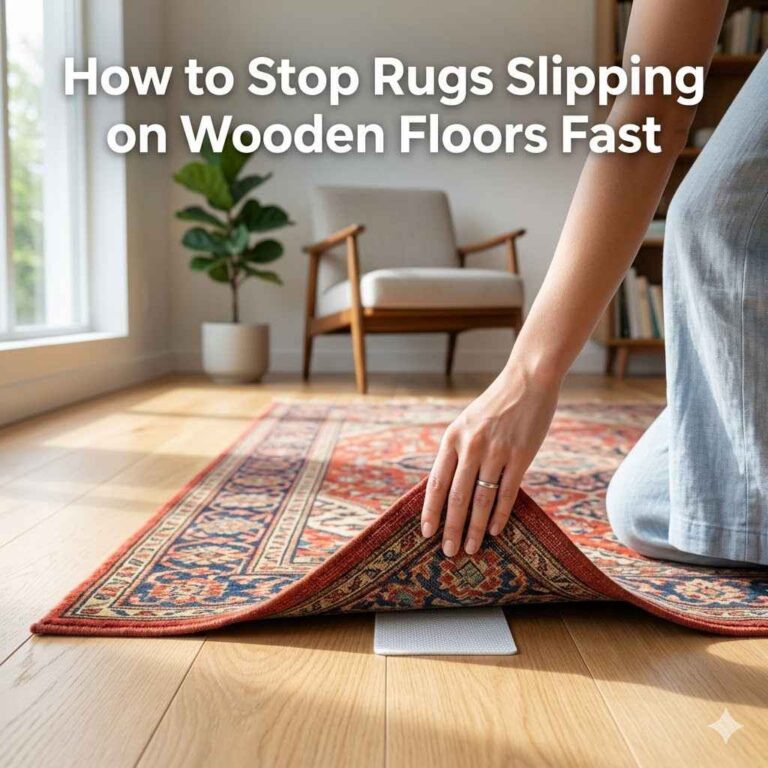
How To Stop Your Bed From Sliding On Wood Floors For Good
To stop a bed from sliding on wood floors, use non-slip furniture pads under the bed legs. Other effective methods include specialized furniture grips, carpet remnants, or even DIY solutions like rubber mats. The goal is to add friction between the bed and the floor.
Understanding Why Beds Slide
Why does your bed just slide around? Wood floors are often smooth. Bed legs, especially metal ones, don’t grip well.
Even wooden legs can slip. Friction is what keeps things in place. When there isn’t enough friction, movement happens easily.
This is especially true if you move a lot at night.
Think about shoes. Some soles grip well. Others are very slick.
Your bed legs are like shoes for your bed. If they are slick, the bed will slide. This can happen even if the floor isn’t perfectly smooth.
Small bumps or vibrations can start the slide.
The weight of the bed matters too. A heavier bed might stay put better than a lighter one. But even heavy beds can slide.
It depends on the leg material and the floor surface. Any little push can start a chain reaction. Soon, your bed is in a different spot.

My Own Bed’s Great Escape
I remember one night vividly. I was reading in bed. I adjusted my pillow.
Suddenly, my bed lurched. It sounded like a small earthquake. I looked around, confused.
The whole frame had moved a good six inches. My nightstand was now awkwardly angled. It was past midnight.
I was tired. The last thing I wanted was to fix my furniture.
I felt a wave of annoyance. This happened way too often. I’d tried pushing it back.
But it would slide again the next night. Sometimes it was subtle. Other times, it was a major shift.
I worried about scratching my new wood floors. I’d invested a lot in them. The thought of permanent damage made me uneasy.
I needed a real fix, not just a temporary push.
That night, I decided enough was enough. I grabbed my phone and started searching. There had to be a simple way to stop this.
I didn’t want to drill holes or make permanent changes. My goal was a stable bed and safe floors. I started looking for easy solutions.
Common Bed Materials and Sliding Issues
Metal Bed Frames: Often have smooth, rounded feet. These offer very little grip. They are prime culprits for sliding.
Wooden Bed Frames: Legs can be smoother than you think. Unfinished wood might offer some grip. Painted or finished wood can be slick.
Platform Beds: May have wider base areas. If the contact points are smooth, they can still slide.
Adjustable Beds: Tend to have more complex leg structures. Some have wheels, which are terrible for wood floors. Others have flat feet that can still slip.
Furniture Pads: Your First Line of Defense
The most popular and effective solution involves furniture pads. These are small discs or squares you stick or place under your furniture legs. They come in many materials.
For wood floors, you want something that offers grip and protects the wood.
Felt Pads: These are great for protecting floors from scratches. However, felt alone doesn’t offer much grip. It can still slide.
If you use felt, make sure it has a rubbery backing for traction.
Rubber Pads: These are excellent for grip. They create a strong friction barrier. Look for thick, dense rubber pads.
They can last a long time. They absorb some shock too. This helps prevent noise.
Silicone Pads: Similar to rubber, silicone offers good grip. They are often a bit softer. They can mold slightly to the leg for a better fit.
Many have a sticky back.
Cork Pads: Cork is a natural material. It has a slightly rough texture. This provides decent grip.
It also looks nice and is eco-friendly. Some cork pads have a sticky adhesive.
When buying pads, consider the size of your bed legs. They need to cover the entire contact point. They also need to be durable enough for the weight of your bed.
Most come with strong adhesive backing. Just clean the leg, peel, and stick.
Choosing the Right Furniture Pads
For Grip: Prioritize rubber or silicone. These materials are known for their non-slip properties.
For Floor Protection: Felt is best for preventing scratches. But ensure it has a grippy layer.
For Heavy Beds: Opt for thicker, denser pads. They will withstand the pressure better.
For Uneven Legs: Some pads are slightly compressible. They can conform to minor irregularities.
Specialized Grips and Mats
Beyond basic pads, there are more specialized products. These can offer even better stability. They might be worth considering if standard pads don’t do the trick.
Furniture Grips: These are often like sturdy cups or sleeves. You slide the bed leg into them. They are typically made of thick rubber or a similar high-friction material.
The leg is fully enclosed. This prevents it from sliding out. They are very effective.
Many are designed for specific leg shapes.
Anti-Slip Mats: You can buy mats specifically designed for furniture. These are larger than pads. You place the entire bed leg (or legs) onto the mat.
They are great if you have a bed frame with multiple small feet. Or if the feet are widely spaced. These mats are usually made of heavy-duty rubber.
They have a textured surface.
Carpet Remnants or Rugs: This is a more DIY approach. You can place a small rug or a piece of carpet under the entire bed. This works well because carpet fibers create a lot of friction.
It also adds a cozy feel to the bedroom. Make sure the rug itself doesn’t slide. You might need a rug pad underneath it.
These options often provide a more substantial barrier. They can be a good choice for very active sleepers or very slick floors. They also tend to be more durable.
They can handle the constant pressure from a bed.
DIY Solutions for Bed Sliding
Rubber Shelf Liner: Cut pieces to fit under each leg. It’s cheap and effective.
Old Yoga Mats: These are made of grippy material. Cut them into squares.
Door Mats: A sturdy, rubber-backed door mat can work wonders.
Stair Treads: Adhesive stair treads can be cut and applied to the bottom of legs.
Bed Frame Specifics Matter
The type of bed frame you have influences the best solution. Metal frames often have specific leg designs. Some have post legs.
Others have smaller, rounded feet. Understanding your frame helps you pick the right product.
Metal Frames with Post Legs: Standard furniture pads or cups work well here. Ensure the pad covers the entire bottom of the post.
Metal Frames with Small Feet: These can be tricky. Tiny feet offer little surface area. You might need pads with a wider base.
Or consider furniture grips that encase the entire foot.
Wooden Frames: Usually have larger, flatter feet. Felt pads with a grippy bottom or thick rubber pads are good choices. For very large feet, a full anti-slip mat might be best.
Platform Beds: These might have a solid base or multiple legs. If it’s a solid base, the entire bottom edge needs attention. If it has many legs, treat each one like a separate furniture leg.
Adjustable beds can be a special case. Some have casters (wheels). These are designed to move.
If you have an adjustable bed with wheels on wood floors, you absolutely need to stop it. Wheel stoppers or a large, heavy-duty mat are essential. Otherwise, the wheels will damage your floor and cause the bed to slide.
When It’s Not Just Slipping
Sometimes, what seems like sliding is something else. Or it’s sliding caused by a deeper issue. It’s important to check a few things.
Uneven Floors: If your floor is not level, the bed will naturally want to move towards the lower side. You might need shims under the legs. But try grippy pads first.
They might hold it in place.
Loose Bed Frame: If the frame itself is wobbly, it will shift more easily. Tighten all bolts and screws on your bed frame. A solid frame is more stable.
It offers a better base for grip.
Mattress Shifting: Sometimes it’s the mattress moving on the box spring or frame. This isn’t the bed frame sliding. Use a mattress grip pad.
This is a textured sheet placed between the mattress and its base. It stops the mattress from slipping.
Movement Transfer: If you have a very bouncy mattress or frame, your movements might be amplified. This can cause the bed to scoot. Improving the frame’s stability and using shock-absorbing pads can help.
Some adjustable bases have built-in anti-slip features.
Quick Checks Before Buying Solutions
Check Frame Stability: Wiggle the bed. Does it feel solid? Tighten any loose parts.
Inspect Legs: What are they made of? Are they flat, rounded, or do they have wheels?
Assess Floor Surface: Is it a smooth finish, waxed, or textured?
Consider Weight: How heavy is your mattress and frame combined?
Installation Tips for Maximum Grip
Putting on furniture pads correctly is key. A good installation means they stay on. And they work their best.
Clean the Legs: Before applying any adhesive pad, clean the bottom of each bed leg. Dust, dirt, and grime will stop the adhesive from sticking well. Use a damp cloth and let them dry completely.
Prepare the Surface: If the floor is dusty, give it a quick wipe too. This ensures the pad sticks firmly to both surfaces.
Center the Pad: Place the pad directly under the center of the leg. This distributes the weight evenly. It prevents the leg from leaning off the pad.
Press Firmly: Once placed, press down hard on the pad for about 30 seconds. This helps the adhesive bond properly. For cups or grips, ensure the leg is fully seated inside.
Test Carefully: After installation, gently try to slide the bed. It should feel much more resistant. Do this before you fully put the mattress back on, if possible.
This allows you to adjust if needed.
Replace When Worn: Pads don’t last forever. They can wear down, lose their grip, or become damaged. Check them every six months.
Replace them if they look worn or if the bed starts moving again.
Infographic: Steps to Applying Furniture Pads
Step 1: Clean Leg Bottom
Wipe away dust and debris.
Step 2: Dry Thoroughly
Ensure the surface is completely dry.
Step 3: Peel Backing
Remove the protective paper from the adhesive.
Step 4: Position Pad
Center the pad on the leg’s base.
Step 5: Press Down Firmly
Hold for 30 seconds for a strong bond.
Step 6: Repeat for All Legs
Ensure each leg has a pad.
When to Worry About Sliding
Most of the time, a sliding bed is just an annoyance. But there are times when it could signal a bigger problem. Or it might lead to serious damage.
Significant Floor Damage: If you notice deep scratches or gouges in your wood floor, the sliding is causing harm. This is when you need a solution immediately. The cost of floor repair can be high.
Structural Issues: If the bed is moving so much that it’s stressing the frame, or if legs are buckling, there might be a structural issue with the bed itself. This is a safety concern.
Constant Movement: If your bed slides significantly every single night, it’s more than just a light nudge. It indicates a severe lack of friction. You need a robust solution.
Safety Hazards: A bed that slides unexpectedly could cause someone to trip or fall. Especially if it moves away from the wall or nightstand. This is a greater risk for children or older adults.
If you’re experiencing any of these issues, it’s time for a more serious approach. Invest in the best quality pads or grips you can find. Or consider a different bed frame if yours is inherently unstable.
For major floor damage, consult a flooring professional.

Long-Term Stability Strategies
Once you find a solution, how do you ensure it lasts? Regular checks are important.
Periodic Inspections: Every few months, check your pads. Are they still firmly attached? Are they worn down?
Replace them proactively.
Tighten Frame Components: Beds can loosen up over time. Periodically re-tighten screws and bolts on the frame. This keeps the bed rigid.
Adjust for Seasons: In some climates, wood floors expand and contract with humidity changes. This can sometimes affect how furniture sits. You might notice more sliding in certain seasons.
Consider Bed Risers: If you need more height anyway, bed risers often come with built-in grippy surfaces. They lift the bed and provide a stable base.
The goal is to create a consistent barrier. This barrier needs to withstand the weight and movement. Choosing durable, high-friction materials is key for long-term success.
Quick Fixes & Tips Summary
Use Thick Rubber Pads: For maximum grip and durability.
Install Grips or Cups: If legs are prone to slipping out.
Place a Rug Under the Bed: Ensure the rug itself doesn’t slide.
Check Frame Tightness: A wobbly frame will move more.
Clean Legs Before Applying Adhesive: For best stickiness.
Replace Worn Pads: Don’t wait until the bed slides again.
Frequently Asked Questions About Sliding Beds
Will furniture pads damage my wood floor?
High-quality furniture pads, especially those made of felt with a rubber backing, or pure rubber/silicone, are designed to protect floors. They create a barrier. Avoid cheap, hard plastic pads that can scratch.
Always clean the floor and leg before application. Proper installation prevents damage.
How do I stop a metal bed frame from sliding?
Metal bed frames often have smooth legs that slide easily. Use thick rubber or silicone furniture pads under each leg. Furniture grips designed for metal legs are also very effective.
Ensure the entire contact surface of the leg is covered by the grippy material.
My bed has wheels. How can I stop it from sliding?
Wheels are designed to roll. If your bed has wheels on wood floors, you need wheel stoppers or chocks. For a more permanent solution, consider replacing the wheels with fixed furniture legs.
You can also place a large, heavy-duty non-slip mat under the entire bed.
What is the best material for bed leg pads on wood floors?
The best materials are dense rubber, high-quality silicone, or thick felt with a grippy rubber base. These provide excellent friction and protect the wood. Cork is another good option that offers natural grip.
Avoid simple felt or hard plastic that offers little traction.
Can I use DIY solutions like cut-up tires?
While DIY solutions can work, be cautious. Some materials, like old tires, might leave marks or transfer oils onto your wood floor. It’s often safer to use products specifically designed for furniture on hard floors.
If you use DIY, test a small piece first in an inconspicuous area.
How often should I replace my furniture pads?
This depends on the weight of the bed and how much it moves. Typically, check them every 6 months. If they look compressed, worn, or are no longer grippy, replace them.
Proactive replacement is better than waiting for the bed to slide again.
Conclusion: A Stable Sleep Awaits
Dealing with a sliding bed can be a real headache. But with the right approach, you can achieve lasting stability. Simple furniture pads, specialized grips, or even strategic rug placement can make a big difference.
Prioritize solutions that offer good friction. Protect your valuable wood floors. Enjoy a peaceful, stable night’s sleep.
Sponsored / affiliate links. As an Amazon Associate I earn from qualifying purchases. I may earn additional commission from eligible campaigns.